
Pazo de Señorans
Meis
Winery in Meis, Spain
 Book with Pearl
The Read
Salnés Terroir Precision
Price
$20–30tasting
Why go
Pazo de Señorans is the Meis winery to choose when the visit needs to feel considered and celebratory, not casual. The pazo setting gives it stronger occasion value than a simple tasting-room stop, but the booking pressure means it works better as the anchor of a Rías Baixas day than as a last-minute add-on.
About Pazo de Señorans
In Rías Baixas, especially the Salnés area around Meis, the decision is less about finding Albariño and more about choosing what kind of winery day is actually worth building around. The grape is the regional headline, so the more useful question is whether you want a quick glass somewhere convenient or a visit that feels deliberate from the moment you arrive. Pazo de Señorans is the pick for a polished, occasion-minded stop: more suited to a birthday, anniversary, or wine-focused detour than a loose afternoon of dropping in wherever has space. It suits travelers who are not simply filling an hour between meals, but shaping part of the day around a winery with a stronger sense of place.
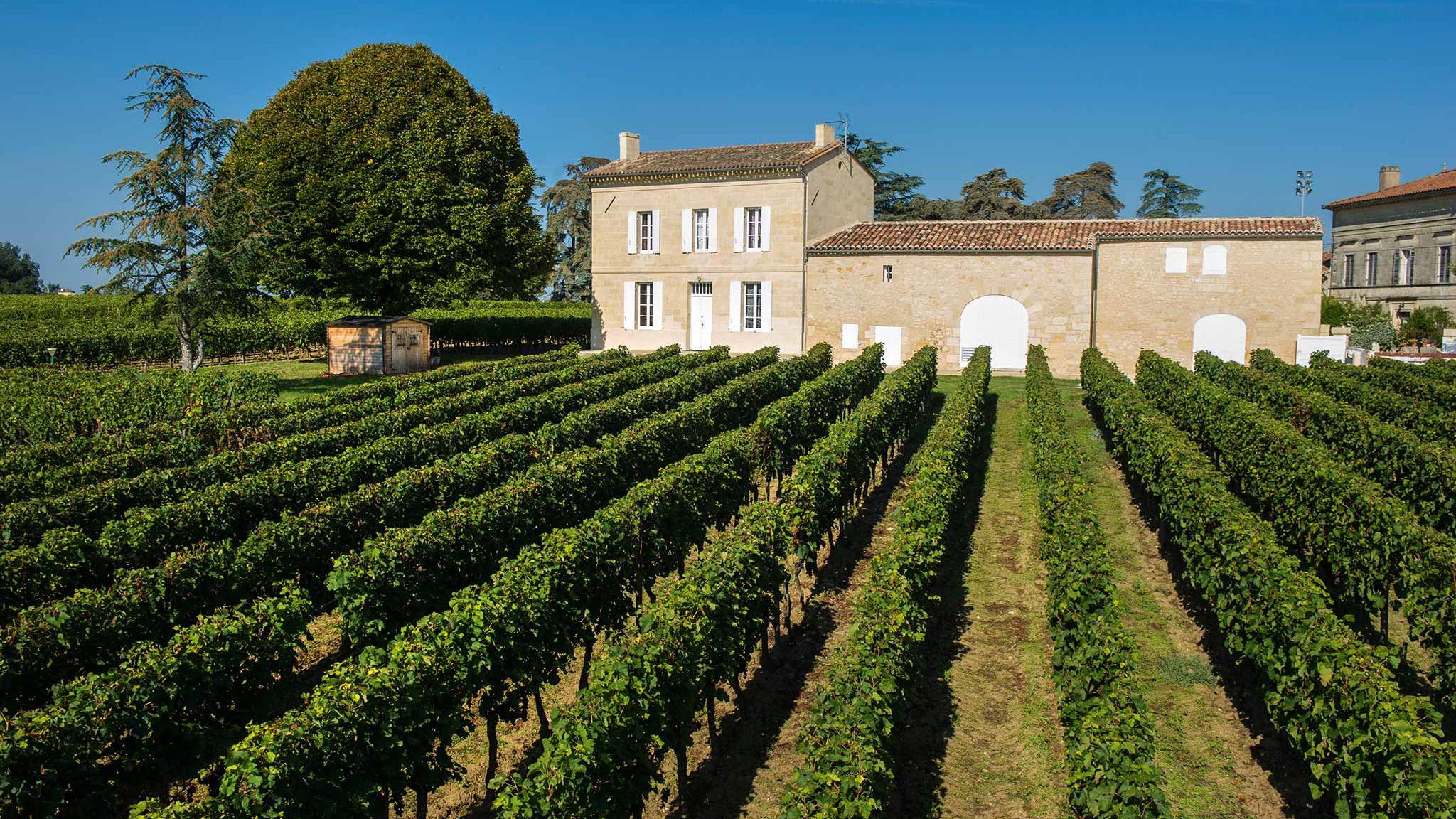
The appeal is visual before it is technical: the pazo setting gives the visit a sense of arrival that smaller cellar-door stops may not match. That does not make those simpler stops less worthwhile, but it does change the mood. Here, the estate context helps the experience feel composed, especially for visitors who want the surroundings to carry some of the occasion, not just the tasting itself. That matters if the group includes people who care about the setting as much as the glass. For a serious wine traveler, the draw is its place in Galicia's Albariño conversation; for a mixed group, the safer reason to choose it is that the estate format feels more complete than a simple tasting room. It gives everyone something to respond to, even if not everyone wants to talk in detail about vineyard decisions, cellar work, or the finer points of the wines.
Choose it for a polished Salnés estate visit, not a casual drop-in
This is a stronger fit when the day is planned around one proper winery rather than several quick tastings. Meis works well as a base for a Rías Baixas wine route, and readers comparing local options should treat Pazo de Señorans as the more special-occasion choice within the area. The important distinction is pace. A visit like this makes more sense when there is time to arrive without rushing, stay present during the tasting, and let the estate setting do some of the work. If the priority is ease, flexibility, or a lower-commitment stop, cross-shop the nearby producers rather than forcing this into a packed itinerary. Trying to squeeze it between too many other appointments risks flattening the reason to come here in the first place.
The main caution is planning. With high booking pressure, this is not the winery to leave until the morning of the visit. That is especially true if the stop is tied to a celebration or if the group has limited availability, because the appeal depends on making the visit feel smooth rather than improvised. For a celebration, build the day around it and keep lunch or dinner plans nearby rather than trying to stack too many appointments. A meal before or after can anchor the schedule without turning the route into a race across the area. For broader trip planning, use Pearl's Meis wineries guide, then pair the visit with Meis restaurants, Meis hotels, Meis bars, or Meis experiences depending on how much of the day should stay local. The more the day stays focused, the more Pazo de Señorans makes sense: not as a box to tick, but as the polished Salnés estate visit around which the rest of the itinerary can quietly organize itself.
Planning details
- Location
- Lg, Rua Vilanoviña, 36616 Paradela, Pontevedra
- Website
- pazodesenorans.com
- Phone
- +34 986 71 53 73
The take
The Take
The Vibe
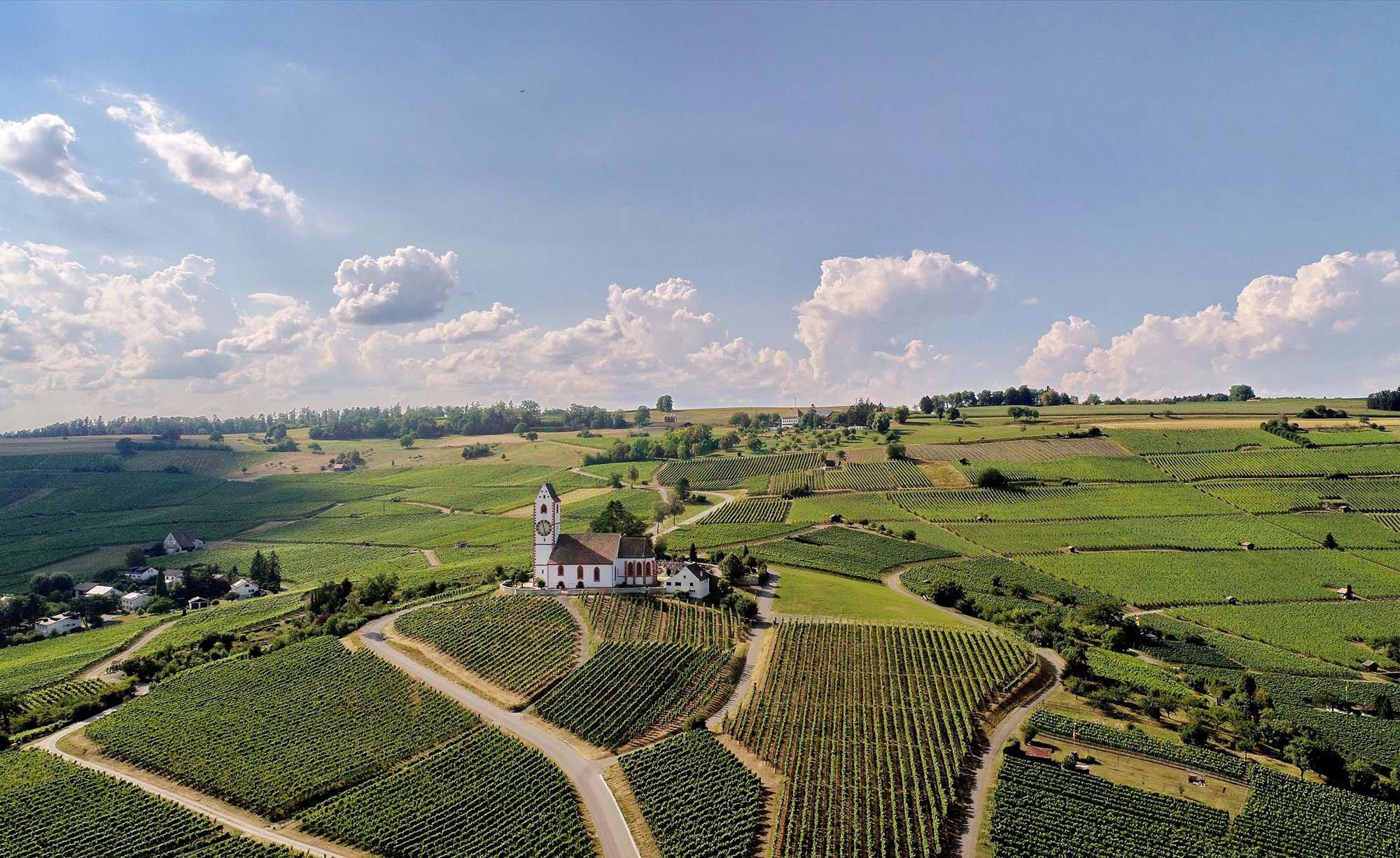
Pazo de Señorans reads as a quietly authoritative estate rather than a theatrical visitor destination. The prose emphasizes the cool, diffuse Atlantic light of the Salnés Valley and the granite subsoil that yields wines of tension and minerality rather than plush ripeness. That restrained, place-focused character and the estate’s recognition—most recently a 2025 Pearl 2 Star Prestige distinction—give the property a sophisticated, serious air. The pazo itself anchors the story: an historic house with an agricultural argument at its core, where the landscape and its geology feel as decisive as the cellar work.
Best For
This estate suits visitors who come for wine-minded experiences rather than flashy tourism. The emphasis on terroir, regional debate and consistent quality makes Pazo de Señorans a strong match for focused wine-education visits and milestone tastings where provenance matters. It also fits small groups seeking a thoughtful encounter with Albariño and Galician granite-driven styles; the sense of a working pazo and measured production creates an atmosphere better for contemplative tasting than for loud, casual gatherings.
Tasting Tips
When engaging with Pazo de Señorans, center your tasting on the estate Albariño bottlings—the text stresses the region’s signature tension and minerality over overt fruit. Look for bottlings or vintages noted for the estate’s awards (the 2025 Pearl 2 Star Prestige is singled out) as cues to consistent quality. Expect wines that favor acidity, saline and stony textures; order with the intent to compare expressions of place rather than seeking lush or heavily oaked styles. Keep food pairing light and focused on freshness to mirror the wines’ tensile profile.
Venue details
Ambiance
Elegant historic manor atmosphere blending old-world charm with sophisticated winery spaces, praised for its beauty and welcoming hospitality.
Tags
Vibe
Best For
Experience
Sourcing
View
At the Vineyard
- Appellation
- Rías Baixas DO
- Varietals
- Albariño
- Tour Duration
- 60-90 minutes
- Tour Languages
- Spanish, English
- Visits
- By appointment only
- Farming
- Sustainable
- Wine Styles
- Still White
- Wine Club
- Not available
Know before you go
Know Before You Go
- Getting there
- Lg, Rua Vilanoviña, 36616 Paradela, Pontevedra
Planning details
Location
Recognition and awards

Also consider
If you cannot get in
Try Bodegas Granbazán or Bodegas Martín Códax first if staying close to Meis matters. If the trip can stretch farther, Terras Gauda is the stronger fallback for keeping the day wine-led rather than turning it into a general sightseeing stop.
Winery context
How it compares in the Rías Baixas set
Choose Pazo de Señorans when ambiance and occasion value matter. Against Bodegas Granbazán and Bodegas Martín Códax, it reads as the more estate-led choice: better for a celebration or a slower wine day, less useful if the priority is a simple, flexible tasting stop.
Palácio da Brejoeira is the closest cross-shop for travelers who want historic architecture to carry the visit. Pick Pazo de Señorans for a Galicia-focused Albariño day in Meis; consider Palácio da Brejoeira if the plan can stretch beyond the immediate area and the setting is the main reason for going.
Soalheiro and Terras Gauda make more sense for readers building a broader regional route rather than staying tightly around Meis. If booking pressure at Pazo de Señorans gets in the way, Terras Gauda is the practical alternative for a structured coastal Galicia wine stop, while Soalheiro suits travelers prepared to widen the route for a different expression of Albariño.
Explore Meis
Around this place
Discover more on Pearl
Unlock the full Pazo de Señorans guide in Pearl, including awards, comparisons, FAQs, planning details, and nearby places.
Compare Pazo de Señorans
| Venue | Location | Awards |
|---|---|---|
| Pazo de Señorans | Meis | 2026 Falstaff Winery Guide |
| Bodegas Granbazán | Vilanova de Arousa | 2025 World's 50 Best Vineyards · #86 |
| Bodegas Martín Códax | Cambados | 2026 Falstaff Winery Guide |
| Palácio da Brejoeira | Monção | No published awards |
| Soalheiro | Melgaço | 2026 Falstaff Winery Guide2022 World's 50 Best Vineyards · #162021 World's 50 Best Vineyards · #27 |
| Terras Gauda | O Rosal | No published awards |

How Pazo de Señorans Meis compares with similar nearby venues.
FAQ
Frequently Asked Questions
When is the best time to visit Pazo de Señorans?
Go when you have time for a proper estate visit, not between other stops. In practical terms, a planned daytime slot works better than trying to squeeze Pazo de Señorans into a rushed route around Meis.
Do I need a reservation at Pazo de Señorans?
Yes, plan ahead, especially if you want a calm visit rather than a last-minute stop. The Meis address and prestige badge point to a place that suits scheduled visits more than casual drop-ins.
Can Pazo de Señorans handle large groups?
Assume small to medium groups are safer unless the venue confirms otherwise. For bigger parties, a more logistics-friendly choice such as Bodegas Granbazán or Terras Gauda is usually the easier comparison in this part of Galicia.