
Winery in Maule, Chile
Gillmore Winery
500ptsOld-Vine Maule Terroir
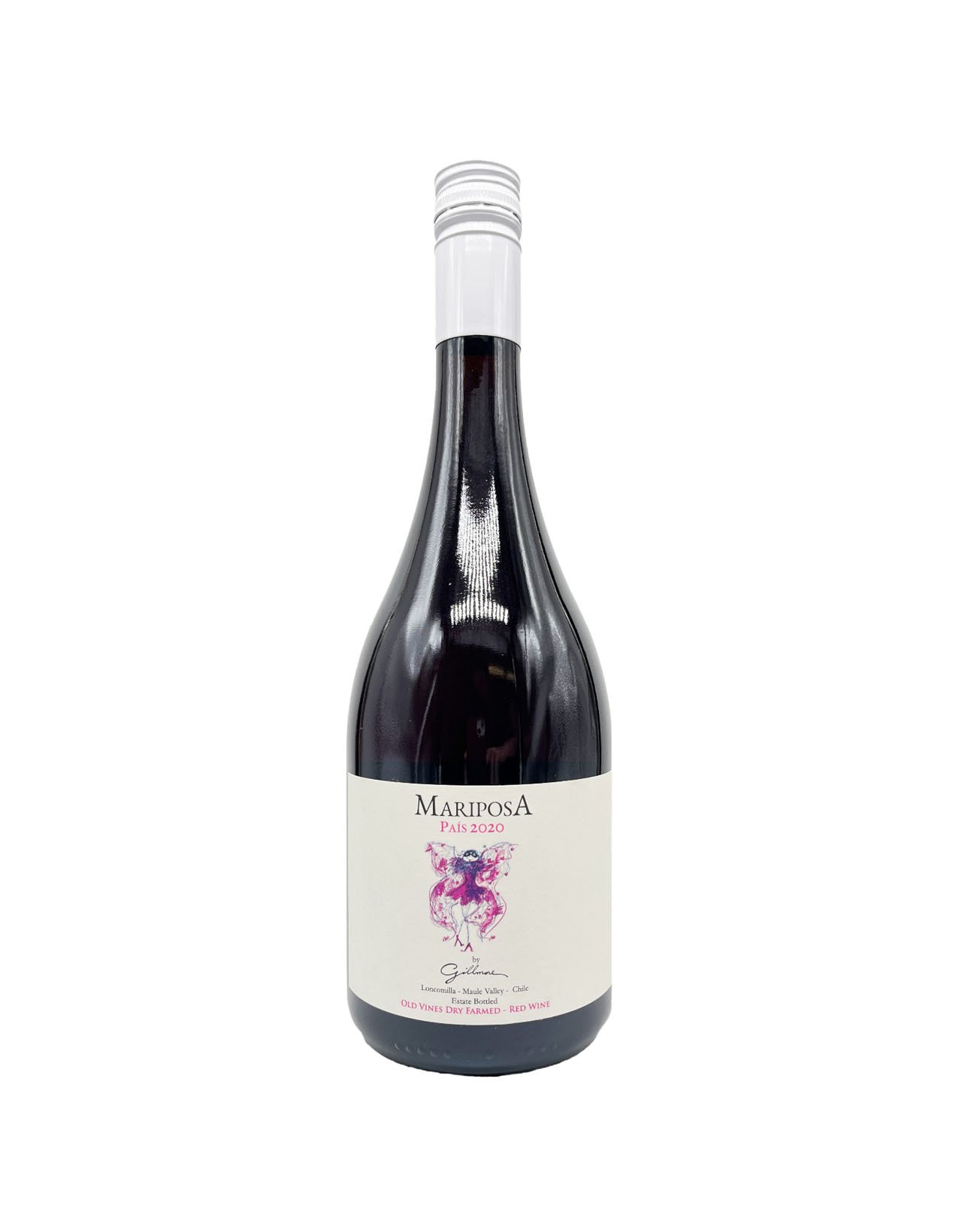
About Gillmore Winery
Gillmore Winery sits along the back roads of San Javier de Loncomilla in Chile's Maule Valley, a region increasingly recognised for old-vine Carignan and País that punches above its historical weight. The winery holds a Pearl 2 Star Prestige rating for 2025, placing it among the more formally recognised producers in a valley that long flew beneath the radar of international collectors. Plan ahead: the address sits at KM 20 on the road to Constitución, well outside town.
Dry Country, Serious Wine: Gillmore in the Maule Valley
Twenty kilometres down the road from San Javier de Loncomilla, the Maule Valley loses its tourist-friendly softness. The valley floor here is drier, the soils more granitic and clay-dense, and the vine rows have a slightly weathered quality that signals old plantings rather than recent investment. This is the part of Maule that serious Chilean wine producers have been arguing about for years: whether the region's identity belongs to its high-volume bulk-wine past or to an emerging tier of estate producers making low-intervention, place-specific wines from vines that predate most of Chile's wine export boom. Gillmore Winery, located at Camino a Constitución KM 20, sits in that argument on the artisanal side, and its Pearl 2 Star Prestige rating from the 2025 EP Club awards confirms it has earned standing in the latter camp.
Where Maule Fits in Chile's Wine Geography
The Maule Valley occupies a position in Chilean wine that is something like Languedoc in France: historically productive at volume, periodically undervalued by critics focused on the Colchagua and Casablanca glamour further north, but increasingly recognised as the place where old-vine Carignan, País, and Malbec hold genuine character. Producers like Bouchon Family Wines have spent years making the case for Maule's dry-farmed old vines as the region's most defensible quality argument, and that argument has gained traction with international buyers and critics who find the large-production Colchagua style increasingly predictable. The valley receives less rainfall than regions to the south, stresses the vines naturally, and produces wines that tend toward structure and restraint rather than fruit-forward generosity. For producers in Gillmore's tier, that structural character is the point rather than the problem.
Comparing across the country's wine regions, the Maule's southern position means cooler growing temperatures than Curicó or the Central Valley closer to Santiago. El Gobernador (Miguel Torres Chile) in Curicó and Viña Casa Silva in San Fernando operate in warmer sub-regions where ripeness comes with less effort; the Maule's producers have to work with more austere raw material, which, in skilled hands, tends to produce wines of greater aging potential and regional specificity.
A Philosophy of Place Over Extraction
The editorial angle on Gillmore is most clearly understood through what distinguishes its position in Maule's emerging prestige tier. The San Javier sub-zone, where Gillmore operates, sits on the valley's western edge, closer to the coastal range than the Andean foothills. That geography matters because the Pacific influence moderates afternoon temperatures and slows ripening in ways that favour aromatic retention and acidity over sheer concentration. Producers who work with that terroir rather than against it, through dry farming, low yields, and minimal cellar intervention, end up in a different stylistic register than the valley's larger operators who irrigate and harvest for colour and extract.
Gillmore's Pearl 2 Star Prestige recognition from EP Club in 2025 places it within a competitive set that includes producers across Chile's main wine valleys, including Viña De Martino in Isla de Maipo and Viña MontGras in Palmilla, both of which have built reputations for terroir-specific bottlings from specific valley sub-zones. The award signals that Gillmore's approach meets the calibre thresholds that distinguish estate-level producers from the valley's commodity tier. At the higher end of Chile's quality pyramid, Viña Seña in Panquehue and Viña Santa Rita in Buin operate with larger export footprints and corresponding price premiums; Gillmore's position is more focused, which typically means better value relative to quality for buyers paying attention to the region.
Old Vines and the Maule Argument
The case for Maule's old-vine Carignan specifically has been made in international wine media with increasing regularity over the past decade. Vines planted before mechanisation are often dry-farmed by necessity and produce small berry clusters with concentrated flavour compounds and natural tannin structure. That structural quality is the primary argument producers in Gillmore's tier make against the valley's bulk-wine reputation, and it is the argument that has convinced importers in Europe and North America to look at Maule with more seriousness than they might have a generation ago. The Viña Valdivieso operation in Lontué and Viña Undurraga in Talagante represent the larger-scale end of Chile's traditional wine sector; the contrast with Gillmore's scale and focus is instructive about the bifurcation happening across Chilean wine generally.
Internationally, analogies exist across wine regions where old-vine heritage has become a quality marker: southern Rhône Grenache, Barossa Shiraz, and Priorat Garnacha all gained premium status partly by making age of vine central to their identity claims. Maule's old-vine movement is further behind on that curve, which means its wines currently offer the quality-to-price ratio that tends to attract buyers before markets fully reprice the category. Gillmore's 2025 prestige recognition suggests that repricing may be underway.
The San Javier Terroir in Context
San Javier de Loncomilla is not a well-mapped wine destination for most international visitors. It sits about 30 kilometres south of Talca, the Maule Valley's main city, in a stretch of highway that passes mostly agricultural land before the estate road turns toward the coastal hills. That geographic positioning means visits require deliberate planning: this is not a winery accessible as a casual detour from Santiago, but rather a destination that rewards itinerary construction around it. Producers in the same geographic orbit include those exploring the dry-farmed benchland between the Andes and the coast, a sub-region that produces wines at lower natural yields than the valley floor.
For context on Chile's broader wine geography, the contrast with coastal operations like Viña Falernia in Vicuña (north, in the Elqui Valley) and spirit producers like the Pisco Alto del Carmen Distillery in Huasco illustrates how Chile's wine and spirits geography spreads across dramatically different climatic zones. Maule sits in the temperate middle ground, benefiting from neither the extreme cool of the far south nor the desert intensity of the north, which produces wines of consistent mid-weight structure suited to the European-influenced palates that have historically driven Chilean export success.
Planning a Visit
Reaching Gillmore Winery from Santiago means either a self-drive south on Route 5 toward San Javier (roughly a two-hour journey under normal traffic conditions) or connecting through Talca, which has regular bus and occasional rail service from the capital. No booking method or published hours are available in current databases, which is common for smaller Maule estate producers; contacting the winery directly through an inquiry before visiting is the standard approach for this tier of Chilean producer, and visits are typically structured as guided tastings with advance arrangement rather than drop-in experiences. The estate address at Camino a Constitución KM 20 provides a navigable reference point for mapping. Those building a multi-stop Maule itinerary will find the EP Club city guide at our full Maule restaurants and wineries guide a useful planning reference. For comparison visits that contextualise what distinguishes the Maule's smaller estate producers, Viña Ventisquero in Santiago offers a larger-scale reference point on one end of Chile's quality spectrum. Further afield, the contrast with internationally recognised estate producers like Accendo Cellars in St. Helena or Aberlour illustrates how place-specific production models operate across very different wine cultures with similar commitments to provenance and limited-volume quality.
Frequently Asked Questions
- What's the must-try wine at Gillmore Winery?
- The Maule Valley's dry-farmed old-vine Carignan and País represent the region's strongest quality argument, and producers at Gillmore's prestige tier typically anchor their range in those varieties. Its Pearl 2 Star Prestige award from EP Club in 2025 suggests the estate-level bottlings are where its winemaking approach is most fully expressed. Specific current releases should be confirmed directly with the winery before visiting.
- Why do people go to Gillmore Winery?
- Gillmore sits at the quality end of Maule's emerging artisanal tier, recognised with a Pearl 2 Star Prestige rating in 2025 by EP Club. Visitors primarily come for access to wines made from a sub-region of Chile that has not yet been repriced to match its critical reputation, and for the contrast its focused, place-specific approach offers against larger valley producers. The San Javier location also provides a quieter, less commercialised alternative to more heavily visited Chilean wine routes.
- Can I walk in to Gillmore Winery?
- No published hours or drop-in policy appears in current databases for Gillmore. Given its rural location on Camino a Constitución KM 20 outside San Javier de Loncomilla, and its standing as a prestige-tier estate rather than a high-traffic visitor destination, advance contact before visiting is advisable. Smaller Maule estate producers at this level typically receive visitors by appointment.
- What's Gillmore Winery a strong choice for?
- Gillmore is well positioned for wine-focused travellers building a Maule Valley itinerary around the region's artisanal producer tier rather than its larger commercial estates. Its Pearl 2 Star Prestige recognition from 2025 confirms quality credentials within Chile's competitive winery landscape, and its San Javier location offers geographic and stylistic contrast to better-known valley destinations closer to Santiago.
- How does Gillmore Winery fit into the Maule Valley's identity as a fine wine region?
- Gillmore represents the estate-producer segment that has driven Maule's critical rehabilitation over the past decade, operating in the San Javier sub-zone where coastal influence and old vine material combine to produce structured, age-worthy wines. Its 2025 Pearl 2 Star Prestige award from EP Club places it in a quality tier that distinguishes it from the valley's historically dominant bulk-wine production, and its geographic positioning on the valley's western edge connects it to a growing group of producers making the case for Maule terroir on its own terms rather than in comparison to Chile's more marketed regions.
Related editorial
- Best Fine Dining Restaurants in ParisFrom three-Michelin-star icons to the next generation of Parisian chefs pushing boundaries, these are the restaurants that define fine dining in the world's culinary capital.
- Best Luxury Hotels in RomeFrom rooftop terraces overlooking ancient ruins to Michelin-starred hotel dining, these are the luxury hotels that make Rome unforgettable.
- Best Cocktail Bars in KyotoFrom sleek lounges to hidden speakeasies, Kyoto's cocktail scene blends Japanese precision with global influence in ways you won't find anywhere else.
Save or rate Gillmore Winery on Pearl
Keep this venue in your Pearl passport, rate it after you visit, and track it alongside every other place you collect.