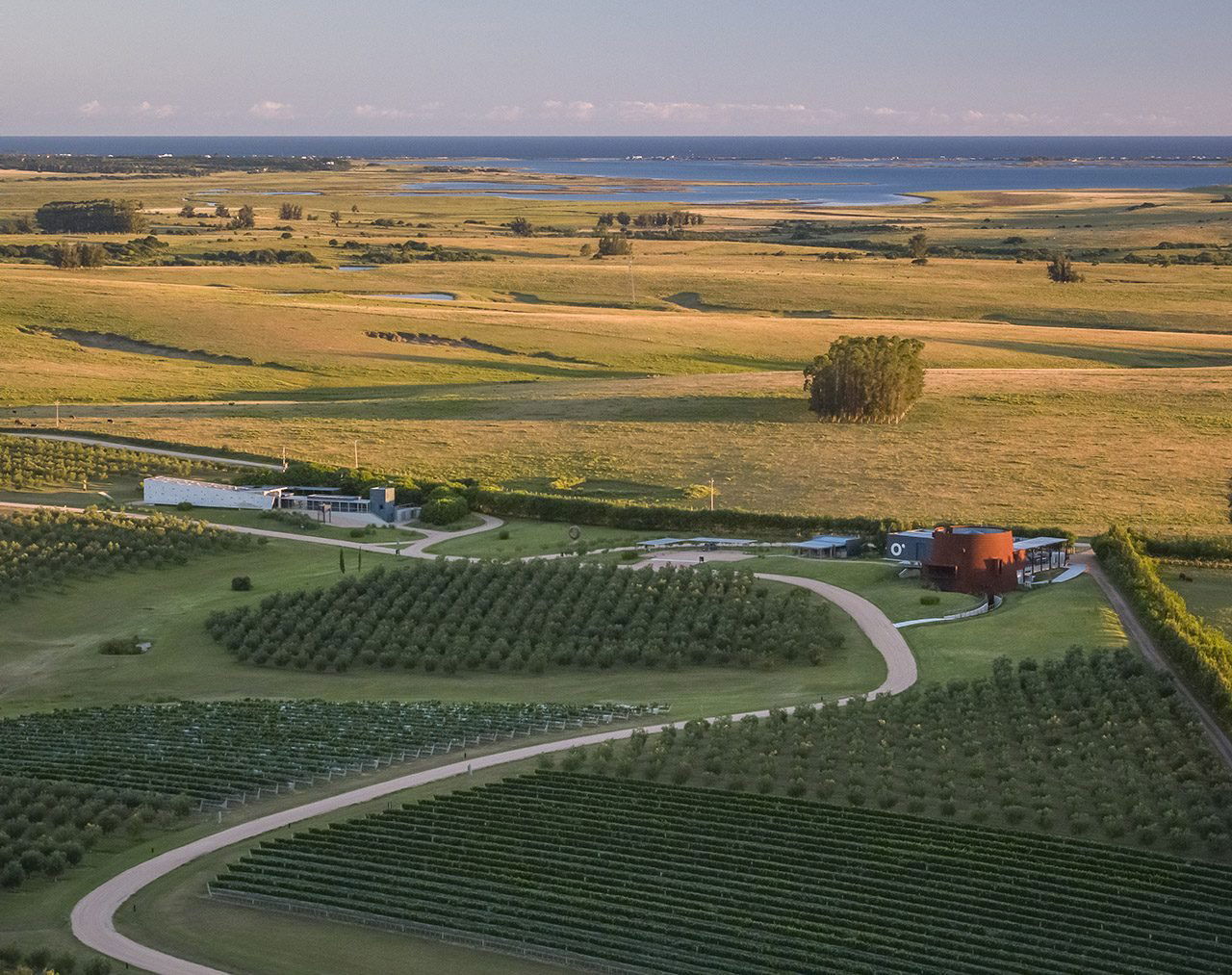
Bodega Oceánica José Ignacio
José Ignacio, Maldonado
Winery in Maldonado, Uruguay
 Book with Pearl
The Read
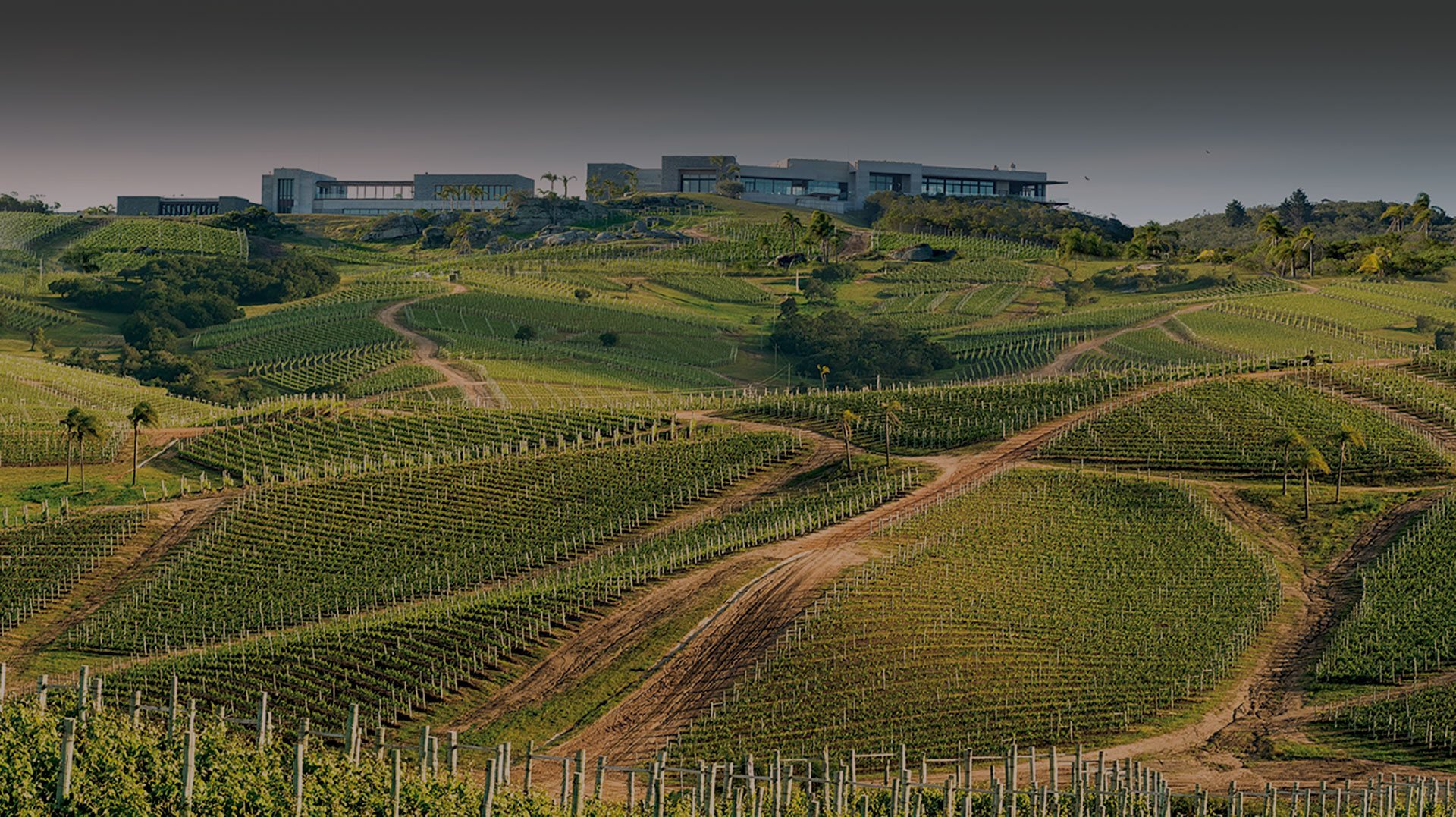
Atlantic-Edge Viticulture
Why go
Book Bodega Oceánica José Ignacio if the plan is a selective wine stop close to José Ignacio rather than a broad Maldonado tasting day. It suits repeat visitors and couples better than large groups, especially because public details on food, pricing, and tasting format are thin and booking difficulty is high.
About Bodega Oceánica José Ignacio
Bodega Oceánica José Ignacio is a Maldonado venue with casual dress and Pearl 2 Star Prestige recognition for 2025.
Book this for a Maldonado stop
The strongest reason to consider Bodega Oceánica José Ignacio is its Pearl 2 Star Prestige recognition in Maldonado. Travelers who need more detail before choosing a stop should compare it with Bodega Garzón, Viña Edén, and Bodega Sacromonte before finalizing plans.
Keep expectations flexible. This venue is best for travelers who are comfortable planning from a short profile; it is less suitable for anyone who needs a fully documented itinerary in advance.
Where it sits in a Maldonado day
Use Bodega Oceánica José Ignacio as one Maldonado option to compare against other named venues in the region and nearby area. For a broader shortlist, consider Bodega Garzón, Viña Edén, Bodega Cerro del Toro, Bodega Sacromonte, and Bracco Bosca.
Do not make Bodega Oceánica José Ignacio the only fixed point of a short stay unless the visit is already confirmed. Build a backup from our full Maldonado wineries guide, then use broader Maldonado guides for dining, hotels, bars, and experiences to fill the rest of the day.
Quick reference: choose this for a Maldonado venue with confirmed Pearl 2 Star Prestige recognition for 2025 and casual dress.
Planning details
- Location
- 20400 Faro de José Ignacio, Departamento de Maldonado
- Website
- ojoseignacio.com
- Phone
- +598 97 380 611
The take
The Take
The Vibe
Bodega Oceánica José Ignacio reads like a study in coastal refinement. Set along the salt-swept road by the Faro de José Ignacio, the property foregrounds Atlantic light, wind and salinity as active ingredients in its wines. The writing frames the estate as a purposeful counterargument to continental assumptions—an elegant, crystalline place where thicker-skinned fruit and bracing maritime character are celebrated rather than mitigated. Critical recognition (a Pearl 2 Star Prestige nod) reinforces the sense that this is a thoughtfully positioned producer: scenic and contemplative in mood, but unmistakably serious about terroir-driven expression.
Best For
This winery is best for curious tasters and anyone drawn to ocean-influenced wines. Its emphasis on coastal terroir and sustained critical recognition makes it an ideal stop for focused wine education and solo exploration—visitors who want to read how wind, salt and moderated temperatures shape varietal character. The property's prestige also makes it a fitting choice for special-occasion visits where the setting and provenance matter. Small groups of engaged wine lovers will appreciate the clarity of place that the estate presents, and industry-minded visitors will find the site useful for comparative study within Maldonado’s coastal cluster.
Tasting Tips
When you visit or inquire, center conversations on the Atlantic effect: ask which bottlings most clearly show salt, wind and skin-thickening influence and which recent vintages best exemplify that profile. Reference the Pearl 2 Star Prestige status when asking for recommended bottles or releases—staff are likely to point you to estate expressions and vintages that illustrate the winery’s defining conditions. Prioritize bottles that the team highlights as coastal statements rather than generic blends; the description makes clear that the vineyard’s location is the primary lens through which the wines should be experienced.
Venue details
Ambiance
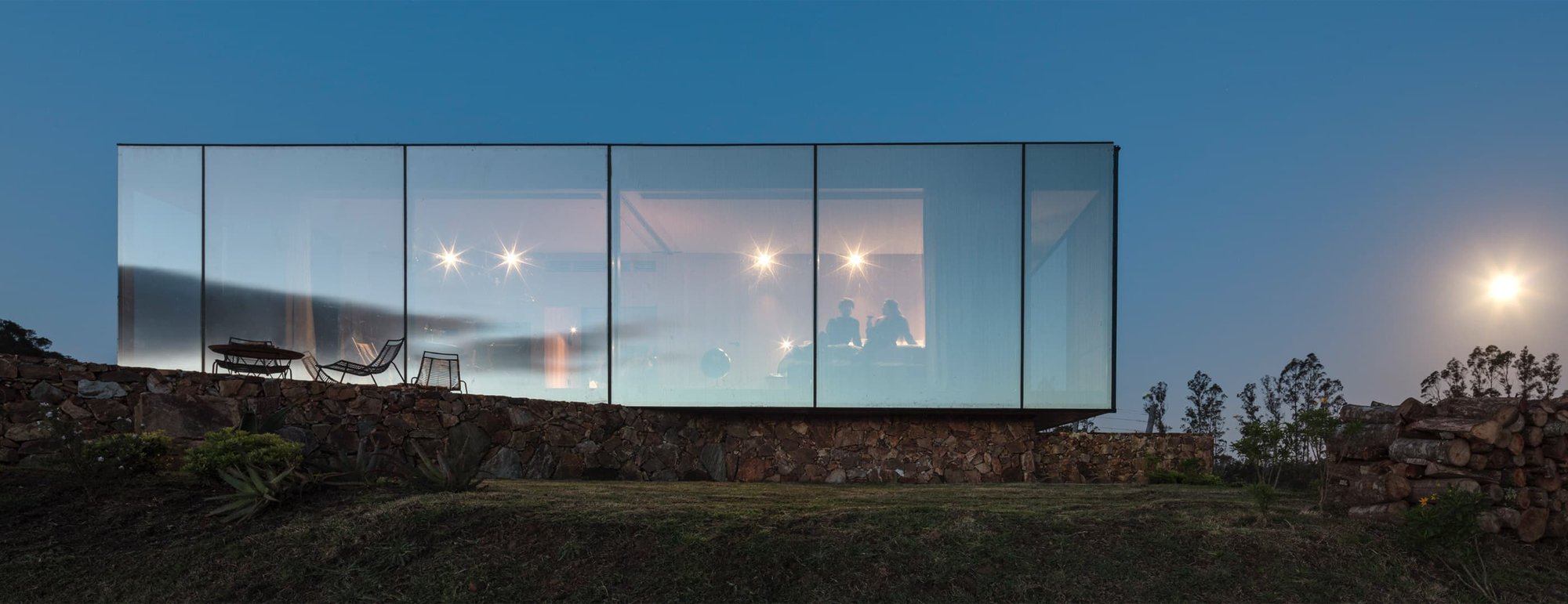
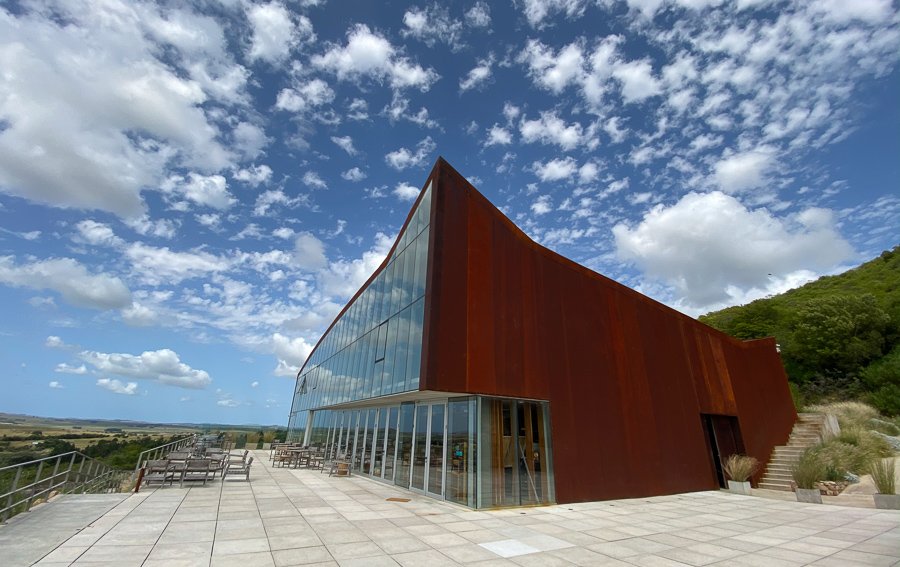
Beautiful natural lighting in the architecturally striking winery, peaceful surroundings with ocean breezes, scenic views of vineyards and olive trees, creating a serene and sophisticated atmosphere.
Tags
Vibe
Best For
Experience
Sourcing
View
At the Vineyard
- Appellation
- Maldonado
- Varietals
- Tannat, Merlot, Pinot Noir, Albariño, Chardonnay
- Tour Duration
- 60-90 minutes
- Visits
- By reservation
- Farming
- Sustainable
- Production
- Small producer
- Wine Styles
- Still Red, Still White
- Food Pairing
- Offered
- Wine Club
- Not available
Know before you go
Know Before You Go
- Getting there
- 20400 Faro de José Ignacio, Departamento de Maldonado
Planning details
Location
Also consider
If this is not available
Try Bodega Garzón first if the goal is a more established Maldonado winery visit. Try Bodega Sacromonte if the group wants a more destination-led atmosphere.
For a wider Uruguay wine itinerary, compare ANCAP Alcoholes in Montevideo, Antigua Bodega Stagnari in Canelones, Bodega Carrau in Las Piedras, and Bodega Los Cerros de San Juan in Colonia del Sacramento. International benchmark hunters can also scan 00 Wines in Carlton and 1310 Spirit of the Country Distillery in Sierning.
Winery context
How it compares in Maldonado
Bodega Garzón is the safer choice for travelers who want a more established visitor experience and a clearer sense of scale before booking. Bodega Oceánica José Ignacio is more compelling when location is the deciding factor: if the day is already centered on José Ignacio, it avoids turning the winery visit into a longer regional transfer.
Viña Edén and Bodega Cerro del Toro are better cross-shops for travelers comparing Maldonado wine country by setting and route planning. Choose them when the winery is the anchor of the day. Choose Bodega Oceánica José Ignacio when the winery is one high-value stop inside a broader coastal itinerary.
Bodega Sacromonte is the stronger pick for a design-led, destination-style outing, while Bracco Bosca makes more sense as an out-of-metro alternative if availability is the main issue. For value, the deciding factor is not published price but planning risk: Bodega Oceánica José Ignacio is worth prioritizing only if the booking is confirmed early.
Explore Maldonado
Around this place
Discover more on Pearl
Unlock the full Bodega Oceánica José Ignacio guide in Pearl, including awards, comparisons, FAQs, planning details, and nearby places.
Compare Bodega Oceánica José Ignacio
| Venue | Location | Awards |
|---|---|---|
| Bodega Oceánica José Ignacio | Maldonado | No published awards |
| Bodega Garzón | Maldonado | 2026 Falstaff Winery Guide2025 World's 50 Best Vineyards · #42024 World's 50 Best Vineyards · #112023 World's 50 Best Vineyards · #62022 World's 50 Best Vineyards · #102021 World's 50 Best Vineyards · #42020 World's 50 Best Vineyards · #22019 World's 50 Best Vineyards · #2 |
| Viña Edén | Maldonado | No published awards |
| Bodega Sacromonte | Maldonado | No published awards |
| Bodega Cerro del Toro | Piriápolis | No published awards |
| Bracco Bosca | Canelones | 2026 Falstaff Winery Guide |


How Bodega Oceánica José Ignacio compares with similar nearby venues.
FAQ
Frequently Asked Questions
Where is Bodega Oceánica José Ignacio?
Bodega Oceánica José Ignacio is in Maldonado.
Does Bodega Oceánica José Ignacio serve food?
Food service is not listed for Bodega Oceánica José Ignacio. The confirmed details are that it is in Maldonado, has casual dress, and holds Pearl 2 Star Prestige recognition for 2025.
How long should I plan for a visit to Bodega Oceánica José Ignacio?
What recognition does Bodega Oceánica José Ignacio have?
Bodega Oceánica José Ignacio has Pearl 2 Star Prestige recognition for 2025.
When is the best time to visit Bodega Oceánica José Ignacio?
Choose a time only after confirming availability directly with the venue.