Bindi Wines
Gisborne, Macedon Ranges
Winery in Macedon Ranges, Australia
 Book with Pearl
The Read
Cool-Climate Restraint
Why go
Bindi Wines is worth prioritising for a focused Macedon Ranges wine visit, especially if the group is small and the plan is built around wine rather than lunch. It is less suitable for large groups or visitors expecting a full food-pairing experience, so pair it with a separate restaurant plan in the region.
About Bindi Wines
Bindi Wines is a Macedon Ranges venue with Pearl 2 Star Prestige recognition for 2025. The dress code is smart casual, and any visit should be checked directly with the venue for current access, booking requirements, and on-site details.
Use Bindi Wines as a focused Macedon Ranges listing. Bindi Wines may not offer a dining format, menu, prices, group capacity, delivery, or specific service times, so plan those parts of the day separately and confirm practical details with the venue before travelling. For planning around the area, use the full Macedon Ranges guide and keep any separate meal plans distinct unless Bindi Wines confirms otherwise.
A first-timer should keep the plan simple
For a first visit, the safest approach is to treat Bindi Wines as a smart-casual Macedon Ranges stop. Do not assume walk-up access, lunch, a particular service format, or a large-group setup unless the venue confirms it directly.
For comparison, Place of Changing Winds, Cobaw Ridge, Craiglee, Animus Distillery, and Top Shelf (Ned Whisky) are other names to consider when building a broader itinerary. For a broader day in the region, keep the full Macedon Ranges guide close while building the itinerary.
Choose this when Bindi Wines is the priority
If the plan is centred on Bindi Wines, keep the itinerary simple and confirm the details that matter most before you go. Animus Distillery or Top Shelf (Ned Whisky) may suit a different kind of stop, while Bindi Wines is the relevant choice when the priority is this Macedon Ranges venue.
The clear recommendation: consider Bindi Wines if you want a smart-casual Macedon Ranges visit to a Pearl 2 Star Prestige venue. If the day depends on confirmed food, delivery, group capacity, exact timings, or a particular service format, check directly first or build a wider route with other Macedon Ranges options.
Planning details
- Location
- Gisborne-Melton Rd, Gisborne VIC 3437
- Website
- bindiwines.com.au
- Phone
- +61 412 324 302
The take
The Take
The Vibe
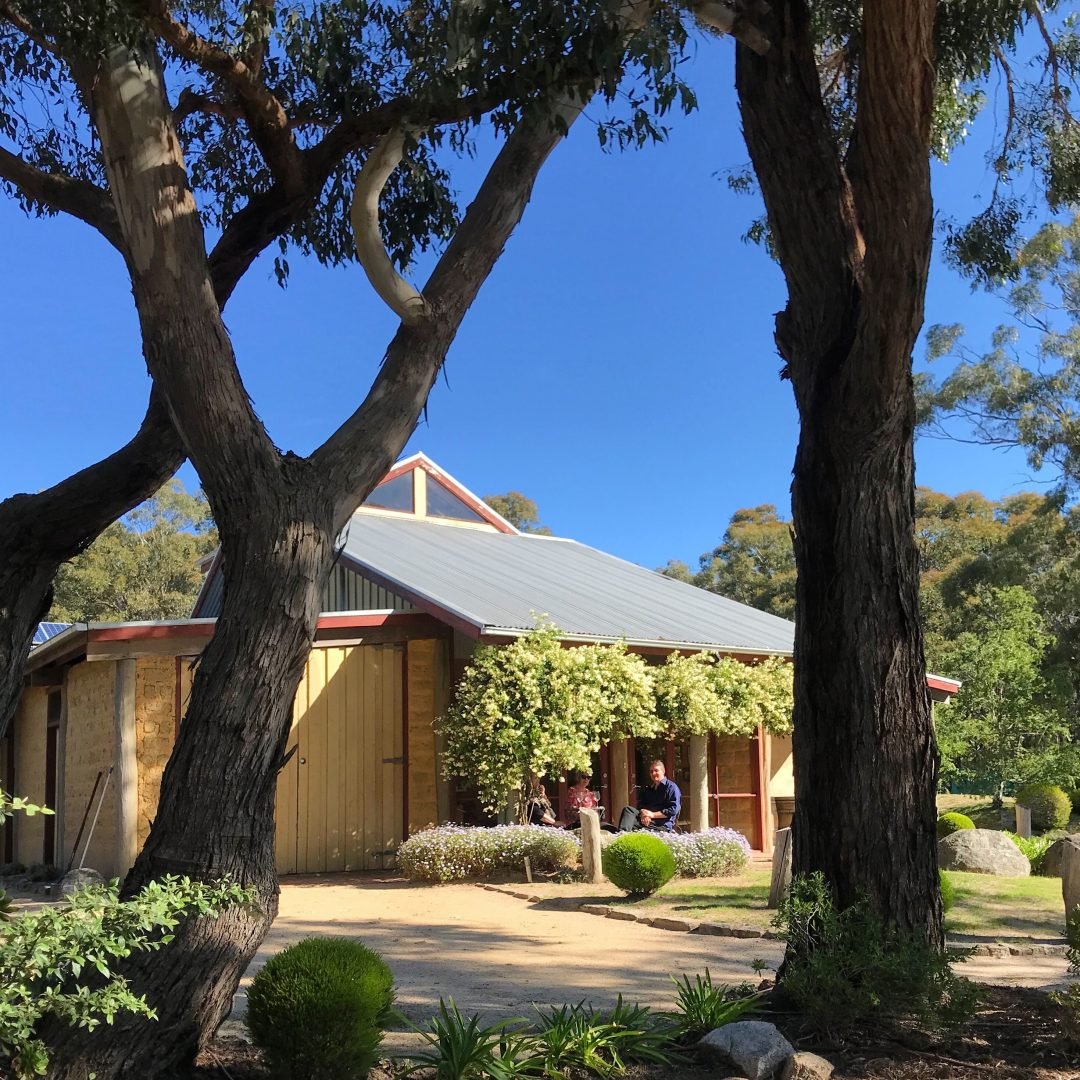
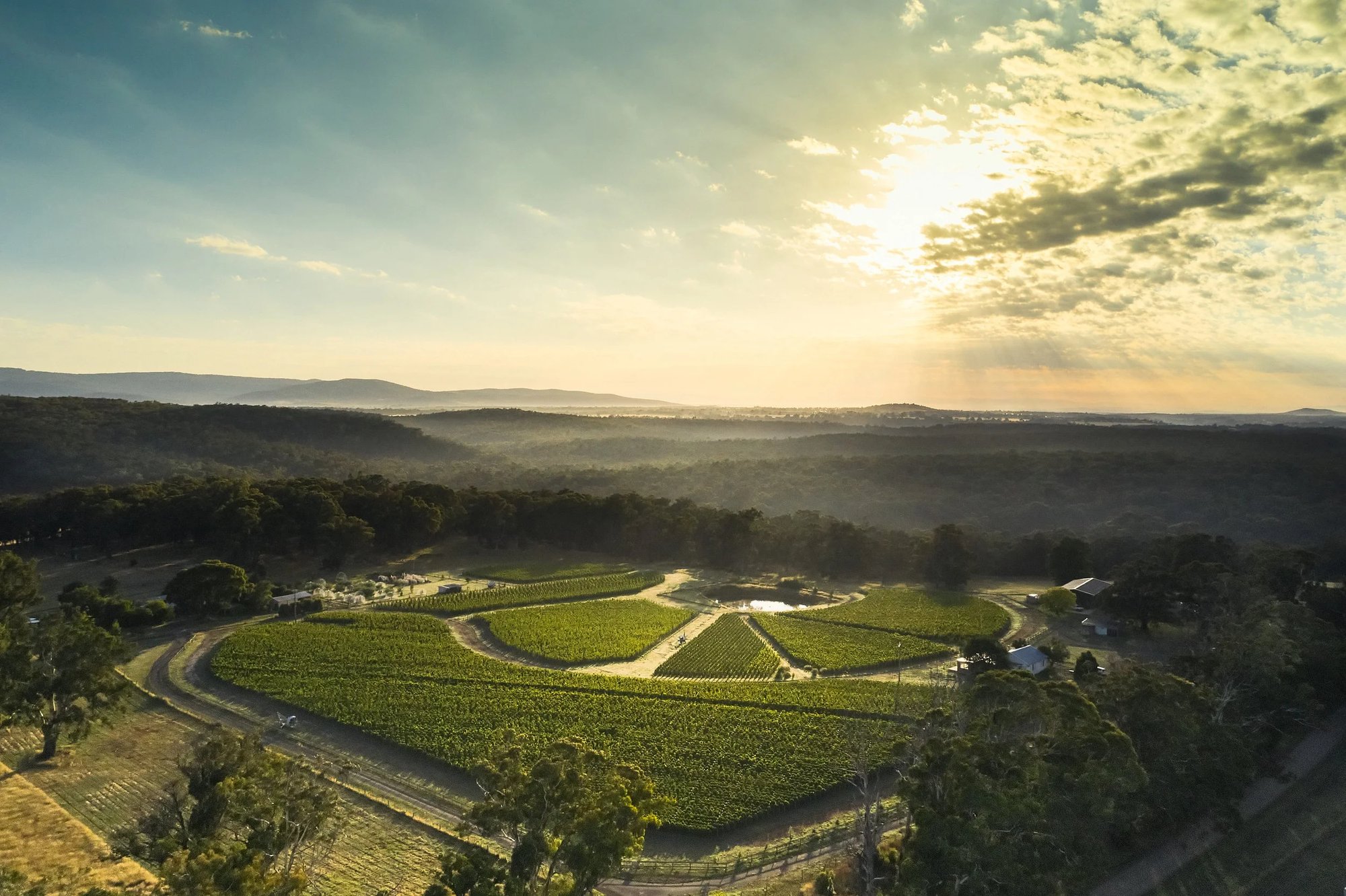
Bindi Wines presents a focused, terroir-forward character that reflects Macedon’s cool, high-elevation conditions. The copy frames the estate as one defined by tension — frost risk, a short growing season and volcanic-influenced soils — and it portrays wines that are nervy, high in natural acidity and restrained in alcohol. Recognition like the 2025 Pearl 2 Star Prestige award underlines a quiet rigor: this is a producer watched for steady quality rather than flashy one-off releases. The overall impression is of a thoughtful, serious winery where the landscape and geology shape a composed, patient drinking experience.
Best For
This estate suits wine enthusiasts who want to study cool-climate expression and collectors who value wines that reward time. The description emphasizes structural tightness and the need for patience from drinker and winemaker, so visits appeal to people interested in wine education and deliberate tasting rather than casual sipping. The award recognition also makes the property a fitting stop for special-occasion tastings or focused exploration of how site, elevation and soils influence acidity and balance. Solo visitors and small groups who want to learn about viticulture and cellar practice will find the focus rewarding.
Tasting Tips
Expect wines that prioritize acidity, restraint and structural precision; the tasting experience rewards attention rather than immediacy. When sampling, ask about recent vintages and cellar potential — the copy stresses that harvest runs late and that wines often need patience. Consider buying with the intention of short- to medium-term cellaring or ask the staff about current-release bottles that are recommended for earlier drinking versus those better suited to age. Focus conversations on site, soil and vintage conditions to better understand each wine’s place in Macedon’s cool-climate context.
Venue details
Ambiance
Refined and pure with mineral-driven elegance, reflecting the cool-climate Macedon Ranges terroir.
Tags
Vibe
Best For
Experience
Sourcing
View
At the Vineyard
- Appellation
- Macedon Ranges
- Varietals
- Chardonnay, Pinot Noir, Shiraz
- Tour Duration
- 60-90 minutes
- Visits
- By appointment only
- Farming
- Sustainable
- Production
- Small producer
- Wine Styles
- Still White, Still Red
- Wine Club
- Available
Know before you go
Know Before You Go
- Getting there
- Gisborne-Melton Rd, Gisborne VIC 3437
Planning details
Location
Also consider
Where to Look If This Does Not Work
For another wine-focused Macedon Ranges option, try Place of Changing Winds or Cobaw Ridge. For groups that want spirits instead of a cellar-door style visit, Animus Distillery is the more practical cross-shop.
Winery context
How It Compares
Choose Bindi Wines when the priority is a focused Macedon Ranges wine stop with a quieter pace. Place of Changing Winds and Cobaw Ridge are the closest wine comparisons in the region; they make sense as backups or cross-shops if access here is difficult or if the day needs more than one wine-focused stop.
Animus Distillery and Top Shelf (Ned Whisky) are better fits for groups that want spirits, cocktails, or a more casual drinks-led outing. They are not like-for-like wine alternatives, but they solve a different problem: easier social energy for mixed-interest groups.
Craiglee is the peer to consider if the itinerary can stretch beyond the immediate Macedon Ranges plan. For a first-timer who wants one serious local wine stop, Bindi Wines remains the sharper pick; for a wider regional drinks day, build around two venues instead of forcing one stop to do everything.
Explore Macedon Ranges
Around this place
Discover more on Pearl
Unlock the full Bindi Wines guide in Pearl, including awards, comparisons, FAQs, planning details, and nearby places.
Compare Bindi Wines
| Venue | Location | Awards |
|---|---|---|
| Bindi Wines | Macedon Ranges | No published awards |
| Place of Changing Winds | Macedon Ranges | No published awards |
| Craiglee | Sunbury | No published awards |
| Animus Distillery | Kyneton | No published awards |
| Cobaw Ridge | Macedon Ranges | No published awards |
| Top Shelf (Ned Whisky) | Melbourne | No published awards |
How Bindi Wines Macedon Ranges compares with similar nearby venues.