Fabre Montmayou
Vistalba, Luján de Cuyo
Winery in Luján de Cuyo, Argentina
 Book with Pearl
The Read
Franco-Argentine Prestige Viticulture
Why go
Fabre Montmayou is a serious Luján de Cuyo winery pick for travellers who want a focused tasting stop and are willing to plan around difficult access. It suits couples, collectors, and business guests better than casual groups needing flexible timing, with Achaval Ferrer, Bodega Vistalba, Nieto Senetiner, Bodega Kaiken, and Durigutti Winemakers worth cross-shopping for easier itinerary fit.
About Fabre Montmayou
Fabre Montmayou is a Luján de Cuyo venue with Pearl 2 Star Prestige recognition for 2025. It is best treated as a stop to confirm directly before you build a day around it.
For planning, keep the location at the city level: Luján de Cuyo. For visitors building a broader route, our full Luján de Cuyo guide is the useful planning layer, with Luján de Cuyo restaurants, hotels, bars, and experiences best treated as separate itinerary decisions.
A better fit for confirmed essentials than assumptions
The essentials are direct: Fabre Montmayou is in Luján de Cuyo, has a smart casual dress code, and holds Pearl 2 Star Prestige recognition for 2025. Beyond that, specific claims about format, pricing, menus, seating, service style, or on-site offerings should be confirmed with the venue before visiting.
That makes the best planning approach simple: decide whether the recognition and location make it a priority, then verify the practical details directly. Smart casual is the appropriate baseline for dress, and any more specific expectations should come from the venue's current official information.
Plan the day around information
Because hours, booking difficulty, pricing, and service details are unavailable, avoid building a tight itinerary on assumptions. Confirm the current arrangements before committing to transport, nearby meals, or additional stops in Luján de Cuyo.
For comparison, Achaval Ferrer, Bodega Vistalba, Nieto Senetiner, Bodega Kaiken, and Durigutti Winemakers are relevant names to consider when planning in the area. Fabre Montmayou's distinction is its Pearl 2 Star Prestige recognition for 2025; use that as the grounded point of comparison rather than claims about format or access.
Planning details
- Location
- Roque Sáenz Peña 3869, M5507, Mendoza
- Website
- fabremontmayou.com
- Phone
- +54 261 498-2330
The take
The Take
The Vibe
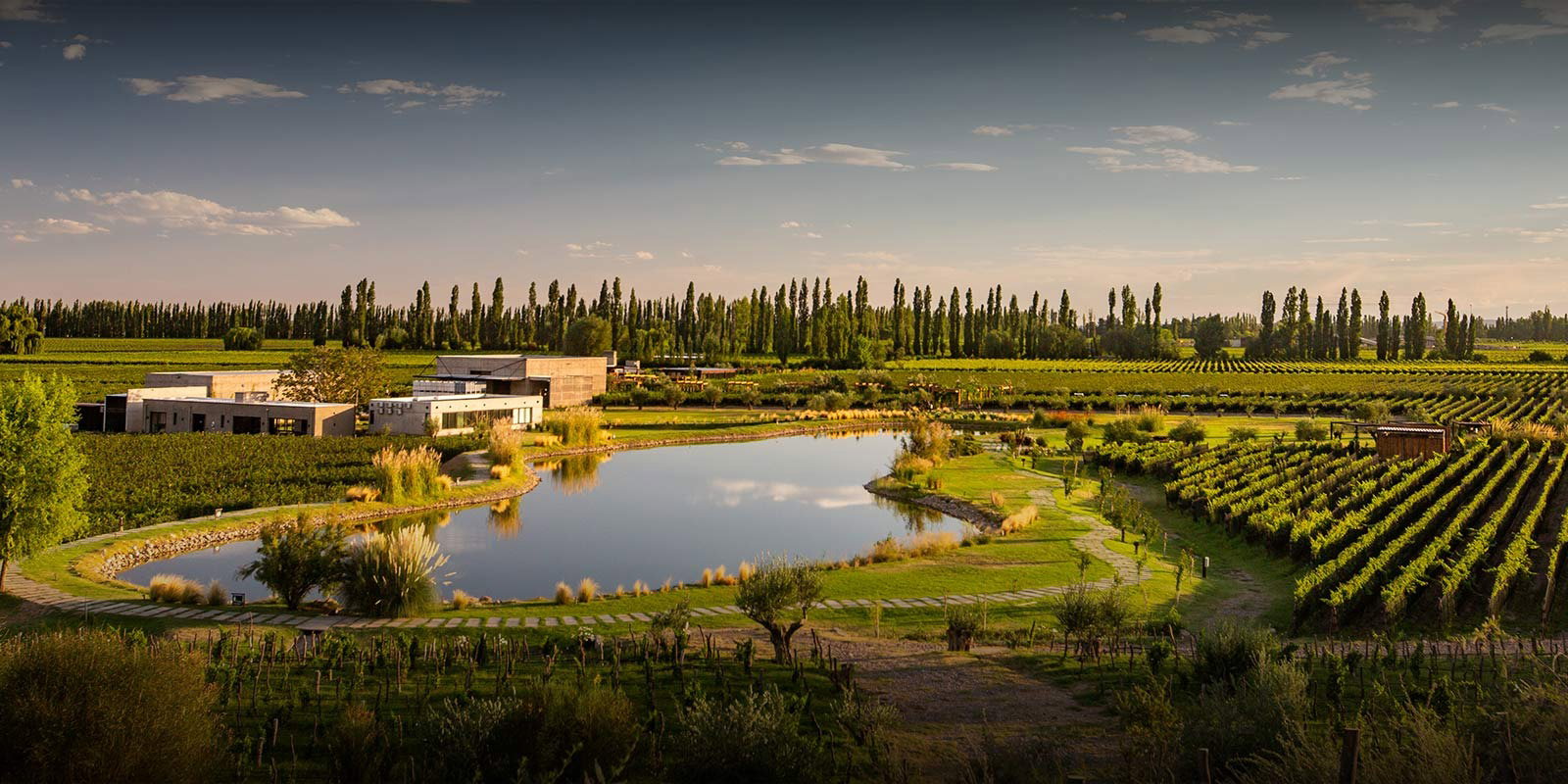
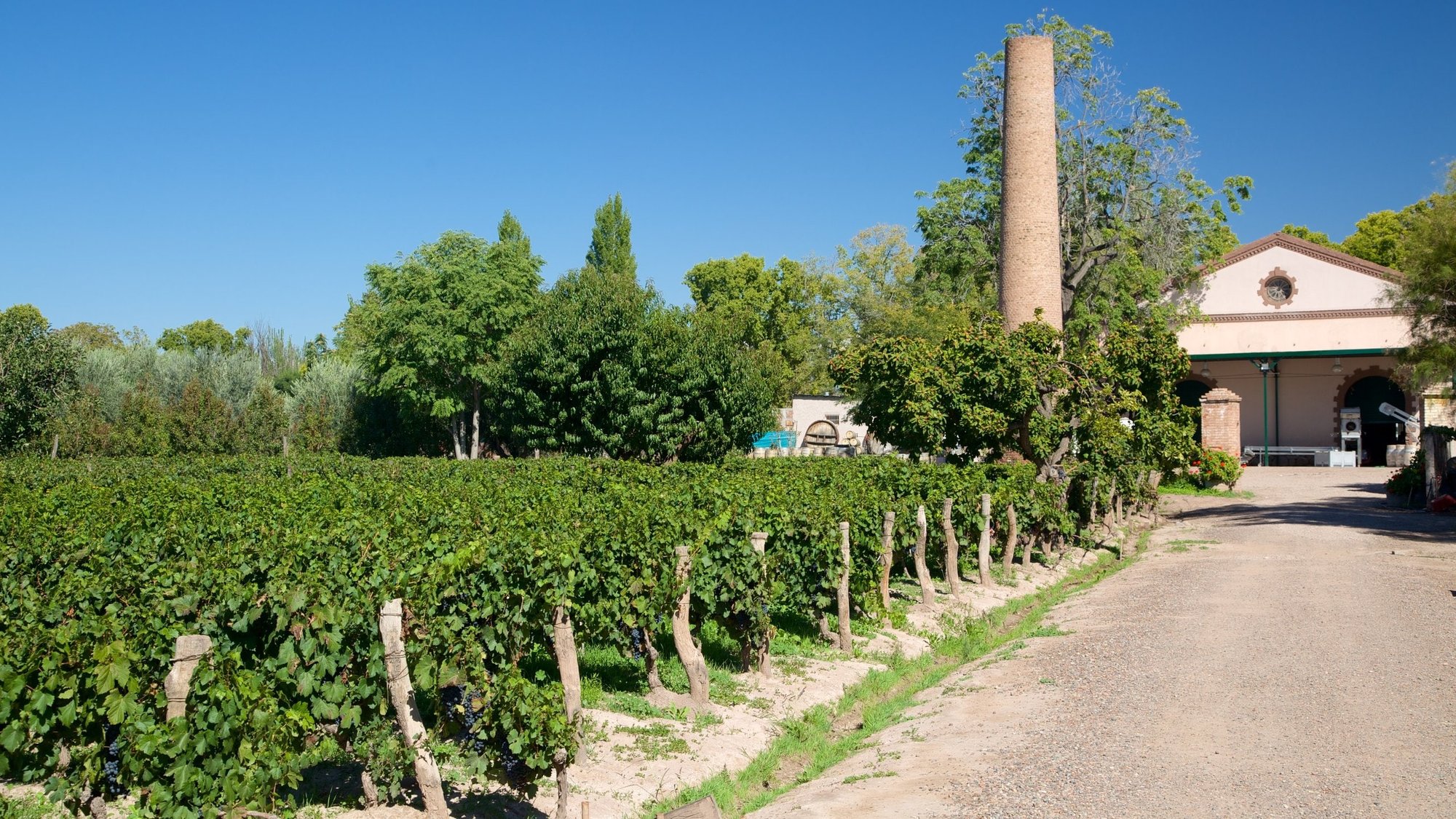
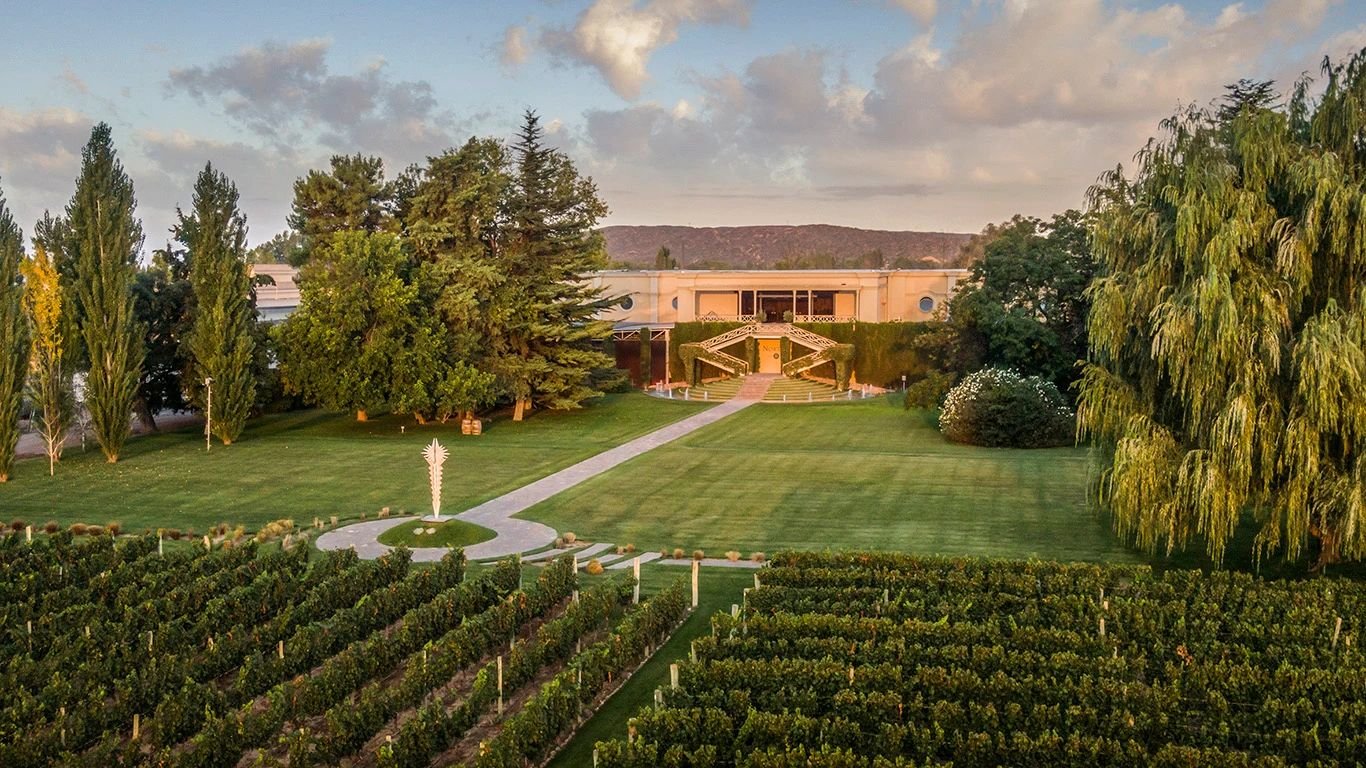
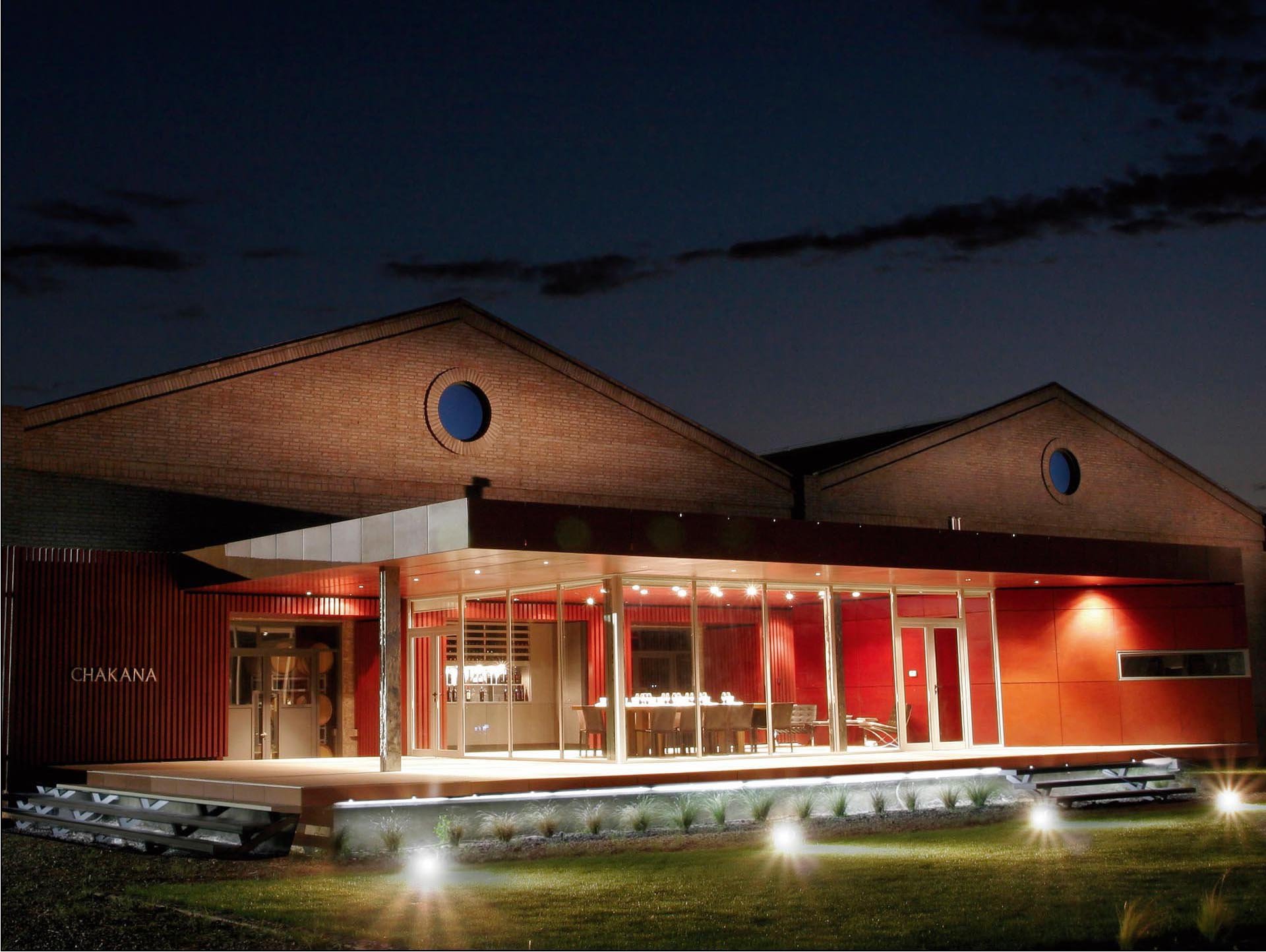
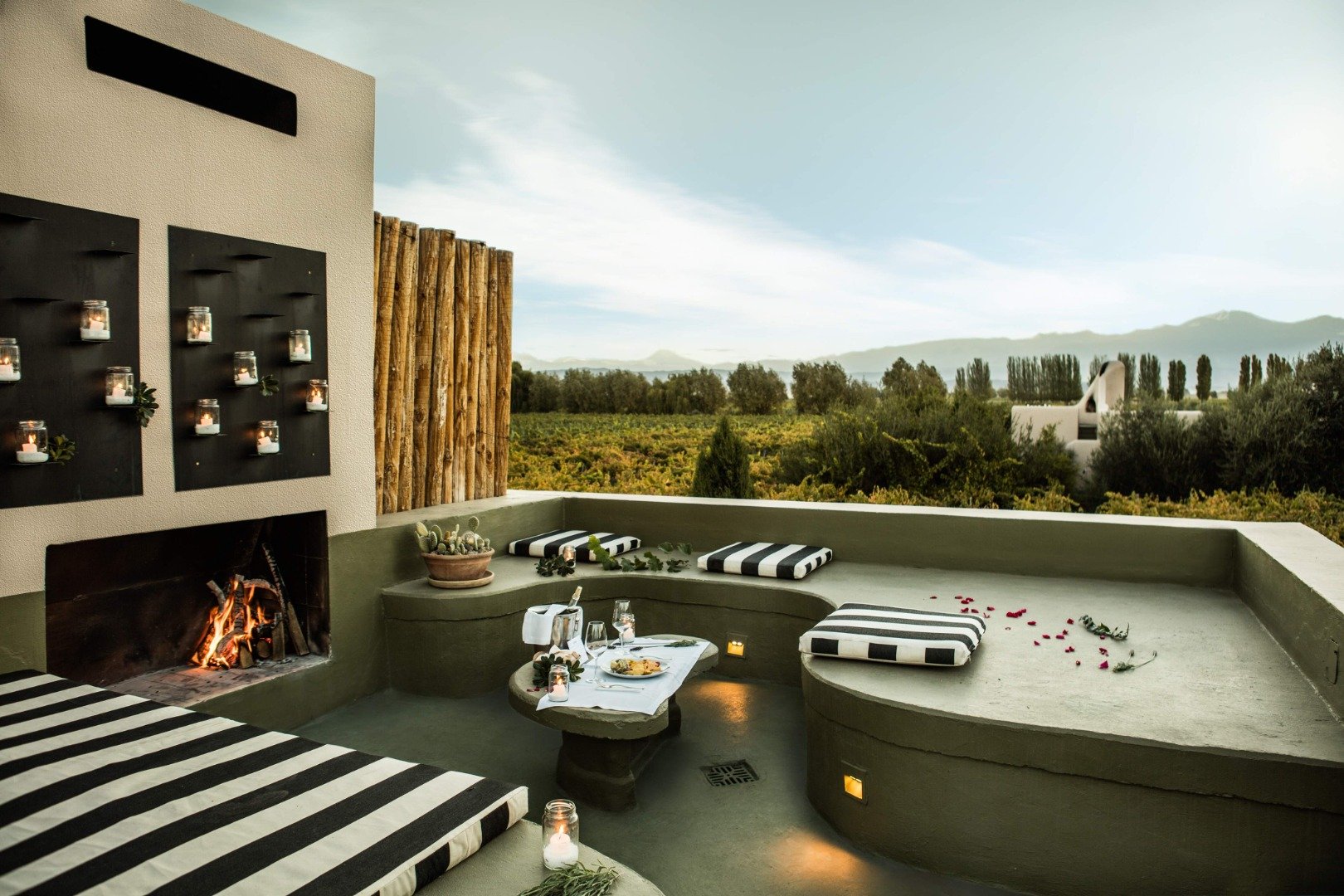
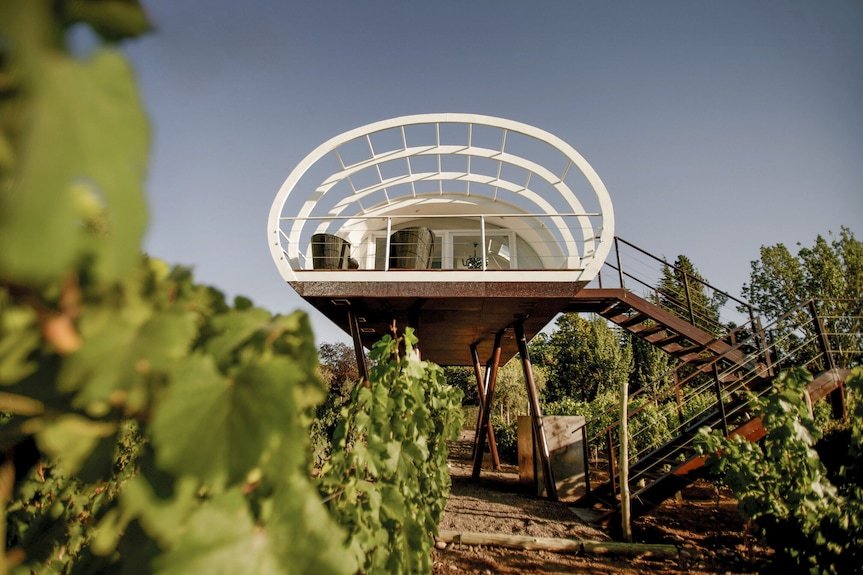
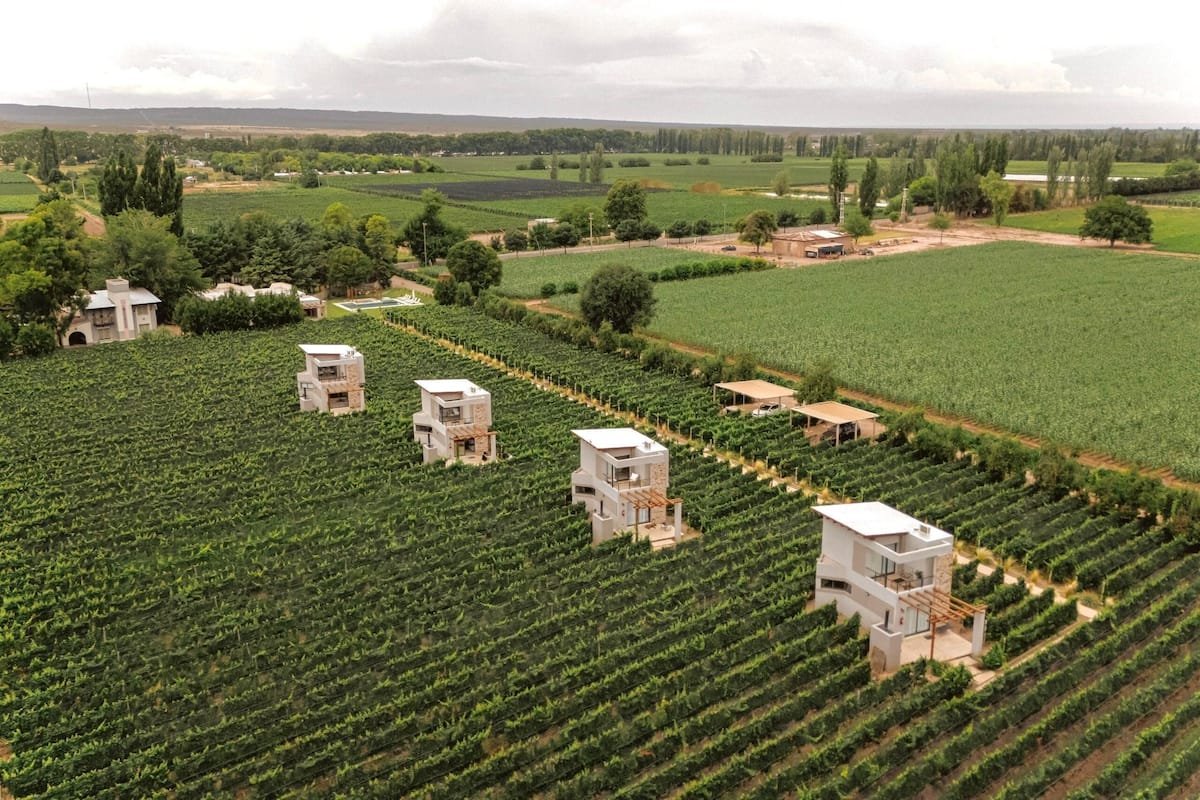
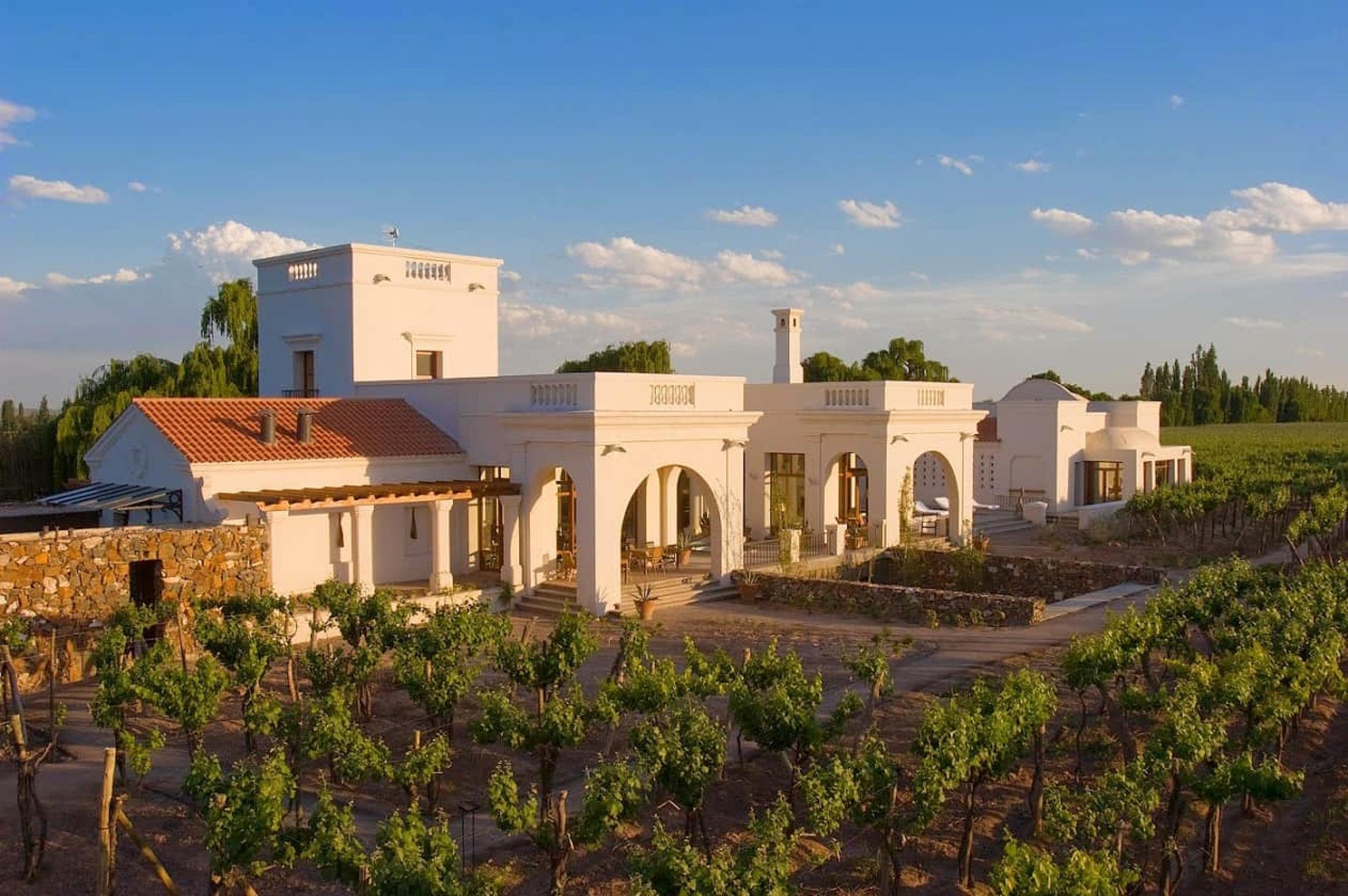
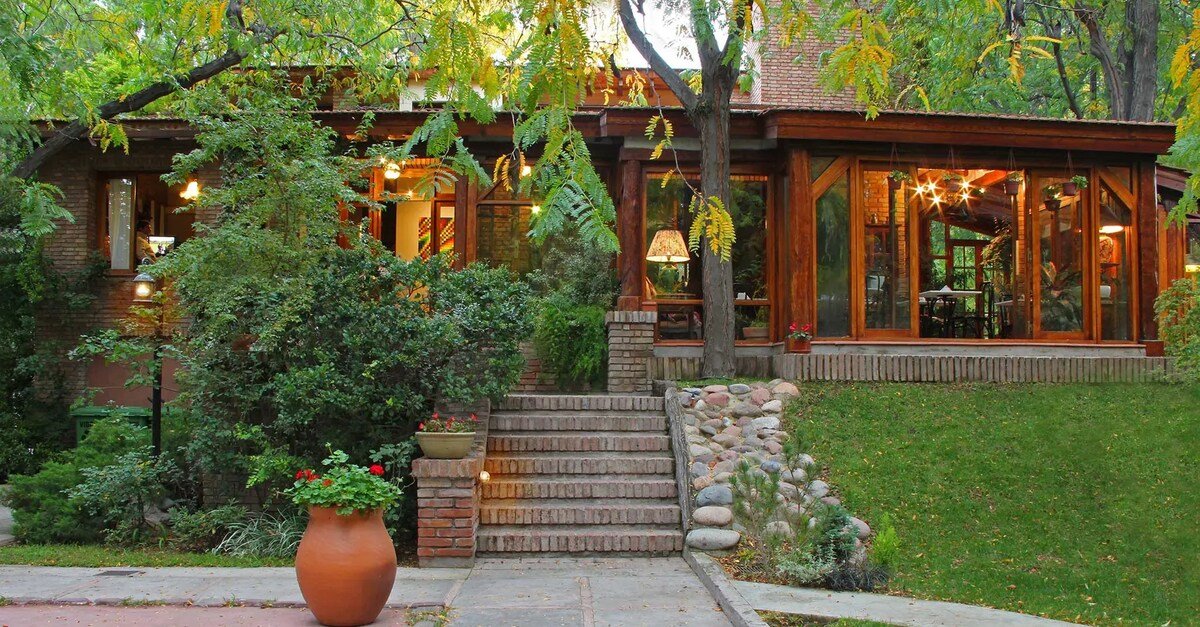
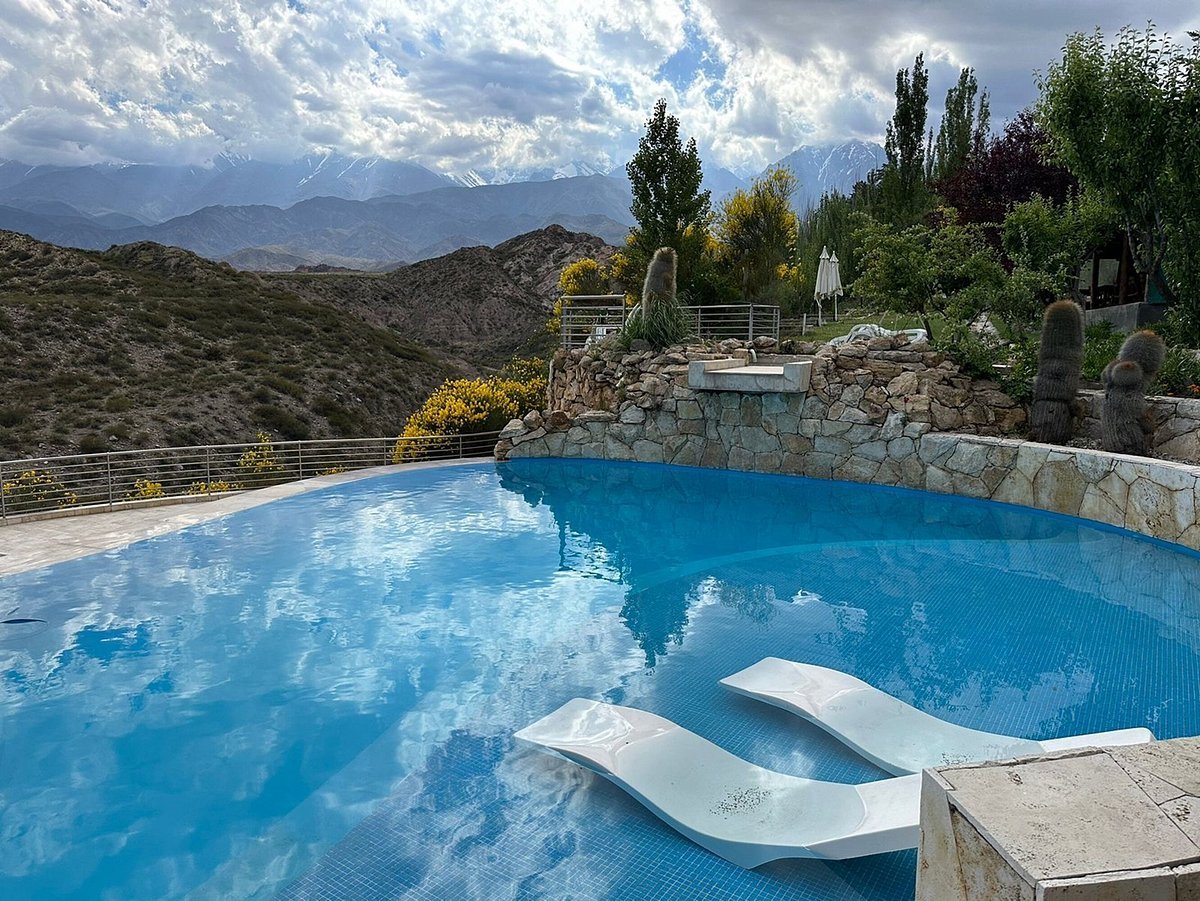
Fabre Montmayou sits at the edge of the Andes in a classical Luján de Cuyo setting, where vineyard rows march up to the foothills and afternoon light sculpts the Malbec canopy. The prose frames the estate in a sophisticated, estate-oriented register — not a touristy stop but a producer that stakes its reputation on vineyard sourcing and wine structure. That combination of appellation history and serious estate ambition gives the place a measured, almost scholarly atmosphere: classic and refined, with a sense of agricultural provenance rather than flash.
Best For
This estate is best for visitors who come to study terroir and structure rather than casual sightseers. The write-up situates Fabre Montmayou in a middle-to-upper producer tier, making it a fit for focused wine education, cellar-minded buyers and solo explorers who want to follow the narrative of Luján de Cuyo Malbec. It positions the winery alongside benchmark producers, so patrons interested in comparing estate expressions and vineyard-driven bottlings will get the most from a visit.
Tasting Tips
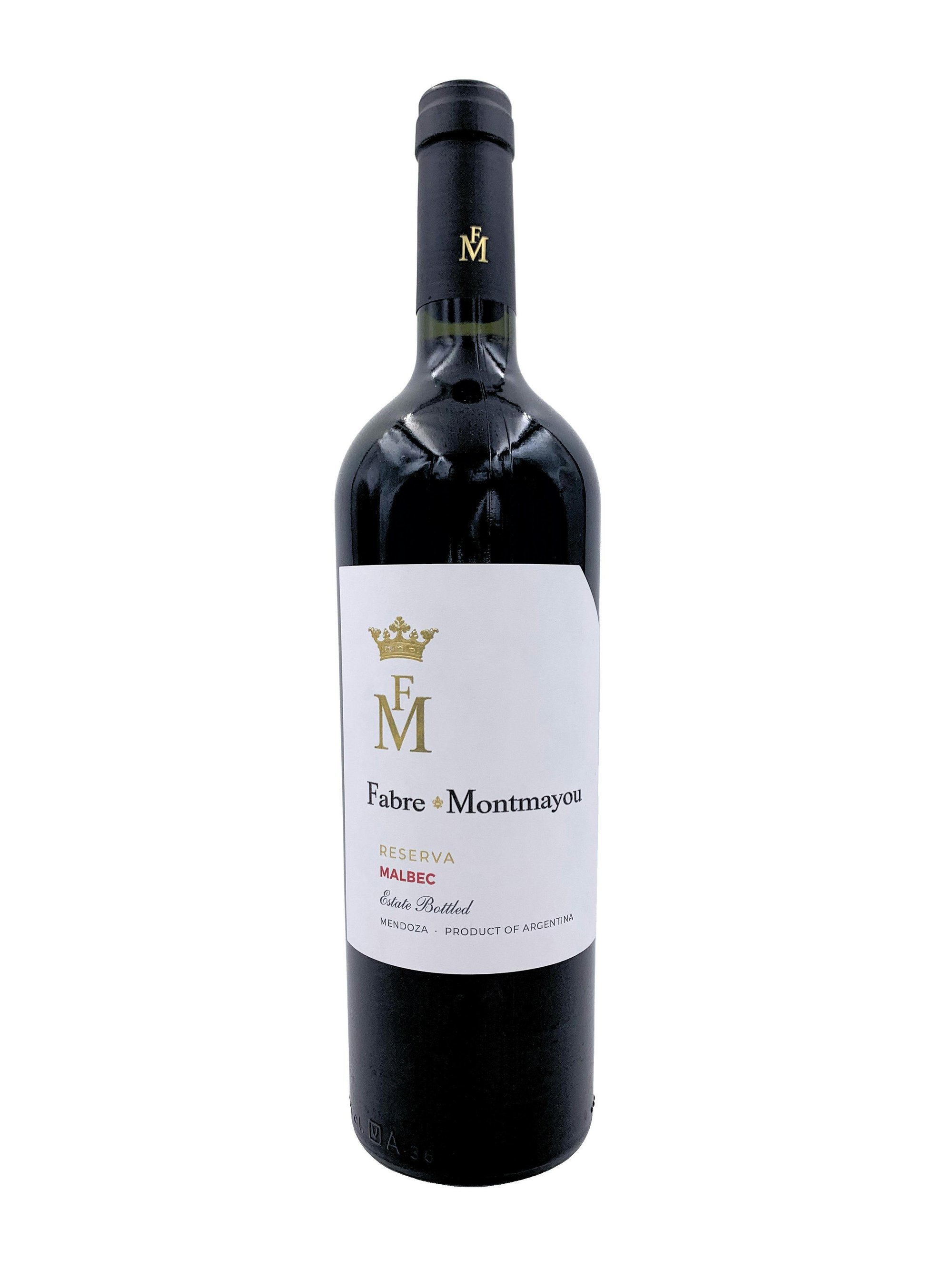
Expect structured, vineyard-focused Malbecs and estate bottlings rather than entry-level tourist labels. Given the emphasis on appellation, vineyard sourcing and the estate tier, prioritize estate and single-vineyard wines that showcase Luján de Cuyo’s elevation and diurnal swings. Ask staff about vineyard blocks and the range hierarchy — the description flags a clear progression from entry varietals to more serious, sourced wines — and use that framework to sample the producer’s architecture of styles.
Venue details
Tags
Vibe
Best For
Experience
View
At the Vineyard
- Appellation
- Luján de Cuyo
- Varietals
- Malbec, Merlot, Cabernet Sauvignon, Torrontes
- Tour Languages
- English, Español, Français
- Visits
- By appointment only
- Production
- Boutique
- Wine Styles
- Still Red, Still Rose
- Wine Club
- Not available
Know before you go
Know Before You Go
- Getting there
- Roque Sáenz Peña 3869, M5507, Mendoza
Planning details
Location
Also consider
Where to look if this is full
If Fabre Montmayou is not available, start with Achaval Ferrer for another serious Luján de Cuyo wine appointment. For a group that wants a more relaxed hospitality feel, Bodega Vistalba is the cleaner backup.
Winery context
How it compares in Luján de Cuyo
Choose Fabre Montmayou if the tasting itself is the priority and the group is comfortable planning around difficult access. Achaval Ferrer is the sharper cross-shop for visitors who want another serious Luján de Cuyo wine stop, while Bodega Vistalba is the better fallback when ambiance and a smoother hospitality day matter as much as the wines.
Nieto Senetiner is the safer recommendation for mixed groups because it reads as easier to place into a broader Mendoza itinerary. Bodega Kaiken works better when travellers are already building a route beyond the immediate Luján de Cuyo core, while Durigutti Winemakers is the peer to consider when the group wants a contemporary Mendoza wine stop with less pressure on a single hard-to-secure appointment.
For value, the decision is less about a published price and more about opportunity cost: if securing this visit forces the rest of the day into awkward timing, pick a peer with easier fit. If the trip is built around one serious tasting in Luján de Cuyo, Fabre Montmayou earns the slot.
Explore Luján de Cuyo
Around this place
Discover more on Pearl
Unlock the full Fabre Montmayou guide in Pearl, including awards, comparisons, FAQs, planning details, and nearby places.
Compare Fabre Montmayou
| Venue | Location | Awards |
|---|---|---|
| Fabre Montmayou | Luján de Cuyo | No published awards |
| Bodega Vistalba | Luján de Cuyo | 2025 Decanter Winery Prestige |
| Bodega Kaiken | Mendoza | 2026 Falstaff Winery Guide2025 World's 50 Best Vineyards · #36 |
| Achaval Ferrer | Luján de Cuyo | 2026 Falstaff Winery Guide2025 Decanter Winery Prestige |
| Nieto Senetiner | Luján de Cuyo | 2026 Falstaff Winery Guide |
| Durigutti Winemakers | Luján de Cuyo | No published awards |



How Fabre Montmayou Luján de Cuyo compares with similar nearby venues.
FAQ
Frequently Asked Questions
How long should I plan for a visit to Fabre Montmayou?
Plan only after confirming current details directly with Fabre Montmayou in Luján de Cuyo.
Does Fabre Montmayou offer shipping or delivery?
What should I know before visiting Fabre Montmayou?
The key points are that Fabre Montmayou is in Luján de Cuyo, has a smart casual dress code, and carries Pearl 2 Star Prestige recognition for 2025. Other practical details should be checked directly with the venue.
Does Fabre Montmayou offer memberships or ongoing purchase options?
What other venues are relevant when planning around Fabre Montmayou?
Bodega Vistalba, Bodega Kaiken, Achaval Ferrer, Nieto Senetiner, and Durigutti Winemakers are relevant comparisons for planning. Use details from each venue before deciding how to structure a day in Luján de Cuyo.