Doña Paula
Luján de Cuyo
Winery in Luján de Cuyo, Argentina
 Book with Pearl
The Read
Altitude-Driven Malbec Precision
Price
$50–100tasting
Why go
Doña Paula is worth considering for a polished Luján de Cuyo winery stop where the estate setting is part of the occasion. It is better for a calm wine-country afternoon than for travelers who need a clearly documented food program or named flagship tasting before deciding.
About Doña Paula
The schedule is direct: Doña Paula is open from 9 AM to 5 PM Monday through Saturday and from 9 AM to 6 PM on Sunday. Details such as cuisine, tasting formats, named bottles, pricing, reservations, and on-site dining should be checked with the venue before you commit.
Book it when the confirmed basics fit your plan
Doña Paula is easiest to consider when a daytime Luján de Cuyo stop fits the occasion and the smart casual dress code works for your group.
If the day needs a guaranteed dining component, build that separately rather than assuming one is available here.
Who should choose this over another venue
If you want to compare other notable venues for the same day, look at Pulenta Estate, Chakana Winery, Bodega Finca La Anita, Catena Zapata, and Bodega Chandon Argentina before locking the itinerary.
For planning, keep the schedule realistic. The hours give you a daytime window, but details beyond that should be confirmed directly. Use a broader venue shortlist for other options, then add the Luján de Cuyo restaurants guide if the day needs a separate meal plan.
Planning details
- Location
- Ruta 40 s/n, 5507, M5500 Luján de Cuyo, Mendoza, Argentina
- Website
- donapaula.com
- Phone
- +54 9 261 341-5739
The take
The Take
The Vibe
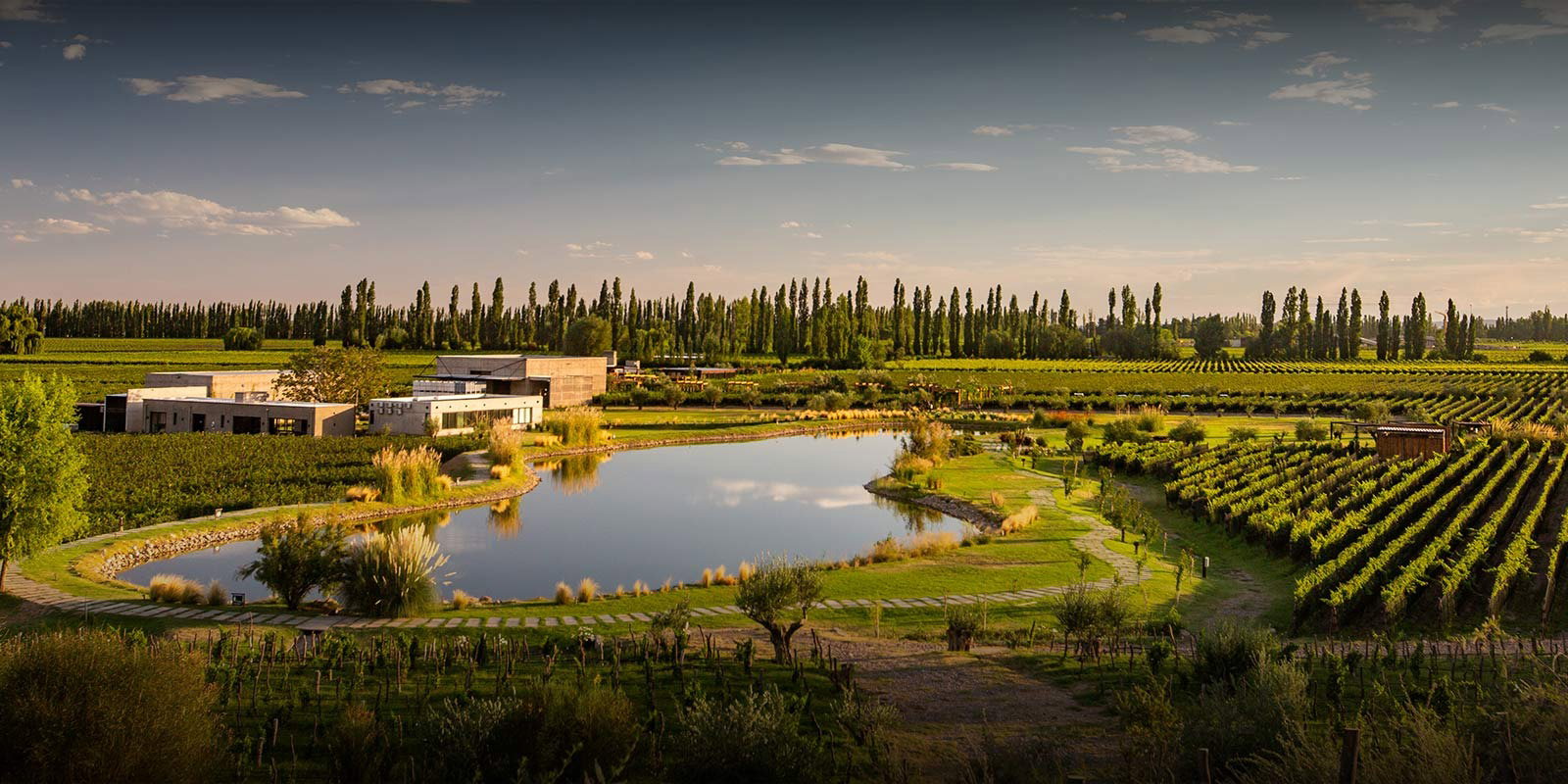
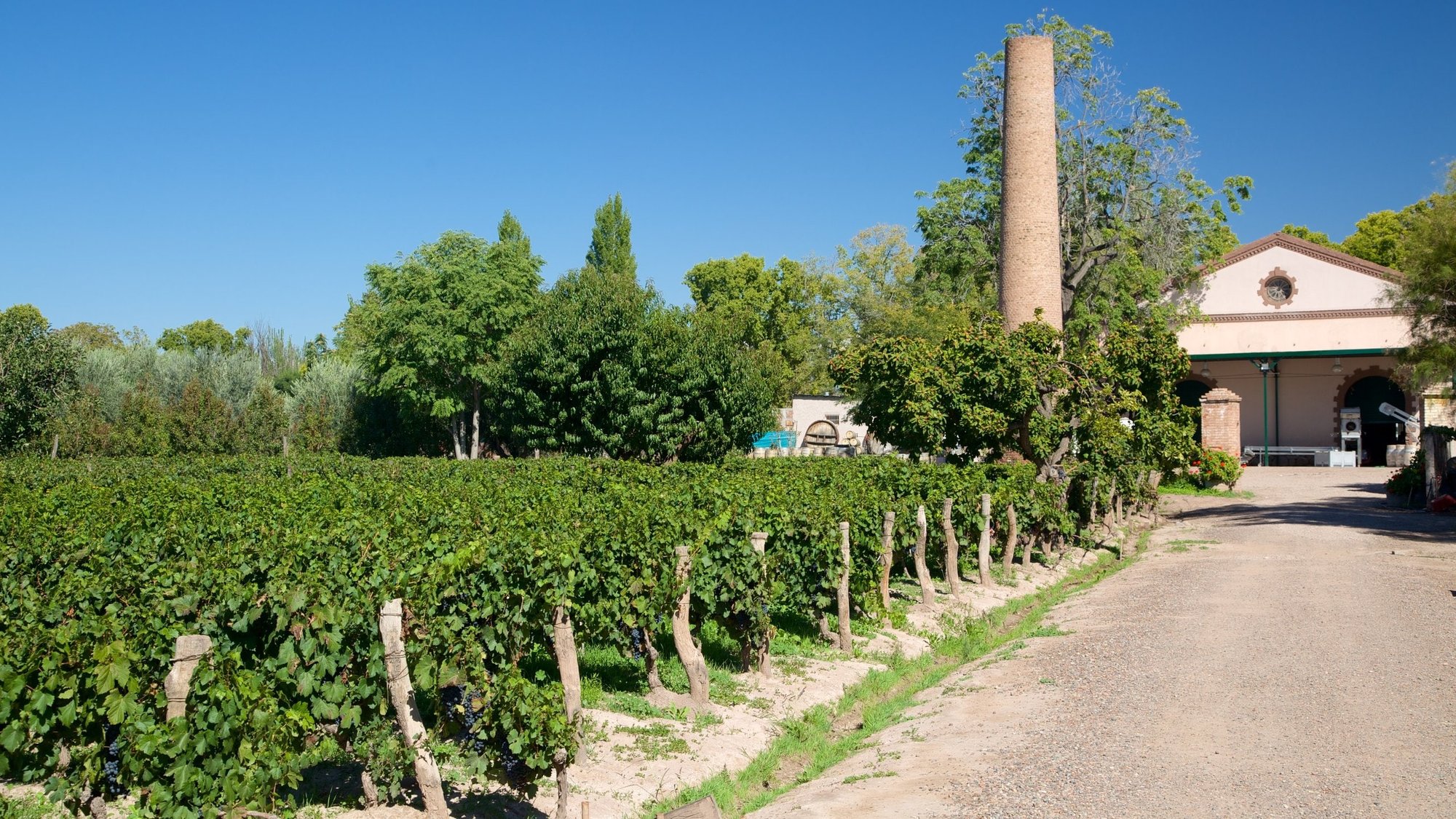
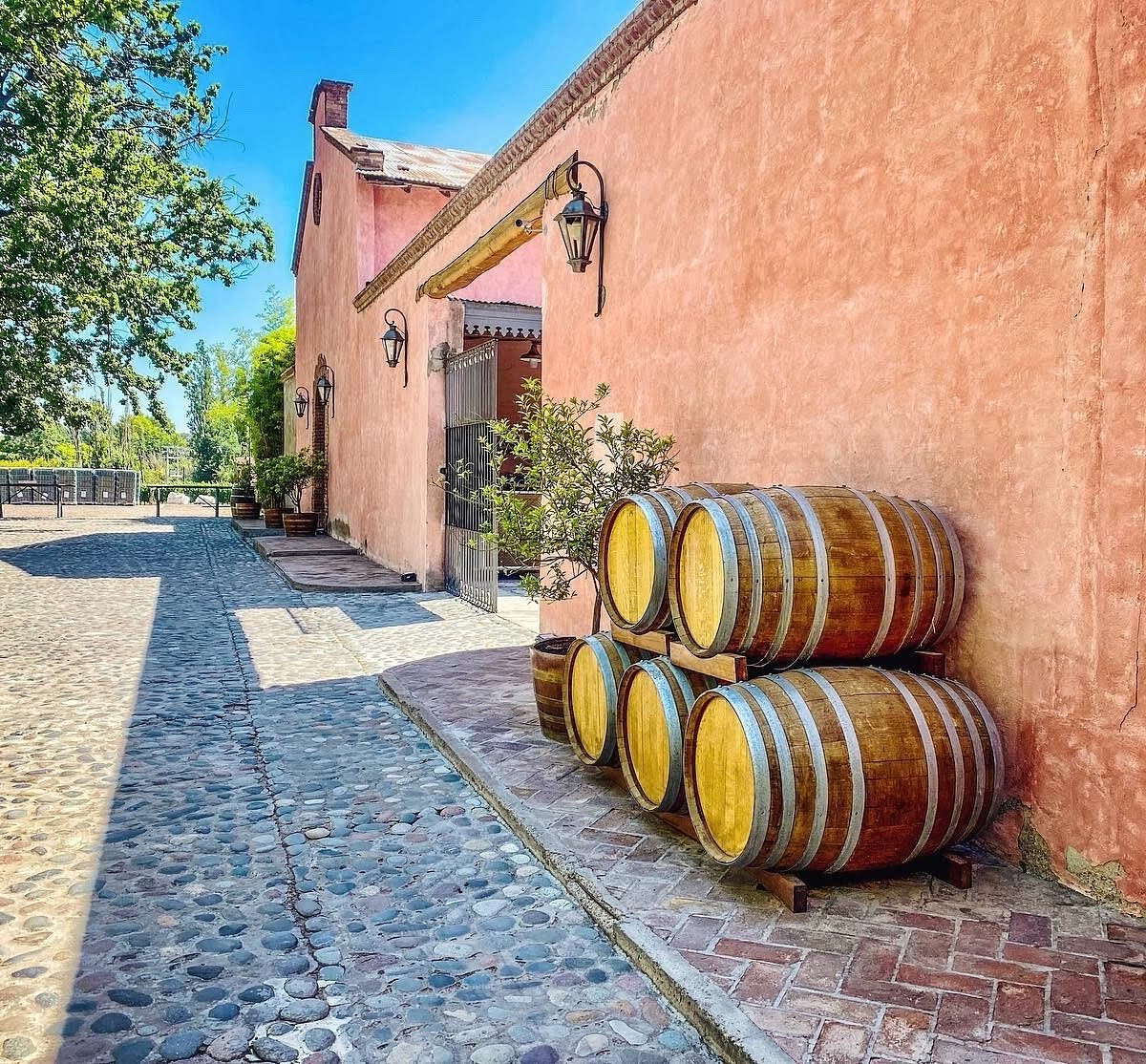
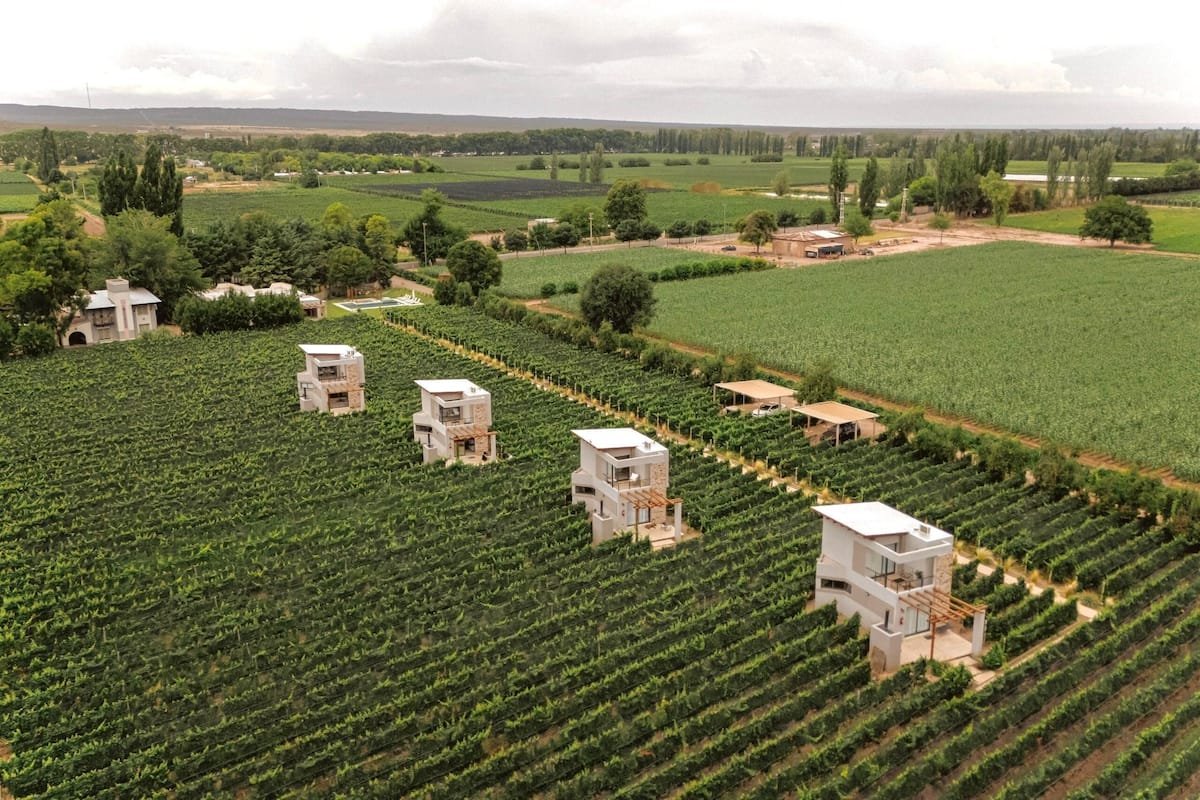
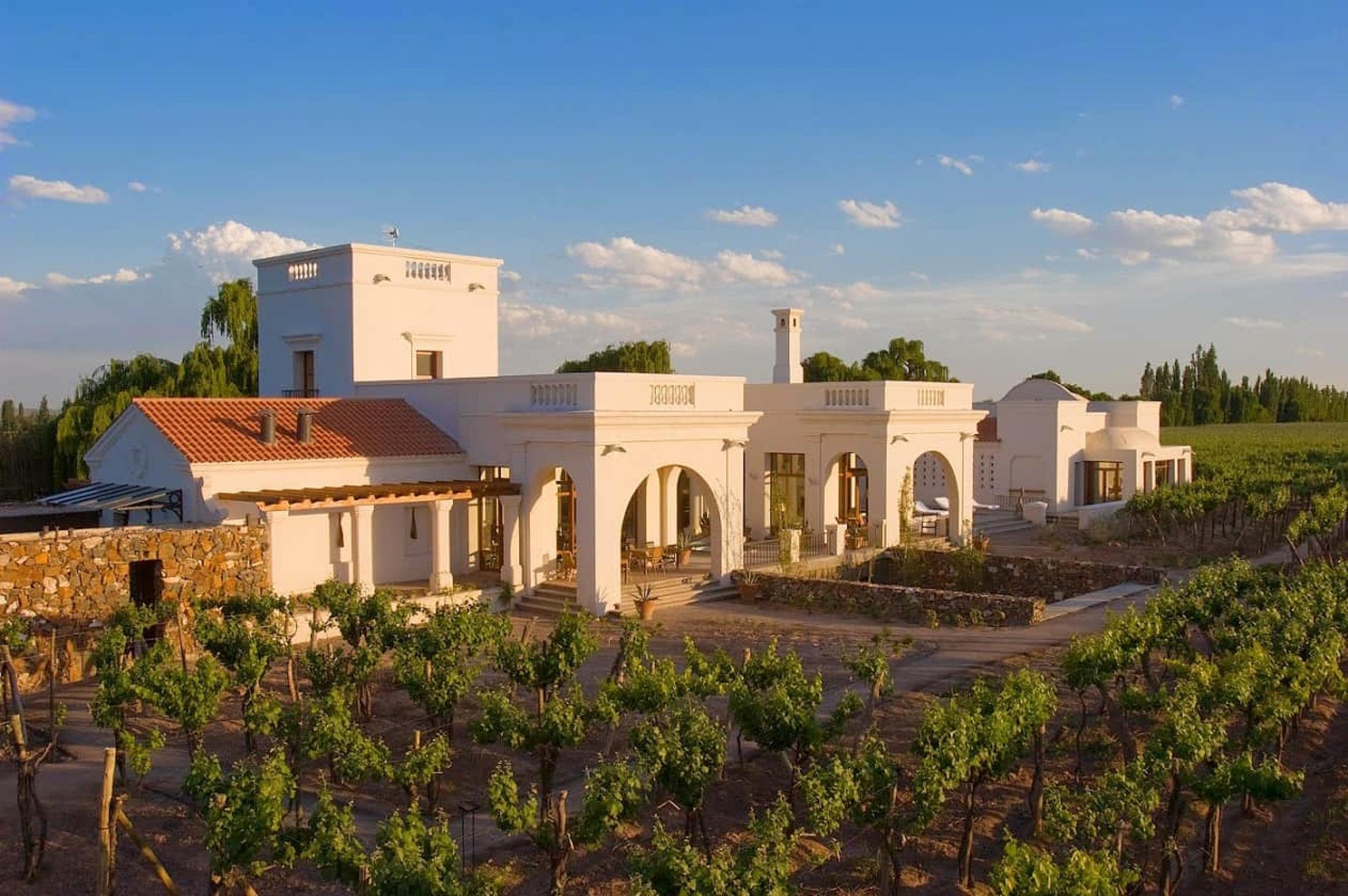
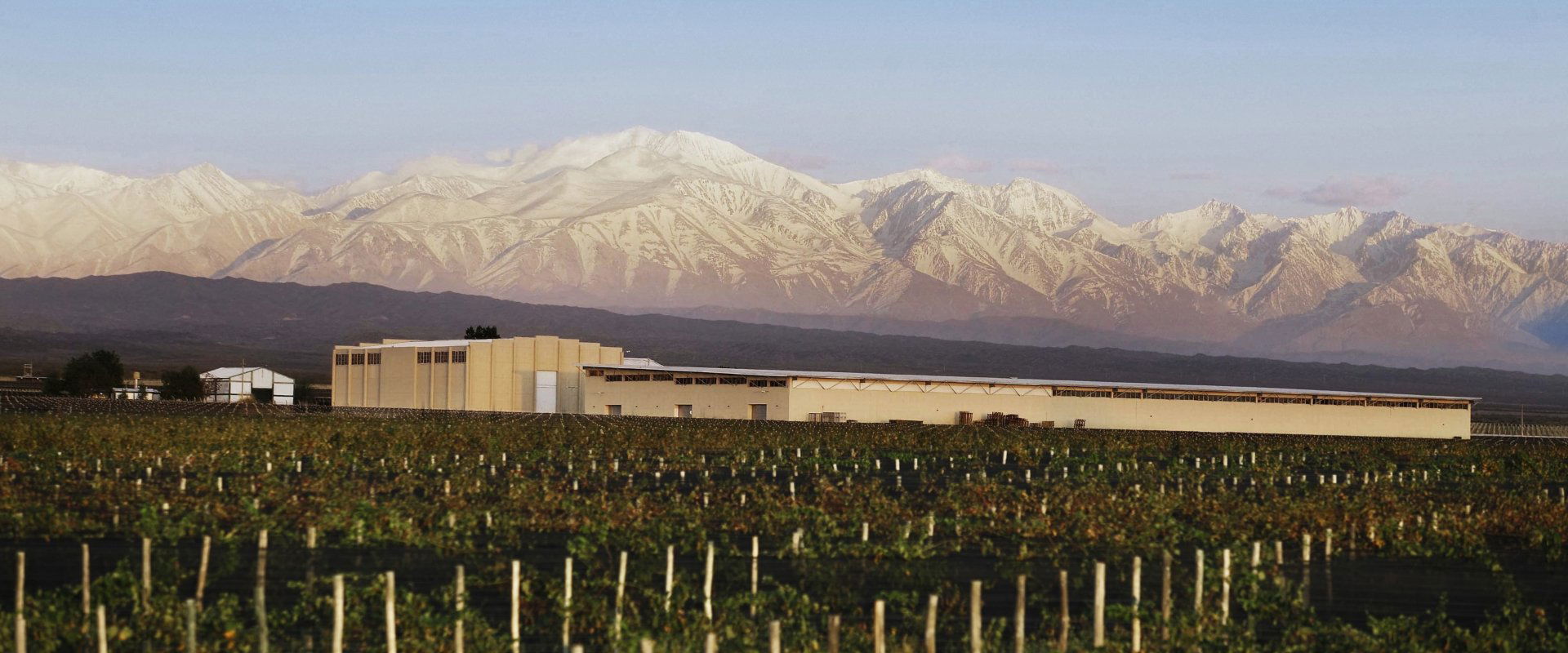
Doña Paula sits squarely in the established, sun-baked corridors of Luján de Cuyo, where low vineyard walls, poplar windbreaks and high‑altitude light define the place. Long-standing plantings and mapped soils give the estate a historic, classic character. That studied, terroir-driven setting reads as refined and composed: scenic in the way the landscape frames the work of winemaking, and quietly authoritative thanks to the appellation pedigree the region carries. Visitors can expect a grounded, dignified winery atmosphere rooted in place and provenance.
Best For
This property is particularly well suited to guests who want to dig into Mendoza’s terroir story: the write-up foregrounds denominational history, sub‑appellation credibility and a rated producer profile, making it a strong fit for wine-education visits and small celebratory outings where provenance matters. The measured, established character of Carrodilla also lends itself to romantic or special‑occasion visits that appreciate polished, consistent production rather than trend-driven novelty. Groups interested in regional context and comparative tasting will find the location and institutional standing useful for structured learning and meaningful tastings.
Tasting Tips
Ask about Malbec expressions and sub‑appellation differences, the copy contrasts Luján de Cuyo’s steadier Malbec profile with higher‑altitude zones, and inquire which bottlings exemplify the mapped soil profiles. If available, choose a comparative flight or a selection that spans entry to prestige lines to get a sense of the winery’s stylistic breadth and the reasons behind its rating.
Venue details
Ambiance
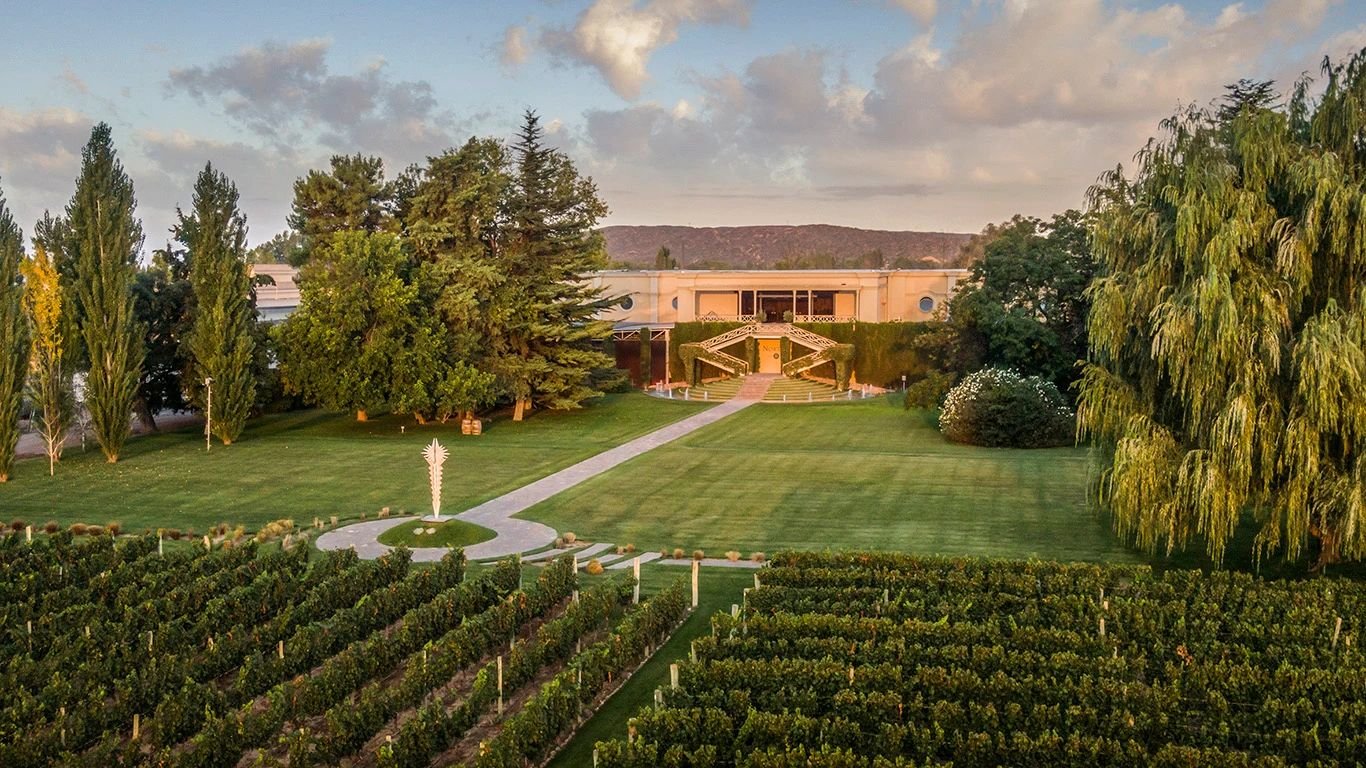
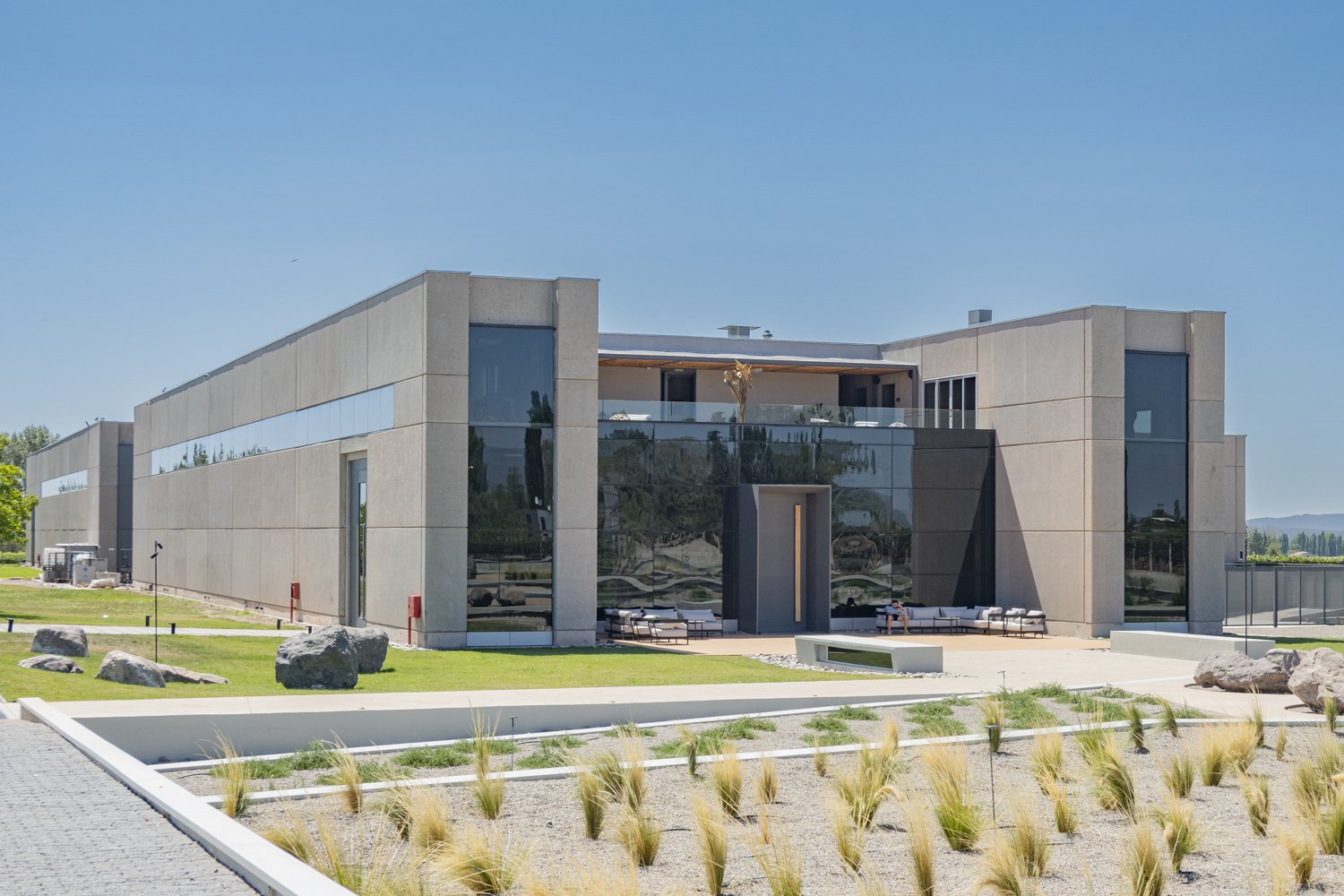
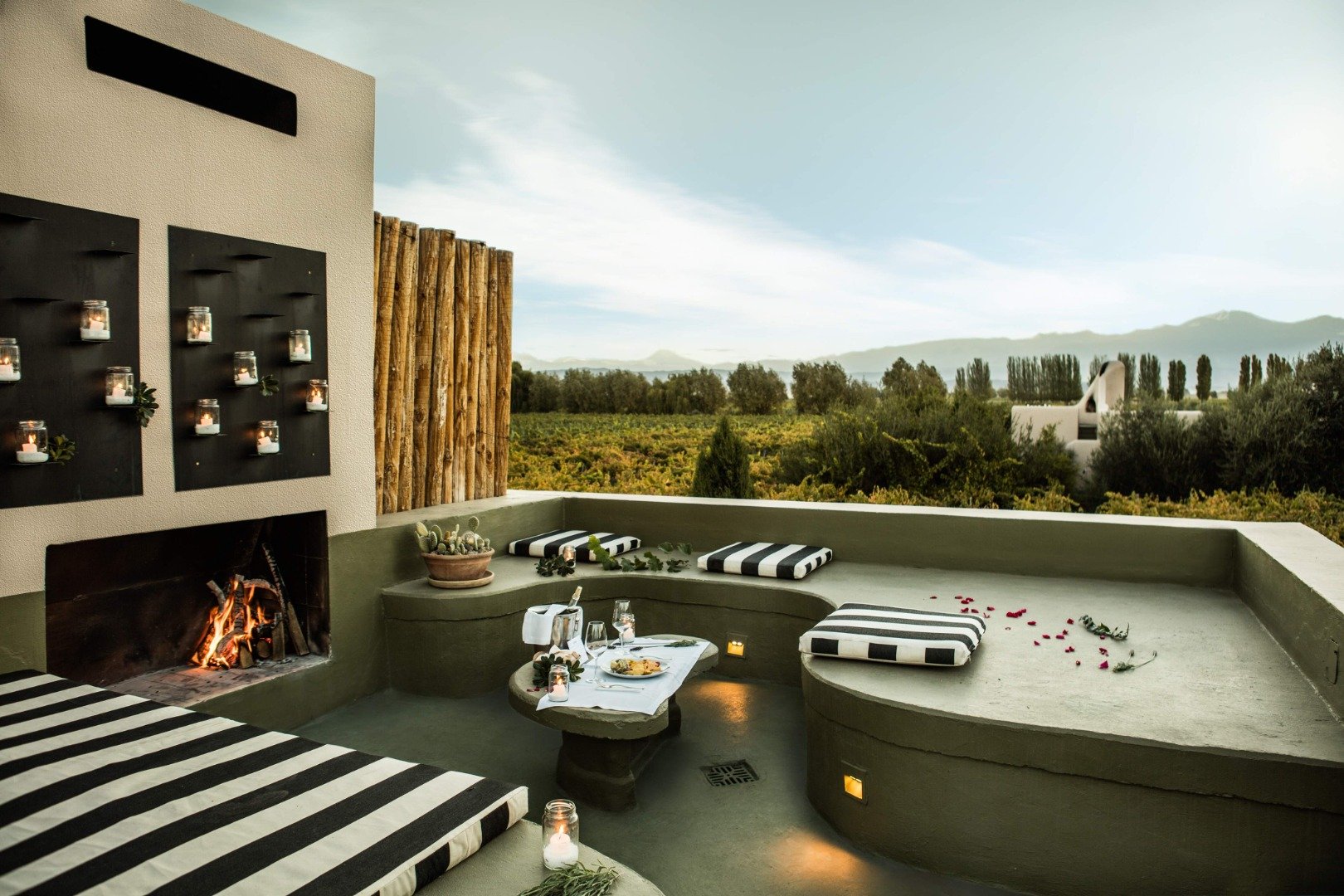
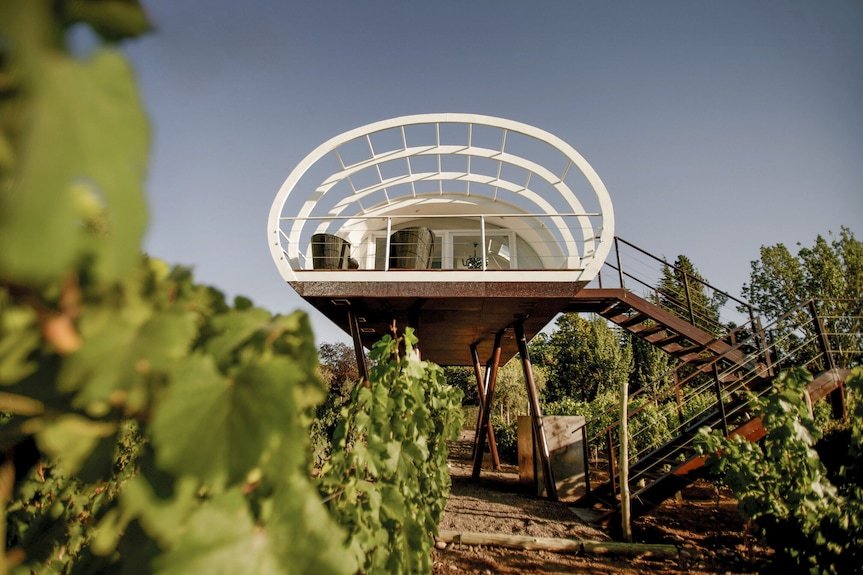
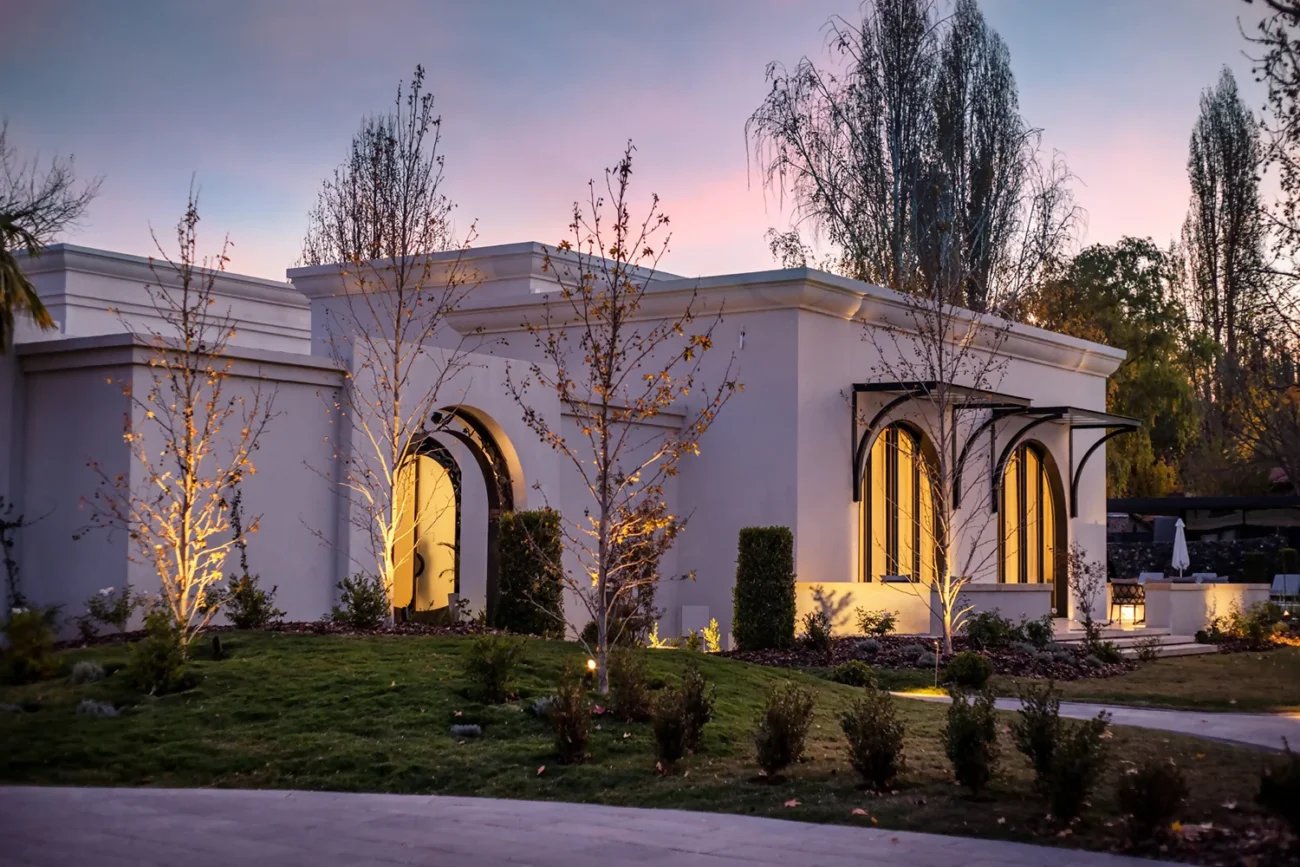
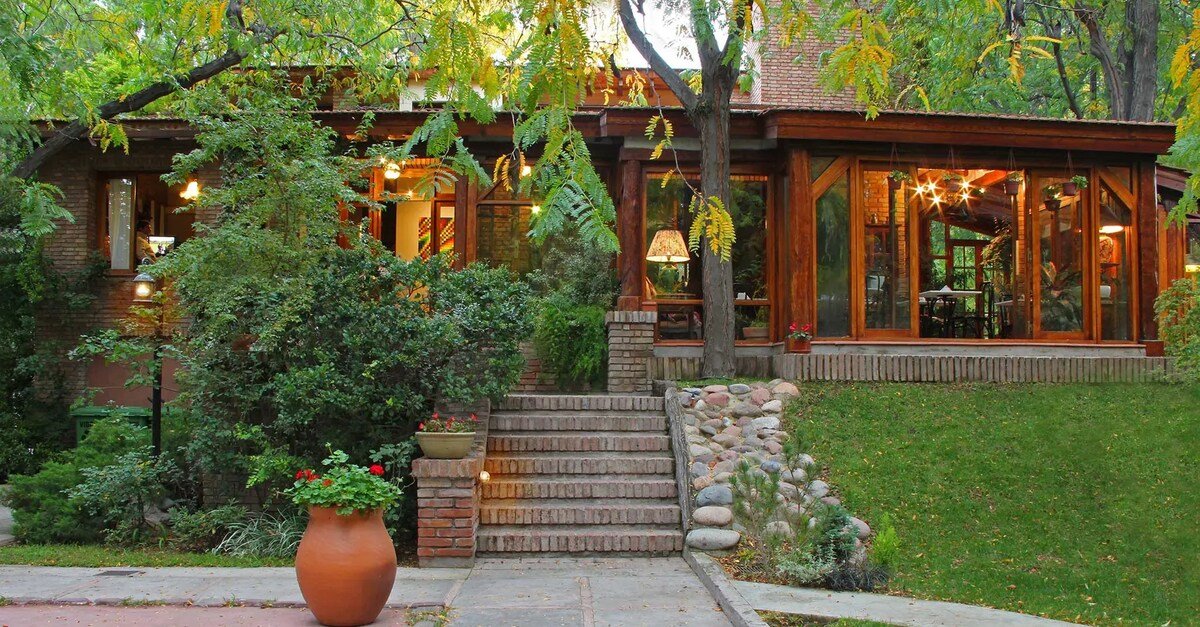
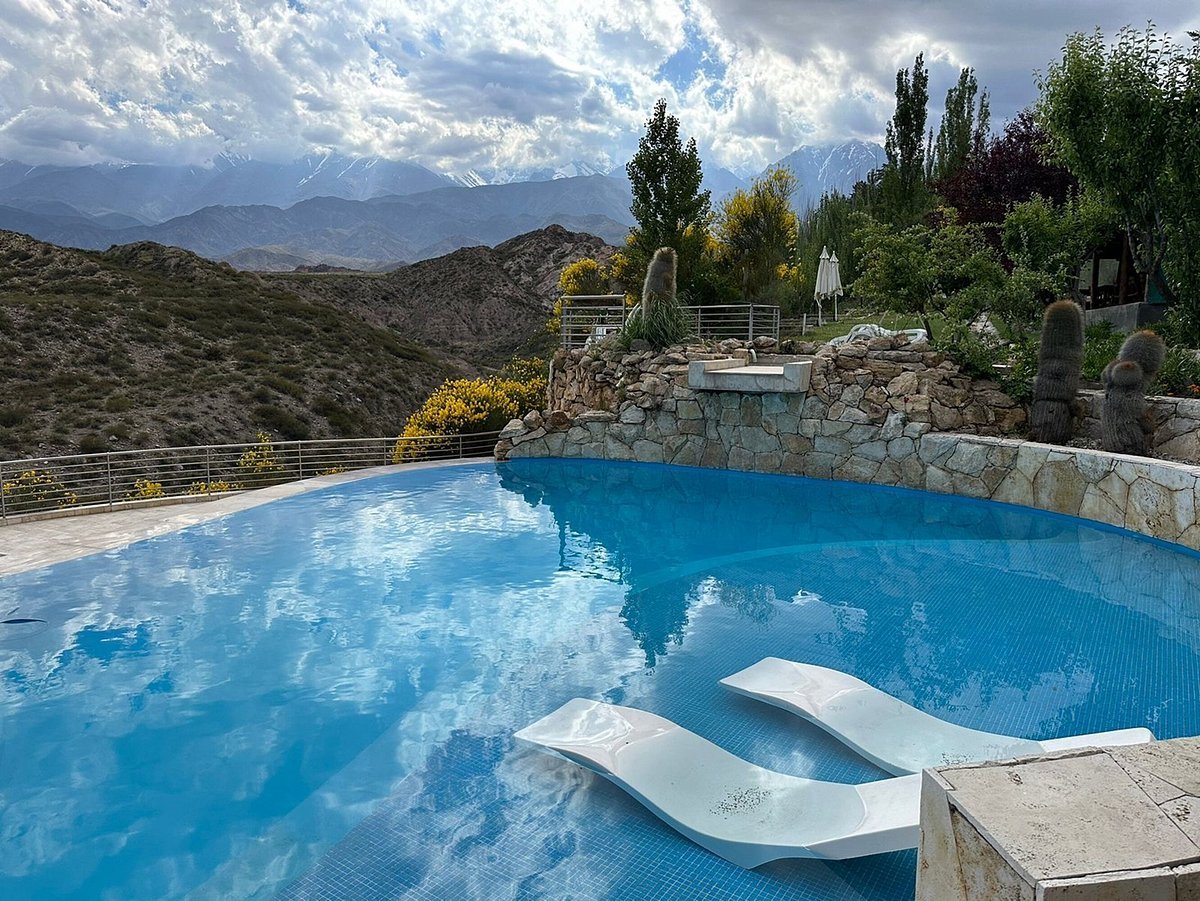
Peaceful and tranquil setting with natural light from expansive views, transmitting calm and serenity through manicured estate grounds and refined tasting spaces.
Tags
Vibe
Best For
Experience
Sourcing
View
At the Vineyard
- Appellation
- Uco Valley, Mendoza
- Varietals
- Malbec, Cabernet Sauvignon, Cabernet Franc, Sauvignon Blanc, Chardonnay
- Tour Duration
- 120-180 minutes
- Tour Languages
- Spanish, English
- Visits
- By reservation
- Farming
- Sustainable
- Wine Styles
- Still Red, Still White
- Food Pairing
- Offered
- Wine Club
- Not available
Know before you go
Know Before You Go
- Getting there
- Ruta 40 s/n, 5507, M5500 Luján de Cuyo, Mendoza, Argentina
Planning details
Location
Ruta 40 s/n, 5507, M5500 Luján de Cuyo, Mendoza, Argentina · Directions
Also consider
Where to look if this does not fit
If the date or format does not work, try Bodega Finca La Anita for another Luján de Cuyo winery option, or Chakana Winery if keeping the plan local is the priority. For a more destination-led day, compare availability at Catena Zapata.
Winery context
How Doña Paula compares in Luján de Cuyo
Doña Paula is the right pick if the estate feel is central to the day. Chakana Winery and Bodega Finca La Anita are the more direct Luján de Cuyo cross-shops when the goal is to keep transfers simple. Choose Doña Paula for a composed wine-country stop; look to Chakana Winery or Bodega Finca La Anita when the itinerary needs a tighter local cluster.
Pulenta Estate, Catena Zapata, and Bodega Chandon Argentina belong in the comparison if the day can stretch beyond the immediate Luján de Cuyo plan. Catena Zapata is the obvious choice when the architecture-and-wine combination is the priority, while Bodega Chandon Argentina makes more sense for travelers specifically seeking sparkling wine. Doña Paula is the steadier fit when the brief is a classic Mendoza estate visit rather than a single-format specialty stop.
For value, the decision comes down to how much the grounds matter to the experience. If the setting is part of the celebration, Doña Paula earns its slot. If the group wants the easiest back-up plan, keep Bodega Finca La Anita and Chakana Winery on the same shortlist before committing.
Explore Luján de Cuyo
Around this place
Discover more on Pearl
Unlock the full Doña Paula guide in Pearl, including awards, comparisons, FAQs, planning details, and nearby places.
Compare Doña Paula
| Venue | Location | Awards |
|---|---|---|
| Doña Paula | Luján de Cuyo | No published awards |
| Pulenta Estate | Agrelo | No published awards |
| Chakana Winery | Luján de Cuyo | 2026 Falstaff Winery Guide |
| Bodega Finca La Anita | Luján de Cuyo | No published awards |
| Catena Zapata | Agrelo | 2026 Falstaff Winery Guide2023 World's 50 Best Vineyards · #12022 World's 50 Best Vineyards · #92021 World's 50 Best Vineyards · #72020 World's 50 Best Vineyards · #112019 World's 50 Best Vineyards · #5 |
| Bodega Chandon Argentina | Agrelo | 2026 Falstaff Winery Guide |


How Doña Paula Luján de Cuyo compares with similar nearby venues.
FAQ
Frequently Asked Questions
When is the best time to visit Doña Paula?
Use the opening hours as your planning baseline: Doña Paula is open 9 AM to 5 PM Monday through Saturday and 9 AM to 6 PM on Sunday. Sunday offers the longest public window.
How long should I plan for a visit to Doña Paula?
Plan within the opening hours, 9 AM to 5 PM Monday through Saturday and 9 AM to 6 PM on Sunday, and confirm any timing requirements directly with the venue.
What other venues can I compare with Doña Paula?
Other comparison names to consider are Pulenta Estate, Chakana Winery, Bodega Finca La Anita, Catena Zapata, and Bodega Chandon Argentina. Use them as reference points when planning a broader itinerary.