
Chakana Winery
Agrelo, Luján de Cuyo
Winery in Luján de Cuyo, Argentina
 Book with Pearl
The Read
High-Altitude Malbec Terroir
Why go
A focused Luján de Cuyo winery pick for travelers who want regional depth over a showpiece visit. Chakana Winery is worth prioritizing if the day is built around serious tasting context, but confirm logistics before making it the anchor for food, large groups, or tightly timed transfers.
About Chakana Winery
Chakana Winery is a venue in Luján de Cuyo with a smart casual dress code and Pearl 3 Star Prestige recognition for 2025. Details on visit format, menus, pricing, hours, group arrangements, or specific wines are not available.
Use Chakana Winery as a considered Luján de Cuyo option, but confirm practical details directly before planning a route around it. If your day depends on a particular tasting format, food service, accessibility need, or fixed timing, those details should be checked with the venue rather than assumed.
Reasons to consider this Luján de Cuyo winery
Reasons to shortlist Chakana Winery are its Luján de Cuyo location, smart casual dress code, and Pearl 3 Star Prestige recognition in 2025. Specific claims about cuisine, tasting structure, cellar style, bottle lineup, prices, or service format are not available.
Because information is limited, plan conservatively. Arrange your visit with up-to-date confirmation from the venue, especially if you are coordinating transport, multiple wineries, or a group schedule.
Where it fits in a Luján de Cuyo plan
Chakana Winery can be considered alongside other winery options such as Bodega Chandon Argentina, Bodega Finca La Anita, Catena Zapata, Finca Decero, and Pulenta Estate. Use those names as comparison points when shaping a broader itinerary, while confirming the practical details for each venue separately.
The verdict: keep Chakana Winery on the shortlist if you want a Pearl 3 Star Prestige-recognized Luján de Cuyo venue and are comfortable confirming the details directly before you go. If your plan requires food service, a specific tasting format, exact timing, or other fixed logistics, check those points before committing. For mapping the rest of the area, use Our full Luján de Cuyo wineries guide, then fill non-wine gaps with Our full Luján de Cuyo restaurants guide, Our full Luján de Cuyo hotels guide, Our full Luján de Cuyo bars guide, and Our full Luján de Cuyo experiences guide.
Planning details
- Location
- Calle Baldini 16197, M5509 Lujan de Cuyo, Mendoza
- Website
- chakanawines.com.ar
- Phone
- +54 9 261 509-5643
The take
The Take
The Vibe
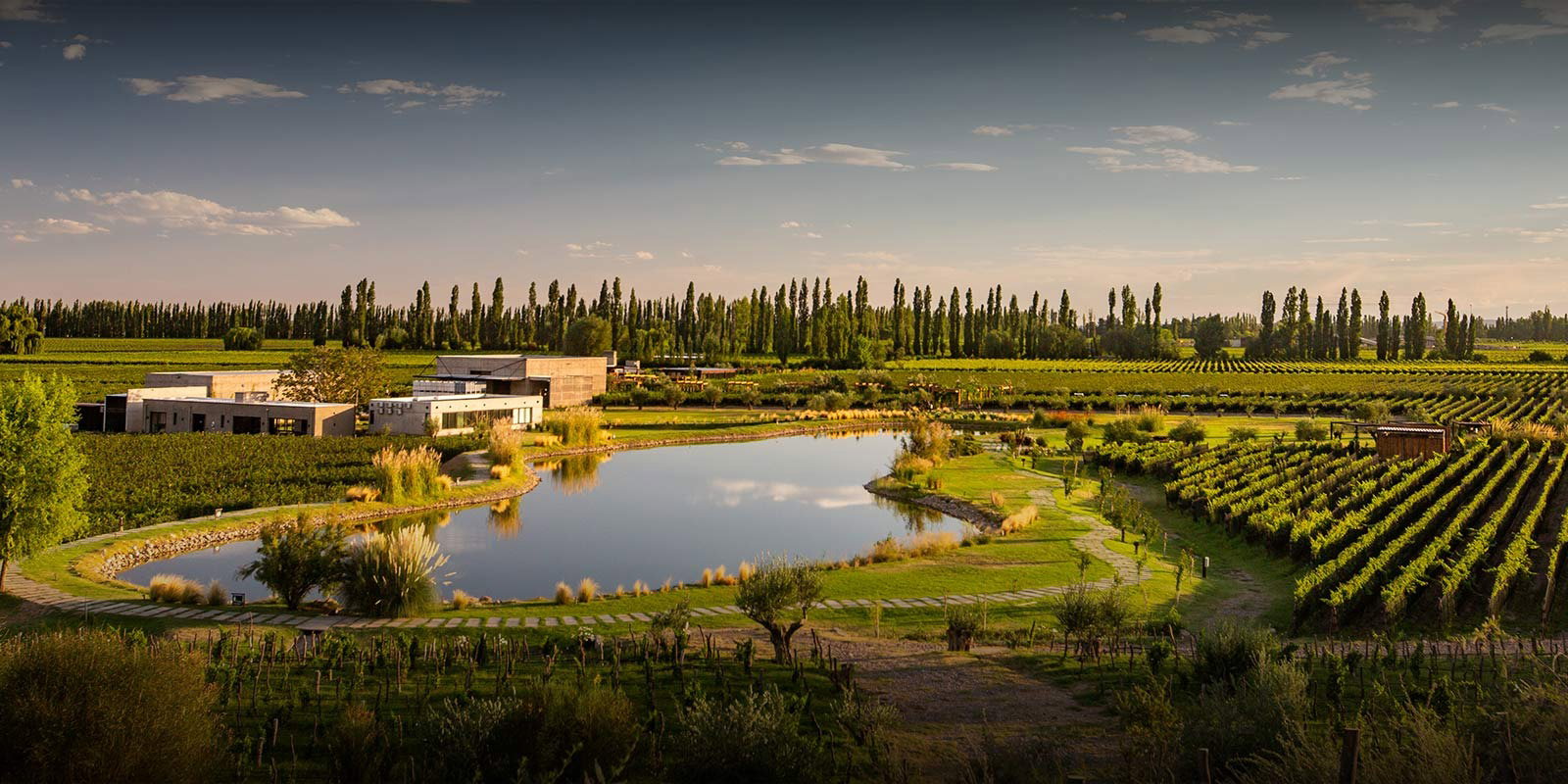
Chakana projects a measured, terroir-first character rooted in the high-altitude landscape of Luján de Cuyo. The description emphasizes the proximity of the Andes, a dry high-desert air and old alluvial soils, framing the estate as a place defined more by geography and craft than by spectacle. Its Pearl 3 Star Prestige rating and placement 'in the heart of the appellation' give it a classic, institutional feel: a sophisticated, historically aware producer where provenance, elevation and vineyard expression are the dominant notes rather than visitor-facing gloss.
Best For
Chakana is best for visitors who prioritize learning about Mendoza’s terroir and the region’s Malbec tradition. The text situates the estate within Luján de Cuyo’s benchmark appellation and highlights attributes—altitude, diurnal range and soils—that make it particularly instructive. That combination, along with the winery’s elevated Pearl 3 Star Prestige rating, makes Chakana well suited to wine-education groups and travelers seeking a focused, context-rich visit away from tourist-heavy approaches.
Tasting Tips
Focus tastings on wines that articulate the estate’s high-altitude character—particularly Malbecs that reflect Luján de Cuyo’s diurnal range and alluvial soils. Given the Pearl 3 Star Prestige designation, ask about premium or reserve bottlings and any single-vineyard expressions that illustrate parcel differences. Frame questions around vineyard site, elevation and vine age to get the most informative context from a visit that emphasizes terroir and provenance.
Venue details
Ambiance
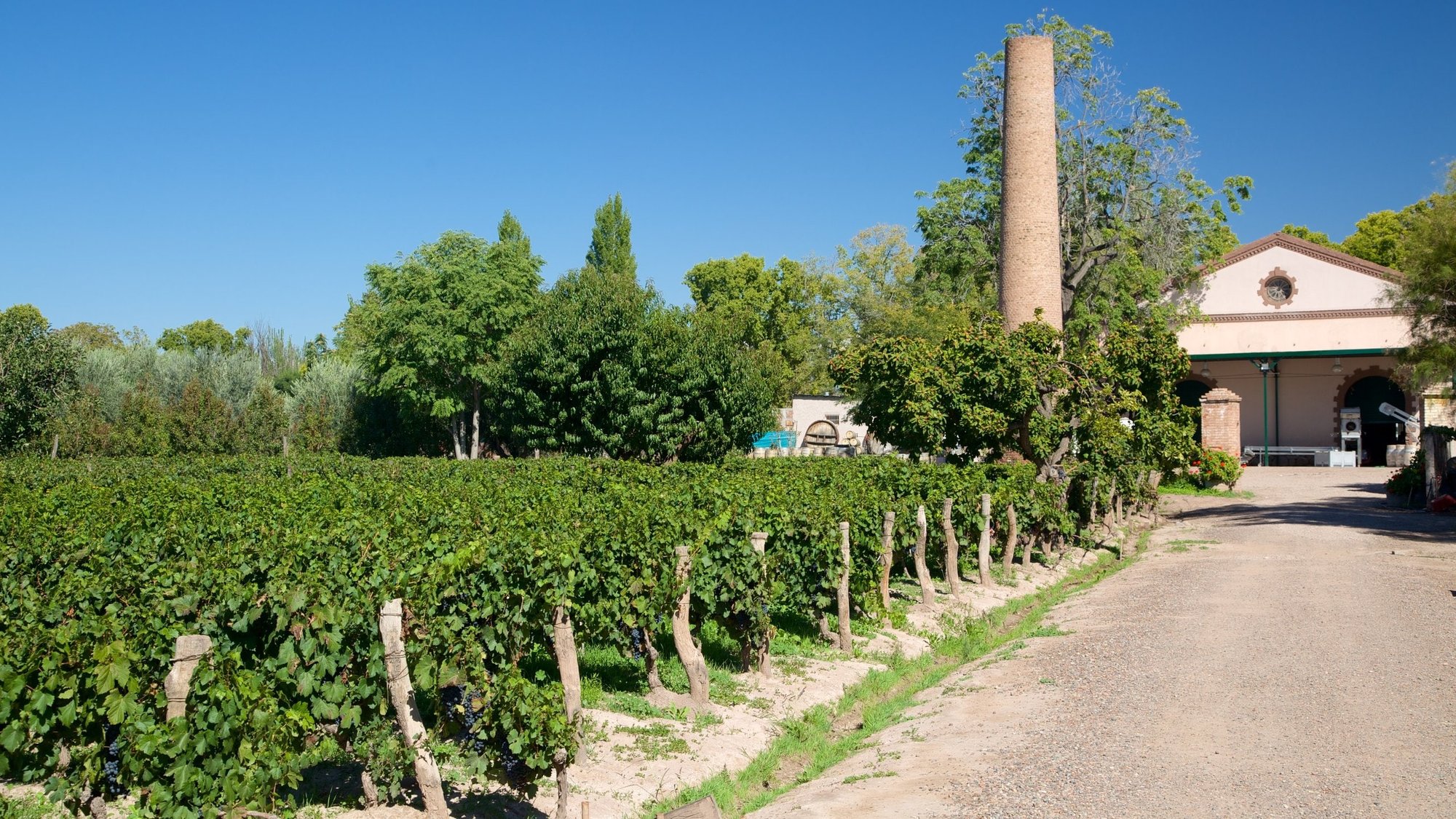
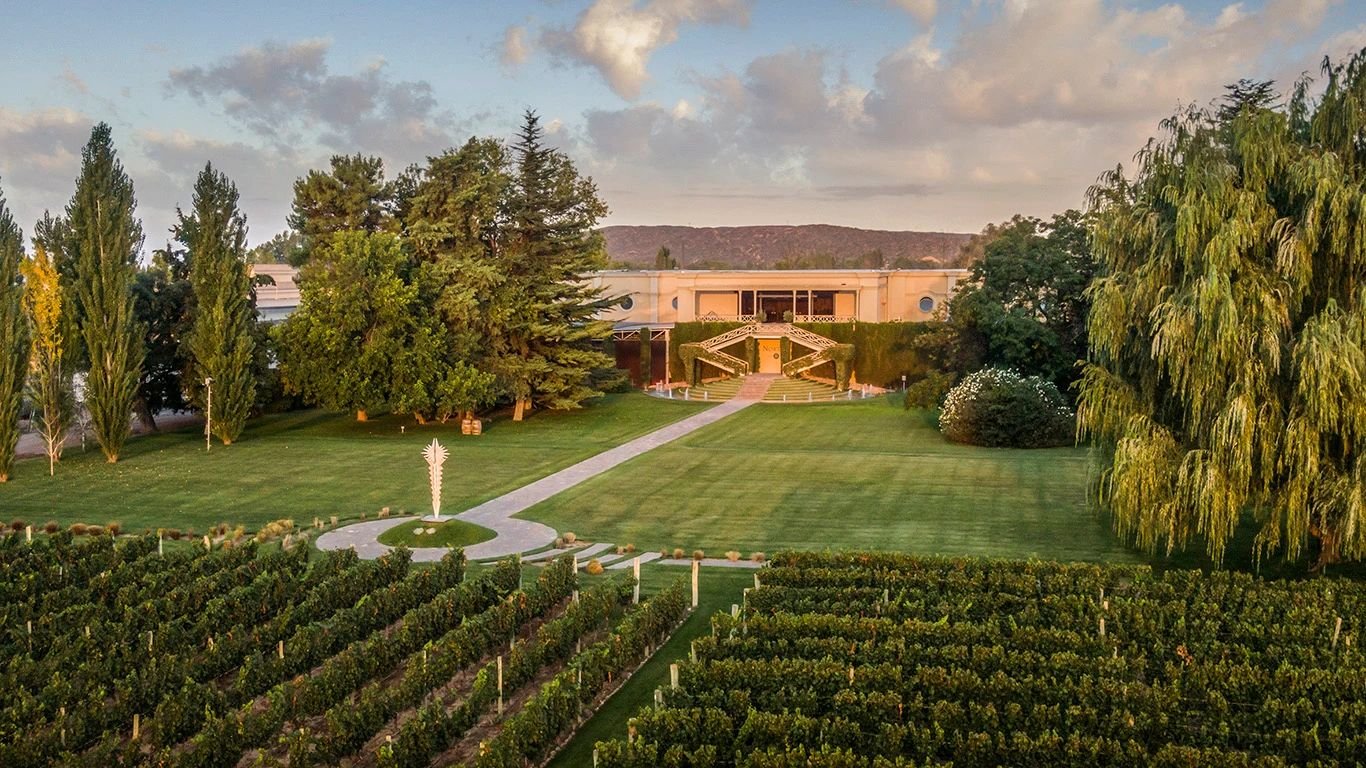
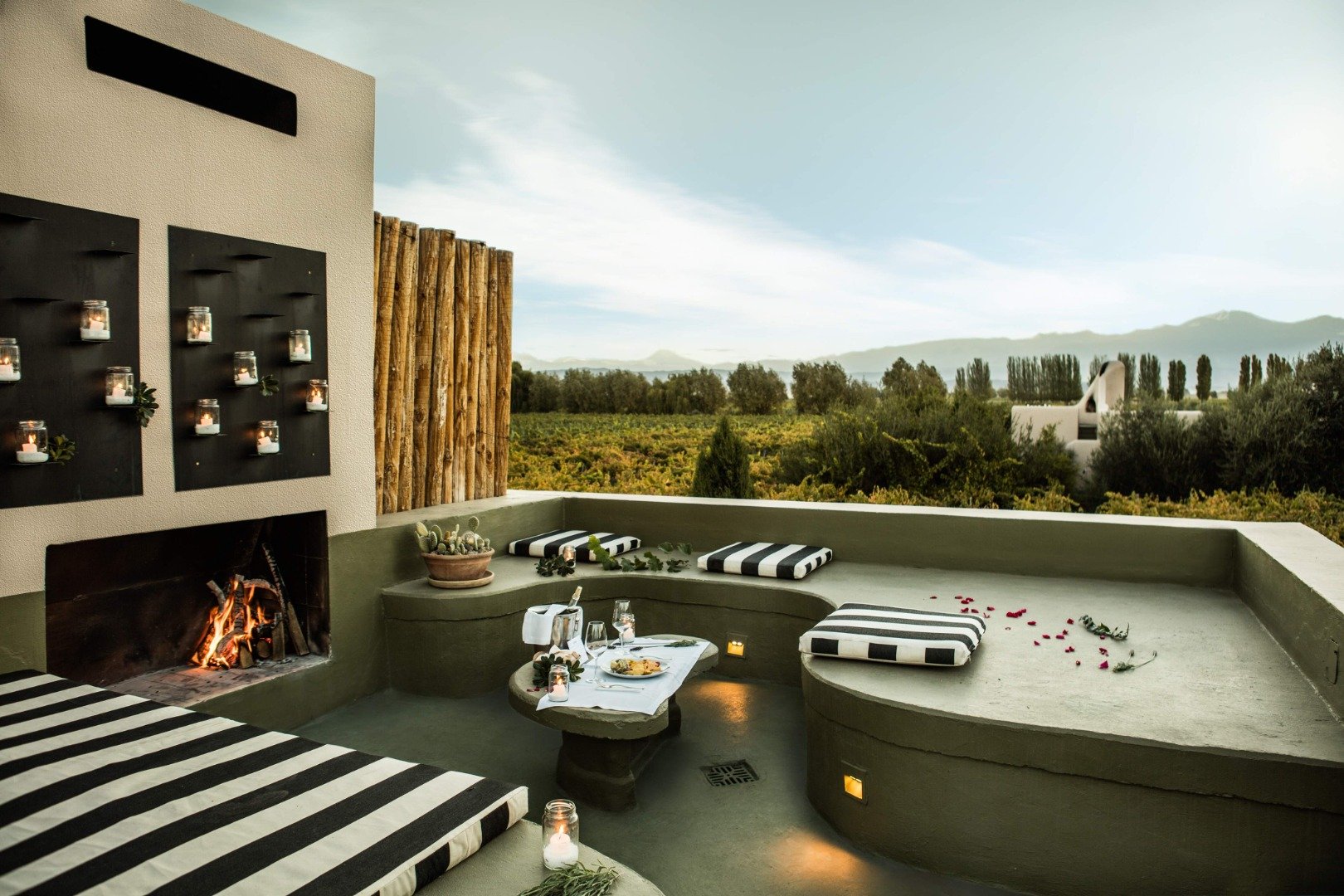
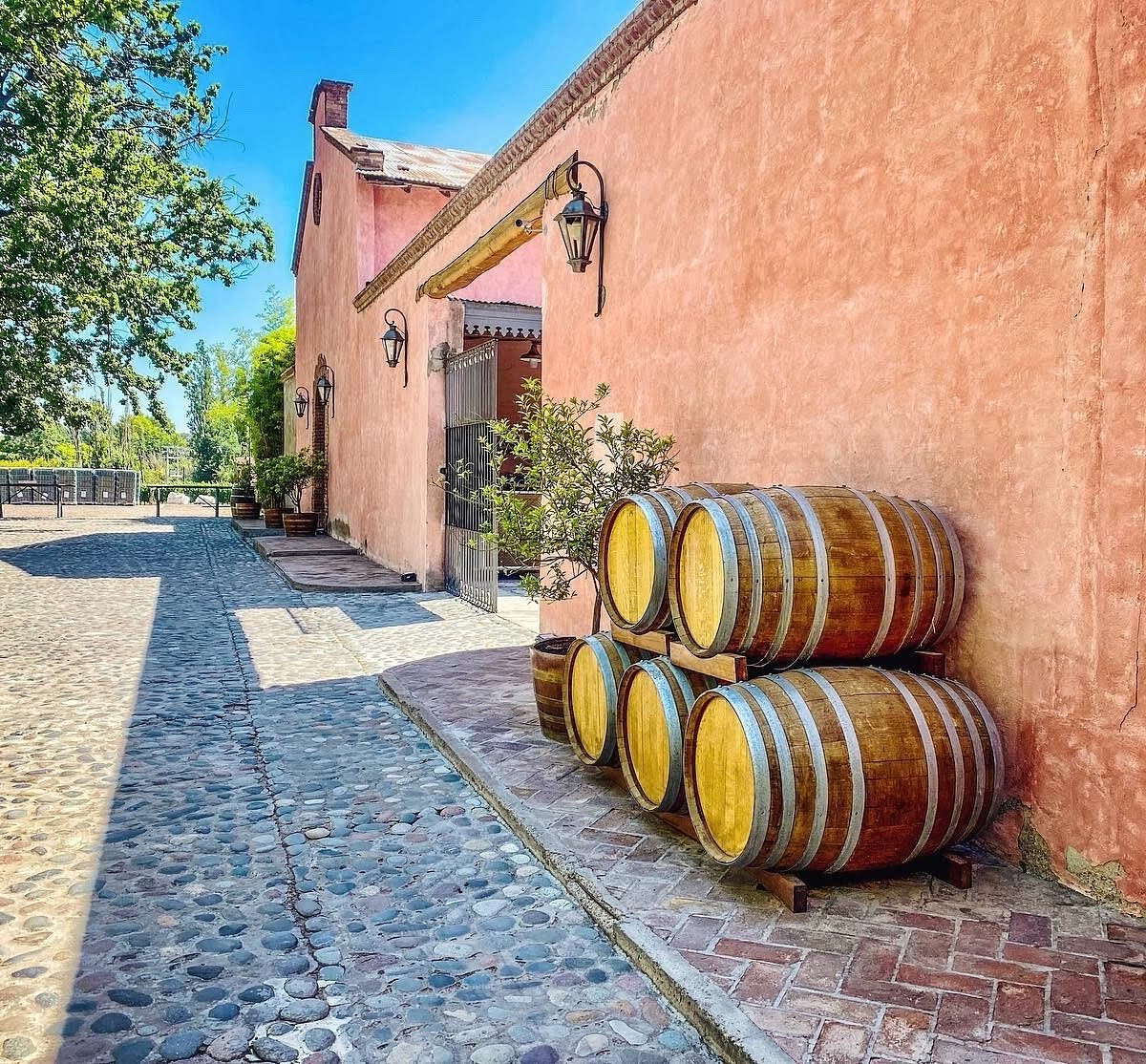
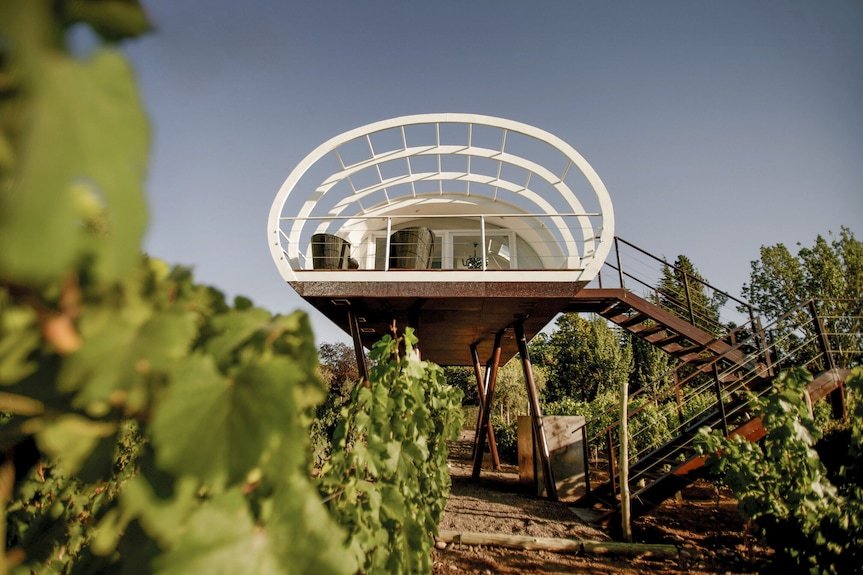
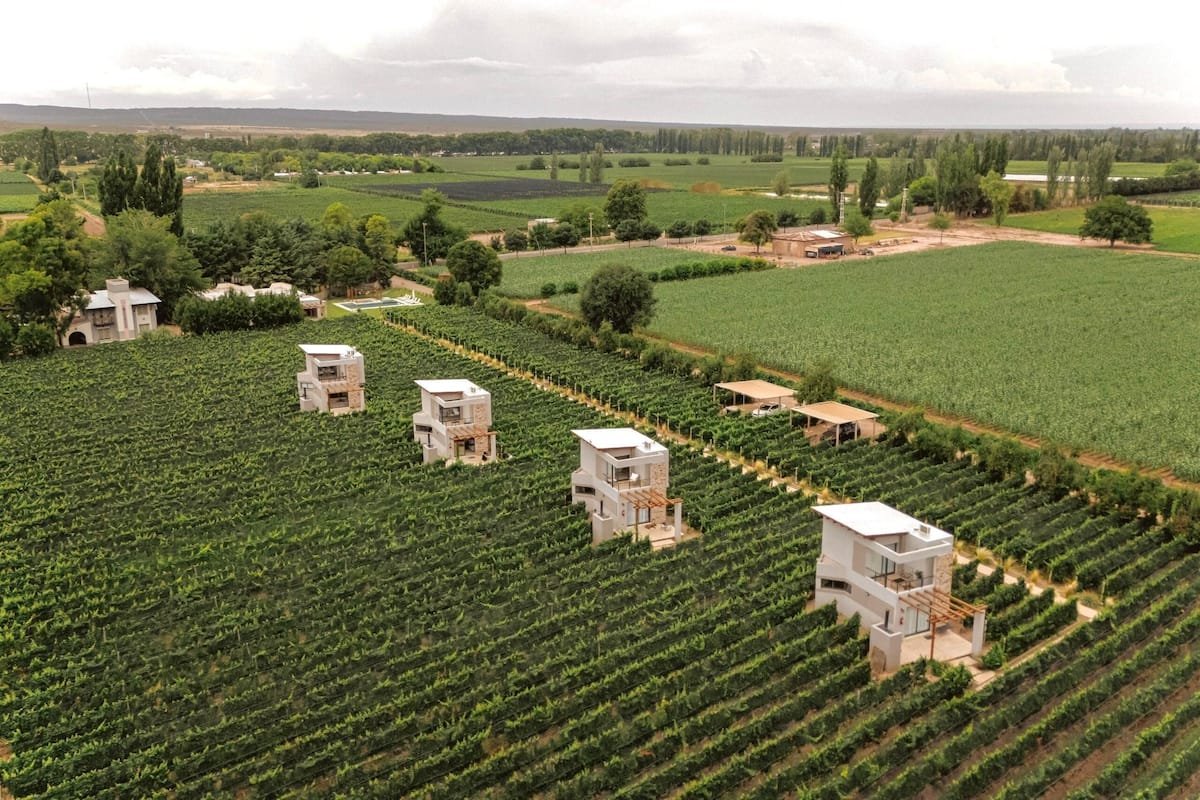
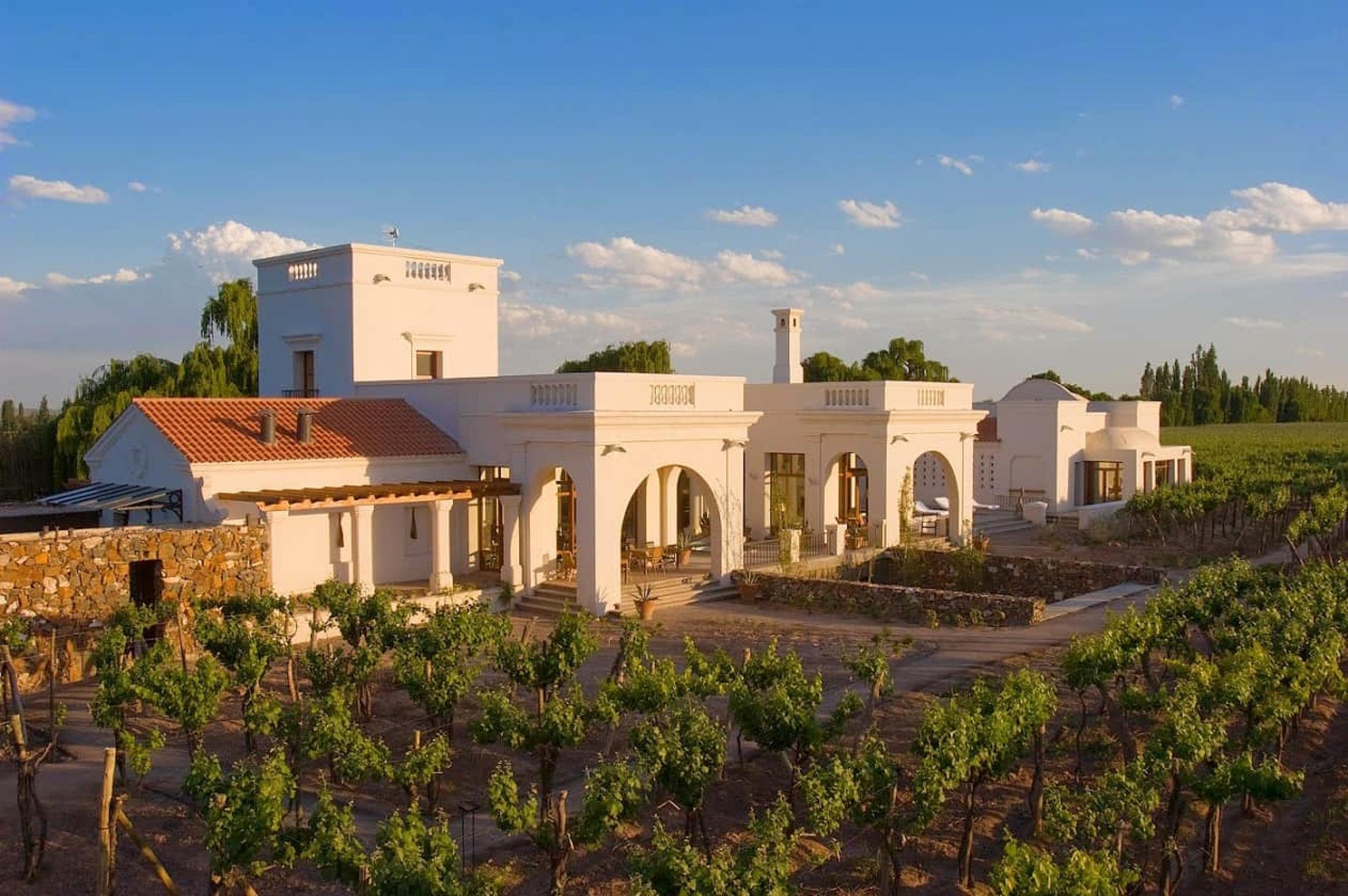
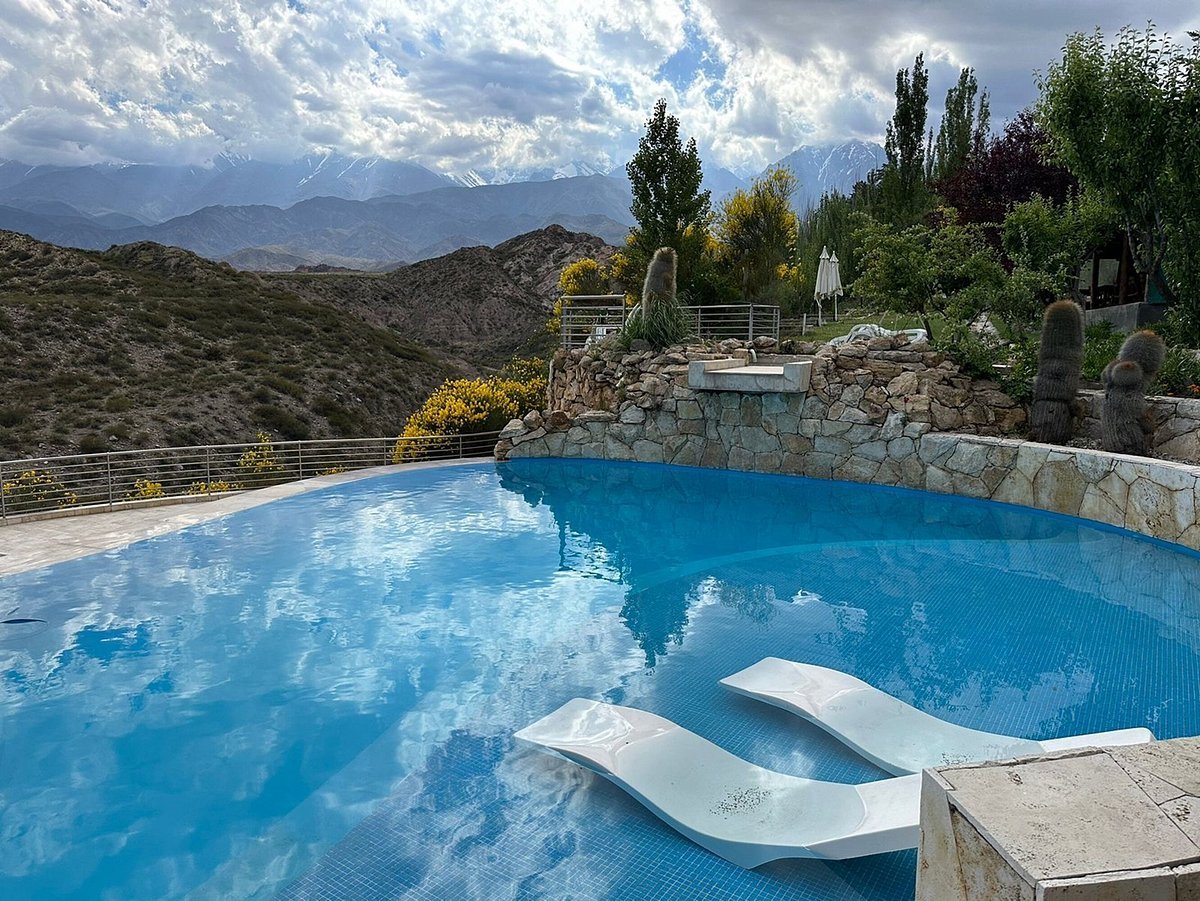
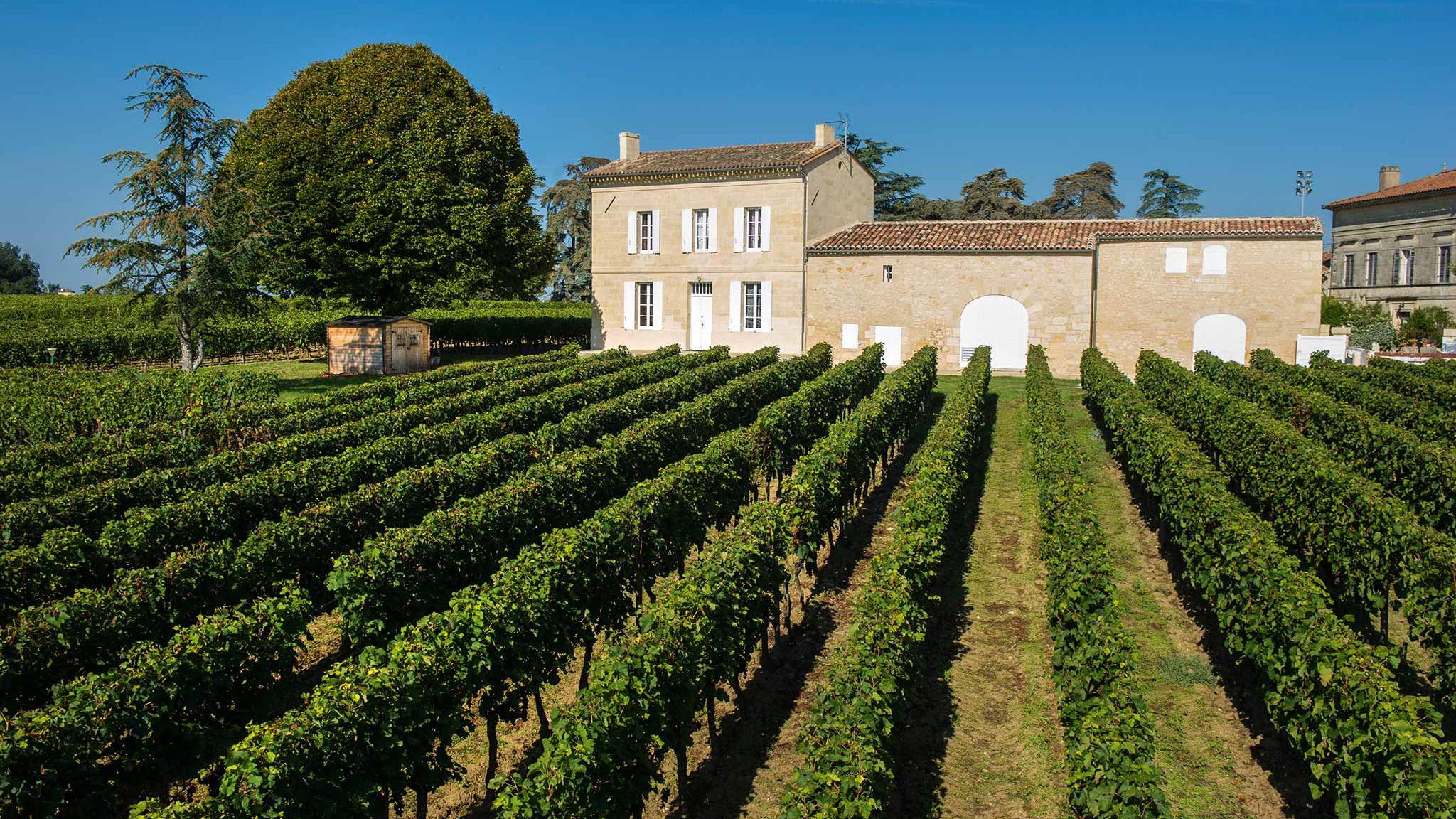
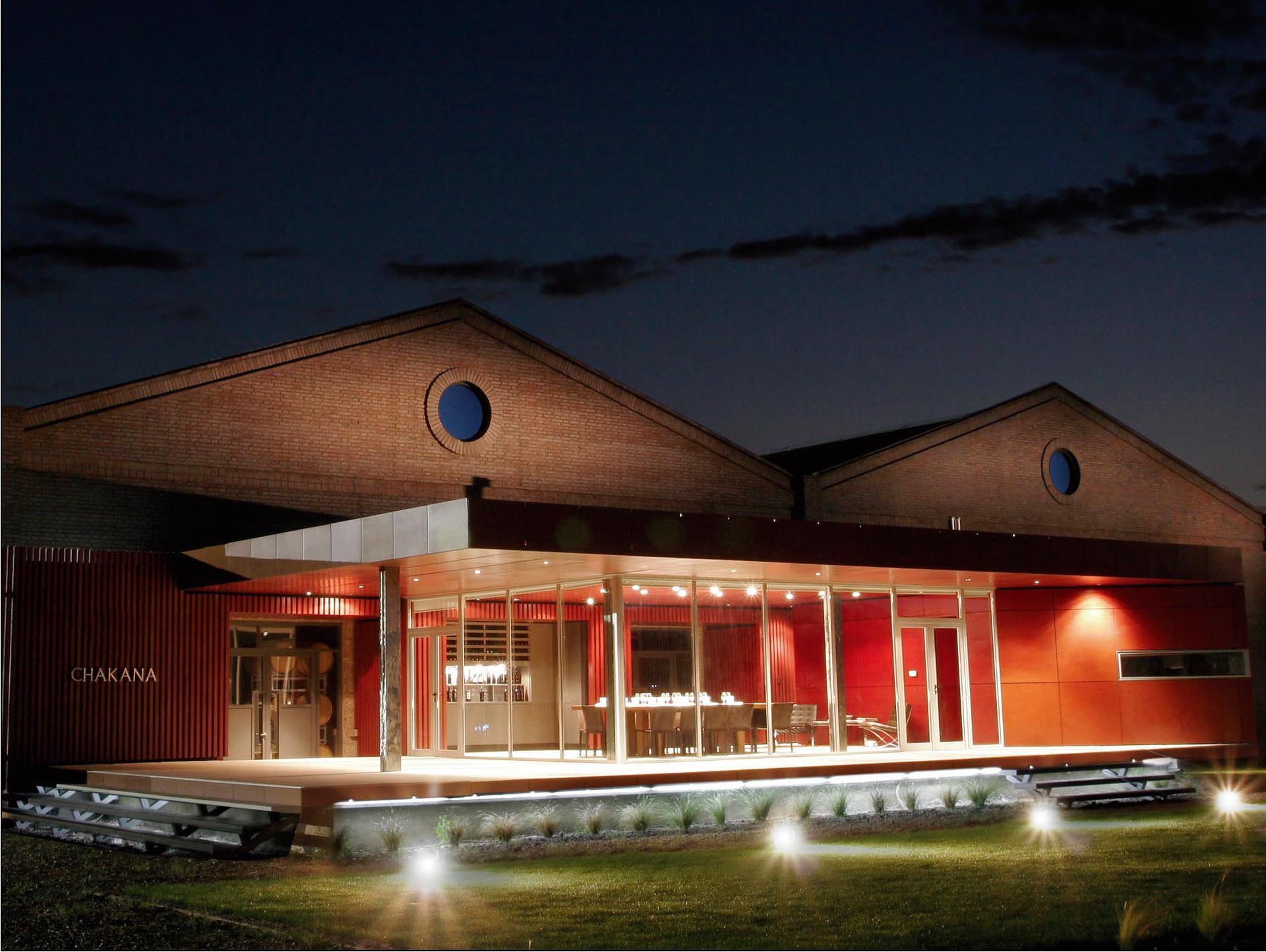
Pleasant, sunny, dry climate with vineyard views and a welcoming, passionate atmosphere highlighted in guest reviews.
Tags
Vibe
Best For
Experience
Sourcing
View
At the Vineyard
- Appellation
- Luján de Cuyo
- Varietals
- Malbec, Cabernet Franc, Cabernet Sauvignon, Bonarda, Syrah
- Tour Duration
- 60-90 minutes
- Visits
- By reservation
- Farming
- Biodynamic
- Wine Styles
- Still Red, Still White
- Food Pairing
- Offered
- Shipping
- Available
- Wine Club
- Not available
Know before you go
Know Before You Go
- Getting there
- Calle Baldini 16197, M5509 Lujan de Cuyo, Mendoza
Planning details
Location
Recognition and awards

Also consider
If Chakana is not the right fit
Try Bodega Finca La Anita first if the goal is to stay close to the Luján de Cuyo lane and compare another local winery. Choose Pulenta Estate if the day needs a more polished estate feel.
If the group wants a more recognizable Mendoza stop, Catena Zapata is the stronger backup. For a different category entirely, Bodega Chandon Argentina is the smarter move for sparkling wine and a lighter group mood.
Winery context
How Chakana Winery compares in Luján de Cuyo
Choose Chakana Winery when the priority is a quieter, more focused tasting in Luján de Cuyo. Bodega Finca La Anita is the closest peer to consider for a similarly local-feeling comparison, while Catena Zapata is the better fit if the trip needs a major-name Mendoza stop with stronger destination pull.
Pulenta Estate and Finca Decero make more sense for travelers who want a polished estate experience with a clearer luxury-wine framing. Bodega Chandon Argentina is the smarter cross-shop for sparkling wine drinkers or groups that want a more familiar, celebratory format.
For value, Chakana is the pick when the return is measured in depth rather than amenities. For booking confidence and group planning, the larger-name peers are safer targets. For ambiance, Chakana suits a lower-noise tasting day; Chandon is better for a brighter group stop, and Catena Zapata is better when the winery itself needs to be the headline.
Explore Luján de Cuyo
Around this place
Discover more on Pearl
Unlock the full Chakana Winery guide in Pearl, including awards, comparisons, FAQs, planning details, and nearby places.
Compare Chakana Winery
| Venue | Location | Awards |
|---|---|---|
| Chakana Winery | Luján de Cuyo | 2026 Falstaff Winery Guide |
| Bodega Finca La Anita | Luján de Cuyo | No published awards |
| Catena Zapata | Agrelo | 2026 Falstaff Winery Guide2023 World's 50 Best Vineyards · #12022 World's 50 Best Vineyards · #92021 World's 50 Best Vineyards · #72020 World's 50 Best Vineyards · #112019 World's 50 Best Vineyards · #5 |
| Pulenta Estate | Agrelo | No published awards |
| Bodega Chandon Argentina | Agrelo | 2026 Falstaff Winery Guide |
| Finca Decero | Agrelo | 2026 Falstaff Winery Guide |

How Chakana Winery Luján de Cuyo compares with similar nearby venues.
FAQ
Frequently Asked Questions
Is the wine club at Chakana Winery worth joining?
Wine club details are not available. If membership matters to your decision, confirm current terms, purchase requirements, and any shipping details directly with Chakana Winery before joining.
Does Chakana Winery ship wine?
Does Chakana Winery serve food?
Food service is not available. Plan without assuming food service unless Chakana Winery confirms current food options directly.
Do I need a reservation at Chakana Winery?
Reservation requirements are not available. Because Chakana Winery is in Luján de Cuyo and carries Pearl 3 Star Prestige recognition for 2025, it is sensible to confirm availability and visit requirements before you go.
What other venues can I compare with Chakana Winery?
Other winery options to compare include Bodega Chandon Argentina, Bodega Finca La Anita, Catena Zapata, Finca Decero, and Pulenta Estate. Confirm locations, availability, and visit details for each venue when planning your route.
What is the flagship wine at Chakana Winery?
How long should I plan for a visit to Chakana Winery?
Visit duration is not available. Confirm timing directly with Chakana Winery, especially if you are pairing it with other wineries or fixed transport in Luján de Cuyo.