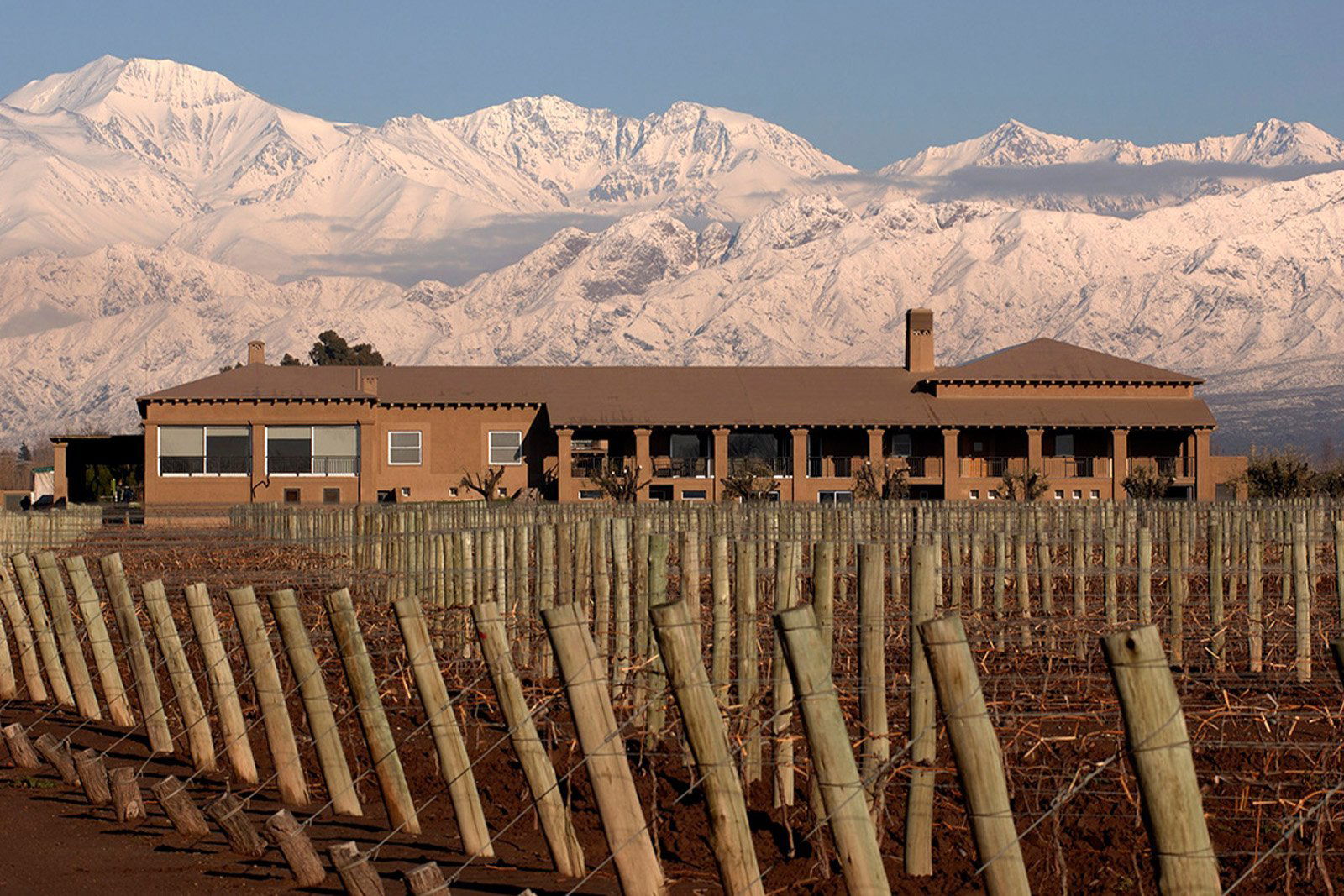

Bodega Vistalba
Vistalba, Luján de Cuyo
Winery in Luján de Cuyo, Argentina
 Book with Pearl
The Read
Andean Foothill Viticulture
Why go
Bodega Vistalba is the better choice for a special-occasion winery visit in Luján de Cuyo when estate setting and recognition matter more than casual flexibility. Treat booking as difficult, build a backup plan, and prioritise it for dates, anniversaries, or client hosting rather than a loose tasting crawl.
About Bodega Vistalba
In Luján de Cuyo, Bodega Vistalba is best approached as a premium winery entry with a concise set of details. Its smart casual dress code, Pearl 2 Star Prestige recognition in 2025, and Decanter World Wine Awards Derived Winery Prestige recognition in 2025 stand out.
For a celebration, hosted outing, or wine-country stop, the reason to consider Bodega Vistalba is its Luján de Cuyo setting and its recognition.
Choose it when the profile fits the occasion
The stronger case for Bodega Vistalba is its positioning in Luján de Cuyo and its external recognition. Visitors comparing premium winery options may also consider Achaval Ferrer, Bodega Kaiken, Durigutti Winemakers, Fabre Montmayou, or Nieto Senetiner, depending on the shape of the day.
If the day also needs dining or lodging, pair the wine plan with the Luján de Cuyo restaurants guide or the Luján de Cuyo hotels guide rather than assuming Bodega Vistalba itself provides any particular meal, service, or visitor format.
Confirm the practical details before committing
Same-day availability, reservation rules, hours, prices, shipping, and a specific tasting format should be confirmed directly before anchoring an itinerary around Bodega Vistalba.
The decision is simple: choose Bodega Vistalba when a Luján de Cuyo winery with smart casual expectations and 2025 recognition fits the occasion. If the plan depends on specific timing, services, or formats, compare it with other premium winery options such as Achaval Ferrer, Bodega Kaiken, Durigutti Winemakers, Fabre Montmayou, or Nieto Senetiner and confirm details before committing.
Planning details
- Location
- Roque Sáenz Peña 3531, Vistalba, Mendoza
- Website
- bodegavistalba.com
- Phone
- +54 261 498-9400
The take
The Take
The Vibe
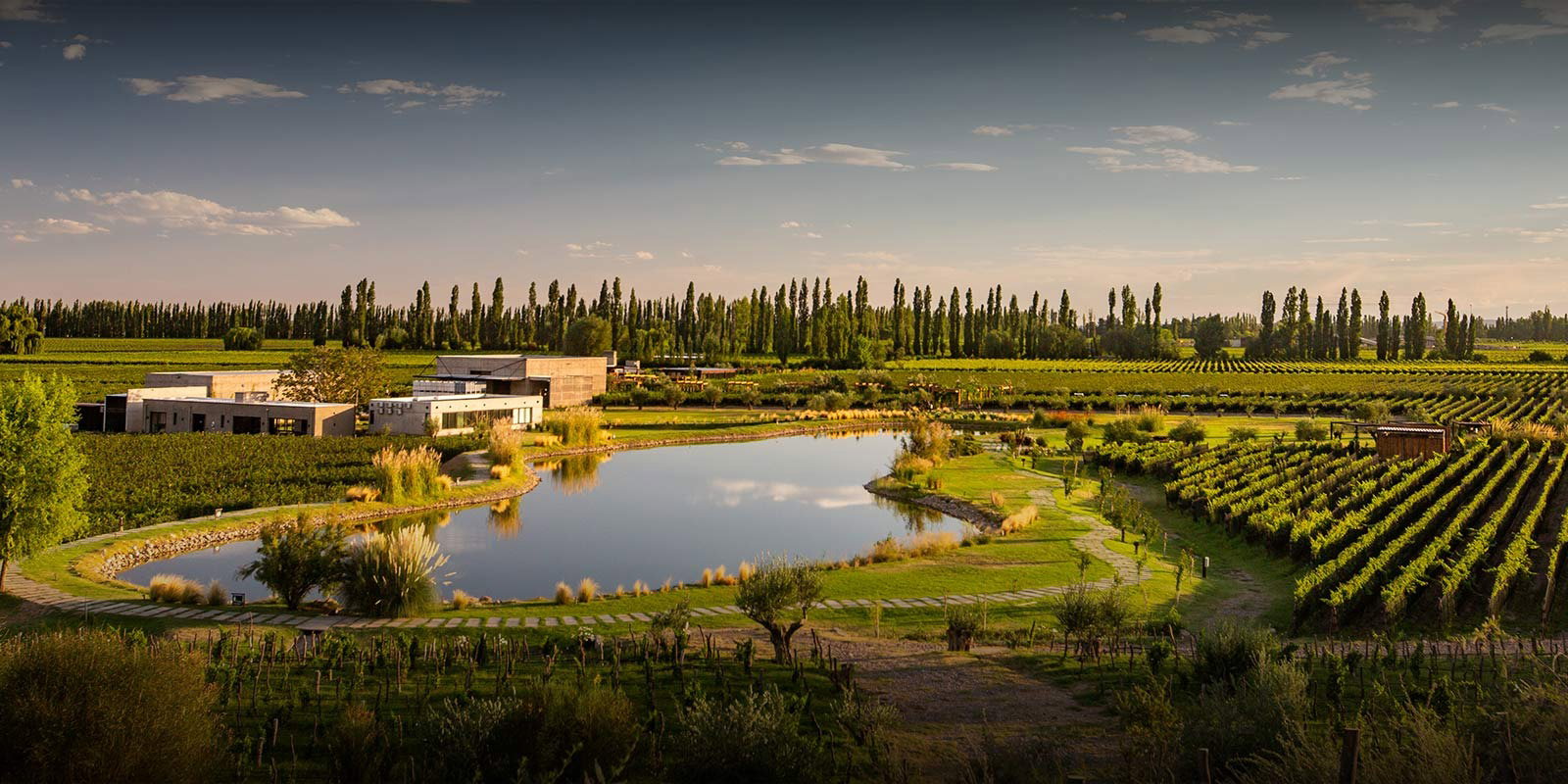
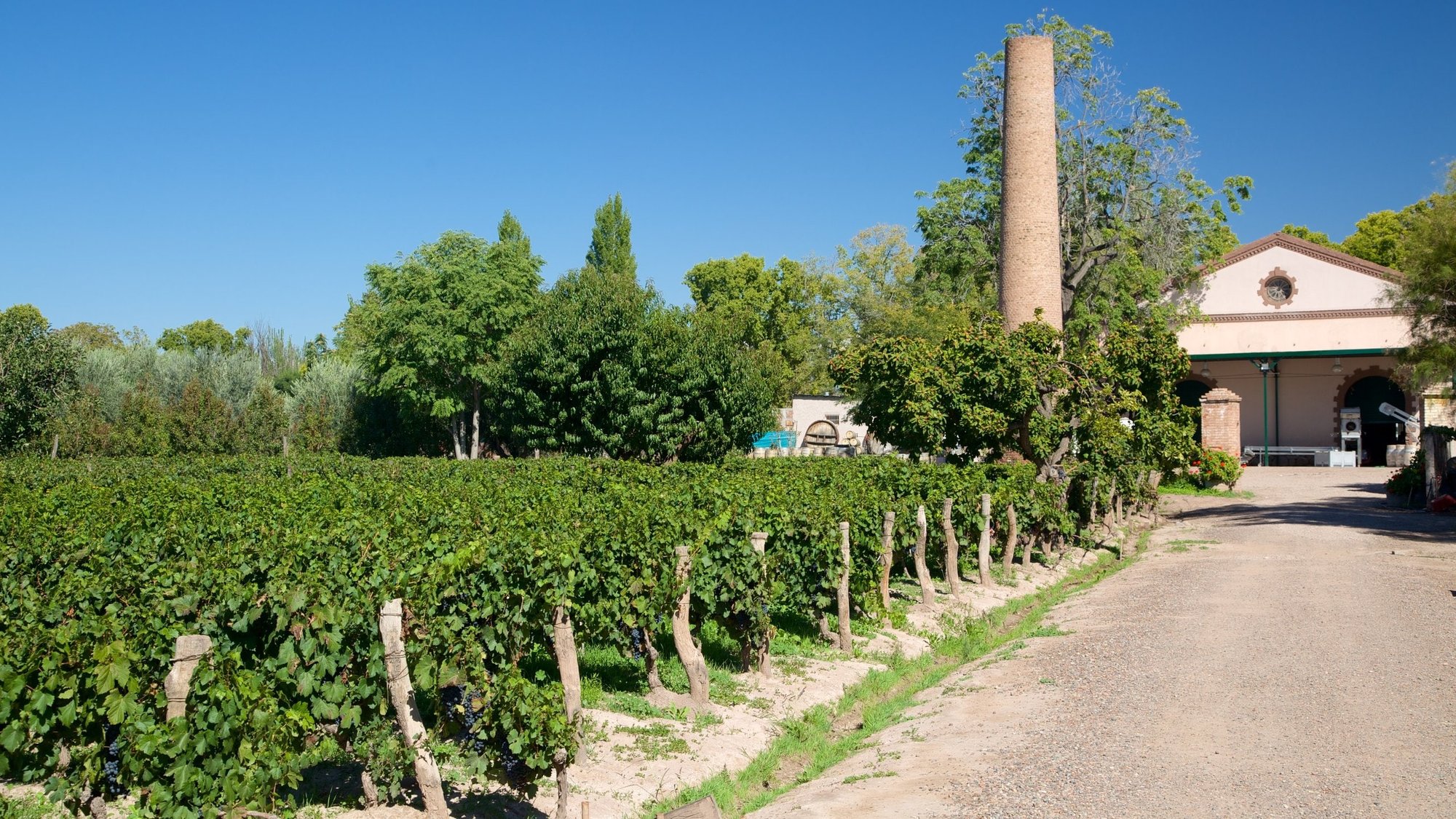
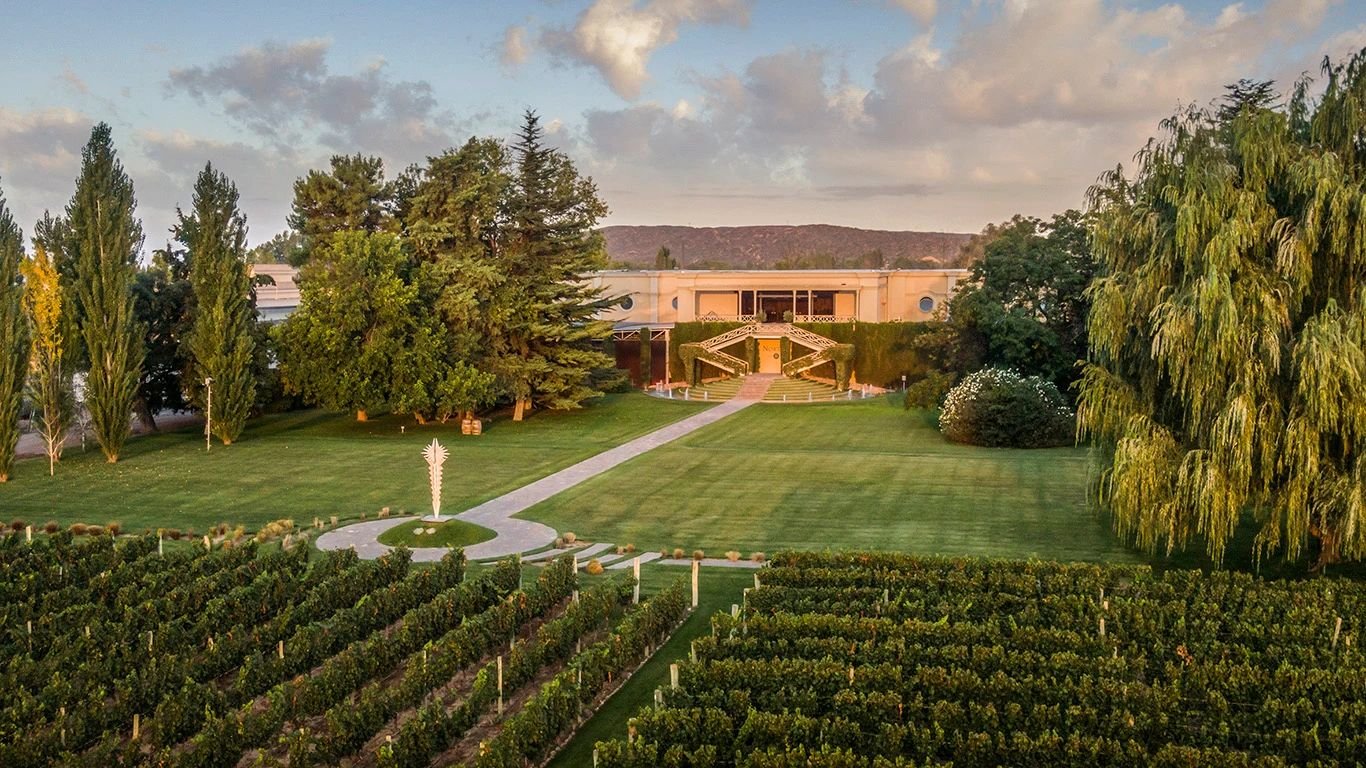
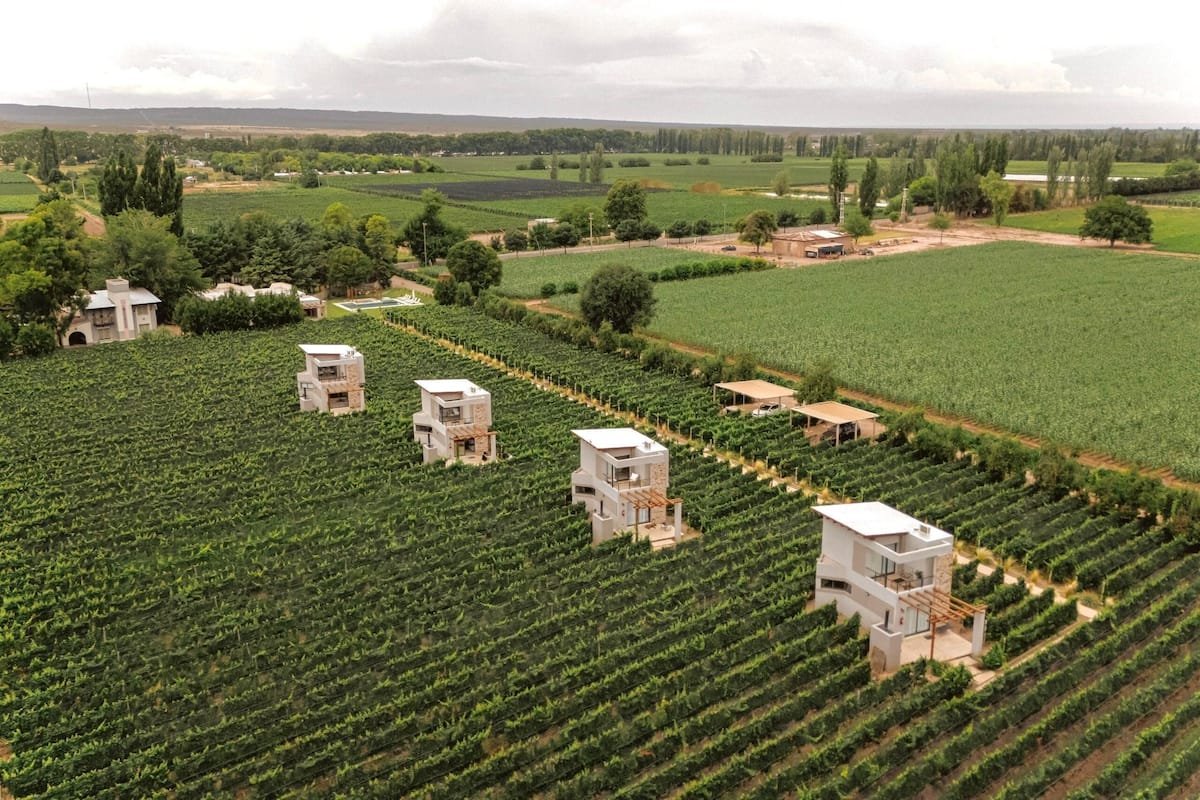
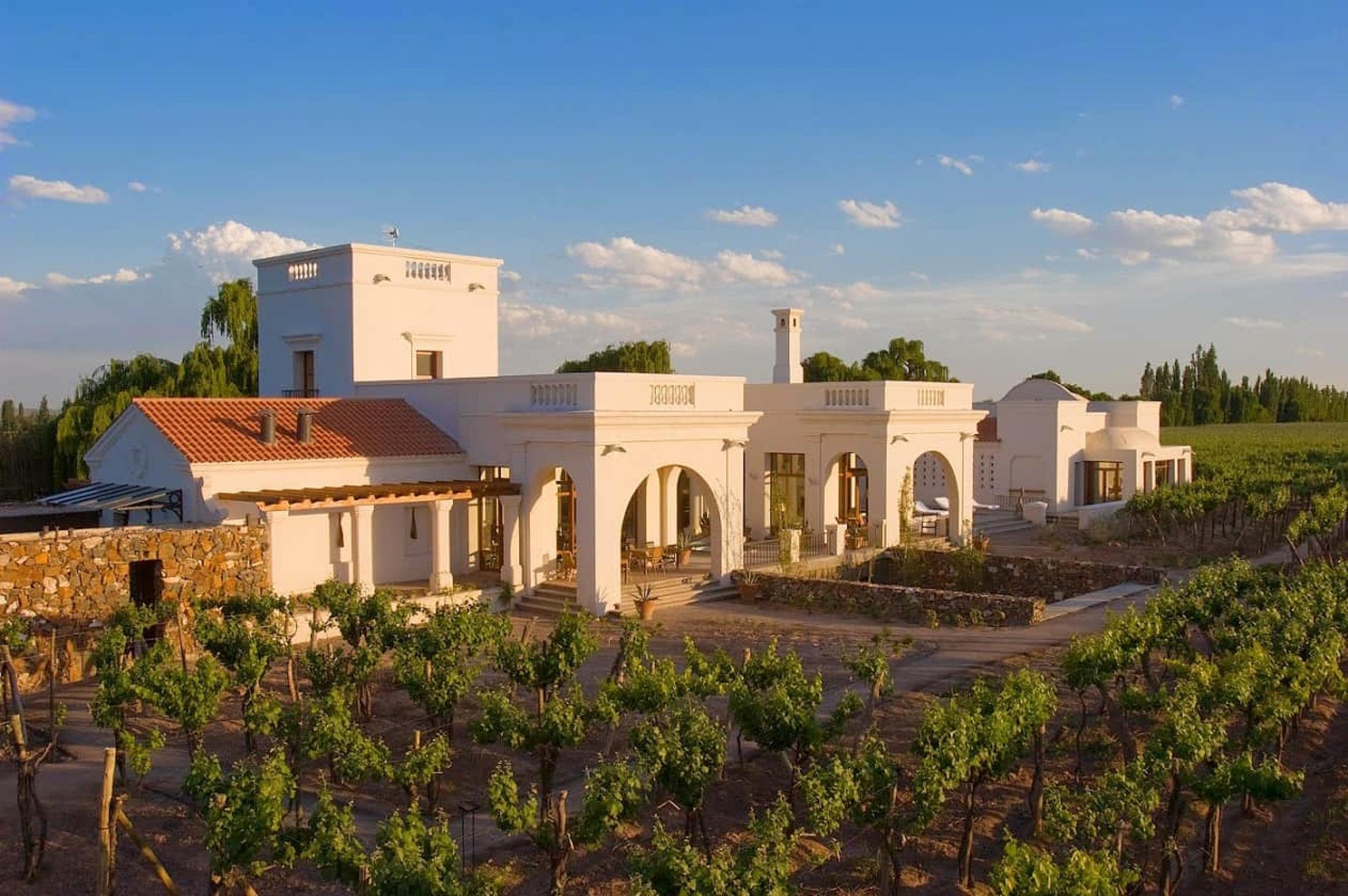
Bodega Vistalba sits in the cultivated foothills of Luján de Cuyo, where the foothills of the Andes give way to irrigated vineyard parcels. The writing underscores substance over flash: this is a producer embedded in a region that has long cemented its premium reputation. That context lends the winery a sophisticated, quietly confident tone — not ostentatious but serious about terroir, altitude and varietal expression. Visitors can expect a composed, contemplative experience that favors vineyard provenance and technical clarity, reflecting the measured character of Mendoza’s most scrutinized appellations.
Best For
This estate is best suited to visitors seeking an education-forward tasting or a milestone moment. The profile emphasizes terroir — altitude, alluvial soils and diurnal range — and the winery’s presence in a district tracked by international press and competitions, so it naturally appeals to serious wine buyers and enthusiasts. It also reads as a refined setting for special occasions: award recognition and a focus on premium expression make the wines appropriate for celebratory purchases or commemorative tastings.
Tasting Tips
Focus on varietals and bottlings that reference Vistalba or specific vineyards and look for Malbecs that highlight altitude-influenced acidity and color intensity. The copy references a recent Decanter result; ask which current releases carry medals or competition notes if you want a reference point. When tasting, probe the staff about how the alluvial soils and diurnal shift shape each wine’s structure — that terroir-driven detail is the clearest way to distinguish estate expressions here.
Venue details
Ambiance
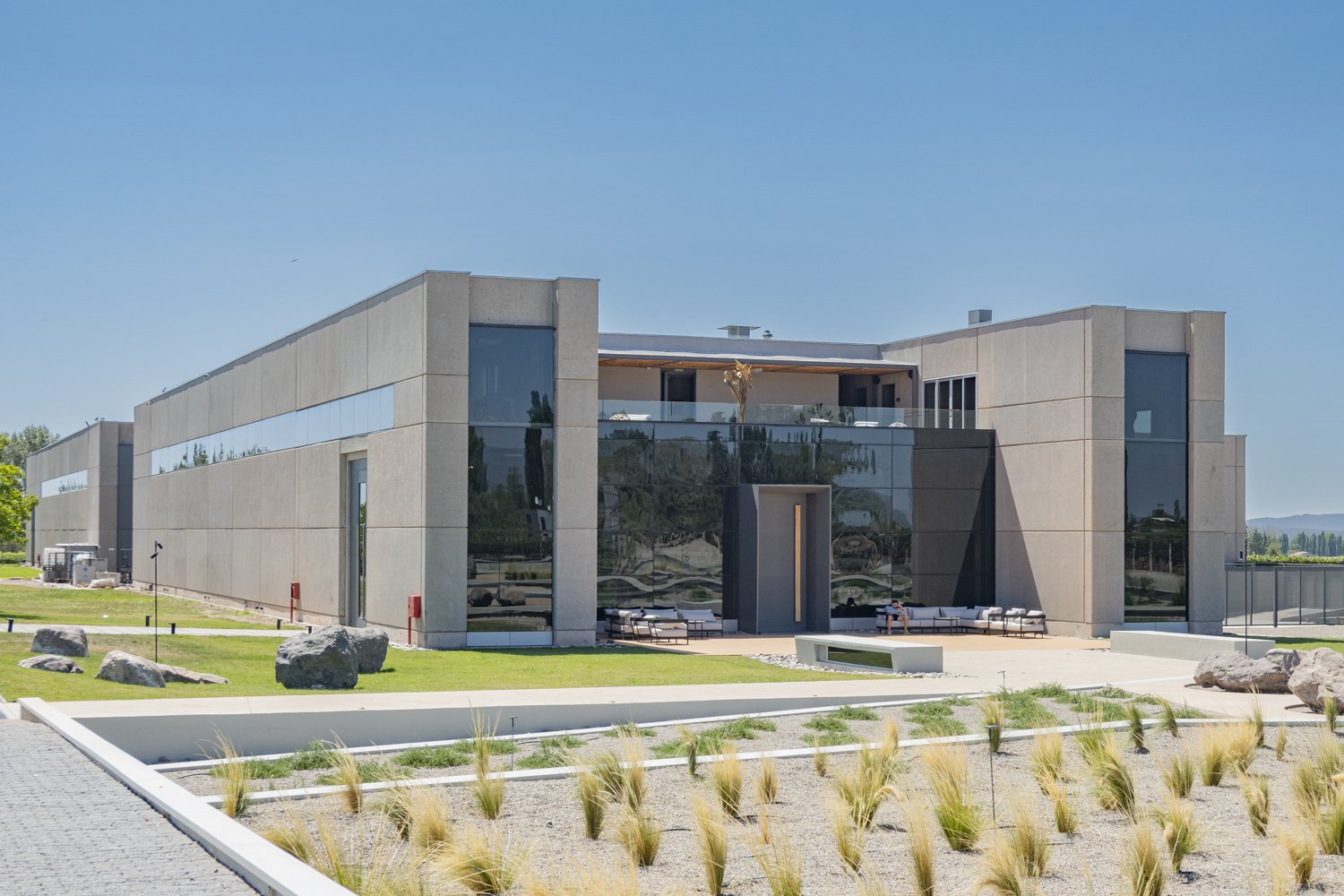
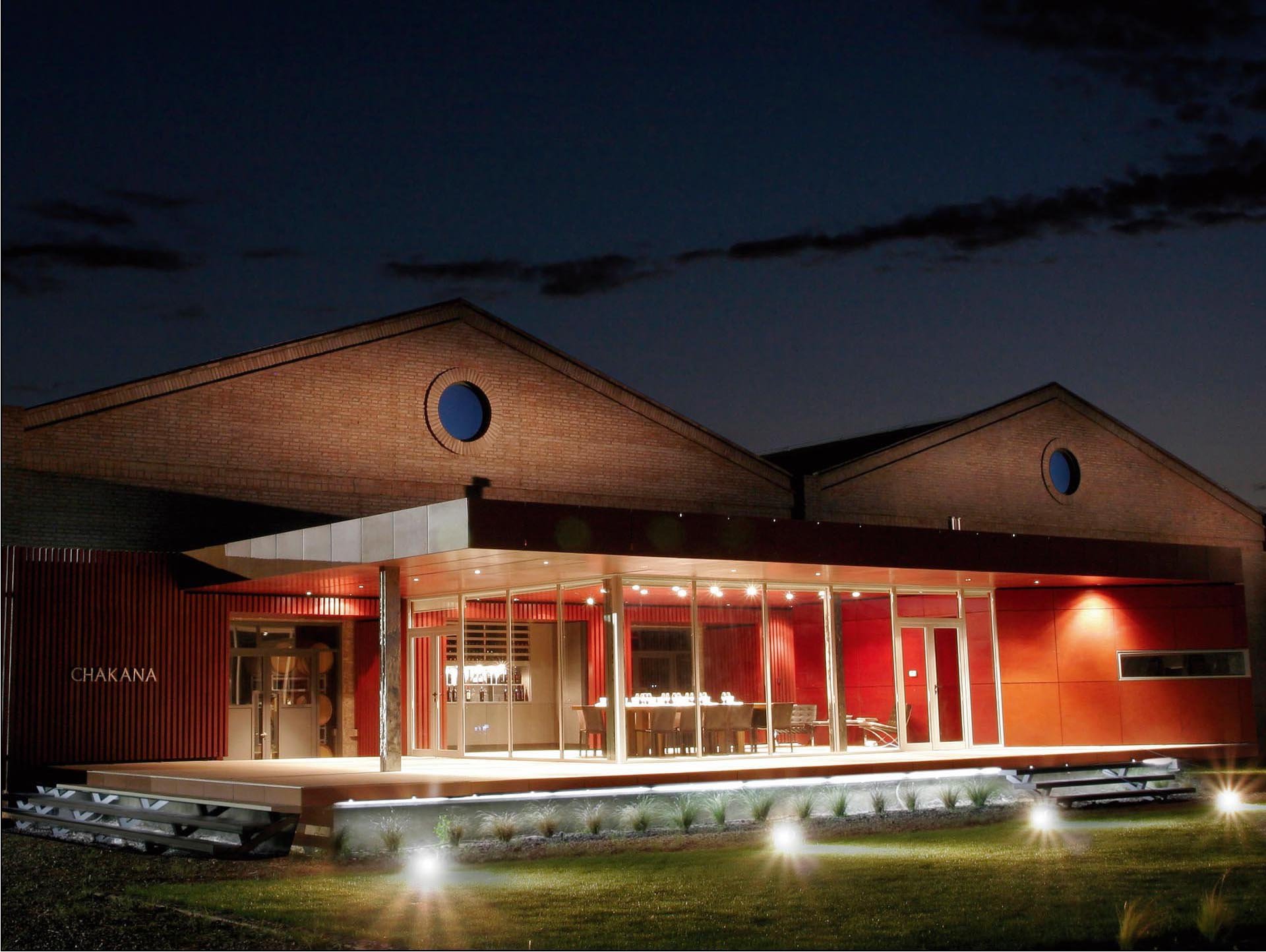
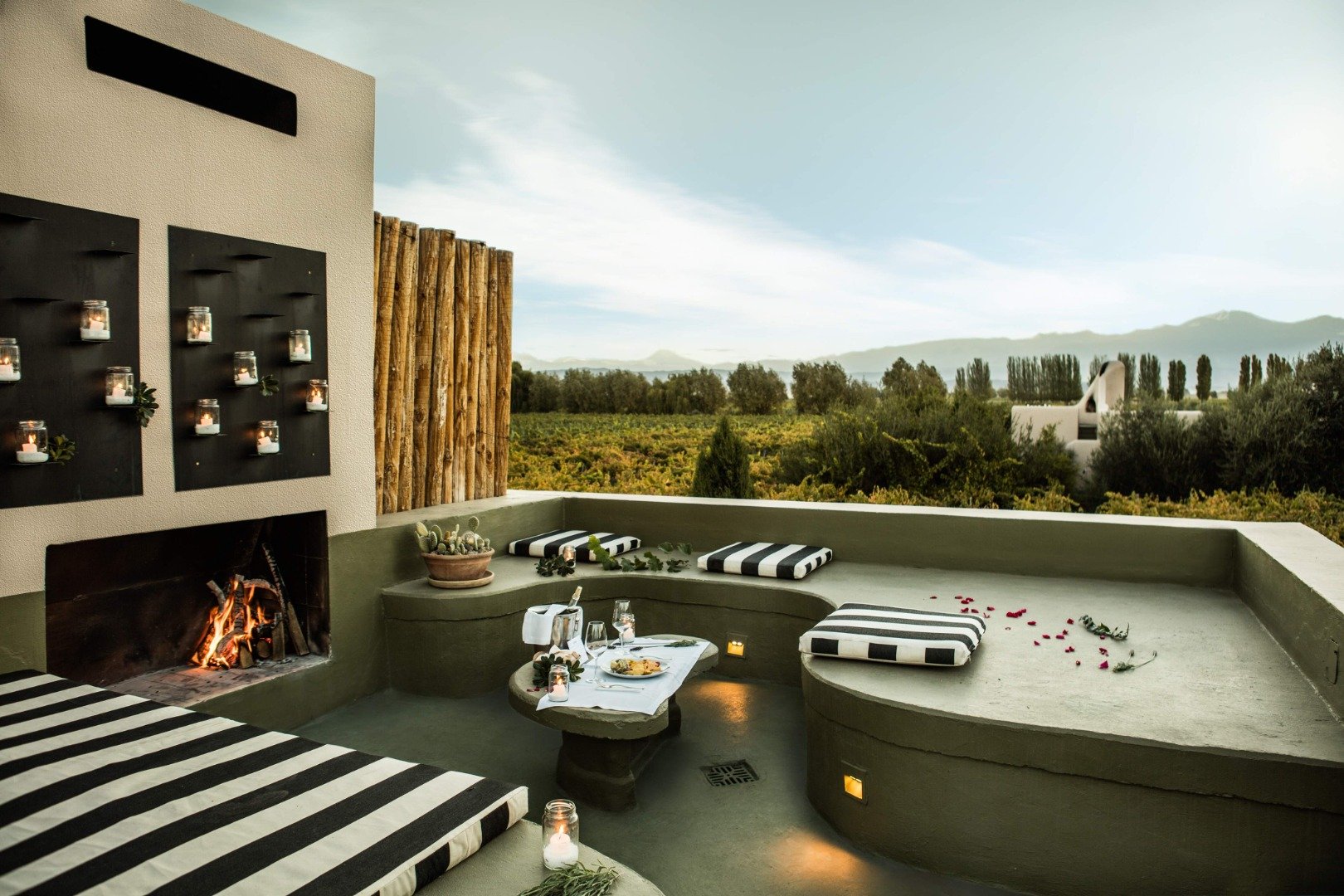
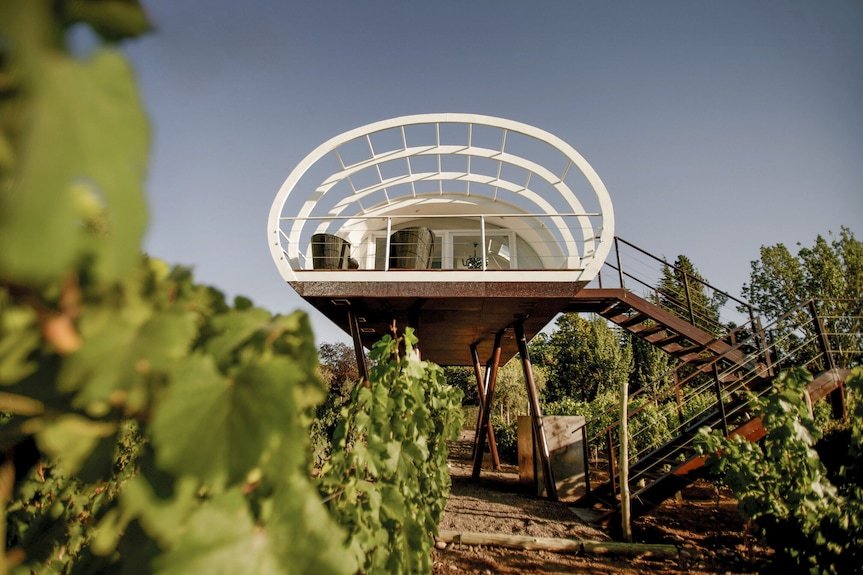
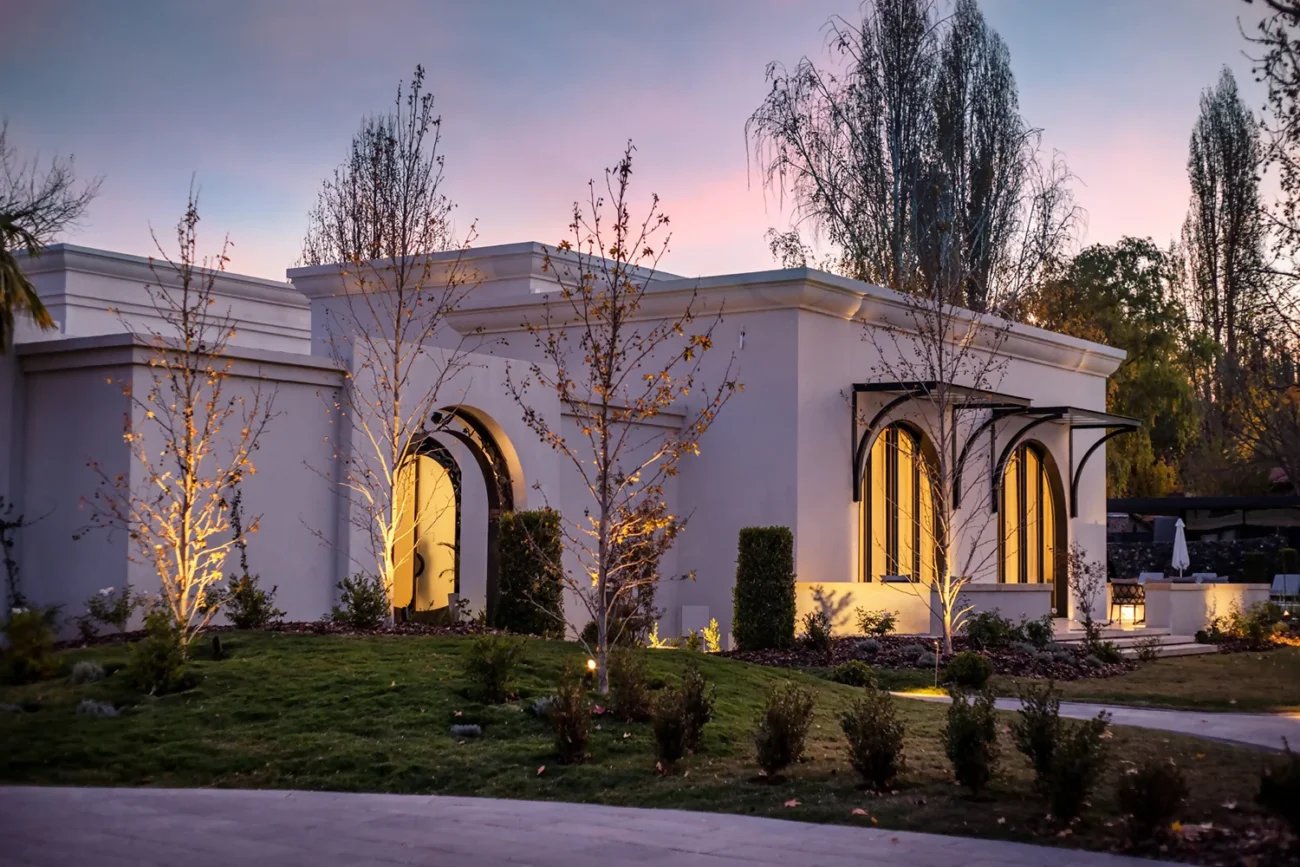
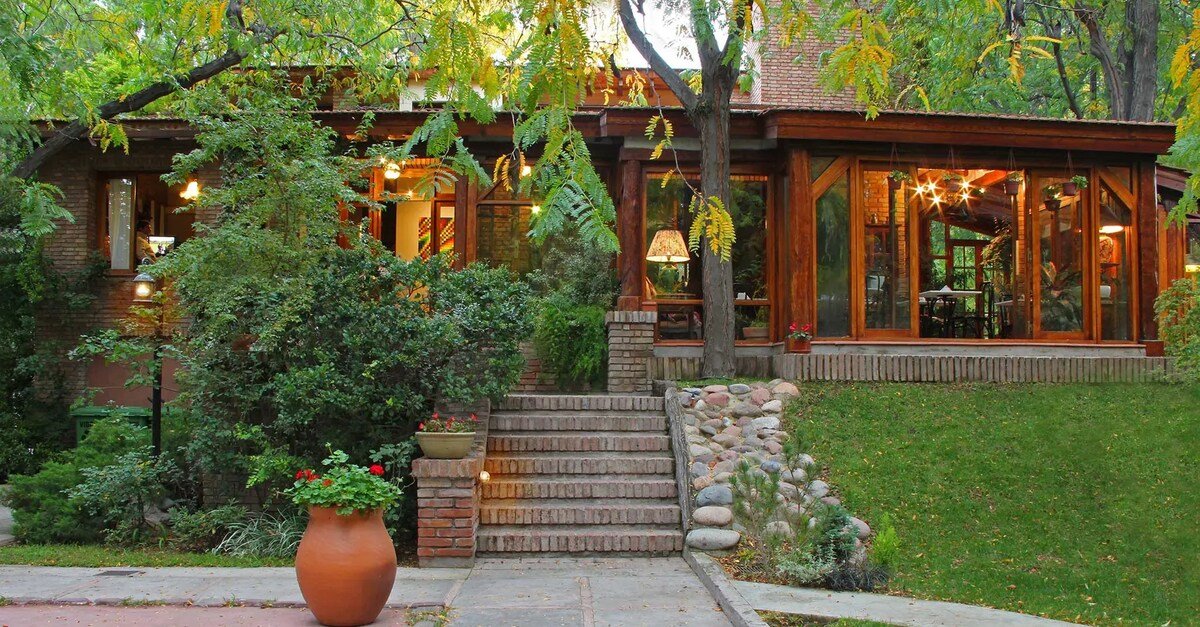
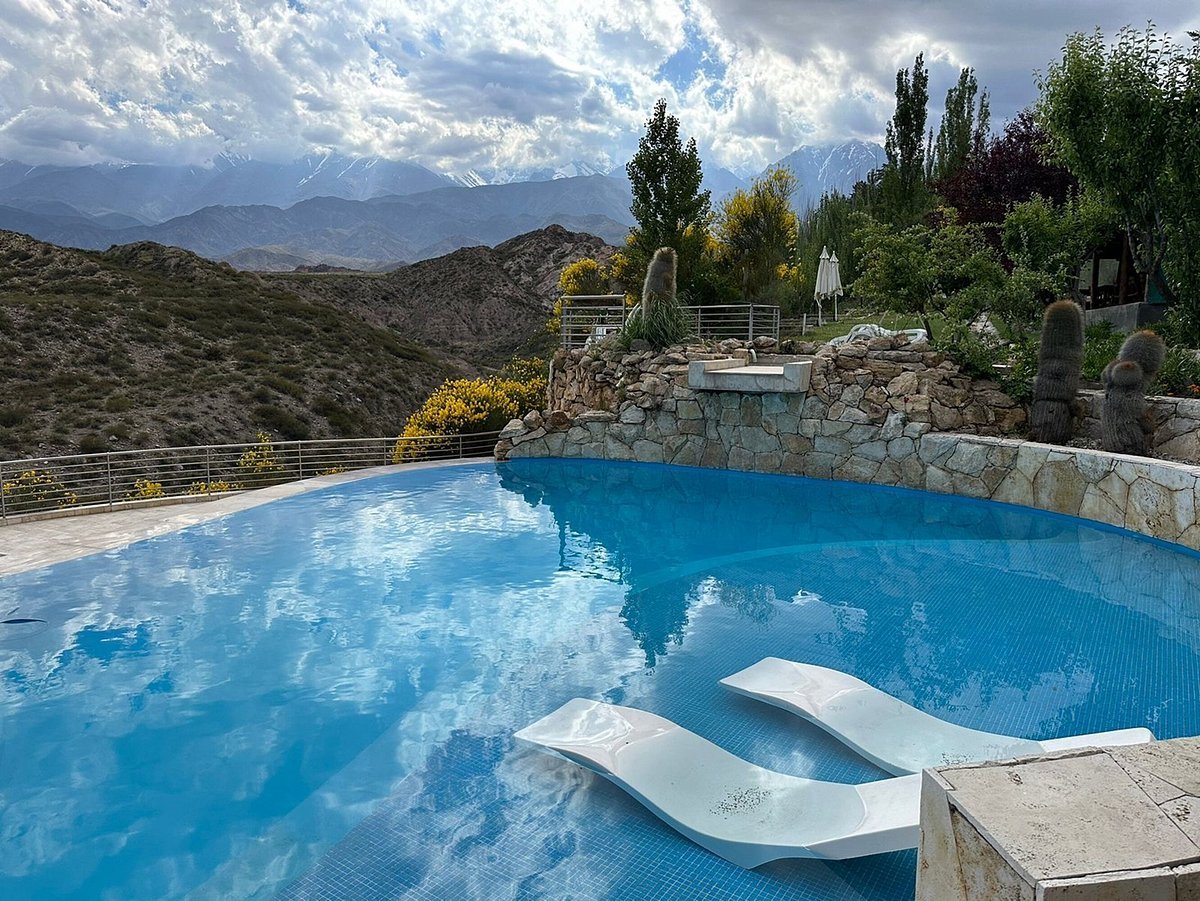
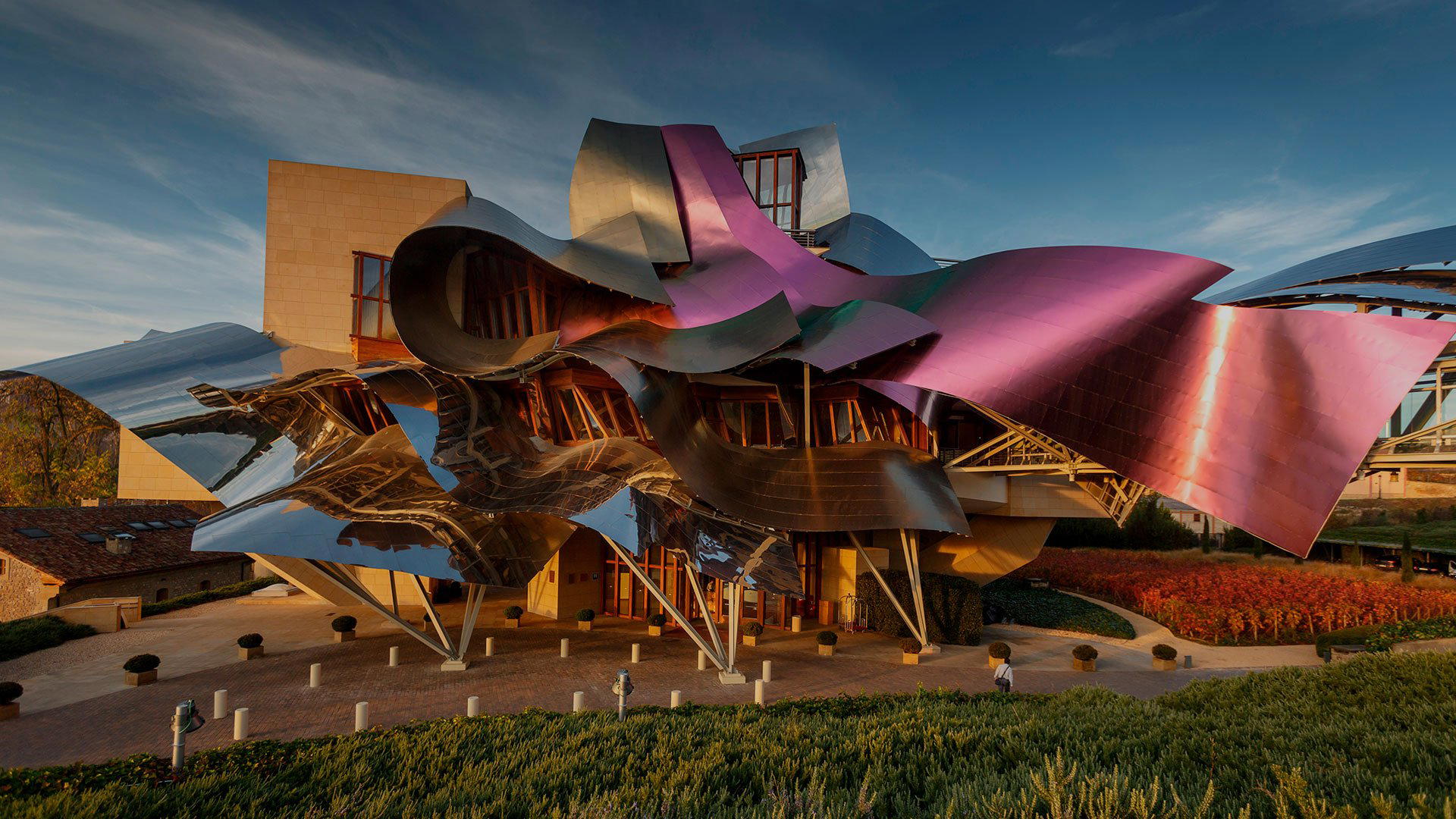
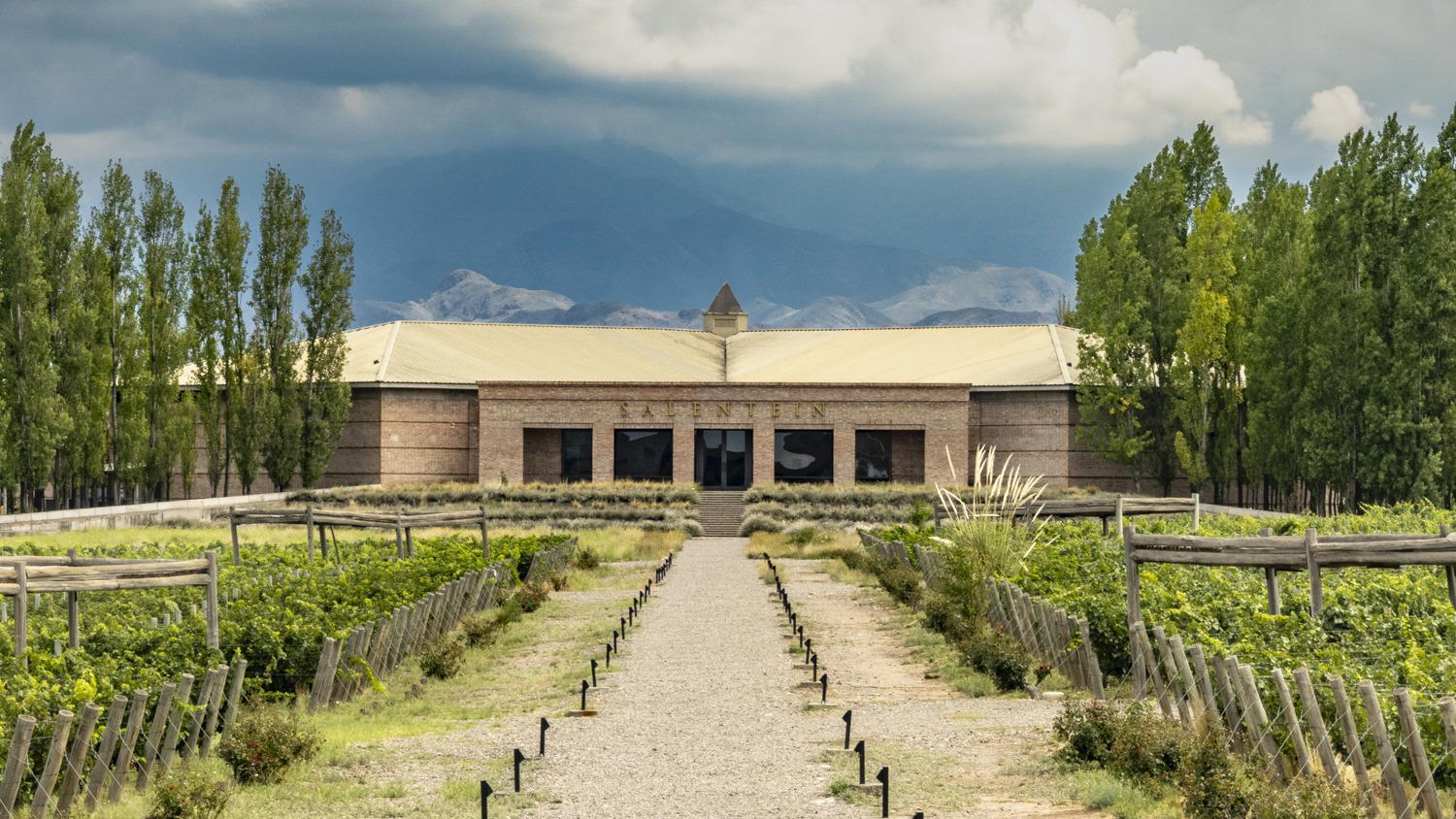
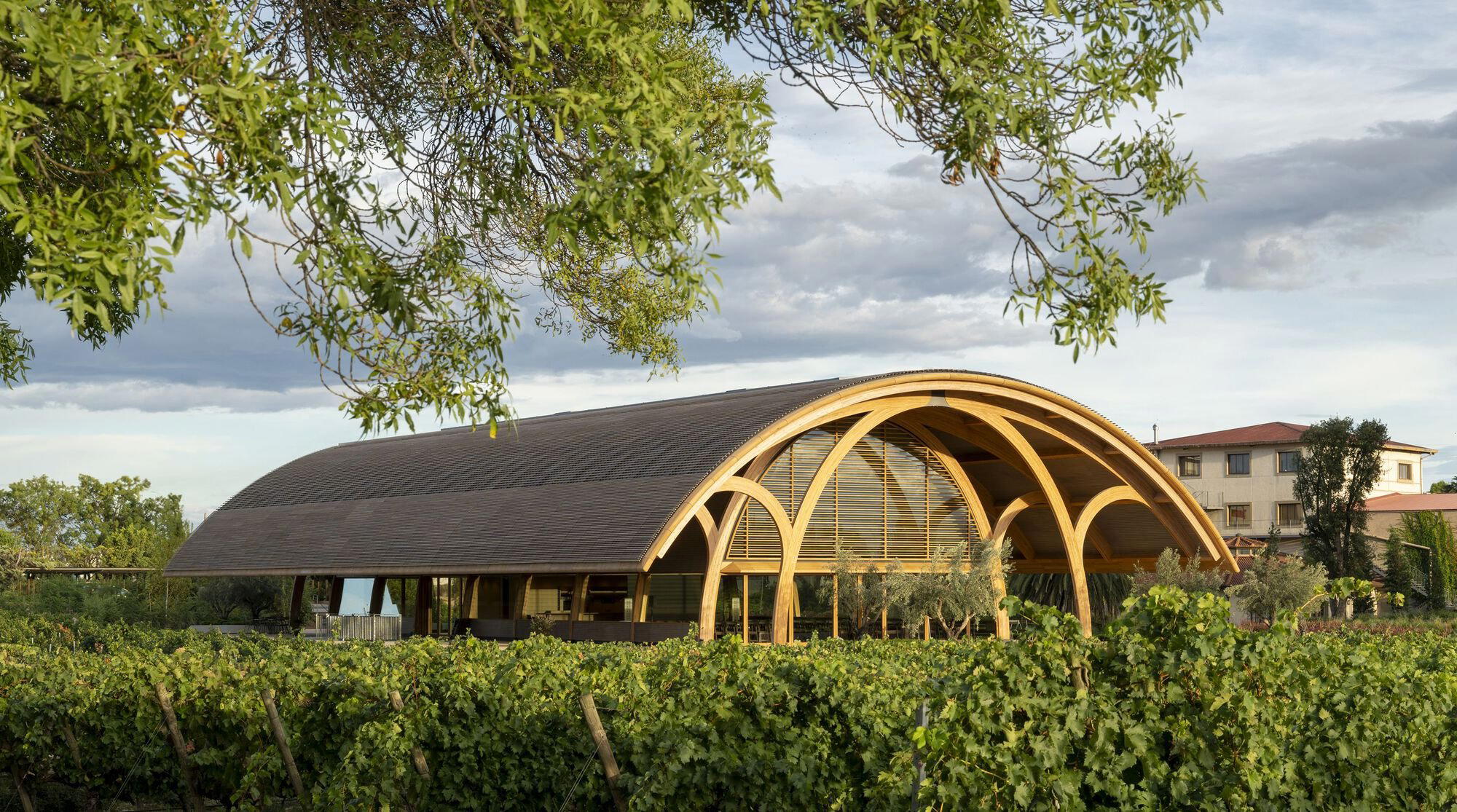
Modern architecture blending with expansive vineyard views overlooking the Andes mountains.
Tags
Vibe
Best For
Experience
Sourcing
View
At the Vineyard
- Appellation
- Luján de Cuyo
- Varietals
- Malbec, Cabernet Sauvignon, Chardonnay, Petit Verdot
- Tour Duration
- 60-90 minutes
- Tour Languages
- Spanish, English
- Visits
- By reservation
- Farming
- Sustainable
- Production
- Small producer
- Wine Styles
- Still Red
- Wine Club
- Not available
Know before you go
Know Before You Go
- Getting there
- Roque Sáenz Peña 3531, Vistalba, Mendoza
Planning details
Location
Recognition and awards
Also consider
Where to look if this is full
If Bodega Vistalba is not available, cross-shop Achaval Ferrer first for a serious Luján de Cuyo wine stop. For a more backup-friendly plan, look at Nieto Senetiner or Durigutti Winemakers.
Winery context
How it compares in Luján de Cuyo
Bodega Vistalba is the pick when ambiance and occasion value matter more than ease. Against Fabre Montmayou and Bodega Kaiken, it reads as the more occasion-led choice: better for a planned celebration, less useful as a flexible add-on if the schedule is still moving.
Achaval Ferrer is the obvious cross-shop for visitors prioritising a serious wine itinerary in Luján de Cuyo. Choose Bodega Vistalba when the estate experience is part of the brief; choose Achaval Ferrer when the decision is driven more by comparative wine focus than by setting.
Nieto Senetiner and Durigutti Winemakers are stronger backup names if access is the main problem. For a special occasion, try Bodega Vistalba first, but keep one of those in reserve so the day does not depend on a single hard-to-secure confirmation.
Explore Luján de Cuyo
Around this place
Discover more on Pearl
Unlock the full Bodega Vistalba guide in Pearl, including awards, comparisons, FAQs, planning details, and nearby places.
Compare Bodega Vistalba
| Venue | Location | Awards |
|---|---|---|
| Bodega Vistalba | Luján de Cuyo | 2025 Decanter Winery Prestige |
| Fabre Montmayou | Luján de Cuyo | No published awards |
| Bodega Kaiken | Mendoza | 2026 Falstaff Winery Guide2025 World's 50 Best Vineyards · #36 |
| Achaval Ferrer | Luján de Cuyo | 2026 Falstaff Winery Guide2025 Decanter Winery Prestige |
| Nieto Senetiner | Luján de Cuyo | 2026 Falstaff Winery Guide |
| Durigutti Winemakers | Luján de Cuyo | No published awards |


How Bodega Vistalba compares with similar nearby venues.
FAQ
Frequently Asked Questions
When is the best time to visit Bodega Vistalba?
Does Bodega Vistalba ship wine?
What is Bodega Vistalba known for?
Bodega Vistalba is a Luján de Cuyo venue with smart casual dress code guidance, Pearl 2 Star Prestige recognition in 2025, and Decanter World Wine Awards Derived Winery Prestige recognition in 2025.
Where is Bodega Vistalba located?
Bodega Vistalba is located in Luján de Cuyo.