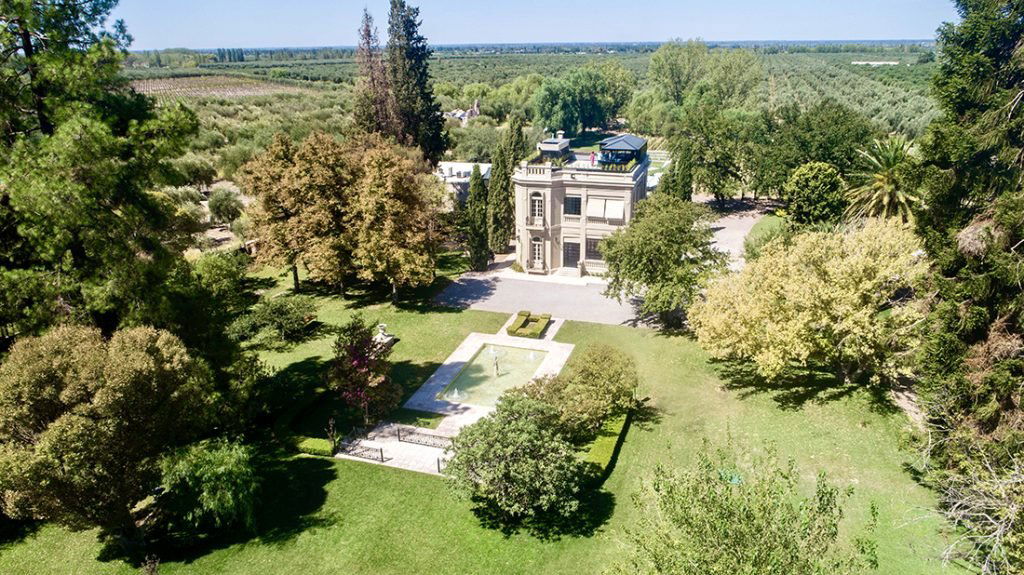

Bodega Luigi Bosca
Luján de Cuyo
Winery in Luján de Cuyo, Argentina
 Book with Pearl
The Read
High-Altitude Mendoza Heritage
Price
$50–100tasting
Why go
Book Bodega Luigi Bosca if the priority is a serious Luján de Cuyo winery appointment with a bottle-first agenda. It is a stronger fit for first-timers who want a polished Mendoza benchmark than for travelers building a loose, walk-in-style day.
About Bodega Luigi Bosca
Bodega Luigi Bosca is a venue in Luján de Cuyo with Pearl 2 Star Prestige recognition for 2025. The dress code is smart casual.
A Luján de Cuyo venue with confirmed recognition
Bodega Luigi Bosca’s Pearl 2 Star Prestige recognition in 2025 makes it a notable Luján de Cuyo option for travelers comparing premium venues in the area, while the smart-casual dress code gives a practical baseline for how to arrive.
Do not assume a particular tasting format, bottle list, food service, price, hour, or shipping option is available without checking directly. For broader planning, you can also consult Our full Luján de Cuyo restaurants guide and other Luján de Cuyo planning resources.
Who should book, and who should look elsewhere
Consider Bodega Luigi Bosca if you want a Pearl 2 Star Prestige venue in Luján de Cuyo and are comfortable dressing smart casual. Look elsewhere, or confirm directly first, if your decision depends on specifics such as exact hours, group handling, tasting structure, lunch availability, pricing, shipping, or dietary accommodations.
For comparison within the broader set of notable regional options, consider Bodega Alta Vista, Bodega Lagarde, Bodega Mendel, Hilbing Franke Distillery, or Viña Alicia, along with other venues in Luján de Cuyo.
Planning details
- Location
- San Martín 2044, M5507 Luján de Cuyo, Mendoza
- Website
- luigibosca.com
- Phone
- +54 9 261 508-6679
The take
The Take
The Vibe
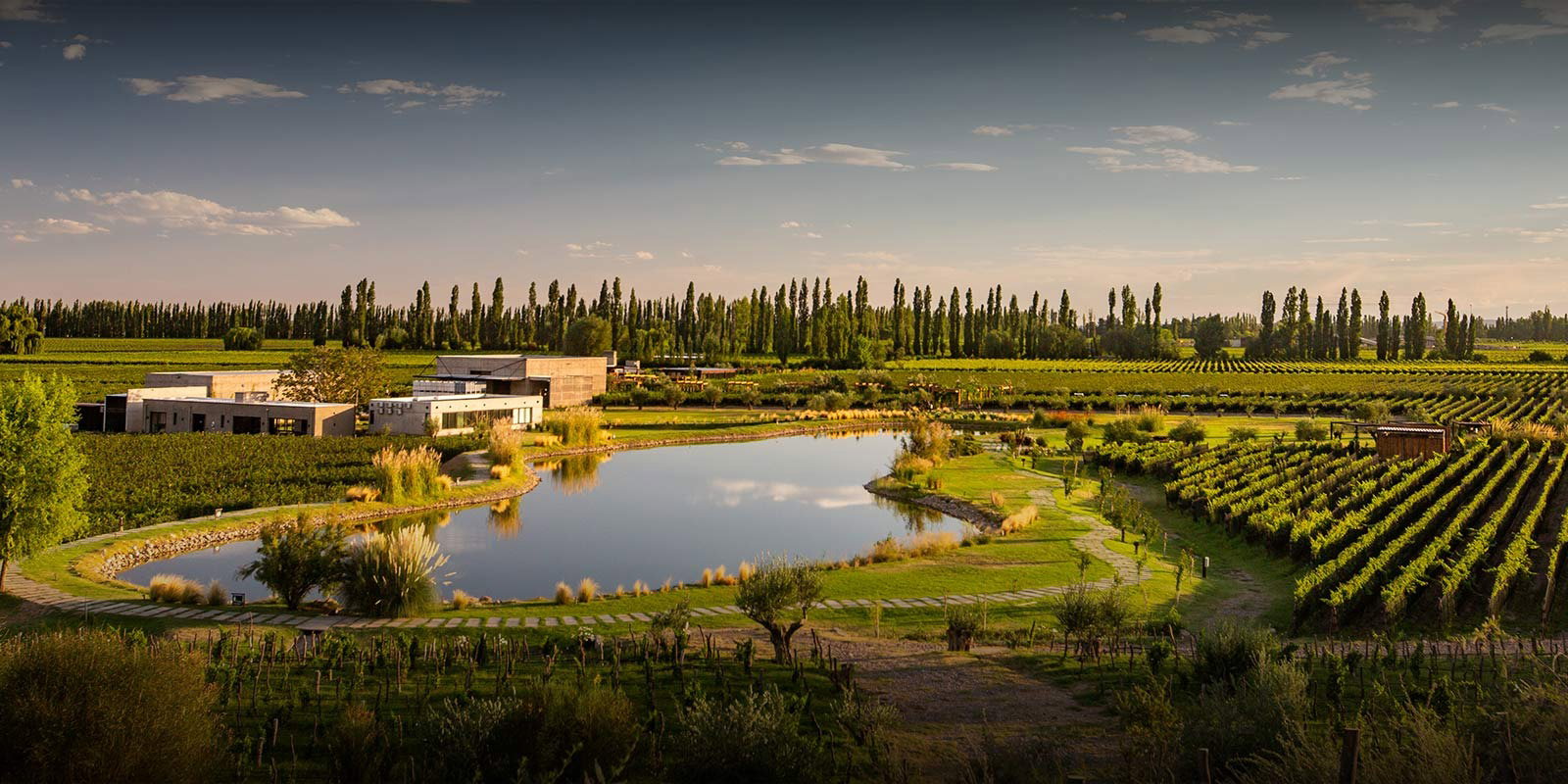
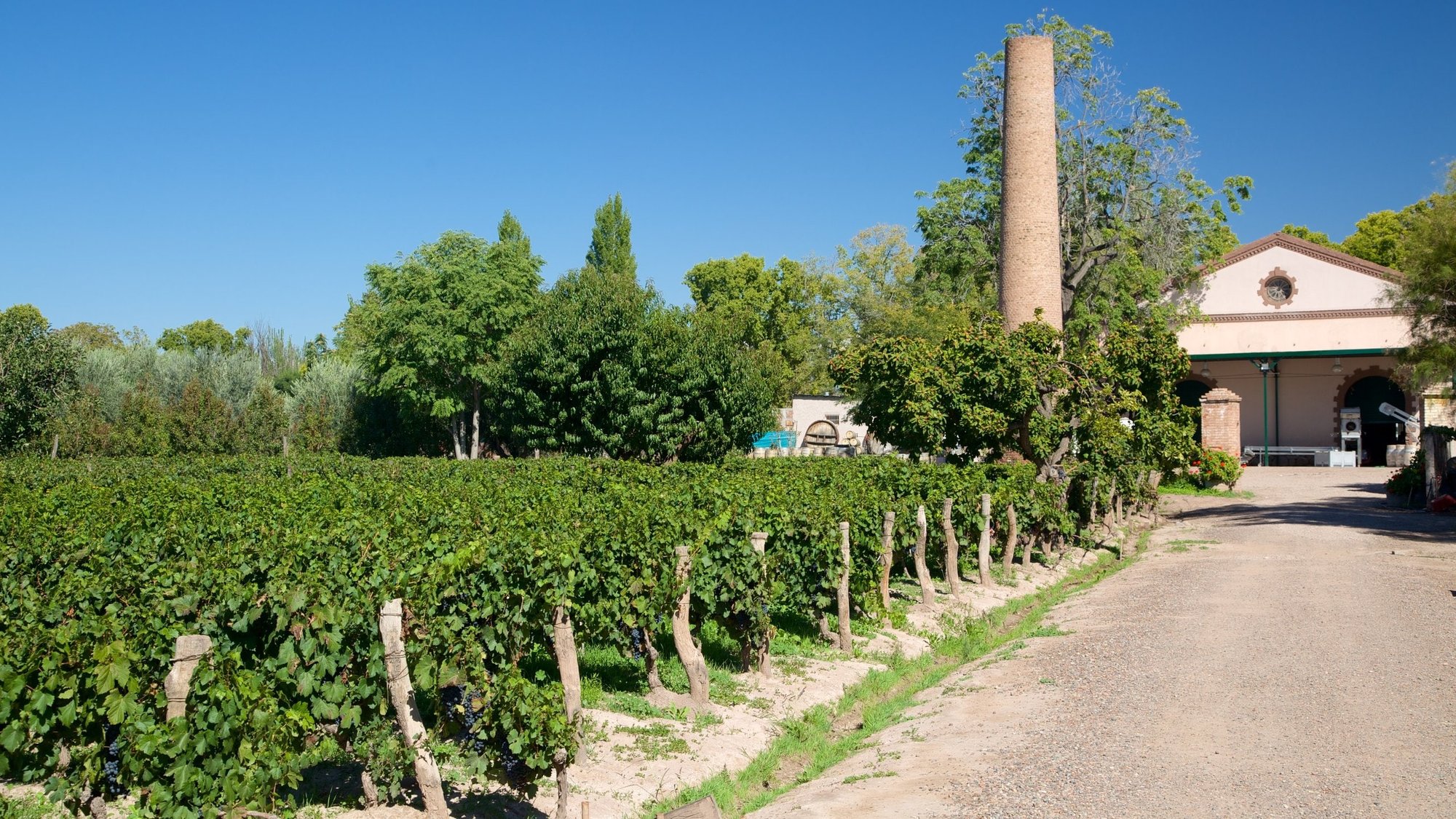
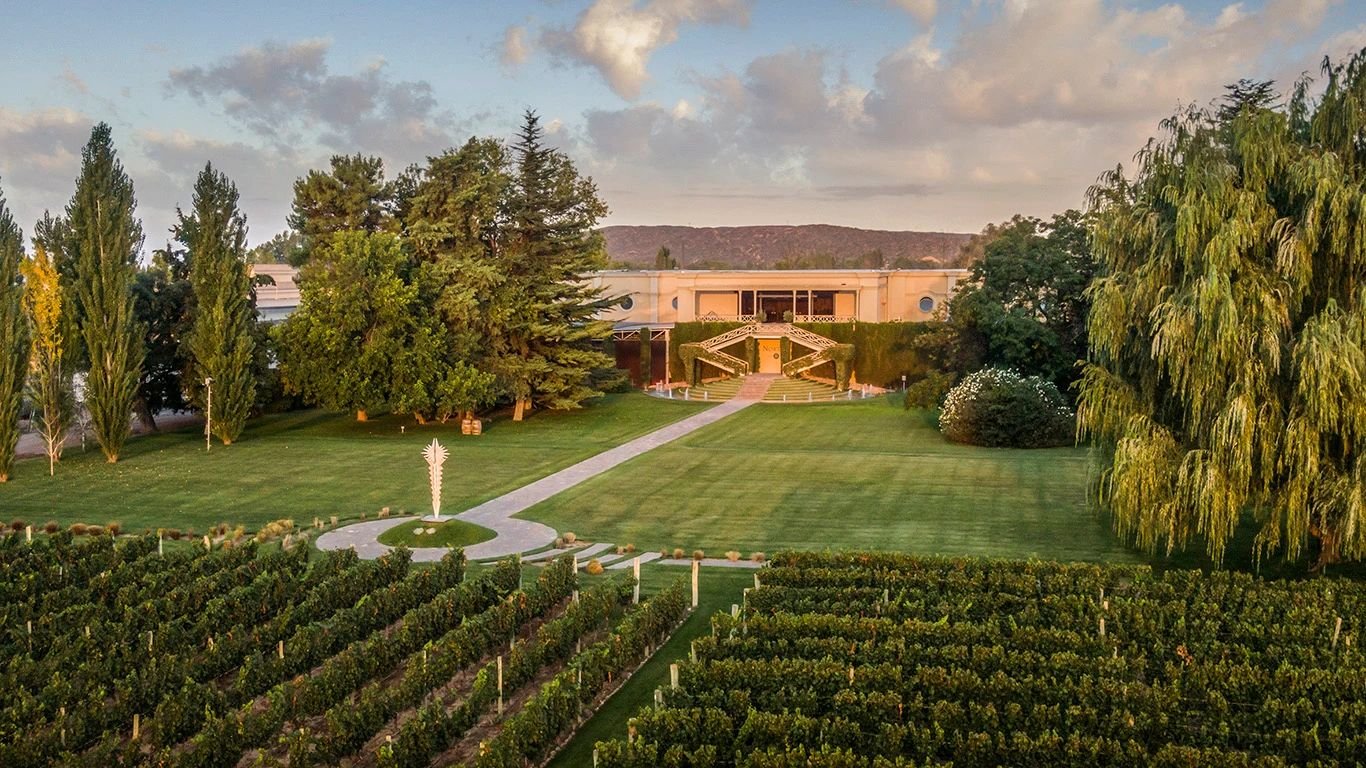
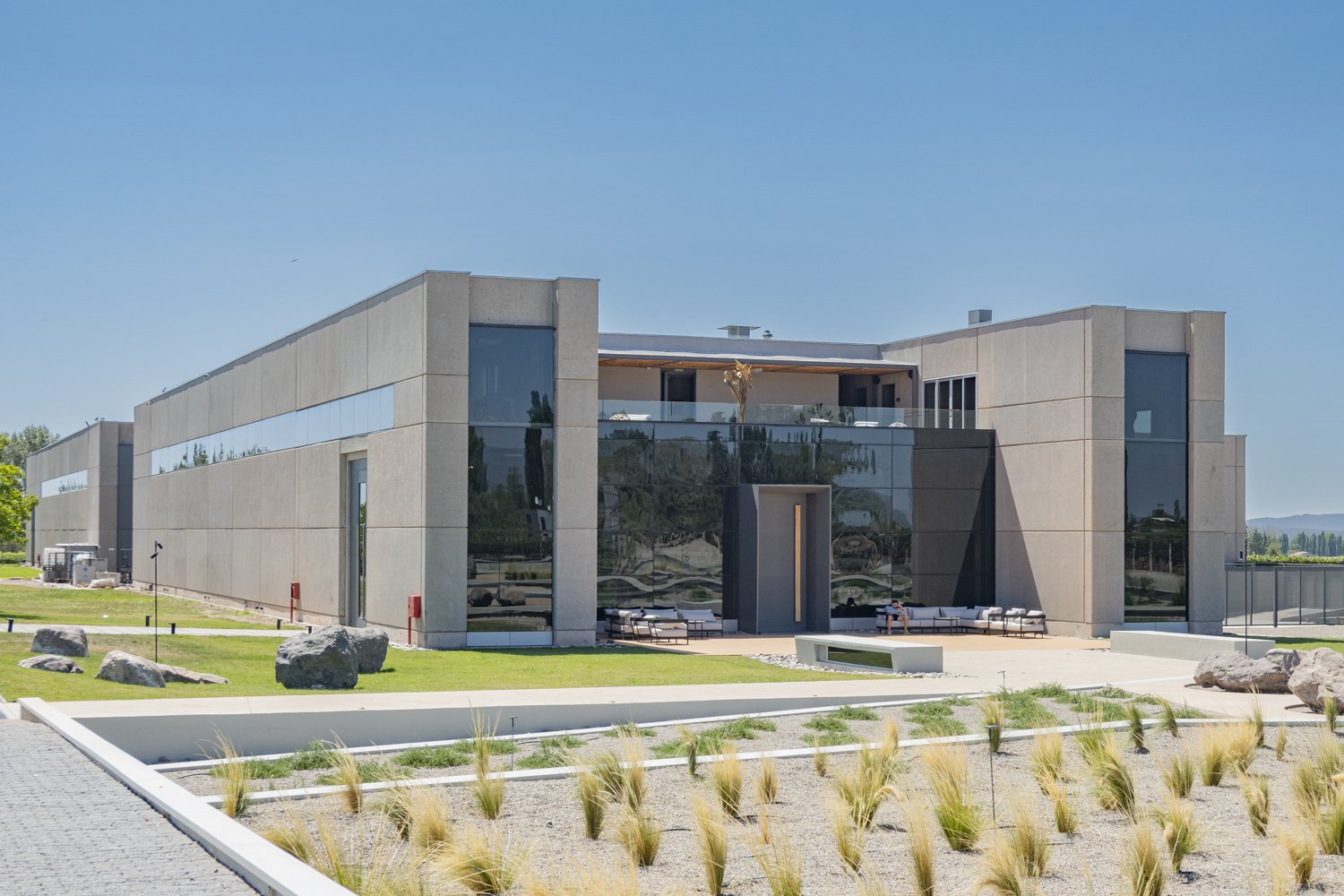
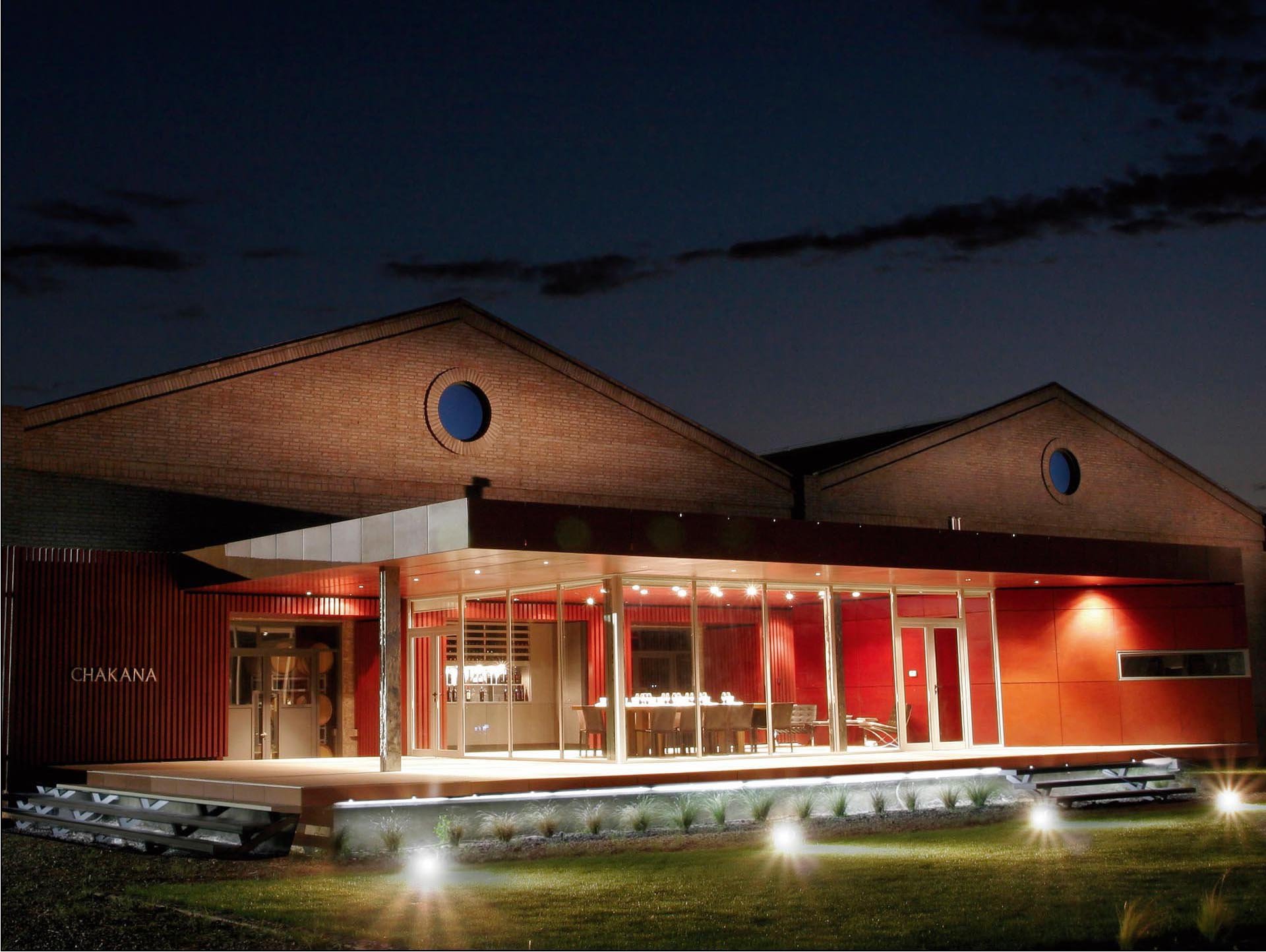
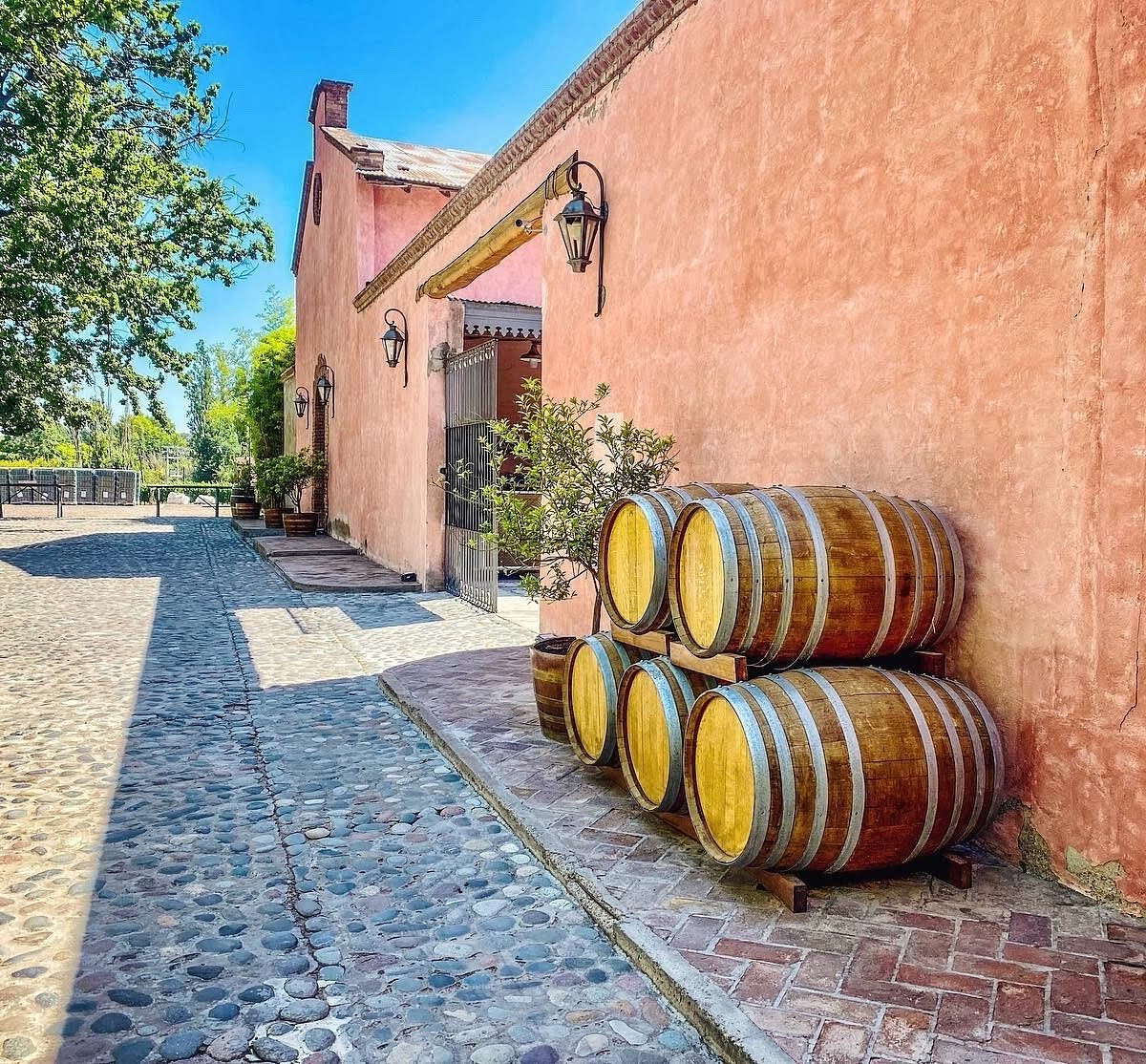
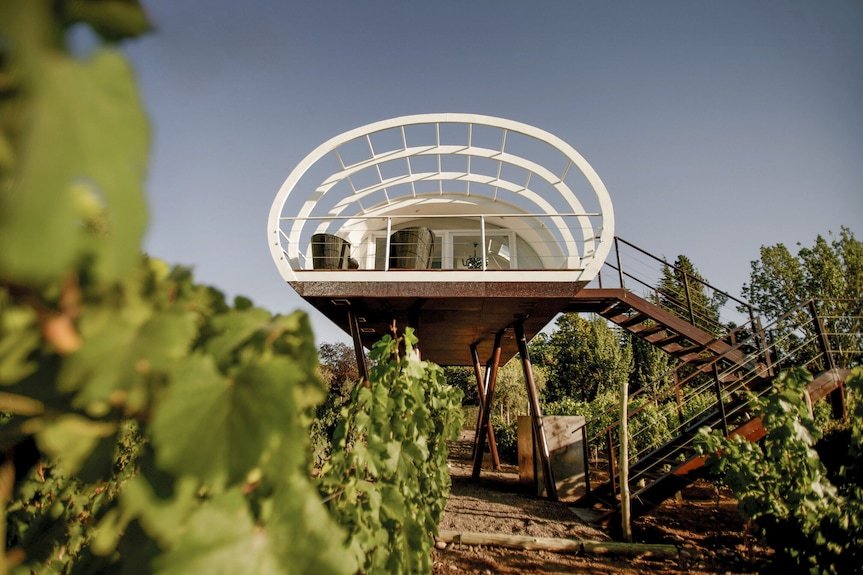
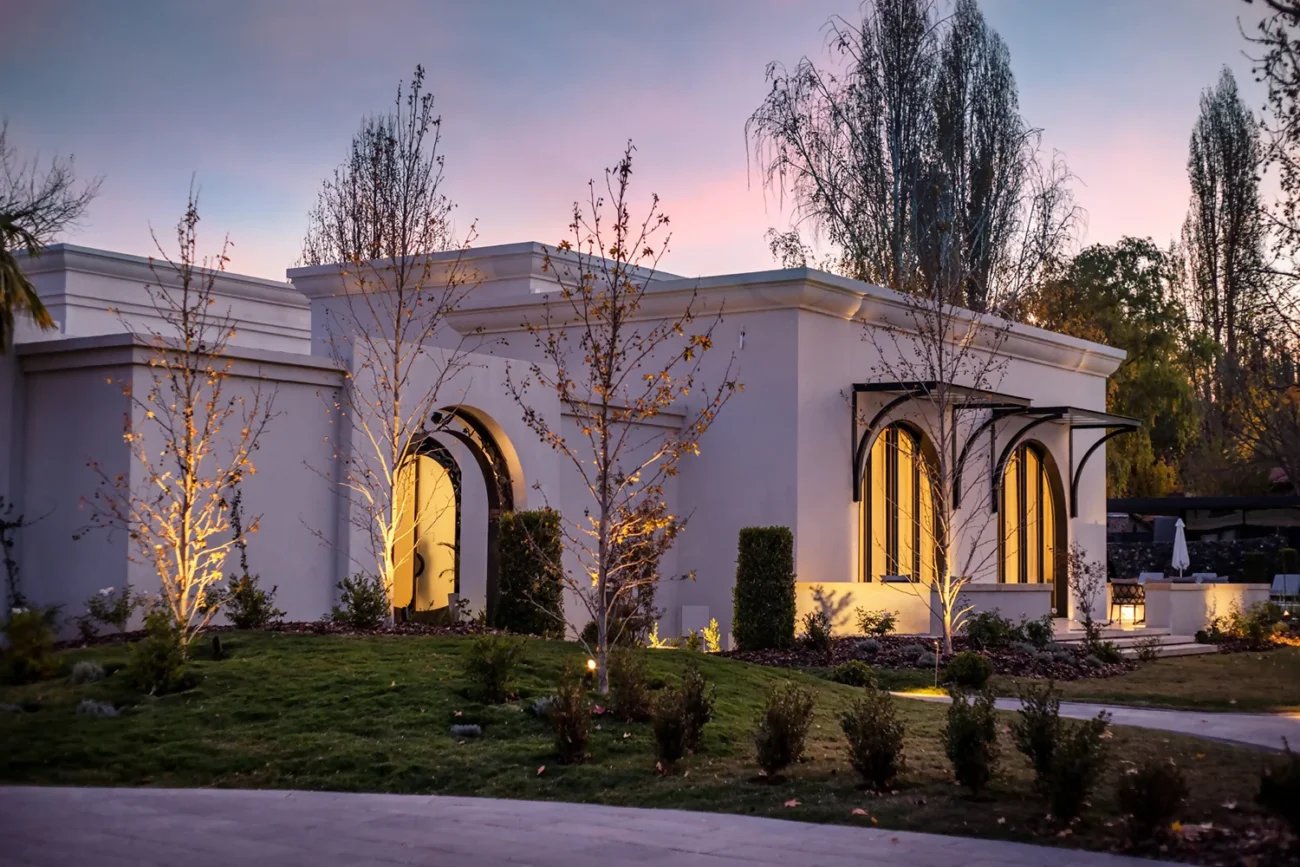
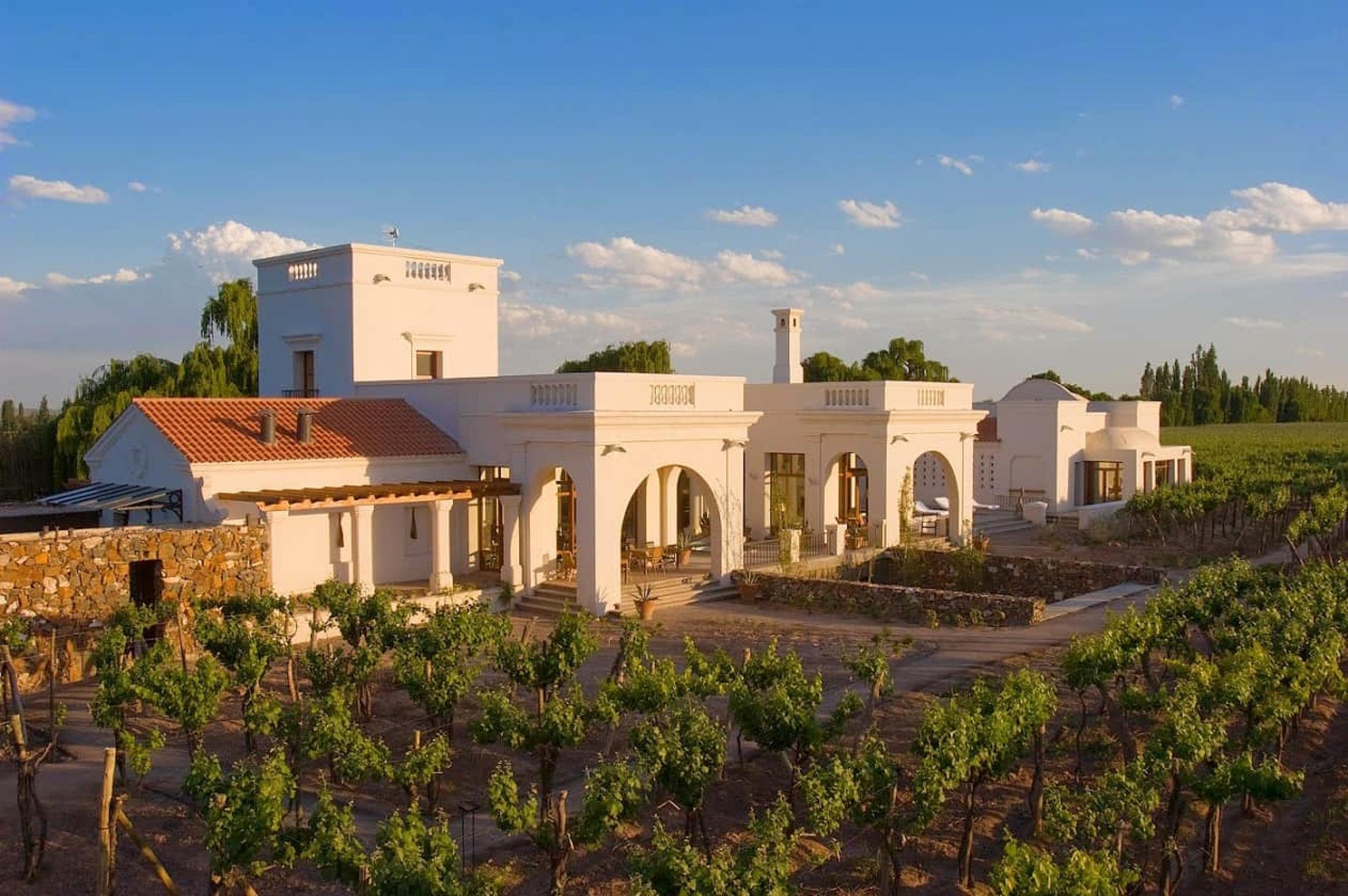
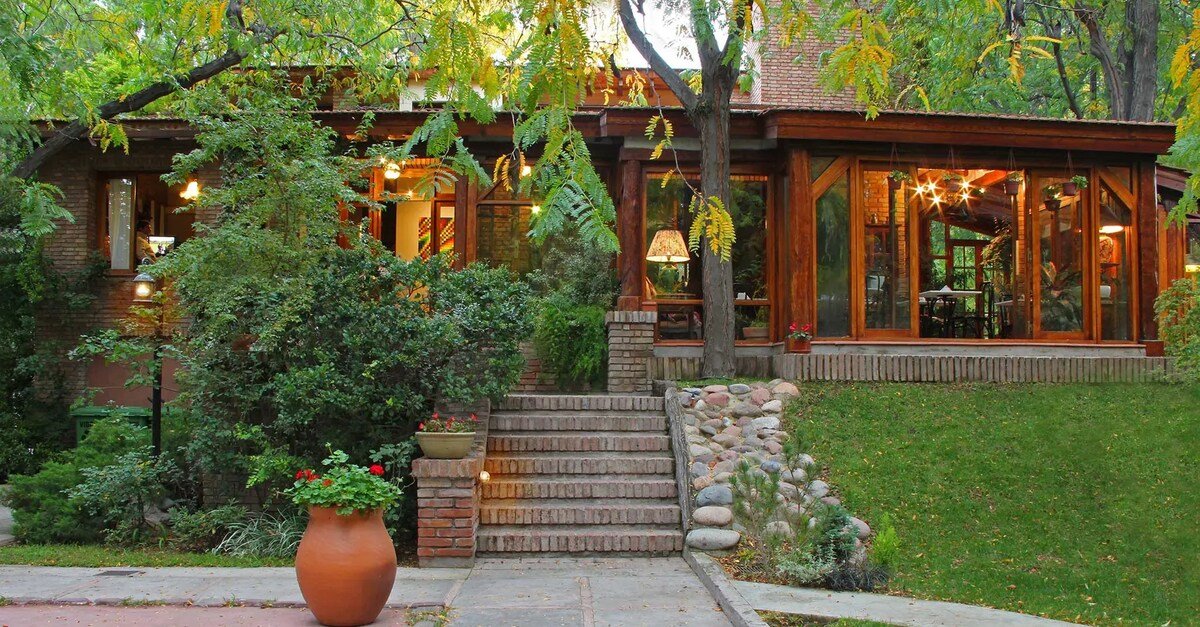
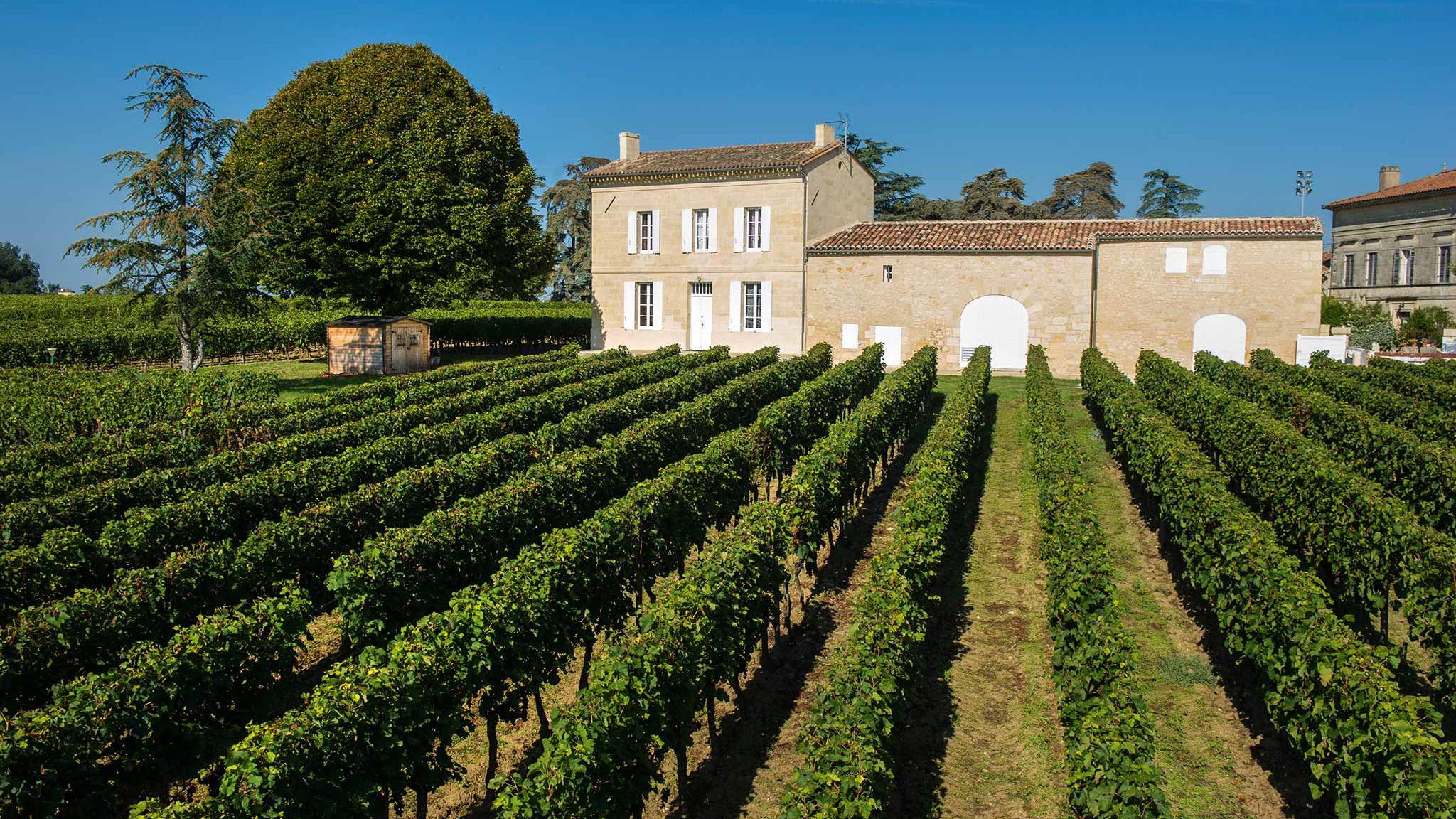
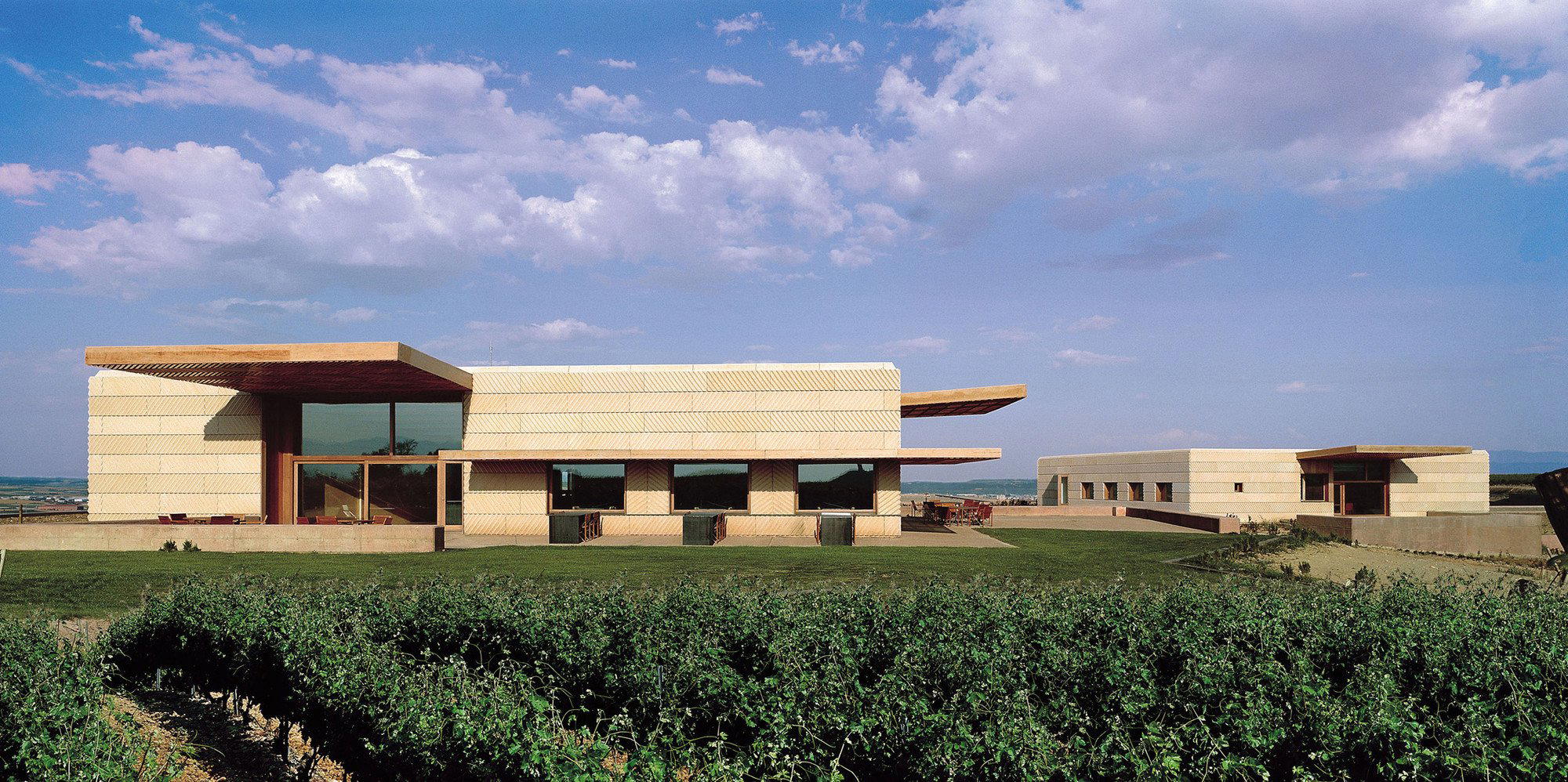
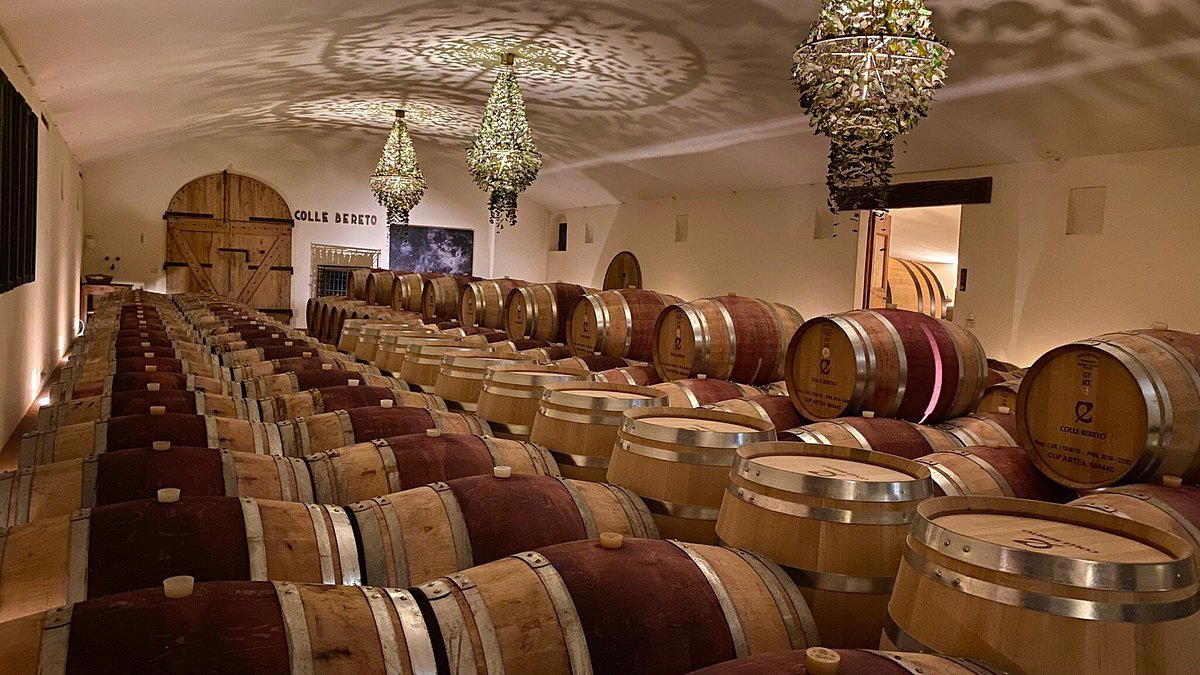
Luigi Bosca presents a restrained, historic winery personality: stone walls, cool barrel halls and an architecture that reads as institutional rather than theatrical. The estate emphasizes vineyard provenance and the winemaking imperative more than visitor spectacle, so the mood feels measured and quietly authoritative. Mornings here are shaped by the Precordillera’s presence, and the site’s long-term storage spaces convey a seriousness about ageing and terroir. Expect an experience that privileges the craft of wine over showmanship—sober, contemplative and rooted in place rather than designed for selfies or architectural drama.
Best For
This is a venue best suited to visitors who care about viticulture, provenance and tasting wines in context. The bodega’s strengths lie in wine-focused education, cellar and barrel exploration, and thoughtful tastings that foreground vineyard expression—making it a strong choice for groups interested in learning, special-occasion visits centered on serious bottles, or intimate wine-focused getaways. Because the property reads as an estate calibrated for production and ageing, it attracts people who prefer understated, knowledge-driven wine visits rather than lively, spectacle-led winery experiences.
Tasting Tips
Prioritize conversations about vineyard sites, vintages and cellar ageing when arranging visits or tastings—Luigi Bosca foregrounds viticulture and what is in the glass. Ask about wines that showcase Mendoza’s elevated sites and about releases that reflect barrel maturation, since the description emphasizes barrel halls and long-term storage. If you’re booking a tasting, request time to discuss provenance and vinification notes rather than a broad sweep of casual, flight-style pours; the house’s prestige and production focus reward deeper, contextual tastings.
Venue details
Ambiance
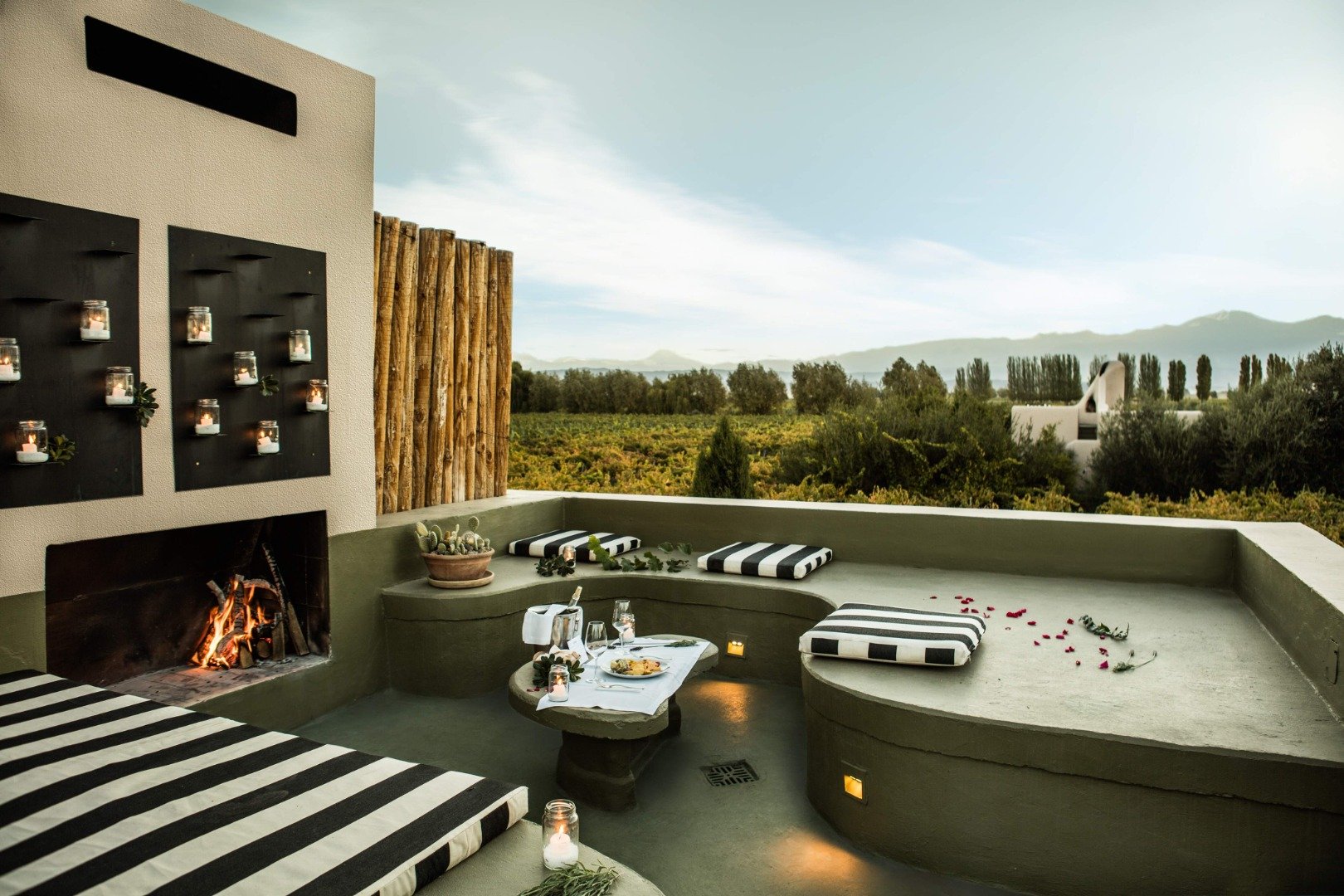
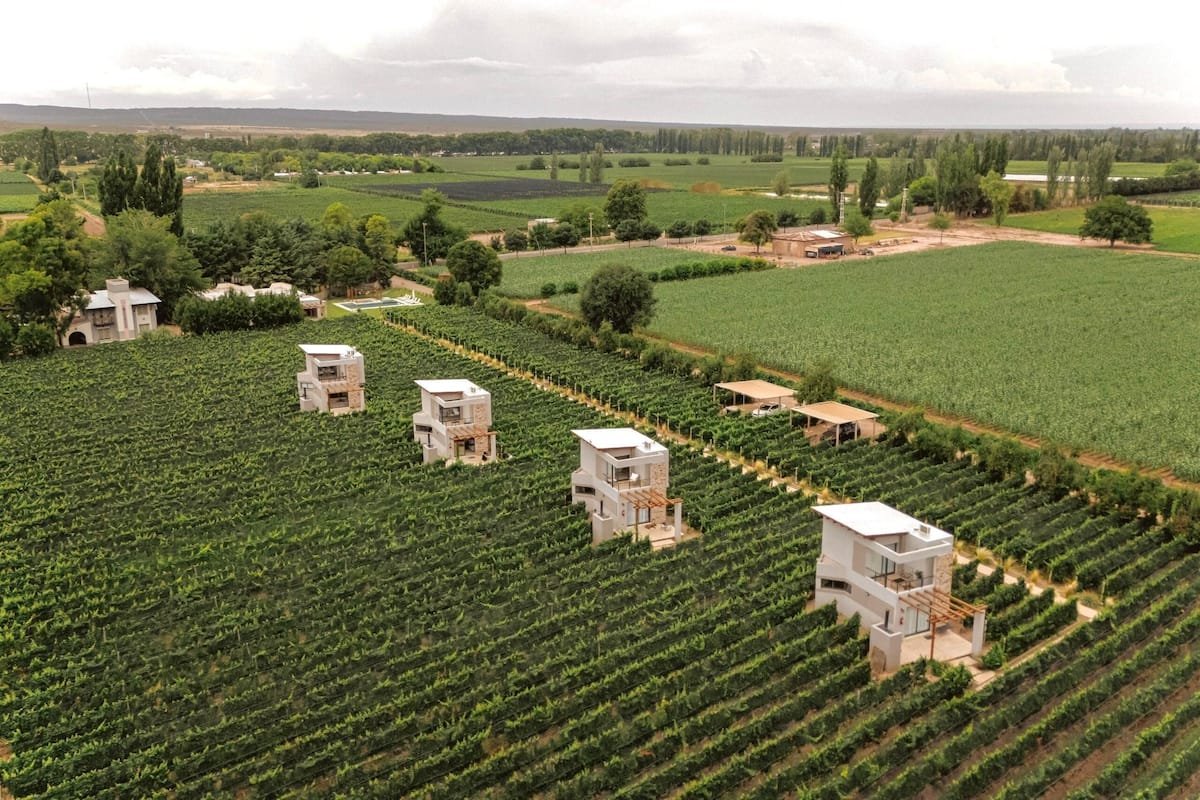
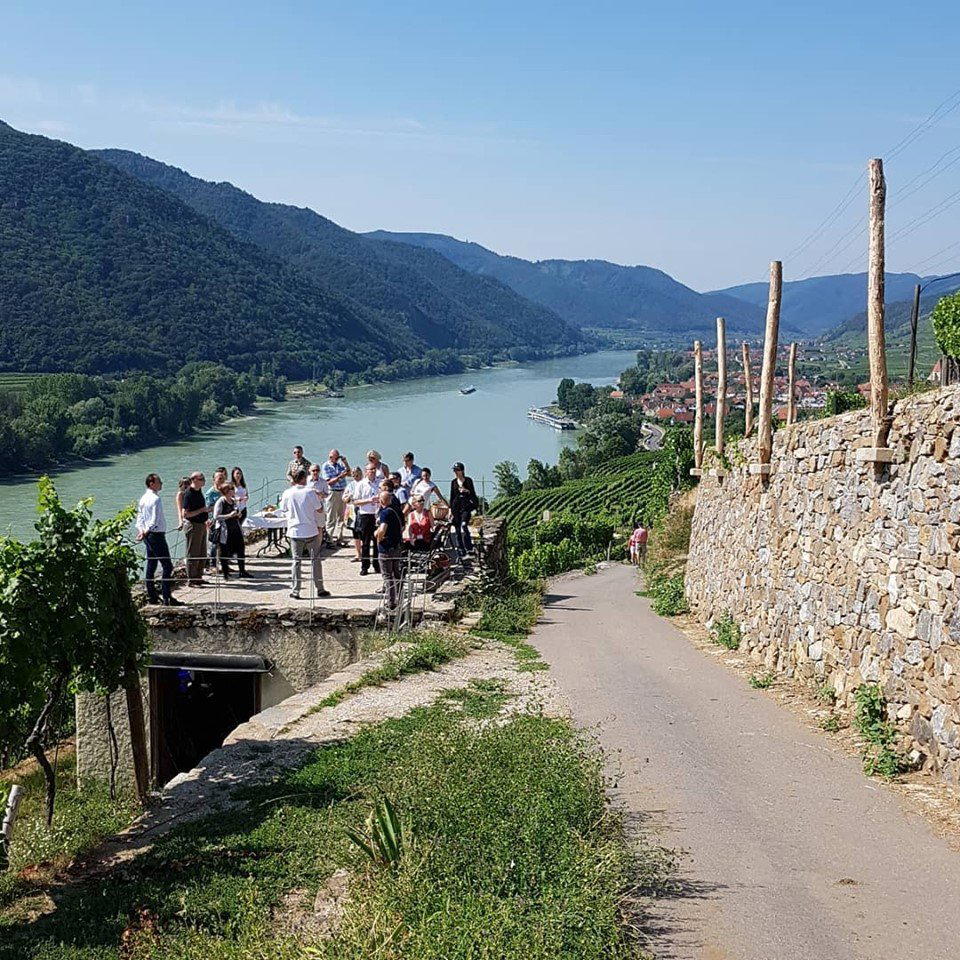
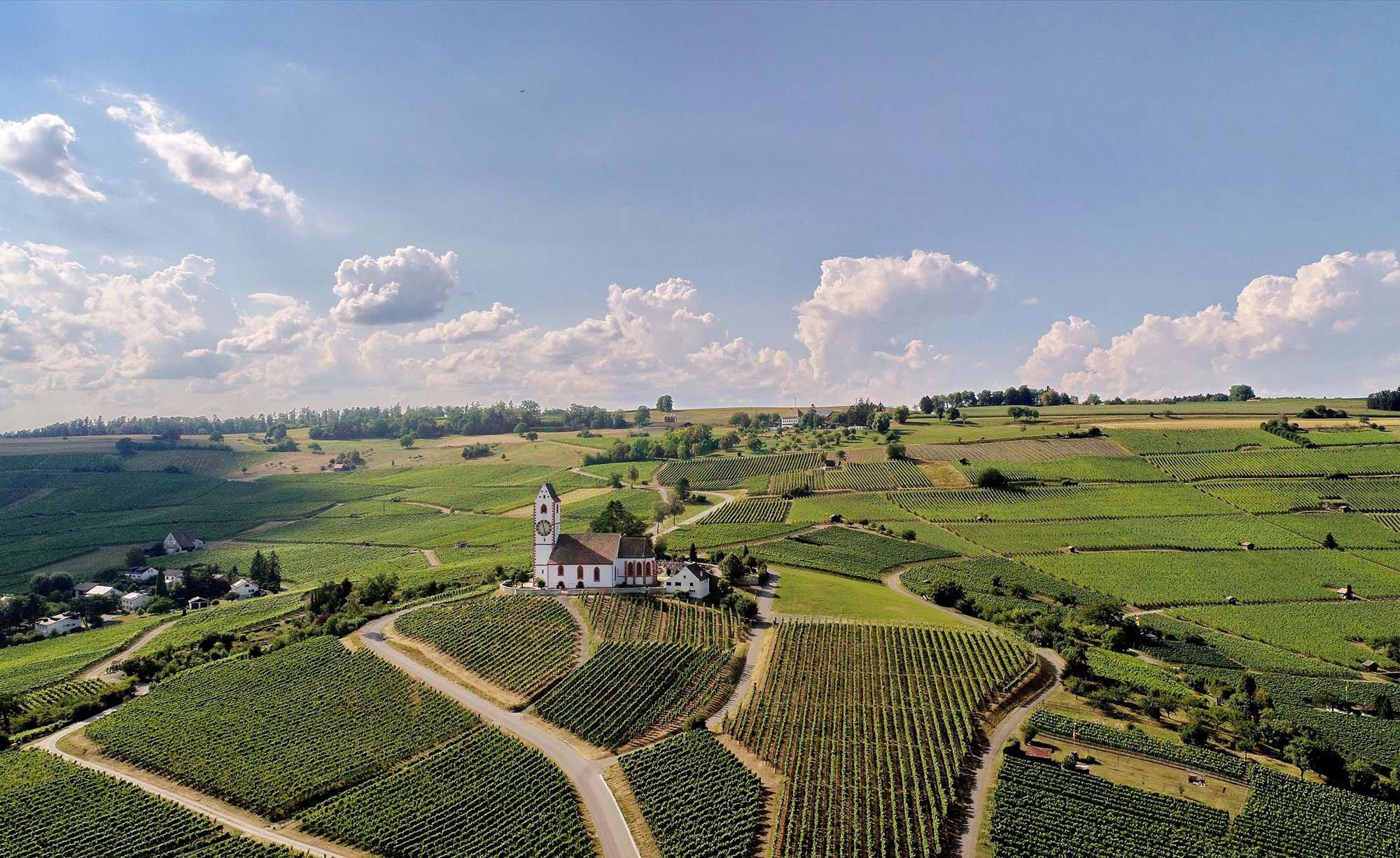
Heritage-rich atmosphere blending 120+ years of winemaking tradition with modern innovation, set within historic family estates surrounded by Mendoza's distinctive terroirs.
Tags
Vibe
Best For
Experience
Sourcing
View
At the Vineyard
- Appellation
- Luján de Cuyo DOC
- Varietals
- Malbec, Cabernet Sauvignon, Cabernet Franc, Petit Verdot, Pinot Noir
- Tour Duration
- 90-120 minutes
- Tour Languages
- Spanish, English
- Visits
- By appointment only
- Farming
- Sustainable
- Wine Styles
- Still Red, Still White
- Food Pairing
- Offered
- Shipping
- Available
- Wine Club
- Available
Know before you go
Know Before You Go
- Getting there
- San Martín 2044, M5507 Luján de Cuyo, Mendoza
Planning details
Location
Recognition and awards

Also consider
Also Consider
- Bodega Lagarde, Notable alternative
- Hilbing Franke Distillery, Notable alternative
- Bodega Alta Vista, Notable alternative
- Bodega Mendel, Notable alternative
- Viña Alicia, Notable alternative
Winery context
How It Compares
Bodega Lagarde, Bodega Alta Vista, Bodega Mendel, and Viña Alicia are the more natural wine comparisons in Luján de Cuyo. Choose Bodega Luigi Bosca when the visit needs to feel like a flagship winery appointment and the main goal is deciding which bottles merit luggage space or follow-up purchasing. For a softer, more flexible day, one of those peers may be easier to shape around lunch or a second stop.
Hilbing Franke Distillery is the category break. It makes more sense when the group wants spirits rather than a wine-led Mendoza stop, or when not everyone is committed to a tasting-focused winery day. For value, the safer play is to compare available tasting formats before committing: if Bodega Luigi Bosca is difficult to secure, Bodega Alta Vista or Bodega Mendel are the practical cross-shops; if ambiance matters more than bottle assessment, Bodega Lagarde and Viña Alicia deserve a look.
Explore Luján de Cuyo
Around this place
Discover more on Pearl
Unlock the full Bodega Luigi Bosca guide in Pearl, including awards, comparisons, FAQs, planning details, and nearby places.
Compare Bodega Luigi Bosca
| Venue | Location | Awards |
|---|---|---|
| Bodega Luigi Bosca | Luján de Cuyo | 2026 Falstaff Winery Guide |
| Bodega Lagarde | Luján de Cuyo | 2025 World's 50 Best Vineyards · #95 |
| Hilbing Franke Distillery | Luján de Cuyo | No published awards |
| Bodega Alta Vista | Luján de Cuyo | No published awards |
| Bodega Mendel | Luján de Cuyo | No published awards |
| Viña Alicia | Luján de Cuyo | No published awards |

How Bodega Luigi Bosca compares with similar nearby venues.
FAQ
Frequently Asked Questions
What is Bodega Luigi Bosca recognized for?
Bodega Luigi Bosca has Pearl 2 Star Prestige recognition for 2025.