Bodega Casarena
Perdriel, Luján de Cuyo, Luján de Cuyo
Winery in Luján de Cuyo, Argentina
 Book with Pearl
The Read
Andean Appellation Malbec
Price
$50–100tasting
Why go
Book Bodega Casarena if your Luján de Cuyo itinerary is about serious winery context rather than a casual tasting stop. It is strongest for travellers who want a producer-led Mendoza visit and are willing to plan around difficult availability; cross-shop it with Achaval Ferrer, Bodega Norton, and Bodega Vistalba if the schedule needs a more flexible backup.
About Bodega Casarena
Bodega Casarena is a Luján de Cuyo venue with a daily daytime schedule and Pearl 2 Star Prestige recognition for 2025. For travellers comparing premium stops in Luján de Cuyo, it is open every day from 9:30 AM to 5 PM, and the dress code is smart casual.
As details like address, menu, tasting format, dining service, pricing, seating capacity, or booking policy are not available, plan around the basics rather than assuming a specific style of visit. Confirm details directly with Bodega Casarena before building the rest of your day around it.
A Luján de Cuyo stop for travellers
The strongest reason to shortlist Bodega Casarena is its Pearl 2 Star Prestige recognition in 2025. Beyond that accolade, public details are limited, so the safest approach is to confirm the current visit format, availability, and any service details directly with the venue before you go.
Because Luján de Cuyo has several options, the decision should come down to what suits your date. Travellers can also cross-shop local plans through Our full Luján de Cuyo venues guide, Our full Luján de Cuyo restaurants guide, Our full Luján de Cuyo hotels guide, Our full Luján de Cuyo bars guide, and Our full Luján de Cuyo experiences guide.
Who should choose this over another Luján de Cuyo venue
Choose Bodega Casarena if you want a Luján de Cuyo venue with daily 9:30 AM–5 PM hours, a smart casual dress code, and Pearl 2 Star Prestige recognition for 2025. If you need a specific dining format, tasting structure, group setup, or price point, confirm those details before committing.
For a tighter comparison set, look at Bodega Casarena alongside Achaval Ferrer, Bodega Norton, Bodega Vistalba, Terrazas de los Andes, and Casa Tapaus Destilados. Other Luján de Cuyo options can also help round out the day, but Bodega Casarena should be judged on the available facts.
The key planning note is timing. Bodega Casarena is open from 9:30 AM to 5 PM every day, so any visit should fit within that daytime window. Beyond the hours and smart casual dress code, confirm the current experience directly with the venue.
Planning details
- Location
- Brandsen 505, M5544 BDK, Mendoza, Argentina
- Website
- casarena.com
- Phone
- +54 261 696-1497
The take
The Take
The Vibe
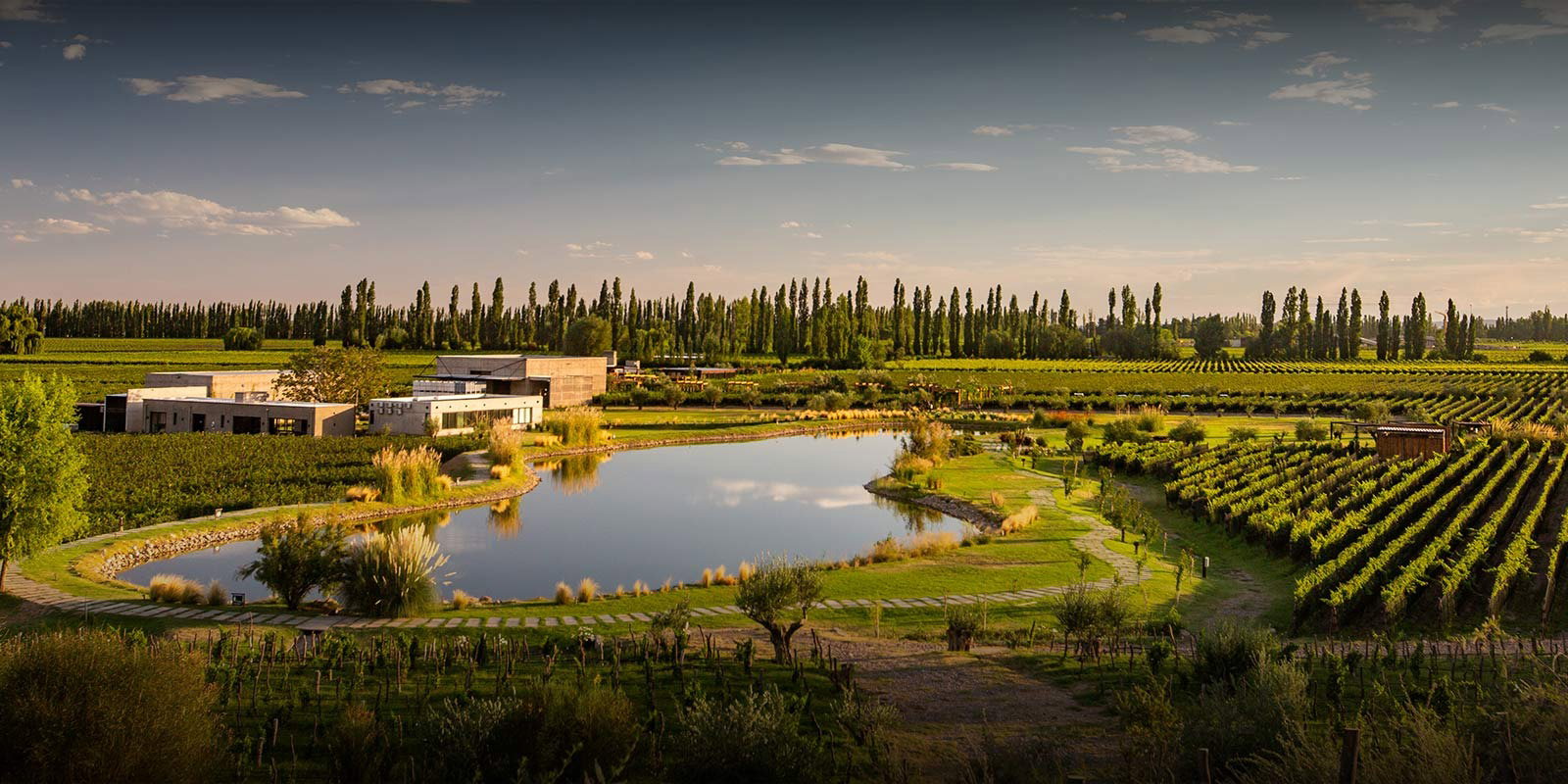
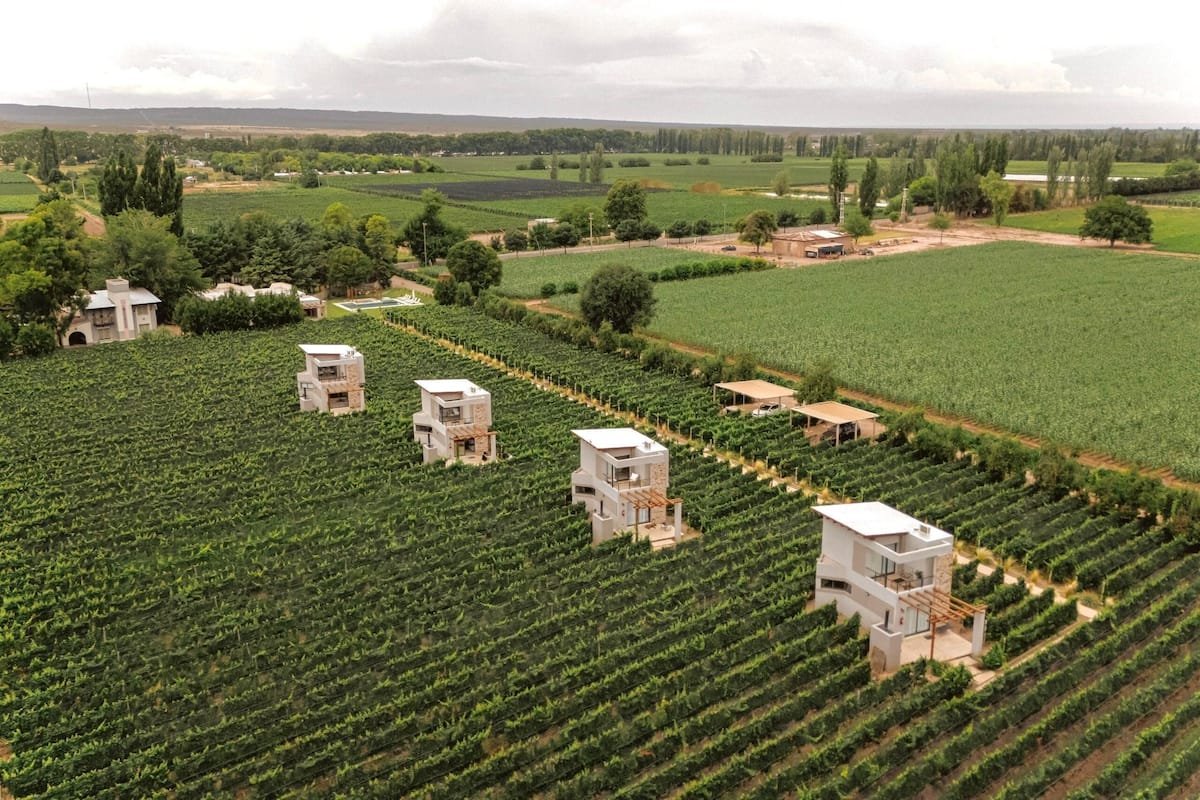
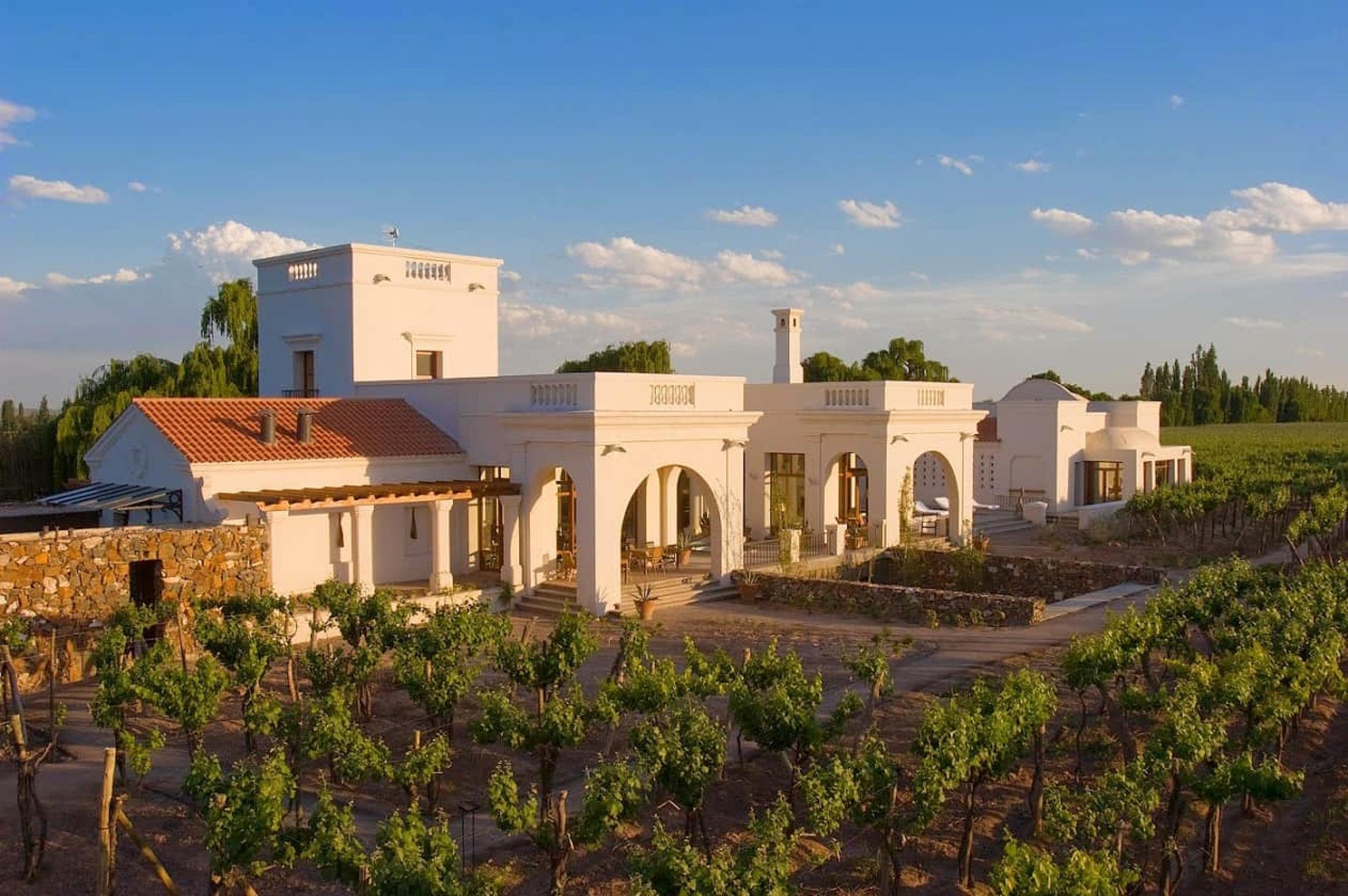
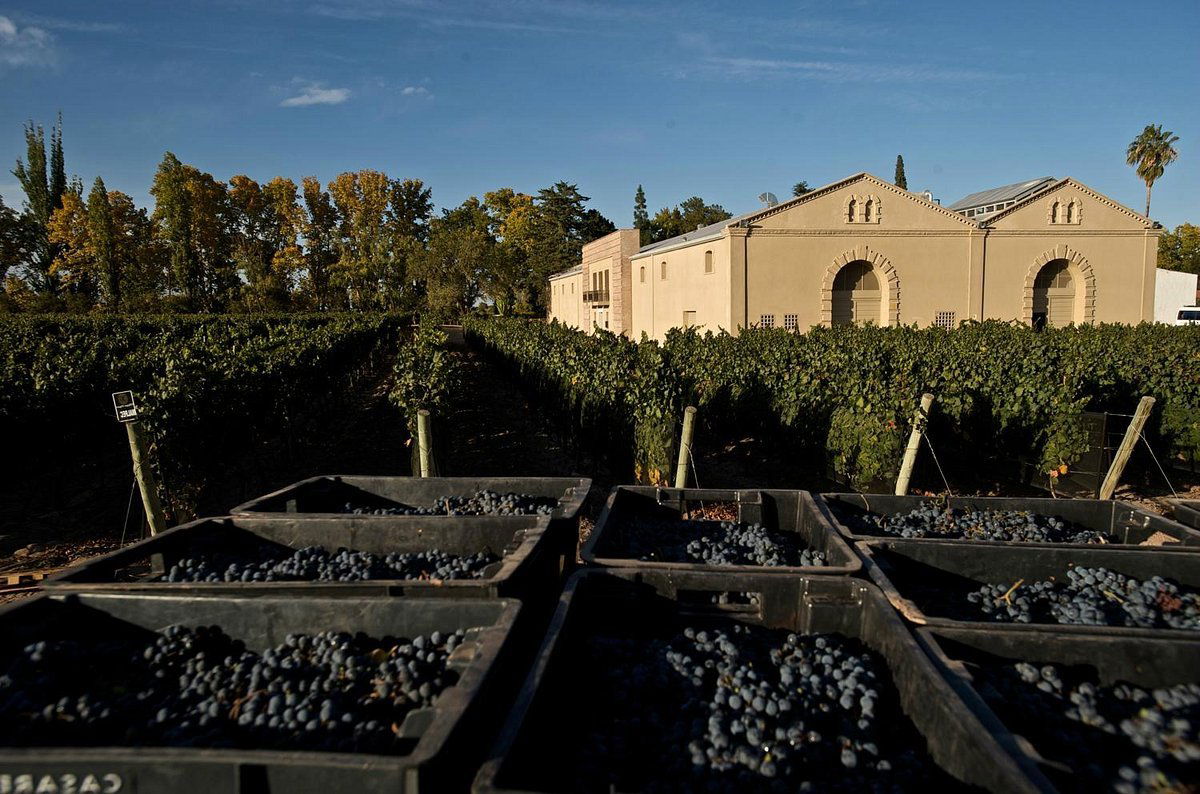
Bodega Casarena presents a refined, terroir-led personality rooted in altitude and careful parcel work. The writing frames the estate as a prestige-minded producer in Luján de Cuyo’s foothills, where 900 metres of elevation produces firmer tannins and lively acidity. The scale is deliberately small — a handful of parcels and clone-conscious farming — which makes visits feel focused and measured rather than touristic. Overall, the impression is of a sophisticated, classic Mendoza estate that privileges provenance and structure over volume, appealing to visitors who want a thoughtful, low-key tasting experience centered on place.
Best For
Casarena is best for visitors who come for wine education, romantic getaways, special occasions, or small group outings that appreciate provenance. The profile suits people who want to dig into altitude’s effect on Malbec and who value tasting through estate-focused expressions rather than commercial labels. Small groups or couples looking for a quiet, study-focused visit will find the setting aligned with that purpose; the bodega’s prestige-tier positioning also makes it a fitting stop for celebratory visits where quality and terroir-readiness matter.
Tasting Tips
Structure tastings around the estate Malbecs and comparative bottlings that highlight elevation and parcel differences — the copy stresses firmer tannin structure, longer hang time, and preserved acidity at roughly 900 metres. Ask about the specific parcels, clones and the soils the team farms ('a handful of parcels' and clone attention are mentioned). Don’t miss reference bottlings tied to the Pearl 2 Star Prestige rating for 2025; use those as a yardstick when exploring the cellar and to understand Casarena’s prestige-tier argument.
Venue details
Ambiance
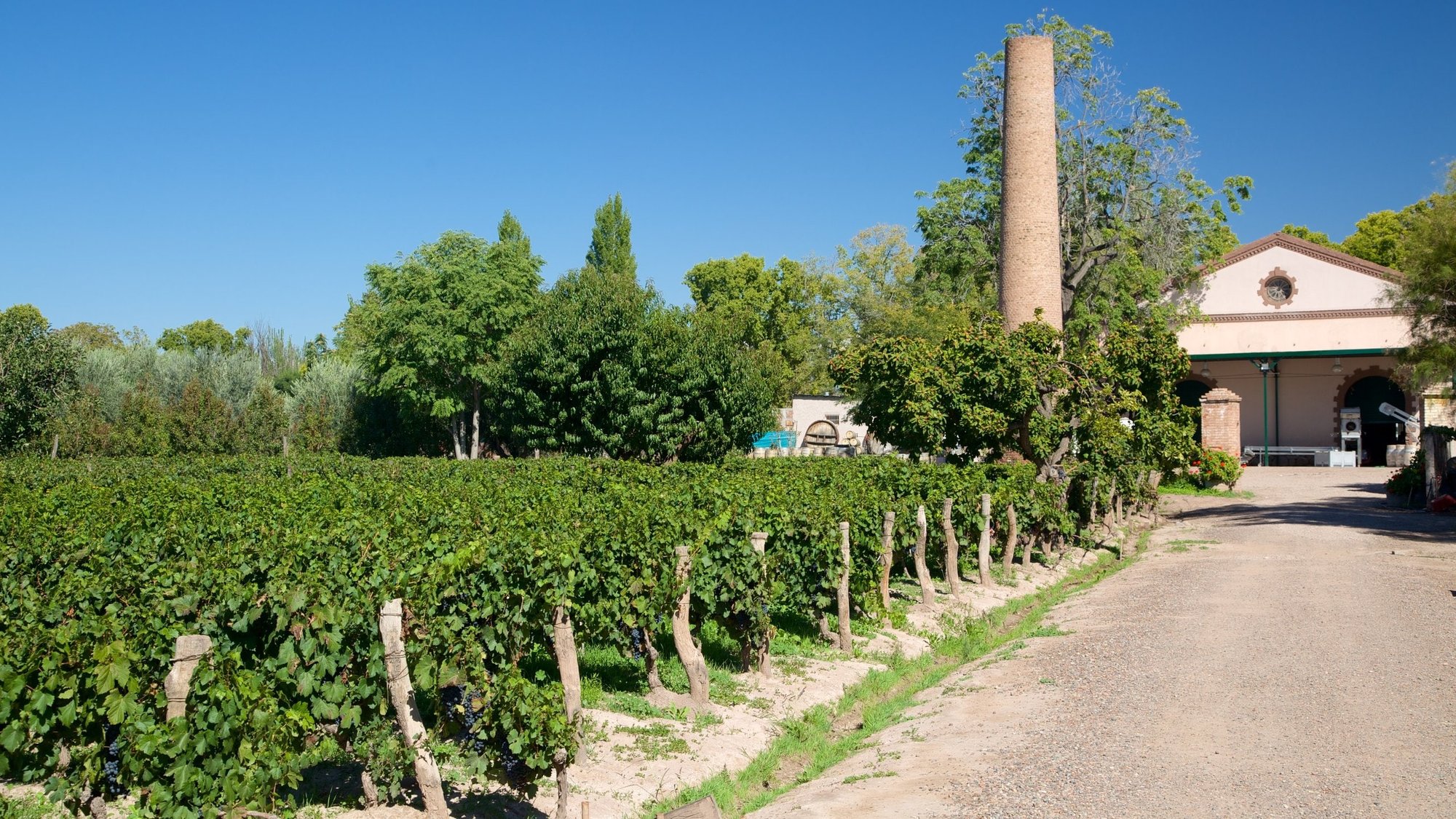
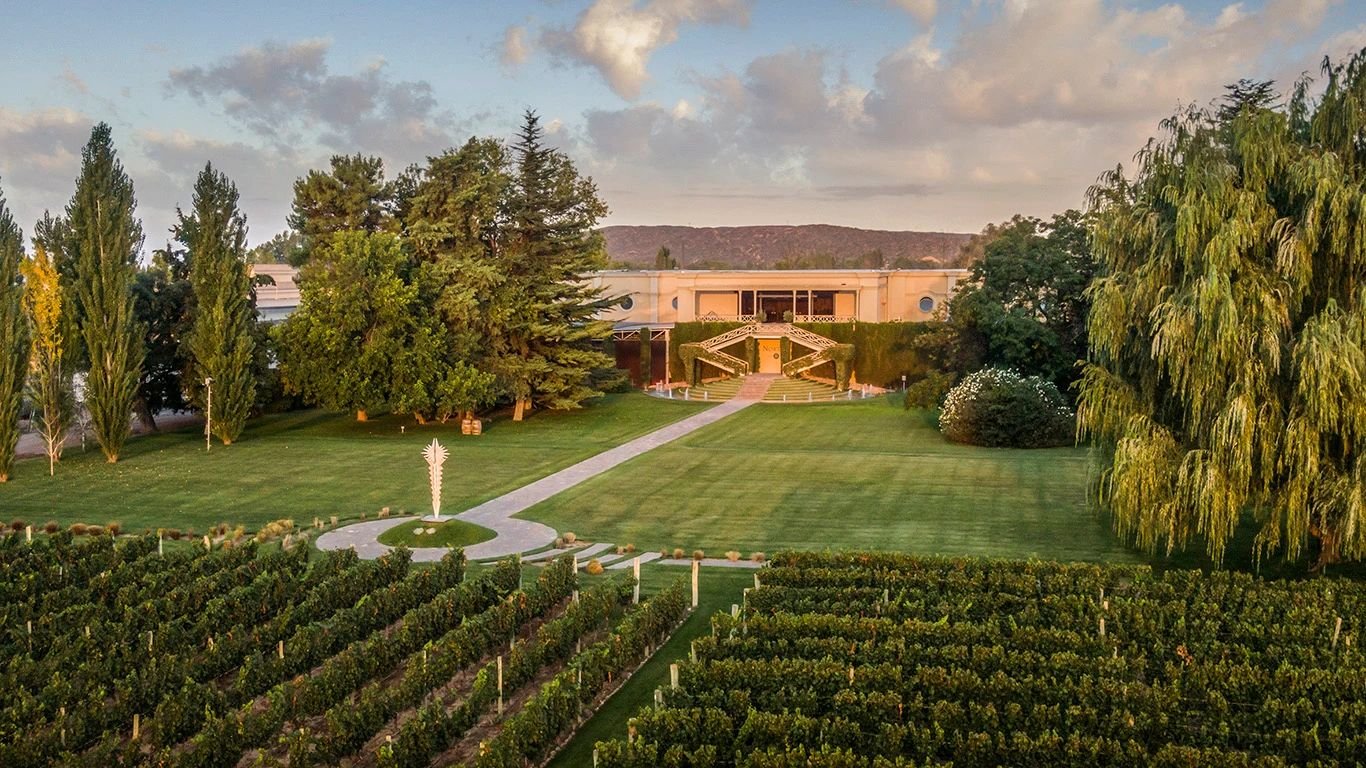
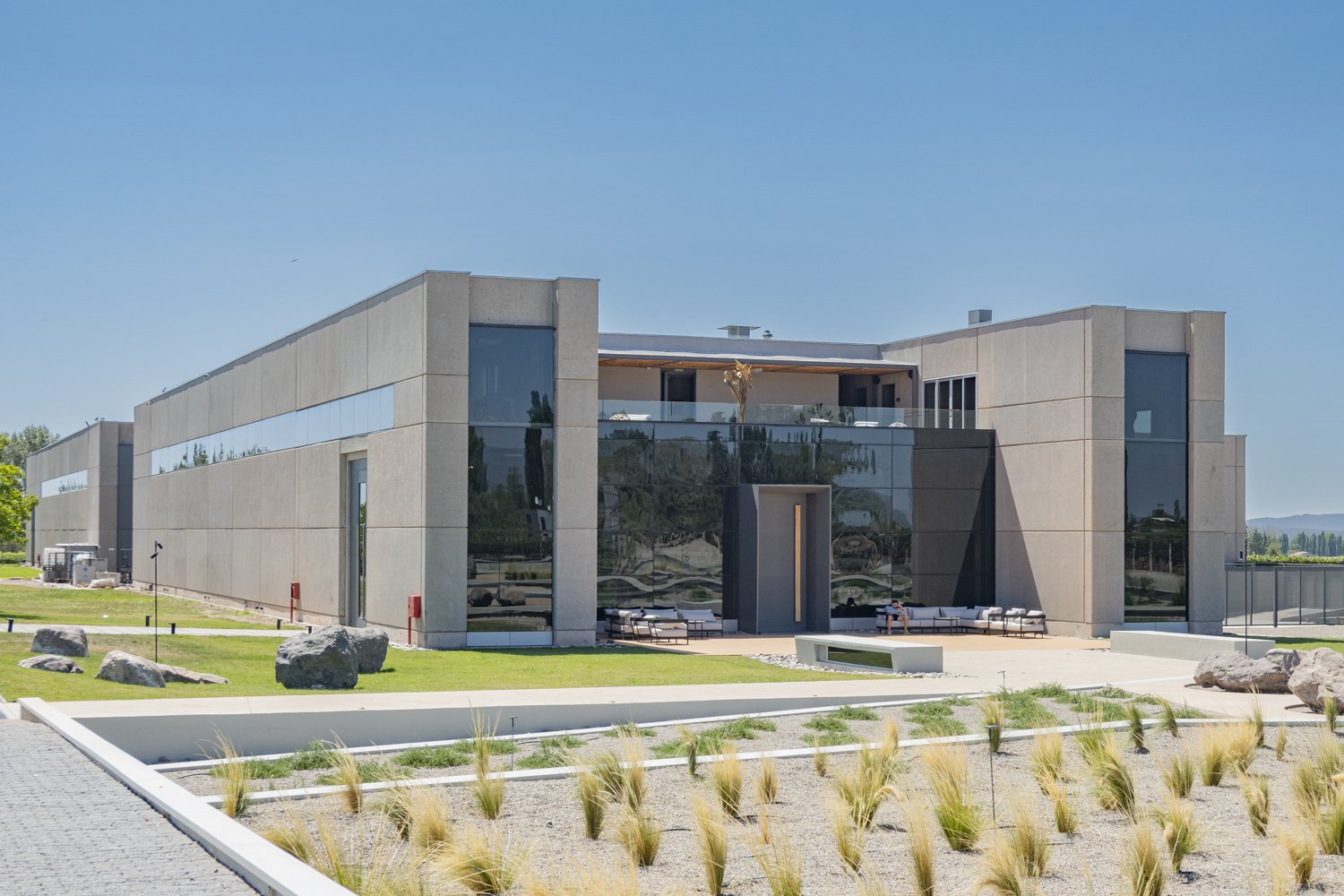
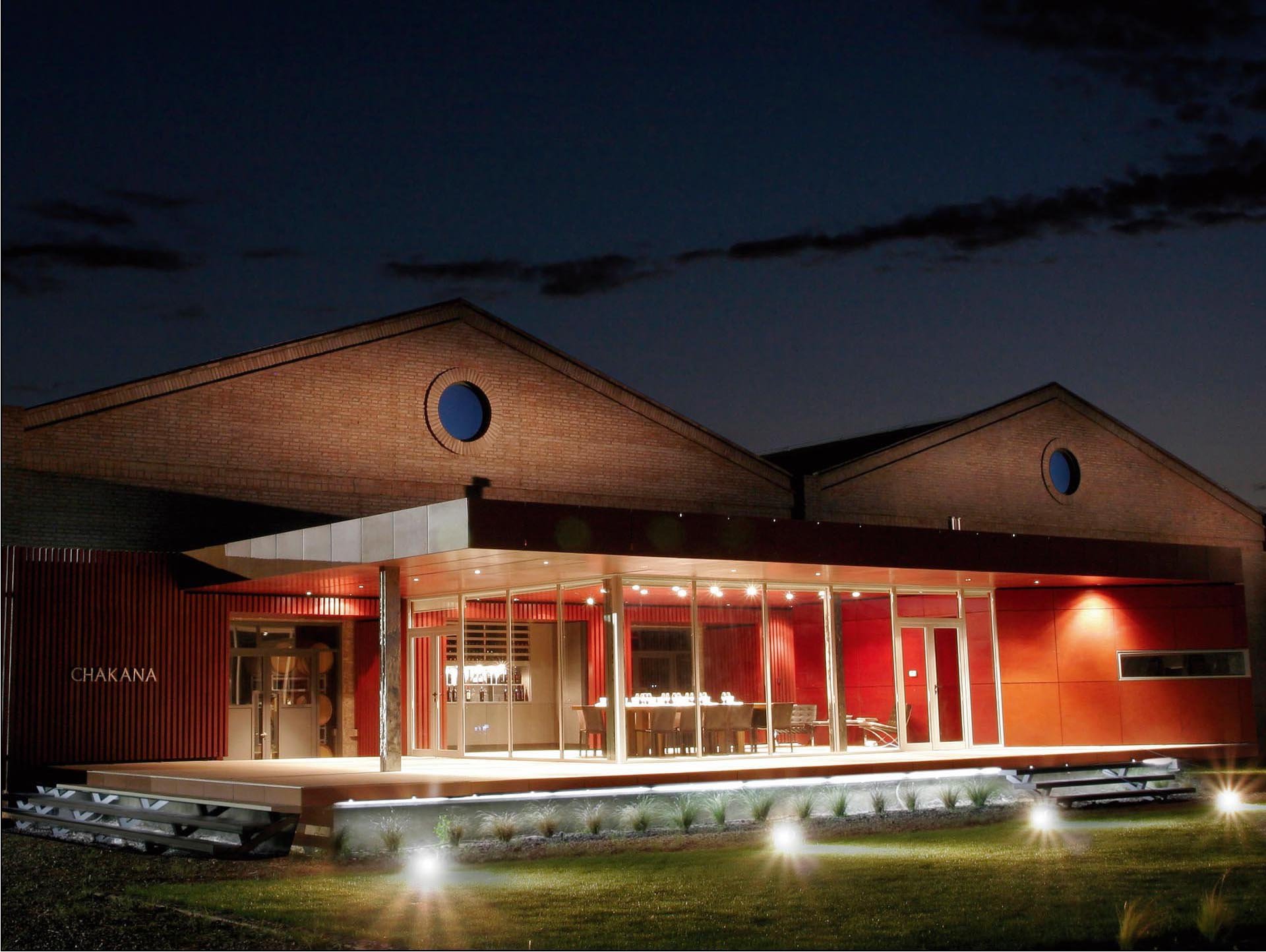
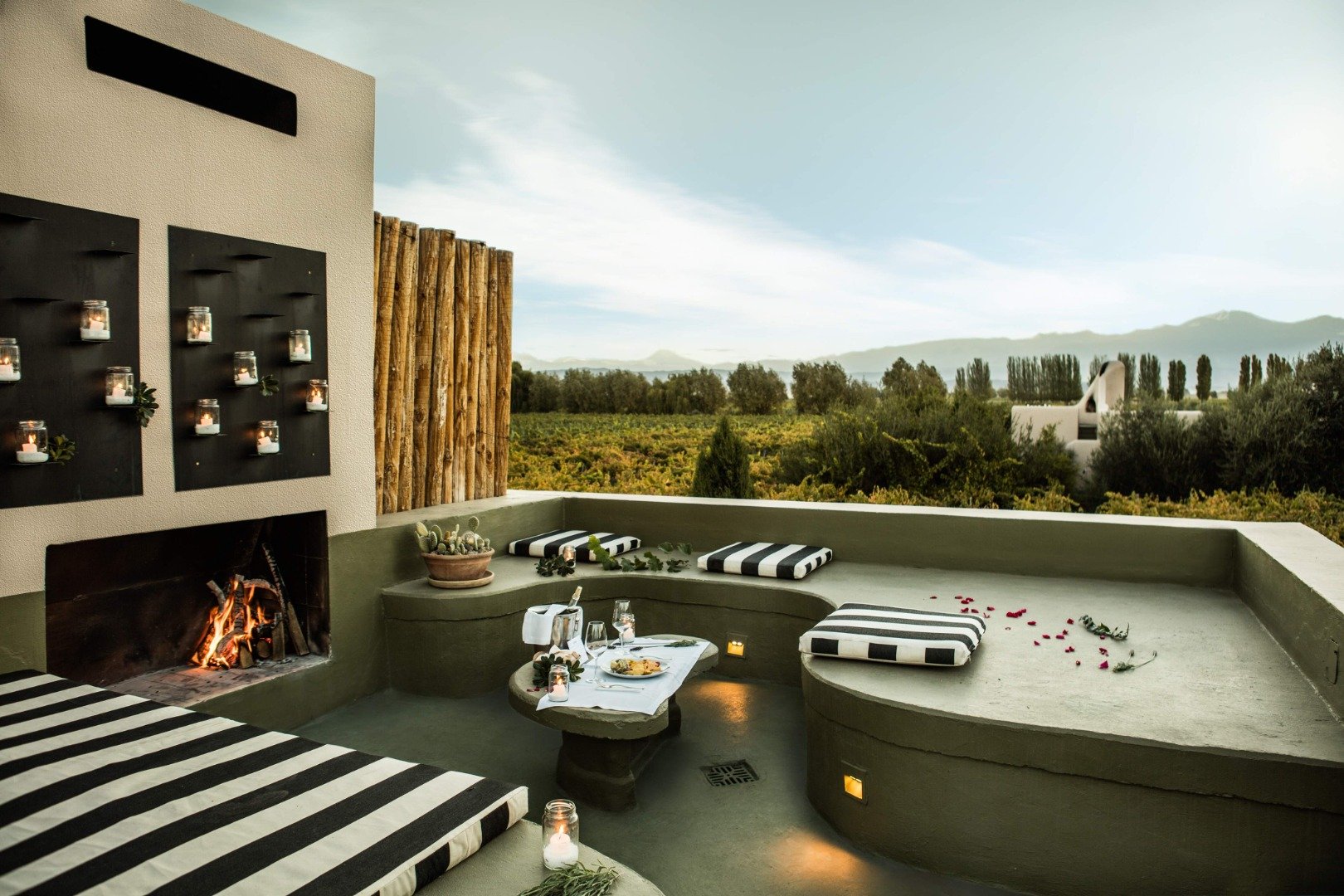
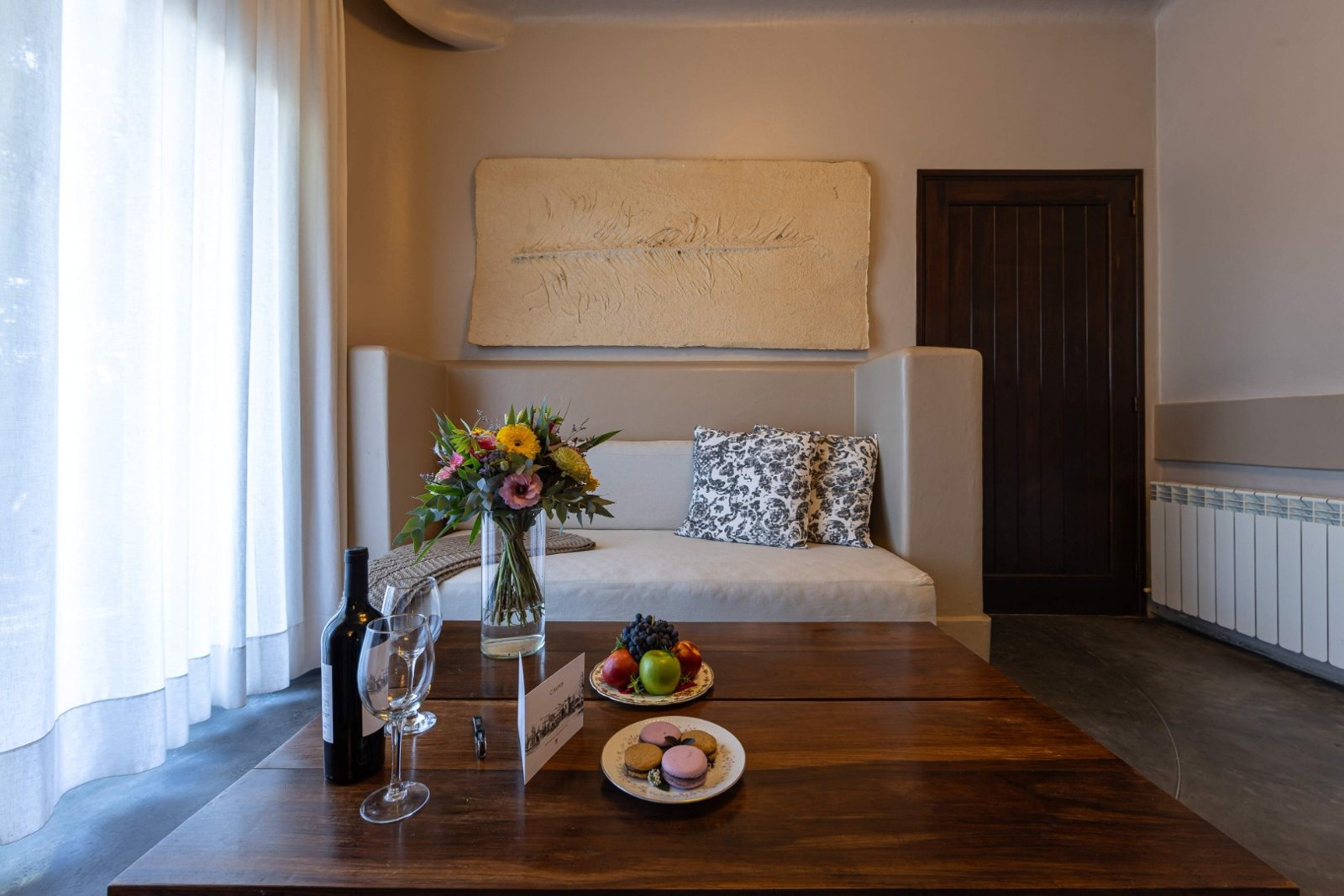
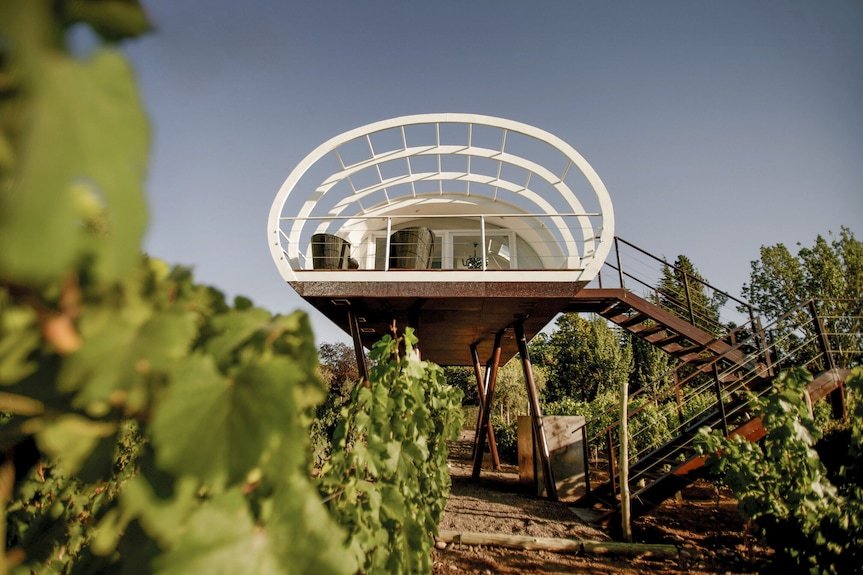
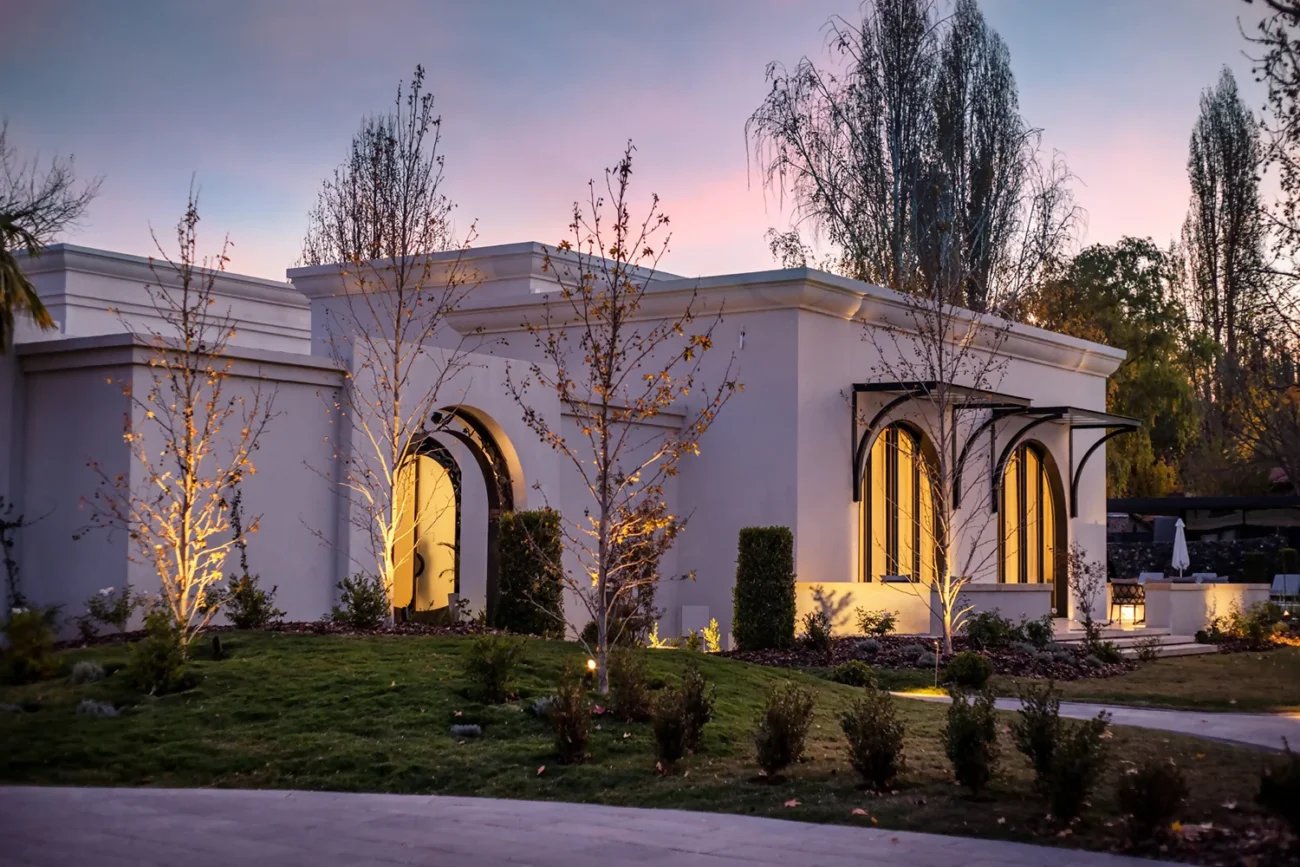
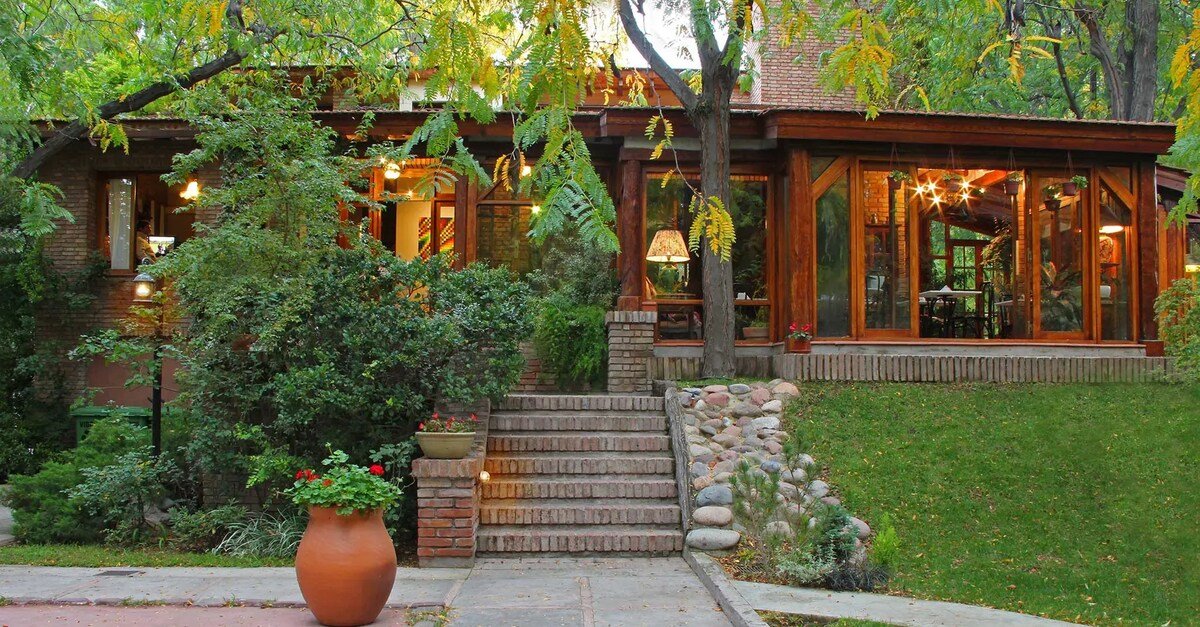
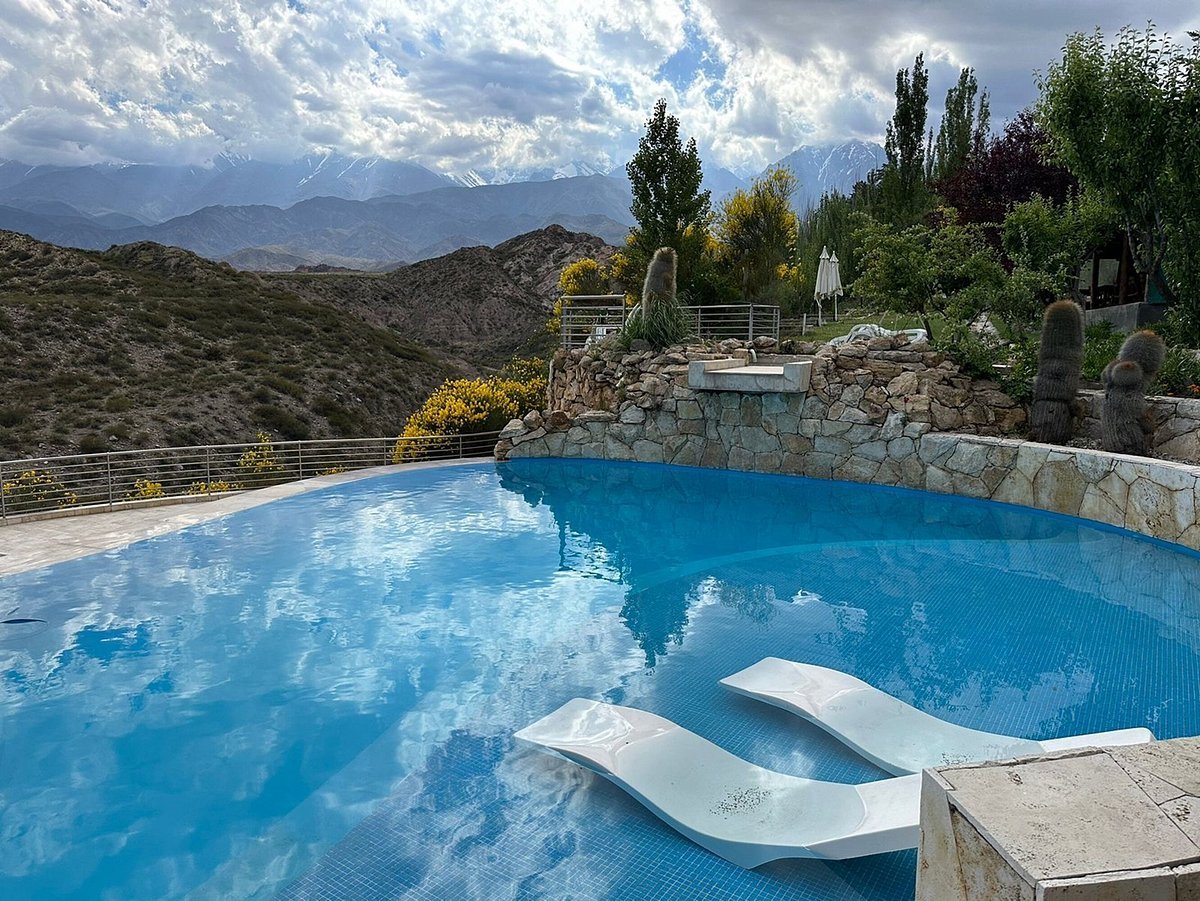
Sophisticated yet warm atmosphere with natural light from vineyard views, featuring local art, native flora, and panoramic Andes vistas from terraces and dining areas.
Tags
Vibe
Best For
Experience
Sourcing
View
At the Vineyard
- Appellation
- Luján de Cuyo
- Varietals
- Malbec, Cabernet Sauvignon, Cabernet Franc, Chardonnay, Semillon
- Tour Duration
- 60-150 minutes
- Tour Languages
- Spanish, English, Portuguese
- Visits
- By reservation
- Farming
- Sustainable
- Wine Styles
- Still Red, Still White, Still Rose
- Food Pairing
- Offered
- Shipping
- Available
- Wine Club
- Not available
Know before you go
Know Before You Go
- Getting there
- Brandsen 505, M5544 BDK, Mendoza, Argentina
Planning details
Location
Also consider
Where to look if this is booked
If availability does not line up, start with Achaval Ferrer for another serious Luján de Cuyo wine visit. For a group that needs a more broadly accessible winery plan, Bodega Norton is the safer backup.
Winery context
How it compares in Luján de Cuyo
Bodega Casarena is the stronger pick for travellers who want a focused wine-producer visit and are willing to plan around difficult availability. Achaval Ferrer is the closer cross-shop for serious wine travellers in Luján de Cuyo, especially if the goal is a compact, high-intent tasting day rather than a broader hospitality stop.
Bodega Norton is the safer alternative for groups that want a more established, broadly recognisable winery experience in the same city. Bodega Vistalba makes sense for visitors prioritising ambiance and a slower wine-country feel. Choose Bodega Casarena when the production conversation matters more than the overall leisure setup.
Terrazas de los Andes and Casa Tapaus Destilados are less direct substitutes because they sit outside the immediate Luján de Cuyo comparison. Use them when the day is built around a wider Mendoza route or a spirits contrast, not when the goal is a tight local winery circuit.
Explore Luján de Cuyo
Around this place
Discover more on Pearl
Unlock the full Bodega Casarena guide in Pearl, including awards, comparisons, FAQs, planning details, and nearby places.
Compare Bodega Casarena
| Venue | Location | Awards |
|---|---|---|
| Bodega Casarena | Luján de Cuyo | No published awards |
| Casa Tapaus Destilados | Mendoza | No published awards |
| Terrazas de los Andes | Mendoza | 2026 Falstaff Winery Guide |
| Bodega Norton | Luján de Cuyo | Michelin Guide Buenos Aires & Mendoza 20262026 Falstaff Winery Guide2025 Michelin Plate |
| Achaval Ferrer | Luján de Cuyo | 2026 Falstaff Winery Guide2025 Decanter Winery Prestige |
| Bodega Vistalba | Luján de Cuyo | 2025 Decanter Winery Prestige |


.png?width=1200&quality=80)

How Bodega Casarena Luján de Cuyo compares with similar nearby venues.
FAQ
Frequently Asked Questions
Can Bodega Casarena handle large groups?
Group capacity is not specified. Bodega Casarena is open daily from 9:30 AM to 5 PM in Luján de Cuyo, but larger parties should confirm availability and arrangements directly with the venue.
What other venues can I compare with Bodega Casarena?
If you are comparing options, Achaval Ferrer, Bodega Norton, Bodega Vistalba, and Terrazas de los Andes are useful names to consider alongside Bodega Casarena. Casa Tapaus Destilados may also be relevant depending on the kind of stop you are planning.
How long should I plan for a visit to Bodega Casarena?
A specific visit length is not indicated. The schedule is 9:30 AM–5 PM every day, so plan within that window and confirm the current format directly before finalizing your timing.
Are membership or purchasing options available at Bodega Casarena?
Membership and purchasing details are not available. The recognition is Pearl 2 Star Prestige (2025), so use that as a quality signal and confirm any options directly with Bodega Casarena.
When is the best time to visit Bodega Casarena?
The best time is not specifically indicated. Bodega Casarena is open daily from 9:30 AM to 5 PM in Luján de Cuyo, so choose a time within that schedule and confirm any visit requirements in advance.