
Winery in Los Angeles, United States
San Antonio Winery
750ptsUrban Vineyard Production
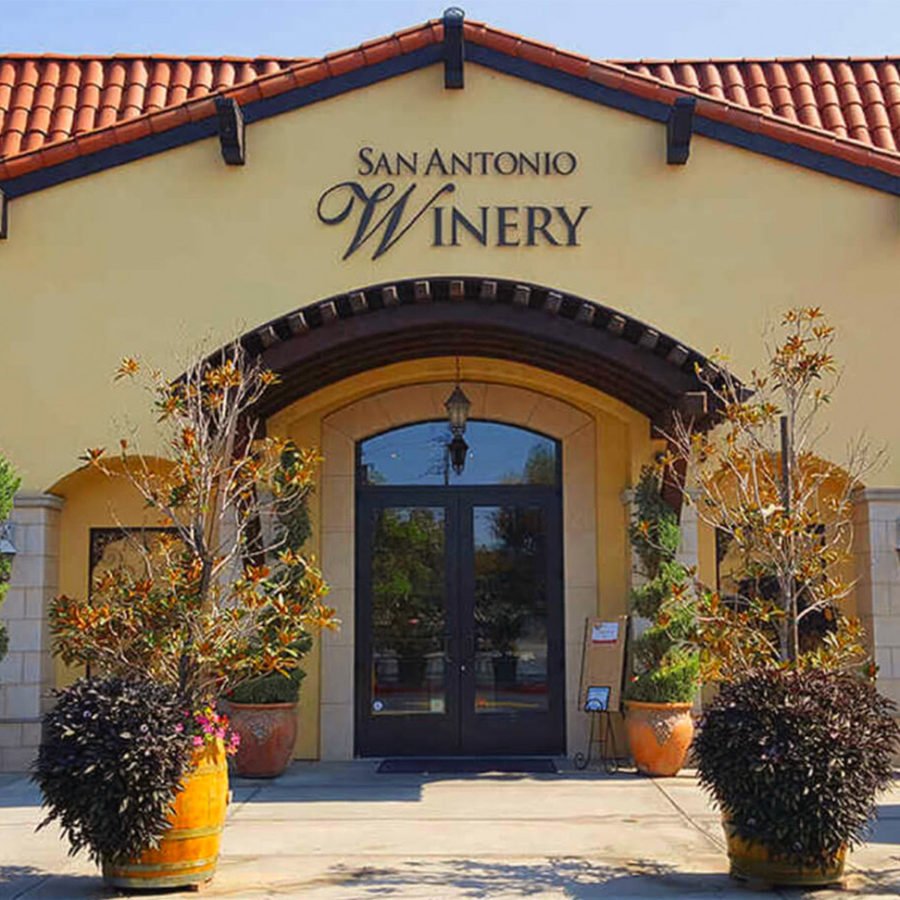
About San Antonio Winery
San Antonio Winery sits on Lamar Street in Los Angeles's Lincoln Heights district, operating as one of the city's most historically rooted winery addresses and the holder of a Pearl 3 Star Prestige rating for 2025. The property functions as a working winery, tasting room, and retail destination in a part of the city better known for light industrial blocks than for viticulture. For wine drinkers based in Los Angeles, it remains a point of reference for California wine in an urban context.
A Winery Inside the City Grid
Most California wine country exists at a comfortable remove from any major urban centre. The drive to Napa, Paso Robles, or Santa Barbara wine country is part of the ritual: freeway gives way to two-lane road, two-lane road gives way to vineyard rows, and the city recedes in the mirror. San Antonio Winery, at 737 Lamar Street in Los Angeles's Lincoln Heights neighbourhood, inverts that structure entirely. The winery sits inside the city grid, surrounded by the light industrial blocks that characterise this stretch of northeast Los Angeles, and that geographical fact shapes everything about how it functions as a wine destination.
Approaching along Lamar Street, the address reads more like a warehouse district than a wine destination. That contrast is the point. Urban wineries in the United States occupy an interesting position in the broader wine scene: they source fruit from established growing regions, then compress the production, tasting, and retail experience into a footprint that would be unremarkable in any California appellation but feels genuinely unusual inside a major city. San Antonio Winery operates within that model, and the 2025 Pearl 3 Star Prestige award it carries signals that the operation has earned recognition within a competitive peer set that spans far beyond Los Angeles city limits.
The California Wine Regions Behind the Glass
California's wine identity is built on geographic diversity. The state produces credible expressions of Cabernet Sauvignon, Pinot Noir, Chardonnay, Rhône varieties, Italian-inflected reds, and sparkling wine across a range of appellations with meaningfully different terroir profiles. An urban winery like San Antonio draws from that breadth, which makes it a useful survey point for drinkers who want to move across California's growing regions without committing to the travel each appellation requires.
The terroir logic of California wine runs through its coastal ranges and river valleys. Fog and marine influence from the Pacific push inland through gaps in the coastal mountains, cooling appellations like Sta. Rita Hills, Santa Maria Valley, and the Sonoma Coast far below what their latitude would otherwise suggest. This cool influence underpins the Pinot Noir and Chardonnay programs that distinguish producers like Au Bon Climat in Santa Barbara and Babcock Winery and Vineyards in Lompoc. Move inland and upslope, and you reach the warmer, drier conditions that define Napa Valley Cabernet and the Rhône-centric programs at places like Alban Vineyards in Arroyo Grande and Adelaida Vineyards in Paso Robles.
San Antonio's position in Los Angeles means the winery serves as a kind of interpretive layer over that geographic complexity, making California appellations accessible to a city audience that encounters them through the glass rather than through the vineyard visit. That role has real value in a market as large and wine-curious as Los Angeles.
Los Angeles as a Wine City
Los Angeles's relationship with wine has deepened significantly over the past decade. The city now supports a serious wholesale market, a growing natural wine retail scene, and a restaurant floor wine culture that competes with any American city. What it has historically lacked is a strong local winery presence within city limits, the kind of address where a Angeleno can walk into a working production facility, taste current releases, and buy directly without planning a weekend trip.
San Antonio occupies that gap. For context on how other California producers approach the premium end of the market, operations like Accendo Cellars in St. Helena, Aubert Wines in Calistoga, and Alpha Omega Winery in Rutherford function from within established Napa appellations with allocation-heavy models aimed at a national collector audience. The urban winery model San Antonio represents is structurally different: it prioritises physical access over scarcity, and walk-in commerce over allocation lists. The Pearl 3 Star Prestige recognition for 2025 suggests the quality level has risen to meet a more demanding standard regardless of the production format.
For visitors making a broader Los Angeles itinerary, the Lamar Street address is accessible from the 110 freeway and sits a short distance from Chinatown and the Arts District, two neighbourhoods with their own food and drink density. Combining the winery visit with the surrounding area makes logistical sense. Our full Los Angeles restaurants guide maps the broader dining context across the city's key neighbourhoods.
Peer Context: California Wineries Worth Knowing
Situating San Antonio within California's broader winery scene requires some geographic spread. In the Central Coast, Andrew Murray Vineyards in Los Olivos has built a focused Rhône program in the Santa Ynez Valley, while Artesa Vineyards and Winery in Napa operates at the intersection of Carneros Pinot and Chardonnay with Spanish architectural influence. Further north, Alexander Valley Vineyards in Geyserville and Adelsheim Vineyard in Newberg represent the Sonoma and Oregon Pinot corridors respectively, each expressing the maritime cooling that defines their appellations. Further afield, B.R. Cohn Winery in Glen Ellen represents Sonoma Valley's older-guard estate model.
None of these properties operate from inside a major city. That distinction alone makes San Antonio a different kind of reference point in any California wine conversation, less about appellation purity and more about access, context, and the practical business of bringing wine culture into an urban environment at scale.
For those interested in wine production from outside California, Aberlour in Aberlour and Achaia Clauss in Patras represent the European production tradition that many of California's founding winemakers studied before adapting their methods to New World conditions.
Planning a Visit
The winery sits at 737 Lamar Street, Los Angeles, CA 90031, in the Lincoln Heights district. The neighbourhood is not a traditional tourist zone, so the visit functions leading as a deliberate destination rather than a casual walk-by. Street parking is generally available in the surrounding blocks. The Pearl 3 Star Prestige recognition for 2025 is the primary trust signal on record; specific hours, tasting fees, and booking requirements are leading confirmed directly with the winery before visiting, as those details are subject to change and are not reproduced here.
Visitors planning a broader California wine itinerary will find that the Los Angeles visit pairs logically with a Central Coast loop through Santa Barbara and Paso Robles, both within two to three hours by car, where producers like Adelaida and Alban Vineyards operate in the kind of rural vineyard setting that the Lamar Street address deliberately departs from.
Frequently Asked Questions
What's the general vibe of San Antonio Winery?
San Antonio Winery operates in Lincoln Heights, a light industrial district of northeast Los Angeles, which gives it a notably different atmosphere from the pastoral tasting room format associated with Napa or Sonoma. The setting is urban and utilitarian rather than countryside-pastoral, which is precisely its distinguishing quality among Los Angeles wine addresses. The 2025 Pearl 3 Star Prestige award places it within a recognised quality tier, suggesting the production and hospitality program has matured beyond the novelty of the city location. Price and booking details are not published in this record and should be confirmed directly.
What wine is San Antonio Winery famous for?
The winery's specific varietal focus and appellation sourcing are not detailed in the current record, and this profile does not speculate on those details. What the record does confirm is the 2025 Pearl 3 Star Prestige recognition, which positions the operation within a credentialed peer set in the California wine market. As an urban winery drawing on California's diverse growing regions, the range likely spans the appellation breadth that characterises large-production California portfolios, from Central Coast whites to warmer-climate reds. Producers with documented regional focus include Au Bon Climat for Santa Barbara Pinot and Chardonnay and Andrew Murray Vineyards for Santa Ynez Valley Rhône varieties, both of which offer useful reference points for California's coastal terroir expressions.
Related editorial
- Best Fine Dining Restaurants in ParisFrom three-Michelin-star icons to the next generation of Parisian chefs pushing boundaries, these are the restaurants that define fine dining in the world's culinary capital.
- Best Luxury Hotels in RomeFrom rooftop terraces overlooking ancient ruins to Michelin-starred hotel dining, these are the luxury hotels that make Rome unforgettable.
- Best Cocktail Bars in KyotoFrom sleek lounges to hidden speakeasies, Kyoto's cocktail scene blends Japanese precision with global influence in ways you won't find anywhere else.
Save or rate San Antonio Winery on Pearl
Keep this venue in your Pearl passport, rate it after you visit, and track it alongside every other place you collect.