
Tyler Winery
Lompoc
Winery in Lompoc, United States
 Book with Pearl
The Read
Restraint-Led Cool-Climate Sourcing
Price
$50–100tasting
Why go
Prioritize Tyler Winery if the Lompoc plan is built around serious wine rather than a casual tasting-room crawl. It suits first-timers who want a focused producer stop, especially small groups planning ahead, while food-led or large-group visitors should compare easier, broader-format options nearby.
About Tyler Winery
For a trip through Lompoc, Tyler Winery should be considered as a winery stop with limited public details. The confirmed profile is simple: Tyler Winery is in Lompoc, Justin Willett is listed as chef/owner, the dress code is smart casual, and the venue holds Pearl 3 Star Prestige recognition for 2025.
Because specific hospitality details are not here, plan around what is confirmed rather than assuming a particular tasting format, menu, price point, schedule, or group setup. If the day needs variety, compare Tyler Winery with other regional wine and spirits options such as Babcock Winery & Vineyards, Foley Estates Vineyard & Winery, Rock 12 Distillery, Sanford Winery, or Spear Vineyards & Winery, and check each venue directly before finalizing plans.
Plan this as a wine-focused Lompoc stop
For a first visit, treat Tyler Winery as a focused Lompoc winery rather than a catch-all hospitality stop.
The strongest use case is a visitor who wants a deliberate winery stop and is comfortable confirming practical details in advance. If your plans depend on food, a large group setup, or a specific tasting structure, verify those details directly with the venue before committing.
Who should cross-shop before committing
Cross-shop if the trip is more about convenience, food, or a broad day-out format than a dedicated winery visit. Tyler Winery is best evaluated on its confirmed Lompoc winery identity and Pearl 3 Star Prestige recognition. For alternatives, consider other named regional options such as Babcock Winery & Vineyards, Foley Estates Vineyard & Winery, Rock 12 Distillery, Sanford Winery, and Spear Vineyards & Winery, or look at other Lompoc dining and drinking options generically depending on the rest of your itinerary.
Planning details
- Location
- 4805 CA-246, Lompoc, CA 93436
- Website
- tylerwinery.com
- Phone
- +1 805-225-3395
The take
The Take
The Vibe
Tyler Winery presents a restrained, classic tasting-room persona rooted in a Burgundian sensibility. Operating out of Lompoc since 2005 under winemaker Justin Willett, the cellar favors lower-intervention farming, cooler-site sourcing and a light touch in the cellar. That approach produces focused Pinot Noir and Chardonnay with an emphasis on site expression rather than overt ripeness. The writing frames Tyler as a precision-focused, quietly confident producer that sits among Lompoc peers rather than trying to overshadow them — a place where subtleties in vineyard sourcing and vintage data come to the fore for attentive tasters.
Best For
Tyler is best for visitors who arrive with attention and curiosity: collectors tracking allocations, enthusiasts focused on Pinot Noir and Chardonnay, and anyone seeking an education-forward tasting. The winery rewards solitary study and focused visits, as well as special-occasion purchases for those who value restraint and provenance. Because Tyler is positioned among Santa Barbara County’s precision-focused producers, it suits guests who prefer measured, terroir-driven wines and conversations about vineyard sourcing, vintage variation and the winemaker’s minimal-intervention philosophy.
Tasting Tips
When tasting or buying at Tyler, prioritize the Pinot Noir and Chardonnay examples — the text explicitly highlights those varieties as the winery’s Burgundian focus. Ask about vineyard sources and recent vintage performance; Tyler’s reputation is built on careful sourcing and two decades of vintage data under Justin Willett. Be on the lookout for limited allocations and prestige recognition (the 2025 Pearl 3 Star Prestige award is mentioned) and inquire whether particular bottlings are allocation-only or part of small releases to plan purchases accordingly.
Venue details
Ambiance
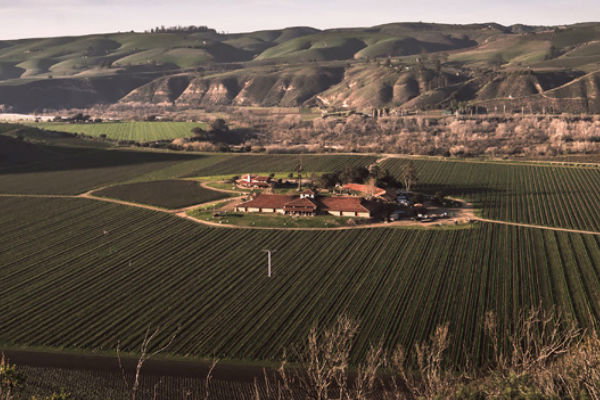
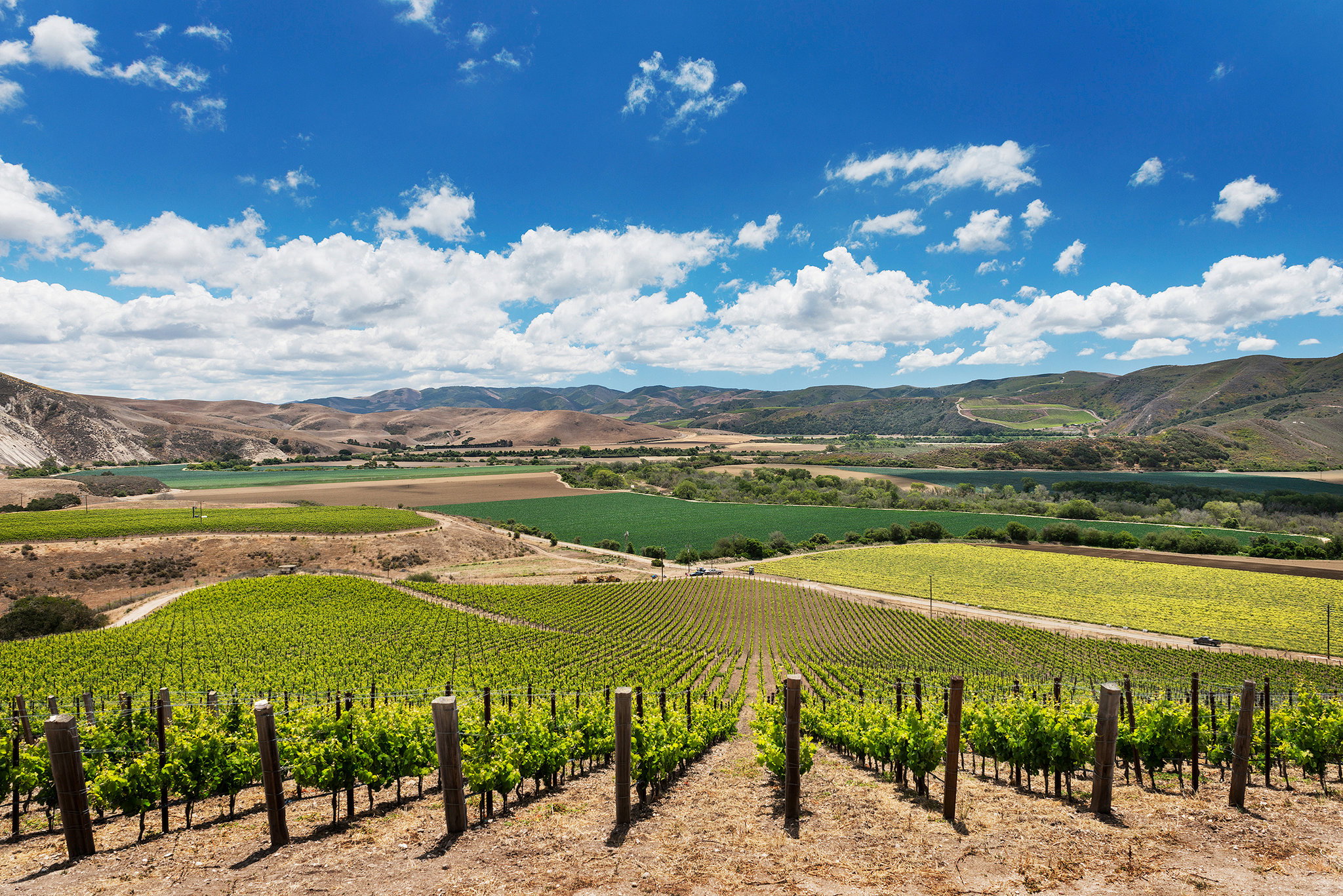
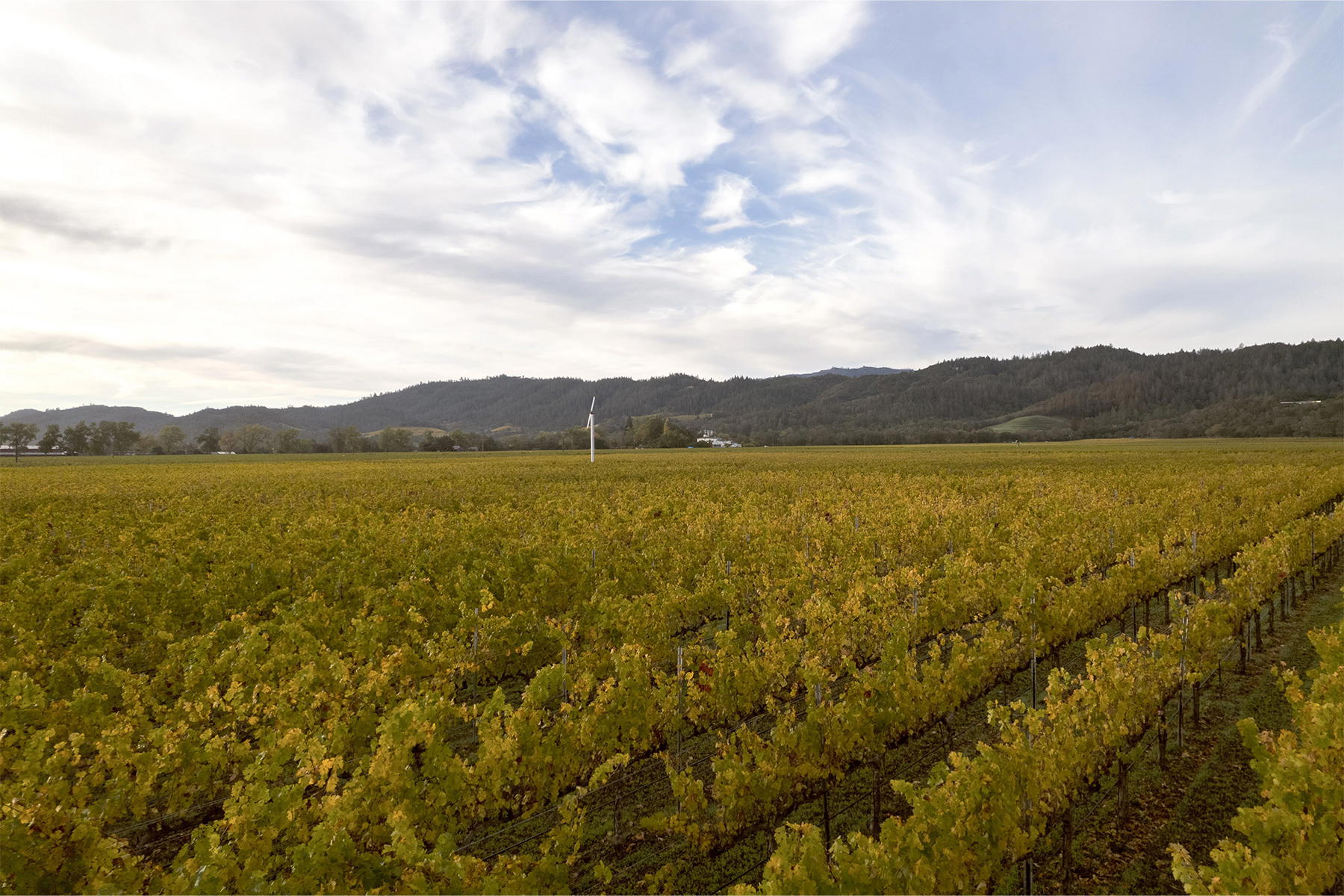
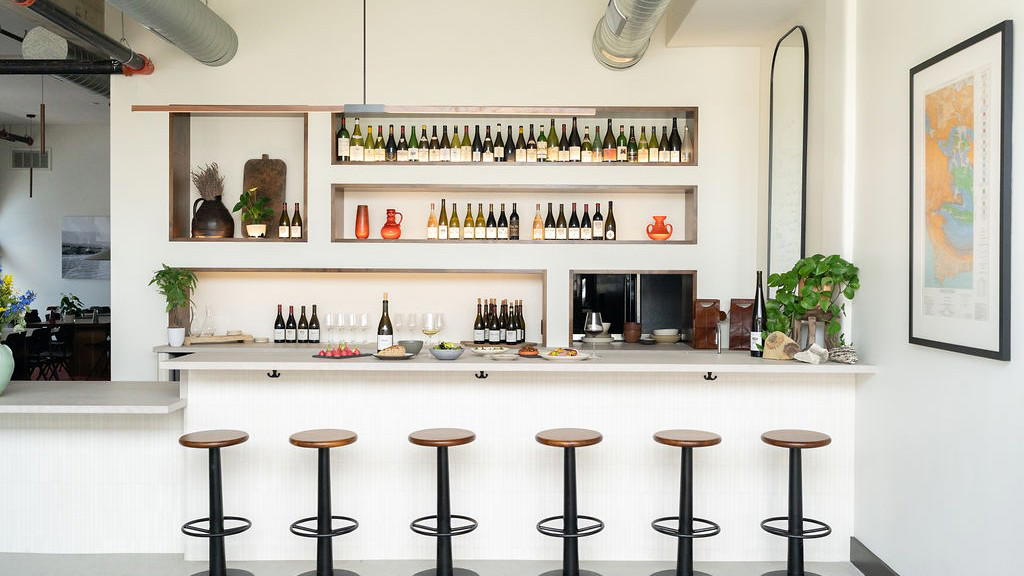
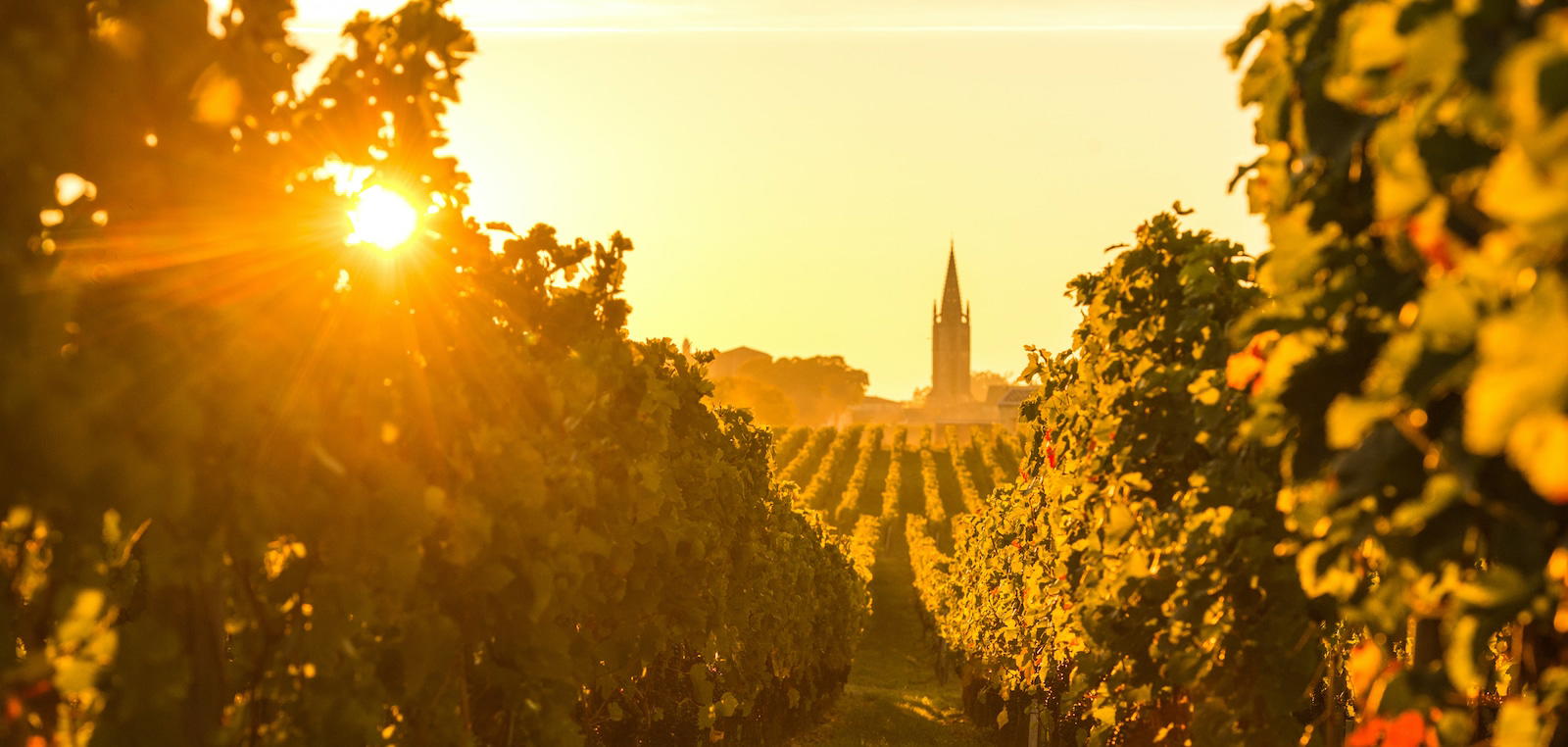
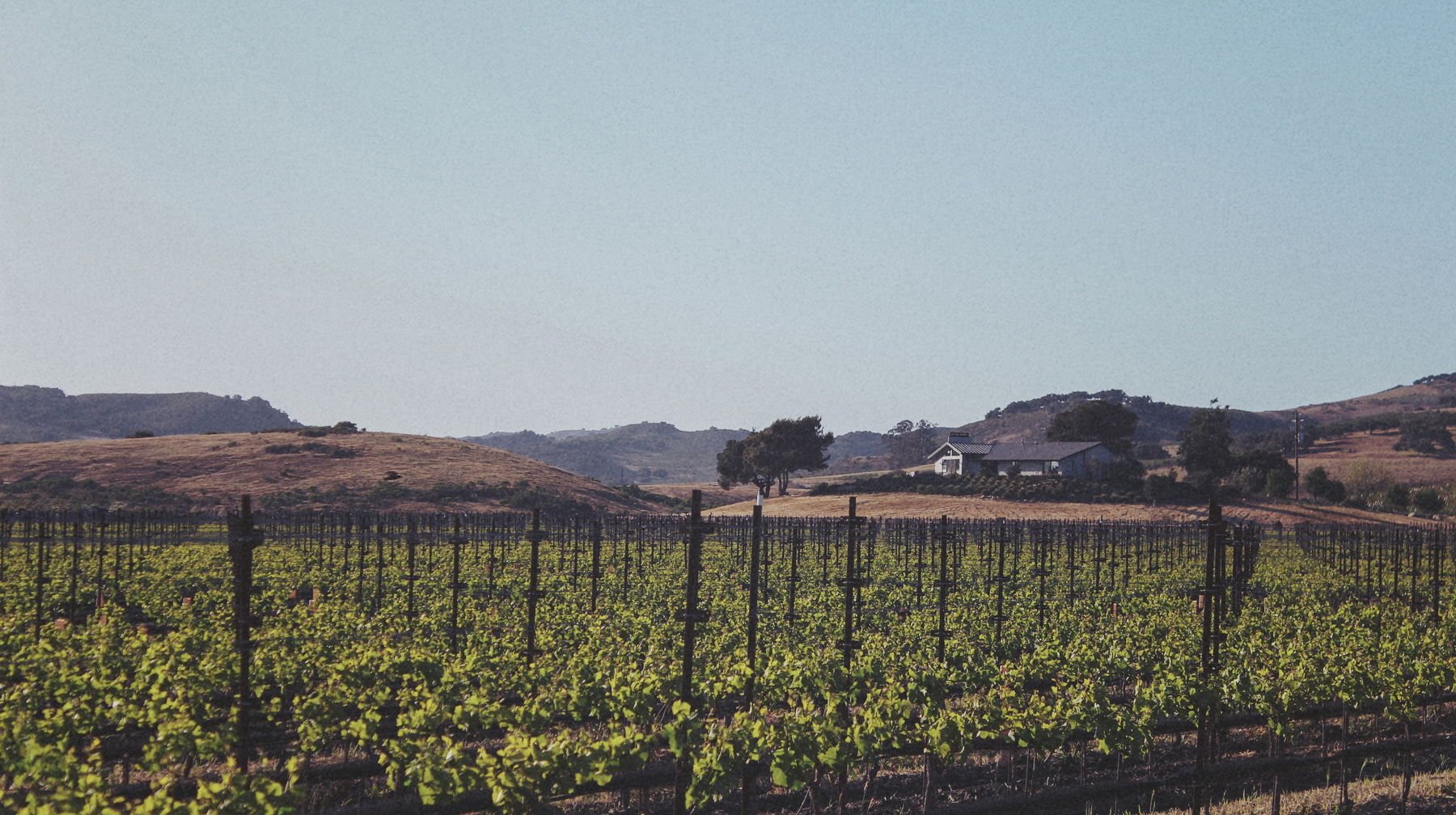
Beautiful setting with excellent vineyard views, relaxed and welcoming atmosphere led by knowledgeable and friendly hosts.
Tags
Vibe
Best For
Experience
Sourcing
View
At the Vineyard
- Appellation
- Santa Barbara County
- Varietals
- Chardonnay, Pinot Noir
- Tour Duration
- 60-90 minutes
- Visits
- By appointment only
- Farming
- Sustainable
- Production
- Small producer
- Wine Styles
- Still White, Still Red
- Wine Club
- Available
Know before you go
Know Before You Go
- Getting there
- 4805 CA-246, Lompoc, CA 93436
Planning details
Location
Recognition and awards
Also consider
Also Consider
- Babcock Winery & Vineyards, Notable alternative
- Foley Estates Vineyard & Winery, Notable alternative
- Spear Vineyards & Winery, Notable alternative
- Rock 12 Distillery, Notable alternative
- Sanford Winery, Notable alternative
Winery context
How Tyler Winery compares in Lompoc
Choose Tyler Winery when the priority is a focused wine appointment with a serious producer profile. Compared with Babcock Winery & Vineyards, it reads as the more intent-driven choice; Babcock is the easier cross-shop for visitors who want a looser, more casual tasting-room day in Lompoc.
Sanford Winery is the safer pick for travelers who want a more established visitor circuit, while Tyler is better for a smaller group that wants the wine stop to be the main event. Foley Estates Vineyard & Winery and Spear Vineyards & Winery make more sense if the day is being built around broader estate-style ambiance outside the immediate Lompoc core.
If not everyone in the group wants wine, Rock 12 Distillery is the practical alternate because it changes the category entirely. For value, the right call depends on the group: wine-focused visitors should prioritize Tyler, mixed groups should pick Rock 12 or Babcock to reduce friction.
Explore Lompoc
Around this place
Discover more on Pearl
Unlock the full Tyler Winery guide in Pearl, including awards, comparisons, FAQs, planning details, and nearby places.
Compare Tyler Winery
| Venue | Location | Awards |
|---|---|---|
| Tyler Winery | Lompoc | 2025 Pearl 3 Star Prestige |
| Babcock Winery & Vineyards | Lompoc | No published awards |
| Foley Estates Vineyard & Winery | Santa Ynez | No published awards |
| Spear Vineyards & Winery | Santa Ynez | No published awards |
| Rock 12 Distillery | Lompoc | No published awards |
| Sanford Winery | Lompoc | 2025 Pearl 3 Star Prestige |
How Tyler Winery Lompoc compares with similar nearby venues.
FAQ
Frequently Asked Questions
When is the best time to visit Tyler Winery?
Do I need a reservation at Tyler Winery?
Reservation requirements are not here. Check Tyler Winery directly before you go, especially if your schedule is tight or you are planning with a group.
What should I verify before visiting Tyler Winery?
Verify current visit details directly with Tyler Winery. Specific information about format, pricing, hours, capacity, and other practical policies is not confirmed here.
Can Tyler Winery handle large groups?
Large-group capacity is not here. Contact Tyler Winery directly before planning a group visit.
What is confirmed about Tyler Winery?
The confirmed details are that Tyler Winery is in Lompoc, Justin Willett is listed as chef/owner, the dress code is smart casual, and the venue holds Pearl 3 Star Prestige recognition for 2025.