Flying Goat Cellars
Lompoc Wine Ghetto, Lompoc
Winery in Lompoc, United States
 Book with Pearl
The Read
Wine Ghetto Pinot Precision
Price
$20–30tasting
Why go
Book Flying Goat Cellars if the goal is a focused Lompoc wine stop with a serious tasting mindset. It is a stronger fit for couples or small groups than for large casual parties, and it works better as one stop in a wider Santa Barbara County wine itinerary than as an all-day destination.
About Flying Goat Cellars
Should you consider Flying Goat Cellars in Lompoc? It has casual dress and Pearl 2 Star Prestige recognition for 2025. Other details such as a specific format, schedule, price, menu, capacity, or service offering are not available. Research it directly before planning around it.
The decision should hinge on your own itinerary needs and the venue's current information. It may be worth prioritizing if you are specifically considering Pearl-recognized venues in Lompoc, but check practical details before committing a group or a fixed time slot.
Planning for Flying Goat Cellars
Flying Goat Cellars is in Lompoc, has a casual dress code, and carries Pearl 2 Star Prestige recognition for 2025. Specific details about experience type, price point, hours, group capacity, seating setup, or food offering are not available.
Plan conservatively. Check current details with the venue, especially if timing, group size, accessibility, or a particular service format matters to your visit. The recognition makes it a notable Lompoc listing, but plan the rest of the visit using up-to-date information from the venue rather than assumptions.
Where it fits in a Lompoc itinerary
Use Flying Goat Cellars as one Lompoc option to compare while planning. If you are weighing overall fit, also research Fiddlehead Cellars, Sandhi Wines, Domaine de la Cote, Zotovich Vineyards, and Chanin Wine Co. directly rather than assuming they offer the same experience or are all in the same city.
For a broader Lompoc plan, pair venue research with general Lompoc dining, lodging, bars, and local experiences. Base the comparison on details such as location, current availability, dress expectations, and any directly published visitor information.
For readers comparing beyond Lompoc, use other venue pages as separate planning references rather than substitutes for a Lompoc visit. Flying Goat Cellars should be judged on its Lompoc listing and current venue information.
Planning details
- Location
- 1520 E Chestnut Ct unit a, Lompoc, CA 93436
- Website
- flyinggoatcellars.com
- Phone
- +1 805-736-9032
The take
The Take
The Vibe
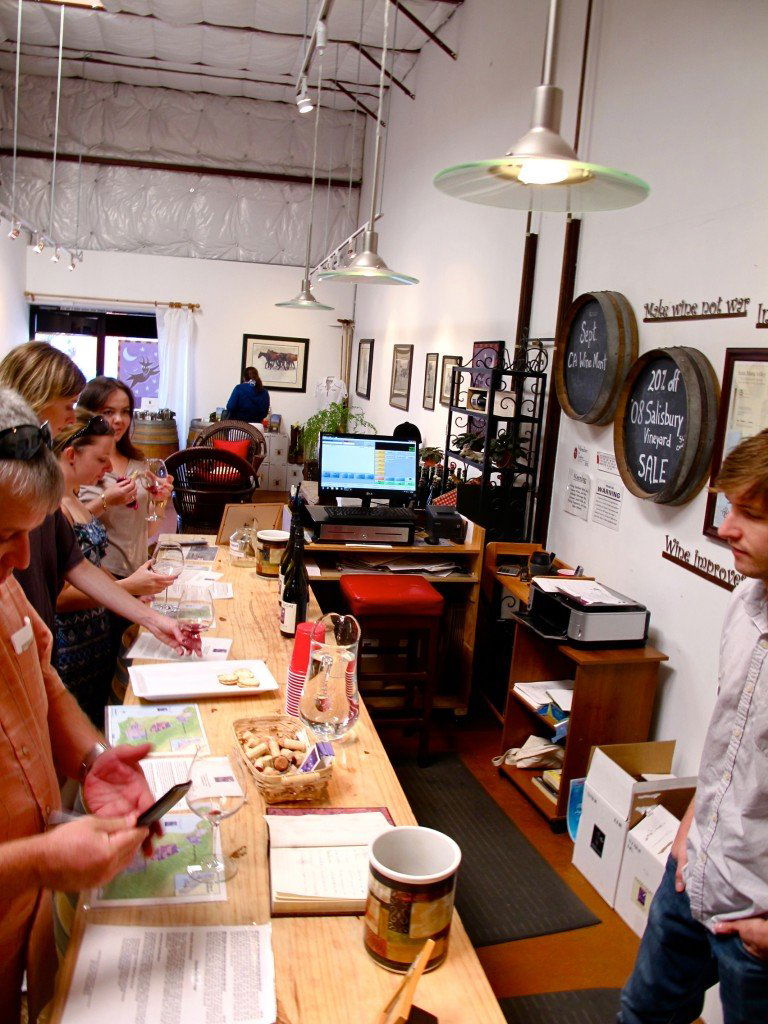
Flying Goat Cellars operates squarely within Lompoc’s working, warehouse-driven Wine Ghetto: an industrial, function-first environment where production and tasting sit side by side. The copy frames the space as intentionally utilitarian — the winery’s infrastructure is visible and unvarnished, and the argument is straightforward: the wine is the point. That industrial clarity is tempered by serious craft; Flying Goat is described as part of a demanding peer group of cool‑climate Burgundian producers and holds an upper‑tier Pearl 2 Star Prestige rating, which gives the place a quietly sophisticated air amid its rugged surroundings.
Best For
This tasting room suits visitors who come for focused wine study rather than scenic leisure. The write‑up positions Flying Goat as a destination for solo explorers and anyone pursuing wine education: small‑production, cool‑climate Pinot Noir and Chardonnay from Santa Rita Hills and Santa Barbara County are the emphasis. The setting rewards comparative tasting — it sits among technically minded neighbors — so it’s ideal for serious wine drinkers, students of Burgundian varieties, and travelers who prioritize production provenance over landscaped estate experiences.
Tasting Tips
When you visit, center your tasting on the cool‑climate Burgundian varieties the text highlights: ask to taste their Pinot Noir and Chardonnay from Santa Rita Hills and other Santa Barbara County sites. Given the emphasis on barrel‑room logic and production transparency, request information about vineyard sources and barrel regimes to understand style differences. Approach the tasting as a comparative exercise — the Wine Ghetto context frames Flying Goat alongside similarly focused producers, so tasting multiple bottlings side‑by‑side clarifies where their wines sit within Lompoc’s peer group.
Venue details
Ambiance
Eccentric and welcoming tasting room with art exhibits, focused on wine merriment and education in an urban winery setting.
Tags
Vibe
Best For
Experience
Sourcing
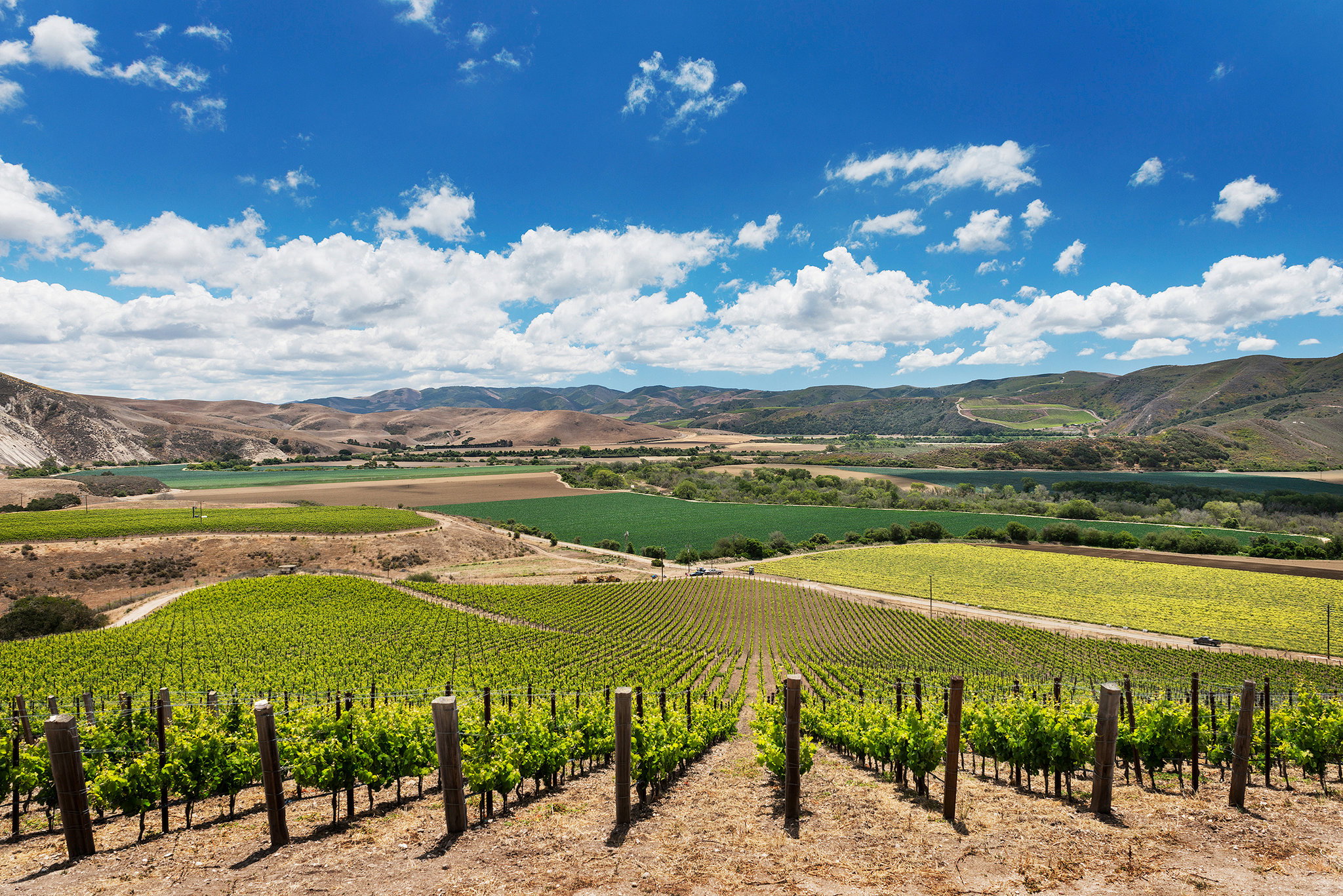
At the Vineyard
- Appellation
- Santa Maria Valley AVA
- Varietals
- Pinot Noir, Chardonnay, Pinot Gris, Pinot Blanc
- Tour Duration
- 60 minutes
- Visits
- Walk-ins welcome
- Farming
- Sustainable
- Wine Styles
- Still Red, Sparkling
- Shipping
- Available
- Wine Club
- Available
Know before you go
Know Before You Go
- Getting there
- 1520 E Chestnut Ct unit a, Lompoc, CA 93436
Planning details
Location
Also consider
Also Consider
- Fiddlehead Cellars, Notable alternative
- Sandhi Wines, Notable alternative
- Domaine de la Cote, Notable alternative
- Zotovich Vineyards, Notable alternative
- Chanin Wine Co., Notable alternative
Winery context
How it compares in Lompoc
Flying Goat Cellars is the pick for a tighter, wine-first stop when the group values focus over scenery or extra amenities. Fiddlehead Cellars and Chanin Wine Co. are the closest cross-shops for visitors who want to compare producer-led tasting rooms within Lompoc rather than drive between larger estate settings.
Sandhi Wines and Domaine de la Cote are better choices when the priority is a higher-profile wine itinerary and the group is willing to plan around harder access. Choose Flying Goat Cellars when the day needs to stay compact and practical; choose those peers when the tasting itself is the main event.
Zotovich Vineyards is the more natural comparison for visitors who want a vineyard-linked feel around Lompoc. For value, the right call depends on tasting fees and format on the day, so compare appointment options before locking the schedule. For ambiance, Flying Goat Cellars reads more focused and compact, while Zotovich is the better candidate if the group wants a setting-driven stop.
Explore Lompoc
Around this place
Discover more on Pearl
Unlock the full Flying Goat Cellars guide in Pearl, including awards, comparisons, FAQs, planning details, and nearby places.
Compare Flying Goat Cellars
| Venue | Location | Awards |
|---|---|---|
| Flying Goat Cellars | Lompoc | No published awards |
| Fiddlehead Cellars | Lompoc | No published awards |
| Sandhi Wines | Lompoc | 2026 Falstaff Winery Guide |
| Domaine de la Cote | Lompoc | 2026 Falstaff Winery Guide |
| Zotovich Vineyards | Lompoc | 2026 Falstaff Winery Guide |
| Chanin Wine Co. | Lompoc | No published awards |

How Flying Goat Cellars Lompoc compares with similar nearby venues.
FAQ
Frequently Asked Questions
Can Flying Goat Cellars handle large groups?
Information on group capacity is not available. Flying Goat Cellars is in Lompoc with casual dress and Pearl 2 Star Prestige recognition for 2025, but visitors should check group policies directly with the venue before planning.
When is the best time to visit Flying Goat Cellars?
Specific hours and best visiting times are not available. Check current information directly with Flying Goat Cellars before setting an itinerary, especially if you are comparing it with Fiddlehead Cellars or Sandhi Wines.
What is Flying Goat Cellars known for?
Flying Goat Cellars is a Lompoc venue with casual dress and Pearl 2 Star Prestige recognition for 2025. Other specific claims about its format or offerings should be checked directly.
Where is Flying Goat Cellars located?
Flying Goat Cellars is located in Lompoc.