Babcock Winery & Vineyards
Sta. Rita Hills, Lompoc
Winery in Lompoc, United States
 Book with Pearl
The Read
Marine-Climate Estate Pinot
Price
$30–50tasting
Why go
Babcock Winery & Vineyards is worth prioritizing for a serious Lompoc wine day, especially if the plan is built around tasting depth rather than a confirmed food-pairing meal. Treat it as a wine-first stop and use nearby dining options to round out the itinerary.
About Babcock Winery & Vineyards
Babcock Winery & Vineyards is a Lompoc venue with Pearl 3 Star Prestige recognition for 2025. Place it on a Lompoc itinerary for that recognition rather than assuming a specific tasting format, food program, service style, or menu.
The practical verdict: consider it if you are planning around Babcock Winery & Vineyards as a recognized Lompoc stop and want expectations kept precise. It has a casual dress code and Pearl 3 Star Prestige recognition for 2025. Check directly for specific dishes, pairings, prices, hours, group capacity, reservation rules, or a detailed visit format.
Book for the recognition, not a guaranteed pairing spread
The strongest hook is the Pearl 3 Star Prestige recognition in 2025. Do not assume a particular sequence, food pairing, kitchen setup, or named item. Treat Babcock Winery & Vineyards as a Lompoc venue to consider on the strength of its recognition, while checking directly for current practical details before making plans.
Dress expectations are simple: casual. For pacing, party size, reservations, and any food-related expectations, rely on current information from the venue rather than assumptions.
Where it fits in a Lompoc plan
Within a Lompoc plan, Babcock Winery & Vineyards can be treated as a recognized stop rather than a fully documented dining destination. If you are comparing options, Foley Estates Vineyard & Winery, Rock 12 Distillery, Sanford Winery, Spear Vineyards & Winery, and Tyler Winery are natural names to consider alongside it, while other Lompoc dining can be researched separately.
The main tradeoff is practical detail. Check exact hours, prices, formats, group policies, food pairings, and takeout or delivery details before you go. The clearest recommendation is to plan around what is established: Babcock Winery & Vineyards is in Lompoc, has a casual dress code, and carries Pearl 3 Star Prestige recognition for 2025.
Planning details
- Location
- 5175 CA-246, Lompoc, CA 93436
- Website
- babcockwinery.com
- Phone
- +1 805-736-1455
The take
The Take
The Vibe
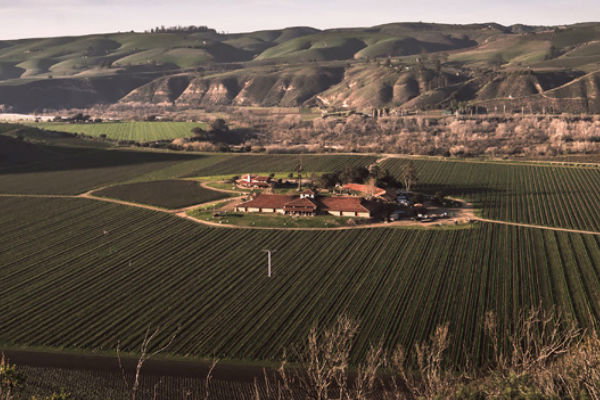
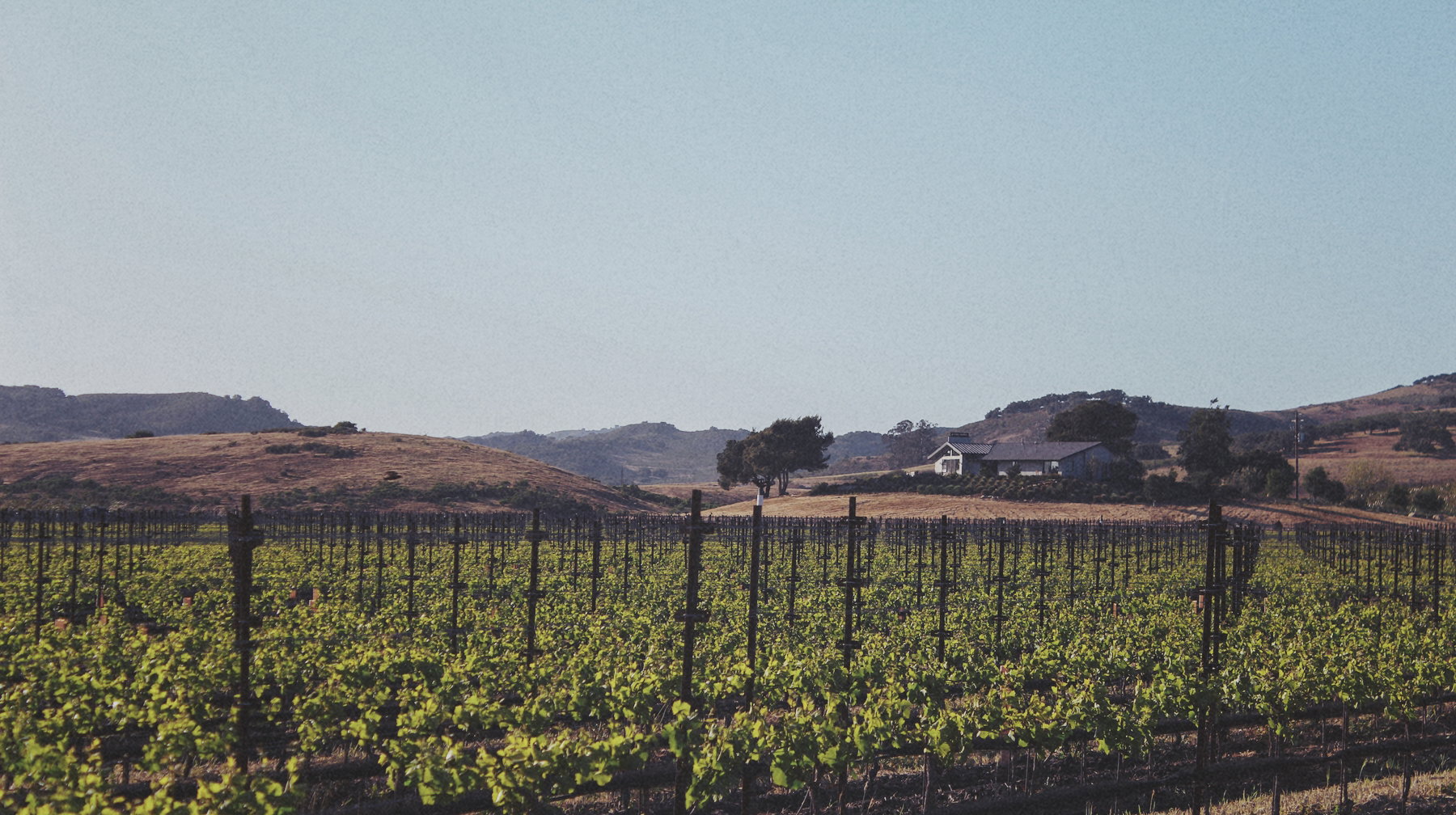
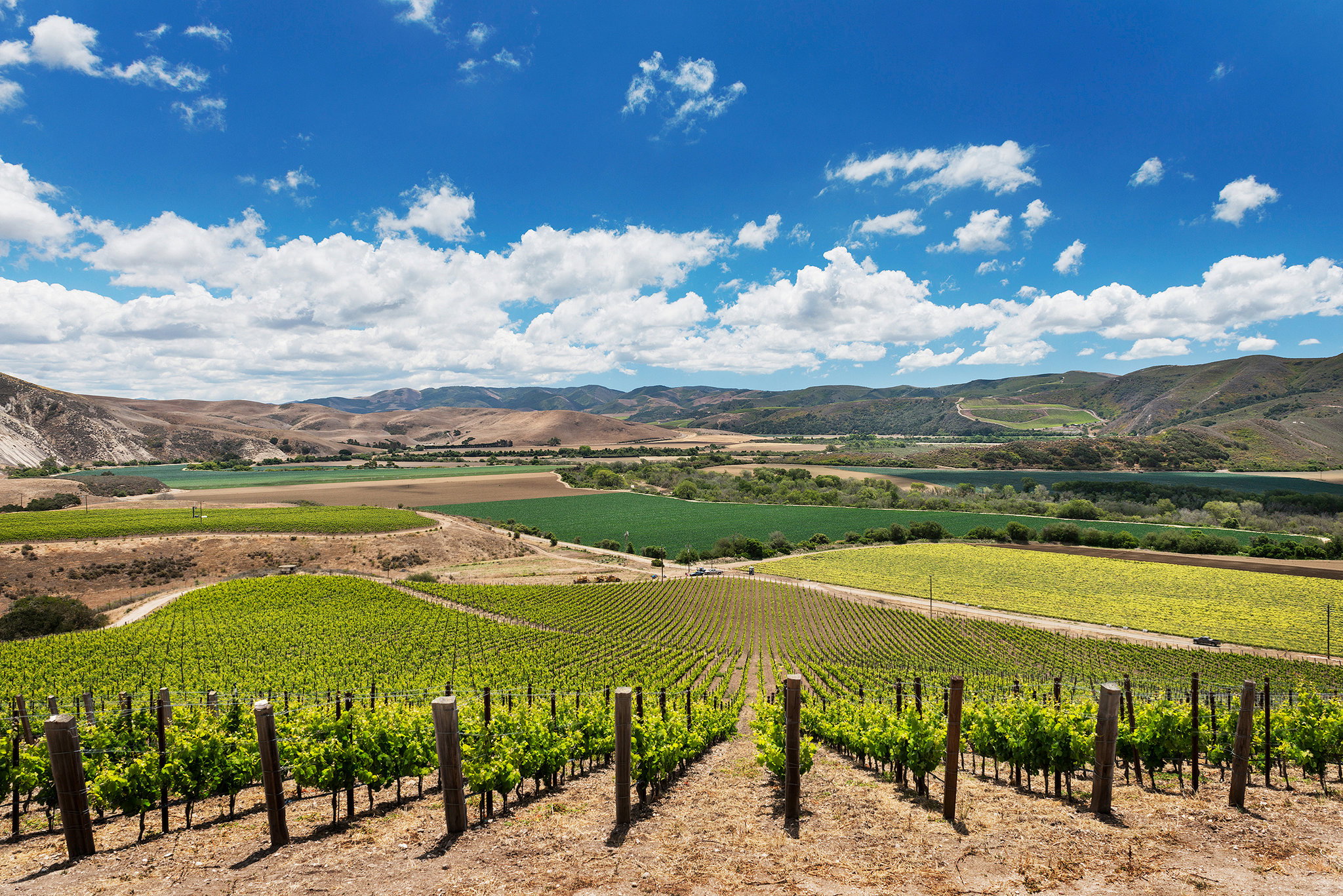
Babcock Winery & Vineyards is presented as a site-driven producer where the landscape is the primary character. The copy foregrounds the Santa Rita Hills’ east–west corridor, the cold marine influence and diatomaceous soils, so visits feel fundamentally tied to place. Expect a windswept, open-air kind of beauty rather than slick tourist gloss; the writing emphasizes bracing coastal air and vineyard detail, making the overall mood scenic and earth-forward. This is a tasting experience oriented around geology, microclimate and the agricultural reality that shapes the wines rather than a highly stylized hospitality production.
Best For
This property is best for visitors who want to understand how site shapes wine. The narrative repeatedly returns to terroir, soils and the unusual east–west orientation of the hills, so it suits people interested in viticulture, regional context and thoughtful tasting sessions. It also fits travelers exploring the Lompoc corridor and the Wine Ghetto’s small-production ethos; those looking for winery-centric learning, vineyard walks or conversations about how climate and soil concentrate flavors will get the most from a visit.
Tasting Tips
When you book a tasting or arrive, center the conversation on site and soil: ask staff about the Santa Rita Hills’ marine channel, diatomaceous soils and how those factors influence ripening and acidity. Rather than chasing stylistic descriptors, request vineyard-specific pours or an estate-focused flight if available, and use questions about blocks, canopy and wind exposure to frame the tasting. Because the copy stresses place over production theatre, plan for a visit oriented around explanation and exploration rather than glossy on-site amenities.
Venue details
Ambiance
Fun and lively with vintage rock-and-roll aesthetic, warm lighting from mid-century furnishings, filled with music and laughter; both indoor warehouse-style space and shaded outdoor seating create relaxed, welcoming atmosphere.
Tags
Vibe
Best For
Experience
Sourcing
View
At the Vineyard
- Appellation
- Sta. Rita Hills AVA
- Varietals
- Pinot Noir, Chardonnay, Sauvignon Blanc, Pinot Gris, Syrah
- Tour Duration
- 90 minutes
- Tour Languages
- English
- Visits
- Walk-ins welcome
- Farming
- Biodynamic
- Wine Styles
- Still Red, Still White, Still Rose
- Food Pairing
- Offered
- Shipping
- Available
- Wine Club
- Available
Know before you go
Know Before You Go
- Getting there
- 5175 CA-246, Lompoc, CA 93436
Planning details
Location
Also consider
Where to go if this is not the right fit
If the main goal is another serious wine stop near Lompoc, cross-shop Tyler Winery. If the group needs a more familiar, easier-feeling fallback, choose Sanford Winery.
Winery context
How it compares in Lompoc
Choose Babcock Winery & Vineyards if the priority is a serious wine stop in Lompoc with enough pull to justify planning around it. Tyler Winery is the more obvious cross-shop for visitors focused on a tightly wine-geek itinerary, while Sanford Winery is the safer alternative for travelers who want a familiar name in the same area.
Foley Estates Vineyard & Winery and Spear Vineyards & Winery make more sense if the day is already stretching beyond central Lompoc and the group is willing to trade convenience for a broader vineyard itinerary. Rock 12 Distillery is the outlier: pick it only when the group wants a spirits break instead of another wine tasting.
For booking risk, assume Babcock requires more planning than a loose drop-in day can comfortably handle. If that friction is a problem, Sanford Winery is the easier fallback; if the group wants the most wine-focused comparison set, Tyler Winery should stay on the shortlist with Babcock.
Explore Lompoc
Around this place
Discover more on Pearl
Unlock the full Babcock Winery & Vineyards guide in Pearl, including awards, comparisons, FAQs, planning details, and nearby places.
Compare Babcock Winery & Vineyards
| Venue | Location | Awards |
|---|---|---|
| Babcock Winery & Vineyards | Lompoc | No published awards |
| Tyler Winery | Lompoc | 2025 Pearl 3 Star Prestige |
| Foley Estates Vineyard & Winery | Santa Ynez | No published awards |
| Spear Vineyards & Winery | Santa Ynez | No published awards |
| Rock 12 Distillery | Lompoc | No published awards |
| Sanford Winery | Lompoc | 2025 Pearl 3 Star Prestige |

How Babcock Winery & Vineyards Lompoc compares with similar nearby venues.
FAQ
Frequently Asked Questions
When is the best time to visit Babcock Winery & Vineyards?
Check current hours and peak-period guidance with Babcock Winery & Vineyards directly. It is in Lompoc, has a casual dress code, and holds Pearl 3 Star Prestige recognition for 2025.
Do I need a reservation at Babcock Winery & Vineyards?
Check the current reservation policy before you go. If you are choosing between Babcock Winery & Vineyards and Tyler Winery, compare their current booking details directly rather than assuming walk-in or reservation availability.
Can Babcock Winery & Vineyards handle large groups?
Large groups should check directly with the venue before planning around Babcock Winery & Vineyards; Rock 12 Distillery can be considered separately as another option.
Does Babcock Winery & Vineyards offer club or membership options?
Check club or membership terms, benefits, pricing, and availability directly with the venue. If you are weighing Babcock Winery & Vineyards against Sanford Winery, compare current details directly before deciding.
How long should I plan for a visit to Babcock Winery & Vineyards?
Check visit timing directly with the venue. If you are planning Babcock Winery & Vineyards with Foley Estates Vineyard & Winery or another option, confirm timing directly with each venue.