

Viña Santa Cruz
Lolol
Winery in Lolol, Chile
 Book with Pearl
The Read
Altitude-Driven Colchagua Viticulture
Why go
Viña Santa Cruz is worth planning around if the goal is a first Colchagua wine-country day with time to spare, not a fast drop-in tasting. The rural Lolol setting rewards a slower itinerary, but confirm current visitor details before building the day around it.
About Viña Santa Cruz
Viña Santa Cruz is a Lolol venue with confirmed 2 Star Prestige recognition for 2025. With limited public-planning details available in this guide, the safest way to frame a visit is simple: treat it as a destination to confirm directly before you build the day around it. That does not make the venue less relevant for planning; it simply means the page should be used carefully, as a starting point rather than a complete trip brief. The recognition gives the listing clear weight, while the lack of operational detail means travelers should avoid filling in the blanks with assumptions.
The dress code is smart casual, so plan for a polished but relaxed visit. In practical terms, that points toward clothing that feels considered without being formal, especially if the stop is part of a longer day in and around Lolol. Beyond the venue name, Lolol location, dress code, and 2025 recognition, this page does not have details on hours, pricing, reservations, food, shipping, or specific visitor formats. Confirm current arrangements through the venue before making firm plans, particularly if timing, transportation, or a wider itinerary depends on the visit working exactly as expected.
Plan it as a Lolol stop with direct confirmation
Because the information here is limited, avoid assuming a specific tasting format, meal service, tour length, or booking policy. A venue may be easy to shortlist on the strength of recognition and location, but a successful visit depends on the practical details that shape the day itself. If your schedule is fixed, check the venue's current visitor information before traveling to Lolol. That confirmation should come before you lock in surrounding plans, since assumptions about availability or format can quickly affect the rhythm of a trip. Smart casual is the confirmed dress guidance, and the 2025 2 Star Prestige recognition is the clearest quality signal available in this guide.
Viña Santa Cruz may fit travelers comparing notable venues in a broader itinerary, but the practical details should be confirmed before committing a day. It is best approached as a strong candidate that still needs direct verification, rather than as a fully mapped stop. For a more complete plan, compare it with other named options such as Viña MontGras, Viña Maquis, Viña Viu Manent, Viña Los Vascos, and Clos Apalta (Casa Lapostolle), while keeping each venue's own location and logistics in mind. Those names can help establish a planning frame, but they should not blur the specific questions that remain for Viña Santa Cruz: when to go, how to visit, and what arrangements are currently available.
Use it as part of a wider itinerary
For travelers building a broader itinerary, Viña Santa Cruz can be considered alongside Clos Apalta (Casa Lapostolle), Viña Los Vascos, Viña Maquis, Viña MontGras, and Viña Viu Manent. Those comparisons are useful for planning style and priority, but they do not replace checking the current details for Viña Santa Cruz itself. The most sensible approach is to use the comparison stage to decide whether the Lolol stop belongs on the shortlist, then use direct confirmation to decide whether it belongs on the final schedule. That distinction matters when a trip includes multiple venues, because each stop carries its own timing, access, and planning requirements. On the facts available here, the strongest grounded reasons to shortlist it are its Lolol location, smart-casual dress code, and 2 Star Prestige recognition in 2025. Taken together, those facts support interest, but the final plan should still rest on current information from the venue.
Planning details
- Location
- Fundo el Peral, Lolol, Colchagua Province, Libertador General Bernardo O'Higgins, 3140000, Chile
- Website
- web.facebook.com/vinasantacruzlolol
- Phone
- +56224707400
The take
The Take
The Vibe
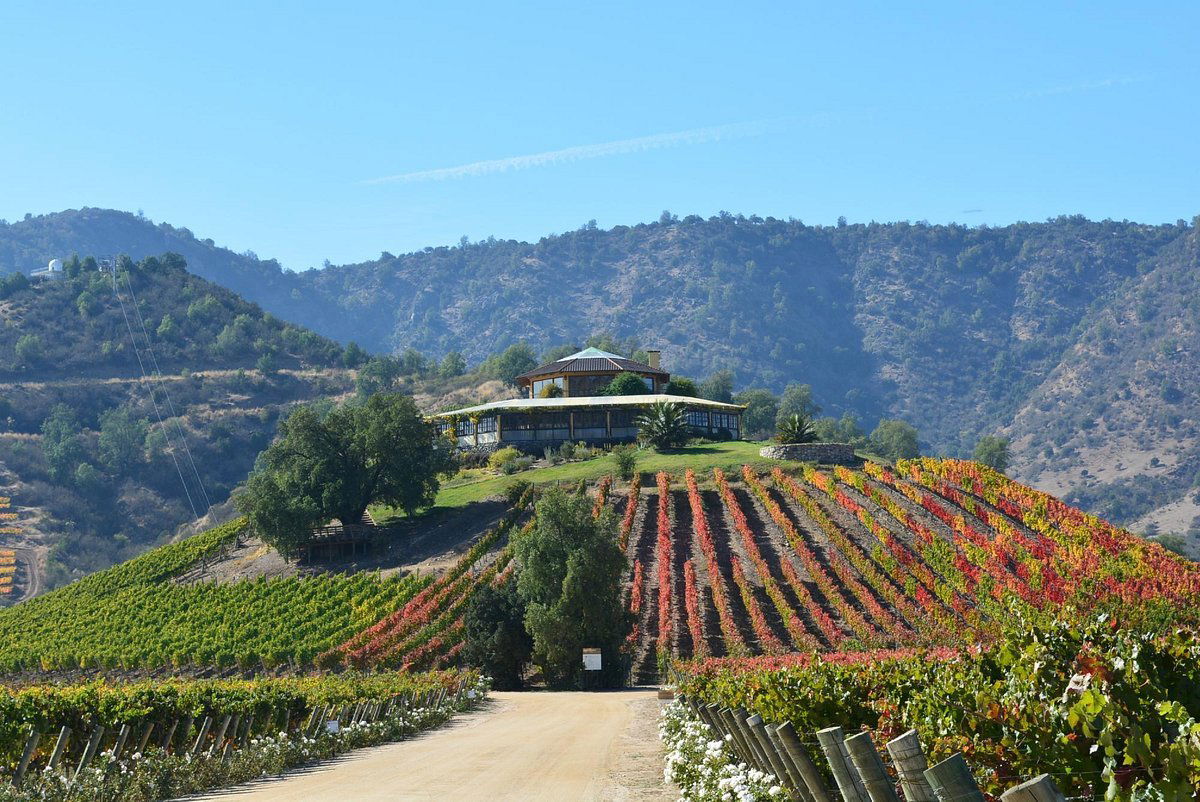
Viña Santa Cruz feels like a quietly distinguished estate tucked toward the Pacific-influenced edge of Colchagua. The approach is understated—the road into Lolol 'doesn't announce itself'—and the property reads as a place where site matters more than flash. Morning fog and a pronounced diurnal range shape a cooler, more contemplative vineyard environment; soils and climate are foregrounded in the winery’s identity. The estate’s Pearl 2 Star Prestige rating reinforces a focus on consistent site expression rather than volume, so visitors encounter a polished, terroir-forward character rather than overtly touristy presentation.
Best For
This is a destination for people who come to learn about place and varietal expression. The copy centers on terroir, cooler coastal influence and the behaviour of Carmenère and Syrah, making it well suited to educational visits and tasting-focused outings. Its quieter, less-signposted location also suits small groups who prefer concentrated wine experiences away from busier Colchagua circuits. Because the estate is positioned by quality-focused assessment (Pearl 2 Star Prestige), it also appeals to visitors seeking refined, thoughtful wines—appropriate for a special tasting or a deliberate, tasting-driven day trip.
Tasting Tips
When tasting at Viña Santa Cruz, focus on varieties and themes the text highlights: Carmenère and Syrah and the ways cooler, Pacific-influenced conditions and granitic soils shape aromatic retention and structure. Ask staff about how the western Lolol sub-zone differs from valley-floor sites and request wines that showcase site expression rather than high-octane ripeness. Because the description emphasizes terroir and diurnal range, look for wines with lifted aromatics and pronounced acidity or tension—key markers of the estate's cooler-climate profile.
Venue details
Ambiance
Stunning valley and vineyard views from the restaurant and cable car, with a cultural and sensory journey atmosphere.
Tags
Vibe
Best For
Experience
Sourcing
View
At the Vineyard
- Appellation
- Lolol DO
- Varietals
- Sauvignon Blanc, Rosé, País, Garnacha, Petit Verdot
- Tour Duration
- 2-3 hours
- Visits
- By reservation
- Farming
- Sustainable
- Production
- Large producer
- Wine Styles
- Still Red, Still White, Still Rose
- Food Pairing
- Offered
- Wine Club
- Not available
Know before you go
Know Before You Go
- Getting there
- Fundo el Peral, Lolol, Colchagua Province, Libertador General Bernardo O'Higgins, 3140000, Chile
Planning details
Location
Fundo el Peral, Lolol, Colchagua Province, Libertador General Bernardo O'Higgins, 3140000, Chile · Directions
Also consider
If you cannot make this work
Try Viña Viu Manent if the priority is a dependable Colchagua winery stop with less itinerary friction. Choose Clos Apalta (Casa Lapostolle) if the trip can support a more occasion-driven booking.
Winery context
How it compares in Colchagua planning
Choose Viña Santa Cruz when the priority is a Lolol-based winery day with a strong sense of place and enough time in the schedule. Viña MontGras and Viña Maquis are better cross-shops if the decision is mainly about keeping a broader Colchagua route flexible, because they are easier to compare as itinerary pieces than as a single destination anchor.
Viña Viu Manent is the safer alternative for travelers who want a classic wine-tourism feel with fewer unknowns around the visit, while Viña Los Vascos makes sense for a more brand-led winery stop. If the trip has room for a splurge-leaning, high-expectation Colchagua booking, Clos Apalta (Casa Lapostolle) is the more obvious comparison for polish and occasion value.
The practical verdict: book Viña Santa Cruz for atmosphere and a slower Lolol itinerary; choose Viu Manent or MontGras when ease matters more; choose Clos Apalta (Casa Lapostolle) when the day is built around a flagship Colchagua experience.
Explore Lolol
Around this place
Discover more on Pearl
Unlock the full Viña Santa Cruz guide in Pearl, including awards, comparisons, FAQs, planning details, and nearby places.
Compare Viña Santa Cruz
| Venue | Location | Awards |
|---|---|---|
| Viña Santa Cruz | Lolol | No published awards |
| Viña MontGras | Palmilla | No published awards |
| Viña Maquis | Palmilla | No published awards |
| Viña Viu Manent | Santa Cruz | 2026 Falstaff Winery Guide2025 World's 50 Best Vineyards · #402024 World's 50 Best Vineyards · #192023 World's 50 Best Vineyards · #432022 World's 50 Best Vineyards · #322021 World's 50 Best Vineyards · #452020 World's 50 Best Vineyards · #432019 World's 50 Best Vineyards · #23 |
| Viña Los Vascos | Peralillo | 2026 Falstaff Winery Guide |
| Clos Apalta (Casa Lapostolle) | Santa Cruz | 2025 World's 50 Best Vineyards · #652023 World's 50 Best Vineyards · #392022 World's 50 Best Vineyards · #182021 World's 50 Best Vineyards · #172020 World's 50 Best Vineyards · #272019 World's 50 Best Vineyards · #6 |


How Viña Santa Cruz Lolol compares with similar nearby venues.
FAQ
Frequently Asked Questions
Does Viña Santa Cruz offer shipping?
This guide does not have shipping information for Viña Santa Cruz. If shipping matters to your plans, confirm current options directly with the venue before you visit.
How long should I plan for a visit to Viña Santa Cruz?
This guide does not have details on visit length, hours, or format. Because Viña Santa Cruz is in Lolol and holds 2 Star Prestige recognition for 2025, it is reasonable to confirm the current visitor setup before deciding how much time to set aside.
Do I need a reservation at Viña Santa Cruz?
This guide does not have reservation information for Viña Santa Cruz. If your schedule is fixed, confirm directly with the venue before traveling to Lolol.
Are there membership or club details for Viña Santa Cruz?
This guide does not have membership or club details for Viña Santa Cruz. The venue's confirmed 2 Star Prestige recognition for 2025 may make it worth investigating, but any value depends on terms that should be checked directly with the venue.
What other venues can I compare with Viña Santa Cruz?
Relevant comparison points include Viña MontGras, Viña Maquis, Viña Viu Manent, Viña Los Vascos, and Clos Apalta (Casa Lapostolle). Use them as planning references, while confirming each venue's current location details, schedule, and visitor policies independently.
Does Viña Santa Cruz serve food?
This guide does not have food-service information for Viña Santa Cruz. If dining is important to your visit, confirm current options directly with the venue or plan separately for dining in Lolol.