
Winery in Leutasch, Austria
Schwarzer Distillery
250ptsHigh-Altitude Alpine Distillation
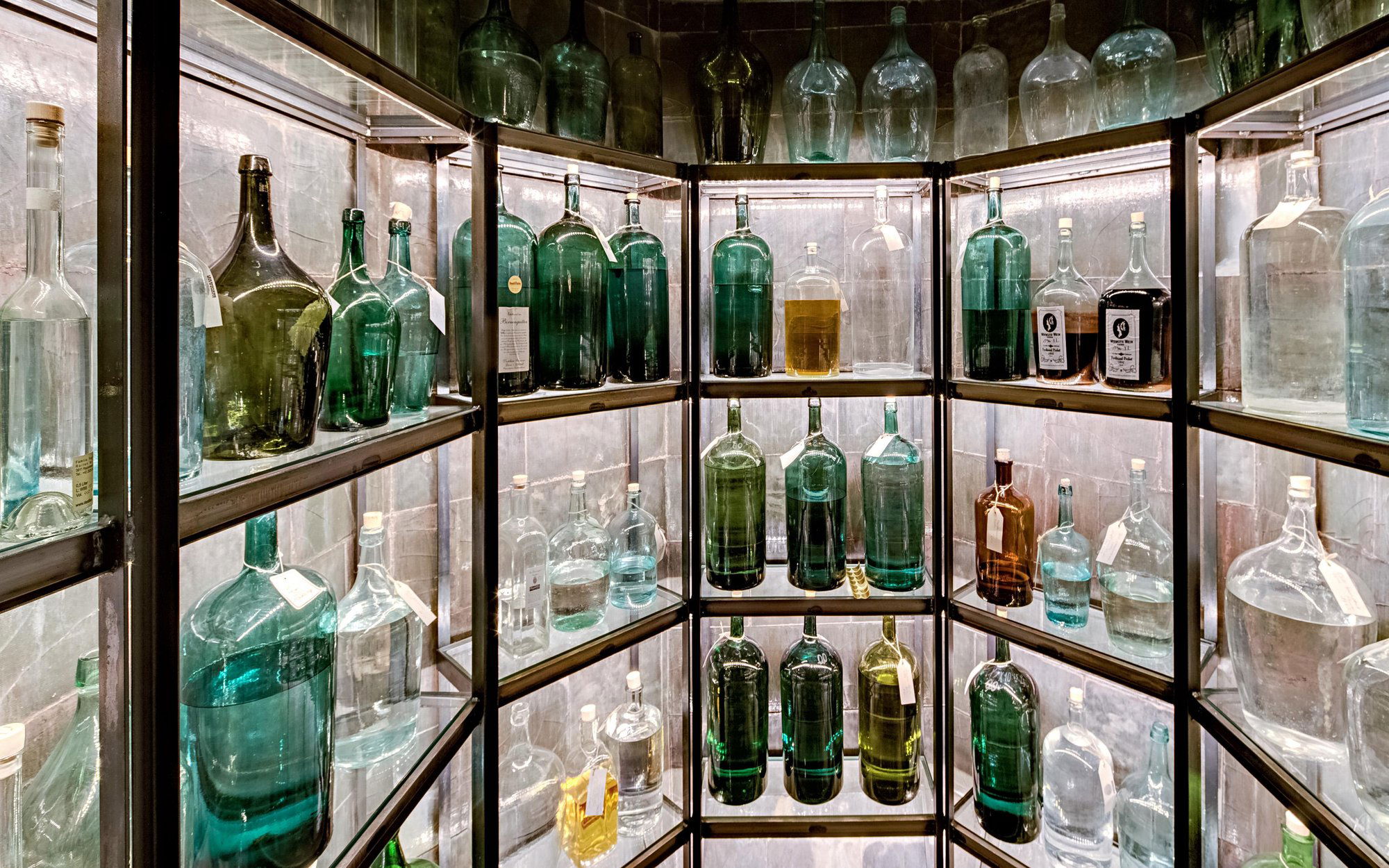
About Schwarzer Distillery
Schwarzer Distillery operates from Leutasch in the Austrian Alps, earning a Pearl 1 Star Prestige award in 2025 — recognition that places it among Austria's more closely watched craft spirits producers. The Tyrolean setting, where Alpine climate and regional botanical character shape what goes into the still, situates this distillery within a broader tradition of place-driven Austrian spirits production.
Where Alpine Terrain Meets the Still
Leutasch sits in a high plateau valley in Tyrol, enclosed by the Wetterstein and Karwendel ranges, at an elevation that keeps summers cool and winters long. This is not obvious distillery country in the way that Styria or Burgenland might be — there are no sprawling vine rows, no tourist infrastructure built around a wine route. What the valley offers instead is altitude, clean water from snowmelt, and the kind of botanical density that comes from meadows and forest edges rarely touched by industrial agriculture. Those raw conditions form the physical argument for making spirits here, and they are conditions that distilleries operating at this latitude learn to read carefully.
Schwarzer Distillery works within that context. Its 2025 Pearl 1 Star Prestige recognition is a signal worth pausing on: the Pearl system evaluates across quality, consistency, and craft positioning, and a first-tier star at the Prestige level places Schwarzer in a peer set that sits above entry-level craft and below the very small number of operations holding multi-star designations. For a distillery in a valley better known for ski touring than spirits tourism, that positioning carries weight.
For context on the Austrian craft spirits scene, it helps to look at what is happening across the country. Producers like Weingut Scheiblhofer Distillery in Andau, 1310 Spirit of the Country Distillery in Sierning, and 1404 Manufacturing Distillery in Sankt Peter-Freienstein represent different regional approaches to the same underlying shift: Austrian distilling has moved steadily away from generic fruit brandy production toward spirits with legible provenance and craft intent. Schwarzer belongs to this generational turn, and its Tyrolean address gives it a geographical specificity that lowland producers cannot replicate.
Terroir in a Spirit: What the Leutasch Valley Contributes
The concept of terroir in spirits is more contested than in wine, but it is not empty. At altitude in Tyrol, the relevant variables are water hardness, ambient temperature during fermentation, and the character of source botanicals or base materials drawn from the surrounding environment. Leutasch's position at roughly 1,100 metres means lower fermentation temperatures than a valley-floor operation would manage, which tends to slow yeast activity and build aromatic complexity in base wash or macerate. The regional water, filtered through limestone and granite, carries mineral character that persists into the finished product.
This is consistent with how the broader Alpine spirits tradition has operated across Austria, Switzerland, and Bavaria for centuries. High-altitude distilleries in the Tyrol historically produced fruit spirits from orchard surpluses, using whatever the elevation and short growing season produced. The contemporary version of that tradition has refined the sourcing and the technical control while preserving the logic: what grows or is produced locally shapes what goes into the still. Schwarzer Distillery's Leutasch address is not incidental — it is the argument.
For comparison, Austrian wine producers in geographically specific zones have used similar terroir arguments with considerable success. Weingut Emmerich Knoll in Dürnstein has built its identity around loess and primary rock soils in the Wachau. Weingut Bründlmayer in Langenlois draws on the thermal contrasts of the Kamptal. These are wine operations, not spirits, but the underlying logic , that a specific geography produces something that a different geography cannot , transfers directly to what distilleries like Schwarzer are building in Tyrol.
How Schwarzer Sits in Its Category
The Austrian craft distillery space has expanded considerably since the early 2010s, and the field now runs from hobby-scale farm operations to technically sophisticated producers competing for international recognition. The Pearl 1 Star Prestige awarded to Schwarzer in 2025 places it in the middle-to-upper tier of this space, above producers working without formal recognition and below the handful holding multi-star or grand prestige designations.
That peer set includes producers across Austria with very different profiles: the Pannonian heat of Weingut Kracher in Illmitz, the Styrian hillside conditions of Weingut Wohlmuth in Kitzeck, the Burgenland focus of Weingut Pittnauer in Gols. Each of these operations reflects a different regional identity. Schwarzer's Tyrolean positioning is the least obviously commercial of the group , Leutasch does not draw the wine tourism that Burgenland or the Wachau generates , but that distance from established routes is arguably what preserves the distillery's specificity.
Urban craft distilleries such as 1516 Brewing Company Distillery in Vienna and A. Batch Distillery in Bergheim operate with different commercial logics , proximity to consumer markets, events programming, retail footfall. Rural Alpine producers like Schwarzer trade that footfall for authenticity of setting, a trade-off that can depress visitor numbers while strengthening the product story for export and specialist retail. The 2025 award recognition suggests the product story is landing with evaluators.
Planning a Visit to Leutasch
Leutasch is accessible from Innsbruck in under an hour, and from Seefeld in Tirol in roughly 15 to 20 minutes by road. That proximity to Seefeld, a resort town with year-round visitor infrastructure, means Schwarzer Distillery is reachable as a day excursion for travellers already in the region rather than as a primary destination requiring dedicated logistics. Tyrolean distilleries at this scale typically operate with limited opening hours and do not carry walk-in capacity on the same basis as urban venues; contacting the distillery ahead of any visit is the practical approach. Specific opening times, booking requirements, and tasting formats are not confirmed in EP Club's current data, and are leading verified directly with the distillery before planning travel. Our full Leutasch restaurants guide covers additional options in the valley for visitors spending a half-day or more in the area.
The broader Tyrolean calendar shapes visit timing usefully. Summer and early autumn, roughly June through October, are the highest-traffic months for the valley due to hiking and cycling tourism, which means more local accommodation and transport options are active. Winter visits are possible given Seefeld's ski infrastructure, but access to smaller producers in the valley is less predictable outside the warmer season. For spirits tourism specifically, the autumn window aligns with harvest-period production activity at many Austrian producers, which can add context to a visit if the distillery has any farm or orchard sourcing in its supply chain.
For travellers with broader Austrian craft spirits interest, Schwarzer pairs logically with a Tyrolean itinerary that might also include the wine-focused producers of Weingut Heinrich Hartl in Oberwaltersdorf or, further afield, Abfindungsbrennerei Franz in Leithaprodersdorf, which represents a different regional tradition in Lower Austria's small-farm distilling sector. International spirits travellers familiar with Scottish single malt production from producers such as Aberlour in Aberlour or Napa Valley wine estates like Accendo Cellars in St. Helena will find in Schwarzer a different scale and a different climate logic, but a shared commitment to place as the primary argument for quality.
Frequently Asked Questions
- Is Schwarzer Distillery more formal or casual?
- Based on its location in Leutasch , a small Alpine valley with no established fine-dining infrastructure , and its positioning as a craft producer rather than an urban hospitality venue, the atmosphere is likely informal and producer-led. The 2025 Pearl 1 Star Prestige award signals quality seriousness without implying the kind of dress-code formality associated with tasting rooms at larger, more commercial estates. Visitors should expect a working distillery environment rather than a curated hospitality experience.
- What do visitors recommend trying at Schwarzer Distillery?
- EP Club does not hold verified tasting notes or confirmed product listings for Schwarzer Distillery in its current database. Given the distillery's Tyrolean location and the regional tradition of Alpine fruit spirits, the range likely reflects local botanical and agricultural character, but specific product recommendations should be sought directly from the distillery or from recent visitor accounts. The 2025 Pearl 1 Star Prestige recognition provides a quality baseline for what to expect from the portfolio.
- What should I know about Schwarzer Distillery before I go?
- Leutasch is a small valley village in Tyrol, not a conventional spirits tourism hub, so independent travel logistics require some planning. No booking method, opening hours, or pricing is confirmed in EP Club's current data, meaning direct contact with the distillery before visiting is advisable. The Pearl 1 Star Prestige award in 2025 confirms the operation is recognised at a meaningful tier within the Austrian craft spirits assessment framework, which justifies the additional effort of planning a visit.
- Can I walk in to Schwarzer Distillery?
- Given the distillery's rural location in Leutasch, its scale as an awarded craft producer, and the general operating model of comparable Austrian producers at this tier, walk-in visits without prior contact carry real risk of finding the facility closed or unavailable for tastings. EP Club has no confirmed booking data for Schwarzer. The safer approach is to reach out in advance, particularly outside summer and early autumn when Tyrolean valley tourism is at its most active. The Pearl 1 Star Prestige recognition suggests the operation takes hospitality seriously enough to accommodate planned visits.
- What makes Schwarzer Distillery distinct within the Austrian Alpine spirits category?
- Schwarzer Distillery holds a Pearl 1 Star Prestige award for 2025, which places it in the formally recognised tier of Austrian craft spirits production , a credential relatively few Tyrolean producers carry. Its location in Leutasch, at altitude in a valley defined by its distance from lowland wine and spirits tourism routes, gives it a geographical specificity that separates it from producers operating closer to established consumer markets. Within a national scene that includes producers across Burgenland, Styria, and Lower Austria, the Tyrolean address and the award recognition together define a clear positioning.
Related editorial
- Best Fine Dining Restaurants in ParisFrom three-Michelin-star icons to the next generation of Parisian chefs pushing boundaries, these are the restaurants that define fine dining in the world's culinary capital.
- Best Luxury Hotels in RomeFrom rooftop terraces overlooking ancient ruins to Michelin-starred hotel dining, these are the luxury hotels that make Rome unforgettable.
- Best Cocktail Bars in KyotoFrom sleek lounges to hidden speakeasies, Kyoto's cocktail scene blends Japanese precision with global influence in ways you won't find anywhere else.
Save or rate Schwarzer Distillery on Pearl
Keep this venue in your Pearl passport, rate it after you visit, and track it alongside every other place you collect.