

Plomari Ouzo Museum
Plomari, Lesvos
Winery in Lesvos, Greece
 Book with Pearl
The Read
GI Terroir Interpretation
Why go
Worth booking if the Lesvos plan includes Plomari and the goal is ouzo context rather than a standard winery tasting. The Pearl 2 Star Prestige recognition gives it a clear quality signal, but travelers who need confirmed food service, shipping, or detailed visit logistics should keep a backup distillery or winery nearby.
About Plomari Ouzo Museum
Plomari Ouzo Museum is a Lesvos venue for travelers interested in ouzo. Approach it as a focused museum stop rather than a dining, shipping, or full-service booking destination. It is recognized with Pearl 2 Star Prestige (2025), and the dress code is casual.
For smooth planning, avoid building a tight itinerary around details such as hours, pricing, dining, shipping, or visit format without checking directly first. Use the museum as a Lesvos stop to research before visiting, then compare it with other venues such as Barbayannis Ouzo Museum & Distillery, EVA Distillery, Isidoros Arvanitis Distillery, Ouzo Giannatsis Distillery, and Pitsiladi Distillery.
Choose this for ouzo context, not a confirmed meal stop
Consider this when the point is a Lesvos stop centered on ouzo rather than a restaurant, winery, or food-led experience. Check lunch, dinner, pairings, shipping, exact hours, pricing, and tasting format directly with the venue before planning around them.
For practical planning, keep expectations simple: casual dress is appropriate, and the Pearl 2 Star Prestige (2025) recognition gives the venue a clear reason to be on a Lesvos shortlist.
Where it fits in an ouzo itinerary
This is best treated as a specialized Lesvos ouzo stop. If your itinerary is built around similar venues, it can be compared with Barbayannis Ouzo Museum & Distillery, EVA Distillery, Isidoros Arvanitis Distillery, Ouzo Giannatsis Distillery, and Pitsiladi Distillery.
It is less useful to frame Plomari Ouzo Museum as a wine stop or a restaurant booking. The clearest reason to consider it is simple: it is an ouzo museum in Lesvos with Pearl 2 Star Prestige (2025) recognition and a casual dress code.
Planning details
- Location
- Θέση Κάμπος Πλαγιάς, Plomari 812 00
- Website
- theworldofouzo.gr
- Phone
- +30 2252 031450
The take
The Take
The Vibe
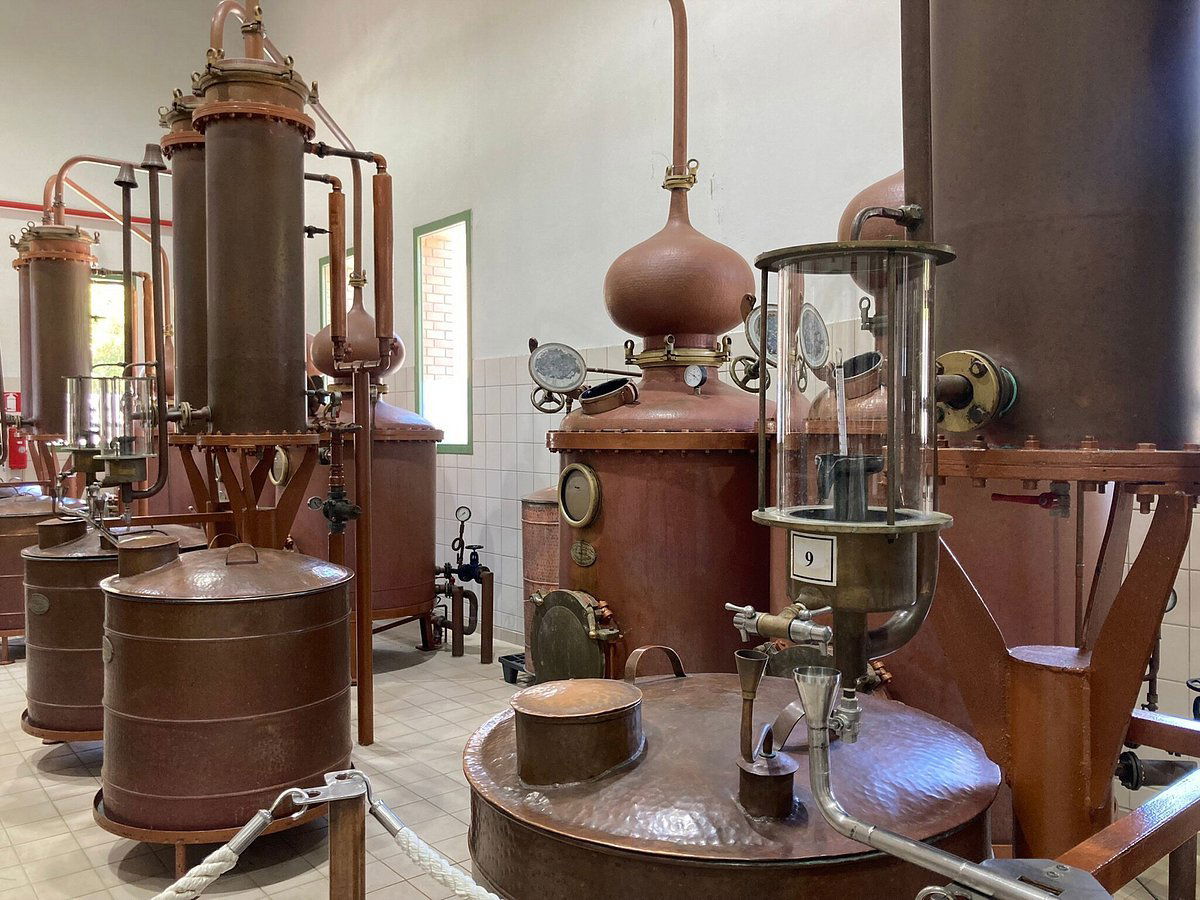
The Plomari Ouzo Museum presents itself as an emblem of regional spirits culture, anchored in Lesvos’s long distillation tradition. The copy explicitly links Plomari’s name to the category in the way Cognac is linked to brandy, giving the museum an iconic, referential quality. The tone is scholarly and rooted in place: descriptions of local water, anise cultivation and coastal trade underline a deep sense of provenance. Visitors encounter a museum that positions itself less as a novelty and more as a site for understanding how geography, ingredients and generations of makers shape a distinctive spirit.
Best For
This museum is best for visitors who want to learn how ouzo is made and why Plomari matters in the spirit’s history. The write‑up frames the site as a producer‑affiliated cultural experience with a recent Pearl 2 Star Prestige recognition, so it appeals to people seeking structured, authoritative interpretation of distillation, botanicals and regional practice. It suits solo explorers and small groups interested in spirit history and production methods rather than those looking for a nightlife or dining destination.
Tasting Tips
When engaging with the museum’s content or any tasting notes provided on site, focus on method and botanicals. The description highlights that authentic ouzo is redistilled with anise and botanicals such as fennel, star anise, cardamom and coriander, and that louche (the cloudiness when water is added) signals botanical intensity and distillation method. Ask staff about the house’s proprietary botanical blends and how louche and anethole relate to perceived flavor — those are the cues the museum emphasizes for understanding and comparing different Plomari expressions.
Venue details
Ambiance
Historic and traditional atmosphere blending technology with preserved distillation heritage.
Tags
Vibe
Best For
Experience
At the Vineyard
- Appellation
- Plomari Ouzo
- Tour Duration
- 30-60 minutes
- Tour Languages
- Greek, English, Swedish, Danish, German
- Visits
- Walk-ins welcome
- Wine Styles
- Fortified
- Wine Club
- Not available
Know before you go
Know Before You Go
- Getting there
- Θέση Κάμπος Πλαγιάς, Plomari 812 00
Planning details
Location
Also consider
Also Consider
- Isidoros Arvanitis Distillery, Notable alternative
- Barbayannis Ouzo Museum & Distillery, Notable alternative
- Ouzo Giannatsis Distillery, Notable alternative
- Pitsiladi Distillery, Notable alternative
- EVA Distillery, Notable alternative
Winery context
How it compares in Lesvos
Pick Plomari Ouzo Museum if the priority is context: it is the most museum-forward choice in this set, which makes it stronger for travelers who want to understand Plomari's ouzo identity before or instead of a tasting-led stop. Isidoros Arvanitis Distillery is the closest conceptual rival for visitors focused on the Plomari name; choose that route if a distillery-first angle matters more than a museum frame.
Barbayannis Ouzo Museum & Distillery is the better cross-shop for travelers who want both museum context and a distillery association in one decision. Ouzo Giannatsis Distillery and Pitsiladi Distillery read as better backups if the schedule is tight or if confirmed availability matters more than a specific museum visit.
EVA Distillery is the better choice for travelers comparing Lesvos spirits beyond the Plomari museum lens. For ambiance, choose the museum when the appeal is visual history and regional context; choose a distillery peer when the appeal is production setting and a more direct maker-focused visit.
Explore Lesvos
Around this place
Discover more on Pearl
Unlock the full Plomari Ouzo Museum guide in Pearl, including awards, comparisons, FAQs, planning details, and nearby places.
Compare Plomari Ouzo Museum
| Venue | Location | Awards |
|---|---|---|
| Plomari Ouzo Museum | Lesvos | No published awards |
| Isidoros Arvanitis Distillery | Plomari | No published awards |
| Barbayannis Ouzo Museum & Distillery | Plomari | No published awards |
| Ouzo Giannatsis Distillery | Plomari | No published awards |
| Pitsiladi Distillery | Mytilene | No published awards |
| EVA Distillery | Mytilene | No published awards |
How Plomari Ouzo Museum compares with similar nearby venues.
FAQ
Frequently Asked Questions
What other venues can be compared with Plomari Ouzo Museum?
For comparison, consider Barbayannis Ouzo Museum & Distillery, Isidoros Arvanitis Distillery, EVA Distillery, Ouzo Giannatsis Distillery, and Pitsiladi Distillery.
How should wine-club travelers approach Plomari Ouzo Museum?
Focus on the grounded reasons to consider the venue: it is an ouzo museum in Lesvos, it has Pearl 2 Star Prestige (2025) recognition, and the dress code is casual.
Does Plomari Ouzo Museum serve food?
Do not plan it as a meal stop unless the venue confirms current dining details directly.
Should Plomari Ouzo Museum be framed as a wine stop?
Skip the wine framing here: Plomari Ouzo Museum is an ouzo museum in Lesvos.
When is the best time to visit Plomari Ouzo Museum?
Does Plomari Ouzo Museum ship wine?
Do not treat the venue as a wine-shipping stop without direct confirmation. If shipping matters, ask the venue before planning a purchase.