

Winery in Leesburg, United States
Stone Tower Winery
500Pearl PointsWine-First Stop
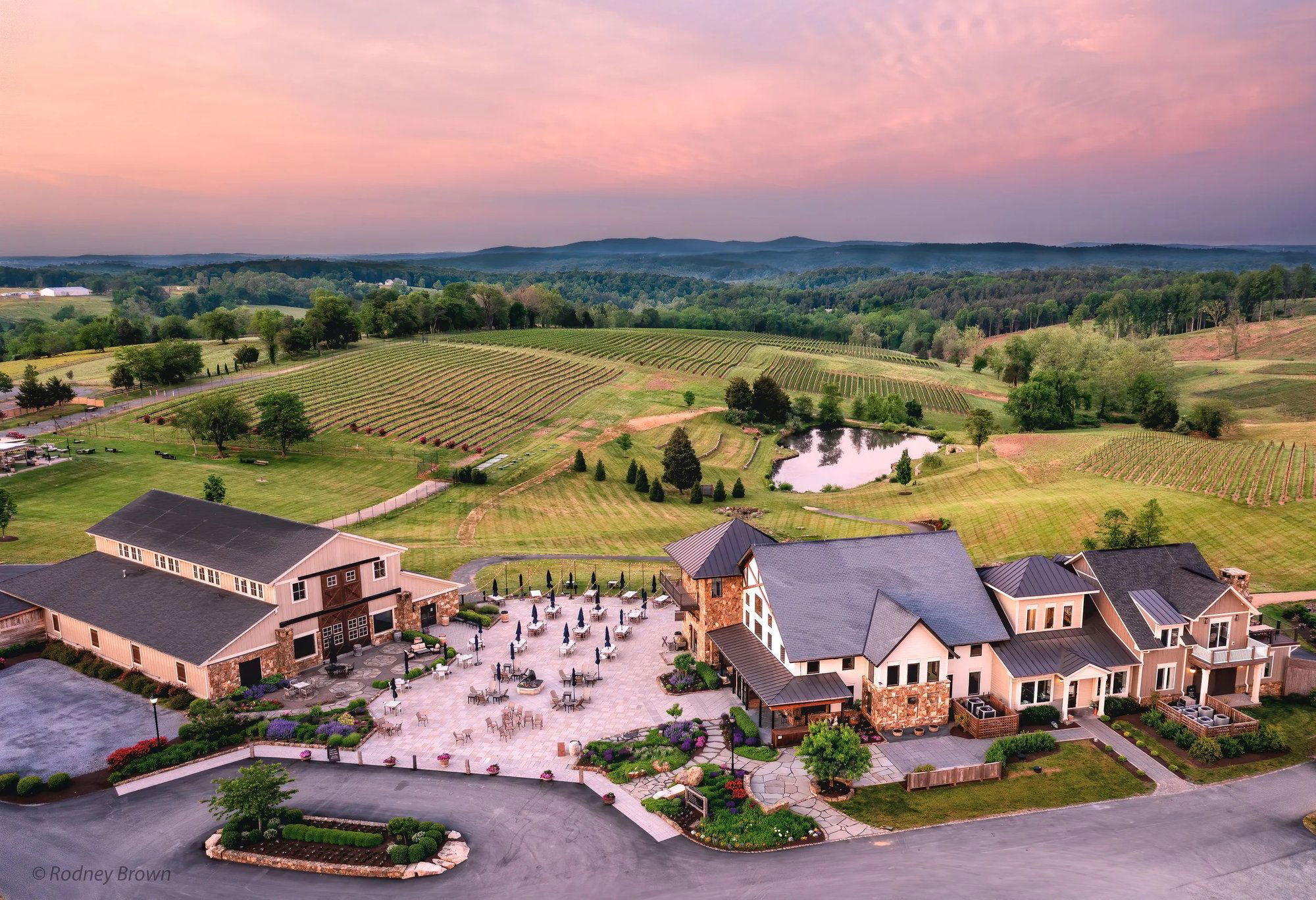
About Stone Tower Winery
Stone Tower Winery is worth prioritizing for a planned Leesburg wine day, especially if the goal is a polished tasting experience rather than a quick stop. Booking friction is the main tradeoff, so treat it as the anchor of the itinerary and compare bottle value carefully before joining any club or shipping wine.
Is Stone Tower Winery worth visiting? In Leesburg, it has a clear confirmed signal for travelers comparing winery options: Stone Tower Winery holds Pearl 2 Star Prestige recognition for 2025. Beyond that, the verified details are limited, so the safest way to frame a visit is as a planned Leesburg stop rather than to assume specific service formats, bottles, food offerings, group policies, or logistics.
The appeal, based on the confirmed information, is direct: Stone Tower Winery belongs on a short list for visitors who want a Leesburg visit and are using recognition as part of the decision. If specific details matter before you go, such as current tasting options, food availability, shipping, reservations, or event policies, confirm them directly with the venue.
Plan this as the anchor stop, not the add-on
Because Stone Tower Winery is a Pearl 2 Star Prestige venue for 2025, it can reasonably be treated as a main stop in a Leesburg itinerary. What should not be assumed from the available verified data is a particular tasting format, crowd pattern, menu, bottle lineup, or access policy.
Use the wider Leesburg plan around it. If Stone Tower Winery is the centerpiece, keep the rest of the day flexible and confirm any practical details directly before visiting. For broader planning, local guides can help fill in the day around the visit: Leesburg wineries, Leesburg restaurants, Leesburg hotels, Leesburg bars, and Leesburg experiences.
Who should prioritize it
Prioritize Stone Tower Winery if you are looking for a recognized Leesburg venue and value a smart casual setting. It is also a natural candidate for visitors comparing it with other regional options such as 50 West Vineyards, Chrysalis Vineyards, Greenhill Winery & Vineyards, Sunset Hills Vineyard, and Walsh Family Wine.
The practical verdict: make Stone Tower Winery a considered stop if recognition matters to your itinerary, and verify current logistics directly before building the day around it. The confirmed details support interest, but not assumptions about specific wines, food, reservations, group capacity, or shipping.
Quick reference: best for planned Leesburg visits, smart casual outings, and travelers using Pearl 2 Star Prestige recognition as a decision point.
Frequently Asked Questions
What other venues can I compare with Stone Tower Winery?
If you want to compare Stone Tower Winery with other regional options, consider 50 West Vineyards, Chrysalis Vineyards, Greenhill Winery & Vineyards, Sunset Hills Vineyard, and Walsh Family Wine. Stone Tower Winery has confirmed 2025 Pearl 2 Star Prestige recognition.
When is the best time to visit Stone Tower Winery?
The verified information does not confirm specific best times, hours, reservation rules, or crowd patterns. If timing matters, confirm current details directly with Stone Tower Winery before visiting Leesburg.
Does Stone Tower Winery serve food?
Food service details are not verified here. Treat Stone Tower Winery as a planned Leesburg visit first, and confirm current food options directly if that is important to your plans.
Does Stone Tower Winery have membership options?
Membership details are not verified here. If that is part of your decision, ask Stone Tower Winery directly about current terms, access, and benefits before joining.
Can Stone Tower Winery handle large groups?
Large-group policies are not verified here. If you are planning a group visit in Leesburg, contact Stone Tower Winery directly to confirm current options and requirements.
What should I know before visiting Stone Tower Winery?
The confirmed details are Stone Tower Winery's Leesburg location, smart casual dress code, and 2025 Pearl 2 Star Prestige recognition. Confirm current offerings directly if a particular detail matters to your visit.
Does Stone Tower Winery ship wine?
Shipping details are not verified here. If shipping is part of your plan, ask Stone Tower Winery directly about current availability, rules, and purchase requirements.
Location
19925 Hogback Mountain Rd, Leesburg, VA 20175
Leesburg, United States
Compare Stone Tower Winery
Stone Tower Winery vs. Leesburg alternatives
Stone Tower Winery is the pick when the day calls for a polished anchor winery with a stronger sense of occasion. 50 West Vineyards and Chrysalis Vineyards are better if the group wants a more flexible tasting-day rhythm.
If the decision is mostly ambience, compare it with Greenhill Winery & Vineyards and Sunset Hills Vineyard. If the decision is bottle-focused, add Walsh Family Wine to the shortlist before committing to club purchases or shipping.
Where to go if you cannot get in
Try Greenhill Winery & Vineyards if the goal is a setting-led winery visit with less pressure around a single reservation. Choose Walsh Family Wine if the group cares more about assessing bottles than building the day around atmosphere.
How it compares with nearby wineries
Choose Stone Tower Winery when the winery itself needs to carry the day: it is the stronger fit for a polished, higher-effort Leesburg outing than a casual tasting crawl. 50 West Vineyards and Chrysalis Vineyards are better cross-shops if the priority is a looser route with less pressure around one flagship stop.
For ambience, Greenhill Winery & Vineyards and Sunset Hills Vineyard make sense for readers comparing setting-led winery days. Stone Tower is the better pick when the visit should feel more structured and occasion-ready; Greenhill and Sunset Hills are more useful alternates when availability, pacing, or group comfort matters more.
For buyers focused on what to take home, compare Stone Tower against Walsh Family Wine. Walsh Family Wine is the sharper cross-shop for wine-first decision-making, while Stone Tower is the stronger all-around choice when the setting and tasting experience are part of the value calculation.
Explore Leesburg
Save or rate Stone Tower Winery on Pearl
Keep this venue in your Pearl passport, rate it after you visit, and track it alongside every other place you collect.