

Saudé Creek Vineyards
New Kent County, Lanexa
Winery in Lanexa, United States
 Book with Pearl
The Read
Coastal Plain Viticulture
Price
$20–30tasting
Why go
Saudé Creek Vineyards is a better fit for a wine-first Lanexa stop than for travelers trying to solve a full meal around the tasting. Choose it for a quieter Virginia winery visit; cross-shop New Kent Winery or The Williamsburg Winery if the group needs broader visitor infrastructure.
About Saudé Creek Vineyards
Saudé Creek Vineyards is a venue in Lanexa with a casual dress code and Pearl 2 Star Prestige recognition for 2025. For planning, keep the focus on those basics and check any current operating details directly with the venue before you go.
For planning, keep the focus on the venue's location in Lanexa, the casual dress code, and the Pearl 2 Star Prestige recognition (2025). If you are comparing options for the same trip, you can also review Gauthier Vineyard, Good Luck Cellars, New Kent Winery, The Williamsburg Winery, and Upper Shirley Vineyards, while checking each venue's own current information.
A Lanexa venue to consider when confirmed basics are enough
Choose Saudé Creek Vineyards when you are comfortable planning around limited information. No food, menu, service format, hours, pricing, seating, reservation policy, or group-capacity details are available here, so do not build the visit around any of those specifics without confirming them first.
The grounded read is simple: Saudé Creek Vineyards is a casual Lanexa venue with Pearl 2 Star Prestige recognition in 2025. That makes it a relevant stop to consider, but the practical details of the visit should come from the venue's official current channels.
Who should choose it, and who should cross-shop
Choose Saudé Creek Vineyards if you want a casual venue in Lanexa and are comfortable confirming details before arrival. Cross-shop if your group needs information about food, reservations, accessibility, group planning, timing, or other logistics before committing.
For comparison, Gauthier Vineyard, Good Luck Cellars, New Kent Winery, The Williamsburg Winery, and Upper Shirley Vineyards are natural names to review alongside Saudé Creek Vineyards. Compare them on current details rather than assumptions about format, food, scale, or service style.
Planning details
- Location
- 16230 Cooks Mill Rd, Lanexa, VA 23089
- Website
- saudecreek.com
- Phone
- +1 804-966-5896
The take
The Take
The Vibe
Saudé Creek sits in a quietly cinematic pocket of Tidewater Virginia, where open farmland, creek lines and the low horizon shape a distinct sense of place. The prose emphasizes the role of water and alluvial soils, so the experience reads as contemplative and terroir-driven rather than touristy. Visits feel unhurried: you arrive by country road, trade the bustle of Route 60 for a pastoral stretch defined by humidity, creek drainage and vine rows. The overall tone is calm and focused — a winemaker’s landscape that privileges close attention to site and season over flashier wine-country trappings.
Best For
This vineyard is best for visitors who want to understand how place shapes wine. The write-up foregrounds Tidewater’s clay and alluvial soils, humid summers and the practical demands those conditions place on canopy and disease management, so curious wine lovers and those interested in viticulture will find it rewarding. It also suits people seeking a quiet, rural tasting away from busier Piedmont destinations: arrive expecting a landscape-first experience and conversations about how the coastal plain yields its own stylistic signatures.
Tasting Tips
When you taste, frame questions around site and vineyard practice rather than varietal hype. The description highlights canopy management, timing and disease pressure as defining concerns in this region, so ask staff which wines most clearly express the tidal-margin soils and how seasonal decisions in the vineyard influence flavor. Favor flights or comparative tastes that let you track how the site’s clay and alluvial sediments manifest across bottlings, and use the quiet setting to linger and discuss winemaking choices with the team.
Venue details
Ambiance
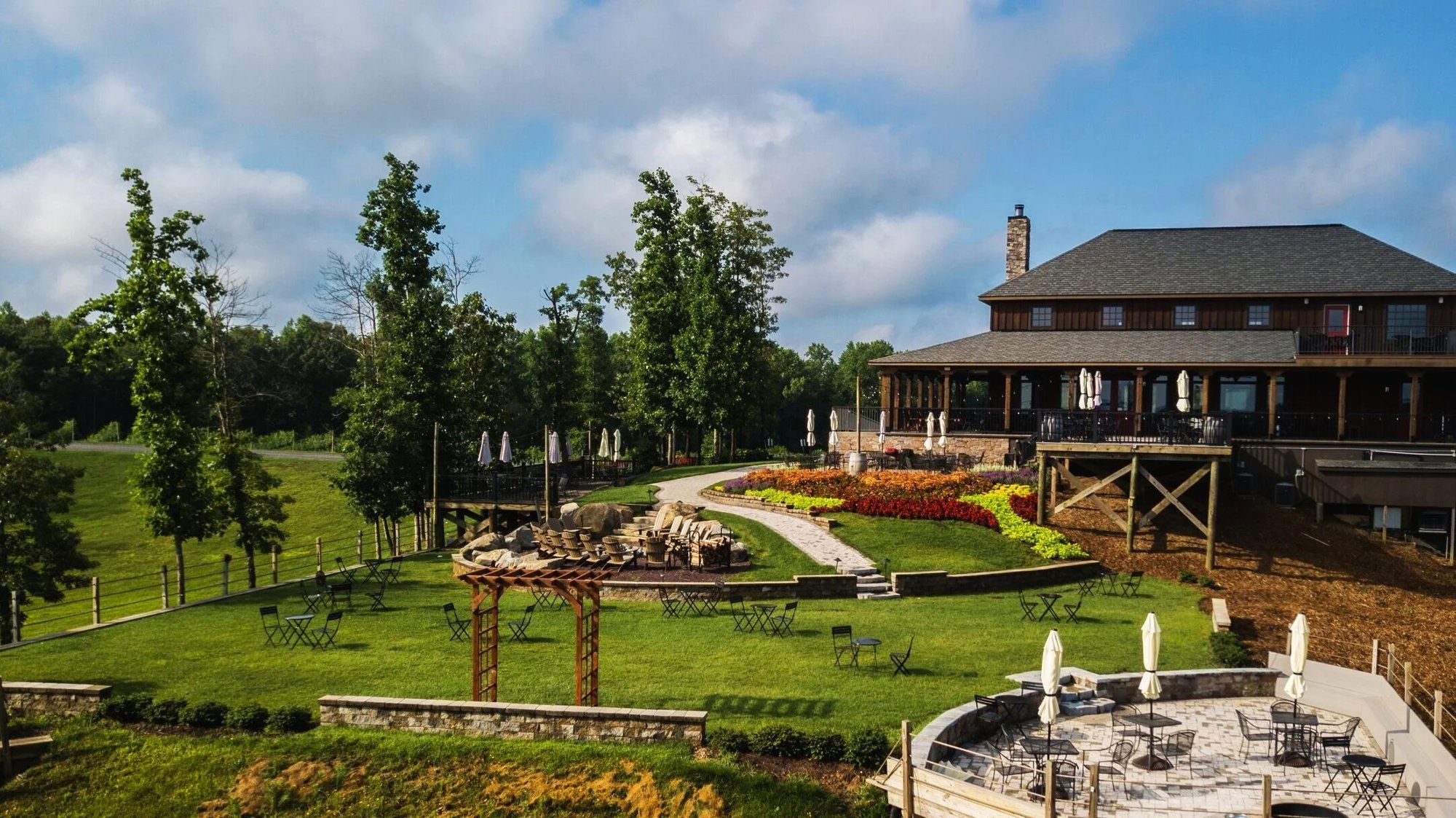
Relaxed and inviting with a roaring indoor fireplace, tranquil outdoor decks overlooking scenic views, and lively weekend music.
Tags
Vibe
Best For
Experience
View
Accessibility
At the Vineyard
- Appellation
- Virginia
- Varietals
- Chambourcin, Traminette, Vidal Blanc, Petit Verdot, Pinot Meunier
- Tour Duration
- 60-90 minutes
- Visits
- Walk-ins welcome
- Production
- Small producer
- Wine Styles
- Still White, Still Red
- Wine Club
- Not available
Know before you go
Know Before You Go
- Getting there
- 16230 Cooks Mill Rd, Lanexa, VA 23089
Planning details
Location
Also consider
Also Consider
- Gauthier Vineyard, Notable alternative
- New Kent Winery, Notable alternative
- The Williamsburg Winery, Notable alternative
- Upper Shirley Vineyards, Notable alternative
- Good Luck Cellars, Notable alternative
Winery context
How it compares with nearby Virginia winery options
Saudé Creek Vineyards is the more focused choice if the goal is a Lanexa-area wine stop with a quieter rural feel. New Kent Winery is the safer cross-shop for travelers who want a broader visitor setup, while The Williamsburg Winery is the better fit for groups building a more tourism-heavy Williamsburg-area day.
For a smaller-feeling alternative, compare it with Gauthier Vineyard, especially if ambiance matters more than a full itinerary. Upper Shirley Vineyards is the stronger cross-shop when the setting and food pairing potential carry as much weight as the tasting itself. Good Luck Cellars is a useful alternative for travelers willing to range farther for a different Virginia winery day.
Value comes down to what the group needs. Pick Saudé Creek Vineyards for a wine-led stop in Lanexa; pick New Kent Winery or The Williamsburg Winery for easier all-day planning; pick Upper Shirley Vineyards if the meal-and-wine pairing side is the deciding factor.
Explore Lanexa
Around this place
Discover more on Pearl
Unlock the full Saudé Creek Vineyards guide in Pearl, including awards, comparisons, FAQs, planning details, and nearby places.
Compare Saudé Creek Vineyards
| Venue | Location | Awards |
|---|---|---|
| Saudé Creek Vineyards | Lanexa | No published awards |
| Gauthier Vineyard | New Kent | No published awards |
| New Kent Winery | New Kent | No published awards |
| The Williamsburg Winery | Williamsburg | No published awards |
| Upper Shirley Vineyards | Charles City | No published awards |
| Good Luck Cellars | Kilmarnock | No published awards |
How Saudé Creek Vineyards Lanexa compares with similar nearby venues.
FAQ
Frequently Asked Questions
Do I need a reservation at Saudé Creek Vineyards?
A reservation policy is not available here. If you are planning a visit to Saudé Creek Vineyards in Lanexa, confirm the current reservation and arrival guidance directly with the venue. Good Luck Cellars and Upper Shirley Vineyards can also be reviewed as comparison options using their current official information.
Does Saudé Creek Vineyards offer memberships or visitor programs?
Membership or visitor-program details are not available here. Saudé Creek Vineyards is confirmed as a casual Lanexa venue with Pearl 2 Star Prestige (2025), but any benefits, pricing, or terms should be checked directly with the venue. If you are comparing options, check current details from New Kent Winery and The Williamsburg Winery as well.
What other venues can I compare with Saudé Creek Vineyards?
Names to compare with Saudé Creek Vineyards include New Kent Winery, The Williamsburg Winery, Upper Shirley Vineyards, Good Luck Cellars, and Gauthier Vineyard. Check each venue's current official details before deciding how to plan the day.
How long should I plan for a visit to Saudé Creek Vineyards?
A specific visit length is not available here. Plan only after checking Saudé Creek Vineyards' current guidance on hours, reservations, and any other logistics. If you are comparing it with The Williamsburg Winery or Upper Shirley Vineyards, use current details from each venue rather than assuming a standard visit length.