
Winery in Lamia, Greece
Baxevanis Distillery
500ptsCentral Greek Mountain Distilling
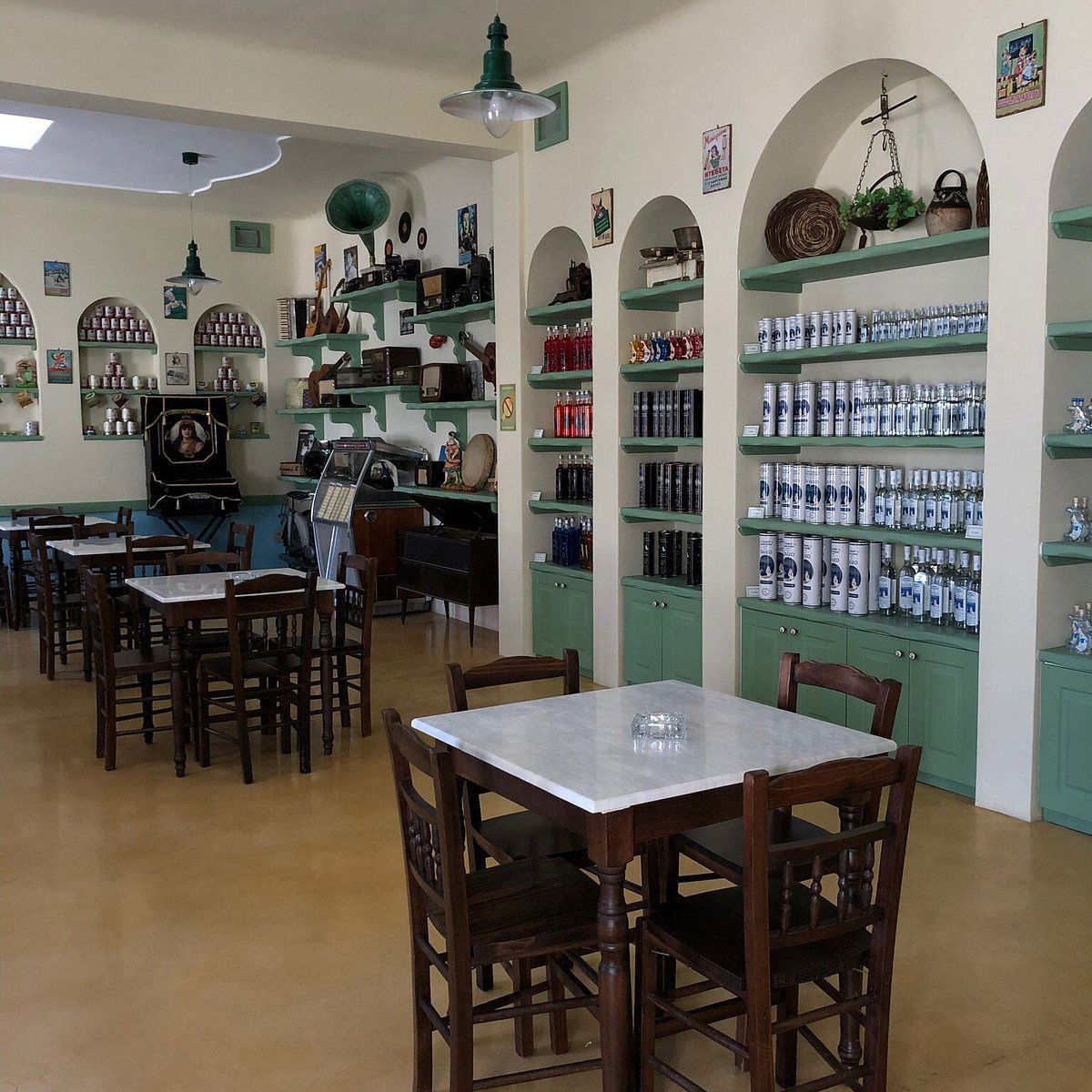
About Baxevanis Distillery
Baxevanis Distillery sits on the road linking Lamia to Karpenisi, a route that traces the edge of Central Greece's mountain interior. Recognised with a Pearl 2 Star Prestige award in 2025, the distillery occupies a production and tasting position that places it within a small cohort of Greek spirits producers drawing serious critical attention. For those exploring the wider Greek craft spirits and wine circuit, it represents a considered stop.
Central Greece's Mountain Road and the Spirits It Produces
The road out of Lamia toward Karpenisi climbs quickly. Within the first few kilometres, the Thessalian plain gives way to the foothills of the Agrafa massif, a range that divides Central Greece from Epirus and shapes the agricultural and herding traditions of the entire region. It is on this road, at the third kilometre marker, that Baxevanis Distillery sits. The location is not incidental. Greek distilling traditions, particularly those tied to tsipouro and the broader category of pomace-derived spirits, have long been rooted in mountainous agricultural communities where grape marc, orchard fruit, and aromatic herbs were the available raw materials. Proximity to that landscape is part of what defines a distillery like this one, and it is the lens through which its 2025 Pearl 2 Star Prestige recognition should be read.
What a Pearl 2 Star Prestige Award Signals in 2025
The Pearl 2 Star Prestige designation, awarded in 2025, places Baxevanis Distillery inside a tier of Greek producers that have attracted structured critical assessment rather than purely regional recognition. Within the Greek spirits and winery circuit, awards at this level tend to correlate with consistent production discipline and a product range that holds up to comparative tasting. For context, producers earning this kind of recognition in Greece typically sit alongside operations that have moved beyond artisanal-scale consistency toward something more repeatable and verifiable. That matters in a country where the gap between a celebrated local producer and a critically recognised one can be substantial. Baxevanis, on the evidence of this award, has crossed that threshold. For those building an itinerary through Central Greece's producer landscape, the award provides a reliable anchor point. You can explore comparable Greek producers across the country, from Apostolakis Distillery in Volos to Abraam's Vineyards in Komninades, to develop a comparative frame before arriving.
Terroir and the Central Greek Interior
Greek spirits production has always been shaped by geography in ways that the country's wine sector is more frequently credited for. The mountainous interior of Central Greece, stretching from the Othrys range through the Agrafa and into the Pindus, creates microclimates and raw material conditions that differ sharply from the maritime and volcanic environments associated with Aegean wine production. Distilleries operating in this corridor work with ingredients and ambient conditions that leave a measurable imprint on the final spirit. Altitude affects fermentation temperatures. The botanical environment, including wild herbs and orchard crops that thrive in the Karpenisi corridor, influences aromatic profiles in ways that lowland production cannot replicate. This is not a romantic claim about terroir; it is an observable consequence of geography. The same logic that drives serious attention toward Alpha Estate in Amyntaio for its high-altitude vineyard conditions, or toward Akrathos Newlands Winery in Panagia for its northern Greek site specificity, applies here. Where you make something in Greece shapes what you make.
The Lamia–Karpenisi Road as a Producer Corridor
Lamia itself functions as the administrative and commercial hub of the Phthiotis regional unit, a city that sits at a geographic crossroads between Thessaly, Attica, and the western mountain interior. It is not a destination that figures prominently in Greek wine tourism itineraries, which tend to concentrate on Naoussa, Nemea, Santorini, and the Peloponnese. That relative absence from the standard circuit has allowed producers in this zone to develop without the commercial pressures that reshape output in higher-profile appellations. The Lamia–Karpenisi axis in particular runs through terrain that supports tsipouro production, along with herb and fruit distillates that draw on the specific botanical inventory of the Agrafa. Visitors coming specifically to explore this corridor should plan arrival via the E65 motorway from Athens, which reaches Lamia in approximately two hours from the capital. The distillery address at the 3rd km of the Lamias-Karpenisiou road places it at the immediate edge of the city, accessible without significant deviation from the main route. For a broader sense of what Lamia's producer scene offers, our full Lamia restaurants guide maps the wider context.
Placing Baxevanis Within the Greek Distilling Conversation
Greek spirits production sits in an interesting position internationally. Tsipouro and its Macedonian variant, tsipouro without anise, have gained traction in export markets over the past decade, partly because they occupy a similar conceptual space to grappa and marc in Italy or eau-de-vie in France, categories that educated spirits drinkers already understand. The producers gaining the most critical traction are those whose output can be assessed against that international frame without losing what makes Greek production specific. Baxevanis, recognised at the Pearl 2 Star Prestige level, sits within that competitive conversation. Comparable producers making serious arguments for Greek distilling as a category worth tracking include Achaia Clauss in Patras, whose long history in Greek viticulture and spirits gives it a different kind of authority, and newer operations like Aoton Winery in Peania and Aiolos Winery in Palaio Faliro, which represent the Attica-adjacent tier of production. Further afield, Anatolikos Vineyards in Xanthi and Artisans Vignerons de Naoussa in Stenimachos demonstrate the range of serious production across northern Greece. Putting Baxevanis in that peer set is not a stretch; the award places it there directly.
Planning a Visit: Practical Considerations
The venue's address, 3rd km Lamias-Karpenisiou, Lamia 351 00, places it within easy reach of the city centre and accessible on the way in or out of Lamia for travellers moving between Central Greece and the mountain interior. No phone or website is listed in current records, which means advance contact details should be confirmed through local tourism channels or upon arrival in Lamia. This is common among smaller Greek producers who operate primarily through direct trade and regional distribution rather than structured visitor programmes. It is worth building some schedule flexibility around a visit rather than treating it as a precision-timed stop. The region is most practically visited between late spring and early autumn, when mountain road conditions are stable and the broader agricultural activity of the Karpenisi corridor is at its most visible. Those extending a trip to explore Greek wine production more broadly would find productive comparison visits at Acra Winery in Nemea, Avantis Estate in Chalkida, and Artemis Karamolegos Winery in Santorini, each of which represents a distinct Greek terroir argument. For those whose interest extends beyond Greece entirely, Aberlour in Aberlour and Accendo Cellars in St. Helena offer reference points in Scotch whisky and Napa Valley production respectively, useful for calibrating how site-specific distilling and winemaking arguments translate across different traditions.
FAQ
- What is the atmosphere like at Baxevanis Distillery?
- The distillery sits at the edge of Lamia on the road toward Karpenisi, which means the setting transitions quickly from urban to agricultural and then mountainous. Greek distilleries operating in this corridor tend toward working production environments rather than visitor-centre formats, reflecting a tradition where spirits making is part of the local agricultural economy rather than a tourism product. The Pearl 2 Star Prestige award in 2025 indicates a level of production seriousness that typically corresponds to considered tasting experiences, but specific visitor facilities are not currently listed in available records. Confirming format and availability locally before visiting is the practical approach.
- What spirits or wines should I try at Baxevanis Distillery?
- Specific products are not detailed in current records, but the distillery's location on the Lamia-Karpenisi road places it within a production tradition centred on tsipouro and related mountain distillates, categories that reflect the botanical and viticultural raw materials of the Central Greek interior. The 2025 Pearl 2 Star Prestige award provides a reliable quality signal within the Greek spirits sector, suggesting the core range has met structured critical standards. For broader context on Greek production worth benchmarking against, the winery circuit from Naoussa through Nemea and into Santorini offers the clearest comparison points for understanding where distillery production from this region sits within the national picture.
Related editorial
- Best Fine Dining Restaurants in ParisFrom three-Michelin-star icons to the next generation of Parisian chefs pushing boundaries, these are the restaurants that define fine dining in the world's culinary capital.
- Best Luxury Hotels in RomeFrom rooftop terraces overlooking ancient ruins to Michelin-starred hotel dining, these are the luxury hotels that make Rome unforgettable.
- Best Cocktail Bars in KyotoFrom sleek lounges to hidden speakeasies, Kyoto's cocktail scene blends Japanese precision with global influence in ways you won't find anywhere else.
Save or rate Baxevanis Distillery on Pearl
Keep this venue in your Pearl passport, rate it after you visit, and track it alongside every other place you collect.