
Winery in La Cluse-et-Mijoux, France
Pernod Absinthe
500ptsPontarlier Corridor Terroir
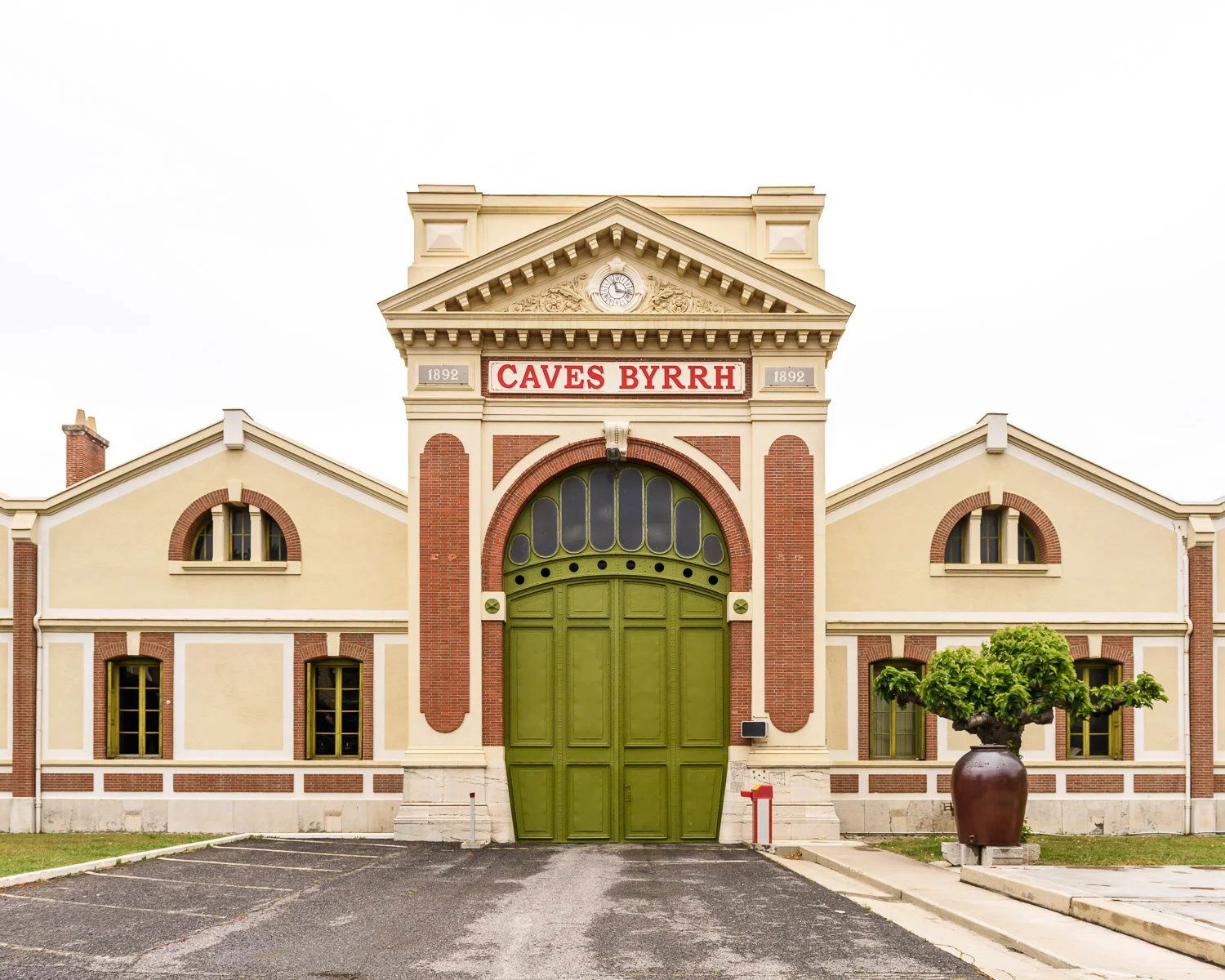
About Pernod Absinthe
Pernod Absinthe in La Cluse-et-Mijoux holds a Pearl 2 Star Prestige award (2025), placing it among a select tier of spirits producers in the Franche-Comté region. The address at 18 Au Frambourg situates it within the Doubs valley, where the alpine environment has shaped absinthe production for centuries. For those tracing French spirits heritage beyond the wine regions, this is a significant stop.
The Doubs valley runs cold and narrow between limestone cliffs, and the villages along its floor carry a different kind of prestige from the sunlit appellations further south. La Cluse-et-Mijoux sits within this corridor, where the Pontarlier gap channels both wind and history. This is the heartland of French absinthe, and the geography is not incidental. The alpine herbs that define absinthe production, grand wormwood foremost among them, have grown in these highlands for centuries, shaped by elevation, snowmelt, and a short but intense growing season. The spirit that emerged from this terroir was once the most consumed alcoholic drink in France, before prohibition and revival turned it into something rarer and more considered.
Pernod Absinthe occupies that tradition with the weight of documented history behind it. The connection between the Pernod name and Pontarlier-area production reaches back to the nineteenth century, when the original Maison Pernod Fils operated from nearby Pontarlier and supplied much of Europe. That lineage gives the address at 18 Au Frambourg, La Cluse-et-Mijoux, a historical depth that most spirits addresses simply cannot claim. The 2025 Pearl 2 Star Prestige award positions it at the higher end of a recognition tier that covers both production quality and heritage significance, placing it in a peer set closer to distinguished estate producers like Chartreuse in Voiron than to industrial spirits brands.
Terroir as the Central Argument
Absinthe, unlike most spirits categories, makes a credible claim to terroir in the wine-world sense. The botanicals matter, but so does where they are grown. Grand wormwood from the Pontarlier highlands carries a different aromatic profile from cultivated lowland varieties: more bitter, more resinous, with a herbal intensity that reflects the short alpine summer. This is the ingredient argument for why geography matters here, and it is why producers in this specific valley have historically commanded a distinction that flatland distillers have found difficult to replicate.
The Doubs department sits at the intersection of Franche-Comté tradition and Swiss border influence, and that dual pull shaped absinthe's botanical vocabulary. The use of alpine botanicals such as green anise, fennel, and wormwood in combination reflects an ecosystem rather than a recipe. When you read the 2025 Pearl 2 Star Prestige recognition for Pernod Absinthe in this context, it reads as a confirmation of terroir fidelity as much as production technique. For a broader frame on how French heritage producers translate place into product, the comparison with Albert Boxler in Niedermorschwihr is instructive: both operate in regions where the land's character has been the core identity argument across generations.
The Revival Context
Absinthe spent nearly a century under prohibition across most of Europe and North America, banned between roughly 1910 and 2000 depending on jurisdiction. The revival that followed was uneven. A large share of what re-entered the market prioritised proof and novelty over botanical authenticity. The more serious end of the revival returned to traditional distillation methods and, critically, to original botanical sourcing. That sorting process is still ongoing, and awards recognition has become one of the mechanisms by which the serious tier distinguishes itself from the broader category.
The Pearl 2 Star Prestige tier, awarded in 2025, sits within a structured recognition framework that considers both production quality and heritage credibility. For a category still reestablishing its premium identity, that kind of independent recognition carries more weight than it might for a well-mapped appellation wine. The parallel with lesser-known French appellations is useful: just as Château d'Arche in Sauternes operates in a sweet wine category that demands patience and precision from producers willing to work outside volume-driven models, absinthe at this level requires botanical sourcing and distillation care that most category players bypass.
La Cluse-et-Mijoux as a Setting
The village is not a major tourist destination in the conventional sense. It sits in the shadow of the Château de Joux, a fortress that controlled the Pontarlier gap for centuries and now functions as a museum. The surrounding landscape in the Doubs valley favours visitors who are drawn by the specificity of what the place produces rather than by amenity density. Accommodation and dining are centred in nearby Pontarlier, where the concentration of absinthe-related heritage is higher and logistics are easier. Visitors approaching La Cluse-et-Mijoux from Besançon travel roughly 70 kilometres southwest along the N57; from Lausanne in Switzerland, the crossing via the Vallorbe pass adds a cross-border dimension that reflects the historical movement of absinthe culture between the two countries.
Practical note for those planning a visit: the address at 18 Au Frambourg is the registered production site, and visitor access, hours, and tour formats are not confirmed in public records available to EP Club. Contact in advance of any visit is advisable. This is consistent with how many heritage spirits producers in France operate: the production function takes precedence, and visitor experience is a secondary consideration rather than a primary offering. The approach differs from the more visitor-structured model you find at, say, Aberlour in Aberlour, where distillery tourism is a developed part of the operation.
Where This Sits in the Broader Spirits Map
For EP Club members navigating France's premium spirits geography, the Pontarlier corridor deserves the same considered attention as Cognac or Armagnac. The category is smaller and the recognition infrastructure is less developed, but the argument for quality anchored in place is equally credible. The 2025 Pearl 2 Star Prestige award for Pernod Absinthe is one data point in a pattern that suggests the serious end of the absinthe revival is consolidating around producers with genuine botanical provenance and documented heritage.
In the context of EP Club's broader coverage of French producers, the Doubs valley sits at an interesting remove from the wine appellations that dominate most premium drink coverage. Bordeaux estates like Château Branaire Ducru in St-Julien, Château Batailley in Pauillac, Château Boyd-Cantenac in Cantenac, Château Cantemerle in Haut-Médoc, Château Clinet in Pomerol, Château Bélair-Monange in Saint-Emilion, and Château Dauzac in Labarde all operate within appellation frameworks with centuries of classification history. Absinthe lacks that infrastructure, which makes awards recognition more meaningful as a proxy for quality signalling, not less. The Château Bastor-Lamontagne comparison is apt in one specific way: both operate in categories where the wider audience is smaller than the intrinsic quality would suggest, and both have accumulated independent recognition that places them above the category median. Similarly, Provence rosé producers like Château d'Esclans in Courthézon and California operations such as Accendo Cellars in St. Helena demonstrate how regional specificity and production rigour translate into premium positioning across very different drink categories.
For the full picture of what La Cluse-et-Mijoux and the surrounding Pontarlier area offer to serious visitors, see our full La Cluse-et-Mijoux restaurants guide.
Frequently Asked Questions
- What is Pernod Absinthe known for?
- Pernod Absinthe carries the Pernod name, which is historically tied to the original Maison Pernod Fils operation near Pontarlier, one of the founding production centres of French absinthe. The 2025 Pearl 2 Star Prestige award reflects current recognition for production quality and heritage credibility. La Cluse-et-Mijoux sits within the alpine botanical zone that defines authentic Pontarlier-style absinthe, grounding the product in a specific and verifiable terroir.
- Is Pernod Absinthe more low-key or high-energy?
- La Cluse-et-Mijoux is a quiet Doubs valley village rather than a high-traffic destination. The registered address at 18 Au Frambourg is a production site, and the surrounding area reflects the character of rural Franche-Comté: deliberate, landscape-defined, and oriented toward visitors who arrive with a specific purpose. The Pearl 2 Star Prestige recognition (2025) confirms the seriousness of the production without suggesting a high-volume visitor operation. Expect a low-key setting consistent with heritage spirits producers across France.
- What do visitors recommend trying at Pernod Absinthe?
- EP Club does not generate menu or product recommendations without verified sourcing. What the award record (Pearl 2 Star Prestige, 2025) and the location in the Pontarlier absinthe corridor do confirm is that the production sits within a tradition defined by alpine botanical sourcing, traditional distillation, and the specific herbal profile that distinguishes Pontarlier-area absinthe from broader category peers. Any specific product or tasting experience should be confirmed directly with the producer before visiting.
Related editorial
- Best Fine Dining Restaurants in ParisFrom three-Michelin-star icons to the next generation of Parisian chefs pushing boundaries, these are the restaurants that define fine dining in the world's culinary capital.
- Best Luxury Hotels in RomeFrom rooftop terraces overlooking ancient ruins to Michelin-starred hotel dining, these are the luxury hotels that make Rome unforgettable.
- Best Cocktail Bars in KyotoFrom sleek lounges to hidden speakeasies, Kyoto's cocktail scene blends Japanese precision with global influence in ways you won't find anywhere else.
Save or rate Pernod Absinthe on Pearl
Keep this venue in your Pearl passport, rate it after you visit, and track it alongside every other place you collect.