
Winzer Krems (Sandgrube 13)
Krems an der Donau, Krems
Winery in Krems, Austria
 Book with Pearl
The Read
Loess-Driven Terroir Precision
Why go
Book Winzer Krems (Sandgrube 13) when the occasion calls for a polished, low-risk Krems wine visit rather than a loose cellar-door crawl. It is strongest for couples, client hosting, and small celebratory groups who want a clear destination address and a structured sense of place.
About Winzer Krems (Sandgrube 13)
Winzer Krems (Sandgrube 13) is a Krems venue with a casual dress code and a confirmed Pearl 2 Star Prestige recognition for 2025. Those are the firm points to carry forward when considering it for an itinerary, a comparison list, or an occasion in the area. Beyond those points, practical details should be confirmed directly before you plan around them. In practical terms, the recognition and location make the venue worth noting, while the lack of operational detail means it should not be treated as fully documented from this page alone.
Use this page as a grounded starting point rather than a complete operating guide. If the occasion depends on timing, availability, accessibility, or a particular style of visit, contact the venue and verify the current details for Krems. That extra step matters because even a well-matched venue can be the wrong fit if the current arrangements do not align with the plan you have in mind. Treat the information here as a reliable frame for what is known, then fill in the practical blanks with the venue itself before setting expectations.
A grounded shortlist option in Krems
The clearest case for Winzer Krems (Sandgrube 13) is simple: it is a Krems venue with casual dress and a confirmed 2025 Pearl 2 Star Prestige recognition. That makes it a relevant option to consider when comparing venues, especially if you are looking for places in Krems that have a defined recognition signal and do not require a formal dress approach. At the same time, the available data does not establish the practical details that shape a visit. It is therefore best understood as a shortlist candidate rather than a fully described experience.
That distinction is useful when planning. A confirmed recognition can help a venue stand out during early research, but the details that shape the actual visit still need to be checked. If you are deciding between multiple stops, clarify current arrangements with the venue and make sure the timing works with the rest of the day. If you are building a broader plan around the visit, check current information before making firm decisions. For dining before or after, you can also consult the Krems restaurants guide.
Who should choose it, and who should cross-shop
Choose Winzer Krems (Sandgrube 13) if you want to include a Pearl-recognized Krems venue in your shortlist and casual dress suits the occasion. It is a sensible name to keep in consideration when the primary need is to identify a Krems option with a confirmed 2025 Pearl 2 Star Prestige recognition, while leaving room to verify the finer points. It may fit especially well at the research stage, when you are narrowing a field of possibilities and want to separate what is confirmed from what still needs direct checking.
Cross-shop Weingut Salomon Undhof, Weingut Sepp Moser, Weingut Lenz Moser, Weingut Petra Unger, and Weingut Hutter Distillery as other named options to research, while confirming current details directly with each venue. Comparing them should not be based on assumptions unless those points are by the venues themselves. A careful comparison will keep Winzer Krems (Sandgrube 13) in context: recognized by Pearl, casual in dress code, and located in Krems, but still requiring direct confirmation for the practical details that determine whether it is the right choice for a specific plan.
Planning details
- Location
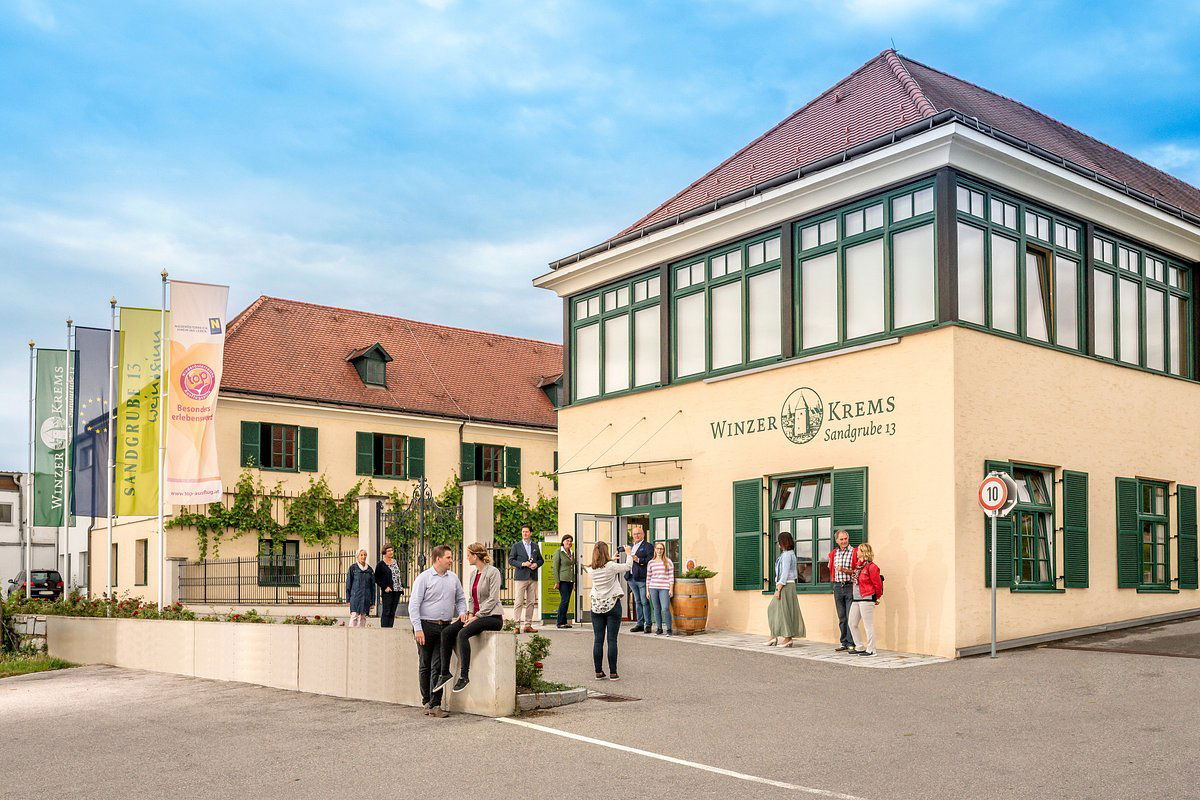
- Sandgrube 13, 3500 Krems an der Donau
- Website
- winzerkrems.at
- Phone
- +43 2732 8551133
The take
The Take
The Vibe
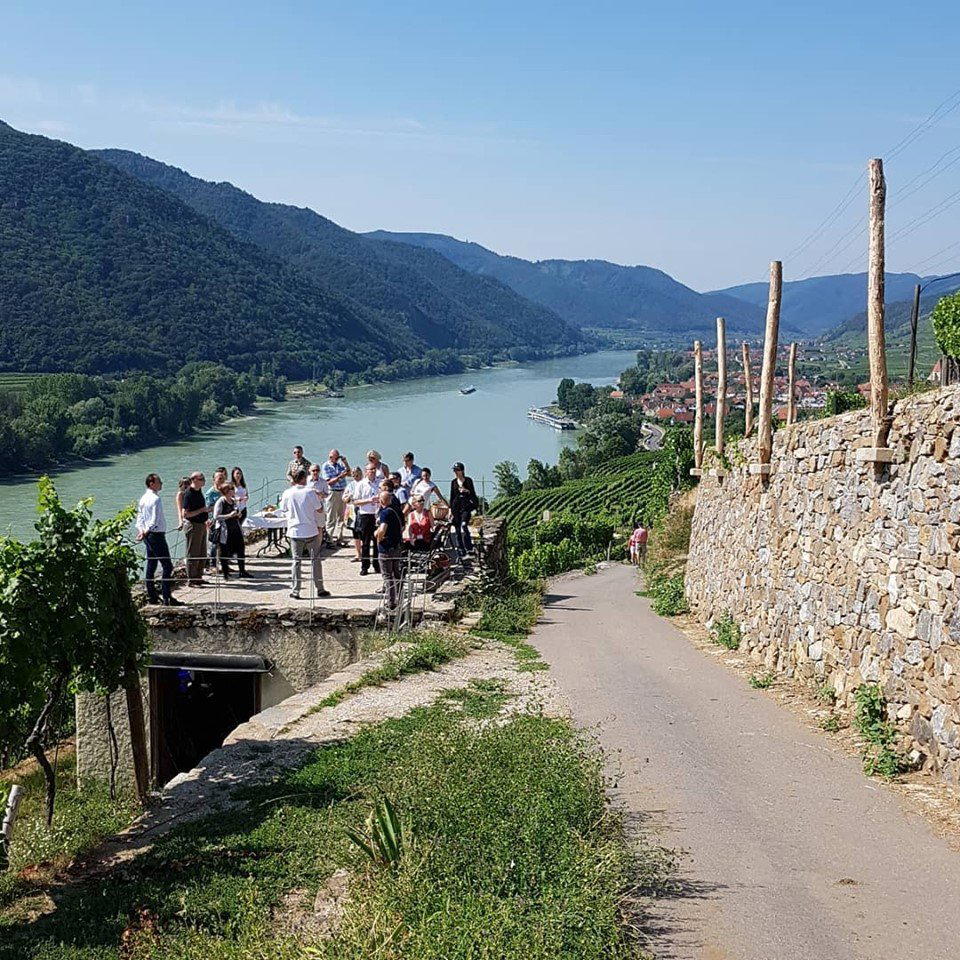
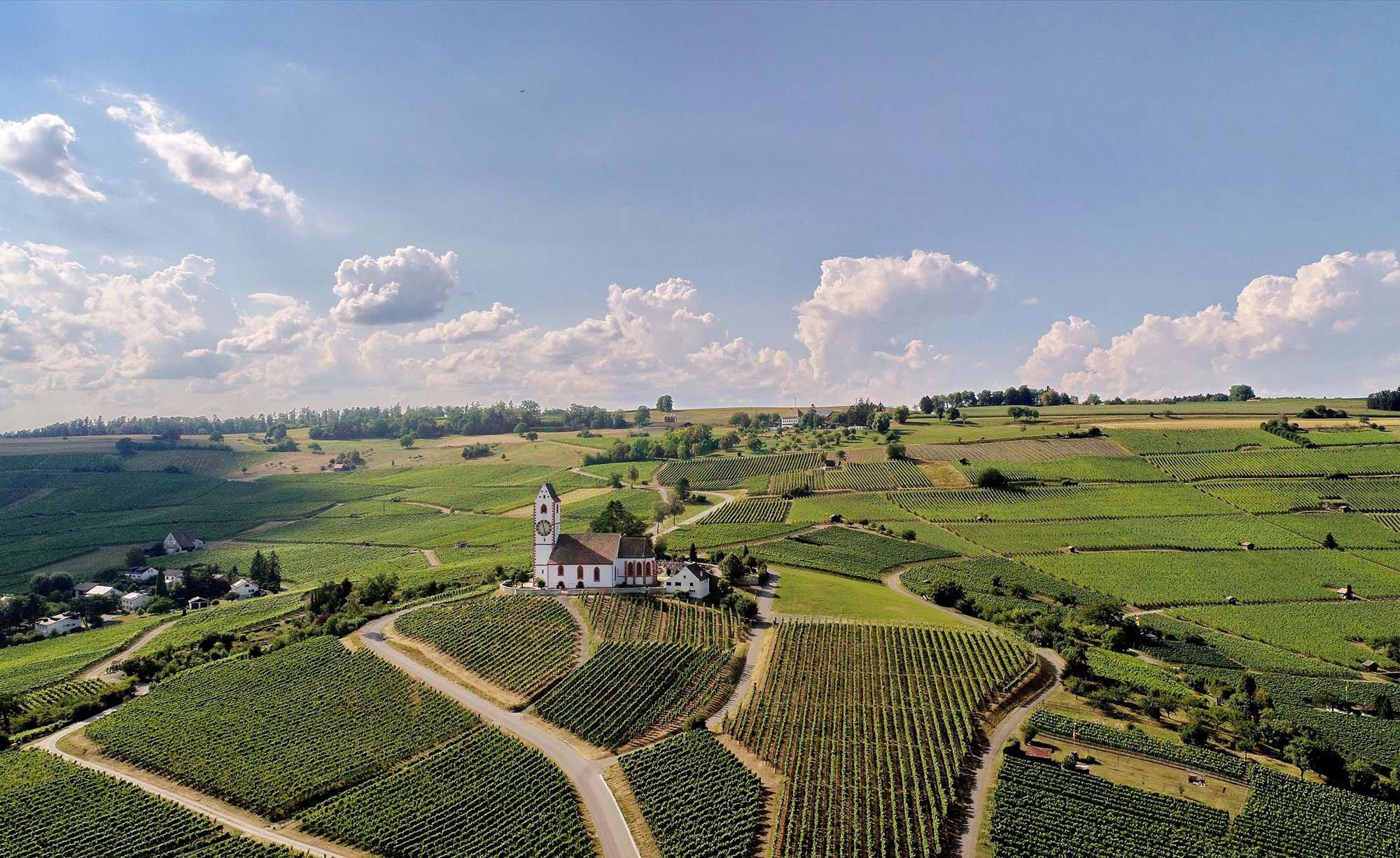
Winzer Krems presents a terroir-first identity centered on its Sandgrube 13 facility in Krems an der Donau. As the principal cooperative for the Kremstal, it aggregates grapes and expertise from a wide membership, giving the site breadth of geological expression rather than singular estate focus. Visiting feels instructive and grounded: the narrative of loess versus primary rock repeats throughout the tasting notes here, and the operation’s scale is the defining character. The experience reads less like a boutique family cellar and more like a regional laboratory—methodical, expansive and focused on showing how varied sites translate to distinctly different Grüner Veltliner and Riesling styles.
Best For
This is a destination for anyone pursuing wine education, comparative tasting and a sense of Kremstal’s diversity. The cooperative setup makes it particularly good for groups or solo visitors who want a broad overview of local terroir: members’ sites across loess slopes and primary rock terraces feed into Sandgrube 13’s program. Tastings here are best approached as studies in contrast—visitors who want a clear lesson in how soil and site shape Grüner Veltliner and Riesling will find the facility directly aligned with that purpose.
Tasting Tips
Ask for a comparative tasting that highlights loess-grown and primary-rock examples—the text notes loess yields broader, textured Grüner Veltliner and Riesling, while primary rock produces tighter structure and tension. Inquire about Kremstal DAC bottlings and which member sites supplied the samples to understand the provenance differences. Because Sandgrube 13 functions as the cooperative’s evaluation hub, request context on the membership plots behind each wine to turn a standard tasting into a focused lesson in regional geology and winemaking choices.
Venue details
Ambiance
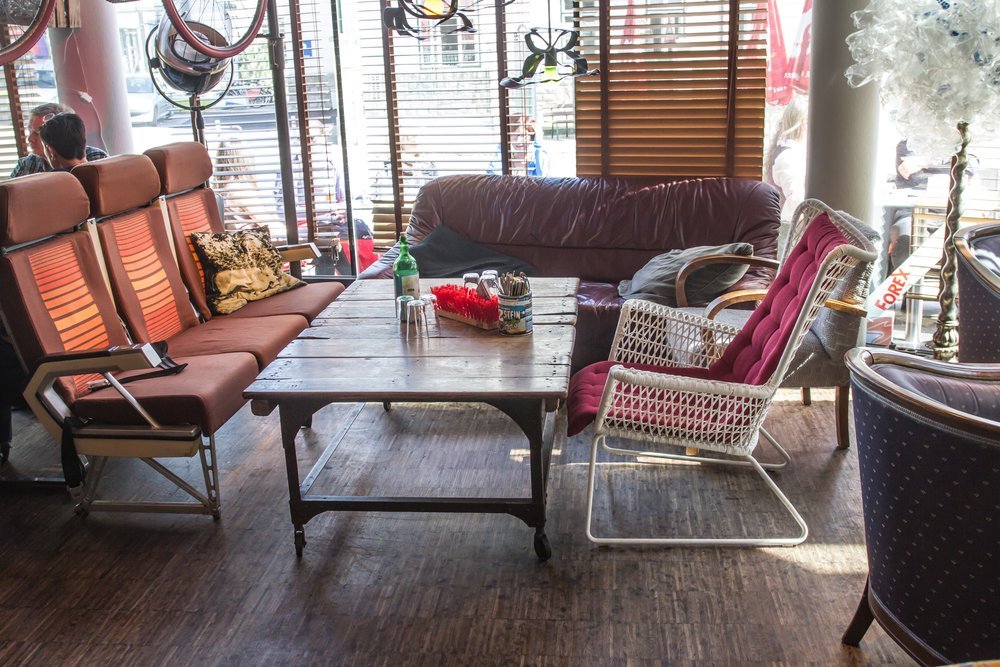
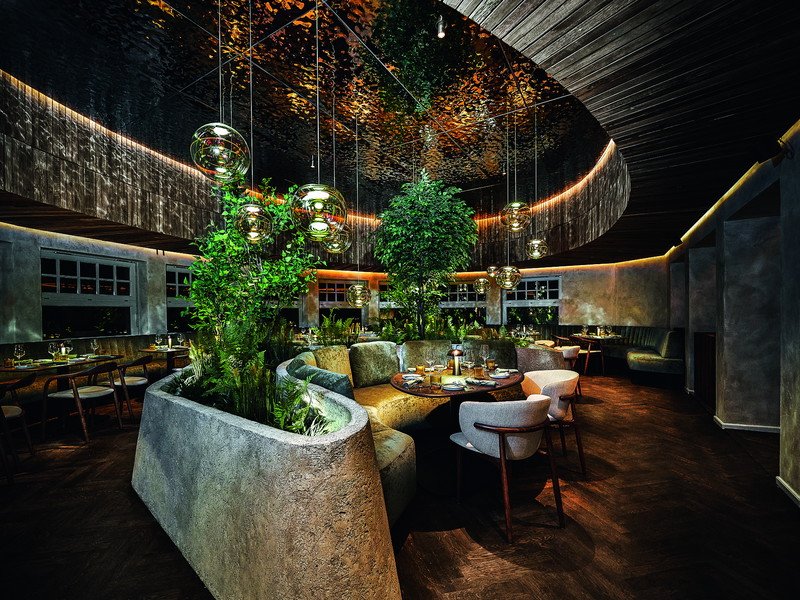
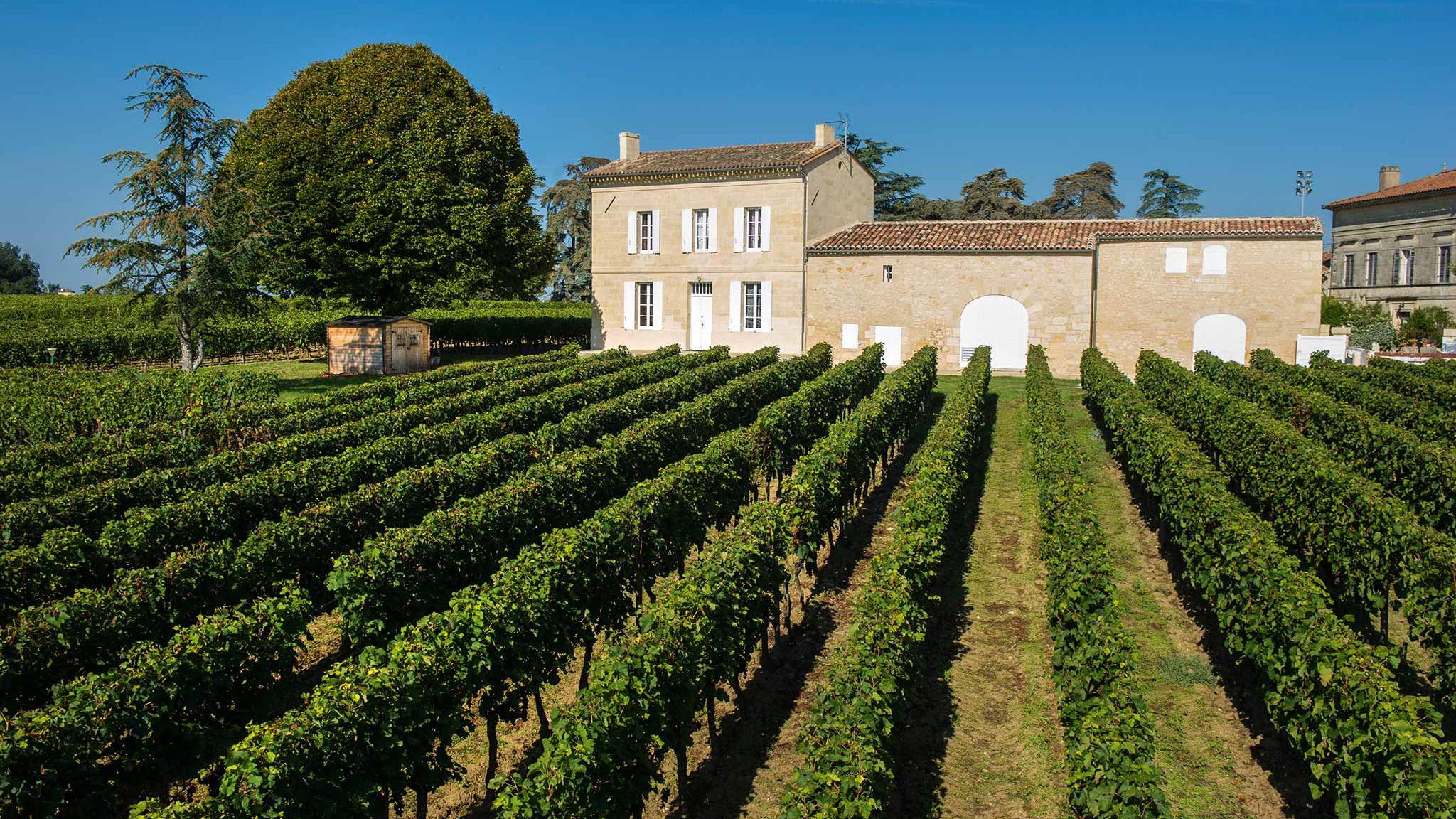
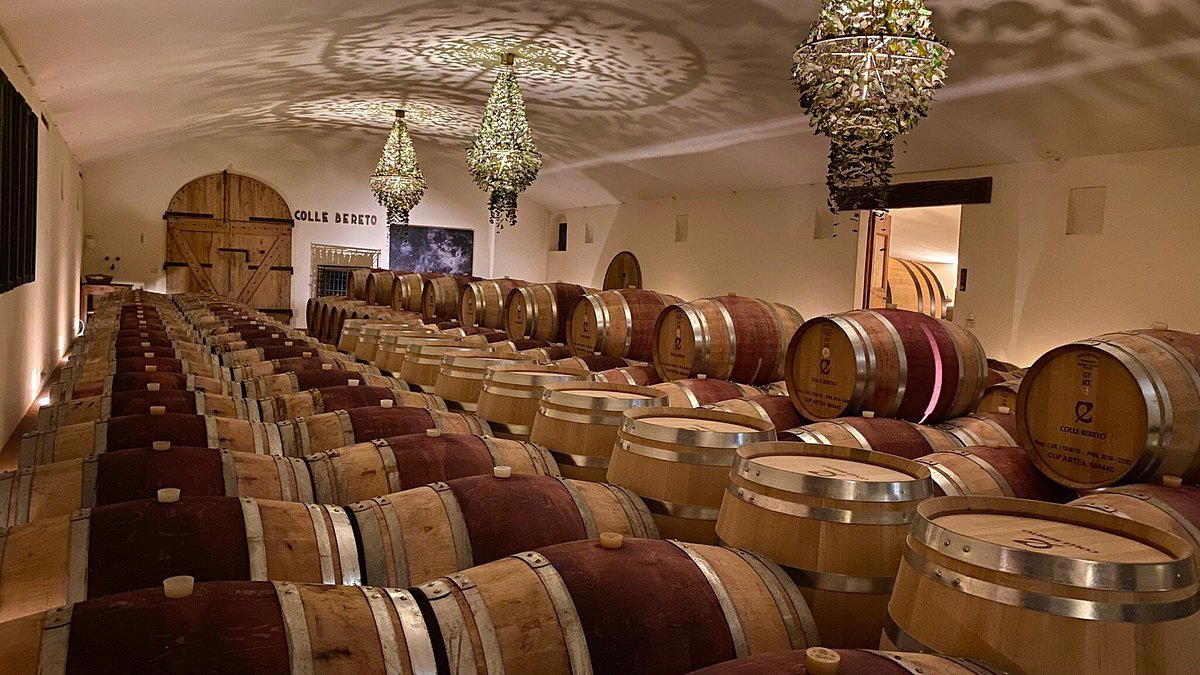
Historic winery with state-of-the-art production facilities, light-flooded fermentation cellar, and traditional wine culture atmosphere.
Tags
Vibe
Best For
Experience
Sourcing
View
At the Vineyard
- Appellation
- Kremstal DAC
- Varietals
- Grüner Veltliner, Blauer Zweigelt, Riesling, Weißburgunder, Chardonnay
- Visits
- Walk-ins welcome
- Farming
- Sustainable
- Wine Styles
- Still White, Still Red, Sparkling
- Wine Club
- Not available
Know before you go
Know Before You Go
- Getting there
- Sandgrube 13, 3500 Krems an der Donau
Planning details
Location
Recognition and awards

Also consider
Also Consider
- Weingut Salomon Undhof, Notable alternative
- Weingut Sepp Moser, Notable alternative
- Weingut Lenz Moser, Notable alternative
- Weingut Petra Unger, Notable alternative
- Weingut Hutter Distillery, Notable alternative
Winery context
How it compares in Krems
Winzer Krems (Sandgrube 13) is the safer choice when the visit needs to feel organized and occasion-ready. Compared with Weingut Salomon Undhof and Weingut Sepp Moser, it is the better fit for mixed-experience groups who want less guesswork around the shape of the visit.
For value, judge by planning efficiency rather than headline bottle price, since public price detail is not the useful decision point here. Weingut Lenz Moser and Weingut Petra Unger are sensible cross-shops if the group wants to compare producer styles across Krems, while Sandgrube 13 is stronger when the priority is a single, polished anchor stop.
If booking access is the deciding factor, keep Weingut Hutter Distillery on the backup list and avoid building the whole day around one hard-to-secure slot. For a celebration, start with Sandgrube 13, then add one peer rather than trying to turn Krems into a checklist.
Explore Krems
Around this place
Discover more on Pearl
Unlock the full Winzer Krems (Sandgrube 13) guide in Pearl, including awards, comparisons, FAQs, planning details, and nearby places.
Compare Winzer Krems (Sandgrube 13)
| Venue | Location | Awards |
|---|---|---|
| Winzer Krems (Sandgrube 13) | Krems | 2026 Falstaff Winery Guide |
| Weingut Salomon Undhof | Stein an der Donau | 2026 Falstaff Winery Guide |
| Weingut Sepp Moser | Rohrendorf | 2026 Falstaff Winery Guide |
| Weingut Lenz Moser | Rohrendorf | 2026 Falstaff Winery Guide |
| Weingut Petra Unger | Furth | 2026 Falstaff Winery Guide |
| Weingut Hutter Distillery | Mautern an der Donau | No published awards |
How Winzer Krems (Sandgrube 13) compares with similar nearby venues.
FAQ
Frequently Asked Questions
Can Winzer Krems (Sandgrube 13) handle large groups?
How long should I plan for a visit to Winzer Krems (Sandgrube 13)?
A visit length is not available here. Plan conservatively and confirm current timing details directly with the venue before building the rest of your itinerary around it.
Are repeat-visit or customer options available at Winzer Krems (Sandgrube 13)?
details on customer options are not available here. If those details matter to your decision, ask the venue directly for current information before making plans.
What other venues can I compare with Winzer Krems (Sandgrube 13)?
Other named venues to research include Weingut Salomon Undhof, Weingut Petra Unger, Weingut Lenz Moser, Weingut Sepp Moser, and Weingut Hutter Distillery. Confirm location and current visit details directly with each venue.
What practical details should I verify before visiting Winzer Krems (Sandgrube 13)?
Only the Krems location, casual dress code, and 2025 Pearl 2 Star Prestige recognition are here. Confirm any other practical details directly with Winzer Krems (Sandgrube 13) before planning around them.