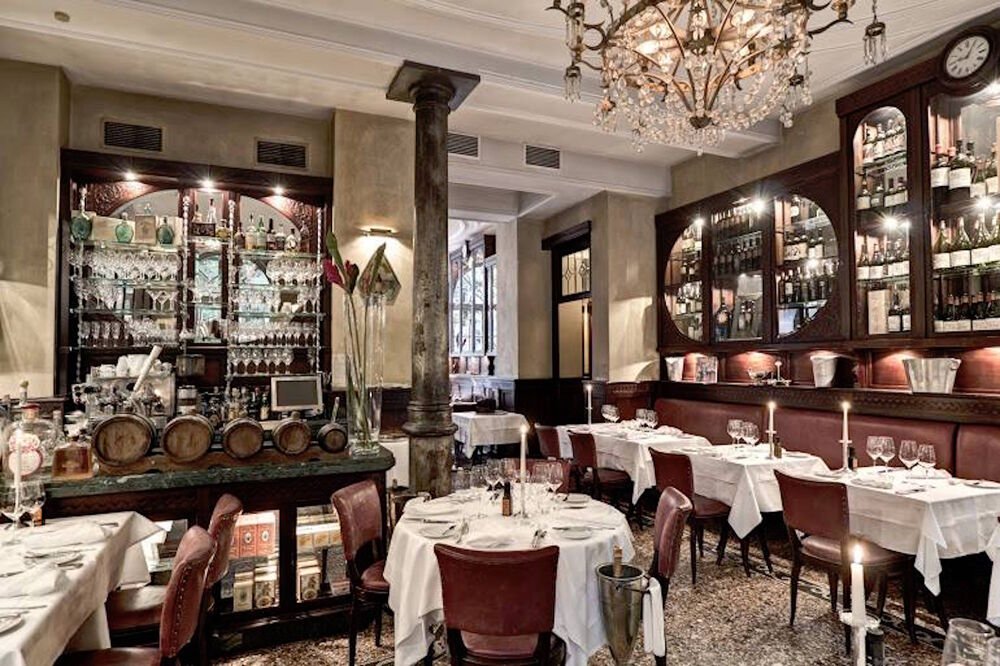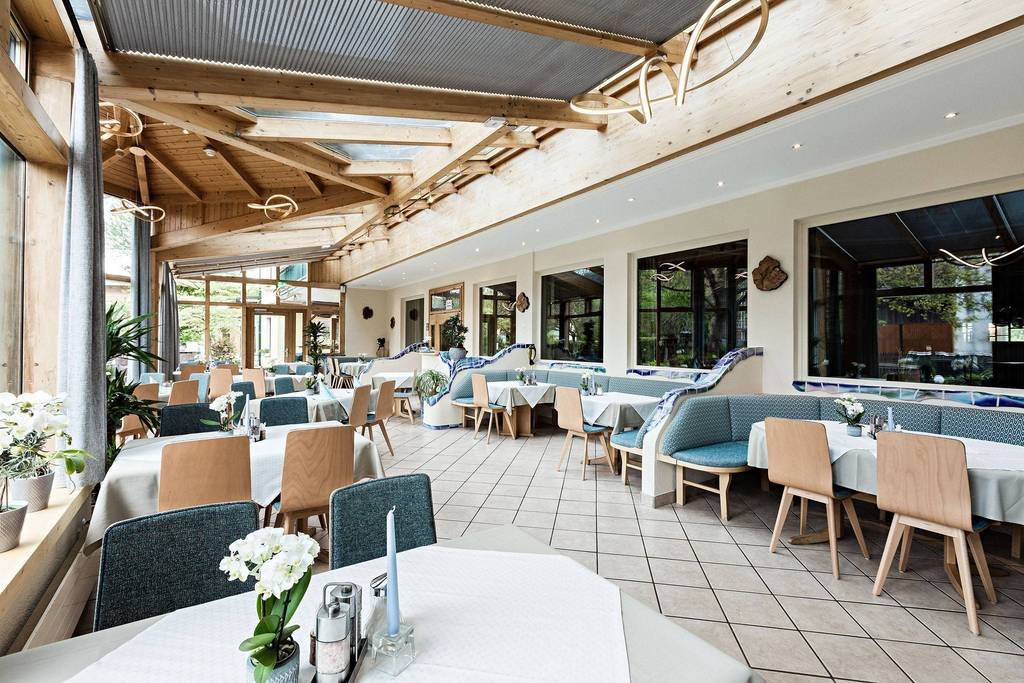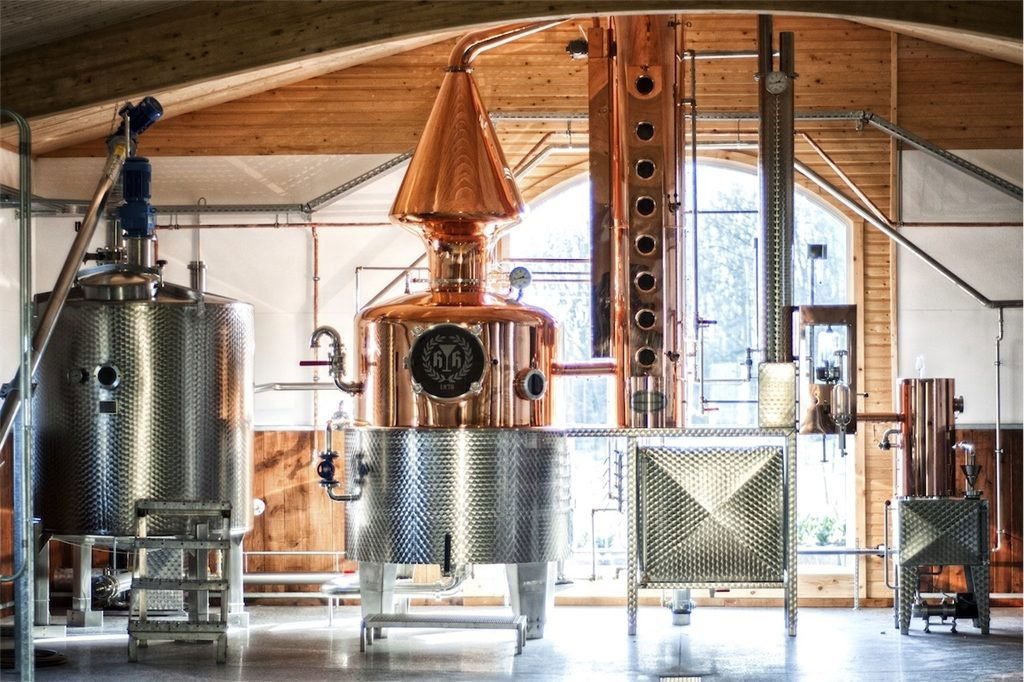
    Winery in Kirchberg am Wechsel, Austria

    Schnapsbrennerei Habbel

    250pts

    Wechsel Plateau Distillation

    Schnapsbrennerei Habbel, Winery in Kirchberg am Wechsel

    About Schnapsbrennerei Habbel

    A farmhouse distillery in the Wechsel highlands of Lower Austria, Schnapsbrennerei Habbel earned a Pearl 1 Star Prestige in 2025, placing it among Austria's recognised small-production spirits operations. The Kirchberg am Wechsel address situates it deep in agricultural terrain where fruit and grain distillation has long been a local practice rather than a novelty. For those tracing Austria's craft spirits geography, Habbel is a credible starting point.

    Where the Wechsel Plateau Meets the Still

    The Wechsel highlands in Lower Austria sit at an elevation where the climate is cooler and slower than the valley floors that most Austrian wine and spirits tourism follows. Kirchberg am Wechsel is not a name that appears on standard itineraries — the region draws hikers and cross-country skiers before it draws serious spirits seekers. That gap between the place's agricultural depth and its tourism visibility is precisely what makes operations like Schnapsbrennerei Habbel worth understanding in context. For our full Kirchberg am Wechsel restaurants and producers guide, the distillery represents one of the clearest examples of how terroir expression in Austrian spirits extends well beyond the Wachau and Burgenland corridors that dominate international coverage.

    Austrian farmhouse distilling has a structural logic rooted in the landscape. Where orchards produce more fruit than local markets absorb, the still becomes infrastructure rather than artisanal affectation. The Wechsel area, with its cooler summers and early autumns, produces stone and pome fruits with higher acidity and more restrained sugar levels than warmer Austrian regions. That raw material profile has direct consequences for what ends up in the bottle: leaner, more mineral-edged distillates that read as distinctly different from the richer, softer schnapps associated with the Styrian fruit belt or the Wachau apricot tradition.

    The 2025 Pearl Recognition and What It Signals

    Schnapsbrennerei Habbel received a Pearl 1 Star Prestige award in 2025. Within Austria's small-production spirits sector, Pearl ratings function as a quality-tier signal that places a distillery inside a defined peer set — operations where production discipline, raw material sourcing, and distillation precision have been assessed against a consistent standard. A 2025 recognition reflects current production quality, not historical reputation, which matters in a category where consistency year to year is a genuine challenge at small scale.

    For comparative context, Austrian distilling recognition has historically been concentrated among operations that also hold winery credentials or that sit within better-documented regions. The Weingut Scheiblhofer Distillery in Andau and the Abfindungsbrennerei Franz in Leithaprodersdorf represent that dual-producer model. Habbel's recognition arriving specifically from its distilling operation, set within the cooler Wechsel terrain rather than an established spirits corridor, makes the 2025 award a more pointed statement about what this specific geography can produce.

    Austria's craft spirits scene has expanded considerably since the early 2010s, with operations across the country drawing on local grain, fruit, and herb resources. Urban distilleries like the 1516 Brewing Company Distillery in Vienna occupy a different market position than rural farmhouse stills, and the recognition criteria that apply to each reflect different production contexts. Habbel sits clearly in the rural, terroir-driven category , closer in spirit to the farmhouse traditions than to the urban craft movement, even as both have benefited from growing domestic and international interest in Austrian spirits.

    Terroir Logic in Austrian Schnapps Production

    The concept of terroir is better established in Austrian wine than in Austrian spirits, but the underlying argument is the same. Climate, soil, altitude, and farming practice shape the raw material, and the raw material shapes what the distiller can express. In the Wechsel highlands, the relatively short growing season produces fruits with concentrated flavour compounds and firm acidity. A distillery working with that fruit is starting from a different point than one sourcing from the Steiermark lowlands or the Burgenland floodplains.

    This regional specificity is why the Austrian spirits geography is worth mapping alongside its wine geography. Operations like Weingut Wohlmuth in Kitzeck and Weingut Pittnauer in Gols demonstrate how place-specific production in Austria's wine regions generates products with distinctive regional character. The same logic applies to distilling, and the Wechsel highlands offer a raw material profile that has not yet received the international attention that the Wachau or Burgenland command. Weingut Emmerich Knoll in Dürnstein and Weingut Bründlmayer in Langenlois sit at the well-documented end of Austrian terroir expression; Habbel occupies the less-trafficked but equally genuine end of that same spectrum.

    How Habbel Fits the Wider Austrian Distilling Map

    Austria's distilling scene has grown into a recognisable category over the past decade, with producers ranging from single-farm operations to larger commercial distilleries. The 1310 Spirit of the Country Distillery in Sierning, the A. Batch Distillery in Bergheim, and the 1404 Manufacturing Distillery in Sankt Peter-Freienstein each represent different points on the production-scale and style spectrum. At the international level, comparison with recognised single-malt producers like Aberlour in Aberlour or New World prestige operations like Accendo Cellars in St. Helena illustrates just how varied the definition of small-production craft has become across the spirits and wine categories globally.

    Within that wider map, Habbel's position is that of a place-specific farmhouse distillery with confirmed quality recognition operating in a region that functions outside the main Austrian spirits tourism circuits. That combination , award-level quality, geographic specificity, low profile , is what tends to attract serious spirits travellers who have already covered the obvious stops. If you have visited the Wachau and explored Burgenland, the Wechsel highlands offer a genuinely different set of producers working with different raw materials under different climatic conditions.

    Planning a Visit

    Kirchberg am Wechsel sits in the southern reaches of Lower Austria, accessible by road from Vienna in roughly ninety minutes, making it viable as a day trip from the capital for those building a focused spirits itinerary. The area is most accessible between late spring and early autumn, when road conditions through the Wechsel hills are direct and the surrounding landscape gives clearer context for the agricultural setting from which operations like Habbel draw their raw materials. Given the limited publicly available information on opening hours and booking procedures, contacting the distillery directly before travelling is advisable; small farmhouse operations in this region frequently operate by appointment rather than set visitor hours. Kirchberg am Wechsel is a small market town rather than a full-scale tourist destination, so combining a distillery visit with the broader regional character , walking routes, local farmhouses, the refined plateau terrain , makes more logistical sense than treating the distillery as a standalone stop on a crowded schedule.

    Frequently Asked Questions

    Is Schnapsbrennerei Habbel more formal or casual?
    Farmhouse distilleries in the Kirchberg am Wechsel area operate at the informal, agricultural end of the hospitality spectrum rather than as structured tasting venues. The 2025 Pearl 1 Star Prestige award reflects production quality, not visitor experience formality. Expect a working-producer environment rather than a polished tasting room. Dress and approach accordingly: practical rather than dressed-up, and with genuine interest in the production process rather than a curated sensory event.
    What spirits should I try at Schnapsbrennerei Habbel?
    Schnapsbrennerei Habbel is a distillery rather than a winery, so wine is not the product category here. The distillery's Pearl 1 Star Prestige recognition in 2025 applies to its spirits production, and the Wechsel highland setting suggests a fruit-forward schnapps tradition working with locally grown stone and pome fruits. Specific current products are not confirmed in available records, so checking directly with the distillery before visiting is the practical approach for up-to-date production details.
    What should I know about Schnapsbrennerei Habbel before I go?
    The distillery is in Kirchberg am Wechsel, Lower Austria, roughly ninety minutes by road from Vienna. It holds a Pearl 1 Star Prestige award from 2025. Address, hours, and booking details are not publicly confirmed in available records, so direct contact ahead of any visit is strongly recommended. The region sits outside the main Austrian wine and spirits tourism routes, which means infrastructure for visitors is more limited than in the Wachau or Burgenland, but also that the production environment is more authentically agricultural.
    Keep this place

    Save or rate Schnapsbrennerei Habbel on Pearl

    Keep this venue in your Pearl passport, rate it after you visit, and track it alongside every other place you collect.