
Winery in Kempton, Australia
Belgrove Distillery
500ptsFarm-to-Still Grain Spirits
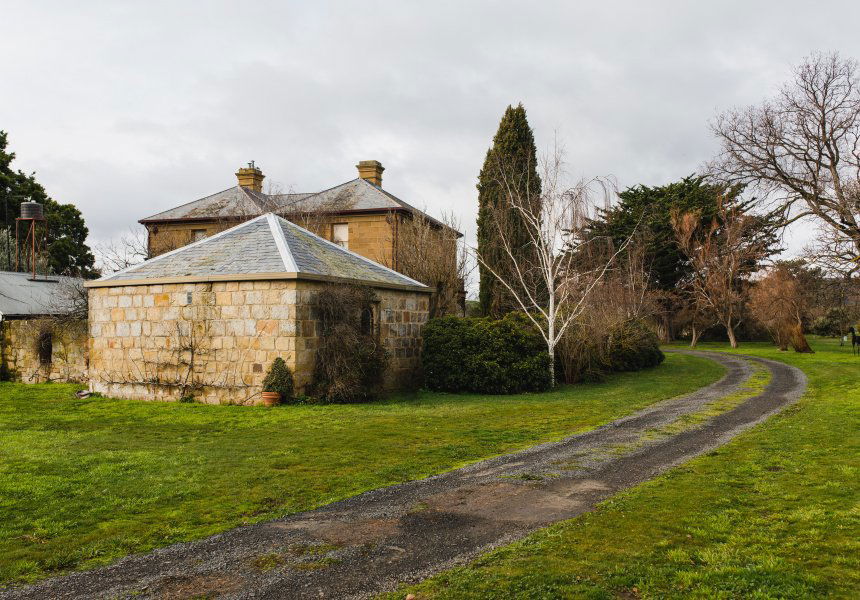
About Belgrove Distillery
Belgrove Distillery sits along the Midland Highway in Kempton, Tasmania, earning a Pearl 2 Star Prestige rating in 2025. The distillery operates within a broader Tasmanian spirits scene that has drawn serious attention for its cool-climate grain character and farm-to-still production ethos. For those tracing the southern island's artisan producer circuit, Belgrove represents one of the more considered stops between Hobart and the midlands.
Where Tasmania's Midlands Meet the Still
The Midland Highway through Tasmania's interior is not a glamorous road. It connects Hobart to Launceston through rolling sheep country, past sandstone towns that have been quietly going about their business since the colonial era. Kempton sits in that corridor, a small settlement with a history longer than most Australian towns and an agricultural identity that runs deep into the soil. It is not a place that announces itself, which makes it a fitting address for a distillery whose approach to production is rooted in the land rather than in spectacle.
Belgrove Distillery, at 3121 Midland Highway, occupies that context. Tasmania's spirits industry has grown considerably over the past decade, with the island now recognised as one of Australia's most compelling zones for whisky and grain spirits. The combination of clean water, cool-climate barley, and a production culture that tends toward small batch and on-site grain sourcing has given Tasmanian distilleries a distinct character when compared against mainland peers. Archie Rose Distilling Co in Sydney and Bundaberg Rum Distillery in Bundaberg represent other serious Australian spirits producers, but neither operates in the same cool-climate, farm-integrated model that defines the Tasmanian approach.
The Terroir Argument for Tasmanian Grain Spirits
Terroir is a concept that distillers have borrowed slowly and sometimes awkwardly from the wine world. In wine, it describes the sum of soil, climate, aspect, and human intervention that gives a place its character. In spirits, the argument is contested: distillation concentrates flavour, barrels transform it, and the grain's origin can become difficult to trace through that process. But in Tasmania, where some producers grow their own grain on the same land where they distil, the connection between site and spirit is more legible than the sceptics allow.
The island's climate is cooler and more maritime than any mainland Australian wine or spirits region. Barley grown in the midlands at elevation, with cold nights and moderate humidity, develops differently than grain from warmer zones. When that barley moves directly from paddock to malting to still without leaving the property, the argument for a place-specific character becomes harder to dismiss. This is the category of producer that has given Tasmania's spirits scene its credibility internationally, and it is the category Belgrove belongs to.
Comparison helps clarify the position. In the wine world, producers like Bass Phillip in Gippsland or Henschke have built reputations by treating specific parcels of land as the primary argument for their wines rather than technique alone. The same logic applies in spirits when producers tie themselves to a single farm or grain source. The spirit that results carries information about a place, not just a process.
A 2025 Pearl 2 Star Prestige Rating
In 2025, Belgrove Distillery received a Pearl 2 Star Prestige rating, which positions it within the recognised tier of Australian producers drawing serious critical attention. That rating places it alongside a cohort of producers in Australia who are being assessed not merely for technical competence but for the consistency and character of what they make. For spirits, where recognition systems are less formalised than in wine, a structured prestige award carries real signal value.
The broader Kempton and midlands area has several producers operating at or near this level. Old Kempton Distillery is the other significant spirits address in the town, and the two form a loose cluster worth visiting together rather than in isolation. The existence of two award-recognised producers in a town of this scale says something about the conditions the midlands offers, rather than being a coincidence of individual ambition.
For visitors working through our full Kempton restaurants and producers guide, Belgrove fits into a day that might also include the broader agricultural and heritage character of the town rather than functioning as a standalone destination requiring a dedicated trip.
The Farm-to-Still Model in Australian Context
Australia has producers at multiple points on the vertical integration spectrum. At one end, large-volume operations source grain externally, apply consistent process, and deliver reliable products at scale. At the other, farm-based operations control everything from soil to bottle. Belgrove operates at the integrated end of that spectrum, which creates both constraints and advantages. The constraints are evident: output is limited, consistency across batches reflects seasonal and agricultural variation rather than industrial uniformity, and scaling up is structurally difficult. The advantages are the inverse of those limits: each batch carries a timestamp, a seasonal character, and a site specificity that larger producers cannot replicate.
This model has parallels across Australian wine. All Saints Estate in Rutherglen and Angove Family Winemakers in Renmark both operate with significant vertical integration in wine production, though the scale and history differ. In distilling, the farm-to-still model is rarer and younger, which means producers doing it rigorously in Tasmania are operating with less precedent and more exposure to the consequences of each growing season.
Other Australian regions have developed spirits identities, but few have the same concentration of serious farm-integrated producers. The Tasmanian model more closely resembles certain Scottish distillery traditions, where geography and water source carry explicit marketing and quality arguments, than it does the Australian mainland craft spirits scene. Aberlour in Aberlour is an example of the Scottish tradition of place-specificity in spirits, and the conceptual comparison is instructive even where the specific products differ entirely.
Getting to Kempton and Planning a Visit
Kempton is approximately 50 kilometres north of Hobart along the Midland Highway, making it a direct day-trip from the capital. The drive through the midlands passes through open agricultural country and several historic towns, and the route is well-suited to combining Belgrove with other producers and heritage sites along the corridor. The address at 3121 Midland Highway is on the main road through town rather than down a farm track, which simplifies arrival.
Because specific hours, booking requirements, and tasting formats are not available in the current record, confirming operational details directly before visiting is advisable. Small distilleries at this tier frequently operate on appointment or limited public hours, and the Pearl 2 Star Prestige recognition may have increased demand for visits. For those building a broader Tasmania itinerary, the midlands circuit of producers is leading treated as a planned route rather than a spontaneous detour. Pairing Belgrove with Old Kempton Distillery within the same visit is the logical approach given their proximity.
For broader context on Australian producers earning recognition at this level, the range extends from wine estates like Cape Mentelle in Margaret River, Bird in Hand in Adelaide Hills, Brokenwood in Hunter Valley, Blue Pyrenees Estate in Pyrenees, Leading's Wines in Great Western, Brown Brothers in King Valley, and Accendo Cellars in St. Helena to spirits producers across different states. What distinguishes Belgrove within that peer set is the combination of geographic specificity, on-farm production discipline, and a prestige-tier rating that confirms the quality argument has external validation rather than being a producer's self-assessment.
FAQ
Is Belgrove Distillery more low-key or high-energy?
Kempton is a small midlands town with a working-agricultural rather than tourist-facing character, and Belgrove fits that register. The distillery's Pearl 2 Star Prestige rating (2025) reflects production quality and critical recognition rather than a high-volume visitor experience. Expect a considered, producer-led atmosphere rather than the polished hospitality infrastructure of a large wine estate or urban bar. Pricing and format details are leading confirmed directly before visiting, as operations at this scale frequently differ from larger commercial producers.
What's the must-try at Belgrove Distillery?
Belgrove's recognised position within the Tasmanian farm-to-still model means the spirits most worth seeking out are those that demonstrate on-property grain sourcing and the cool-climate character of the midlands. Tasmania as a region has built credibility specifically through rye and barley spirits that carry distinct site character. Without confirmed current product listings in the record, the clearest guidance is to ask about releases that use grain grown on or near the property, which is where the terroir argument the distillery is built around becomes most tangible. The 2025 Pearl 2 Star Prestige award signals the quality bar is there to meet.
What's the standout thing about Belgrove Distillery?
The combination of Kempton's agricultural setting, a documented Pearl 2 Star Prestige rating in 2025, and a production approach tied to the specific conditions of Tasmania's midlands sets Belgrove apart from most Australian distilleries. It is not a destination built around hospitality scale or tourism infrastructure. The argument for visiting is the spirit itself and the place that makes it, which is a rarer and more specific proposition than most producers at any price tier can honestly make.
Related editorial
- Best Fine Dining Restaurants in ParisFrom three-Michelin-star icons to the next generation of Parisian chefs pushing boundaries, these are the restaurants that define fine dining in the world's culinary capital.
- Best Luxury Hotels in RomeFrom rooftop terraces overlooking ancient ruins to Michelin-starred hotel dining, these are the luxury hotels that make Rome unforgettable.
- Best Cocktail Bars in KyotoFrom sleek lounges to hidden speakeasies, Kyoto's cocktail scene blends Japanese precision with global influence in ways you won't find anywhere else.
Save or rate Belgrove Distillery on Pearl
Keep this venue in your Pearl passport, rate it after you visit, and track it alongside every other place you collect.