

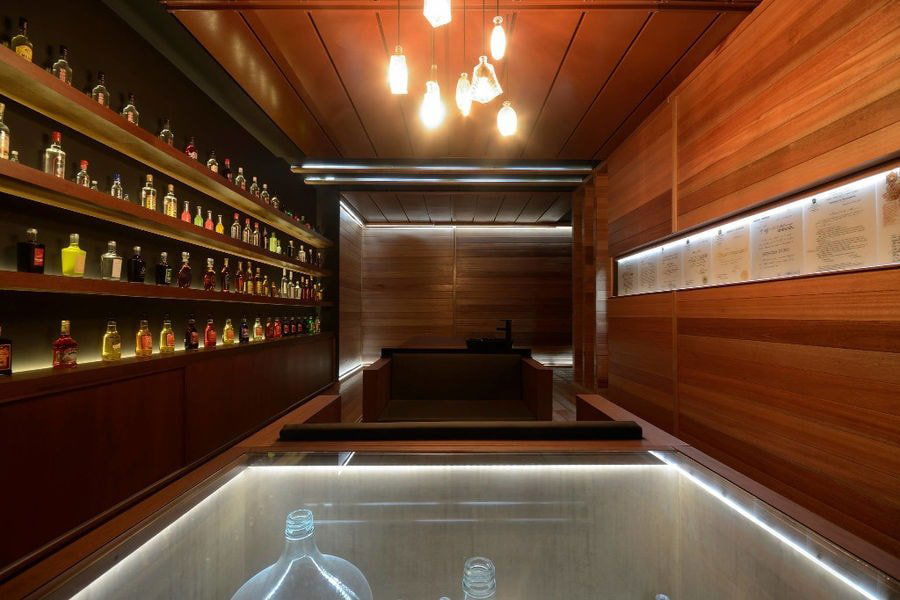
Callicounis Distilleries
Kalamata
Winery in Kalamata, Greece
 Book with Pearl
The Read
Peloponnese Spirits Craft
Why go
Prioritise Callicounis Distilleries if the group wants a specialised distillery stop near Kalamata and is willing to plan around difficult access. It is a stronger fit for small special-occasion itineraries than casual drop-ins, with value tied to the distinct format rather than convenience or posted pricing.
About Callicounis Distilleries
Callicounis Distilleries is a Kalamata venue with Pearl 2 Star Prestige recognition for 2025. Along with a casual dress code, it is best to confirm current access, visit format, timing, and any costs directly before building a day around it.
If Callicounis Distilleries is a priority for your Kalamata itinerary, check the venue's current access, visit format, timing, and any costs through official channels. Do not assume a tasting format, food service, group capacity, shipping, or a specific product focus beyond what the venue itself confirms.
Worth prioritising if the confirmed recognition matters to your plans
The clearest reason to keep Callicounis Distilleries on a shortlist is its Pearl 2 Star Prestige recognition in 2025. That gives the venue a stronger editorial signal than an ordinary listing, but it does not replace the need to verify practical details before visiting.
For travellers comparing regional options, Callicounis Distilleries can be considered alongside venues such as Boutari Winery in Mantinia, Karonis Distillery, Ktima Tselepos, Troupis Winery, and Verino Distillery. Keep the comparison focused on your own route, timing, and interests rather than assuming each venue offers the same type of visit.
How to plan the day without overcommitting
Reservations: confirm directly before making firm plans. Dress: casual dress is the confirmed guidance. Budget: check current costs with the venue. Group size: larger parties should confirm arrangements in advance. The most reliable plan is to keep the Kalamata schedule flexible until the venue's current details are confirmed.
Planning details
- Location
- 7o χλμ, ΕΟ Καλαμάτας Σπάρτης, Messini 241 00
- Website
- callicounis.gr
- Phone
- +30 2721 069805
The take
The Take
The Vibe
Callicounis Distilleries presents a scenic, quietly refined presence on the road between Kalamata and Sparta. Sitting where the Messinian plain gives way to the lower Taygetos slopes, the operation reads the surrounding limestone soils and diurnal swings into its distillates, and recent accolades underscore a production seriousness that feels sophisticated rather than merely artisanal. The site comes across as a hidden gem for those who value landscape-driven spirits: the setting is rural and elemental, and the work inside the stills frames the place as a thoughtful, terroir-minded producer rather than a tourist spectacle.
Best For
This is an ideal stop for visitors focused on wine and spirits education and for anyone curious about how Mediterranean foothill terroir translates into distilled products. The distillery’s emphasis on local aromatic raw materials and the discussion of production discipline make it especially rewarding for students, producers and engaged travelers who want to probe provenance and technique. Rather than a mainstream tasting room, it suits deliberate, inquisitive visits—people who appreciate context, agricultural cycles and the ways climate and limestone soils shape flavour in tsipouro and fruit distillates.
Tasting Tips
When sampling at Callicounis, prioritize expressions that speak to place: seek out the regionally rooted tsipouro and local fruit-based spirits mentioned in the description, and specifically ask about any award-winning releases referenced by the 2025 Pearl 2 Star Prestige accolade. Use tastings as an opportunity to ask about raw-material sourcing, the role of diurnal temperature swings and how the operation interprets terroir through distillation. Avoid assuming a cocktail bar approach; this is a producer-led experience best appreciated through focused sips and conversation about technique and origin.
Venue details
Tags
Vibe
Best For
Experience
At the Vineyard
- Tour Duration
- 60-90 minutes
- Wine Club
- Not available
Know before you go
Know Before You Go
- Getting there
- 7o χλμ, ΕΟ Καλαμάτας Σπάρτης, Messini 241 00
Planning details
Location
Also consider
Also Consider
- Ktima Tselepos, Notable alternative
- Troupis Winery, Notable alternative
- Boutari Winery (Mantinia), Notable alternative
- Verino Distillery, Notable alternative
- Karonis Distillery, Notable alternative
Winery context
How It Compares
Choose Callicounis Distilleries when the priority is a distillery-led stop near Kalamata rather than a standard winery tasting. Ktima Tselepos, Troupis Winery, and Boutari Winery (Mantinia) make more sense for readers who want a wine-focused route and a clearer fit with classic Peloponnese tasting expectations.
For a spirits-focused comparison, cross-shop Verino Distillery and Karonis Distillery. Those are the more direct alternatives if the group is choosing by production style rather than vineyard setting. Callicounis is the more convenient name to consider for a Kalamata-based itinerary, but only if access is confirmed early.
On value for money, the recommendation is practical: book Callicounis for a smaller celebration where the specialised format matters; choose Tselepos, Troupis, or Boutari if the group wants a more conventional winery day; choose Verino or Karonis if the brief is specifically distillery comparison.
Explore Kalamata
Around this place
Discover more on Pearl
Unlock the full Callicounis Distilleries guide in Pearl, including awards, comparisons, FAQs, planning details, and nearby places.
Compare Callicounis Distilleries
| Venue | Location | Awards |
|---|---|---|
| Callicounis Distilleries | Kalamata | No published awards |
| Ktima Tselepos | Mantinia | 2026 Falstaff Winery Guide |
| Troupis Winery | Mantinia | 2026 Falstaff Winery Guide |
| Boutari Winery (Mantinia) | Mantinia | 2026 Falstaff Winery Guide |
| Verino Distillery | Argos | No published awards |
| Karonis Distillery | Nafplio | No published awards |

How Callicounis Distilleries Kalamata compares with similar nearby venues.
FAQ
Frequently Asked Questions
Is Callicounis Distilleries worth visiting?
Callicounis Distilleries has Pearl 2 Star Prestige recognition for 2025, which makes it a notable Kalamata venue. Practical details should still be confirmed directly before visiting.
How long should I plan for a visit to Callicounis Distilleries?
Confirm the current format and timing with Callicounis Distilleries before building it into a Kalamata itinerary.
When is the best time to visit Callicounis Distilleries?
Can Callicounis Distilleries handle large groups?
Larger parties should contact Callicounis Distilleries directly before making plans.
Does Callicounis Distilleries ship products?
Does Callicounis Distilleries serve food?
Plan meals separately in Kalamata unless Callicounis Distilleries confirms otherwise.