Viña Tarapacá
Isla de Maipo
Winery in Isla de Maipo, Chile
 Book with Pearl
The Read
Maipo Valley Prestige Tasting
Price
$150–200tasting
Why go
Book Viña Tarapacá if the goal is a serious Isla de Maipo winery visit with an estate setting, not just a quick tasting. It is strongest for first-timers, couples, and small groups considering a private or upgraded format; if timing is tight, compare Viña Santa Ema or Viña De Martino first.
About Viña Tarapacá
Viña Tarapacá is a venue in Isla de Maipo. Pearl's guidance for this listing is intentionally limited: the confirmed details are its location, a smart casual dress code, and Pearl 3 Star Prestige recognition for 2025.
Because other specifics have not been, treat operational details such as visit format, reservations, group handling, pricing, menus, hours, and on-site services as details to confirm directly with the venue before planning around them.
Plan around confirmed information
Use Viña Tarapacá as an Isla de Maipo option when you want a venue with confirmed Pearl 3 Star Prestige recognition in 2025. The safest planning approach is to confirm current availability, visit format, and any requirements directly before making it the anchor of a day in Isla de Maipo.
For comparison, you may also consider Viña Santa Ema, Viña De Martino, Viña Undurraga, Viña Santa Rita, and Viña Chocalán. Pearl does not verify additional operational details for Viña Tarapacá on this page beyond the confirmed facts listed here.
Planning value depends on current details
The practical verdict is simple: Viña Tarapacá is a confirmed Isla de Maipo listing with smart casual dress code guidance and Pearl 3 Star Prestige recognition for 2025. For anything more specific, including booking rules, visit structure, timing, or services, verify the current details before you go.
Planning details
- Location
- Fundo El Rosario S/N, 9790000 Isla de Maipo, Región Metropolitana
- Website
- vsptwinegroup.com/tours-and-events/es/vina_tarapaca
- Phone
- +56 2 2429 8900
The take
The Take
The Vibe
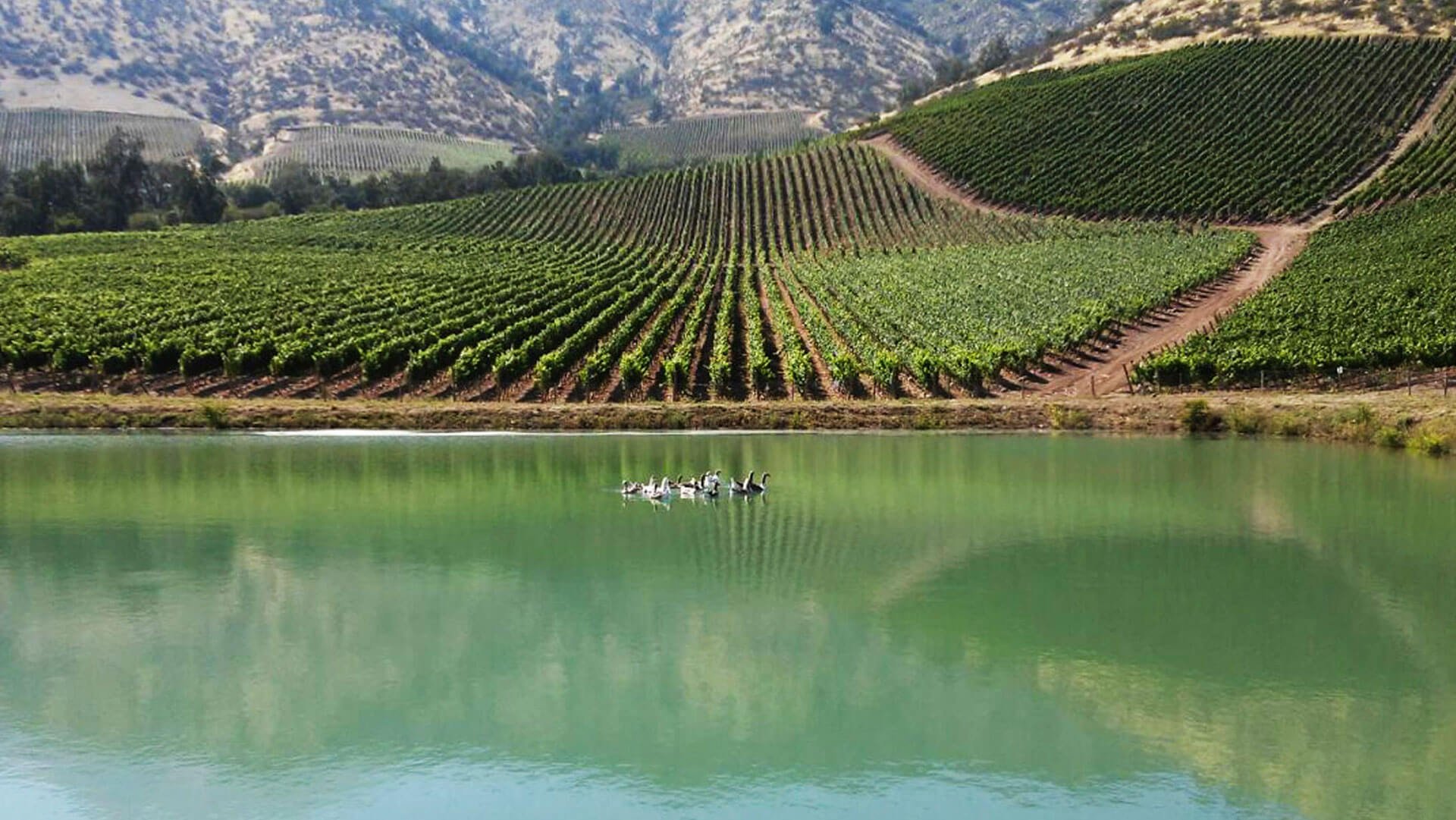
Viña Tarapacá presents a refined estate sensibility anchored in Maipo Valley’s long-established viticultural landscape. The visit foregrounds agricultural scale — rows of vines marching toward the Andes foothills — and a nineteenth-century estate logic that privileges land and lineage. A Pearl 3 Star Prestige rating frames the hospitality as serious and knowledge-forward, so the overall feel is measured and sophisticated rather than flashy. Tastings are oriented toward conversation about soils, altitude and Cabernet tradition, which keeps the atmosphere focused, reflective and quietly elegant.
Best For
The estate is best for visitors who seek a terroir-focused, educational tasting rather than a casual pour. Because programs are 'calibrated for visitors who come with prior knowledge,' Viña Tarapacá suits wine students, small groups interested in comparative tasting, and celebratory visits that value provenance and context. Its proximity to Santiago and the full-estate format also make it a sensible choice for day trips from the city where the vineyard setting and mountain views are part of the draw.
Tasting Tips
Book a guided tasting in advance—tastings at this Prestige-rated estate are described as guided rather than self-directed, and staff position wines relative to soils and altitude. Come prepared with specific questions about Maipo’s Cabernet tradition, terroir differences and the estate’s winemaking choices to get the most from the structured conversation. If possible, allow time to walk the estate grounds so the vineyard geography that informs the wines is visible during the visit.
Venue details
Ambiance
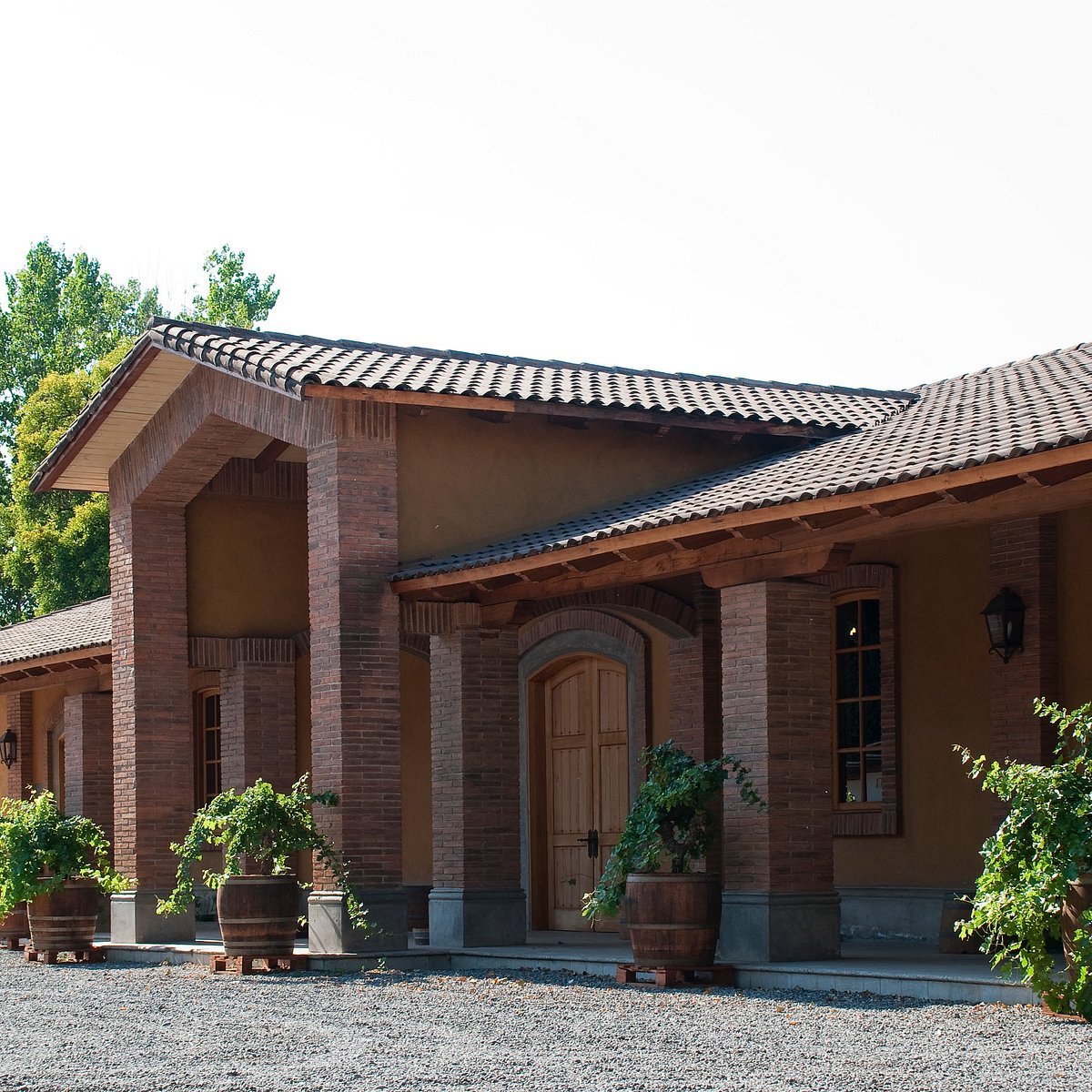
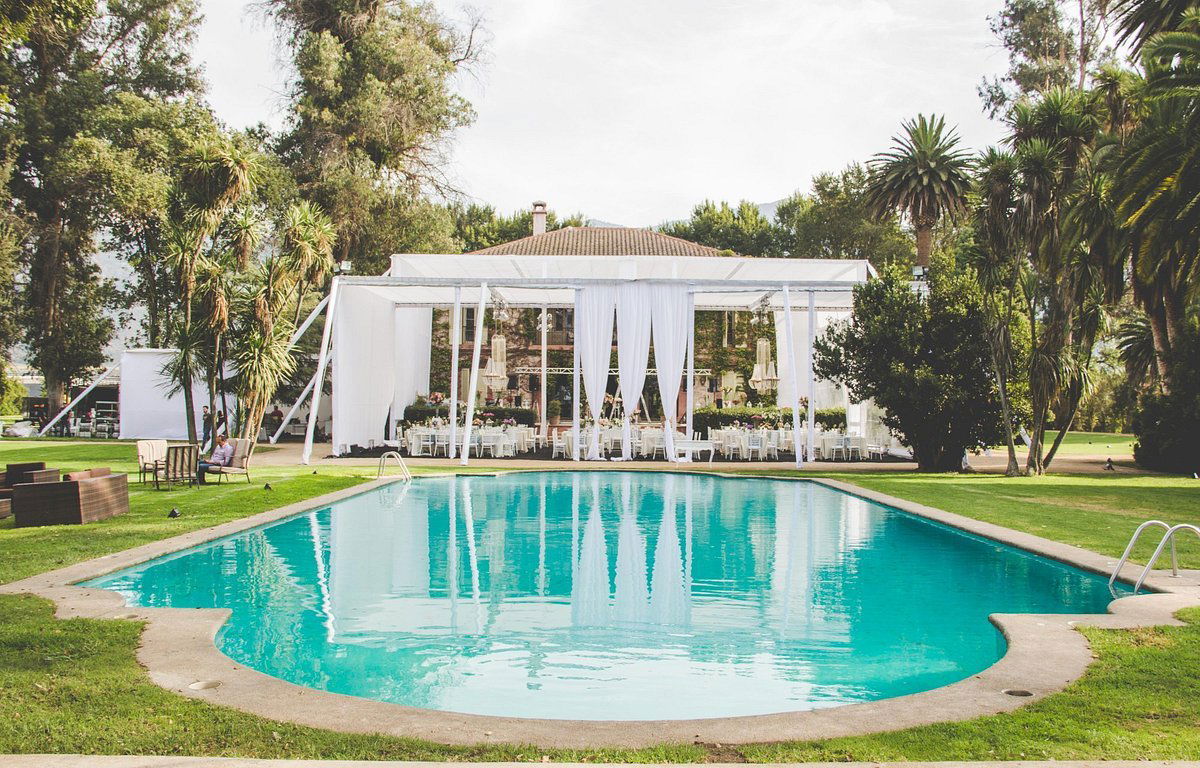
Elegant and refined with a historic atmosphere enhanced by the natural beauty of the Maipo Valley, surrounded by the Andes mountains and the Maipo River, featuring a well-maintained estate with gardens and period architecture.
Tags
Vibe
Best For
Experience
View
Accessibility
At the Vineyard
- Appellation
- Maipo Valley
- Varietals
- Cabernet Sauvignon, Carmenere, Merlot, Syrah, Sauvignon Blanc
- Tour Duration
- 120-180 minutes
- Tour Languages
- English, Spanish
- Visits
- By appointment only
- Wine Styles
- Still Red, Still White
- Food Pairing
- Offered
- Shipping
- Available
- Wine Club
- Not available
Know before you go
Know Before You Go
- Getting there
- Fundo El Rosario S/N, 9790000 Isla de Maipo, Región Metropolitana
Planning details
Location
Fundo El Rosario S/N, 9790000 Isla de Maipo, Región Metropolitana · Directions
Also consider
Where to look if this is full
If Viña Tarapacá is unavailable, try Viña De Martino first for a wine-led Isla de Maipo alternative. For a second local option that keeps the day simple, check Viña Santa Ema.
Winery context
How it compares in and around Isla de Maipo
Viña Tarapacá is the pick when the winery setting needs to do heavy lifting. Against Viña Santa Ema and Viña De Martino, it feels better suited to a planned, appointment-led visit where the estate experience matters as much as the tasting. De Martino is the sharper cross-shop for wine-focused visitors; Santa Ema is the easier alternate when staying within Isla de Maipo is the priority.
Viña Undurraga, Viña Santa Rita, and Viña Chocalán make more sense if the group is willing to look beyond Isla de Maipo for broader itinerary fit. Choose Viña Tarapacá for ambiance and a more deliberate private-tasting feel; look to the others if availability, route planning, or group logistics matter more than anchoring the day around one estate.
Explore Isla de Maipo
Around this place
Discover more on Pearl
Unlock the full Viña Tarapacá guide in Pearl, including awards, comparisons, FAQs, planning details, and nearby places.
Compare Viña Tarapacá
| Venue | Location | Awards |
|---|---|---|
| Viña Tarapacá | Isla de Maipo | No published awards |
| Viña Santa Ema | Isla de Maipo | No published awards |
| Viña De Martino | Isla de Maipo | 2026 Falstaff Winery Guide |
| Viña Undurraga | Talagante | No published awards |
| Viña Santa Rita | Buin | 2026 Falstaff Winery Guide2025 World's 50 Best Vineyards · #412021 World's 50 Best Vineyards · #282019 World's 50 Best Vineyards · #26 |
| Viña Chocalán | Maipo | 2026 Falstaff Winery Guide |


How Viña Tarapacá Isla de Maipo compares with similar nearby venues.
FAQ
Frequently Asked Questions
What other venues can I compare with Viña Tarapacá?
Useful comparison venues include Viña Santa Ema, Viña De Martino, Viña Undurraga, Viña Santa Rita, and Viña Chocalán. Viña Tarapacá itself is in Isla de Maipo.