

Domaine Fichet
Igé
Winery in Igé, France
 Book with Pearl
The Read
Limestone-Driven Mâconnais Chardonnay
Why go
Against better-known Burgundy and Beaujolais peers, Domaine Fichet is the choice for a focused, producer-led winery stop in Igé rather than a broad hospitality experience. Worth pursuing if cellar access and allocation potential matter; less ideal for travellers who need easy scheduling, food, or a drop-in tasting format.
About Domaine Fichet
Domaine Fichet in Igé offers limited details for planning: its Igé location, a casual dress code, and Pearl 2 Star Prestige recognition in 2025. These are enough to make it a notable venue, but not enough to support detailed claims about its format, services, pricing, hours, or visitor arrangements.
Plan with that limitation in mind. If Domaine Fichet is important to your itinerary, confirm practical details directly before building a day around it. The safest expectation is a low-assumption visit: dress casually, allow flexibility, and avoid relying on details such as appointment requirements, availability, or specific visit length unless the venue confirms them.
Worth the effort if the recognition matters
The clearest reason to prioritize Domaine Fichet is its Pearl 2 Star Prestige recognition in 2025. That gives the Igé venue a quality signal within Pearl's guide, while the absence of public logistics means it should not be treated as an effortless drop-in plan.
For a return visit to Igé, Domaine Fichet is best approached as a targeted stop whose practical details need confirmation. If you are comparing several regional names, use confirmed information for each venue rather than assuming the same services, hours, or visit format apply across them.
Confirm Details Before Visiting
Before going, verify the basics directly with Domaine Fichet: whether visits are possible, whether an appointment is needed, what services are available, and how much time to allow. These specifics are not published and should not be treated as fixed planning facts.
For a wider itinerary, compare Domaine Fichet with other regional names such as Château de Fuissé, Domaine J.-A. Ferret, Domaine Olivier Merlin, Georges Duboeuf, and Domaine Jean Foillard, while checking each venue's current details separately. For dining or lodging around Igé, rely on current local listings and confirmed booking information rather than assumptions.
Planning details
- Location
- 651 Route d'Aze, 71960 Igé
- Website
- domainefichet.fr
The take
The Take
The Vibe
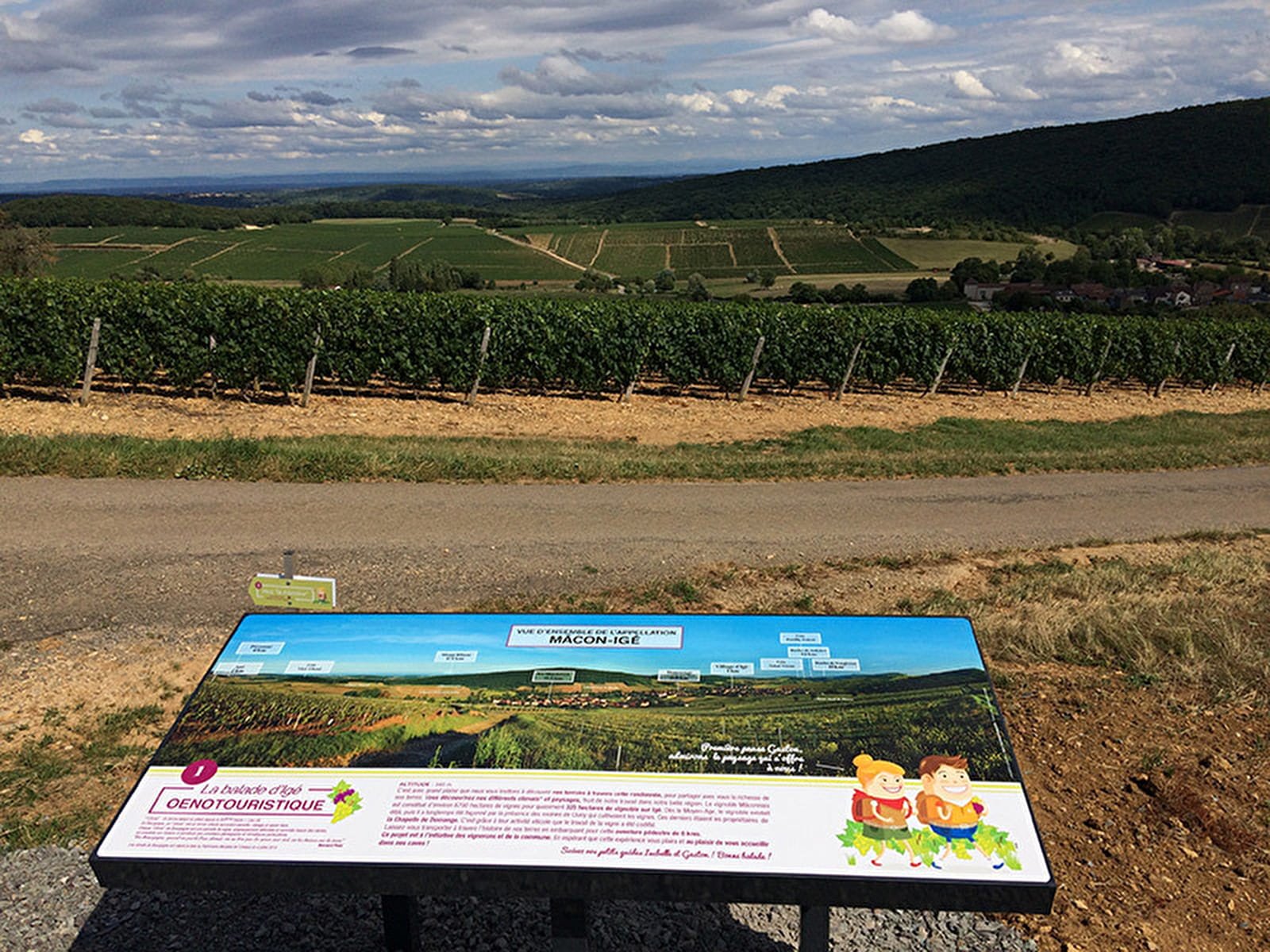
Domaine Fichet reads as a terroir-first, quietly scenic estate set in the rolling limestone hills of the Mâconnais. The writing emphasizes place over prestige: vineyard soils, subtle altitude shifts and mineral notes define the character here rather than flashy appellation status. The tone is measured and refined, the kind of small-producer seriousness you expect from producers who build reputation through craft rather than marketing. Visitors encounter an understated Burgundy sensibility—rooted, scenic and quietly sophisticated—where the land does the talking and the wines reflect orchard fruit, tension and flinty minerality rather than overt tropical ripeness.
Best For
This is a destination for people who come to learn about Chardonnay’s regional expressions and to taste terroir-driven bottles. The description foregrounds Mâconnais geology and the estate’s appearance on selective, curator-driven events, which signals appeal to collectors, sommeliers and focused wine students. It also suits solo explorers who prefer contemplative tastings and a measured, educational approach to wine rather than high-volume tourist experiences. If you’re interested in mineral, orchard-fruited Burgundies and in understanding how limestone and clay shape acidity and structure, Domaine Fichet rewards that attention.
Tasting Tips
Look for wines that showcase the Mâconnais’ limestone-clay register: expect orchard fruit and a mineral, sometimes flinty thread rather than tropical richness. Choose cuvées that emphasize terroir and acidity retention—those descriptions typically indicate the influence of the site’s Jurassic limestone and modest altitude variation. Given the estate’s presence on curator-led lists like La Paulée de New York, also seek older-vintage bottlings or single-vineyard expressions when available; they can reveal the site’s structure and age-worthiness more clearly than mass-market blends.
Venue details
Ambiance
Welcoming family atmosphere in a beautiful cave with instructive tastings shared by passionate owners.
Tags
Vibe
Best For
Experience
Sourcing
View
At the Vineyard
- Appellation
- Mâcon-Igé AOC
- Varietals
- Chardonnay, Pinot Noir, Gamay, Aligoté
- Tour Languages
- French
- Visits
- By appointment only
- Farming
- Sustainable
- Wine Styles
- Still White, Still Red, Sparkling
- Wine Club
- Not available
Know before you go
Know Before You Go
- Getting there
- 651 Route d'Aze, 71960 Igé
Planning details
Location
651 Route d'Aze, 71960 Igé · Directions
Also consider
Where to Look If This Does Not Work
If scheduling is the issue, start with Domaine Olivier Merlin or Château de Fuissé for a southern Burgundy comparison that keeps the trip in the same broad lane. If the priority is a more accessible wine-country stop, Georges Duboeuf is the safer fallback.
For a more serious buyer's detour, Domaine Jean Foillard is the stronger alternative, especially when Beaujolais is already part of the route.
Winery context
How It Compares
Domaine Fichet is the more specialist Igé-area choice if the point of the visit is producer access and cellar-building potential. Domaine Olivier Merlin and Château de Fuissé are stronger cross-shops for visitors who want a more recognisable southern Burgundy reference point, while Fichet makes more sense for a return visitor looking beyond the obvious names.
Compared with Domaine J.-A. Ferret, Fichet is the higher-effort play: better for targeted interest, weaker for anyone trying to keep the day simple. Georges Duboeuf is the easier recommendation for a broader, more accessible wine-country stop; Fichet is for drinkers who care less about visitor infrastructure and more about the producer relationship.
If the trip can stretch toward Beaujolais, Domaine Jean Foillard is the more compelling comparison for serious wine buyers deciding where effort is justified. Choose Fichet when the itinerary is anchored in Igé and southern Burgundy; choose Foillard when the goal is a Beaujolais-led cellar conversation.
Explore Igé
Around this place
Discover more on Pearl
Unlock the full Domaine Fichet guide in Pearl, including awards, comparisons, FAQs, planning details, and nearby places.
Compare Domaine Fichet
| Venue | Location | Awards |
|---|---|---|
| Domaine Fichet | Igé | No published awards |
| Domaine Olivier Merlin | La Roche-Vineuse | No published awards |
| Château de Fuissé | Fuissé | 2026 Falstaff Winery Guide |
| Domaine J.-A. Ferret | Fuissé | No published awards |
| Georges Duboeuf | Romanèche-Thorins | No published awards |
| Domaine Jean Foillard | Villié-Morgon | 2026 Falstaff Winery Guide |

How Domaine Fichet Igé compares with similar nearby venues.
FAQ
Frequently Asked Questions
What information is available for Domaine Fichet?
Domaine Fichet is a venue in Igé with a casual dress code and Pearl 2 Star Prestige recognition in 2025. More specific planning details should be checked directly with the venue.
Does Domaine Fichet have a dress code?
Yes. The dress code for Domaine Fichet is casual.
When is the best time to visit Domaine Fichet?
Visiting hours or best-time guidance are not published. If Domaine Fichet is a priority for your time in Igé, confirm current visit arrangements directly before you go.
What should I confirm before visiting Domaine Fichet?
Confirm current arrangements directly with Domaine Fichet, including whether visits are possible, whether advance contact is needed, and how much time to allow. Those details are not published.
Do I need a reservation at Domaine Fichet?
Reservation requirements are not published. Given the primary details available (Igé location, casual dress code, and 2025 Pearl 2 Star Prestige recognition), contact Domaine Fichet directly before relying on any visit plan.
What other venues can I compare with Domaine Fichet?
For comparison, consider regional names such as Domaine Olivier Merlin, Château de Fuissé, Domaine J.-A. Ferret, Georges Duboeuf, and Domaine Jean Foillard, checking each venue's location and current visit details separately.
How long should I plan for a visit to Domaine Fichet?
A specific visit length is not published. If you plan to include Domaine Fichet in an Igé itinerary, confirm the expected timing directly with the venue before scheduling other stops.