Tamburlaine Organic Wines
Pokolbin, Hunter Valley
Winery in Hunter Valley, Australia
 Book with Pearl
The Read
Certified Organic Terroir
Price
$10–20tasting
Why go
Tamburlaine Organic Wines is worth considering if organic wine is a priority on a Pokolbin-focused Hunter Valley itinerary. Treat it as a winery stop rather than a fully planned food-and-wine experience, and compare it with Brokenwood, Lake's Folly, Audrey Wilkinson, De Iuliis, and Lindeman's if the group wants a broader read on the region.
About Tamburlaine Organic Wines
For Hunter Valley planning, keep Tamburlaine Organic Wines in a deliberately simple profile. Tamburlaine Organic Wines is in Hunter Valley, has a casual dress code, and holds Pearl 2 Star Prestige (2025). For dining, tasting format, pricing, hours, seat count, or detailed booking terms, check directly before planning around them.
The appeal is context. Hunter Valley visitors often compare several regional names when shaping an itinerary. Tamburlaine Organic Wines can be considered as part of that planning. Travellers comparing broader regional options should also scan Our full Hunter Valley wineries guide, then layer in food, sleep, and after-dark plans through Our full Hunter Valley restaurants guide, Our full Hunter Valley hotels guide, and Our full Hunter Valley bars guide.
Book it for a Hunter Valley stop, not for a fully mapped-out itinerary
The case for including Tamburlaine Organic Wines is strongest for travellers who want this specific Hunter Valley venue in the mix while keeping expectations grounded. Plan around the essentials: Hunter Valley location, casual dress code, and Pearl 2 Star Prestige (2025). For food, a chef-led experience, seat count, pricing, or a specific service format, check directly before committing the rest of the day.
If the group is comparing Hunter Valley names, cross-shop Brokenwood, Lake's Folly, McGuigan Wines, Pooles Rock, and Silkman Wines. Those comparisons are useful for deciding how to balance the day across regional venues. Tamburlaine Organic Wines is the relevant choice when you want this venue specifically included in a Hunter Valley itinerary.
How to use it in a Hunter Valley day
Plan this as one Hunter Valley venue rather than the only anchor for a trip. For dining format, price, group capacity, and service schedule, confirm directly before finalising the day.
Keep the plan conservative: confirm availability before building a group schedule, avoid assuming food service, and use Our full Hunter Valley experiences guide if the day needs another activity. Quick reference: choose Tamburlaine Organic Wines as a Hunter Valley venue with casual dress code and Pearl 2 Star Prestige (2025), then pair it with confirmed dining and any other comparison venues you want to visit.
Planning details
- Location
- 358 McDonalds Rd, Pokolbin NSW 2320
- Website
- tamburlaine.com.au
- Phone
- +61 2 4998 4222
The take
The Take
The Vibe
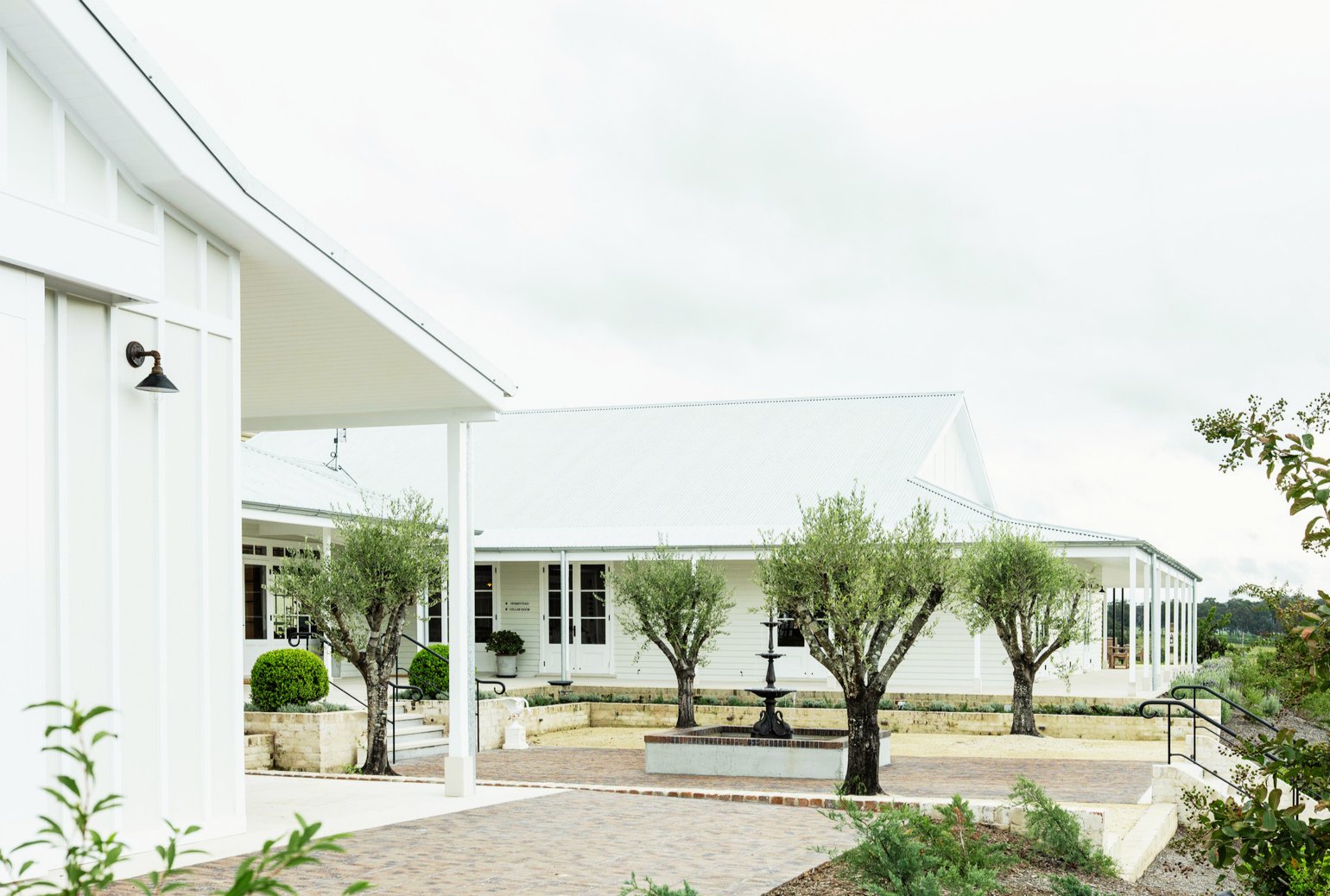
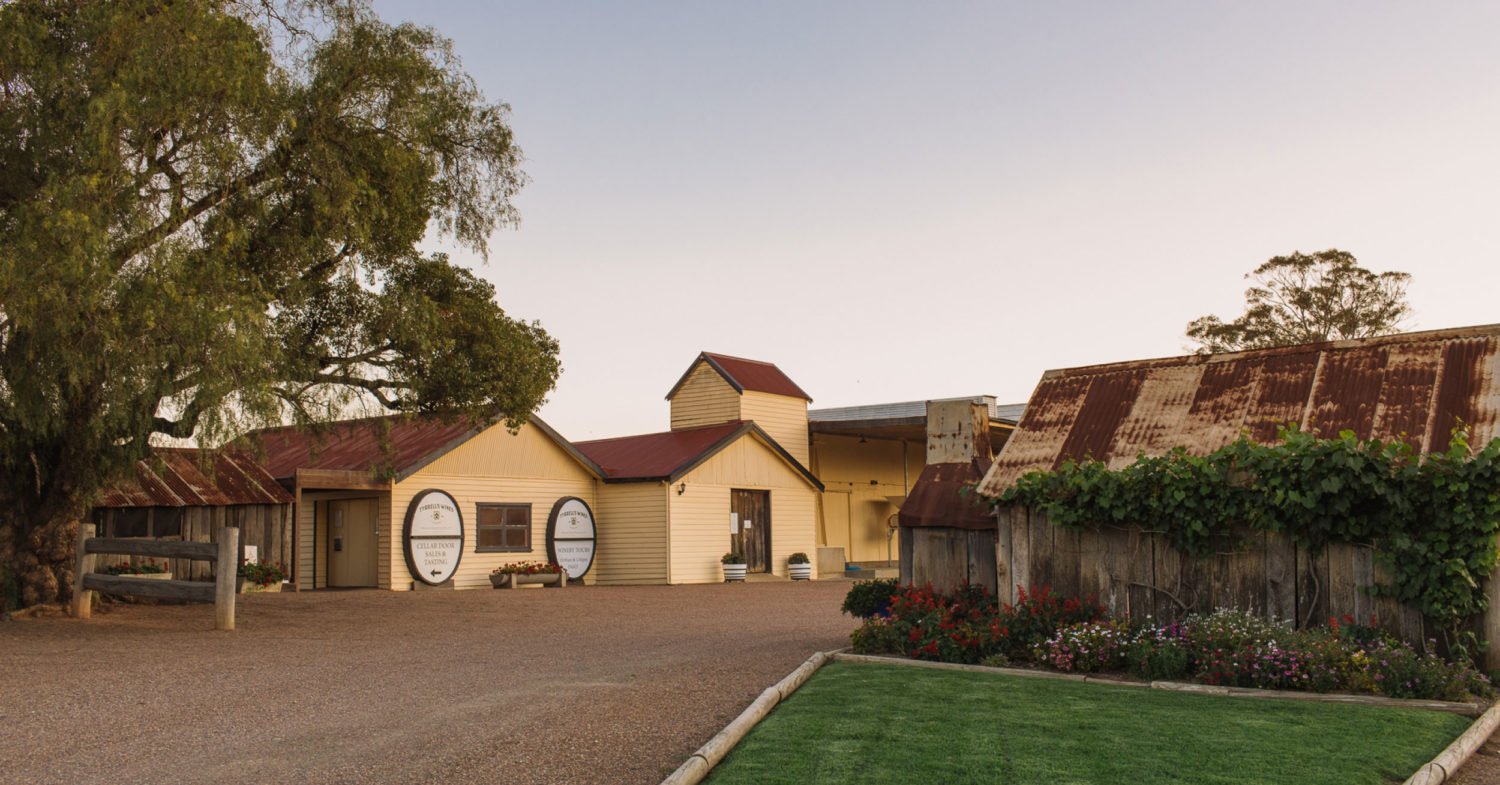
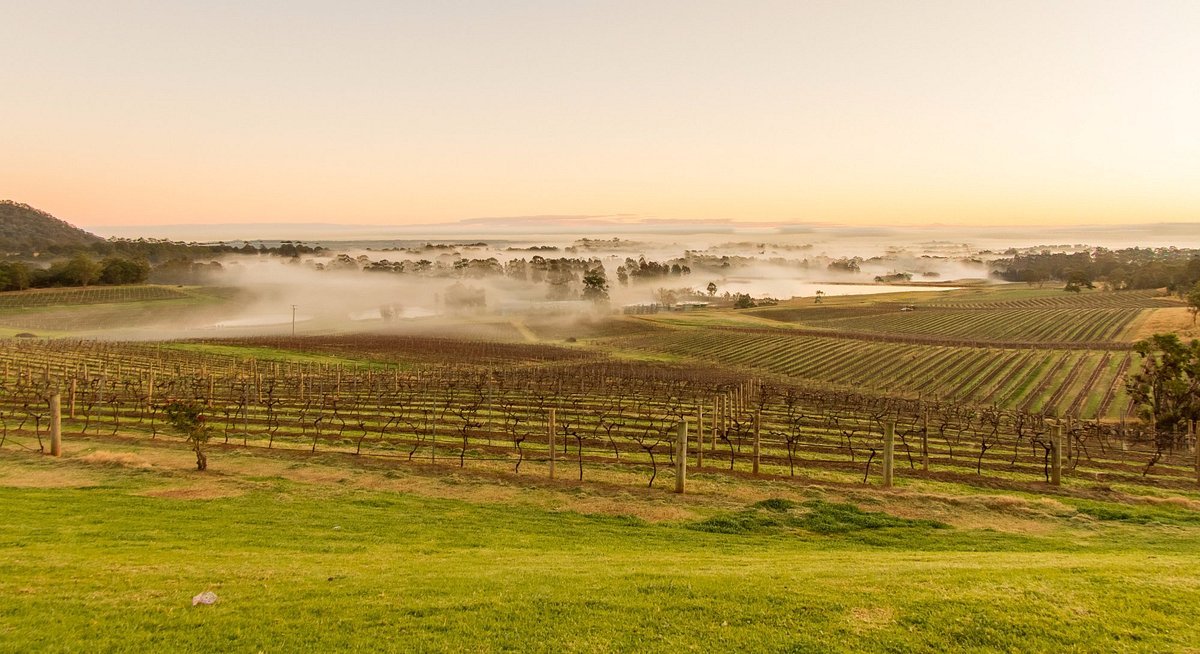
Tamburlaine sits firmly within the Hunter Valley’s established cellar‑door corridor, where sandstone‑coloured buildings and vines create a familiar, quietly historic setting. The estate reads as both traditional and purposeful: the visual grammar along McDonalds Road looks much the same as it did decades ago, but the work happening behind those facades is distinct. Tamburlaine registers as a considered, modern contributor to the region because it operates at scale as a certified organic estate and has been recognized with a Pearl 2 Star Prestige rating. The overall impression is one of unshowy seriousness about farming and provenance.
Best For
This property is best for visitors who want to learn about contemporary viticulture in the Hunter Valley and groups arranging focused winery visits. The copy frames Tamburlaine as part of a regional shift toward organic certification and lower‑intervention winemaking, so it suits people curious about farming choices, vintage variation and preservative‑free formats. Small educational groups, wine‑club members and organized outings exploring how large‑scale organic production works in a humid maritime climate will find the estate particularly relevant. It also appeals to travelers comparing traditional Hunter varieties with new production approaches.
Tasting Tips
When you visit, frame your questions around the estate’s organic practices and bottlings: the description highlights certified organic farming and preservative‑free formats, so ask which wines reflect those approaches. The Hunter’s historical pillars—Semillon and Shiraz—are mentioned in the context of regional identity, so inquire whether the cellar‑door pours include organic expressions of those varieties. Also reference the estate’s Pearl 2 Star Prestige recognition when asking staff what they consider flagship or signature bottles. Focus your tasting on wines that showcase vineyard‑level decisions and low‑intervention winemaking.
Venue details
Ambiance
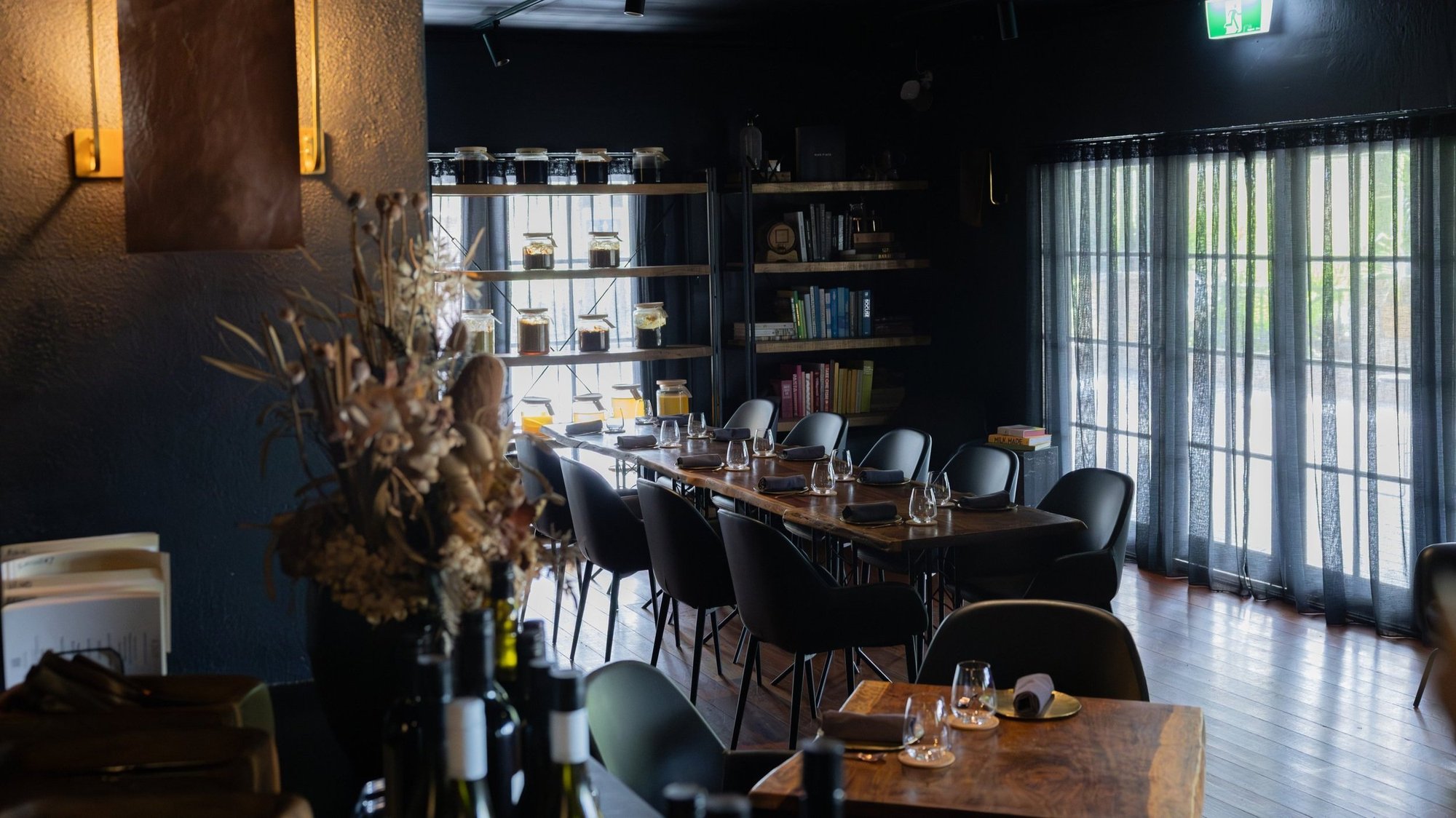
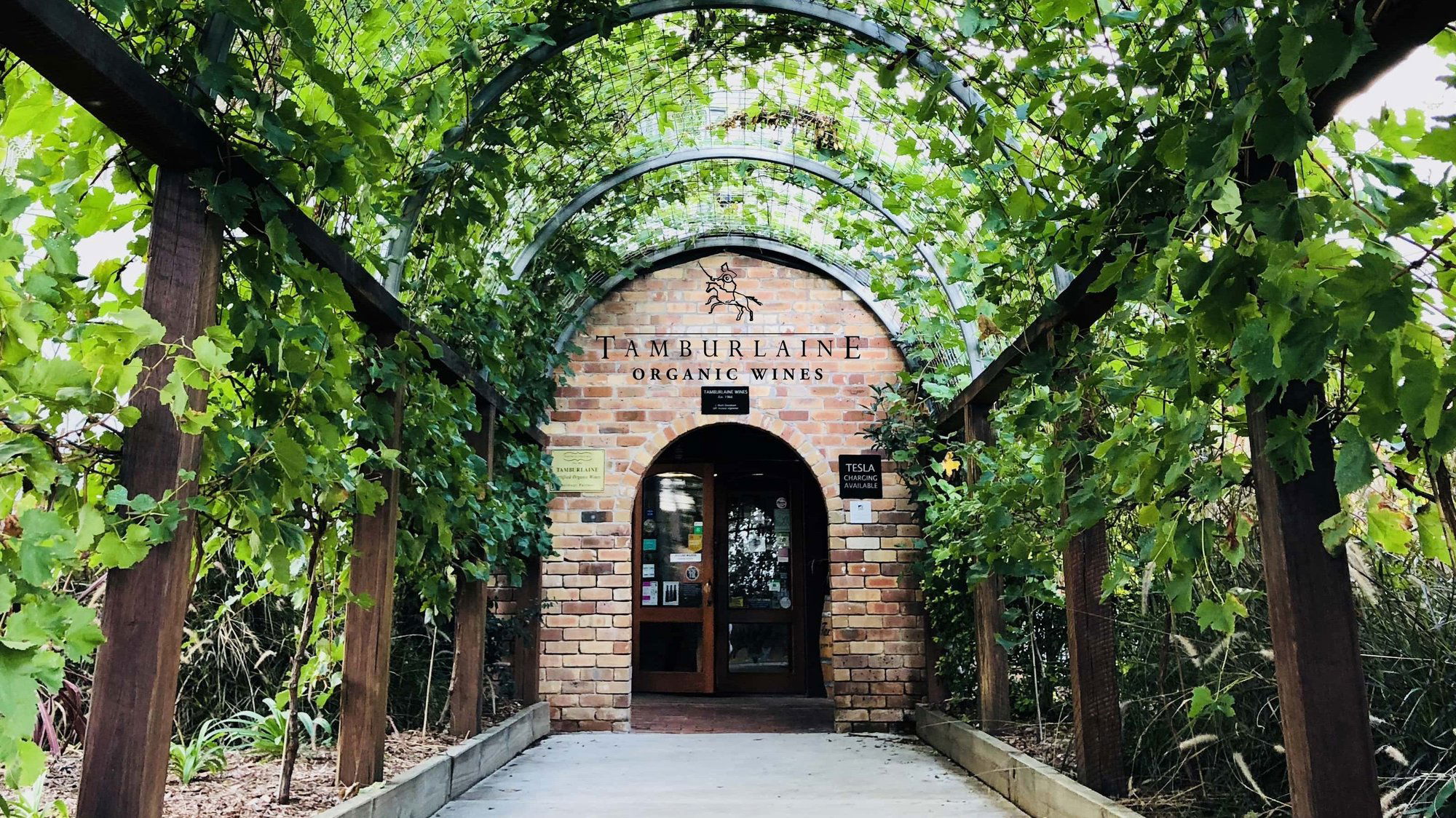
Rustic cellar door with scenic vineyard views, friendly and knowledgeable staff creating an inviting and educational tasting atmosphere.
Tags
Vibe
Best For
Experience
Sourcing
View
At the Vineyard
- Appellation
- Hunter Valley
- Varietals
- Shiraz, Chardonnay, Cabernet Sauvignon, Semillon, Malbec
- Tour Duration
- 60 minutes
- Visits
- By reservation
- Farming
- Organic
- Production
- Large producer
- Wine Styles
- Still Red, Still White, Sparkling
- Food Pairing
- Offered
- Shipping
- Available
- Wine Club
- Available
Know before you go
Know Before You Go
- Getting there
- 358 McDonalds Rd, Pokolbin NSW 2320
Planning details
Location
Also consider
Also Consider
- Silkman Wines, Notable alternative
- Brokenwood, Notable alternative
- McGuigan Wines, Notable alternative
- Lake's Folly, Notable alternative
- Pooles Rock, Notable alternative
Winery context
How It Compares
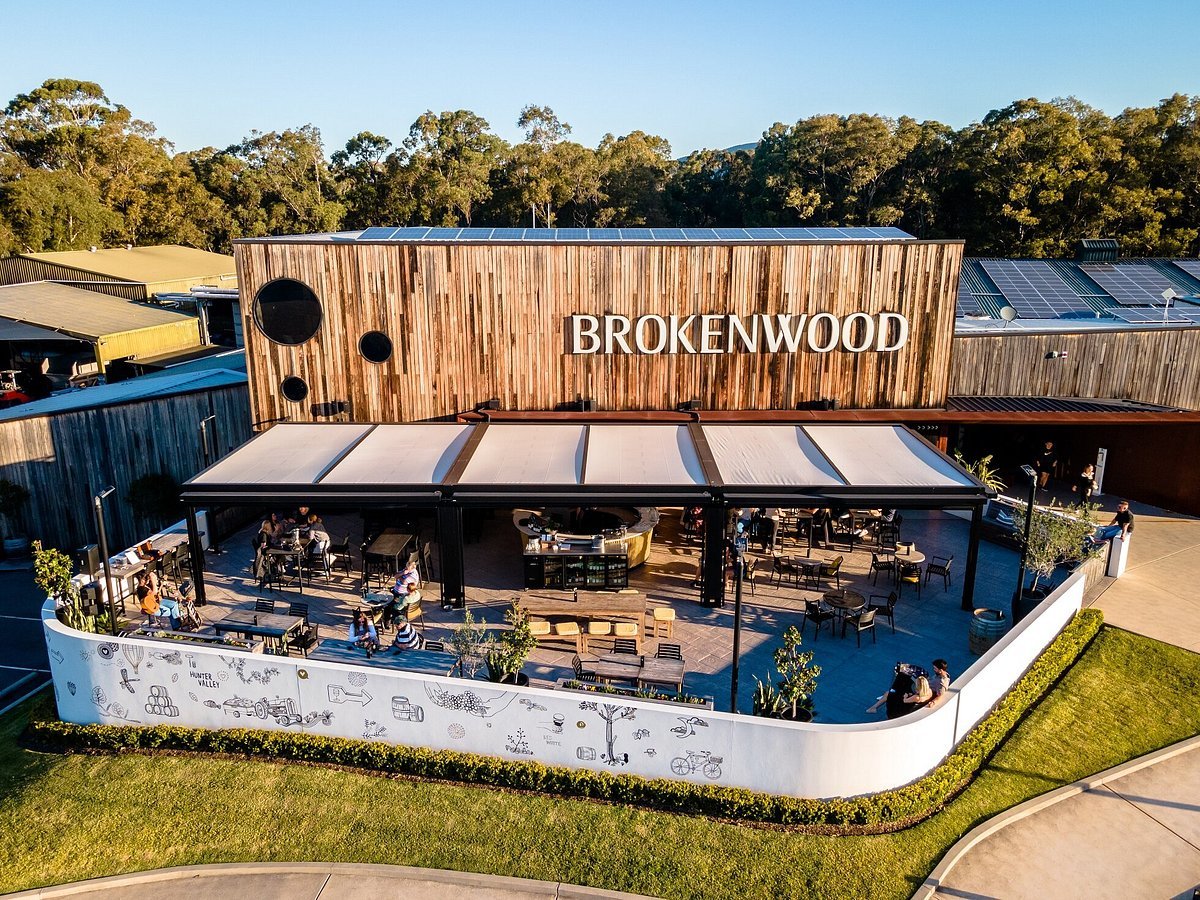
Choose Tamburlaine Organic Wines when the organic positioning is the reason for the visit. Silkman Wines is the better cross-shop for travellers chasing a more boutique-feeling Hunter Valley stop, while Brokenwood is the safer choice for groups that want a more familiar name in the Pokolbin circuit.
McGuigan Wines makes more sense for visitors who want an accessible, mainstream cellar-door experience with less need to explain the plan to mixed-interest groups. Lake's Folly is the stronger pick for travellers who want a classic Hunter reference point, while Tamburlaine is more specific: book it when organic wine is the point, not when the group wants the broadest regional overview.
Pooles Rock is worth comparing if ambiance and a polished visit matter as much as the wines. For value, Tamburlaine's advantage is clarity of purpose: it gives the itinerary a defined organic-wine stop, but travellers who need confirmed food, group capacity, or detailed booking mechanics should pair it with a more operationally transparent cellar door.
Explore Hunter Valley
Around this place
Discover more on Pearl
Unlock the full Tamburlaine Organic Wines guide in Pearl, including awards, comparisons, FAQs, planning details, and nearby places.
Compare Tamburlaine Organic Wines
| Venue | Location | Awards |
|---|---|---|
| Tamburlaine Organic Wines | Hunter Valley | No published awards |
| Silkman Wines | Hunter Valley | No published awards |
| Brokenwood | Hunter Valley | 2026 Falstaff Winery Guide |
| McGuigan Wines | Hunter Valley | No published awards |
| Lake's Folly | Hunter Valley | No published awards |
| Pooles Rock | Hunter Valley | No published awards |

How Tamburlaine Organic Wines Hunter Valley compares with similar nearby venues.
FAQ
Frequently Asked Questions
Is Tamburlaine Organic Wines worth adding to a Hunter Valley itinerary?
Yes, if you want to include a Hunter Valley venue with casual dress code and Pearl 2 Star Prestige (2025). Plan it as one part of a broader Hunter Valley day, and check dining, pricing, and service schedule details directly if they matter to your plans.
What other venues should I compare with Tamburlaine Organic Wines?
Silkman Wines, Brokenwood, McGuigan Wines, Lake's Folly, and Pooles Rock are relevant comparison names for a Hunter Valley itinerary. Use them to shape the day around the kind of visit you want.
Do I need a reservation at Tamburlaine Organic Wines?
Does Tamburlaine Organic Wines serve food?
Do not plan on food unless Tamburlaine Organic Wines confirms it directly; for lunch or dinner, pair the visit with a Hunter Valley venue that clearly serves food.