Pooles Rock
Pokolbin, Hunter Valley
Winery in Hunter Valley, Australia
 Book with Pearl
The Read
Hunter Valley Prestige Cellar Door
Why go
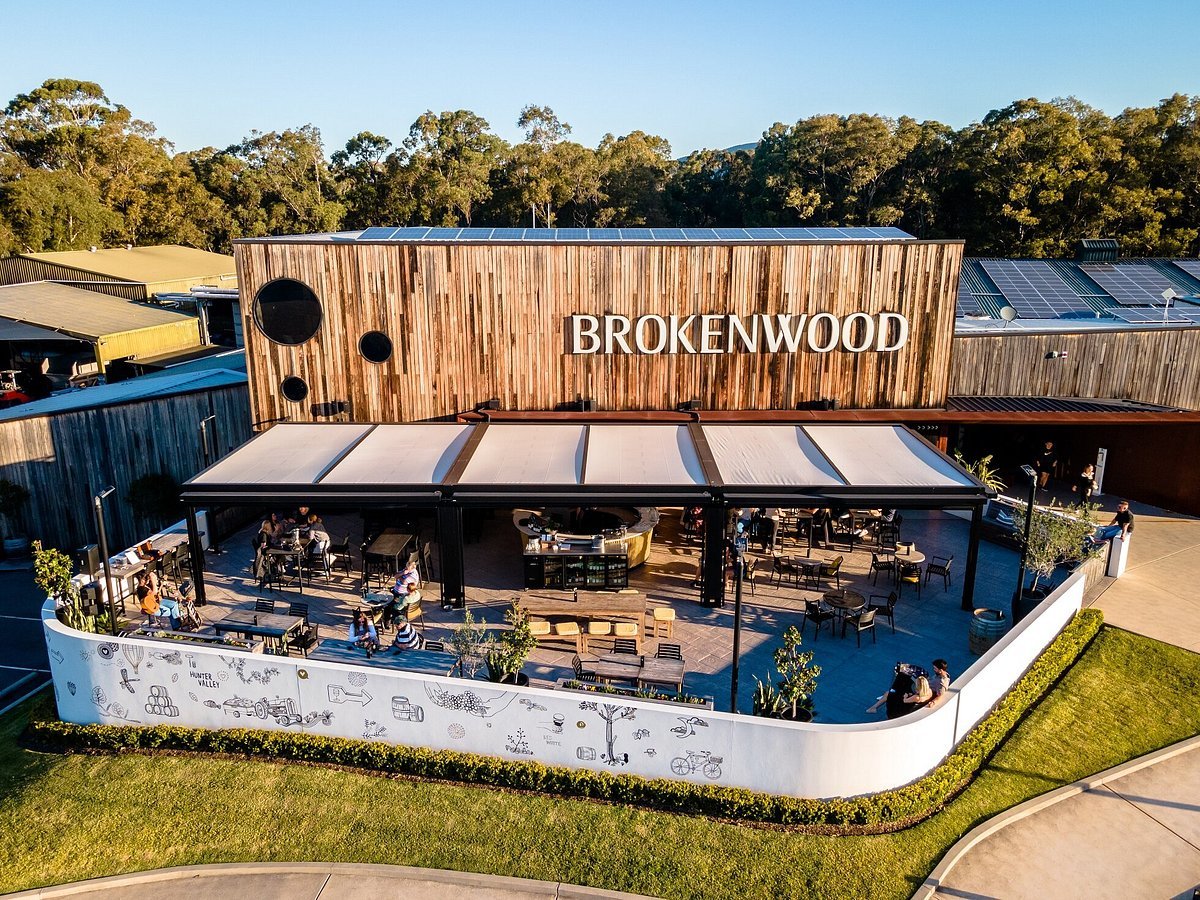
Pooles Rock is a strong pick for a focused Hunter Valley wine stop, especially if the trip is built around serious tasting rather than a broad cellar-door circuit. Cross-shop it with Lake's Folly for a tighter wine-led day, Brokenwood for a bigger visitor experience, and Audrey Wilkinson if scenery matters more than depth.
About Pooles Rock
Pooles Rock is a Hunter Valley venue with a casual dress code and Pearl 2 Star Prestige (2025) recognition. The setting is Hunter Valley, the dress expectation is relaxed rather than formal, and the recognition gives it a clear point of interest for travellers sorting through regional options. The safest planning approach is to confirm practical details directly before building a wider itinerary from our full Hunter Valley guide.
Use Pooles Rock as one part of a Hunter Valley day rather than relying on assumptions about services, group capacity, or booking format. That means treating it as a promising stop, but not yet as the fixed centrepiece of the trip until the venue has answered the practical questions that affect timing and expectations. If those details matter to your visit, confirm them with the venue before you arrange the rest of the day.
Book this for a focused Hunter Valley stop, not a broad tourist circuit
Pooles Rock makes the most sense for travellers who want to plan carefully and verify the details that matter to them in advance. In a region where visitors often compare several recognised names before choosing an itinerary, that cautious approach helps keep the day realistic. In Hunter Valley, it can be compared naturally with names such as Lake's Folly and Brokenwood when you are deciding how to structure a day around regional venues.
For travellers comparing other Hunter Valley options, Audrey Wilkinson, Lindeman's, Tamburlaine Organic Wines, Lake's Folly, and Brokenwood are useful reference points. They help frame Pooles Rock within the broader set of names a visitor may already be weighing, without requiring assumptions about what Pooles Rock offers. Pooles Rock should be judged on its basics: it is in Hunter Valley, has a casual dress code, and carries Pearl 2 Star Prestige (2025) recognition.
The visit-format question: confirm before you plan around it
Do not assume a private, upgraded, or group-specific format unless Pooles Rock confirms it for your date. The distinction matters because a Hunter Valley day can change shape quickly depending on whether a stop is brief and flexible or whether it requires firmer timing. If a particular style of visit matters, contact the venue directly and use that answer to decide whether it should anchor the day or sit as one stop among several.
Treat logistics as part of the booking decision rather than as an afterthought. This is especially important if your plans depend on a certain pace, a particular group arrangement, or a sequence that also includes meals or accommodation. For wider planning around meals and rooms, use our full Hunter Valley restaurants guide and our full Hunter Valley hotels guide.
How to build the day around it
Keep the itinerary flexible until Pooles Rock confirms the details that matter to you. A flexible structure lets you keep the venue on the shortlist while avoiding a day built on unconfirmed information. If you want to compare it with other Hunter Valley names, consider Audrey Wilkinson, Brokenwood, Lake's Folly, Lindeman's, and Tamburlaine Organic Wines as reference points. Those comparisons are most useful for shaping priorities, not for assuming identical visit formats. The direct verdict: shortlist Pooles Rock if you are planning a Hunter Valley visit and value its Pearl 2 Star Prestige (2025) recognition, but verify practical details before committing the rest of the day.
Planning details
- Location
- 576 De Beyers Rd, Pokolbin NSW 2320
- Website
- poolesrock.com.au
- Phone
- +61 2 4993 3688
The take
The Take
The Vibe
Pooles Rock presents as a focused Hunter Valley producer rather than a tourist-stage cellar door. Located on De Beyers Road in Pokolbin amid names that have shaped Australian wine history, it projects a measured, production-first sensibility. The writing frames Pooles Rock within the region’s long conversation about semillon and a distinctive low-sugar shiraz expression, so visits feel studious and terroir-minded. Rather than a breezy weekend stop, the tone suggests an estate that rewards attention and patience, appealing to visitors who come to learn about varietal identity and winemaking intent rather than simply to sample broadly.
Best For
Pooles Rock is best for visitors who prioritize wine-focused experiences. Its placement on Pokolbin’s De Beyers corridor and a Pearl 2 Star Prestige rating position it as a stop for people touring serious Hunter producers—small groups of curious tasters, enthusiasts seeking depth, and celebratory visits that favor quality over novelty. The estate reads as more production-oriented than purely commercial, so it suits travelers interested in regional style and provenance, rather than those looking for a high-volume, weekend cellar-door scene.
Tasting Tips
When visiting Pooles Rock, center your tasting on the Hunter’s signature expressions: semillon and the region’s particular shiraz style. The profile of the area—semillon prominence and shiraz that ripens at lower sugars due to summer conditions—means comparative tastings across vintages are especially instructive. Approach the visit with patience and ask staff about vintage variation and aging potential; the copy stresses that the Hunter “rewards patience,” so consider buying bottles suited for short- to medium-term cellaring rather than only drinking immediately.
Venue details
Ambiance
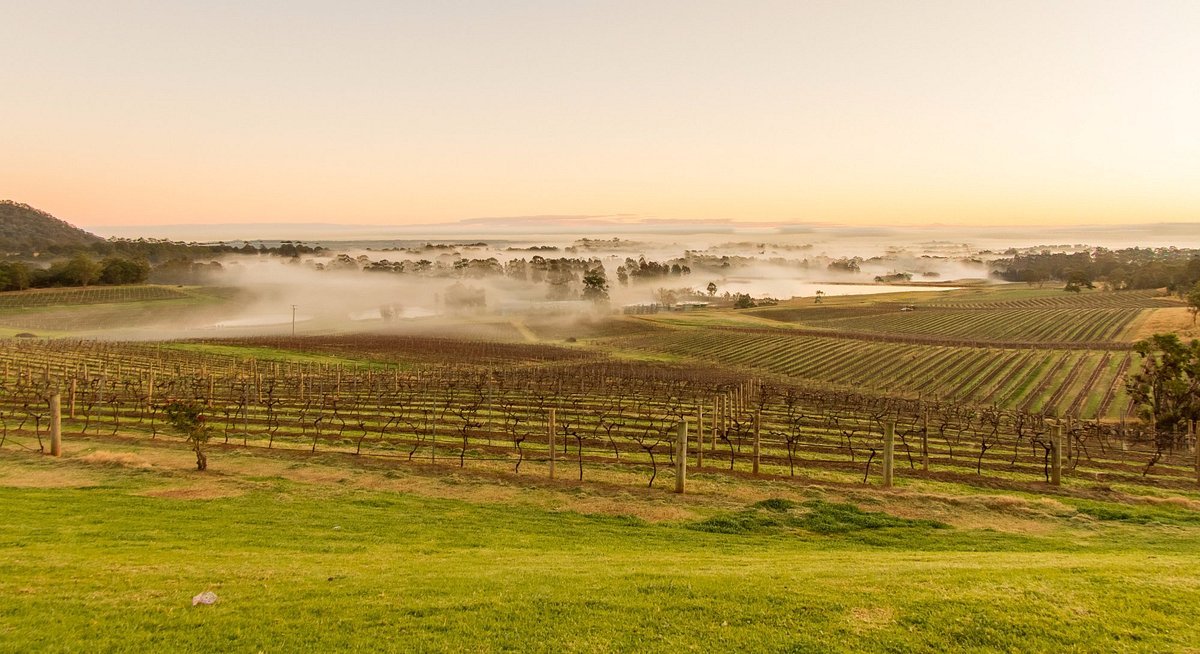
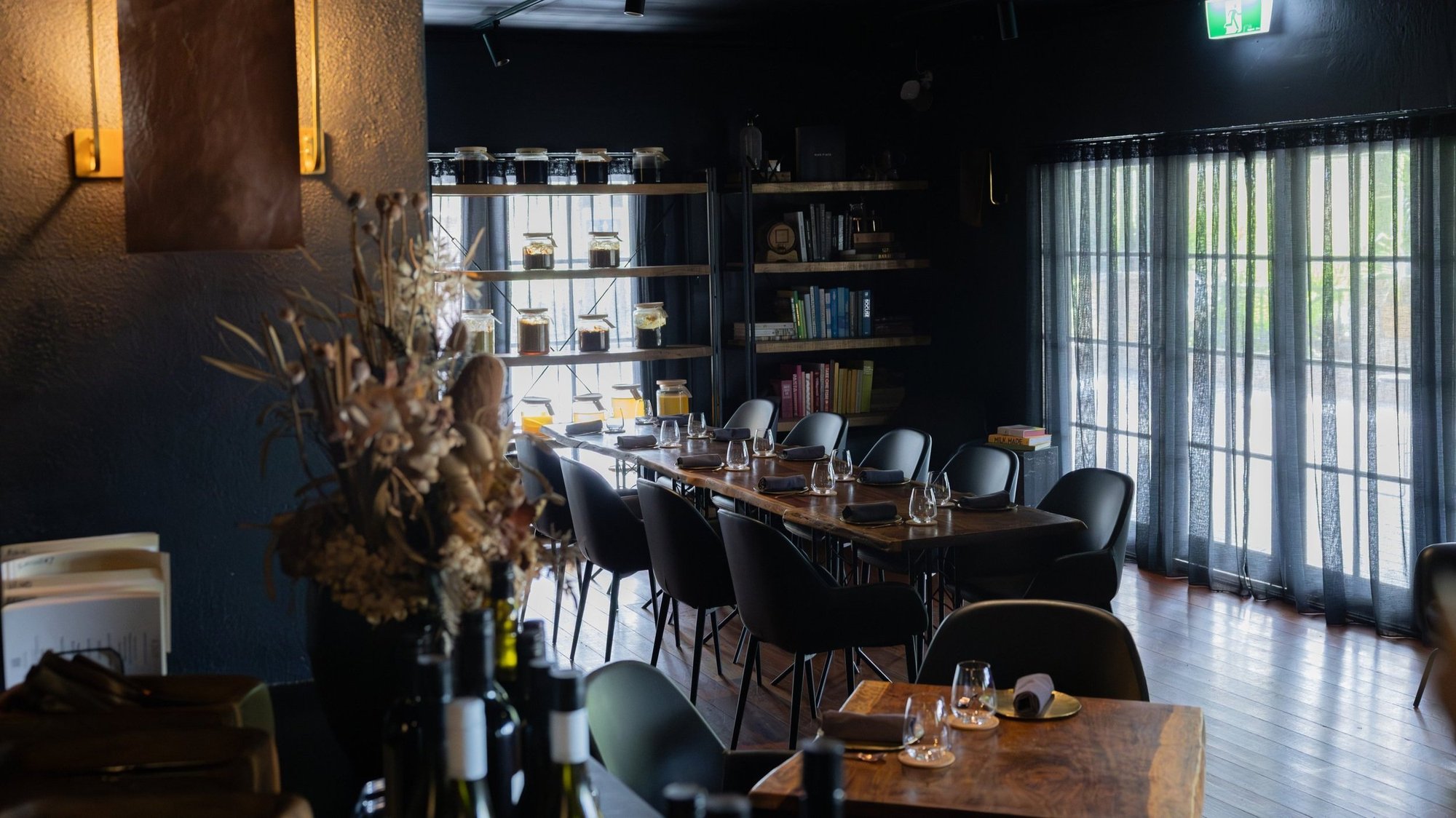
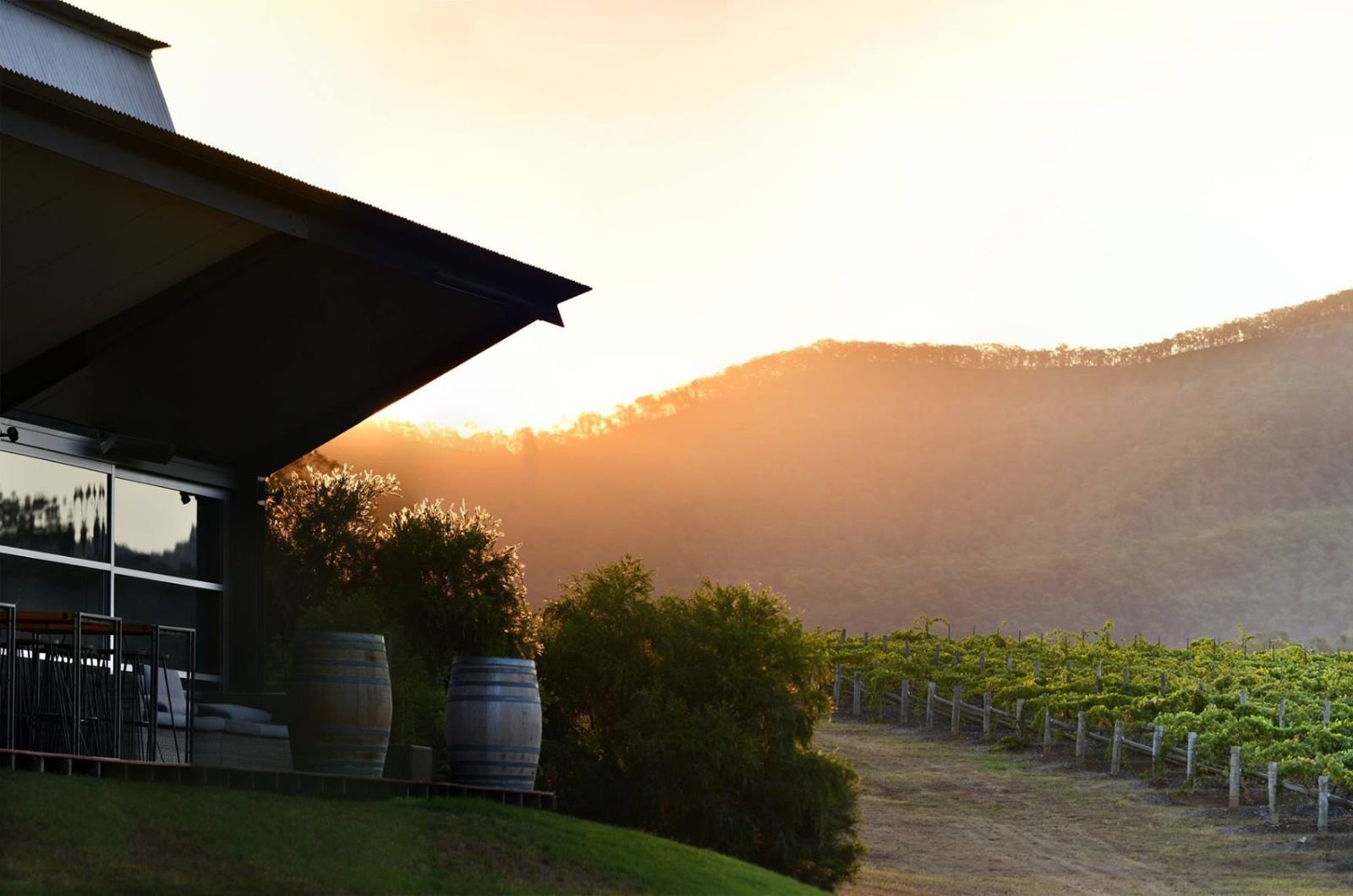
Spacious contemporary setting with stunning vineyard views, relaxed and welcoming atmosphere enhanced by knowledgeable hosts.
Tags
Vibe
Best For
Experience
View
Accessibility
At the Vineyard
- Appellation
- Hunter Valley
- Varietals
- semillon, chardonnay, shiraz
- Tour Duration
- 60-90 minutes
- Visits
- By reservation
- Production
- Small producer
- Wine Styles
- Still White, Still Red
- Food Pairing
- Offered
- Wine Club
- Available
Know before you go
Know Before You Go
- Getting there
- 576 De Beyers Rd, Pokolbin NSW 2320
Planning details
Location
Also consider
Also Consider
- Lake's Folly, Notable alternative
- Lindeman's, Notable alternative
- Tamburlaine Organic Wines, Notable alternative
- Audrey Wilkinson, Notable alternative
- Brokenwood, Notable alternative
Winery context
How Pooles Rock compares in Hunter Valley
Choose Pooles Rock when the priority is a focused Pokolbin tasting with a more serious wine-trip feel. Lake's Folly is the closest peer for travellers who want a compact, wine-first itinerary; if both are available, pairing them makes more sense than adding extra stops for volume.
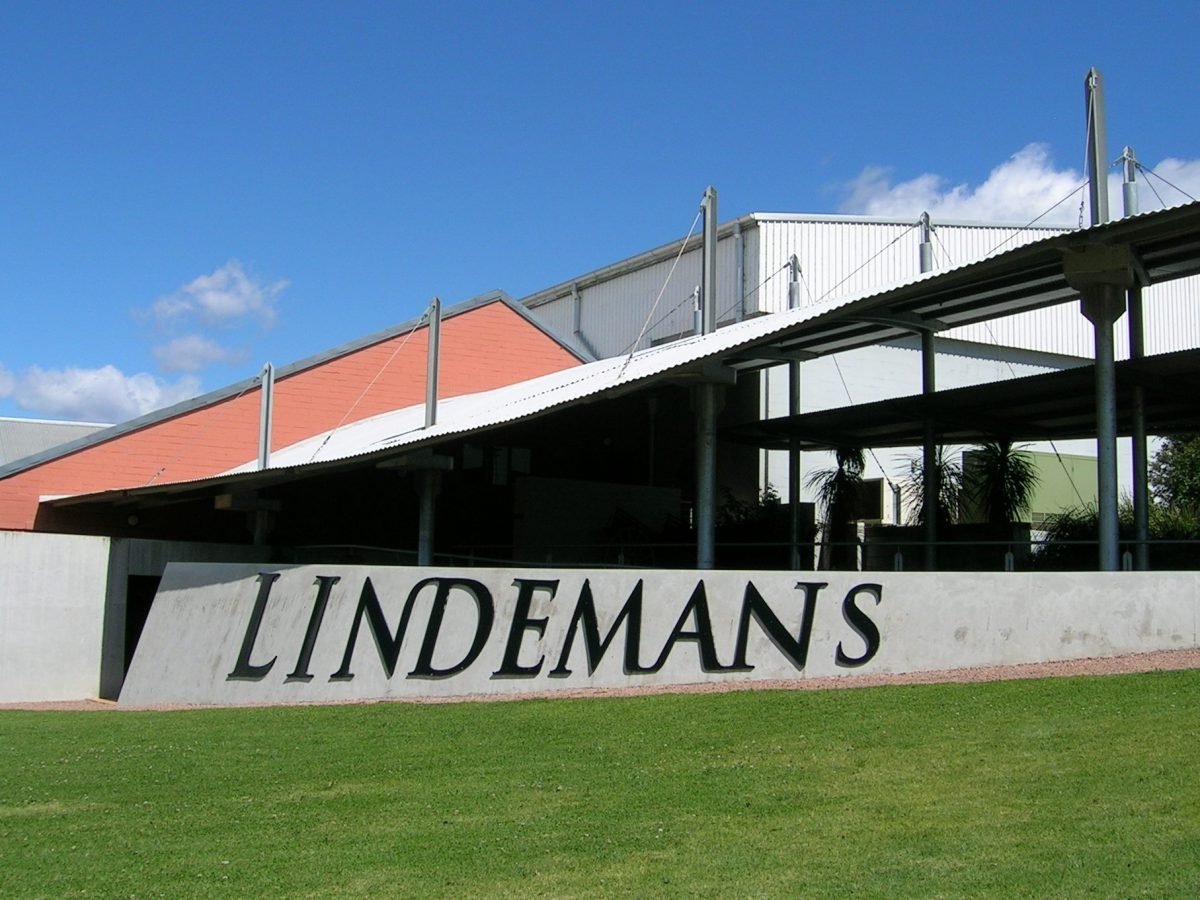
Brokenwood is the stronger choice for visitors who want a larger, more polished cellar-door experience, while Audrey Wilkinson is easier to recommend when views and classic Hunter Valley atmosphere matter as much as the tasting. Lindeman's suits travellers who prefer a widely recognised regional name over a narrower appointment-led plan.
For value-sensitive groups, Tamburlaine Organic Wines is the practical cross-shop, especially when the group wants an accessible cellar-door stop rather than a splurge-style tasting. Pooles Rock is the better call for couples or small groups who would rather book fewer venues and give one tasting more attention.
Explore Hunter Valley
Around this place
Discover more on Pearl
Unlock the full Pooles Rock guide in Pearl, including awards, comparisons, FAQs, planning details, and nearby places.
Compare Pooles Rock
| Venue | Location | Awards |
|---|---|---|
| Pooles Rock | Hunter Valley | No published awards |
| Lake's Folly | Hunter Valley | No published awards |
| Lindeman's | Hunter Valley | No published awards |
| Tamburlaine Organic Wines | Hunter Valley | No published awards |
| Audrey Wilkinson | Hunter Valley | No published awards |
| Brokenwood | Hunter Valley | 2026 Falstaff Winery Guide |

How Pooles Rock Hunter Valley compares with similar nearby venues.
FAQ
Frequently Asked Questions
Can Pooles Rock handle large groups?
What is the dress code at Pooles Rock?
The dress code for Pooles Rock is casual. If you are attending a specific event or booking type, confirm any additional requirements directly with the venue.
What is Pooles Rock known for in this guide?
Pooles Rock is known for being in Hunter Valley, having a casual dress code, and carrying Pearl 2 Star Prestige (2025) recognition. Other specific service details are not available.
Does Pooles Rock serve food?
Food service information is not available. Do not plan a meal around Pooles Rock unless the venue confirms current food availability through its official channels.
What other venues can I compare with Pooles Rock?
For Hunter Valley planning comparisons, consider Lake's Folly, Lindeman's, Tamburlaine Organic Wines, Audrey Wilkinson, and Brokenwood. Confirm current opening and booking details with each venue before setting the itinerary.
Do I need a reservation at Pooles Rock?
Reservation requirements are not specified. Because Pooles Rock has Pearl 2 Star Prestige (2025) recognition, it is sensible to check the venue's official booking guidance before visiting.