Jepson Vineyards
Hopland
Winery in Hopland, United States
 Book with Pearl
The Read
Highway-Side Prestige Viticulture
Why go
Jaxon Keys Winery is worth considering as a serious Hopland wine stop, especially for travelers using one recognized producer as the anchor for a local tasting day. Do not treat the wine club as an automatic yes: taste first, then judge the membership offer against allocation access, shipping terms, and nearby alternatives.
About Jepson Vineyards
Consider Jepson Vineyards as a Hopland venue with limited public detail rather than as a stop that can be defined by a published service format, menu, pricing, or membership structure. In practical planning terms, that means it should be treated with more caution than a venue whose current visitor experience is fully described in advance. The confirmed basics are direct: it is in Hopland, the dress code is casual, and it carries Pearl 2 Star Prestige recognition for 2025. Those facts are useful, but they are also narrow. Beyond those points, this guide should not assume specifics such as visit format, food service, hours, or any particular offering without confirmation from the venue. The best reading is therefore balanced: Jepson Vineyards belongs in the conversation, but the details that shape an actual visit still need to be before you rely on them.
The strongest reason to keep Jepson Vineyards on a shortlist is selectivity. Pearl 2 Star Prestige recognition places it in a more curated tier for readers comparing options around Hopland, especially when the goal is to separate a long list of possible stops into a smaller set worth closer review. That distinction can help focus attention, but it should not be stretched into claims the public detail does not support. Recognition is a signal of editorial relevance, not a complete itinerary. That does not, by itself, answer every planning question. If the details that matter to you include reservations, availability, food, accessibility, or a particular style of visit, confirm them directly before building the day around the stop. This is especially important for travelers who need certainty, because a casual dress code and a prestige designation do not explain how the visit currently works.
Use this as a Hopland reference point, then compare the rest of the area carefully
For a Hopland itinerary, Jepson Vineyards can be considered alongside regional options such as Bonterra Vineyards, Boonville Road Wines, Jeriko Estate Winery, Saint Gregory Winery, and Saracina Vineyards. The useful approach is comparison: decide what you need from the day, then verify the current details for each stop before committing. That might mean separating must-have requirements from nice-to-have preferences, then checking which venues can actually meet them at the time you plan to go. Jepson Vineyards has the confirmed Pearl 2 Star Prestige signal, while other options may suit different preferences depending on their current offerings and availability. In other words, use the recognition as one point in its favor, not as a substitute for checking the basics that affect timing, comfort, and expectations. For broader planning, use Our full Hopland wineries guide alongside Our full Hopland restaurants guide, Our full Hopland hotels guide, Our full Hopland bars guide, and Our full Hopland experiences guide.
The value question should stay practical. Do not assume terms, visit structure, food availability, prices, or a signature offering from incomplete public information. It is easy for a promising venue to become frustrating if the assumptions around the visit are wrong, so the safest approach is to let information lead the decision. Treat any commitment as a follow-up decision after you have confirmed the current details directly with Jepson Vineyards. If the confirmed details match what you want from a Hopland stop, the venue may be worth keeping on the schedule; if they do not, the wider area gives you other options to compare. The case is simple: it is a casual-dress Hopland venue with Pearl 2 Star Prestige recognition in 2025. Everything more specific should be checked before you go.
Planning details
- Location
- 10400 US-101, Hopland, CA 95449
- Website
- jaxonkeys.com
- Phone
- +1 707-462-6666
The take
The Take
The Vibe
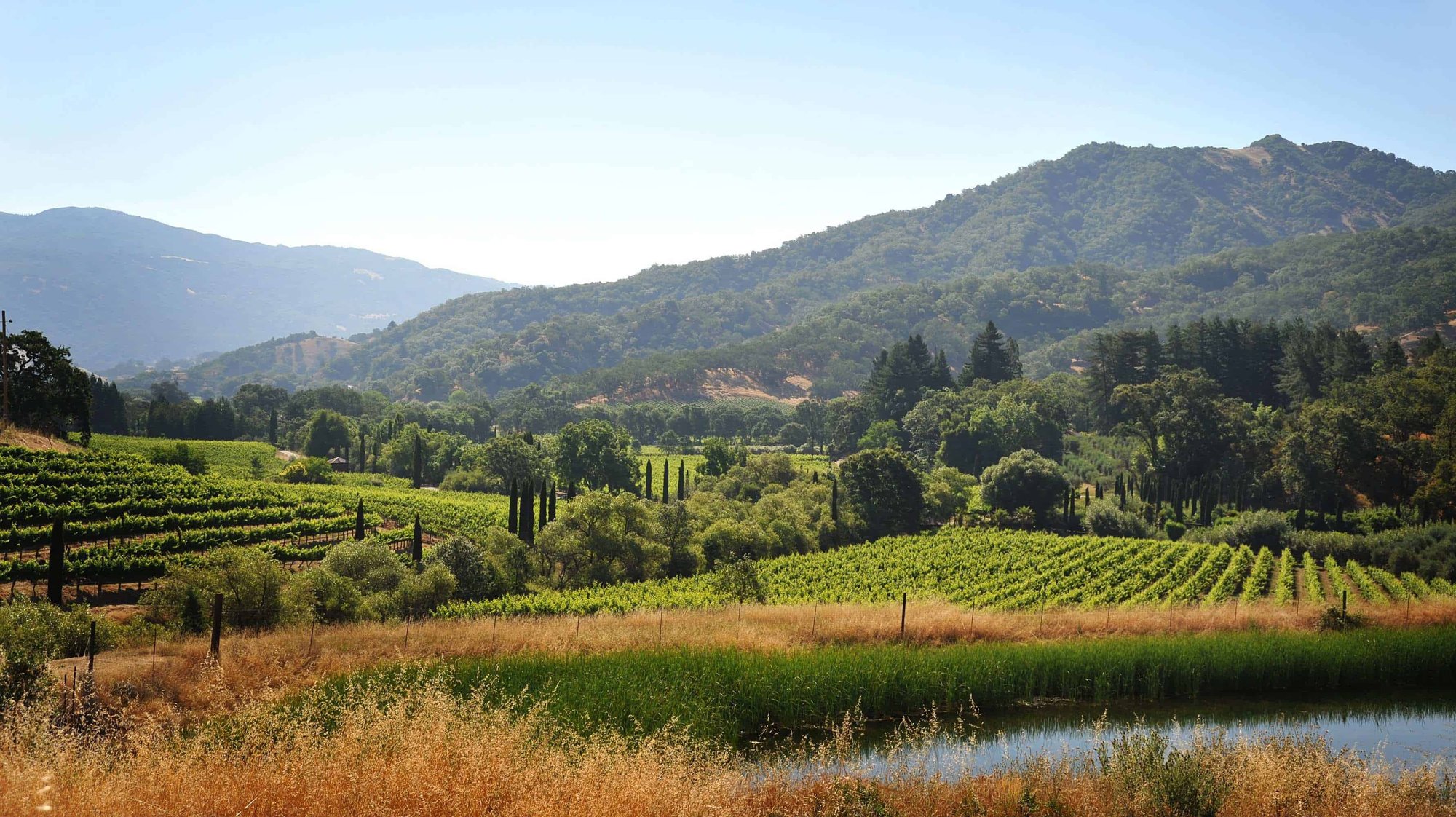
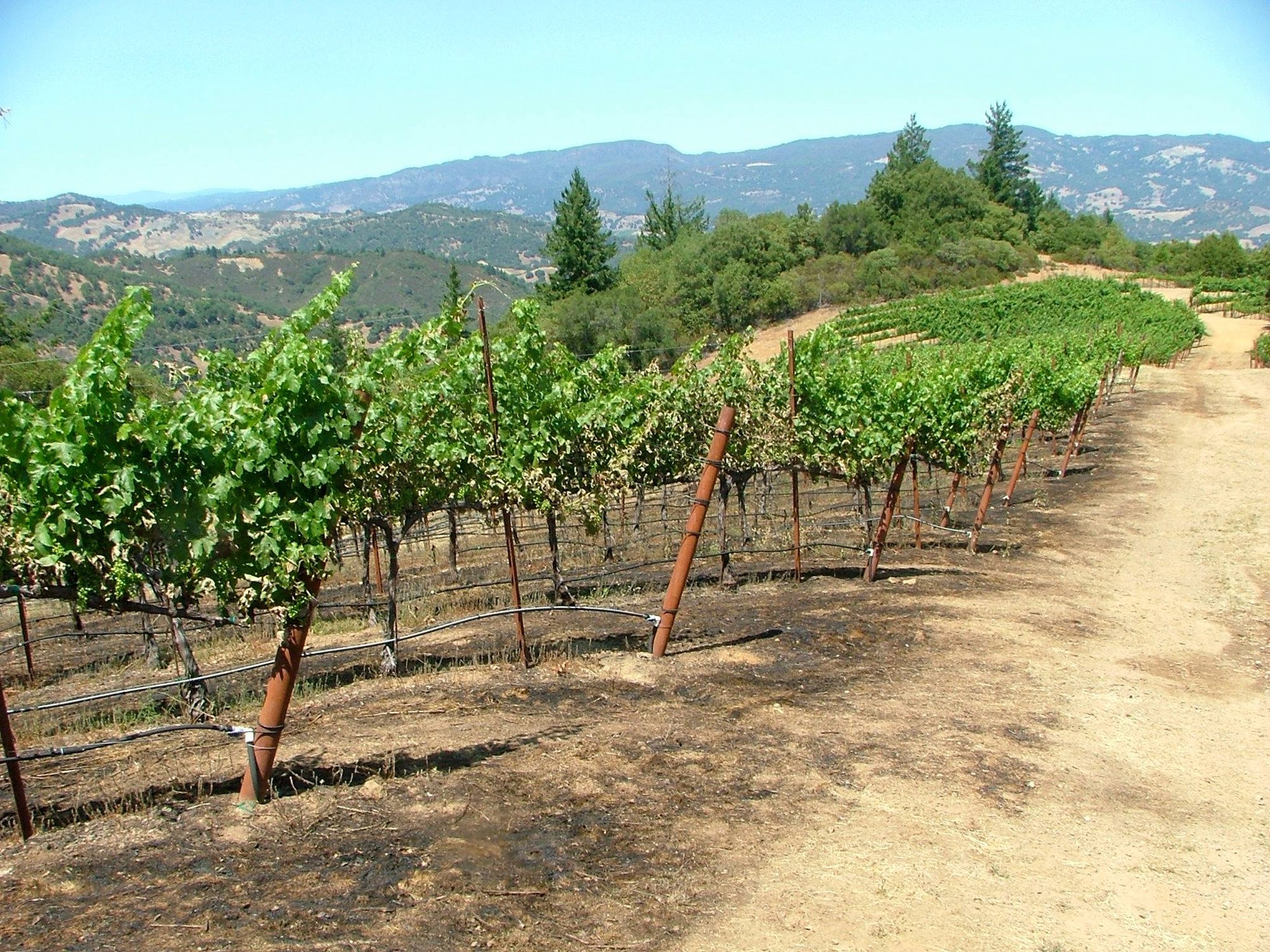
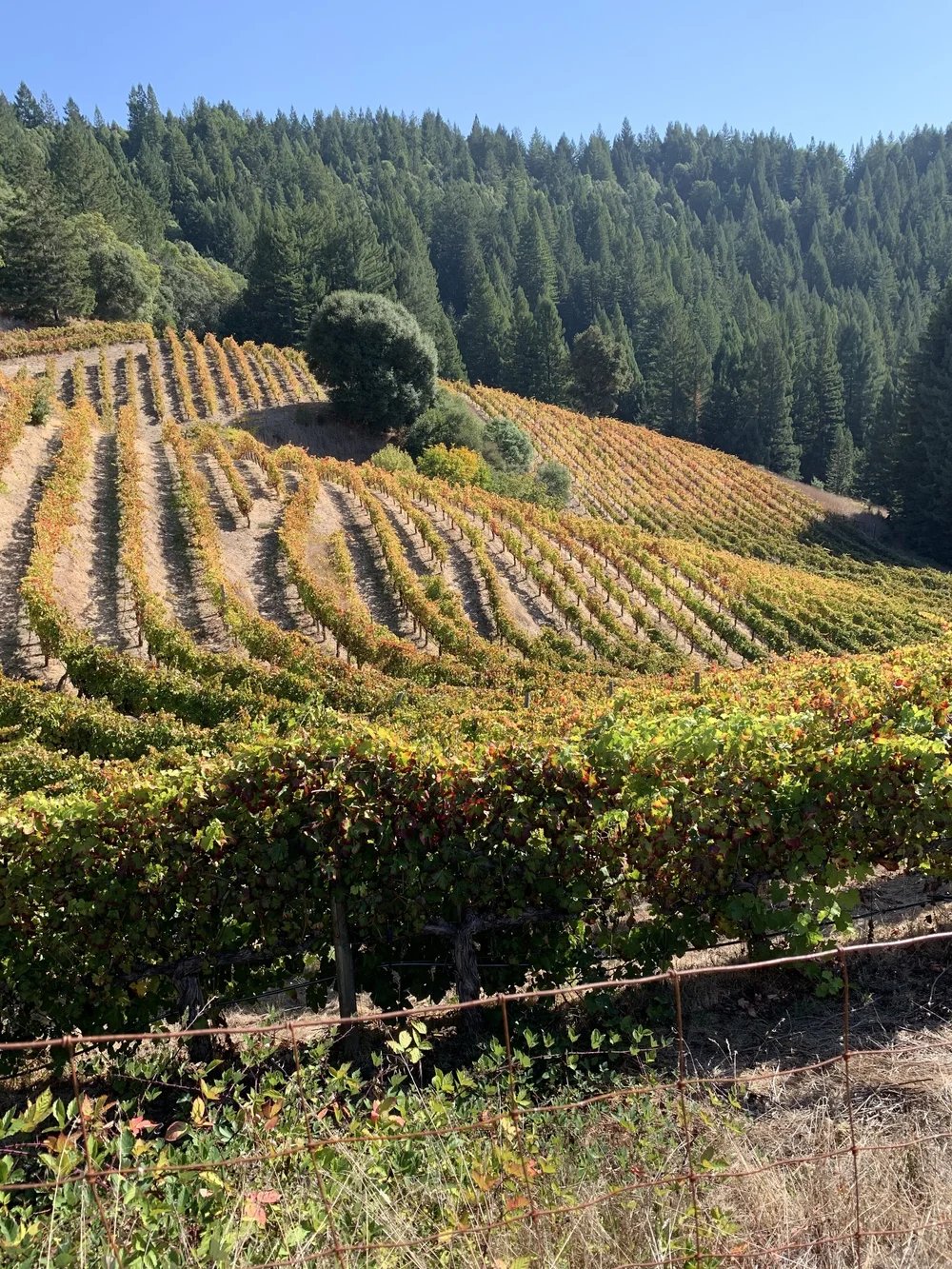
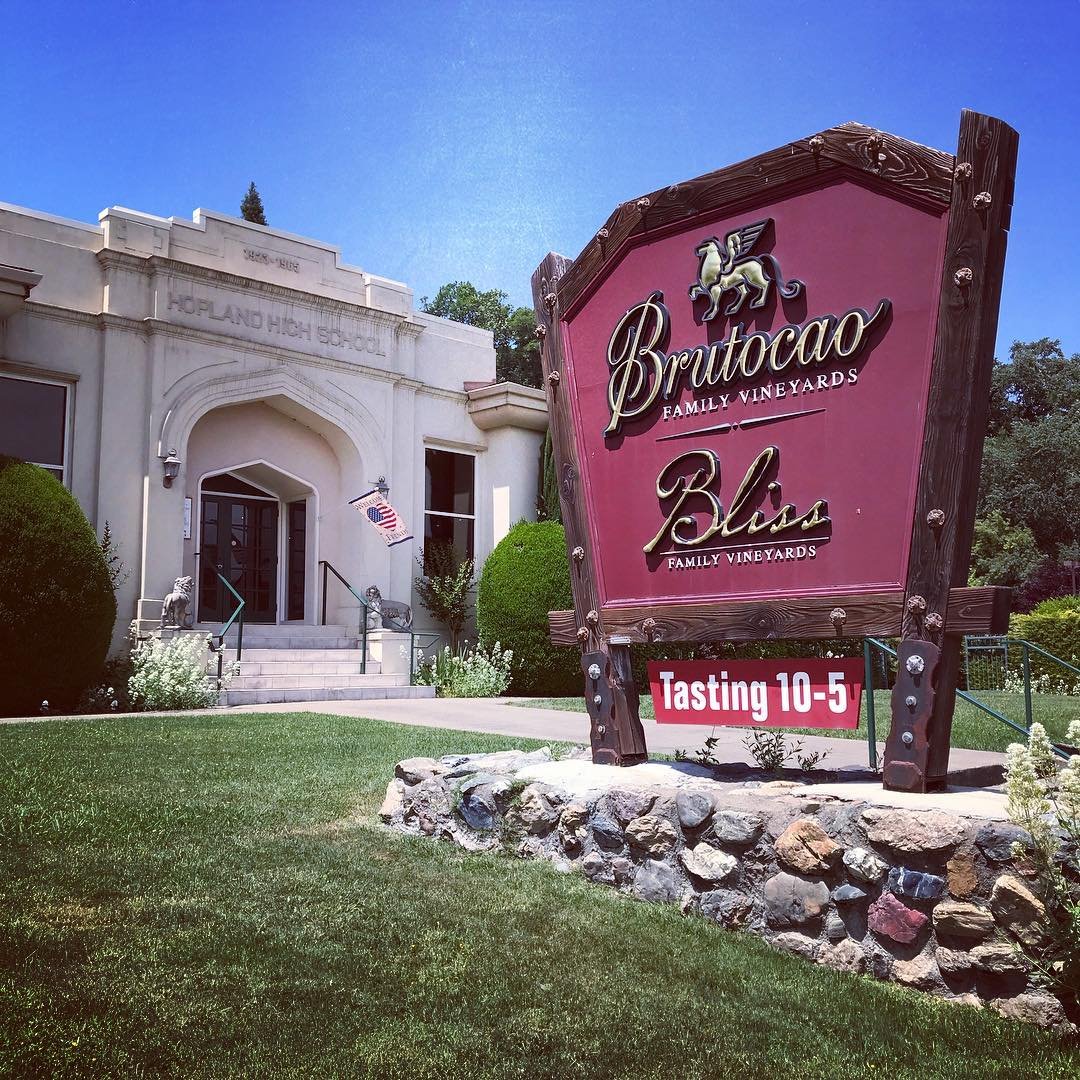
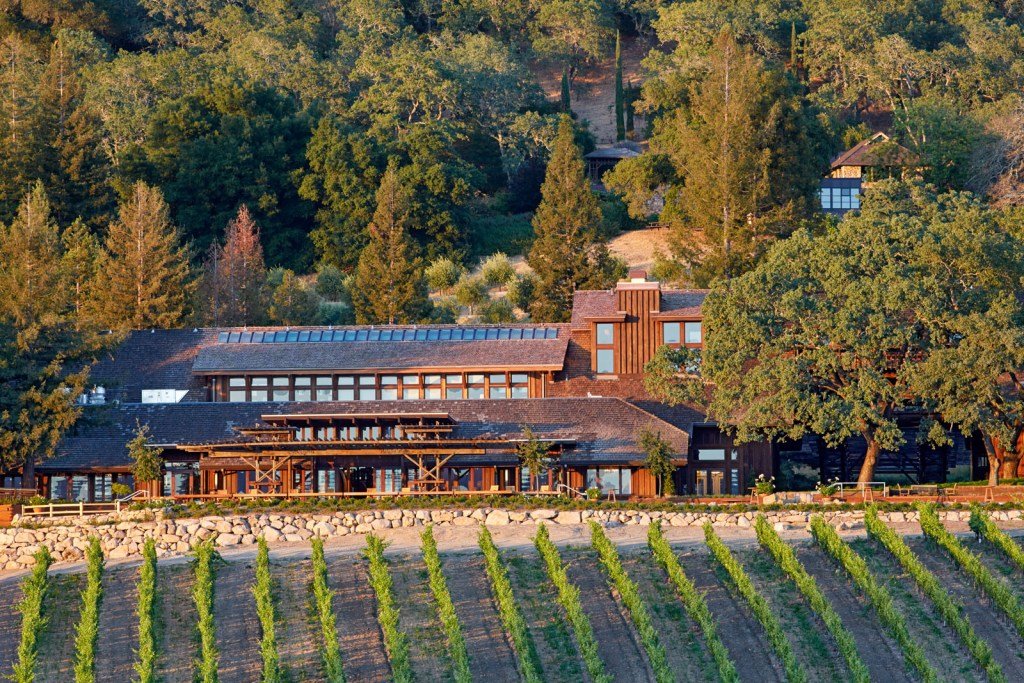
Jepson Vineyards presents a quietly assured presence along Hopland’s US‑101 corridor. The tasting rooms sit in converted historic buildings, and the property threads working vineyards right up to the roadside, so the setting feels anchored and authentic rather than staged. Visitor traffic stays intentionally low, which keeps the mood relaxed and makes encounters with staff feel conversational and focused. Recognition from EP Club places Jepson among the area’s more consistent producers, underscoring a measured, cellar‑first approach to winemaking that complements the unhurried, small‑town atmosphere.
Best For
Jepson works well as part of a single‑day Hopland tasting circuit and rewards both solo visitors and small groups who value deeper conversation. The winery’s lower foot traffic means staff have time to explain post‑harvest and cellar decisions, so it suits people seeking wine education or a thoughtful tasting rather than a rapid sampling. Its location on US‑101 makes it an easy stop between neighboring producers, so it’s practical for a group outing that strings together several nearby cellars without a long dedicated drive.
Tasting Tips
Focus your conversation on the cellar work and stylistic choices—those post‑harvest decisions are highlighted as central to Jepson’s identity. Because the tasting rooms are in converted historic buildings and staff are portrayed as engaged rather than rushed, plan to ask specific questions about aging and cellar handling to get the most informative pour. Treat Jepson as one stop in a Hopland circuit: include it on a route with nearby producers to compare approaches across the valley and to observe how the winery’s cellar philosophy contrasts with its neighbors.
Venue details
Ambiance
Relaxed and picturesque with outdoor seating on a wide deck overlooking vineyards, fresh air, and a welcoming, friendly atmosphere.
Tags
Vibe
Best For
Experience
View
At the Vineyard
- Appellation
- Mendocino County
- Varietals
- Sauvignon Blanc, Petite Sirah, Cabernet Sauvignon, Viognier, French Colombard
- Tour Duration
- 60-90 minutes
- Tour Languages
- English
- Visits
- Walk-ins welcome
- Production
- Small producer
- Shipping
- Available
- Wine Club
- Available
Know before you go
Know Before You Go
- Getting there
- 10400 US-101, Hopland, CA 95449
Planning details
Location
Also consider
Where to go if you cannot book Jepson Vineyards
Try Saracina Vineyards first if the goal is another Hopland winery with enough substance for a focused tasting day. Choose Bonterra Vineyards if the group wants the safer, more recognizable option and less booking anxiety.
Winery context
How It Compares
Choose Jepson Vineyards if the priority is a more selective Hopland stop and the booking friction is acceptable. Saracina Vineyards and Jeriko Estate Winery are the first cross-shops for travelers who want another local winery rather than building the day around a single address.
Bonterra Vineyards is the safer alternative if name recognition and ease matter more than scarcity. Boonville Road Wines suits a lower-pressure Hopland itinerary, while Saint Gregory Winery makes more sense as a broader regional comparison than a direct same-day substitute.
For wine-club value, Jepson Vineyards is the one to evaluate only after tasting and reviewing terms. If access, pricing, or shipping do not line up, Bonterra Vineyards or Saracina Vineyards are more practical fallback choices for most visitors.
Explore Hopland
Around this place
Discover more on Pearl
Unlock the full Jepson Vineyards guide in Pearl, including awards, comparisons, FAQs, planning details, and nearby places.
Compare Jepson Vineyards
| Venue | Location | Awards |
|---|---|---|
| Jepson Vineyards | Hopland | No published awards |
| Saracina Vineyards | Hopland | No published awards |
| Jeriko Estate Winery | Hopland | No published awards |
| Bonterra Vineyards | Hopland | 2026 Falstaff Winery Guide |
| Boonville Road Wines | Hopland | No published awards |
| Saint Gregory Winery | Redwood Valley | No published awards |

How Jepson Vineyards Hopland compares with similar nearby venues.
FAQ
Frequently Asked Questions
Where is Jepson Vineyards?
Jepson Vineyards is in Hopland. No more specific location detail is here.
What recognition does Jepson Vineyards have?
Jepson Vineyards carries Pearl 2 Star Prestige recognition for 2025.
Does Jepson Vineyards serve food?
If food is important to your visit, confirm current details with Jepson Vineyards before going to Hopland.
How long should I plan for a visit to Jepson Vineyards?
Plan flexibly, confirm current availability and format with Jepson Vineyards, and leave room to compare other regional options if you are building a broader itinerary.