Book with Pearl

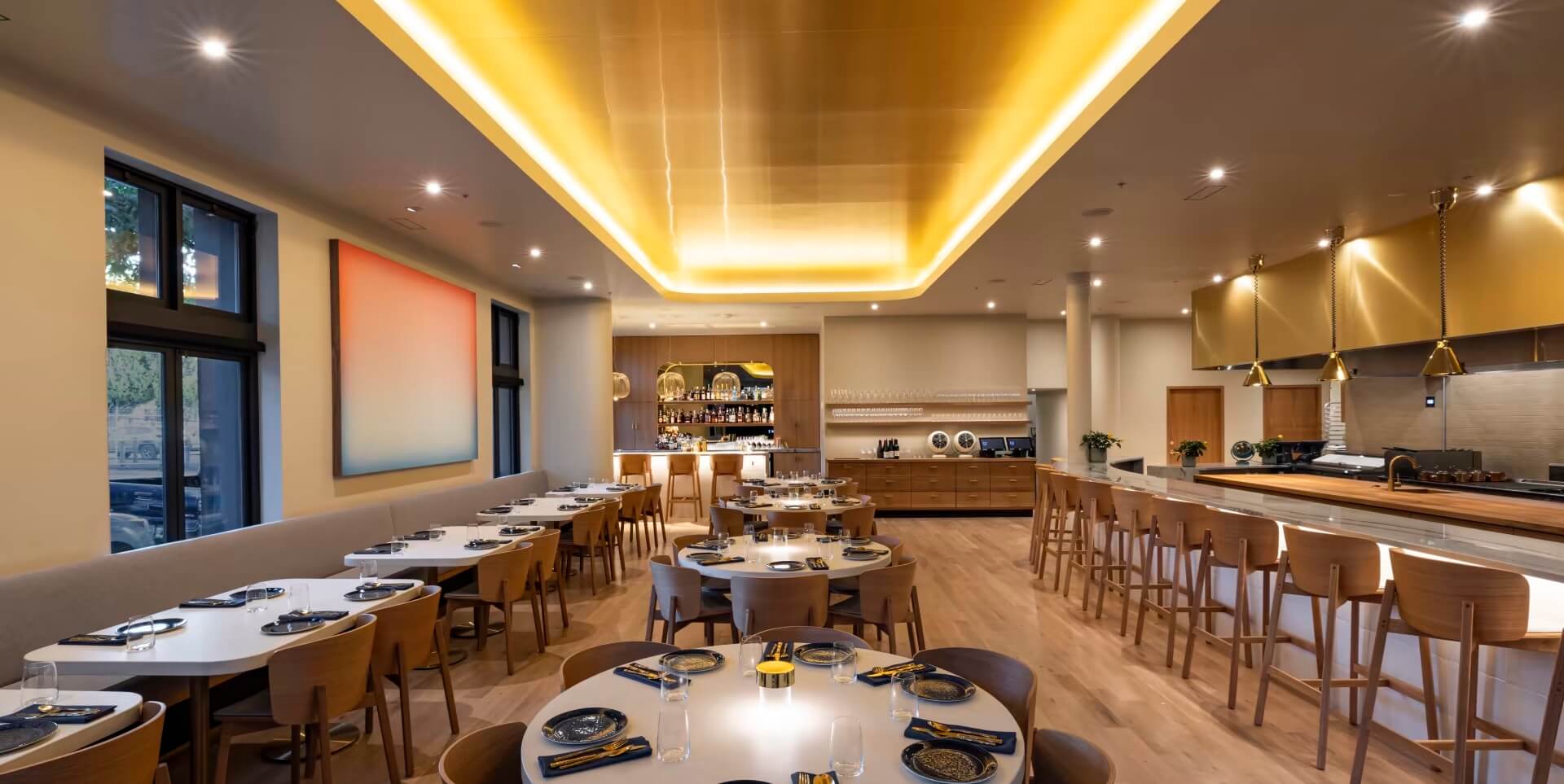
Kann x Hiyu Wine Pairing Dinner
A seated multi-course wine pairing dinner at Kann in Portland featuring Hiyu Wine Farm and a seasonal tasting menu.
Hood River Valley, Hood River
Winery in Hood River, United States
Polyculture Terroir Farming
Why go
Hiyu Wine Farm is the Hood River choice for a wine-focused special occasion, especially if the group values a farm-led producer over a conventional tasting-room stop. It is better for small, intentional visits than casual drop-ins, and backup plans are smart because access can be difficult.
Hiyu Wine Farm is a Hood River venue with Pearl 2 Star Prestige recognition for 2025. The practical case is direct: consider it when the venue itself is the focus of the outing, and avoid building expectations around specifics such as food service, tasting format, pricing, hours, or particular offerings. Dress is smart casual, so plan for a polished but not formal visit.
The useful way to think about Hiyu Wine Farm is as a Pearl-recognized Hood River venue rather than as a fully detailed dining or hospitality listing. While it holds standing as a premium Pearl-recognized venue, a street address, service format, menu, list of offerings, or hospitality details are not always available. Plan the day around what is known, then use current local resources for the rest of the Hood River itinerary.
The safest recommendation is to confirm logistics directly before committing. Go if the draw is Hiyu Wine Farm as a Hood River venue with 2025 Pearl 2 Star Prestige recognition. Do not assume details such as walk-in availability, food pairings, shipping, visit length, or a particular style unless the venue confirms them.
Choose Hiyu Wine Farm when your group is comfortable planning around a premium venue with limited details in advance. It is a better fit for guests who can clarify the practical questions directly and keep the rest of the day flexible. It is a weaker fit for anyone who needs food service, a published menu, exact visit timing, or other detailed hospitality information before deciding.
For travelers comparing related venues, keep the comparison grounded. A to Z Wineworks, Argyle Vineyards, Chehalem Winery, Maryhill Winery, and Ponzi Vineyards are useful names to consider alongside Hiyu Wine Farm, but they should not be treated as identical experiences or as all being part of the same Hood River setting. Use them as broader reference points, then decide based on the kind of visit each venue can provide.
The verdict: Hiyu Wine Farm is worth considering when a Hood River stop with Pearl 2 Star Prestige recognition is enough of a reason to plan carefully. Skip it for convenience-led groups or anyone who needs specific details locked in before committing. Confirm the current visit format, timing, and any service details directly with the venue.
Hiyu Wine Farm reads like a place where geology and weather are collaborators rather than backdrops. The writing foregrounds the Columbia River Gorge, Mount Hood and basalt-derived soils, and the tasting room experience is rooted in that tension between cold Pacific air and warm interior influence. The winery presents itself as deliberately site-focused and quietly ambitious — a farm-forward operation that prioritizes honest expressions of place over fashionable varietal choices. Visitors should expect an intimate, measured encounter with wines that reflect the Gorge’s character and a tasting experience informed by thoughtful farming and critical recognition.
Hiyu is best for visitors seeking a substantive, terroir-centered tasting rather than a generic winery stop. The property suits wine-education-minded travelers, small groups or couples who want to explore how wind, diurnal swings and basalt soils shape wines. Its Pearl 2 Star Prestige nod signals that critics and serious enthusiasts will find intriguing, site-driven bottlings here, and the farm setting makes it a good pick for day trips to Hood River Valley or low-key special occasions where conversation and close attention to provenance matter.
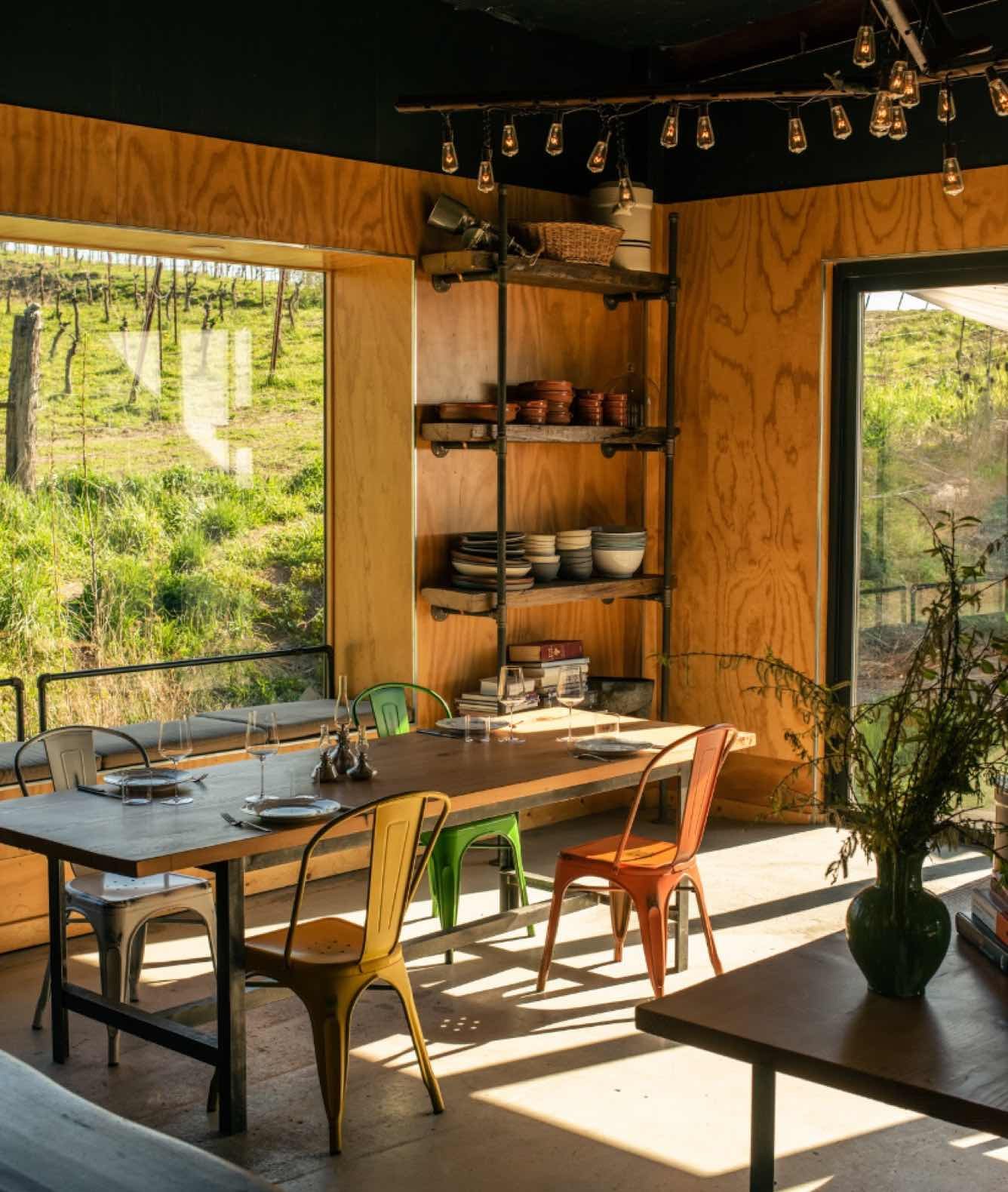
Enchanting natural atmosphere with animal sounds, insects, and oscillating light in an alpine river valley, centered around an open kitchen in the tasting room.
Try Maryhill Winery if the group still wants a Columbia Gorge wine stop with easier planning. For a Willamette Valley backup, Argyle Vineyards is a better fit for visitors who want a more conventional tasting-room experience.
Against Maryhill Winery, Hiyu is the more commitment-heavy choice. Choose Hiyu when the occasion is built around a serious producer visit; choose Maryhill when the group needs a more accessible, lower-friction tasting day with fewer planning risks.
Chehalem Winery, Ponzi Vineyards, and Argyle Vineyards are stronger cross-shops for classic Willamette Valley structure and a more established visitor rhythm. Hiyu is the better fit when ambiance and production philosophy matter more than a familiar tasting-room format.
A to Z Wineworks is the practical alternative for readers who want Oregon wine without making the visit the whole day. Hiyu is the splurge in effort, not necessarily in published price: harder to plan, more specific in appeal, and better suited to a small celebration than a broad group outing.
Unlock the full Hiyu Wine Farm guide in Pearl, including awards, comparisons, FAQs, planning details, and nearby places.
| Venue | Location | Awards |
|---|---|---|
| Hiyu Wine Farm | Hood River | No published awards |
| Maryhill Winery | Goldendale | No published awards |
| Chehalem Winery | Newberg | 2026 Falstaff Winery Guide |
| Ponzi Vineyards | Sherwood | 2026 Falstaff Winery Guide |
| A to Z Wineworks | Newberg | No published awards |
| Argyle Vineyards | Dundee | 2026 Falstaff Winery Guide2025 Pearl 4 Star Prestige |
How Hiyu Wine Farm Hood River compares with similar nearby venues.
Specific hours or seasons for Hiyu Wine Farm are not available. It is a Hood River venue with 2025 Pearl 2 Star Prestige recognition, and checking directly with the venue before planning your visit is recommended.
Food service details are not readily available for Hiyu Wine Farm. Confirm any current food or hospitality details directly with the venue before you go.
A standard visit length for Hiyu Wine Farm in Hood River is not specified. Ask the venue directly about timing when you arrange your plans, especially if you are coordinating other stops around the visit.
Wine-club details for Hiyu Wine Farm are not available. If membership matters to your decision, ask the venue directly about current options, terms, and availability.
A to Z Wineworks, Argyle Vineyards, Chehalem Winery, Maryhill Winery, and Ponzi Vineyards are useful comparison names to consider alongside Hiyu Wine Farm. Compare them based on their available details rather than assuming the same format, location, or services.
Shipping services for Hiyu Wine Farm are not detailed. If shipping matters to your plans, ask the venue directly before you visit or buy.
A flagship wine for Hiyu Wine Farm is not identified. Do not plan around a named bottle unless the venue identifies one directly through its current channels.
Pearl events
Public events currently associated with this Pearl venue.
A seated multi-course wine pairing dinner at Kann in Portland featuring Hiyu Wine Farm and a seasonal tasting menu.
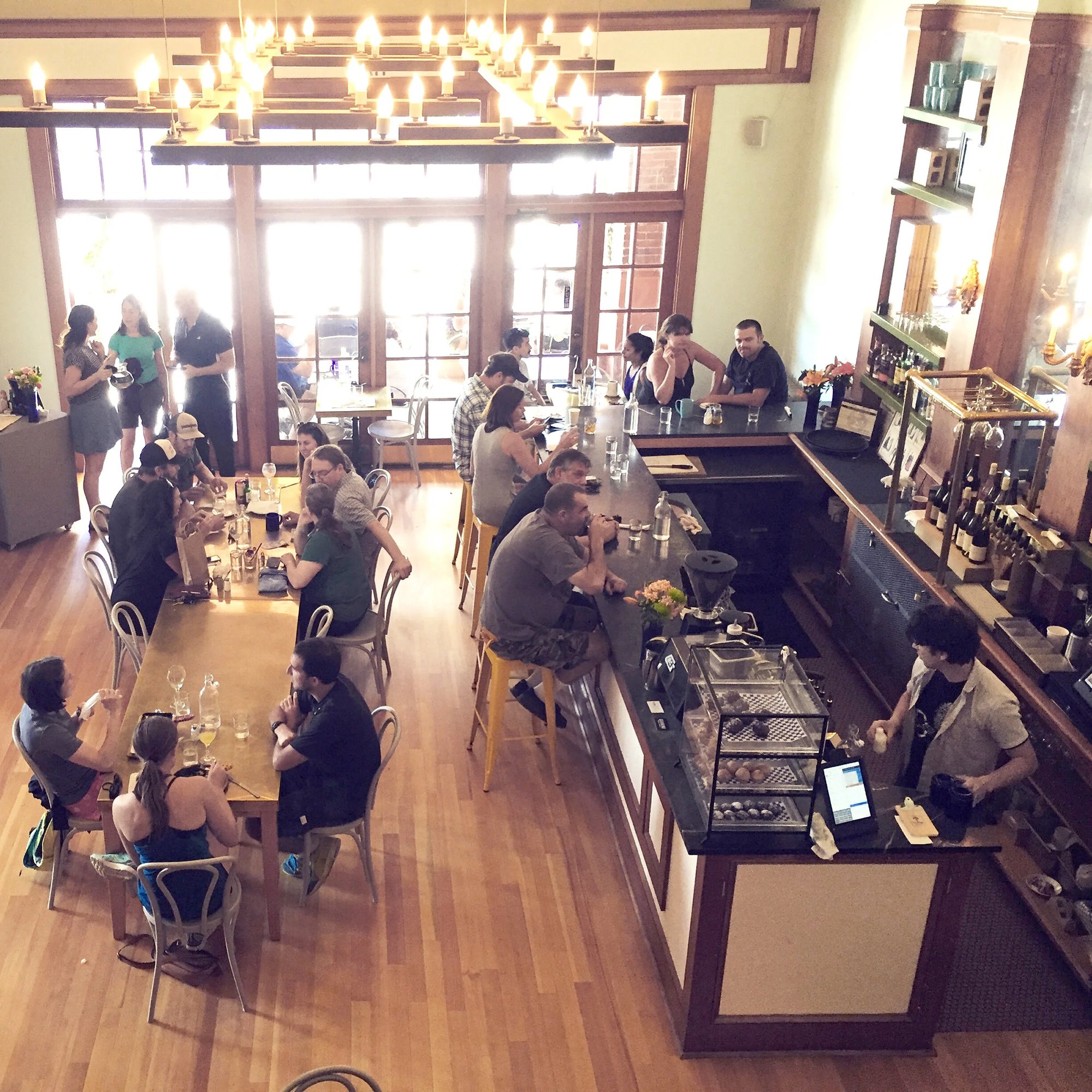 Broder OstHood RiverBroder Ost brings Swedish breakfast and lunch to Hood River; aebleskiver, Swedish meatballs, and cardamom-laced…
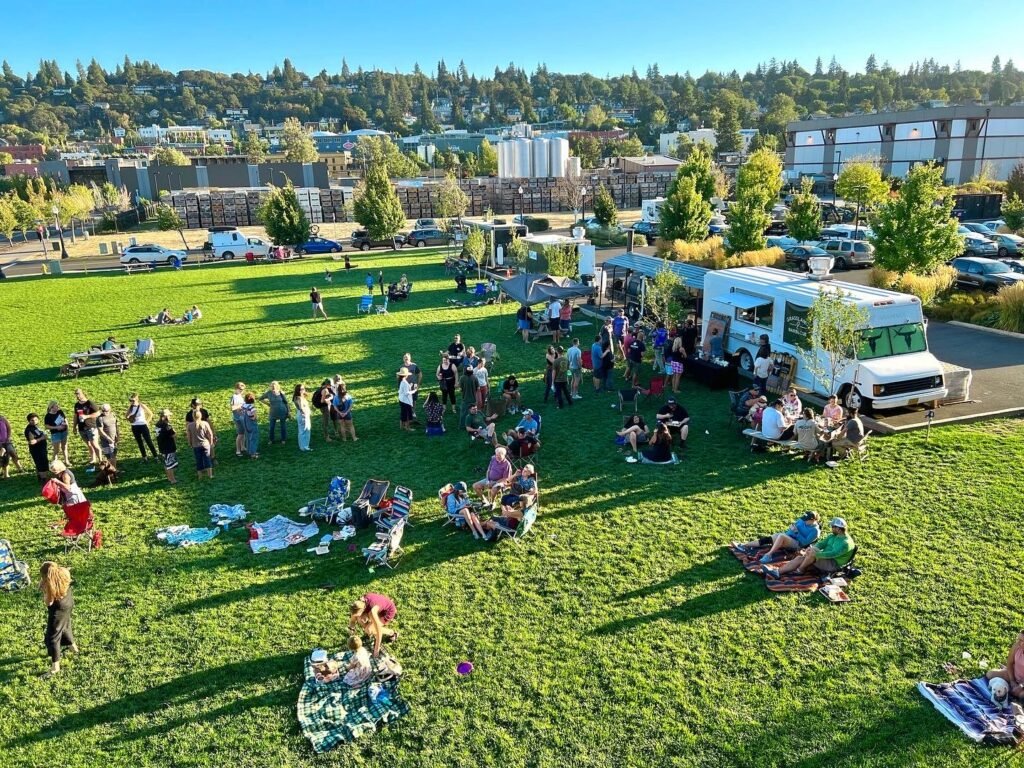 Grasslands BarbecueHood RiverGrasslands Barbecue is worth targeting for a casual Hood River waterfront meal, especially if smoked meats and an…
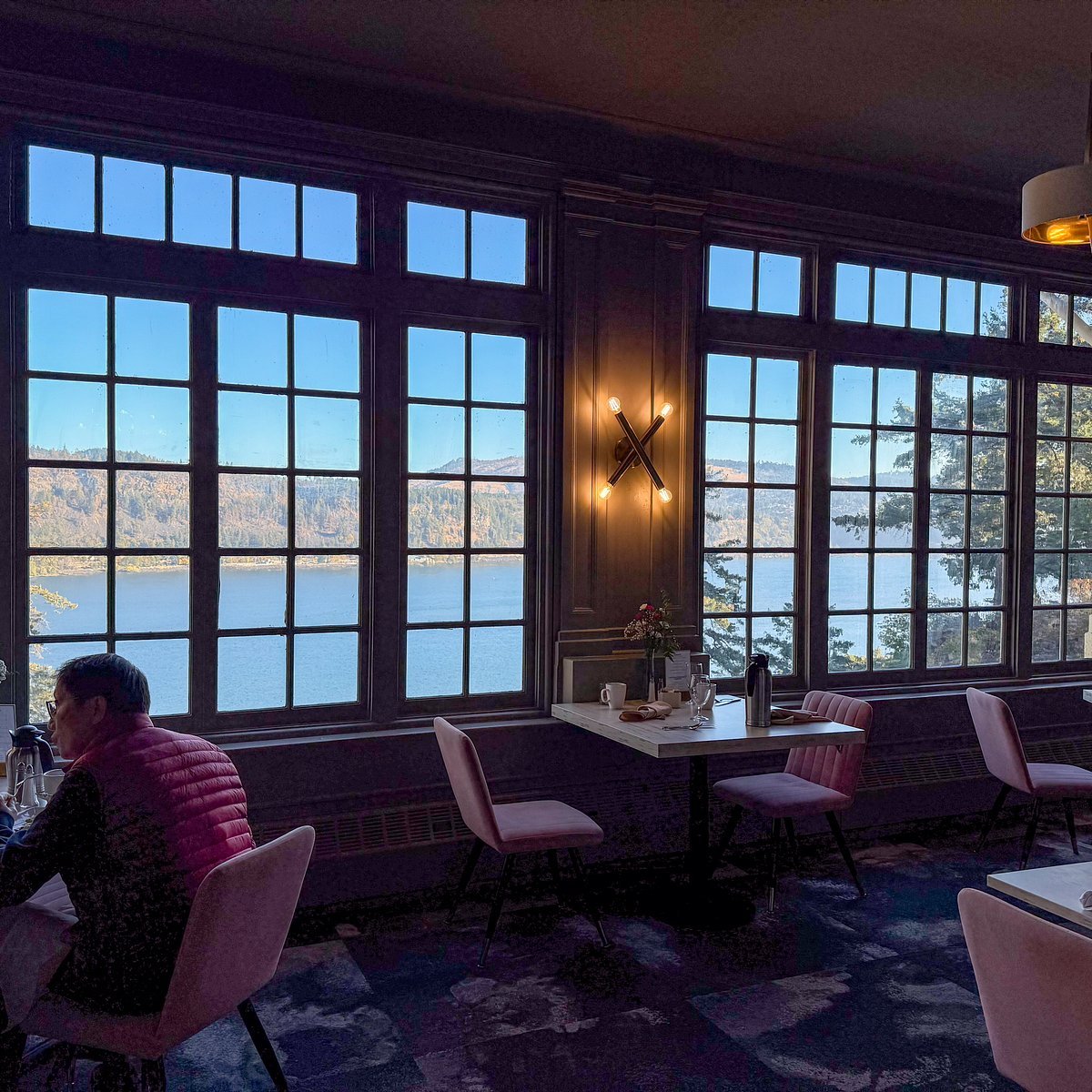 Simon's Cliff HouseHood RiverSimon's Cliff House is a practical Hood River pick when setting and timing matter more than a tightly defined cuisine…
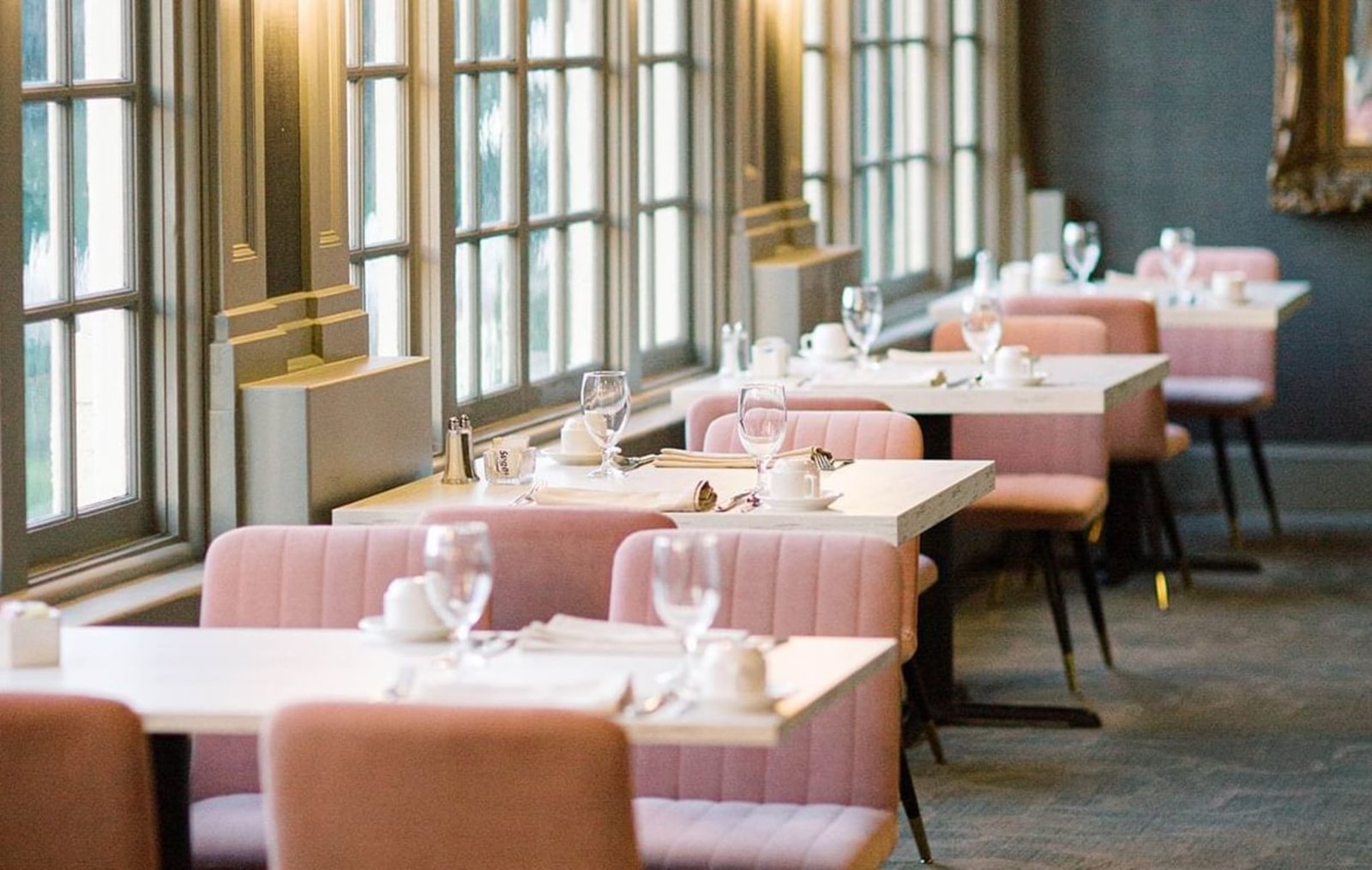 The Falls RoomHood RiverThe Falls Room is a practical Hood River option when ease matters more than a clearly defined cuisine or chef-led…