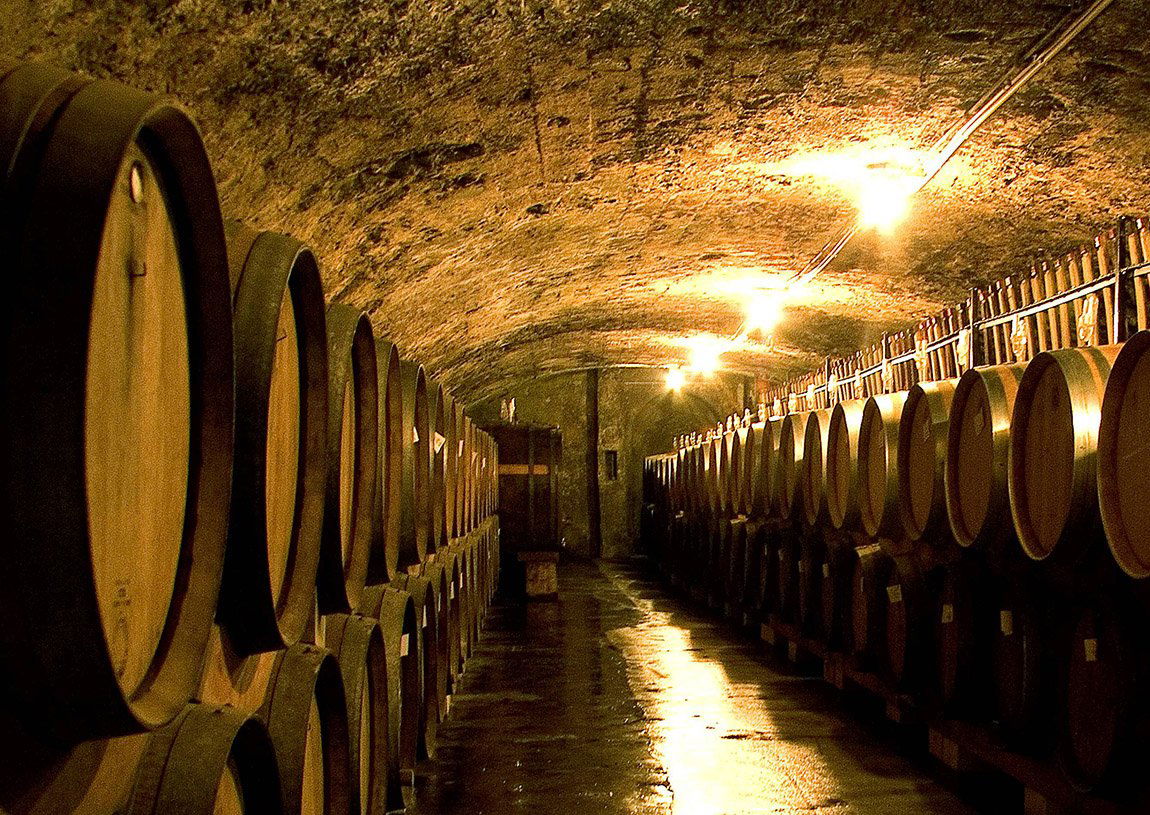

Weingut Künstler
Hochheim am Main
Winery in Hochheim am Main, Germany
 Book with Pearl
The Read
Hochheim Site Precision
Why go
Prioritize Weingut Künstler if Hochheim is the focus of the wine day and the itinerary can absorb a harder-to-secure appointment. It works better as an anchor visit than a casual add-on, with Domdechant Werner'sches Weingut the natural local cross-shop and Kloster Eberbach better for a larger heritage-led outing.
About Weingut Künstler
Weingut Künstler is a Hochheim am Main venue with Pearl 3 Star Prestige recognition for 2025. For planning, the venue is in Hochheim am Main and the dress code is smart casual; check any visit-specific details directly with the venue before you build a schedule around them.
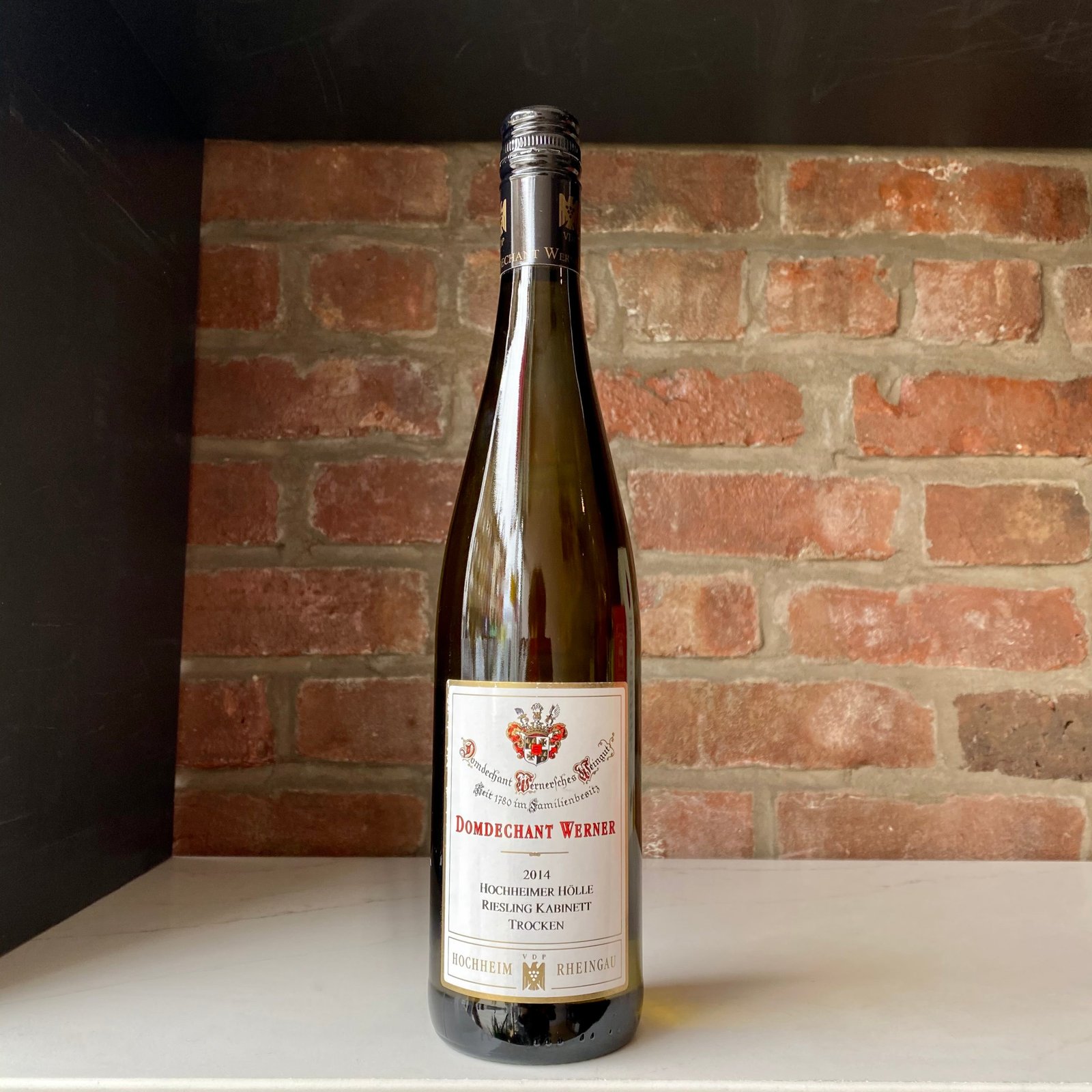
If you are comparing options, keep the focus on Weingut Künstler and other named venues. Domdechant Werner'sches Weingut is a natural comparison for travelers staying centered on Hochheim am Main.
Plan it as the anchor of a Hochheim am Main visit
Use Weingut Künstler as a Hochheim am Main reference point. For restaurants and other planning support around the city, use our full Hochheim am Main restaurants guide.
The main caution is expectation-setting. The venue is in Hochheim am Main, has a smart casual dress code, and has Pearl 3 Star Prestige recognition for 2025. Do not assume a meal component, tasting format, shipping policy, club benefit, price point, or schedule unless it is confirmed directly through the venue's own channels.
Who should consider it, and who should cross-shop
Consider Weingut Künstler if your plans are centered on Hochheim am Main and you want to compare it with other venues. Domdechant Werner'sches Weingut is the closest natural Hochheim am Main comparison named here, while Kloster Eberbach, Weingut Balthasar Ress, Weingut Robert Weil, and Weingut Thörle can be considered as broader comparisons without treating them as Hochheim am Main venues.
The practical answer is simple: if your itinerary is already in Hochheim am Main, keep Weingut Künstler on the shortlist and confirm the current visit details directly. Dress smart casual, and avoid building the day around assumptions such as food service, specific tasting length, shipping, or membership benefits.
Planning details
- Location
- Wiesbadener Str. 1A, 65239 Hochheim am Main
- Website
- weingut-kuenstler.de
- Phone
- +49 6146 83860
The take
The Take
The Vibe
Weingut Künstler presents a quietly distinguished character rooted in place and history. The estate leans into Hochheim’s distinct soils and the Main’s influence, producing Rieslings that emphasize site expression rather than showy fruit. Its Pearl 3 Star Prestige rating for 2025 signals a rigorous, quality-focused approach; tasting here feels like an encounter with terroir and winemaking discipline. The tone is measured and scholarly—historic references and precise parcel work underpin the experience—making the winery feel refined, contemplative, and resolutely focused on clarity of fruit and mineral drive.
Best For
This is an estate for visitors who come to read a place in the glass. Serious Riesling aficionados, students of German classification, and collectors tracking top regional producers will find Weingut Künstler especially rewarding. The Pearl 3 Star Prestige rating and the emphasis on parcel expression make it ideal for wine-education–focused visits and comparative sampling of Hochheim’s distinctive profile. It suits solo learners and small, intent groups who want to explore terroir-driven wines rather than casual drop-in tastings.
Tasting Tips
When tasting at Weingut Künstler, prioritize Rieslings that declare their vineyard or site—those labels are most likely to show Hochheim’s parcels’ distinctive minerality and tension. Ask which bottlings carry the Pearl 3 Star Prestige designation or are offered as the estate’s top-tier wines; these illustrate the most exacting work. Compare a dry and an off-dry example if available to perceive how Hochheim’s mesoclimate balances fruit and acidity. If buying, consider a parcel-designated vintage as a representative bottle of the estate’s terroir-focused identity.
Venue details
Ambiance
Elegant and sophisticated with a focus on the purity and clarity of terroir expression in a classic Rheingau setting.
Tags
Vibe
Best For
Experience
Sourcing
View
At the Vineyard
- Appellation
- Rheingau
- Varietals
- Riesling, Spätburgunder, Chardonnay, Sauvignon Blanc
- Visits
- By reservation
- Farming
- Sustainable
- Production
- Mid-size producer
- Wine Styles
- Still White, Still Red
- Wine Club
- Not available
Know before you go
Know Before You Go
- Getting there
- Wiesbadener Str. 1A, 65239 Hochheim am Main
Planning details
Location
Recognition and awards

Also consider
Also Consider
- Domdechant Werner'sches Weingut, Notable alternative
- Weingut Robert Weil, Notable alternative
- Weingut Balthasar Ress, Notable alternative
- Weingut Thörle, Notable alternative
- Kloster Eberbach, Notable alternative
Winery context
How it compares in and around Hochheim
For a focused Hochheim day, Weingut Künstler is the appointment to chase first, while Domdechant Werner'sches Weingut is the cleanest local backup because it keeps the itinerary in the same town. Choose Künstler when producer focus matters more than easy scheduling; choose Domdechant Werner'sches Weingut when the priority is keeping the day compact and reducing transit friction.
Weingut Robert Weil, Weingut Balthasar Ress, and Weingut Thörle make more sense if the plan is a broader regional comparison rather than a Hochheim-only visit. They are better cross-shops for travelers willing to trade convenience for a wider view of German wine country, while Künstler is the sharper choice for a tight Hochheim itinerary.
Kloster Eberbach is the better pick for visitors who care as much about setting and heritage atmosphere as wine. Künstler is the more targeted choice for a producer-led stop; Kloster Eberbach is easier to justify for mixed groups where not everyone is as wine-focused.
Explore Hochheim am Main
Around this place
Discover more on Pearl
Unlock the full Weingut Künstler guide in Pearl, including awards, comparisons, FAQs, planning details, and nearby places.
Compare Weingut Künstler
| Venue | Location | Awards |
|---|---|---|
| Weingut Künstler | Hochheim am Main | 2026 Falstaff Winery Guide |
| Domdechant Werner’sches Weingut | Hochheim am Main | 2026 Falstaff Winery Guide |
| Weingut Robert Weil | Kiedrich | 2026 Falstaff Winery Guide |
| Weingut Balthasar Ress | Eltville | 2026 Falstaff Winery Guide2025 Decanter Winery Prestige |
| Weingut Thörle | Saulheim | 2026 Falstaff Winery Guide |
| Kloster Eberbach | Eltville | No published awards |

How Weingut Künstler Hochheim am Main compares with similar nearby venues.
FAQ
Frequently Asked Questions
Does Weingut Künstler serve food?
Food service is not listed for Weingut Künstler. Treat it as a Hochheim am Main venue and confirm any meal or visit details directly before planning around them.
How long should I plan for a visit to Weingut Künstler?
A specific visit length is not listed. If you are planning a Hochheim am Main itinerary, confirm the current format and timing directly with the venue before finalizing the rest of your day.
What other venues can I compare with Weingut Künstler?
For comparison, consider Domdechant Werner'sches Weingut, Weingut Robert Weil, Weingut Balthasar Ress, Weingut Thörle, and Kloster Eberbach. Weingut Künstler is the Hochheim am Main venue on this page, so do not assume every comparison is in the same city.