

Winery in Hobart, Australia
Sullivans Cove Distillery
500Pearl PointsWhisky-focused detour
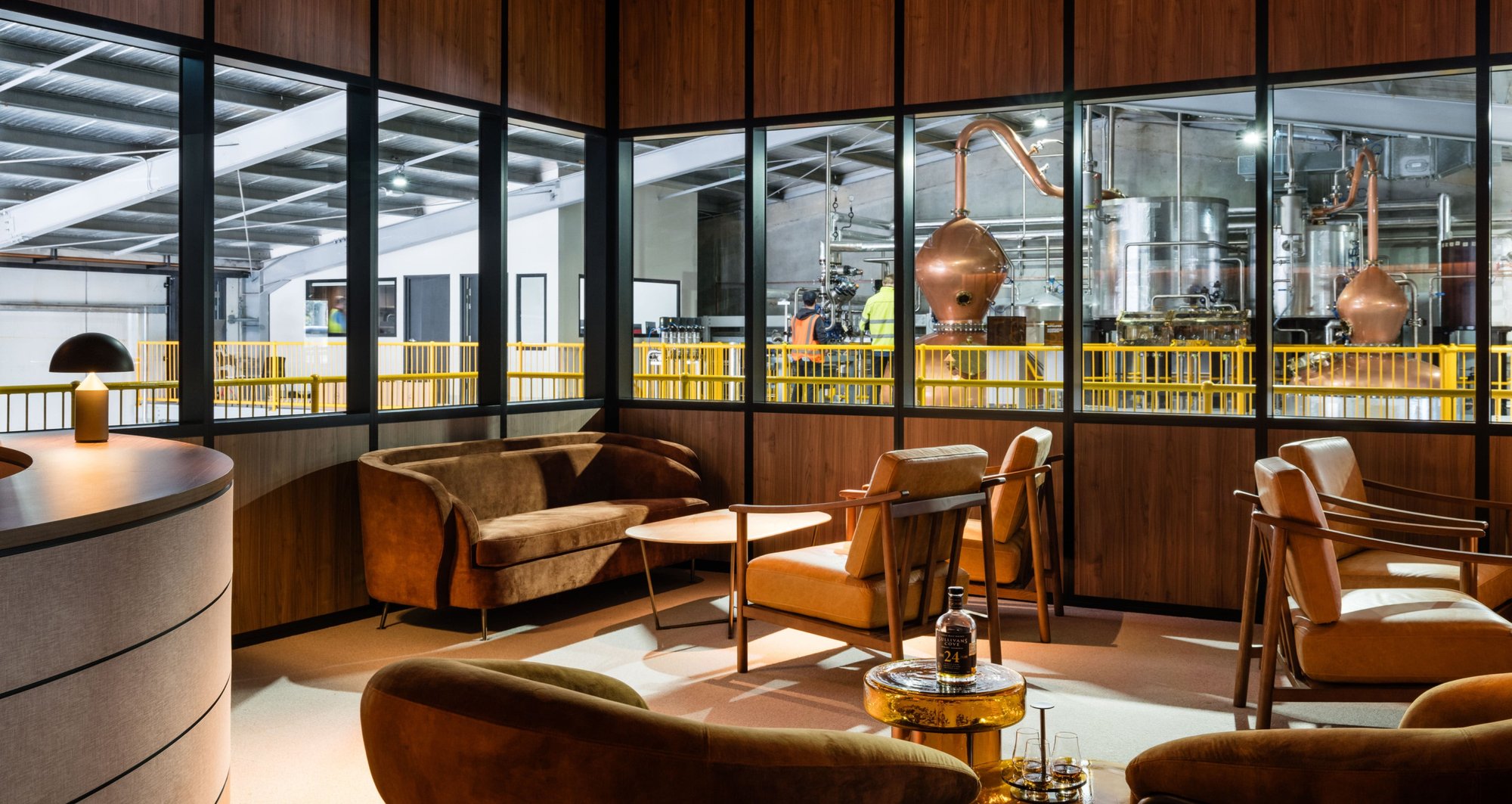
About Sullivans Cove Distillery
A focused Cambridge distillery choice for travellers who want Tasmanian whisky context rather than a broad cellar-door outing. Prioritise it for a spirits-led Hobart itinerary; choose Frogmore Creek, Tolpuddle Vineyard, or Pooley instead if the day needs wine-country pacing, vineyard scenery, or a more conventional cellar-door feel.
On a return trip to Hobart, Sullivans Cove Distillery is best treated as a dedicated venue rather than a loosely defined add-on to a dining plan. The verified guidance is limited: Sullivans Cove Distillery is recognised with Pearl 2 Star Prestige in 2025, the dress code is smart casual. Beyond that, specific claims about formats, menus, tastings, hours, prices, production details, or location within Hobart should be confirmed directly before planning around them.
For travellers comparing premium stops, the choice is less about chasing a long checklist and more about deciding what kind of Hobart visit you want. Sullivans Cove Distillery can sit alongside names such as Frogmore Creek, Lark Distillery, Pooley, Tolpuddle Vineyard, Sullivan's Cove, but each should be considered on its own current offering rather than assumed to provide the same kind of experience.
A Hobart distillery stop for a planned itinerary
Sullivans Cove Distillery is in Hobart, so it makes sense to plan it deliberately within a city itinerary. Because the verified data here does not include opening hours, booking requirements, tasting details, food service, or visit length, guests should check the venue directly before making it a fixed anchor for the day.
The most reliable planning note is the dress code: smart casual. That makes it easy to combine with other premium Hobart dining or drinks plans without over-dressing, while still avoiding an overly casual approach.
Where it fits in a Hobart itinerary
For a Hobart trip, use Sullivans Cove Distillery as a Pearl 2 Star Prestige reference point rather than assuming a specific service style. Frogmore Creek, Pooley, Tolpuddle Vineyard, Sullivan's Cove, Lark Distillery may be useful comparisons for travellers considering other premium names, but current details should be checked venue by venue.
The verdict: Sullivans Cove Distillery is a strong candidate when you want a Pearl 2 Star Prestige Hobart venue and can confirm the practical details directly. For the rest of the trip, round out the city with Hobart restaurants, Hobart bars, Hobart hotels, Hobart experiences.
Frequently Asked Questions
What other venues can I compare with Sullivans Cove Distillery?
Frogmore Creek, Tolpuddle Vineyard, Pooley, Lark Distillery, Sullivan's Cove are natural names to compare with Sullivans Cove Distillery. Sullivans Cove Distillery is a Pearl 2 Star Prestige venue in Hobart, so confirm current visit details directly before pairing it with other stops.
How long should I plan for a visit to Sullivans Cove Distillery?
The verified information does not include a specific visit length, opening hours, or booking format. Check directly with Sullivans Cove Distillery before fixing your schedule around it.
What is Sullivans Cove Distillery known for?
Sullivans Cove Distillery is a Hobart venue recognised with Pearl 2 Star Prestige in 2025. The verified dress code is smart casual.
Where is Sullivans Cove Distillery located?
Sullivans Cove Distillery is located in Hobart.
Location
1/10 Lamb Pl, Cambridge TAS 7170
Hobart, Australia
Compare Sullivans Cove Distillery
Comparison snapshot
Choose Sullivans Cove Distillery for whisky depth near Cambridge. Choose Lark Distillery for a simpler Hobart-based spirits stop. Choose Frogmore Creek, Tolpuddle Vineyard, or Pooley when the priority is wine-country pacing rather than distillery focus.
If this is not the right fit
If Cambridge does not work for the itinerary, Lark Distillery is the easier Hobart spirits alternative. If the group wants a winery experience instead, Frogmore Creek is the safer all-round cross-shop.
How it compares in Hobart and around Cambridge
Sullivan's Cove is the serious whisky pick in this set: less of a leisurely estate outing, more of a focused stop for visitors who care about Tasmanian spirits. Lark Distillery is easier if the group is staying central in Hobart and wants a lower-friction spirits experience, while the Cambridge location makes Sullivans Cove Distillery feel more deliberate.
For wine-country ambience, Frogmore Creek, Tolpuddle Vineyard, Pooley are the better cross-shops. Frogmore Creek suits groups wanting a broader visitor experience, Tolpuddle is the more wine-geeky detour, Pooley fits travellers who want regional wine context rather than whisky focus.
Value depends on the trip brief. If the day is built around whisky, Sullivans Cove Distillery is the sharper use of time than a scenic cellar door. If the group is mixed or booking confidence matters more than depth, Lark Distillery is the safer Hobart option and Frogmore Creek is the easier all-rounder.
Save or rate Sullivans Cove Distillery on Pearl
Keep this venue in your Pearl passport, rate it after you visit, and track it alongside every other place you collect.