Boutari Winery (Crete)
Skalani, Heraklion
Winery in Heraklion, Greece
 Book with Pearl
The Read
Indigenous Varietal Focus
Why go
Boutari Winery (Crete) works for travelers who want a calmer Heraklion wine-country stop rather than another city-center activity. It works better for couples or small groups with a regional wine focus than for casual groups looking for a quick, low-planning tasting.
About Boutari Winery (Crete)
Boutari Winery (Crete) is a Heraklion venue with a casual dress code and Pearl 2 Star Prestige recognition for 2025. Because the verified public profile is limited, the most reliable way to approach it is as a winery venue in Heraklion rather than as a page built around unverified details such as a specific address, tour format, food program, bottle list, or service schedule.
Use this guide as a conservative planning note: confirm current visit details directly with the venue before building an itinerary around it. If staying in the city makes the plan easier, you can also pair the visit with our full Heraklion hotels guide.
A Heraklion winery stop with limited verified planning details
The grounded appeal is direct: Boutari Winery (Crete) is a recognized Heraklion winery venue, with Pearl 2 Star Prestige recognition in 2025 and casual dress. Beyond that, avoid assuming a particular tasting format, food offering, group setup, or timing unless the venue confirms it for your date.
That makes it well suited to travelers who are comfortable checking details in advance and want a Heraklion winery stop without relying on unverified claims. For meals, transport timing, or add-on activities, keep the plan flexible until the venue has confirmed what is available.
Where it fits against other winery options
For a wine-focused comparison, consider Boutari Winery (Crete) alongside Douloufakis Winery, Lyrarakis Winery, Paterianakis Winery. If the group is also interested in distillery visits, Zargianakis Distillery and Vassilakis Distillery are natural alternatives to research separately.
The practical approach is to compare only confirmed details: current availability, visit format, Heraklion logistics, what each venue is offering on the date you want to go. Do not assume that any of these venues shares the same schedule, group policy, food service, or tasting structure.
Quick reference: choose Boutari Winery (Crete) for a recognized Heraklion winery stop with casual dress and Pearl 2 Star Prestige recognition in 2025; confirm all visit-specific details directly before going.
Planning details
- Location
- Skalani 701 00
- Website
- scalareaestate.gr
- Phone
- +30 281 073 1617
The take
The Take
The Vibe
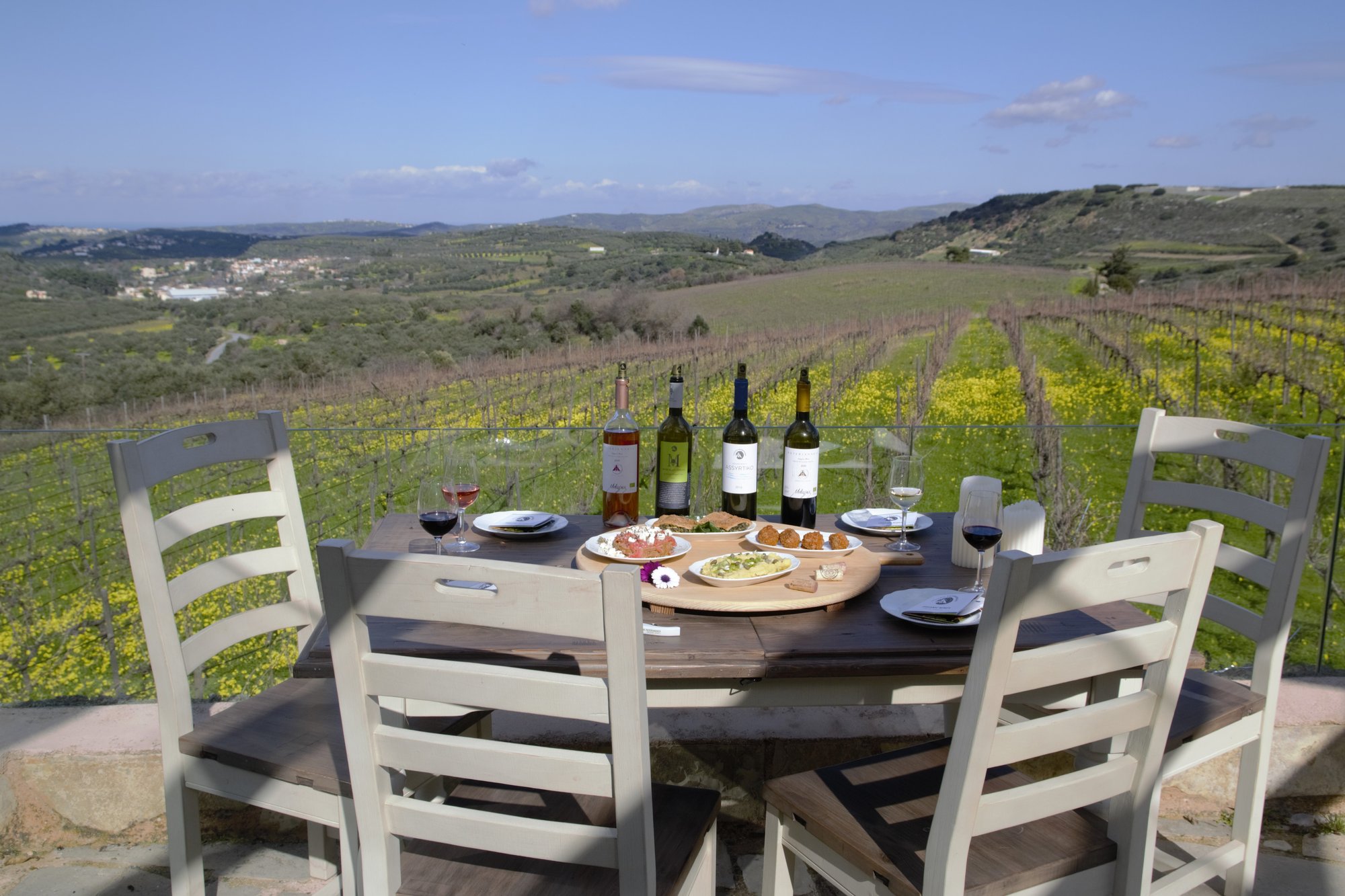
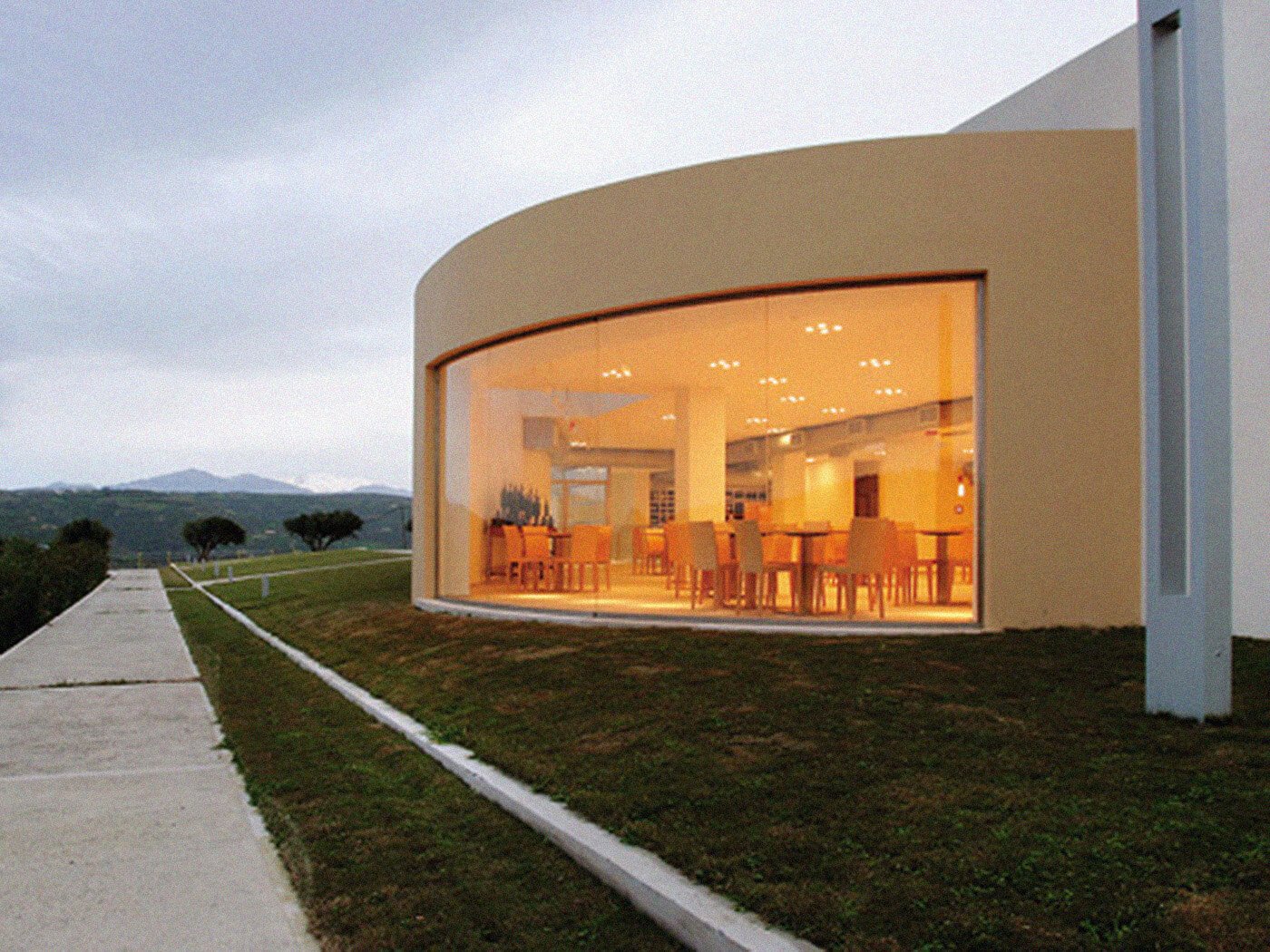
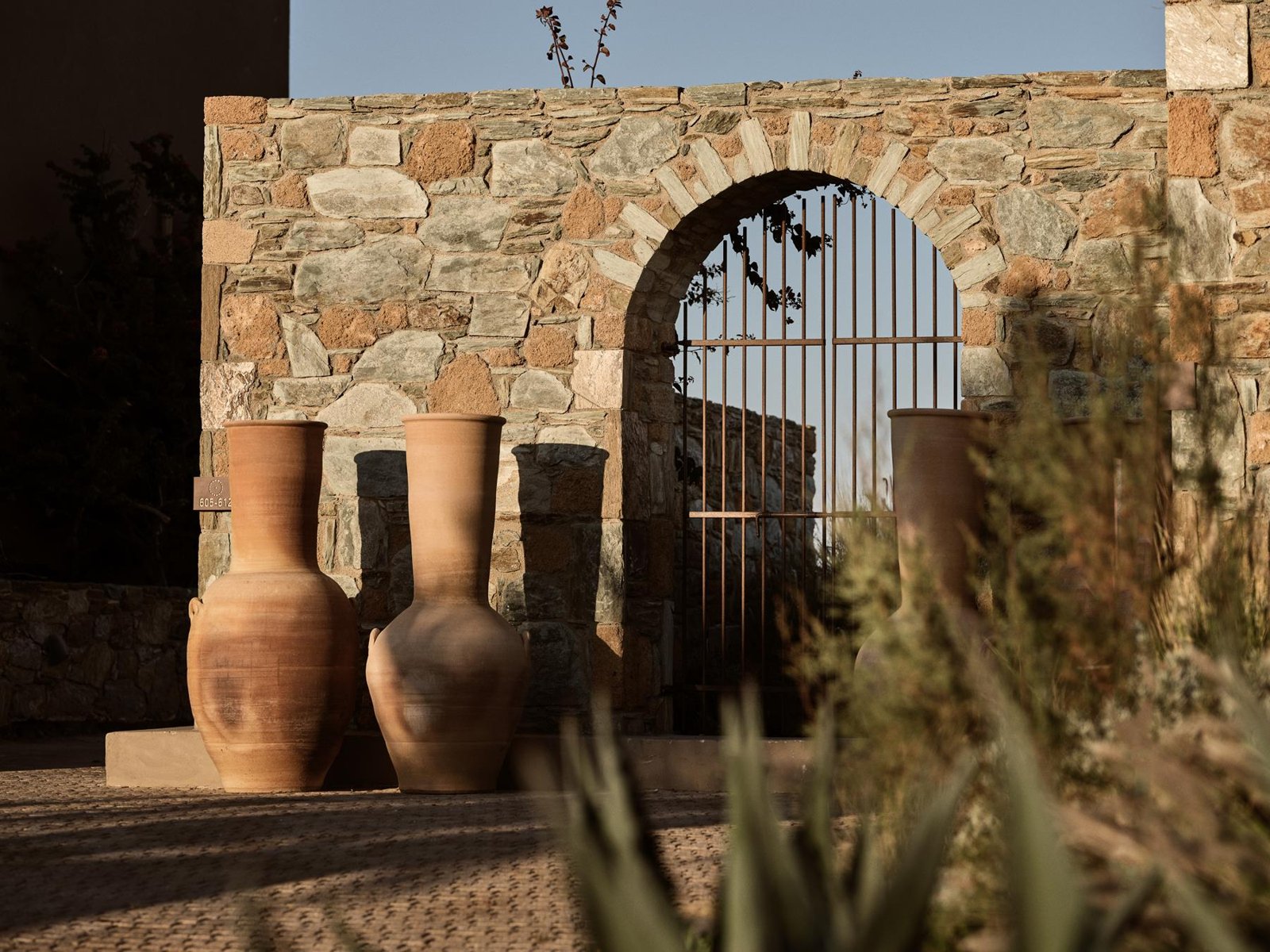
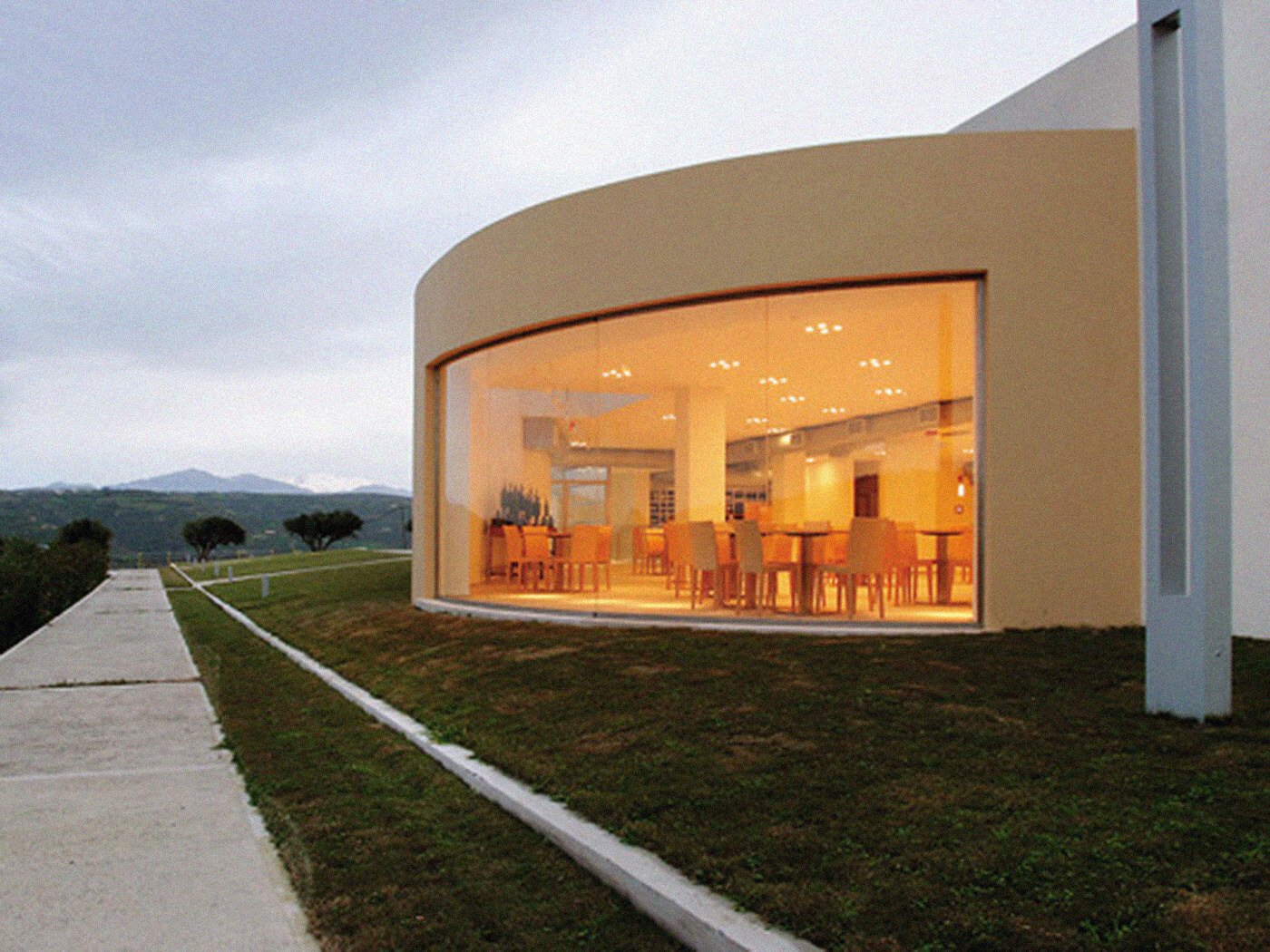
Boutari’s Skalani estate reads like a study in place. The approach frames a plateau of pale limestone and contouring vine rows; the farmed land and purpose‑built cellar make the site feel deliberate rather than decorative. That long arc of Cretan viticulture—reaching back to the Bronze Age—gives the property an historic weight, while Boutari’s investment and technical focus lend a polished, sophisticated edge. Visitors encounter an estate where geology and climate are foregrounded: a working landscape that presents its arguments about variety and timing with calm authority.
Best For
This is a stop for travellers who care about terroir and the craft of Greek wine. The estate suits wine students, serious enthusiasts and small groups who want to understand how altitude, limestone and schist shape indigenous Cretan varieties. It also appeals to visitors curious about the modernization of Greek winemaking—Boutari’s Skalani facility is presented as a purpose‑built example of estate‑level thinking. Expect an experience oriented around vineyard context and technical detail rather than a flashy visitor center.
Tasting Tips
At the cellar door, focus on wines that showcase local varieties and the island’s altitude-driven acidity: the text emphasizes indigenous Cretan grapes and vineyards above 400 metres. Ask about micro‑zones and soil types—clay‑limestone versus schist—so you can compare textural outcomes. If you want to grasp the estate’s approach, request commentary on harvest timing and variety selection; the winery’s commitment to single‑estate, variety‑focused production is a throughline in Skalani’s story.
Venue details
Ambiance
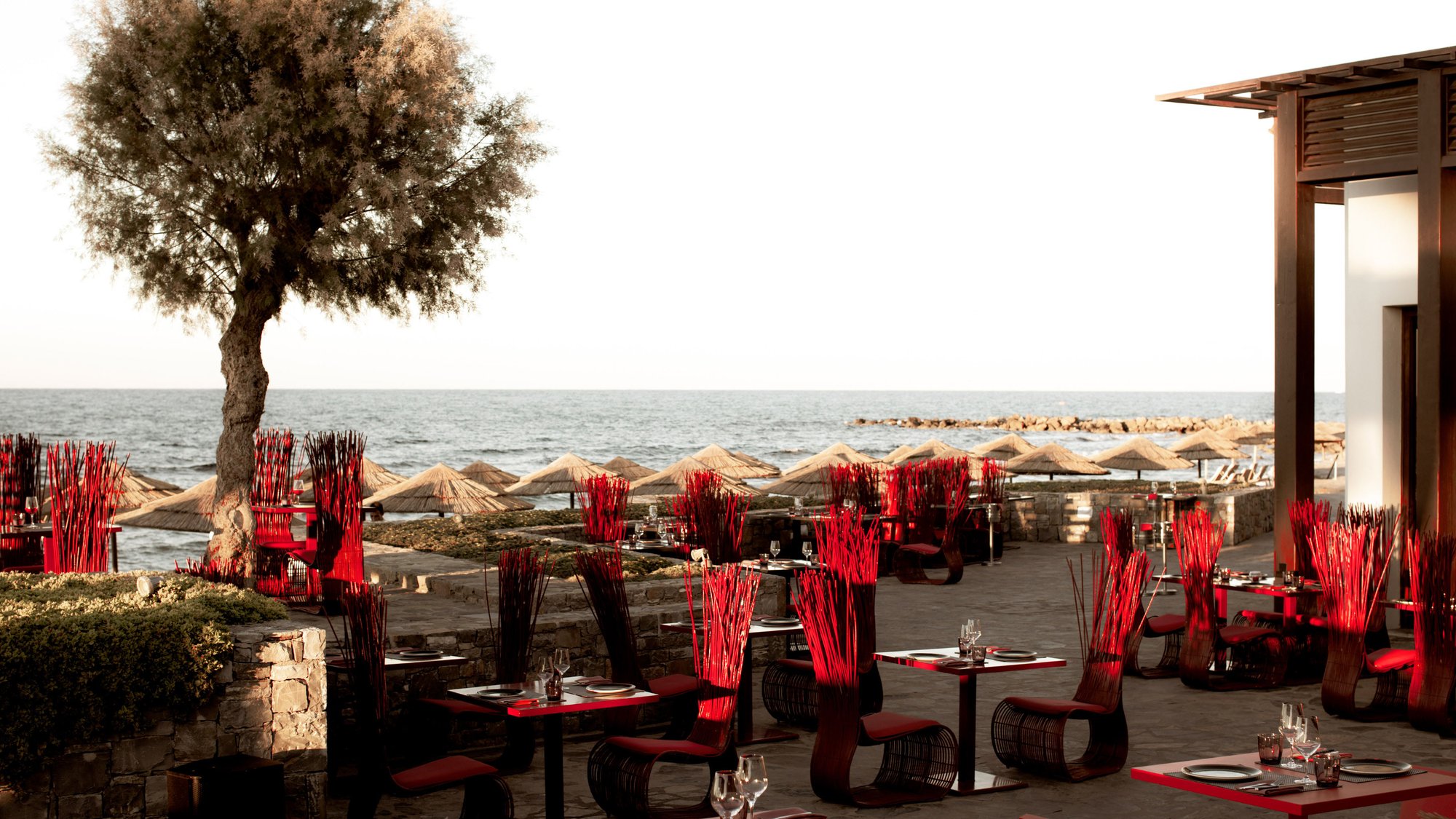
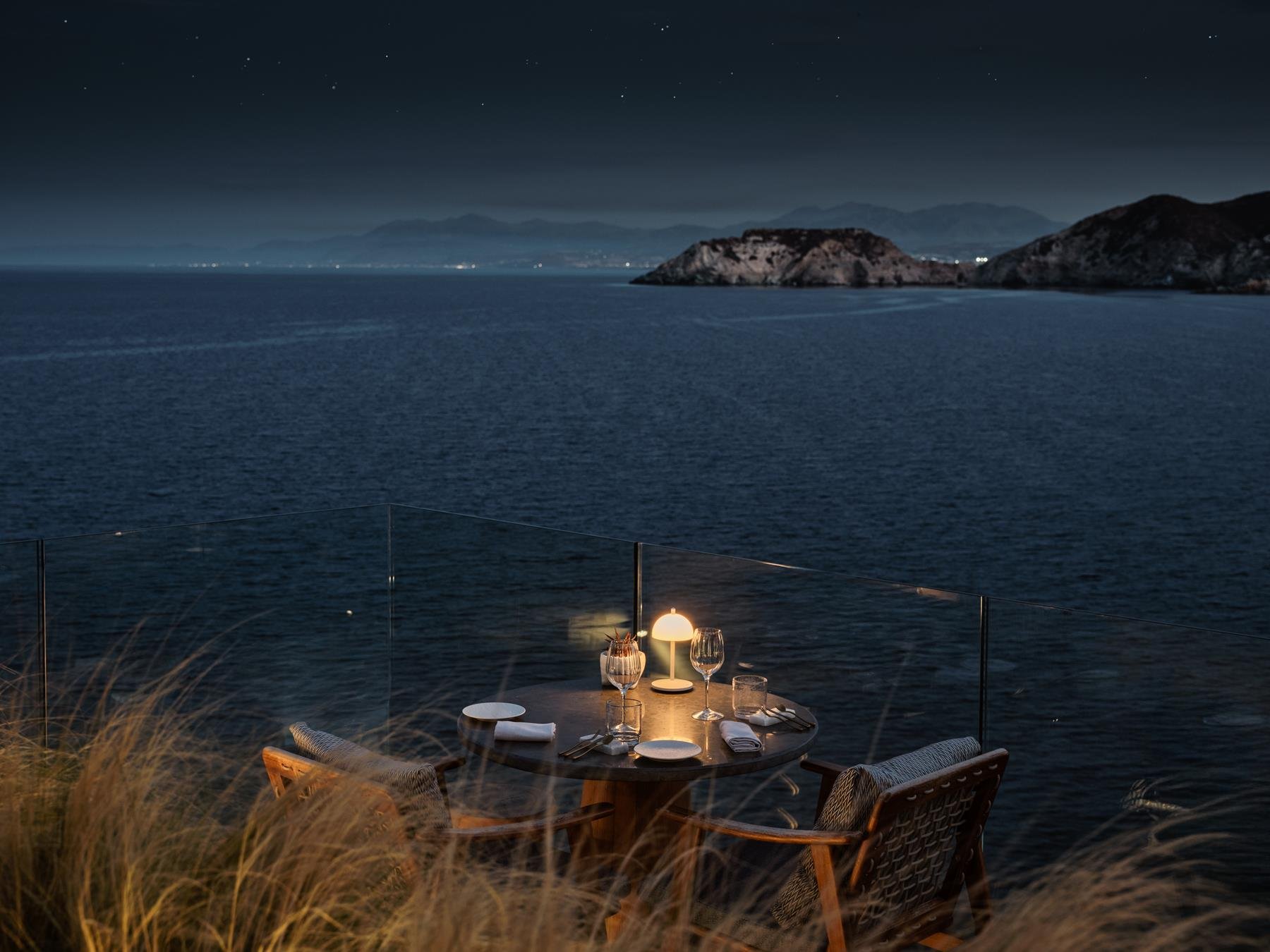
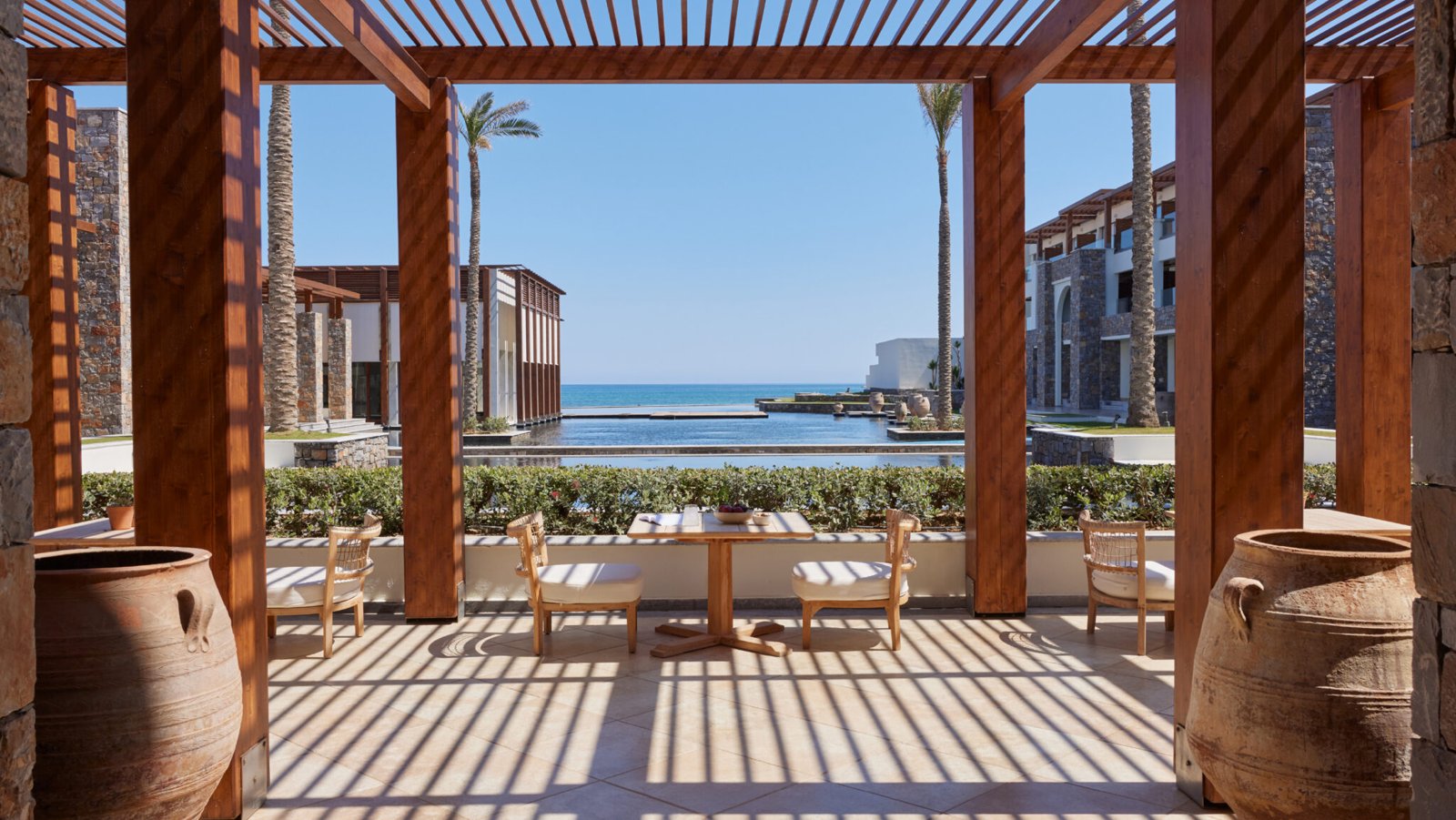
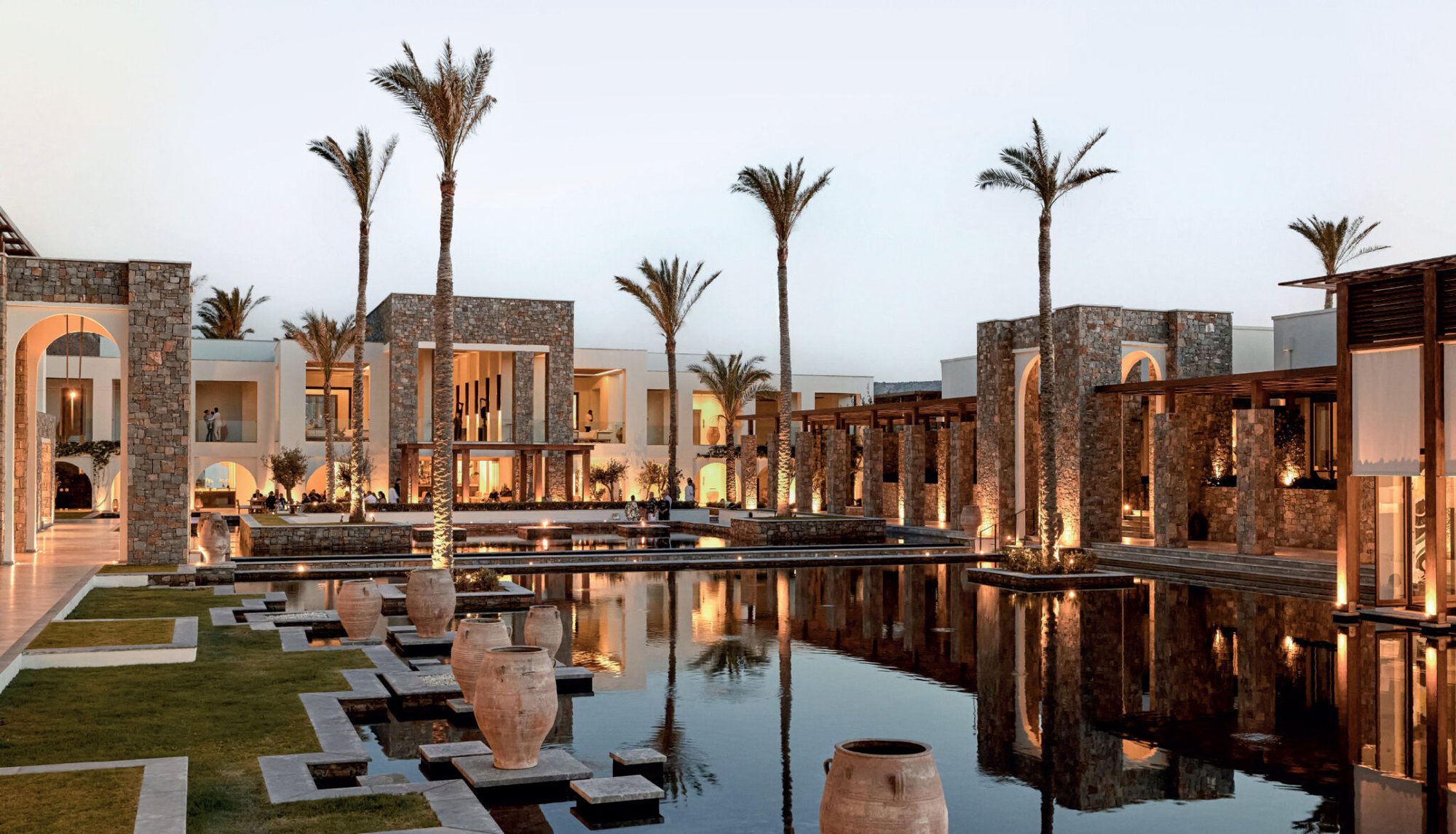
Atmospheric wine cellar with cool, elegant surroundings and beautiful outdoor location praised for its relaxed, professional atmosphere.
Tags
Vibe
Best For
Experience
View
At the Vineyard
- Appellation
- PGI Heraklion
- Varietals
- Kotsifali, Syrah, Agiorghitiko
- Tour Duration
- 60-90 minutes
- Wine Club
- Not available
Planning details
Location
Also consider
Where to go if this does not fit the plan
Try Paterianakis Winery first if the goal is still a Heraklion-area winery visit. For a group with mixed interest in wine, switch to Vassilakis Distillery or Zargianakis Distillery instead.
Winery context
How it compares in Heraklion
Boutari Winery (Crete) is the better fit if the priority is a composed wine-country stop near Heraklion rather than a broader drinks outing. Lyrarakis Winery and Douloufakis Winery are stronger cross-shops for travelers willing to look outside the immediate metro area, while Paterianakis Winery is the clearest Heraklion-area alternative for a wine-focused plan.
If booking friction is the concern, do not assume the easiest path is the winery with the biggest name recognition. For mixed-interest groups, Zargianakis Distillery or Vassilakis Distillery may be a more flexible pick, especially when some guests care more about a concise tasting than a vineyard-led visit.
For ambiance, choose Boutari Winery (Crete) when the group wants a quieter inland setting and a regional wine lens. Choose Paterianakis Winery when the brief is a direct Heraklion winery comparison, choose one of the distilleries when the group needs a shorter, easier-to-sell drinks stop.
Around this place
Discover more on Pearl
Unlock the full Boutari Winery (Crete) guide in Pearl, including awards, comparisons, FAQs, planning details, and nearby places.
Compare Boutari Winery (Crete)
| Venue | Location | Awards |
|---|---|---|
| Boutari Winery (Crete) | Heraklion | No published awards |
| Lyrarakis Winery | Alagni | No published awards |
| Paterianakis Winery | Heraklion | No published awards |
| Douloufakis Winery | Dafnes | No published awards |
| Zargianakis Distillery | Heraklion | No published awards |
| Vassilakis Distillery | Heraklion | No published awards |
How Boutari Winery (Crete) compares with similar nearby venues.
FAQ
Frequently Asked Questions
How long should I plan for a visit to Boutari Winery (Crete)?
The verified information does not establish a standard visit length. Treat Boutari Winery (Crete) as a Heraklion winery stop whose timing should be confirmed directly with the venue before you finalize the rest of your day.
What is the flagship wine at Boutari Winery (Crete)?
No specific flagship wine is verified in the information provided here. Ask the venue which bottle or label best represents Boutari Winery (Crete) during your visit, compare that with what you find at Lyrarakis Winery or Douloufakis Winery if you are planning more than one winery stop.