Ridge Vineyards (Lytton Springs)
Dry Creek Valley, Healdsburg
Winery in Healdsburg, United States
 Book with Pearl
The Read
Benchland Old-Vine Precision
Price
$50–100tasting
Why go
A serious Healdsburg winery pick for visitors who want a focused wine-led stop rather than a casual drop-in tasting.
About Ridge Vineyards (Lytton Springs)
If you are comparing other winery options, Simi Winery, Mauritson Wines, Sbragia Family Vineyards, Francis Ford Coppola Winery, and Edmeades Winery are natural names to review alongside it.
A notable Healdsburg stop with limited practical detail
Pearl does not currently verify details about the tasting structure, group size limits, food availability, bottle pricing, or service format, so those should not be assumed before visiting.
Use Our full Healdsburg restaurants guide to place lunch or dinner separately, and use Our full Healdsburg hotels guide if the day involves driving logistics. For an evening after winery visits, Our full Healdsburg bars guide is the more relevant planning tool than trying to extend an venue schedule into the night.
How to fit it into a smarter itinerary
Make Ridge Vineyards (Lytton Springs) a deliberate Healdsburg consideration, then confirm the current visit details before finalizing the rest of the route. If it is the priority, keep the rest of the day simple; if the practical details do not fit, use Our full Healdsburg wineries guide to build a backup plan before locking restaurants and hotels.
For a comparison set, look at other established winery options such as Simi Winery, Mauritson Wines, Sbragia Family Vineyards, Francis Ford Coppola Winery, and Edmeades Winery, along with other Healdsburg dining and lodging choices as needed. Here, the value is not in claims about a particular format or amenity, but in identifying Ridge Vineyards (Lytton Springs) as a Pearl-recognized Healdsburg venue worth checking against the needs of your trip.
Planning details
- Location
- 650 Lytton Springs Rd, Healdsburg, CA 95448
- Website
- ridgewine.com
- Phone
- +1 707-433-7721
The take
The Take
The Vibe
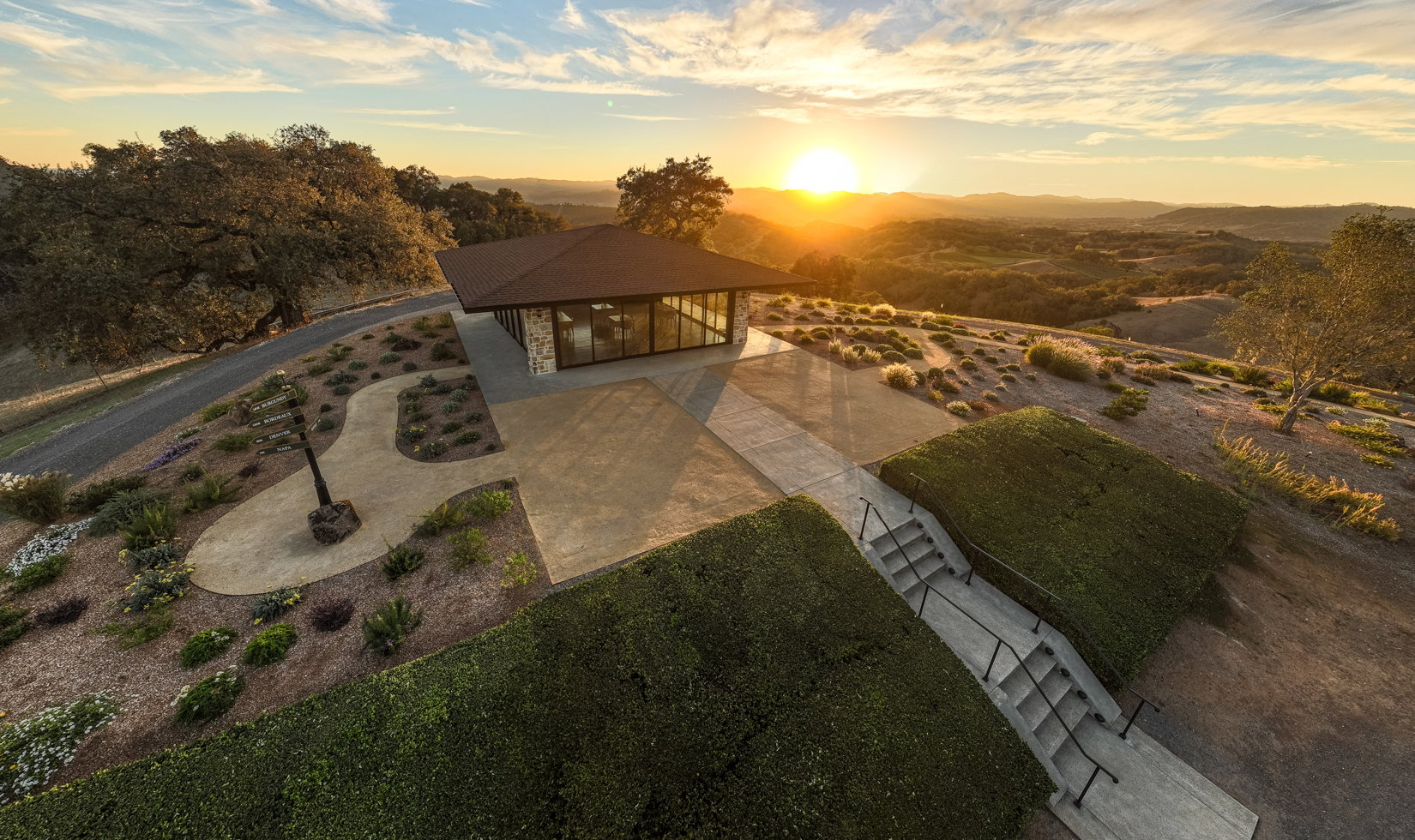
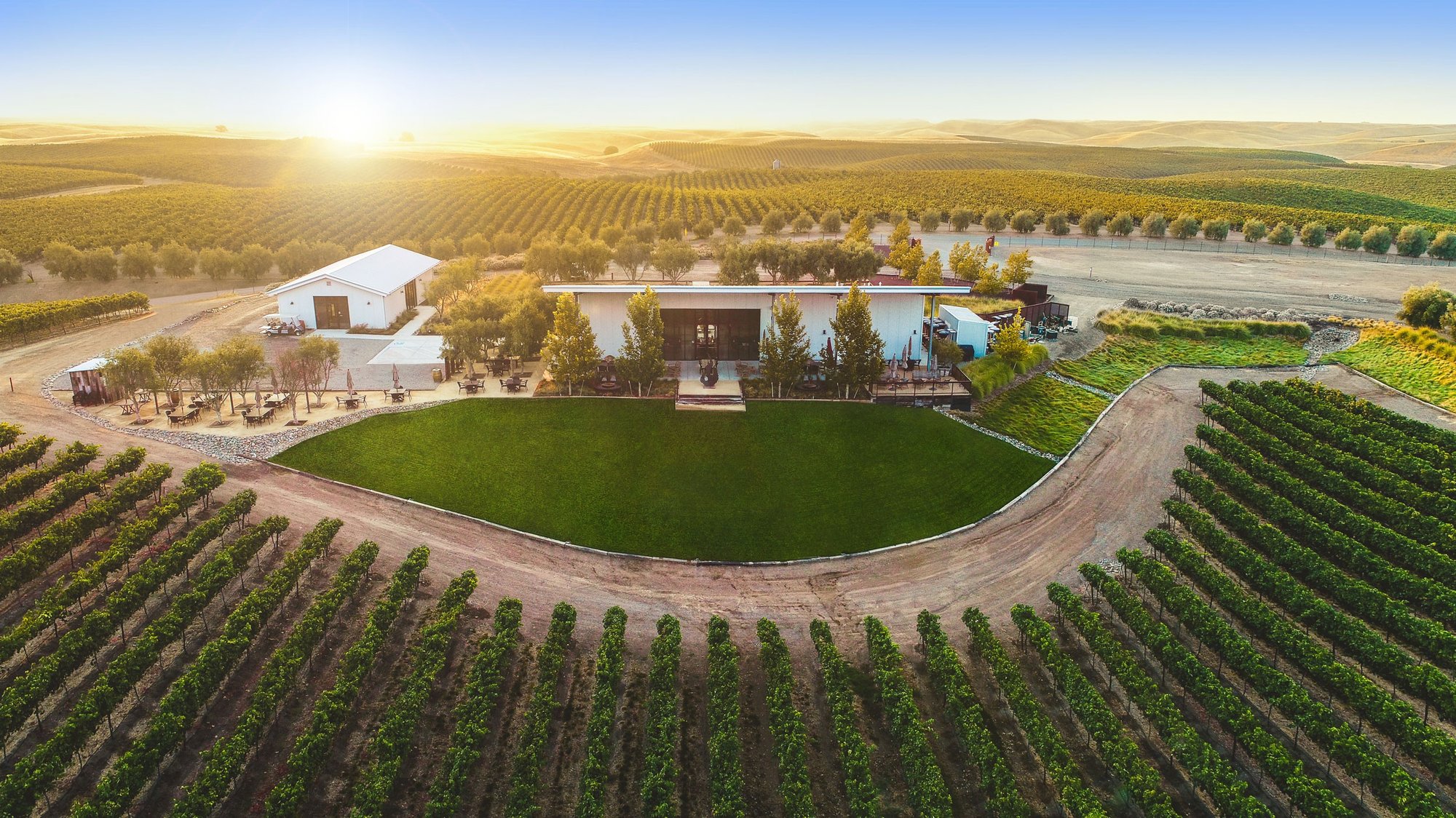
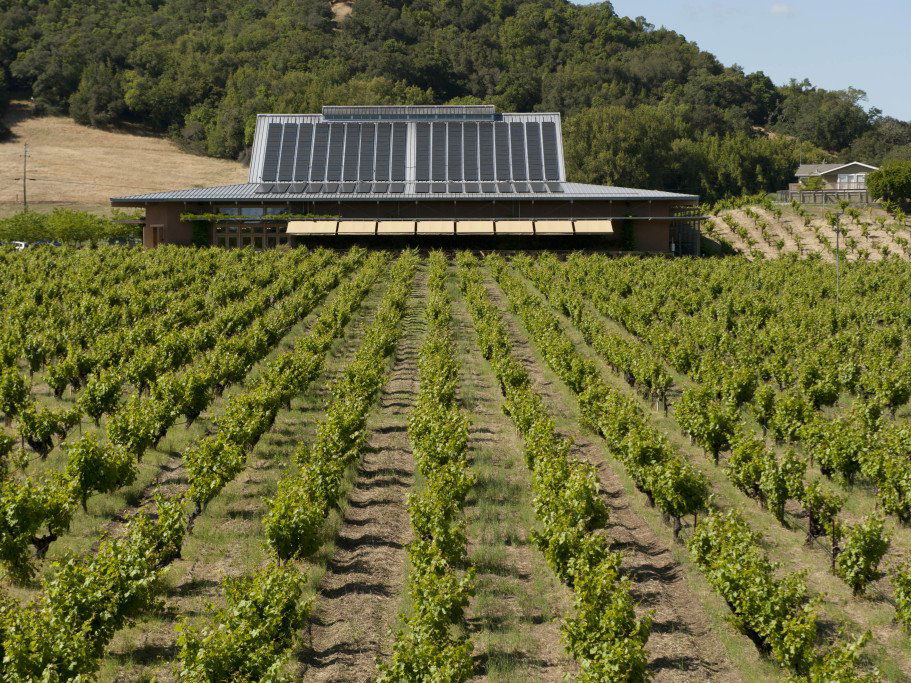
Ridge Vineyards at Lytton Springs reads like a place shaped by time. The property leans into an old-vine identity: gnarled rows, rocky, well-drained soils and hillside benches create a quietly historic vineyard setting. Ridge Vineyards (Lytton Springs) emphasizes restraint in farming and winemaking, creating a thoughtful, site-driven sense of cultivation. Visitors experience a calm, rural atmosphere where the landscape and vine age are the protagonists; the tone is reflective and focused on the terroir rather than spectacle.
Best For
This site is best for people who care about terroir and old-vine expression: serious wine enthusiasts, students of viticulture, and anyone curious about low-intervention farming. The vineyard’s emphasis on site-specific Zinfandel and its recognition within its peer group make it appealing for tasting-focused visits, small educational groups or intimate celebrations that center on the wines rather than big, noisy events. Travelers seeking a quieter, more contemplative wine-country stop will find Lytton Springs rewarding.
Tasting Tips
Center your tasting around the site-expressive Zinfandels: ask about the Lytton Springs bottlings and the role of vine age and rocky, well-drained soils in shaping those wines. Inquire how the team practices restraint in farming and winemaking: questions about low-intervention techniques and sustainability connect directly to what the estate emphasizes.
Venue details
Ambiance
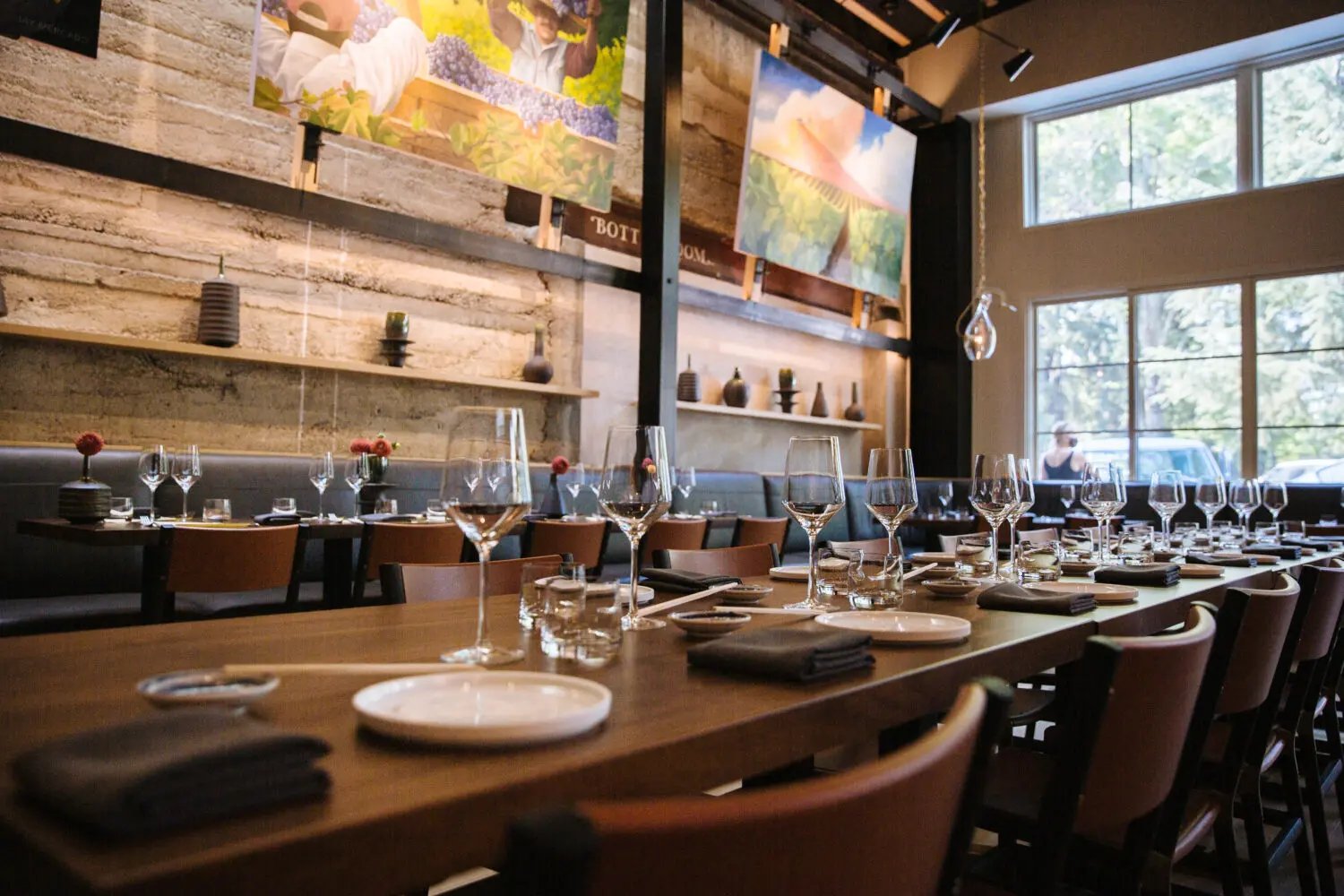
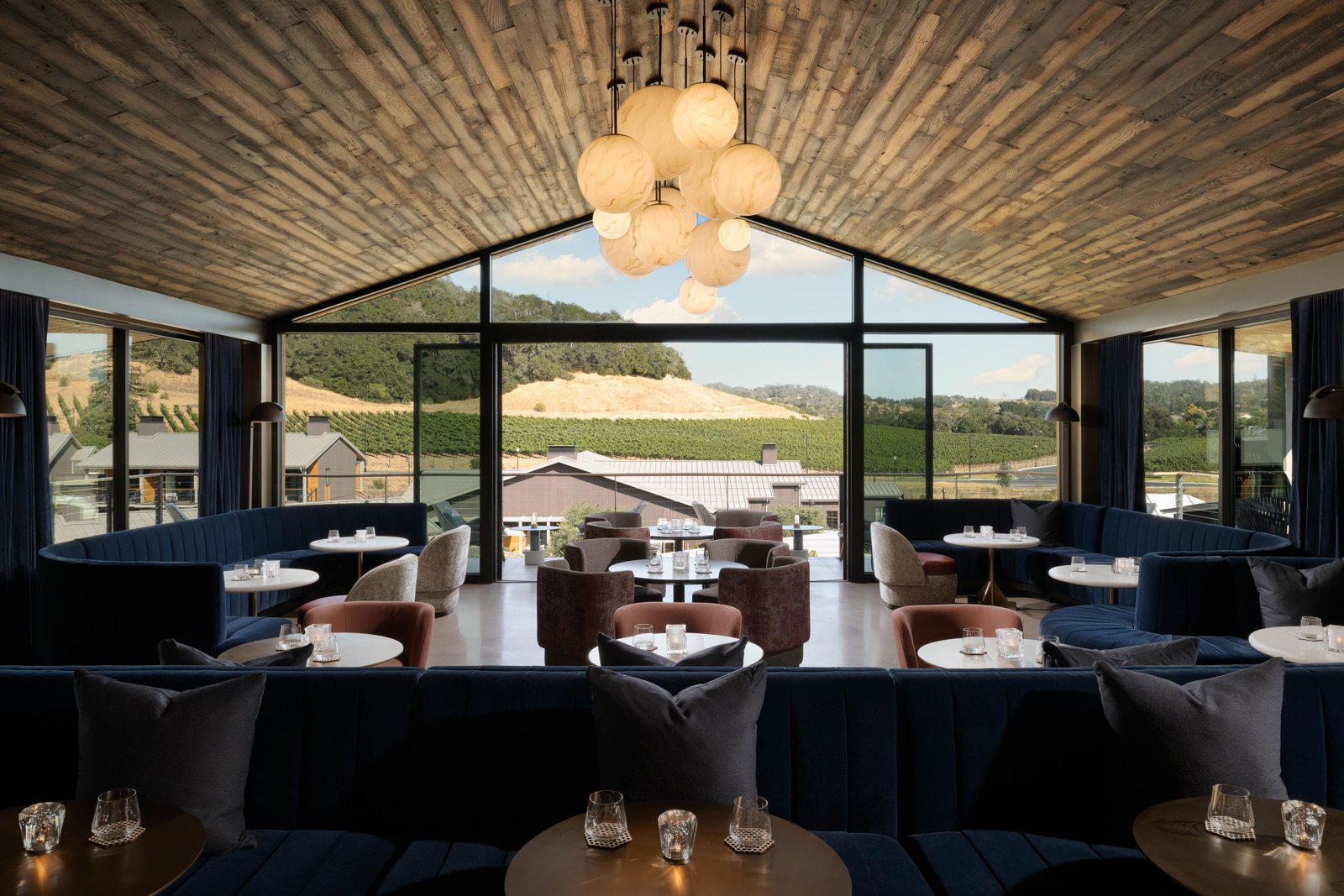
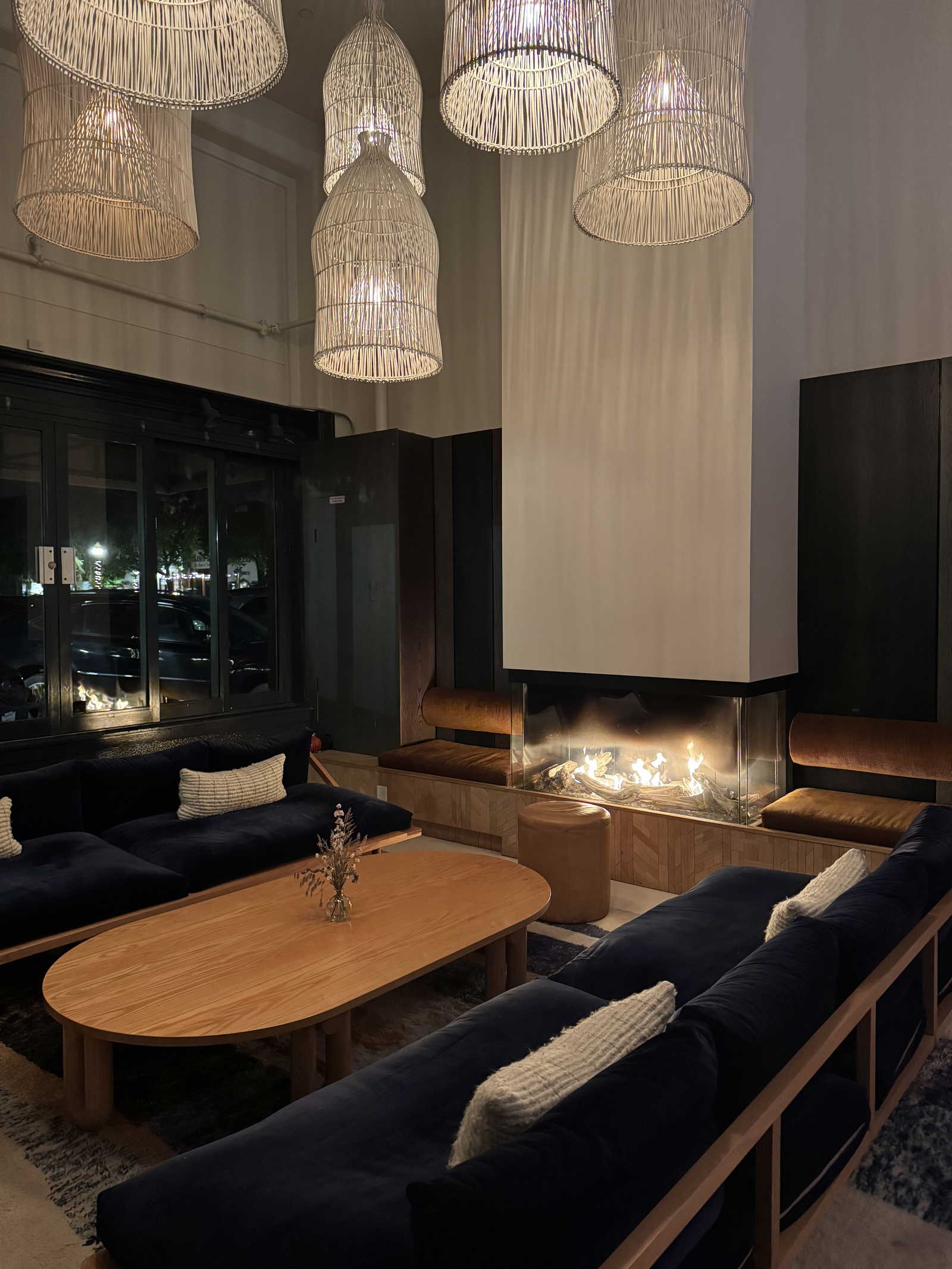
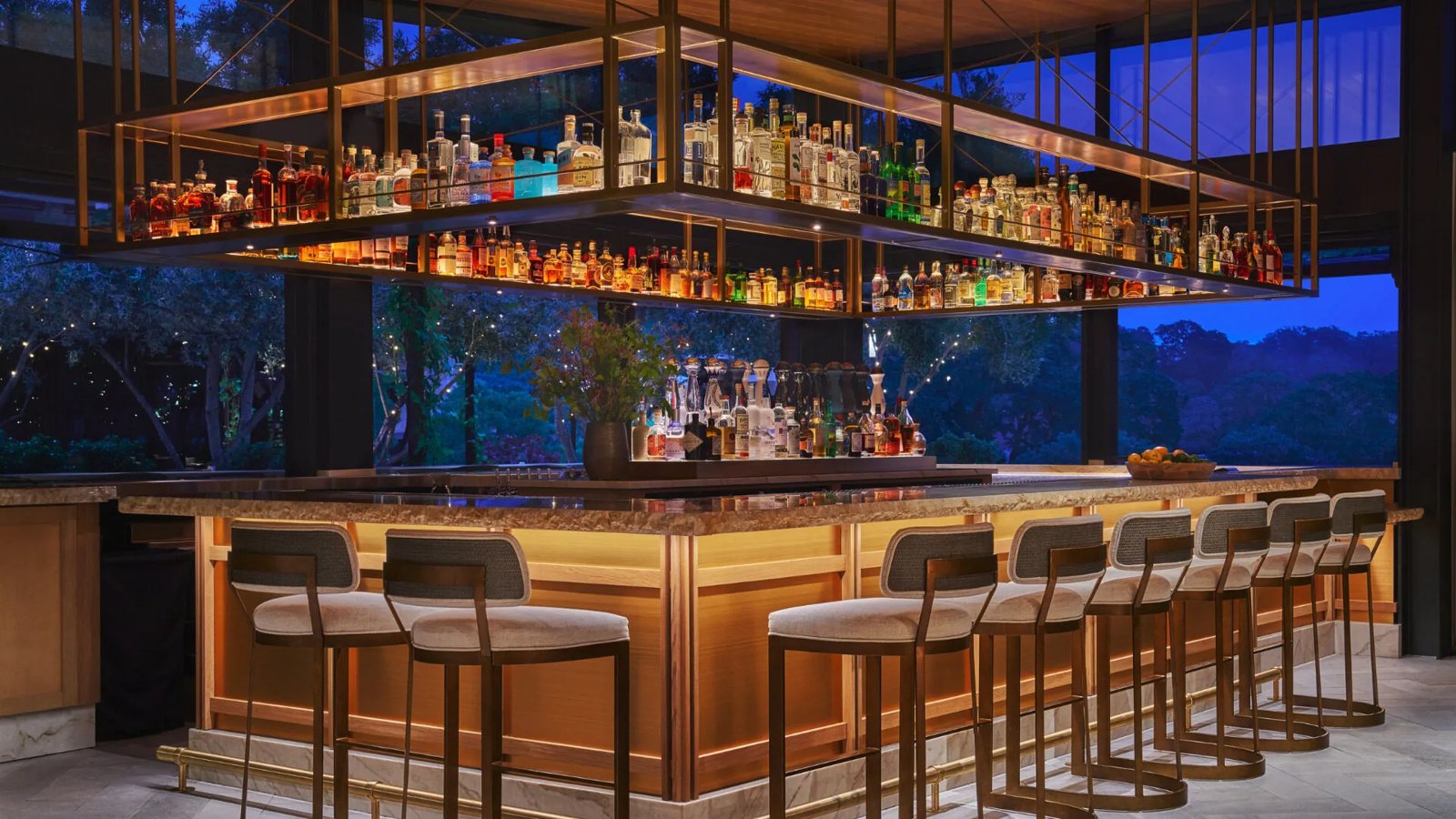
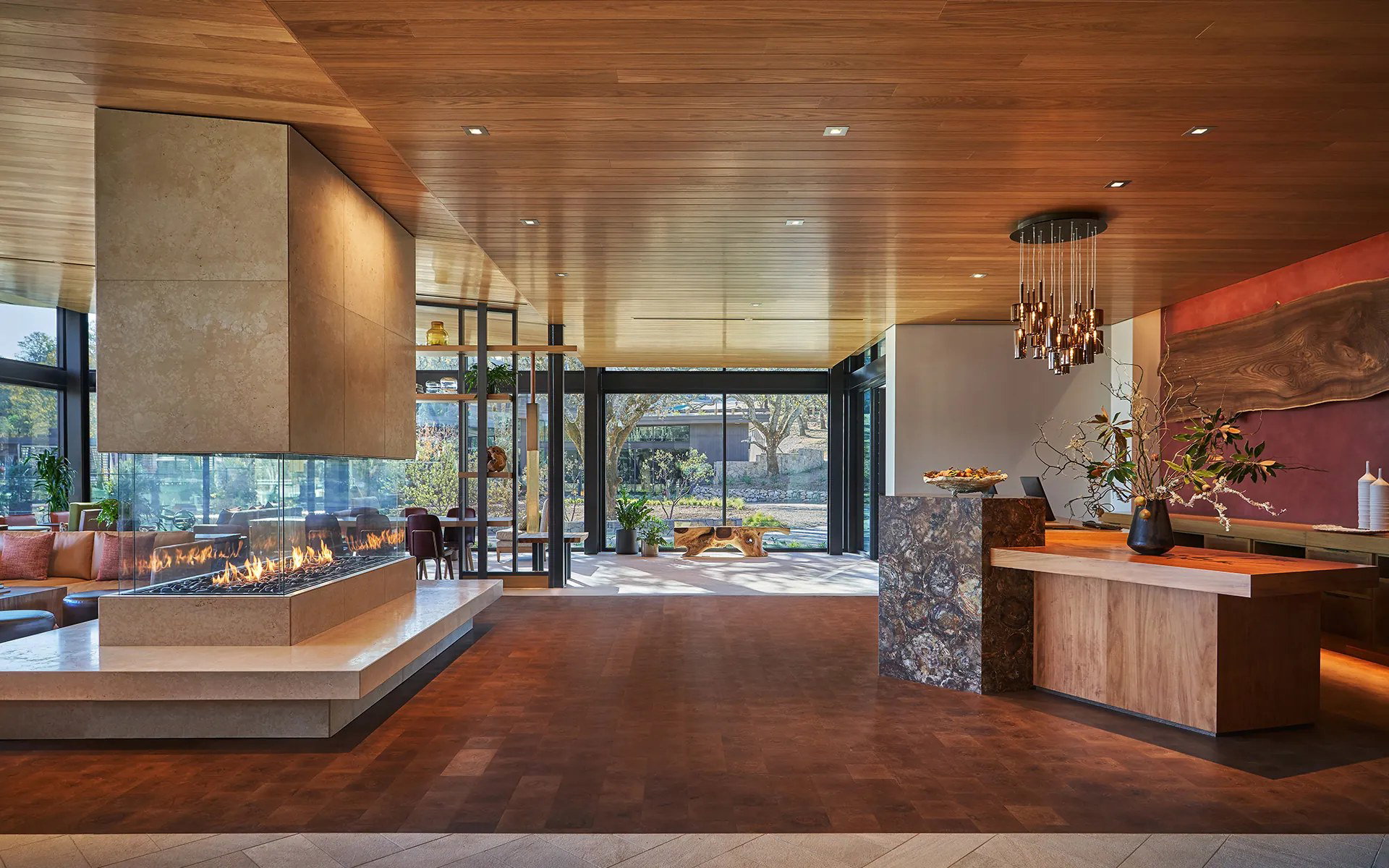
Beautiful, serene setting away from hustle and bustle with alfresco tasting options surrounded by century-old vines; warm, welcoming hospitality with knowledgeable sommeliers.
Tags
Vibe
Best For
Experience
Sourcing
View
At the Vineyard
- Appellation
- Dry Creek Valley
- Varietals
- Zinfandel, Petite Sirah, Carignane, Alicante Bouschet, Grenache
- Tour Duration
- varies by experience
- Tour Languages
- English
- Visits
- By reservation
- Farming
- Organic
- Wine Styles
- Still Red, Still White, Still Rose
- Food Pairing
- Offered
- Shipping
- Available
- Wine Club
- Available
Know before you go
Know Before You Go
- Getting there
- 650 Lytton Springs Rd, Healdsburg, CA 95448
Planning details
Location
Also consider
Where to look if you cannot get in
Try Simi Winery or Mauritson Wines first if the plan needs to stay in Healdsburg. For a broader group with mixed priorities, Francis Ford Coppola Winery is the safer alternative.
Winery context
How it compares in Healdsburg
Choose Ridge Vineyards (Lytton Springs) if the goal is a serious wine-focused stop and the day can be planned around availability. Simi Winery and Mauritson Wines are the more convenient Healdsburg comparisons for a tighter local route, while Ridge is the stronger pick when the tasting itself is the point of the day.
Francis Ford Coppola Winery is a better fit for groups that want a broader, more entertainment-led winery outing. Edmeades Winery and Sbragia Family Vineyards work better as alternates if the itinerary stretches outside Healdsburg or if booking flexibility matters more than staying close to Lytton Springs Road.
For value, the right comparison is not just tasting cost; it is how much of the day the visit justifies. Ridge is worth prioritizing for a selective Sonoma itinerary. For easier planning, start with Simi or Mauritson, then use Ridge as the appointment to build around if space is available.
Around this place
Discover more on Pearl
Unlock the full Ridge Vineyards (Lytton Springs) guide in Pearl, including awards, comparisons, FAQs, planning details, and nearby places.
Compare Ridge Vineyards (Lytton Springs)
| Venue | Location | Awards |
|---|---|---|
| Ridge Vineyards (Lytton Springs) | Healdsburg | No published awards |
| Edmeades Winery | Philo | No published awards |
| Francis Ford Coppola Winery | Geyserville | 2026 Falstaff Winery Guide |
| Simi Winery | Healdsburg | No published awards |
| Mauritson Wines | Healdsburg | No published awards |
| Sbragia Family Vineyards | Geyserville | No published awards |

How Ridge Vineyards (Lytton Springs) compares with similar nearby venues.
FAQ
Frequently Asked Questions
When is the best time to visit Ridge Vineyards (Lytton Springs)?
Pearl does not verify specific hours or seasonal timing for Ridge Vineyards (Lytton Springs).
Are membership or wine club details for Ridge Vineyards (Lytton Springs)?
Pearl does not verify wine club terms, allocation details, or membership value for Ridge Vineyards (Lytton Springs). If you are comparing membership options, confirm the current details directly and consider how they compare with other wineries such as Mauritson Wines.