Kokomo Winery
Dry Creek Valley, Healdsburg
Winery in Healdsburg, United States
 Book with Pearl
The Read
Dry Creek Benchland Precision
Price
$30–50tasting
Why go
Kokomo Winery is a strong pick for a planned Dry Creek tasting, especially when the visit is part of a date, celebration, or polished Healdsburg wine day. Treat it as an anchor booking rather than a casual add-on, and keep nearby alternatives ready if availability is tight.
About Kokomo Winery
Use Kokomo Winery as a wine-focused stop in Healdsburg and plan meals separately unless you have confirmed current on-site options. For dining before or after, use Our full Healdsburg restaurants guide; for an overnight version of the trip, pair it with Our full Healdsburg hotels guide.
Book this as the anchor, not the add-on
The right use case is a Healdsburg winery visit where the group wants Kokomo Winery specifically and can confirm the current visit format in advance. If timing, privacy, accessibility, group size, or an upgraded experience matters, confirm those details before organizing the rest of the day around it.
For a wider winery plan, keep other winery options ready. A. Rafanelli Winery, Dry Creek Vineyard, Papapietro Perry Winery, Quivira Vineyards, and Unti Vineyards are useful comparisons if availability or itinerary fit drives the decision.
What to pair around it in Healdsburg
Separate the winery visit from lunch or dinner planning unless you have arranged on-site food options in advance. For drinks after, use Our full Healdsburg bars guide; for other trip planning, use the broader Healdsburg guides that fit your schedule.
If the itinerary needs easy flexibility, use Our full Healdsburg wineries guide and keep a second-choice winery ready.
Planning details
- Location
- 4791 Dry Creek Rd, Healdsburg, CA 95448
- Website
- kokomowines.com
- Phone
- +1 707-433-0205
The take
The Take
The Vibe
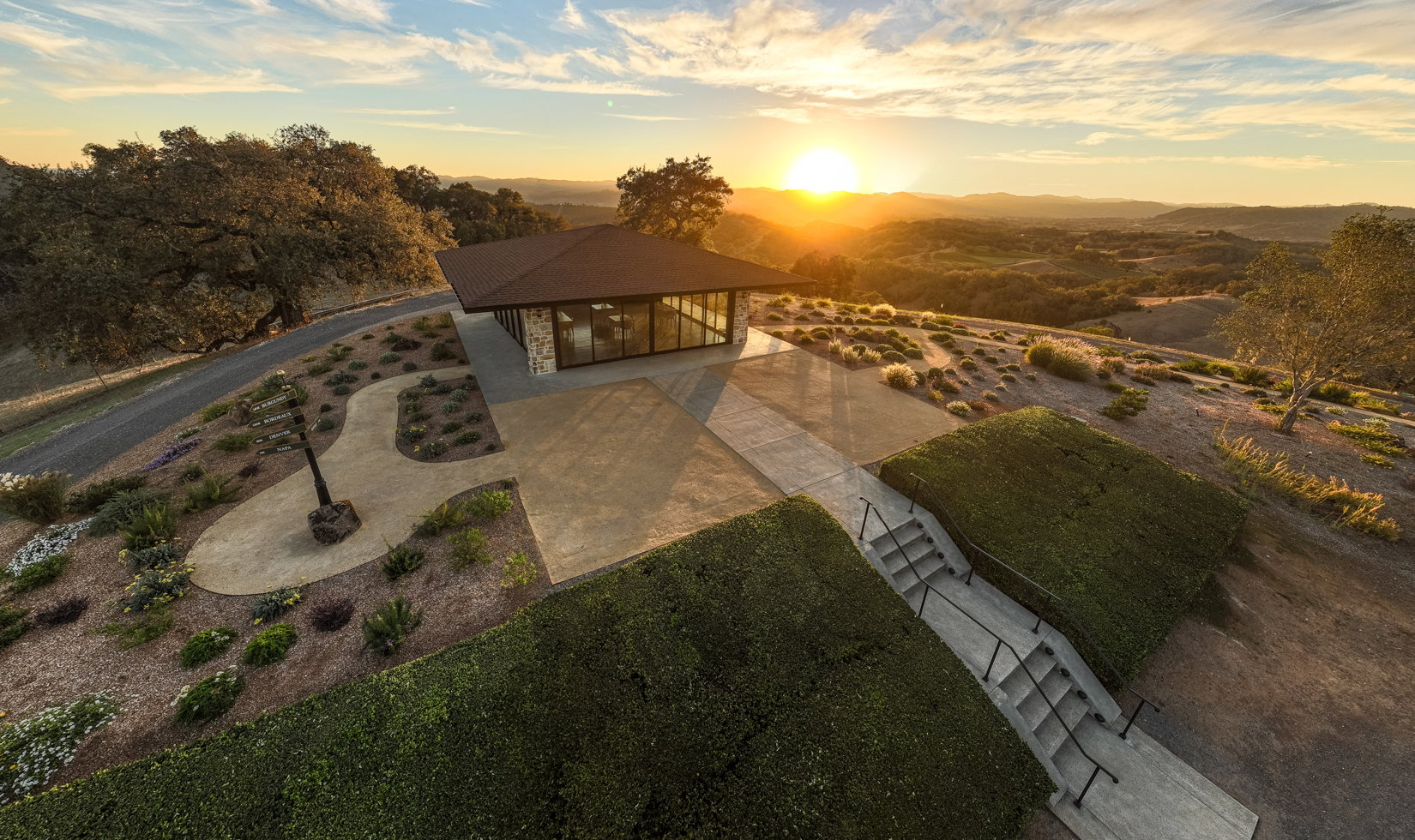
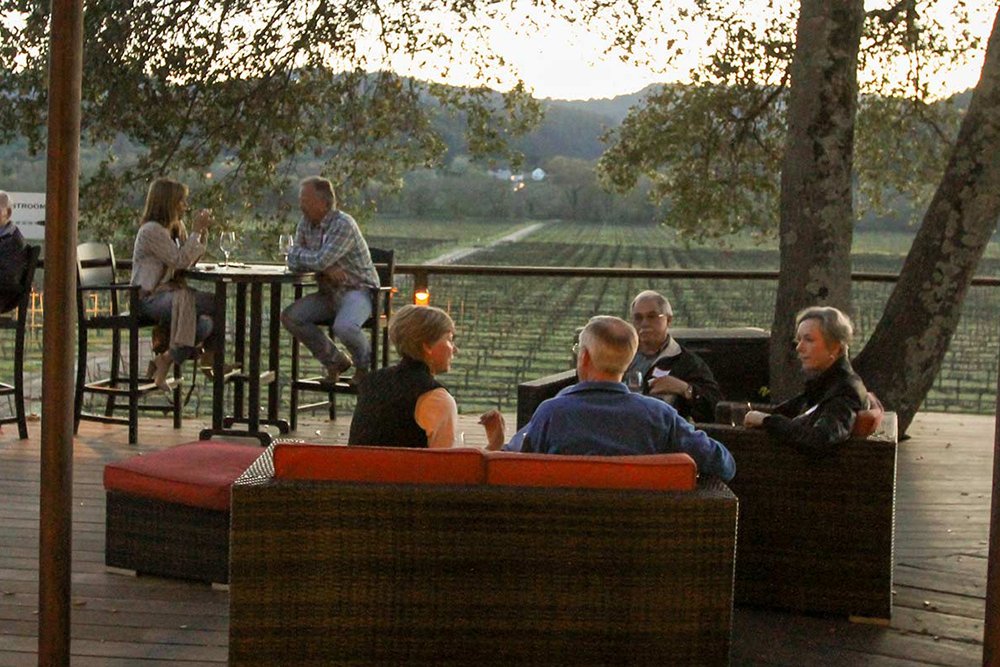
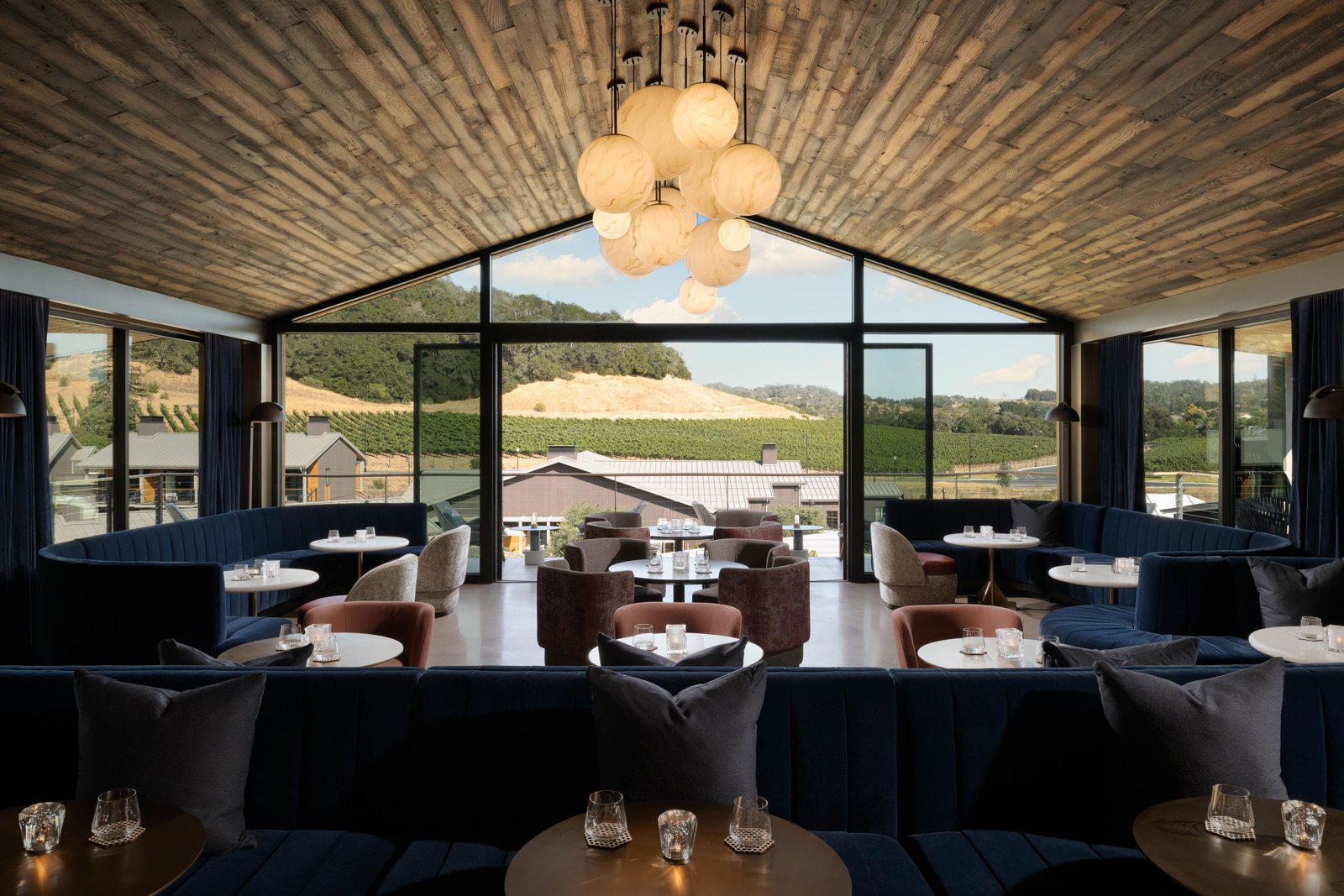
Kokomo Winery presents a quietly scenic, classic Sonoma experience. The description foregrounds late‑afternoon light on Dry Creek Road: ridgelines and valley floor vines shape a warm, contemplative atmosphere that emphasizes terroir as much as tasting room design. The text highlights Dry Creek Valley’s longstanding appellation history and the marine influence from the Petaluma Gap, so the place reads as regionally specific rather than trend‑driven. Overall the property feels scenic and serene, with an understated, classic sensibility that rewards attentive visitors.
Best For
The winery is best for visitors who prioritize terroir-driven tasting and regional context. Because the write‑up dwells on Dry Creek Valley’s soils, diurnal temperature swings and multigenerational Zinfandel plantings, Kokomo suits guests interested in learning how site and climate shape expression. Solo visitors and small parties who want a deliberate, educational tasting experience benefit most; those seeking loud, social wine bars or generic, commercial flights are less likely to find what they’re after here.
Tasting Tips
When you visit, center your tasting around Dry Creek’s varietal strengths: ask specifically about the winery’s Zinfandel and the vineyards that inform each bottling. Ask how well‑drained benchland soils and a diurnal swing that preserves acidity affect vintage variation and the balance of fruit and acid. If staff offer estate‑specific flights or labeled vineyard samples, prioritize those to trace regional differences; otherwise request guidance on which bottlings best express the valley’s character.
Venue details
Ambiance
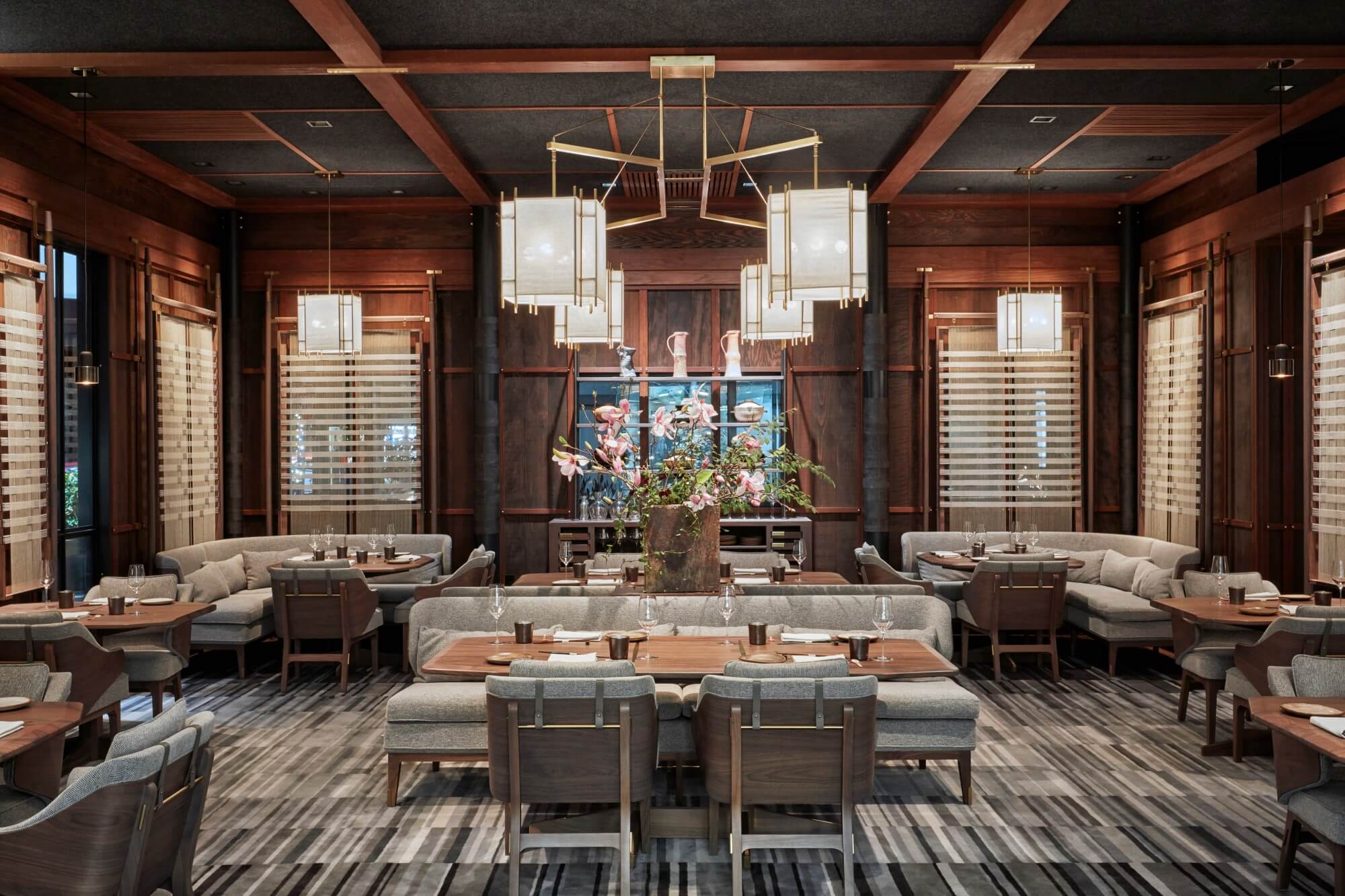
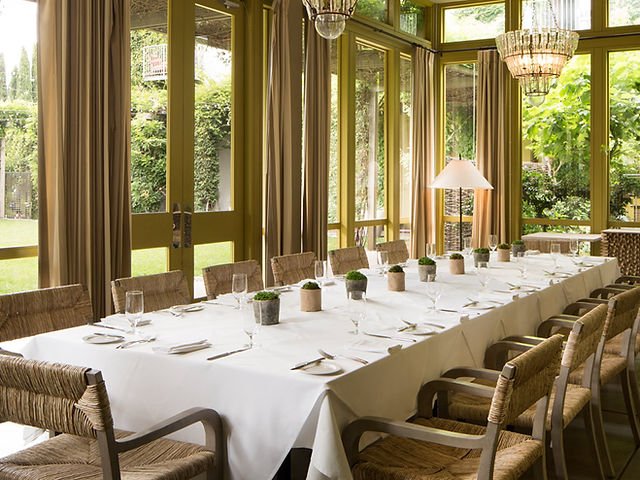
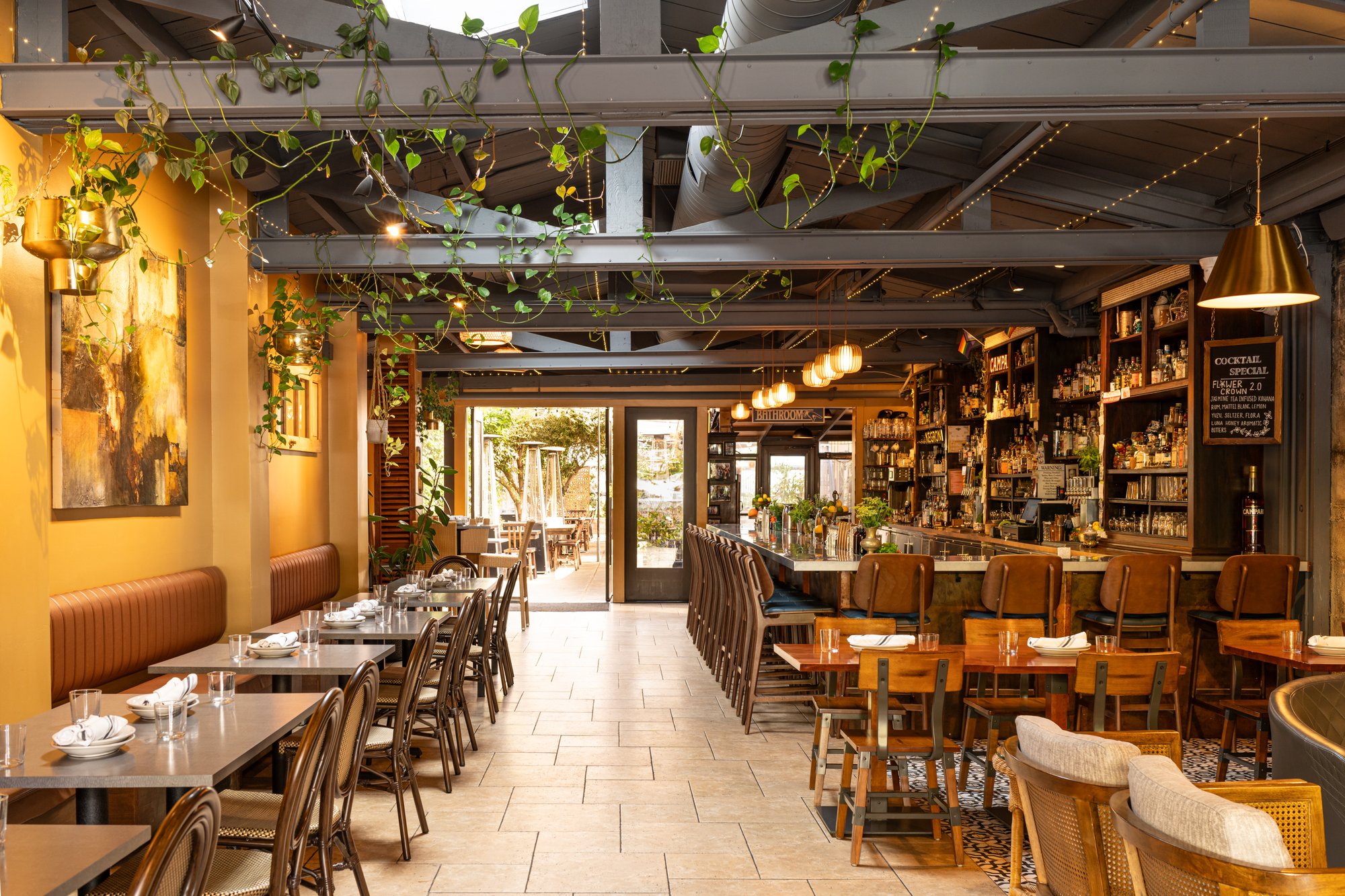
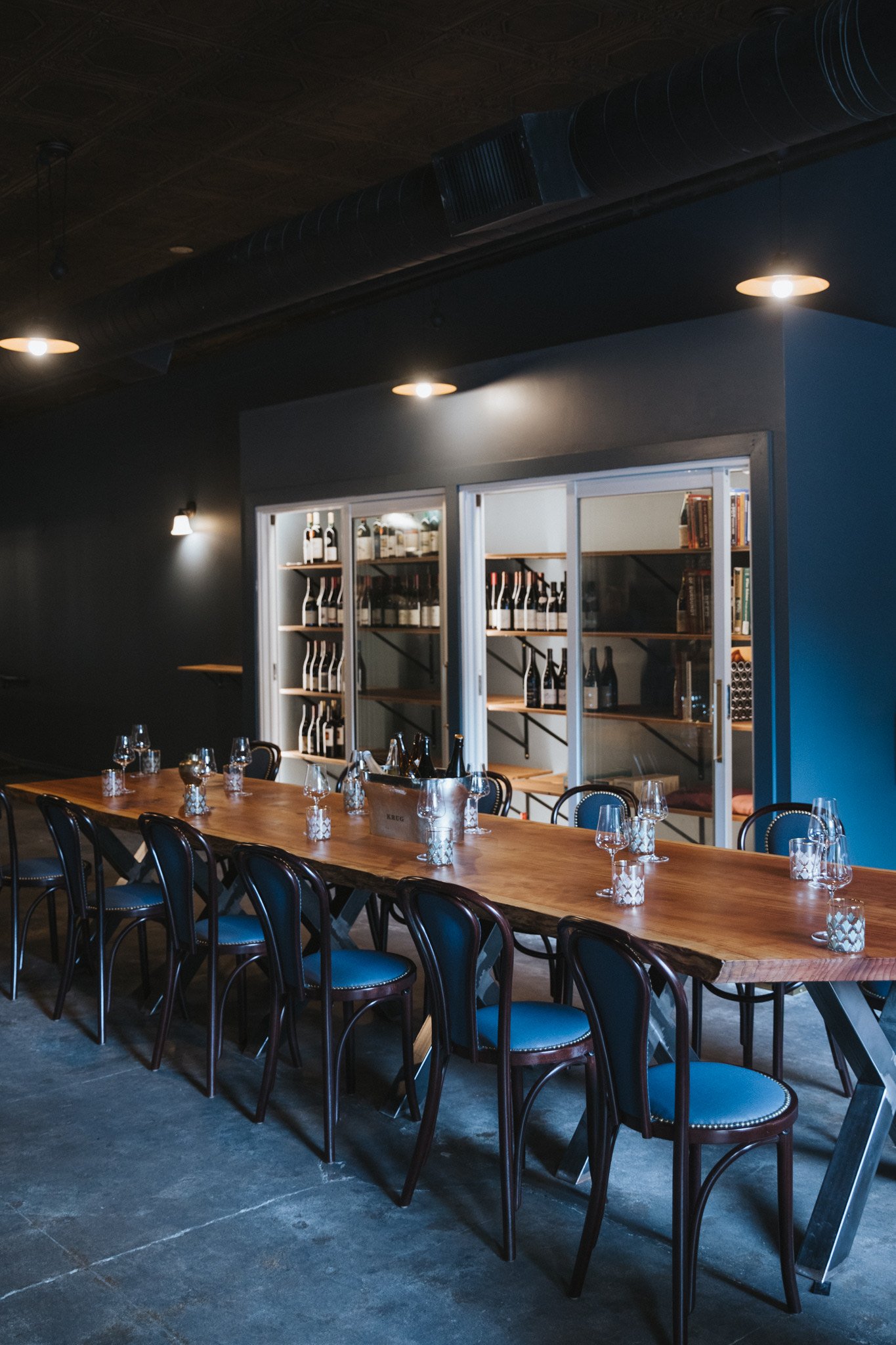
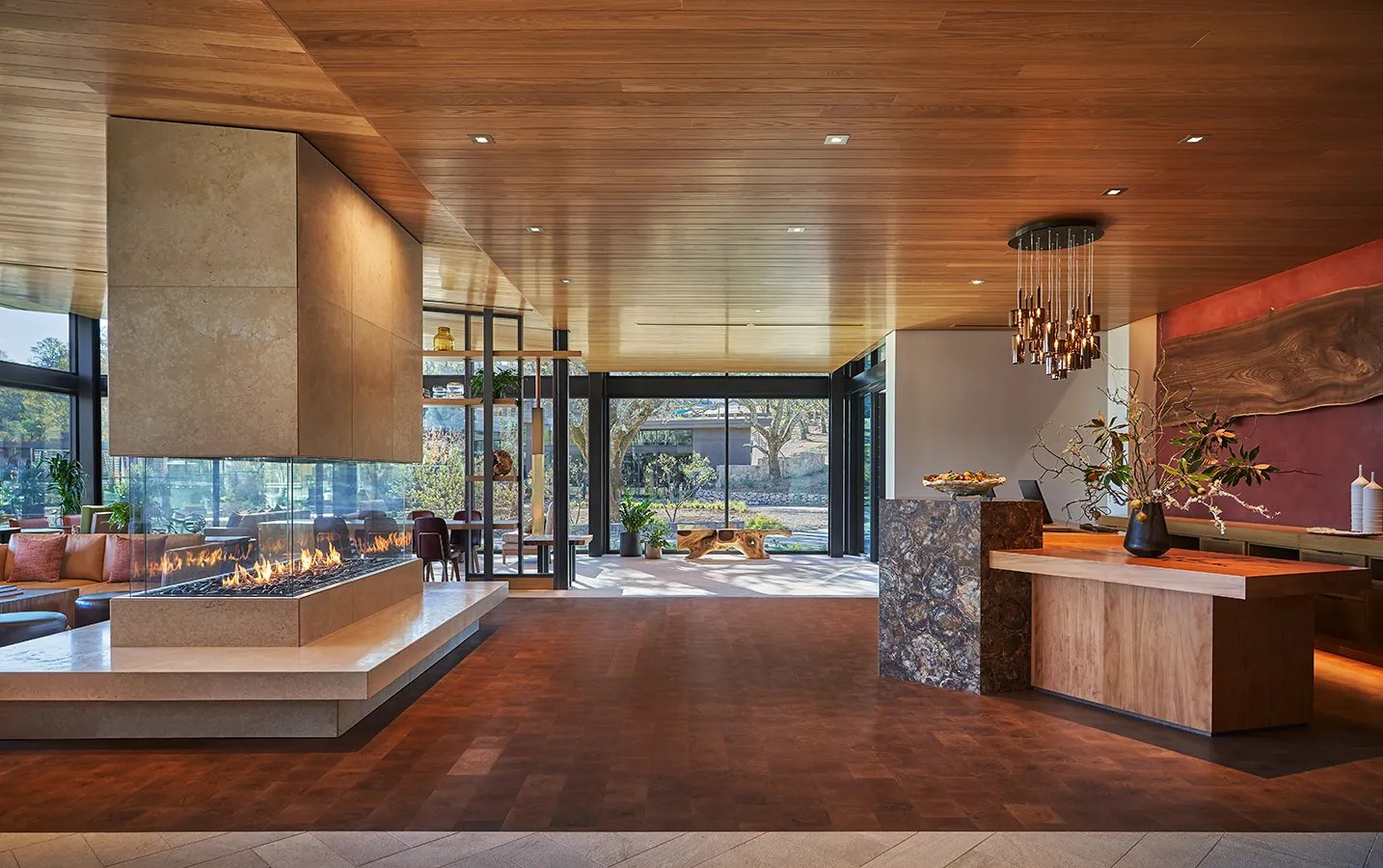
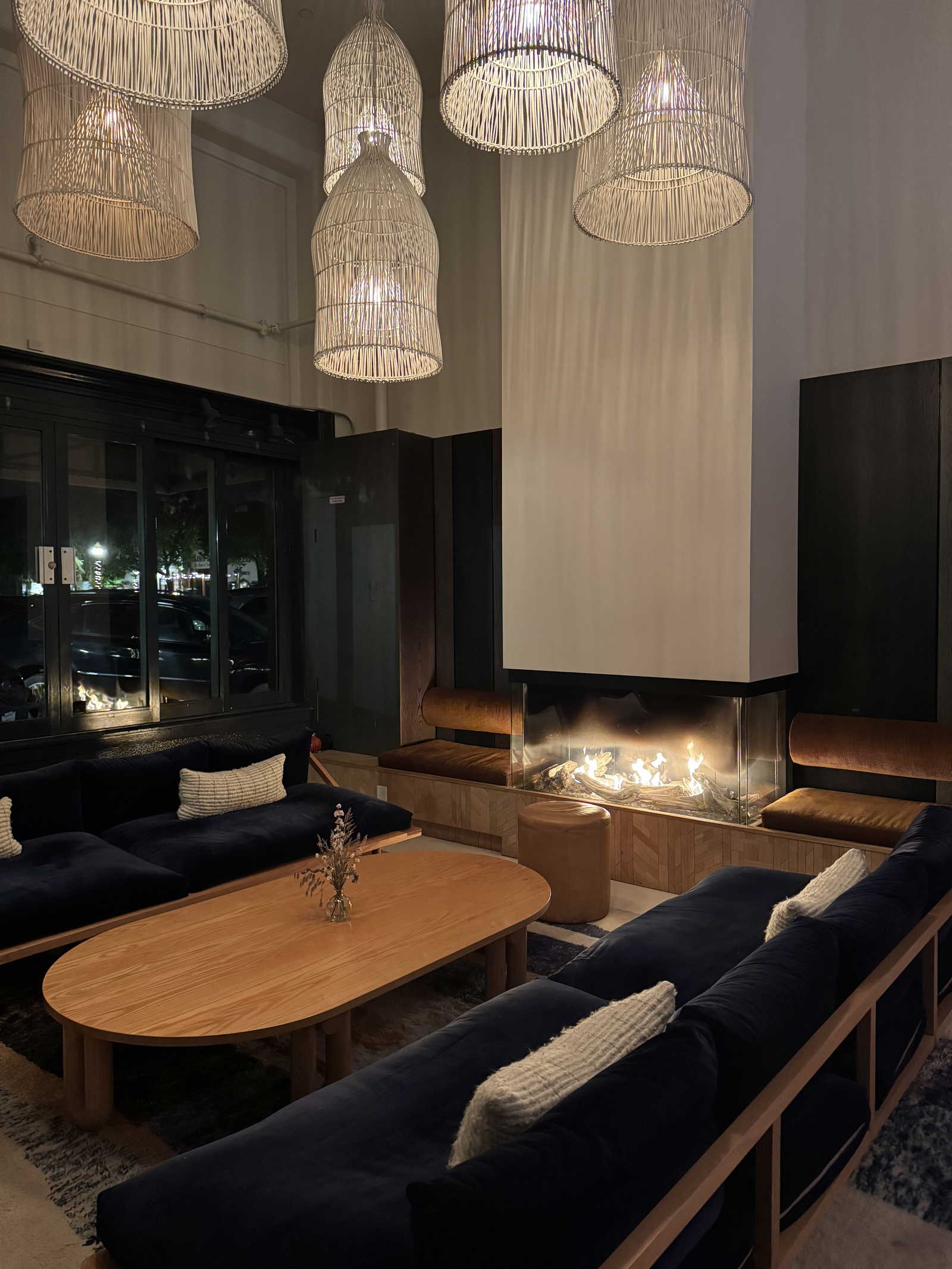
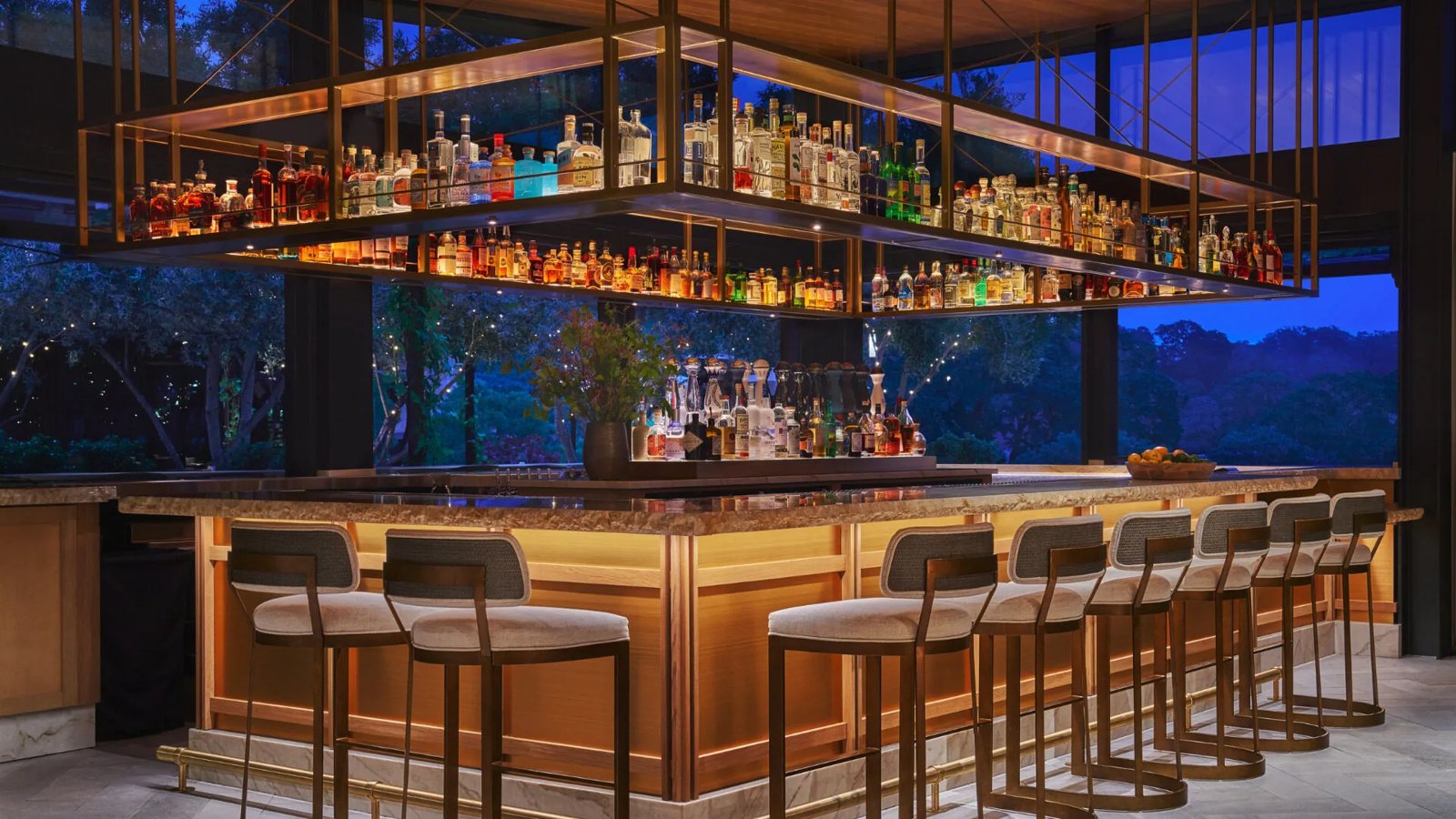
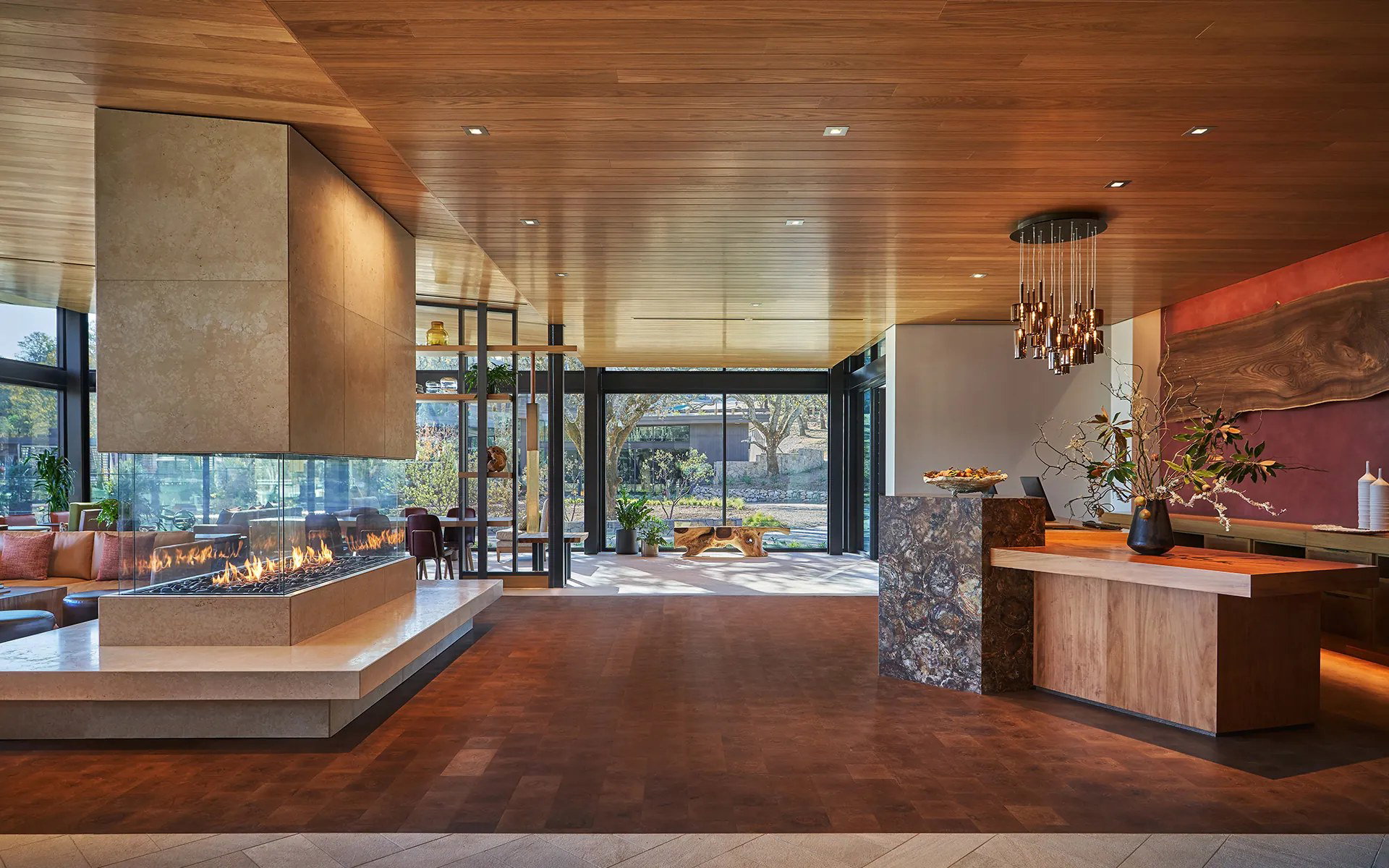
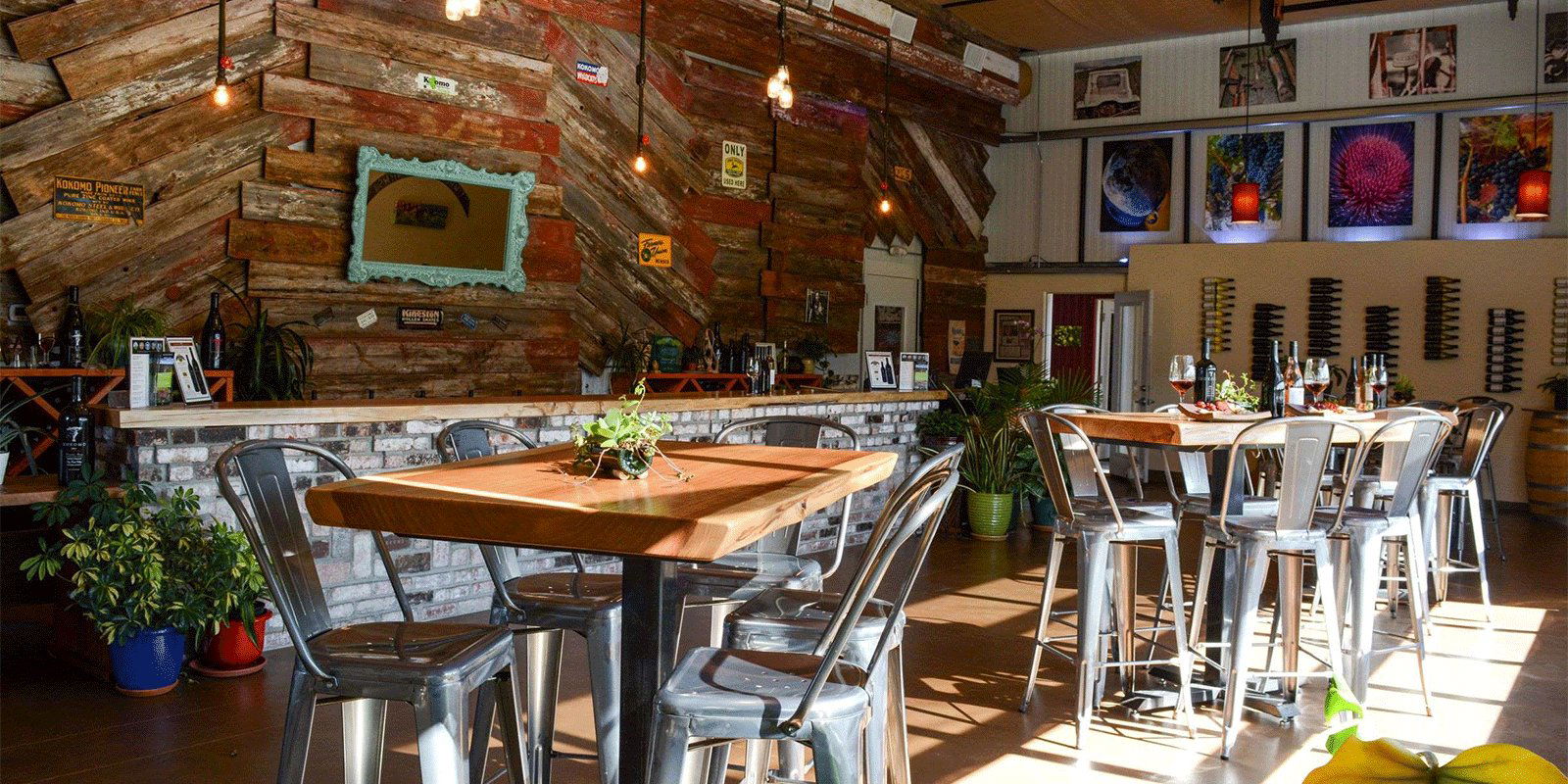
Relaxed, contemporary, and chill atmosphere with a craft brewery-like vibe in a warehouse-style building, featuring friendly service and a laid-back setting.
Tags
Vibe
Best For
Experience
View
At the Vineyard
- Appellation
- Dry Creek Valley
- Varietals
- Zinfandel, Pinot Noir, Grenache, Cabernet Sauvignon, Malbec
- Tour Duration
- 1.5 hours
- Visits
- By reservation
- Production
- Small producer
- Wine Styles
- Still Red
- Food Pairing
- Offered
- Wine Club
- Available
Know before you go
Know Before You Go
- Getting there
- 4791 Dry Creek Rd, Healdsburg, CA 95448
Planning details
Location
Also consider
Where to go if you cannot get in
If Kokomo Winery is unavailable, try A. Rafanelli Winery for another serious Dry Creek booking with a wine-first feel. For a more flexible Healdsburg tasting plan, look at Quivira Vineyards or Dry Creek Vineyard as practical alternatives.
Winery context
How it compares in Healdsburg
Kokomo Winery is the choice to prioritize when the visit needs to feel planned and occasion-worthy rather than casual. Compared with Papapietro Perry Winery and Unti Vineyards, it reads as a better anchor for a Dry Creek itinerary when booking difficulty is acceptable and the group wants a more deliberate stop.
If ease matters more than scarcity, cross-shop Quivira Vineyards or Dry Creek Vineyard before locking the day. Those are the safer names to keep in the backup plan when the schedule has less room for booking friction.
A. Rafanelli Winery is the sharper comparison for readers building a serious wine-focused day rather than a mixed sightseeing route. Pick Kokomo when the setting and special-occasion fit matter; pick A. Rafanelli when the plan is more cellar-driven and the group is comfortable structuring the day around one hard-to-secure winery appointment.
Around this place
Discover more on Pearl
Unlock the full Kokomo Winery guide in Pearl, including awards, comparisons, FAQs, planning details, and nearby places.
Compare Kokomo Winery
| Venue | Location | Awards |
|---|---|---|
| Kokomo Winery | Healdsburg | No published awards |
| Papapietro Perry Winery | Healdsburg | No published awards |
| Unti Vineyards | Healdsburg | No published awards |
| Quivira Vineyards | Healdsburg | No published awards |
| A. Rafanelli Winery | Healdsburg | No published awards |
| Dry Creek Vineyard | Healdsburg | 2026 Falstaff Winery Guide |

How Kokomo Winery Healdsburg compares with similar nearby venues.
FAQ
Frequently Asked Questions
Does Kokomo Winery serve food?
Plan a separate Healdsburg meal unless you have confirmed current options directly with Kokomo Winery.
What other wineries should I compare with Kokomo Winery?
Other winery options to compare include Dry Creek Vineyard, Quivira Vineyards, Unti Vineyards, Papapietro Perry Winery, and A. Rafanelli Winery.