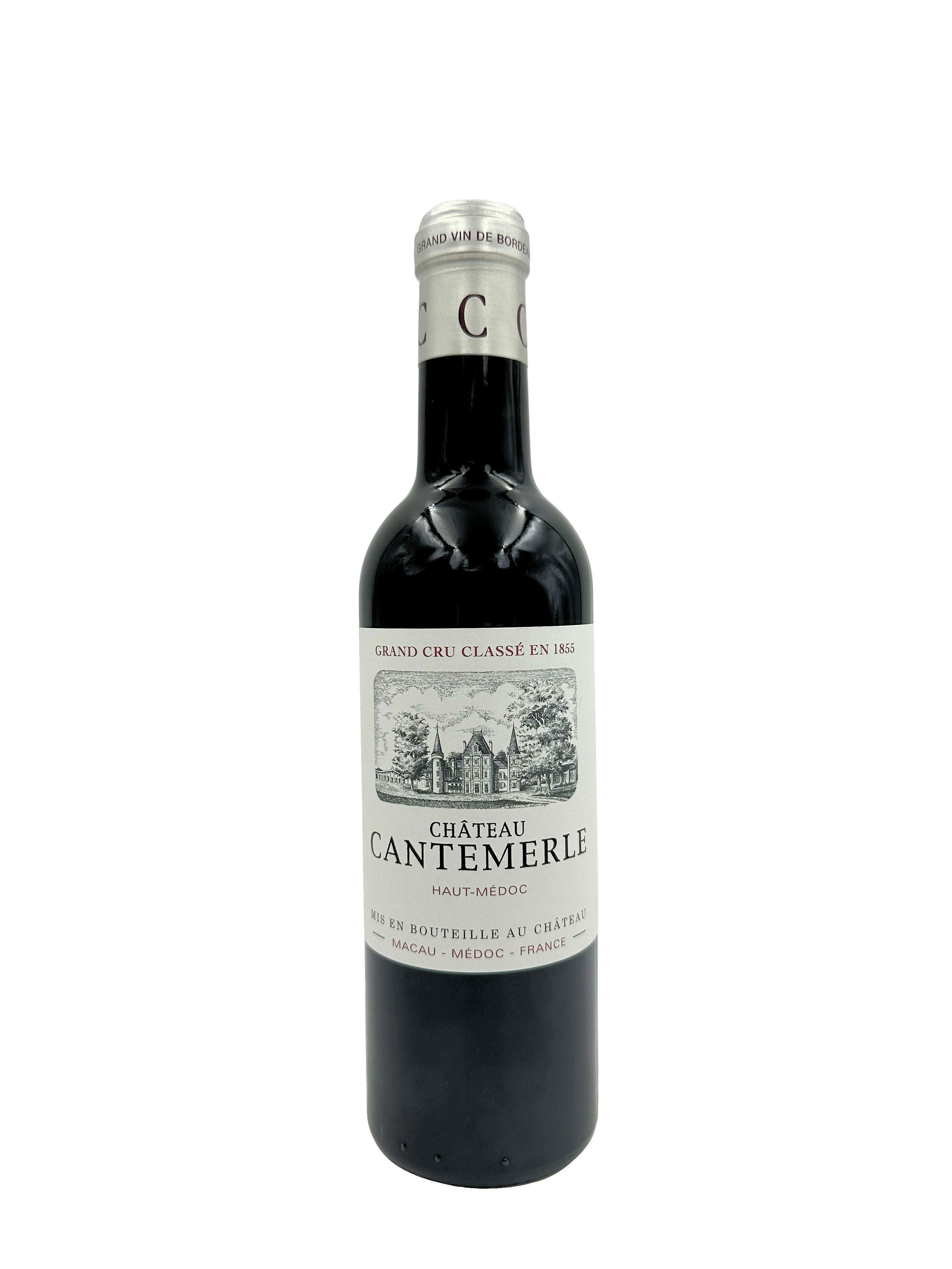

Château Cantemerle
Haut-Médoc
Winery in Haut-Médoc, France
 Book with Pearl
The Read
Southern Médoc Classicism
Why go
Château Cantemerle is worth prioritizing for a planned Haut-Médoc winery day, especially for a celebration or business-leaning Bordeaux itinerary. It is a stronger fit for visitors who want a composed classified-growth estate stop than for anyone trying to improvise a quick tasting route.
About Château Cantemerle
For an occasion in Haut-Médoc, the safer plan is to keep the itinerary measured rather than overfilled. Château Cantemerle can be considered as part of a calmer day in the area, with details confirmed directly before you build the schedule around it.
The picture is concise: Château Cantemerle is in Haut-Médoc, Philippe Dambrine is the named chef/owner in the available data, the dress code is smart casual, the venue holds Pearl 3 Star Prestige recognition for 2025. Beyond that, specific visit formats, menus, hours, prices, services should be checked with the venue before planning.
A better fit for a planned Médoc day than a spontaneous stop
The right reader is someone who wants a polished Haut-Médoc stop and is willing to plan around confirmed information. If the goal is to build a broader itinerary in the area, Château Cantemerle sits naturally on a shortlist with Château La Lagune, Château Giscours, Château Dauzac, Château Boyd-Cantenac, Château Pouget.
For planning, keep the day realistic rather than ambitious. Confirm timing, format, group suitability, any visit details directly before locking the order of the day. If the trip includes dining, hotels, bars, or other experiences, use current local guides and official venue information so the schedule is based on confirmed availability.
How to use it for a celebration itinerary
For a celebration, the practical move is to avoid stacking too many appointments. Haut-Médoc rewards unhurried transitions, Château Cantemerle is better treated as a planned stop than as an assumed drop-in. The Pearl 3 Star Prestige 2025 recognition gives it a clear premium signal, but it should not be used as a substitute for confirming the exact experience directly.
If the group wants a broader regional trip rather than a single-venue plan, build outward deliberately and avoid relying on unconfirmed assumptions. Keep Château Cantemerle in the schedule only once timing, access, group needs, any service details have been.
The verdict: choose this for a composed Haut-Médoc itinerary where confirmed planning matters. Keep expectations focused on the essentials, check official channels before assuming food service, delivery, large-group handling, or a specific visit format.
Planning details
- Location
- Route de Pauillac, Chem. de Cantemerle, 33460 Macau
- Website
- cantemerle.com
- Phone
- +33 5 57 97 02 82
The take
The Take
The Vibe
Château Cantemerle presents a restrained, historically grounded personality that favors immersion over spectacle. Set back from the D2 and framed by one of the Médoc's densest wooded parks, the property leans into a quiet, scenic elegance: the landscape directly informs the estate’s microclimate and, by implication, its wines. The château’s Fifth Growth status and long pedigree anchor the visit in history and seriousness, but the experience feels more like a reflective walk through parkland than a postcard panorama. Visitors encounter a serene, contemplative Médoc villa rather than the theatrical staging of some northern neighbours.
Best For
Cantemerle is best for visitors who come with a focus on wine and context — people curious about classification, terroir and the nuanced differences within the Haut-Médoc. Its historical standing and recent critical recognition make it a strong choice for higher‑caliber tastings and for marking special visits that deserve a more considered setting. The estate also appeals to travelers who prefer tranquil, parkland surroundings over expansive vineyard vistas: it suits thoughtful wine‑education outings and low‑key special occasions where scenery and history matter as much as the bottle.
Tasting Tips
Approach Cantemerle expecting a different rhythm from the northern Médoc châteaux: arrive via the D2 (the Route des Châteaux) and allow time to take the estate's woodland drive and grounds in, since the property emphasizes a wooded park setting rather than broad vineyard panoramas. The description frames the visit as immersive and contemplative, so plan for a quieter, site‑focused experience where the landscape and historical context are central. Practical details like specific tasting formats or dining options are not described here, so confirm offerings directly with the estate before you go.
Venue details
Ambiance
Elegant and refined with subtle woody and spicy aromas, evoking a classic Médoc atmosphere of sophistication and charm.
Tags
Vibe
Best For
Experience
Sourcing
View
At the Vineyard
- Appellation
- Haut-Médoc AOC
- Varietals
- Cabernet Sauvignon, Merlot, Cabernet Franc, Petit Verdot
- Tour Duration
- 60-90 minutes
- Wine Club
- Available
Planning details
Location
Recognition and awards
Also consider
Where to look if Cantemerle is not available
Try Château La Lagune first for the closest fit in a serious left-bank itinerary. Choose Château Dauzac if the group wants a polished alternative that can work well for a celebration day.
Winery context
How Château Cantemerle compares in Haut-Médoc
Choose Château Cantemerle when the priority is a composed, traditional Haut-Médoc visit with enough weight for a special occasion. Château La Lagune is the cleaner cross-shop if the itinerary needs another serious left-bank estate nearby, while Château Giscours makes more sense for travelers already building a broader Margaux-leaning day.
Château Dauzac is the better alternative if the group wants a visit that feels closer to a polished visitor experience. Château Boyd-Cantenac and Château Pouget are stronger fits for readers who want a smaller-feeling Margaux comparison rather than another Haut-Médoc anchor.
For value, the smart move is not to chase volume. Pick Cantemerle plus one peer, leave transfer time, avoid turning the day into a rushed sequence. If availability is tight, cross-shop La Lagune first, then Dauzac; if the trip is more appellation-comparison focused, look toward Giscours, Boyd-Cantenac, or Pouget.
Explore Haut-Médoc
Around this place
Discover more on Pearl
Unlock the full Château Cantemerle guide in Pearl, including awards, comparisons, FAQs, planning details, and nearby places.
Compare Château Cantemerle
| Venue | Location | Awards |
|---|---|---|
| Château Cantemerle | Haut-Médoc | 2025 Pearl 3 Star Prestige |
| Château La Lagune | Ludon | No published awards |
| Château Giscours | Labarde | No published awards |
| Château Dauzac | Labarde | No published awards |
| Château Boyd-Cantenac | Cantenac | No published awards |
| Château Pouget | Cantenac | No published awards |
How Château Cantemerle Haut-Médoc compares with similar nearby venues.
FAQ
Frequently Asked Questions
What is Château Cantemerle best known for?
Can Château Cantemerle handle large groups?
Assume large groups need advance confirmation.
Does Château Cantemerle offer memberships or ongoing programs?
When is the best time to visit Château Cantemerle?
Does Château Cantemerle serve food?
Do not count on a dining setup unless you confirm it in advance.
Do I need a reservation at Château Cantemerle?
Plan ahead rather than assuming walk-in availability.