


La Rioja Alta
Barrio de la Estación, Haro
Winery in Haro, Spain
 Book with Pearl
The Read
Extended-Ageing Traditionalism
Why go
La Rioja Alta is a winery in Haro, La Rioja.
About La Rioja Alta
For a celebration in Haro, La Rioja Alta can be a premium stop, with the planning kept simple and fact-based. The essentials are limited: the venue is in Haro, the dress code is smart casual, and it holds Pearl 5 Star Prestige (2025). Build the rest of the day around confirmed arrangements rather than assumptions about dining, group handling, purchases, delivery, or other services.
Because specific visit formats, menus, opening times, and service details are best confirmed directly before making La Rioja Alta the anchor of a special occasion. It can be considered alongside other Haro names such as Bodegas Muga, Bodegas Roda, CVNE (Cune), López de Heredia (Viña Tondonia), and Ramón Bilbao when choosing the tone of a day in Haro.
Book it for a polished Haro stop, not for a food-first plan
The right guest is a couple, collector, or business group that wants a polished Haro stop and is comfortable confirming the practical details in advance. The wrong guest is someone expecting a restaurant-style pairing menu, because no cuisine type or dining format is listed. If food is central to the day, plan the meal separately through Pearl's Haro restaurants guide. For overnight pacing, pair it with Haro hotels.
Timing should be handled with care. Since specific hours and visit formats should be confirmed first, do not assume a lunch, tour, tasting, or drop-in structure without checking. Keep any non-venue plans flexible until the appointment details are confirmed.
How to choose between Haro's premium stops
If the decision is between La Rioja Alta and other Haro names, make the call by the kind of day you want to build. La Rioja Alta is a Pearl 5 Star Prestige (2025) venue in Haro with a smart-casual dress code. Bodegas Muga, Bodegas Roda, CVNE (Cune), López de Heredia (Viña Tondonia), and Ramón Bilbao are other names to consider when comparing Haro options.
For collectors building a wider Spain itinerary, treat La Rioja Alta as a Haro reference point rather than as a substitute for another region or a different style of trip. Keep comparisons grounded in confirmed plans, availability, and the kind of visit each venue can provide on the date in question.
Quick reference: consider La Rioja Alta for a polished occasion in Haro; do not rely on dining, delivery, group, or membership details without confirming them directly.
Planning details
- Location
- Av. Vizcaya, 8, 26200 Haro, La Rioja
- Website
- riojalta.com
- Phone
- +34 941 31 03 46
The take
The Take
The Vibe
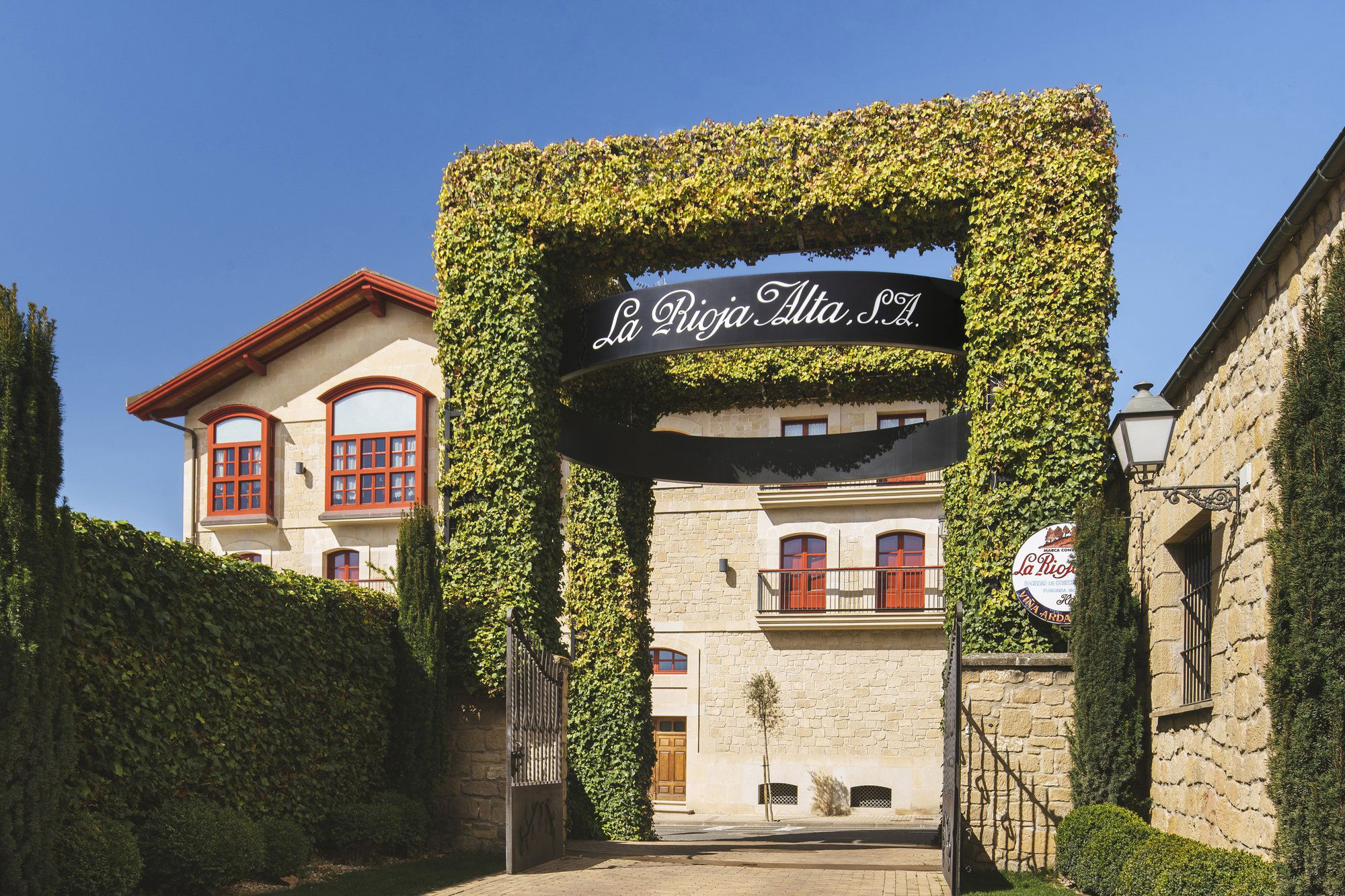
La Rioja Alta reads like a working chapter of Rioja history rather than a polished visitor attraction. Its stone facades and barrel‑vaulted cellars sit squarely within Haro’s Barrio de la Estación, where railway logistics once shaped production and trade. Founded in 1890, the bodega maintains a measured operational tempo: volume and consistency across multiple label tiers and patient, long barrel ageing are the house DNA. The overall impression is serious and authentic—an iconic, production‑first estate where architecture and cellar practice tell the story as much as the bottles themselves.
Best For
This is best for people who come to learn and to taste with intent: wine students, Rioja enthusiasts, and visitors who prize cellar time over spectacle. Tasting experiences and the bodega’s emphasis on long barrel ageing make it a natural fit for educational visits and for anyone interested in how Tempranillo is translated across different label tiers. Because La Rioja Alta presents itself as a working winery, it suits travelers who value history, technique, and the material realities of winemaking in Haro’s clustered bodega district.
Tasting Tips
Focus your visit on the cellar story: book one of the tasting experiences and ask specifically about the house approach to long barrel ageing and the distinctions between label tiers. Enquire about seeing the barrel‑vaulted cellars and hearing how age and time shape their reservas and grandes reservas. Given the bodega’s production emphasis, tastings that compare tiers or illustrate barrel influence will be most revealing; avoid expecting a theme‑park style tour and plan for an experience rooted in production and history.
Venue details
Ambiance
Traditional atmosphere with historic cellars filled with massive oak casks, evoking timeless elegance and artisanal winemaking.
Tags
Vibe
Best For
Experience
Sourcing
View
At the Vineyard
- Appellation
- Rioja DOCa
- Varietals
- Tempranillo, Garnacha, Graciano, Mazuelo
- Visits
- By appointment only
- Wine Styles
- Still Red
- Wine Club
- Not available
Know before you go
Know Before You Go
- Getting there
- Av. Vizcaya, 8, 26200 Haro, La Rioja
Planning details
Location
Recognition and awards

Also consider
Where to Look if This Is Full
If La Rioja Alta is unavailable, try López de Heredia (Viña Tondonia) for another heritage-heavy Haro stop or Bodegas Roda for a more contemporary contrast. For a smoother backup plan within the same town, Bodegas Muga and CVNE (Cune) are useful itinerary fillers.
Winery context
How It Compares
Against Bodegas Roda, La Rioja Alta is the more traditional-feeling choice for a special Rioja visit, while Roda is the better counterpoint if the group wants a more contemporary Haro stop. With no listed price tiers for either, value should be judged by fit: choose La Rioja Alta for heritage-driven occasion energy, Roda for a sharper modern contrast.
López de Heredia (Viña Tondonia) is the closest peer for old-school Rioja identity. If only one winery can be secured, choose between them by guest profile: La Rioja Alta for a polished celebration or business-friendly anchor, López de Heredia for visitors who care most about traditional Rioja character. Bodegas Muga and CVNE (Cune) are practical backups because they keep the day within Haro's same winery circuit.
Ramón Bilbao is the cross-shop when availability drives the decision. For a high-stakes occasion, try La Rioja Alta first, then use Ramón Bilbao, Muga, or CVNE to complete the itinerary if the preferred slot is unavailable.
Around this place
Discover more on Pearl
Unlock the full La Rioja Alta guide in Pearl, including awards, comparisons, FAQs, planning details, and nearby places.
Compare La Rioja Alta
| Venue | Location | Awards |
|---|---|---|
| La Rioja Alta | Haro | 2026 Falstaff Winery Guide |
| Bodegas Roda | Haro | 2026 Falstaff Winery Guide |
| López de Heredia (Viña Tondonia) | Haro | 2026 Falstaff Winery Guide2019 World's 50 Best Vineyards · #3 |
| Bodegas Muga | Haro | 2026 Falstaff Winery Guide2025 World's 50 Best Vineyards · #532024 World's 50 Best Vineyards · #232023 World's 50 Best Vineyards · #49 |
| CVNE (Cune) | Haro | No published awards |
| Ramón Bilbao | Haro | 2026 Falstaff Winery Guide |

How La Rioja Alta Haro compares with similar nearby venues.
FAQ
Frequently Asked Questions
Does La Rioja Alta offer delivery or shipping?
Delivery and shipping details should be confirmed directly with the venue before relying on delivery or export arrangements.
Can La Rioja Alta handle large groups?
Large-group arrangements should be confirmed directly with the venue before finalizing the Haro itinerary.
Do I need a reservation at La Rioja Alta?
Because La Rioja Alta is a Pearl 5 Star Prestige (2025) venue in Haro, planning ahead is sensible, but you should confirm the current booking process through the venue's official channels.
Does La Rioja Alta have a membership program?
Does La Rioja Alta serve food?
No cuisine type or dining format is listed. Do not plan this as a meal-led stop unless the venue confirms a food element for your visit; otherwise, plan to eat elsewhere in Haro.