CVNE (Cune)
Barrio de la Estación, Haro
Winery in Haro, Spain
 Book with Pearl
The Read
Traditional Rioja Hierarchy
Why go
CVNE (Cune) is a strong Haro pick for travelers building a serious Rioja day around heritage, cellar context, and a special-occasion feel. The booking should be treated as highly competitive, so compare it early against Muga, La Rioja Alta, López de Heredia, Roda, and Ramón Bilbao before fixing the rest of the itinerary.
About CVNE (Cune)
For Haro, CVNE (Cune) is best treated as a premium itinerary candidate rather than a casual add-on. The venue is in Haro, the dress code is smart casual, and it holds Pearl 3 Star Prestige for 2025.
That recognition gives CVNE (Cune) a clear reason to sit near the top of a Haro shortlist. It is a stronger fit for travelers who want a polished stop with a prestige signal than for anyone looking for a loosely planned day built around services requiring confirmation or walk-in assumptions.
Book it for a serious Haro day, not a loose walk-in plan
Plan deliberately and confirm the current visit details directly with the venue before building the rest of the day around it. Specific hours, visit formats, food service, group capacity, or pricing are not provided, so those details should not be assumed.
For a Haro-focused comparison set, consider Bodegas Muga, La Rioja Alta, López de Heredia (Viña Tondonia), Bodegas Roda, and Ramón Bilbao alongside CVNE (Cune). The right choice depends on the type of day you want, but CVNE (Cune) stands out because of its Pearl 3 Star Prestige recognition.
The right fit: celebration travelers who care about a polished Haro plan
Choose CVNE (Cune) for a special-occasion Haro itinerary where the value comes from the venue's prestige signal and smart-casual polish. It is less useful if the group needs confirmed food service, detailed dietary information, published pricing, or a clearly documented large-group setup before deciding. For those trips, start with broader Haro planning through Haro restaurants, Haro hotels, and Haro bars.
For Haro specifically, CVNE (Cune) is a yes if the current details work for your schedule and the day is built around a premium stop. If the practical requirements are more important than the prestige signal, compare it with Bodegas Muga, Bodegas Roda, La Rioja Alta, López de Heredia (Viña Tondonia), Ramón Bilbao, or other Haro dining and venue options before locking the trip.
Planning details
- Location
- Av. Costa del Vino, 21, 26200 Haro, La Rioja
- Website
- cvne.com
- Phone
- +34 941 30 48 09
The take
The Take
The Vibe
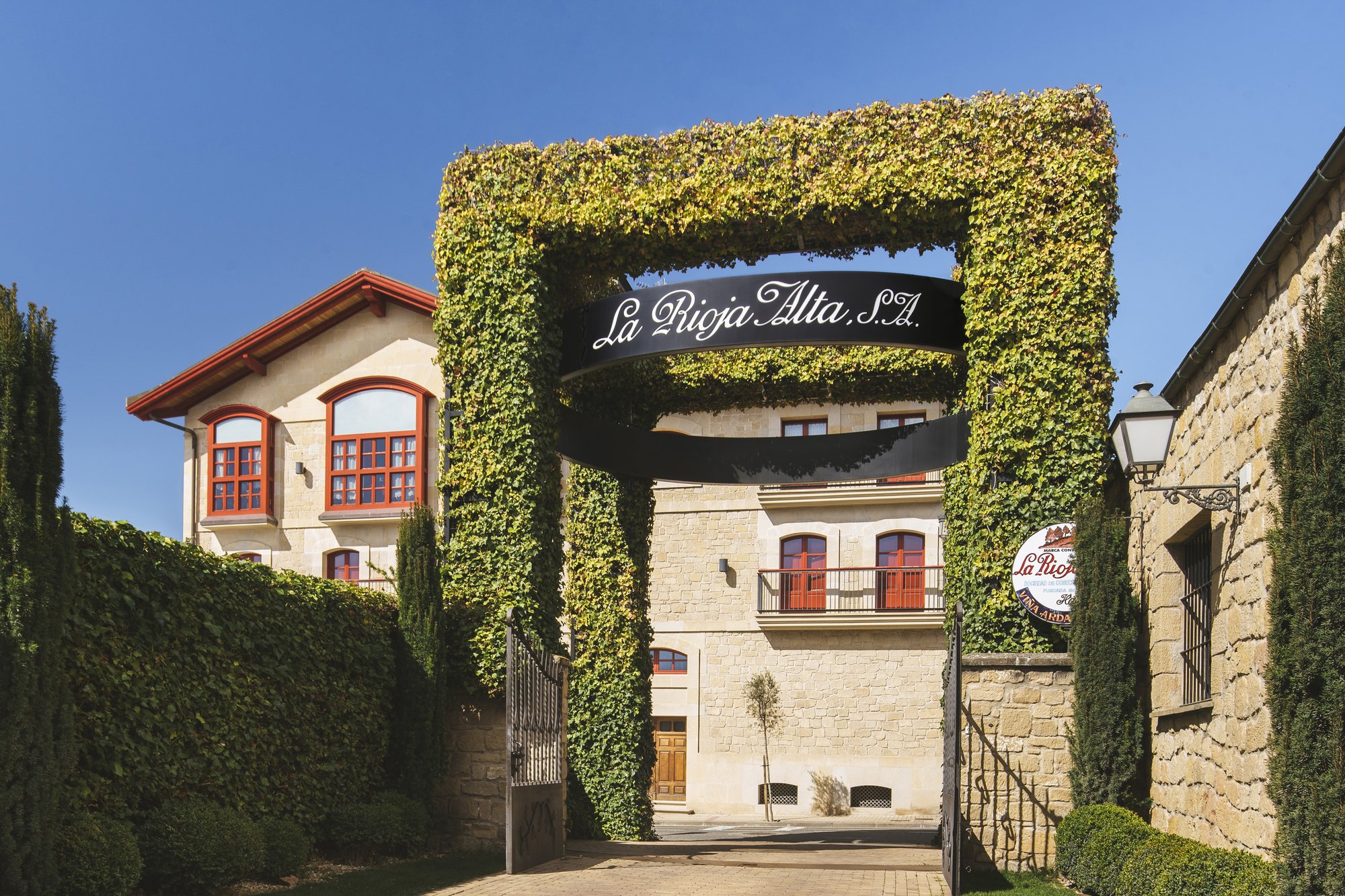
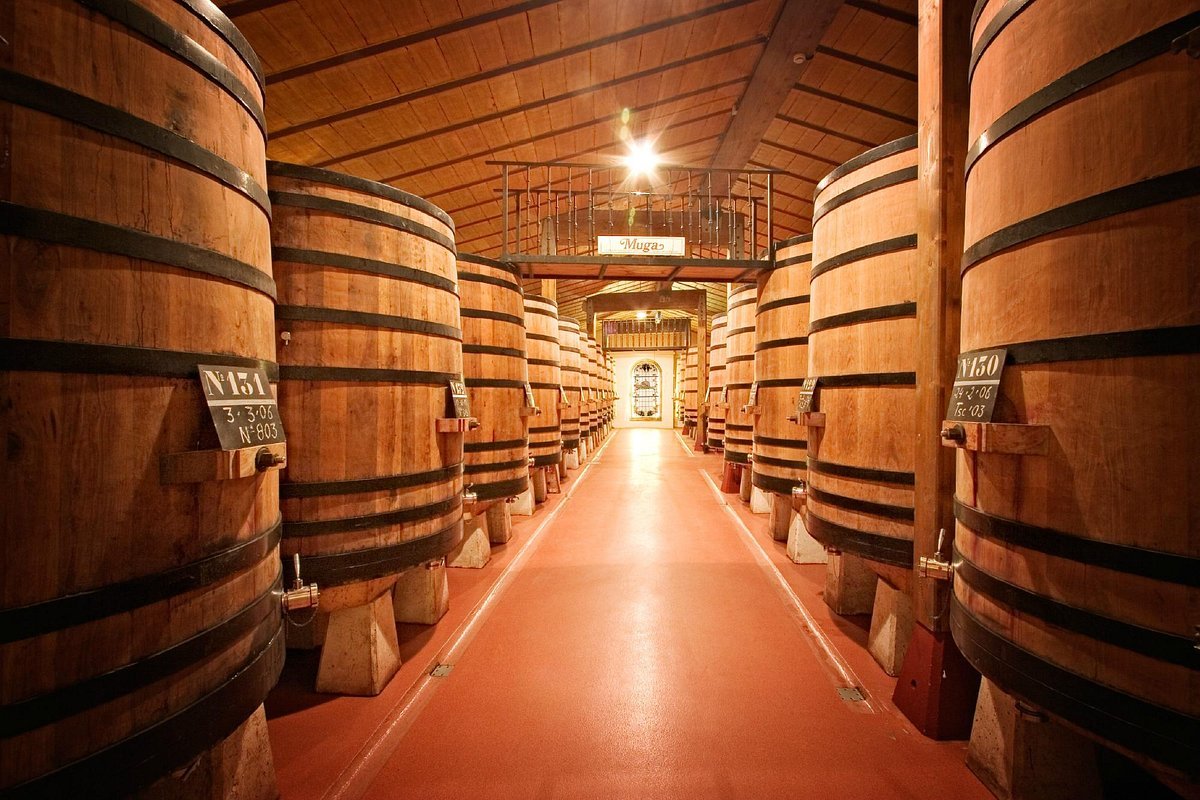
CVNE (Cune) presents a measured, sophisticated presence rooted in Haro’s historic Barrio de la Estación. The buildings and high-vaulted cellars convey an architectural argument for continuity: structures built for function that now articulate a winemaking philosophy. Wood, stone and worn courtyards feel lived-in rather than styled, and the house’s emphasis on long oak aging and restraint reinforces a classic, composed temperament. Visiting feels less like attending a showpiece and more like stepping into a practiced craft—an environment where patience, tradition and structural pedigree shape both the wines and the sense of place.
Best For
CVNE is especially suited to visitors who want to understand Rioja’s classical side—wine lovers focused on education, history and the evolution of oak-aged Tempranillo. The estate’s founding-house status in the station quarter and its recognized prestige make it a compelling stop for those pairing a regional wine itinerary with context about aging and cellar technique. It also works well for milestone visits and special-occasion tastings where a sense of lineage and careful, long-form winemaking add weight to the experience. Groups interested in cellar architecture and barrel programs will find plenty to explore.
Tasting Tips
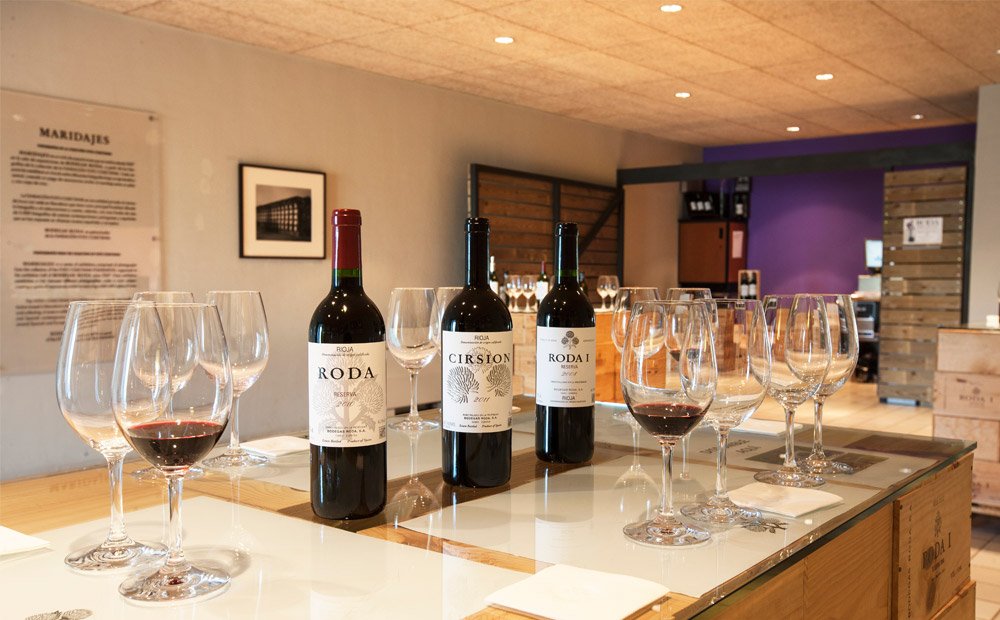
When tasting at CVNE, prioritize examples that demonstrate the house’s oak-driven restraint: older reservas and bottlings that reflect extended barrel aging will illustrate the winery’s philosophy. Ask to see the high-vaulted cellars and courtyard areas to get a sense of how architecture and storage inform the wines. In conversations with staff or guides, steer questions toward aging regimes, barrel selection and the estate’s historical role in Haro—these topics reveal why structure and time are central to Cune’s identity. Request guidance on vertical or older-vintage pours if available to appreciate the development that defines the house.
Venue details
Ambiance
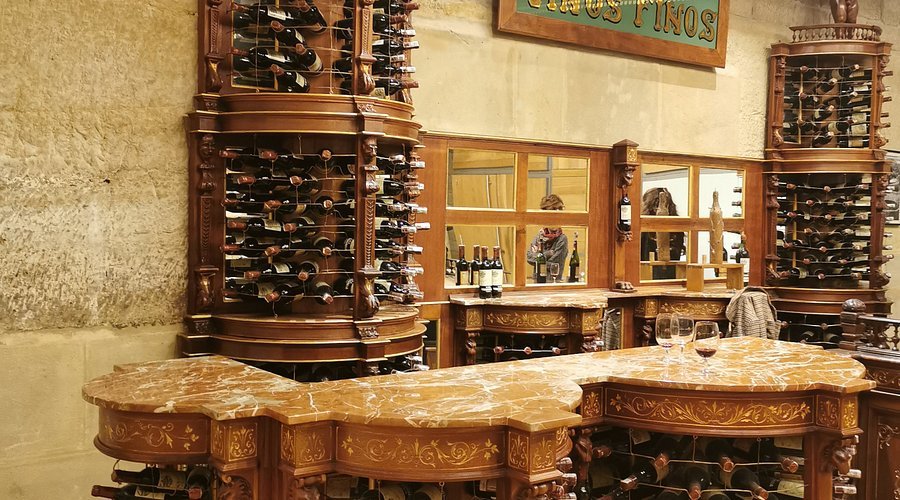
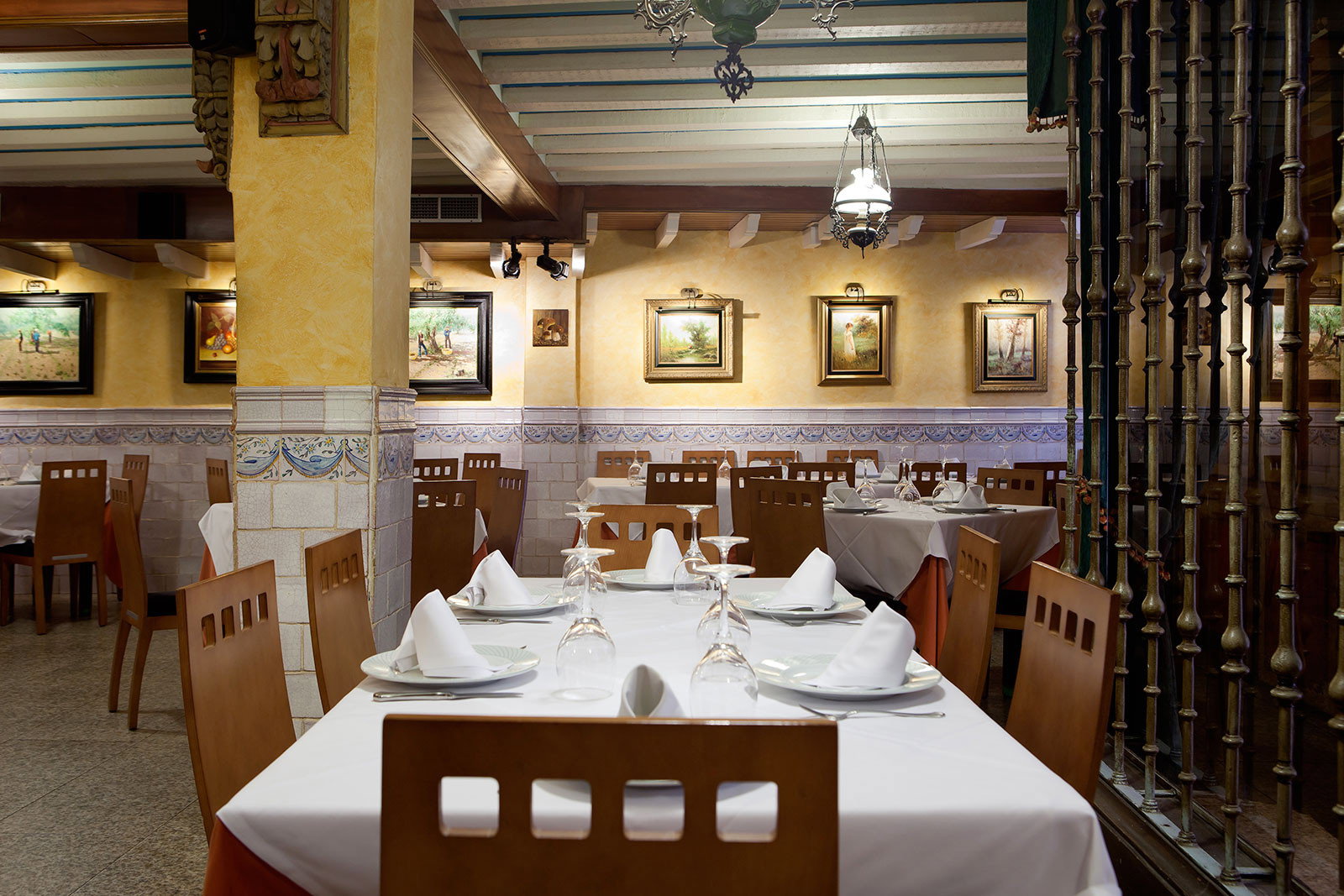
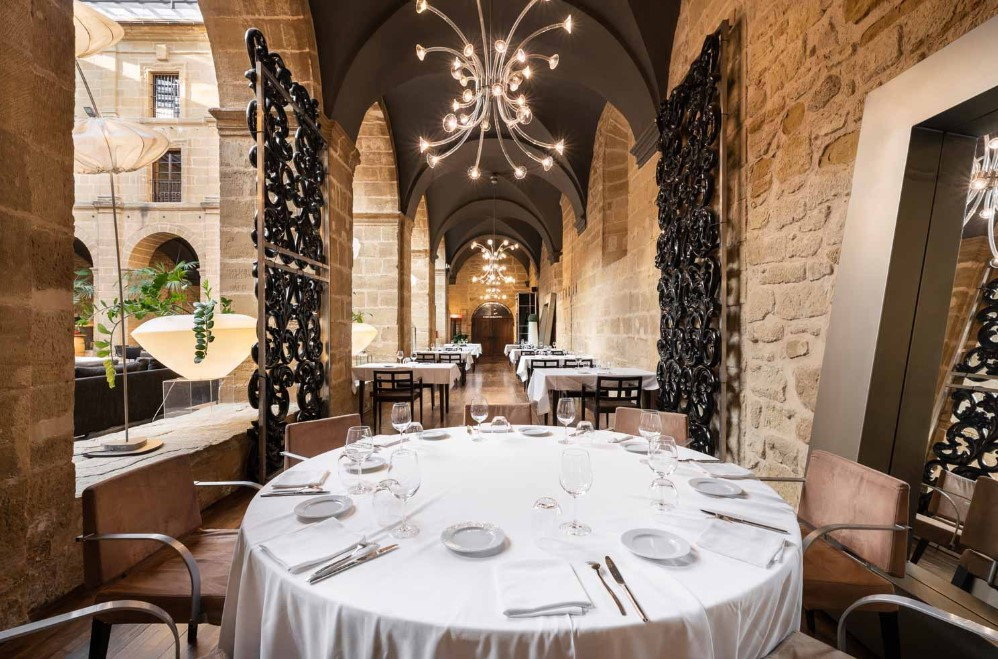
Classic and elegant with a strong historical atmosphere in century-old buildings and natural aging caves.
Tags
Vibe
Best For
Experience
Sourcing
View
At the Vineyard
- Appellation
- Rioja DOCa
- Varietals
- Tempranillo, Viura
- Tour Duration
- 60-90 minutes
- Tour Languages
- Spanish, English
- Visits
- By appointment only
- Farming
- Regenerative
- Production
- Large producer
- Wine Styles
- Still Red, Still White
- Wine Club
- Not available
Know before you go
Know Before You Go
- Getting there
- Av. Costa del Vino, 21, 26200 Haro, La Rioja
Planning details
Location
Also consider
Where to look if this does not work
If the goal is a classic Haro day and CVNE (Cune) is unavailable, look first at Bodegas Muga or La Rioja Alta. Both keep the itinerary in the same serious Rioja lane.
For a more tradition-heavy alternative, try López de Heredia (Viña Tondonia). For a smoother backup when timing is the main issue, compare Bodegas Roda and Ramón Bilbao.
Winery context
How CVNE compares in Haro
CVNE (Cune) is the pick when the day needs a prestige Rioja anchor and the booking can be planned early. Bodegas Muga is the closest cross-shop for travelers who want another established Haro name with broad appeal, while López de Heredia (Viña Tondonia) is better for visitors who want the visit to lean harder into traditional Rioja atmosphere.
La Rioja Alta is the sensible alternative if the group wants a similarly classic Haro frame but cannot make the timing work here. Bodegas Roda is the sharper choice for a more contemporary-feeling stop, while Ramón Bilbao is the practical backup for travelers who care more about fitting a winery into the day than securing the hardest reservation.
For a celebration trip, start with CVNE or López de Heredia, then add Muga or La Rioja Alta if the schedule allows. For a lower-friction Haro day, prioritize Ramón Bilbao or Roda first, then use CVNE as the stretch booking.
Around this place
Discover more on Pearl
Unlock the full CVNE (Cune) guide in Pearl, including awards, comparisons, FAQs, planning details, and nearby places.
Compare CVNE (Cune)
| Venue | Location | Awards |
|---|---|---|
| CVNE (Cune) | Haro | No published awards |
| Bodegas Muga | Haro | 2026 Falstaff Winery Guide2025 World's 50 Best Vineyards · #532024 World's 50 Best Vineyards · #232023 World's 50 Best Vineyards · #49 |
| López de Heredia (Viña Tondonia) | Haro | 2026 Falstaff Winery Guide2019 World's 50 Best Vineyards · #3 |
| La Rioja Alta | Haro | 2026 Falstaff Winery Guide |
| Bodegas Roda | Haro | 2026 Falstaff Winery Guide |
| Ramón Bilbao | Haro | 2026 Falstaff Winery Guide |


How CVNE (Cune) Haro compares with similar nearby venues.
FAQ
Frequently Asked Questions
Does CVNE (Cune) offer shipping or purchases?
Shipping, purchase terms, and related services are not provided. If those details matter, ask CVNE (Cune) directly through its official channels before relying on them for a plan. You can also compare the practical process with Ramón Bilbao or another Haro option when planning the day.
Does CVNE (Cune) serve food?
Do not assume a food program. Cuisine, menus, dietary accommodations, lunch, dinner, or takeaway service are not provided, so treat CVNE (Cune) as a Haro venue whose current food details should be checked directly before visiting.
When is the best time to visit CVNE (Cune)?
The best time to visit is not specified. Because CVNE (Cune) has Pearl 3 Star Prestige for 2025, it is sensible to plan ahead and confirm current availability directly rather than treating it as an unplanned stop. If you are building a fuller Haro route, compare timing with La Rioja Alta or another nearby option.
Are memberships or repeat-visit benefits available at CVNE (Cune)?
Membership details, benefits, and purchase requirements are not provided. Decide only after confirming the current terms directly with CVNE (Cune). For a similar planning decision, compare the practical value with Bodegas Muga or another Haro venue if you expect to return repeatedly.
What is CVNE (Cune) best known for?
A specific signature offering is not detailed. The safest approach is to ask CVNE (Cune) directly what the team currently treats as the main reference for visitors. López de Heredia (Viña Tondonia) can be a useful Haro comparison for travelers who are deciding between well-known names.
What other venues are near CVNE (Cune)?
The most useful Haro comparisons are Bodegas Muga, López de Heredia (Viña Tondonia), La Rioja Alta, Bodegas Roda, and Ramón Bilbao. CVNE (Cune) fits a Haro shortlist especially well when the goal is a premium stop with Pearl 3 Star Prestige recognition.
Can CVNE (Cune) handle large groups?
Large-group capacity is not provided. If you are planning for a group, confirm the current policy, timing, and any requirements directly with CVNE (Cune). Ramón Bilbao can be checked alongside it as another Haro option, but capacity should not be assumed for either venue without direct confirmation.