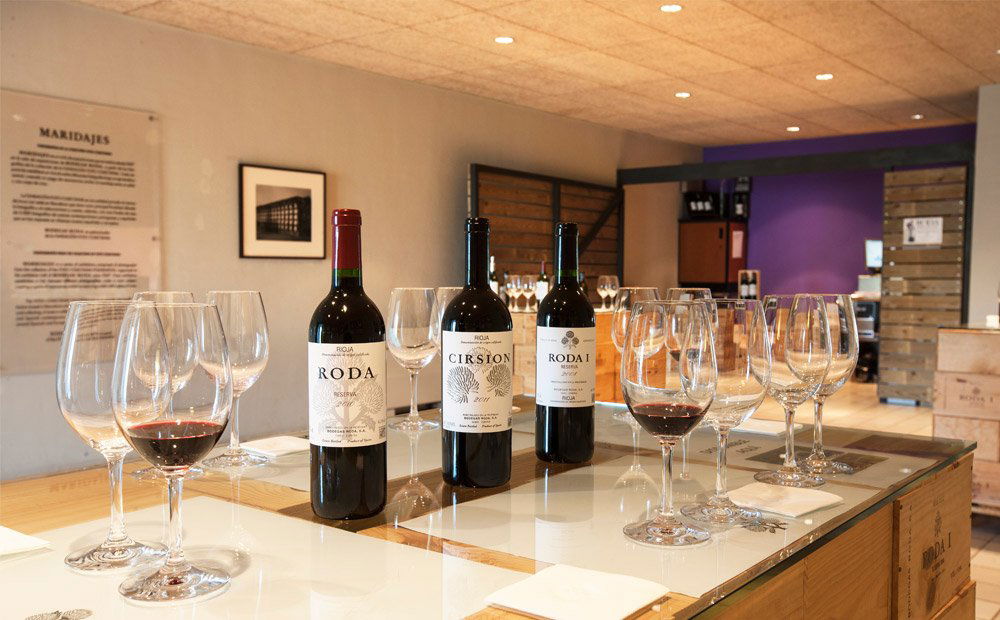

Bodegas Roda
Barrio de la Estación, Haro
Winery in Haro, Spain
 Book with Pearl
The Read
Precision-Tier Rioja
Price
$50–100tasting
Why go
Book Bodegas Roda if the goal is a focused, modern Rioja visit in Haro rather than a nostalgia-heavy cellar tour. It works well as one anchor stop in the Barrio de la Estación, especially when paired with a more traditional peer nearby for contrast.
About Bodegas Roda
Bodegas Roda is a Haro venue with Pearl 2 Star Prestige recognition for 2025. The planning details are intentionally limited: the dress code is smart casual, and Haro is the location to use when placing it on an itinerary.
Because the available record does not confirm specific opening hours, visit length, booking rules, tasting format, prices, food service, or named offerings, avoid building plans around those details unless Bodegas Roda confirms them directly. Treat the venue as a Pearl-recognized Haro stop, then check current official information before committing to timing or logistics.
Choose this for a Pearl-recognized Haro stop
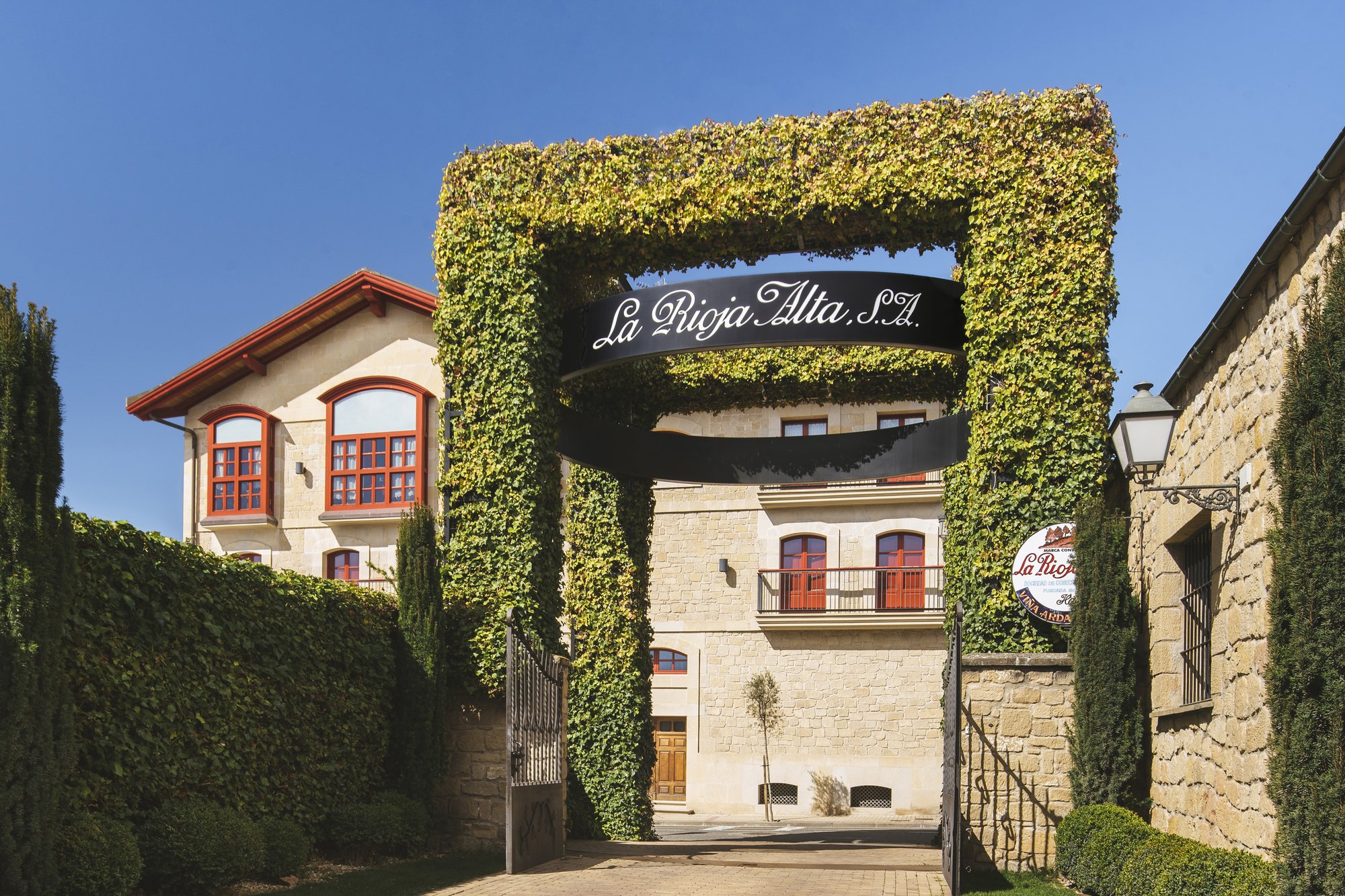
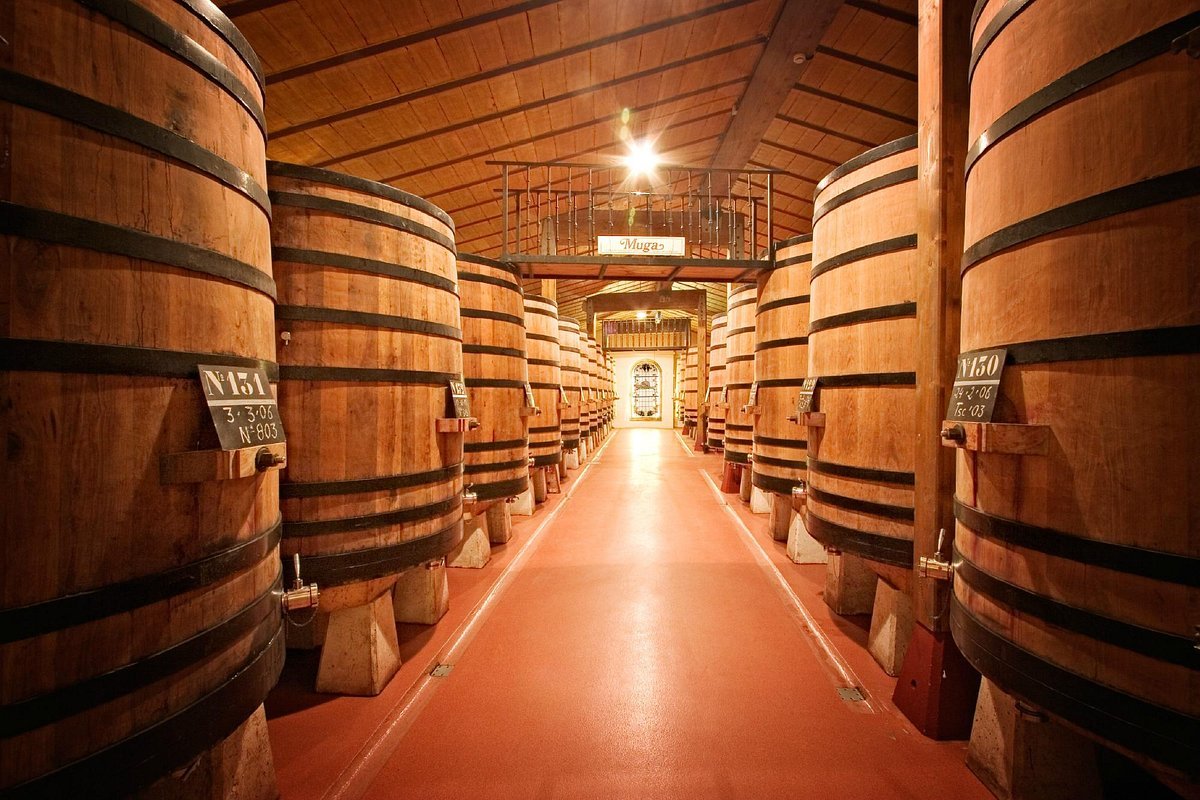
The cleanest way to evaluate Bodegas Roda is as one of several notable names to compare rather than through claims about format or style. If you are weighing options, Bodegas Muga, CVNE (Cune), La Rioja Alta, López de Heredia (Viña Tondonia), and Ramón Bilbao are natural reference points. The practical question is which stops fit your schedule, interest level, and confirmed availability.
For a Haro-focused day, keep the surrounding plan simple and verify details directly before you go. Use our full Haro restaurants guide for broader Haro planning.
How to place it in a wider Spain itinerary
Within a Spain itinerary, Bodegas Roda is best presented simply as a Pearl 2 Star Prestige venue in Haro. The information does not support specific claims about tour style, atmosphere, menu format, or visitor experience, so compare it with other options on confirmed availability and personal interest rather than assumed differences.
Planning details
- Location
- Av. Vizcaya, 5, 26200 Haro, La Rioja
- Website
- roda.es
- Phone
- +34 941 30 30 01
The take
The Take
The Vibe
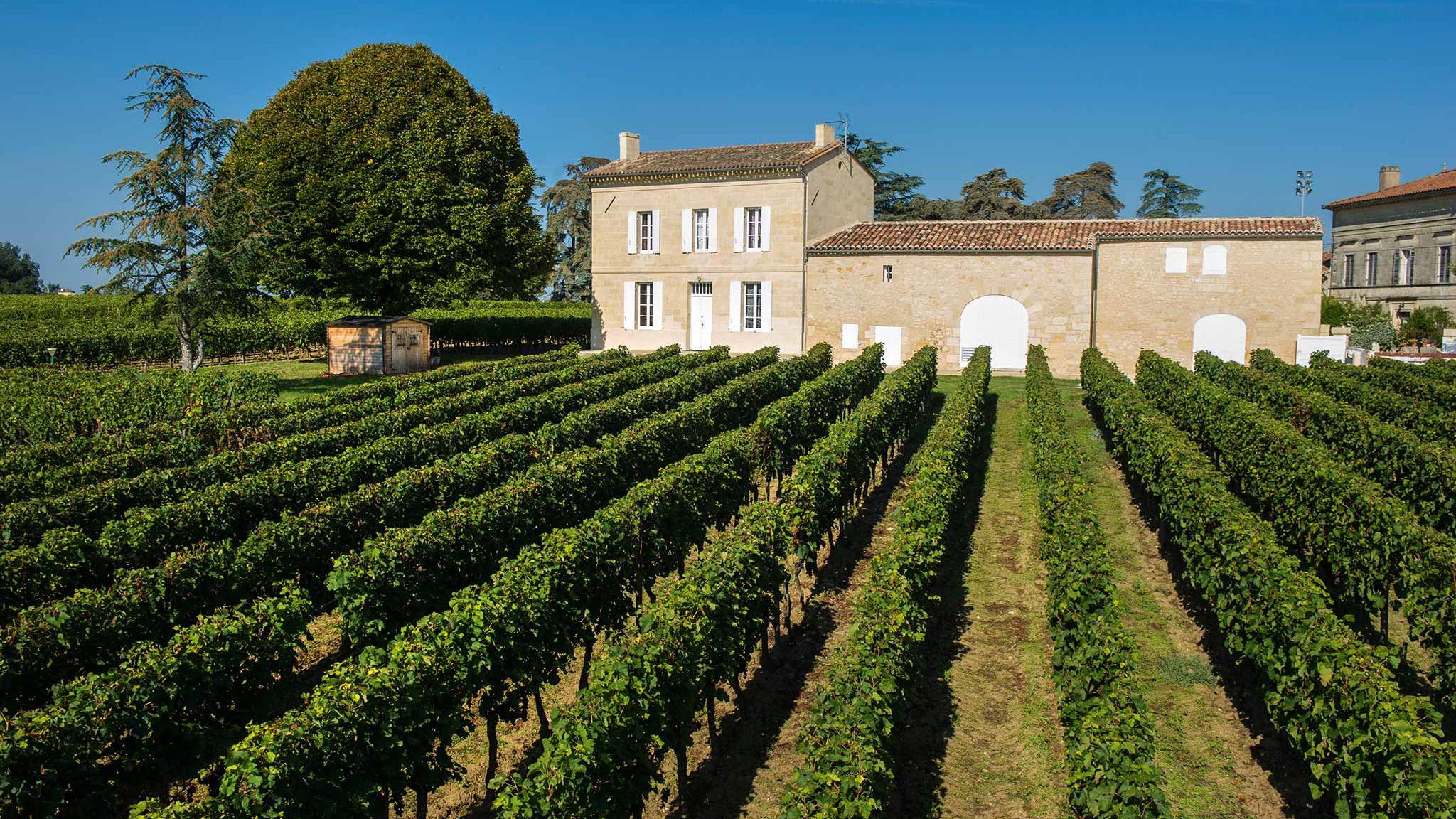
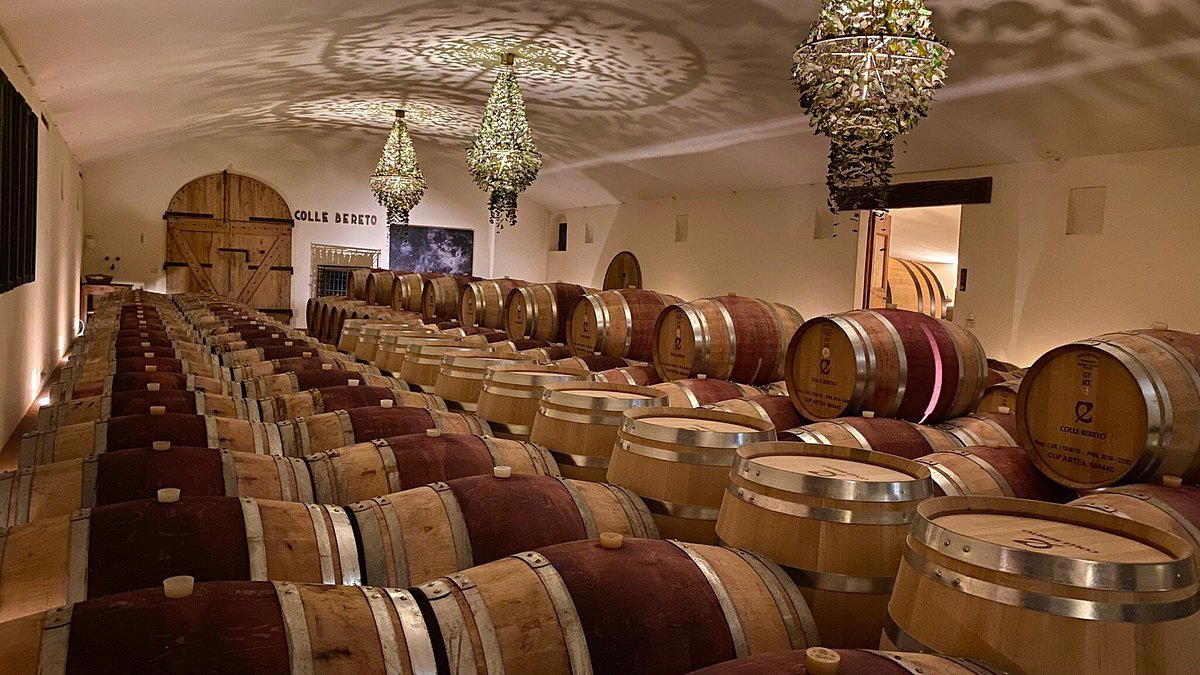
Bodegas Roda settles into the historic fabric of Haro’s Barrio de la Estación, housed among 19th‑century bodegas whose cellars run deep into the hillside. The writing emphasizes slow, rooted winemaking: stone galleries that smell of oak and an approach that privileges soil, elevation and the region’s continental rhythm. Rather than following passing stylistic trends, the house leans into the restrained, structured character typical of Rioja Alta—wines of finesse and long‑term architecture. The overall impression is quietly classical and contemplative: an environment where heritage, terroir and slow maturation shape both cellar and tasting experience.
Best For
This winery is best approached as a study in Rioja Alta’s terroir and ageing potential. It suits visitors focused on wine education—those who want to trace how clay‑limestone soils, altitude and a cooler growing season influence Tempranillo’s structure and acidity. It also works well for special occasions when a well‑crafted, contemplative tasting feels appropriate, and for group outings through Haro’s concentrated wine quarter, where Roda sits alongside other notable producers. The setting and cellar orientation reward slow, attentive tasting rather than a quick turn‑around visit.
Tasting Tips
When engaging with Roda’s lineup, prioritize wines that speak to Rioja Alta’s vineyard character and structure. Ask about the influence of soil and elevation on specific bottlings and seek out releases that demonstrate the region’s natural acidity and cellar potential. Because the write‑up contrasts Roda with other Haro houses, use tastings as an opportunity to compare stylistic approaches across the quarter—look for bottles that emphasize finesse over heavy extraction and inquire about ageability and oak treatment to understand how the winery expresses terroir.
Venue details
Ambiance
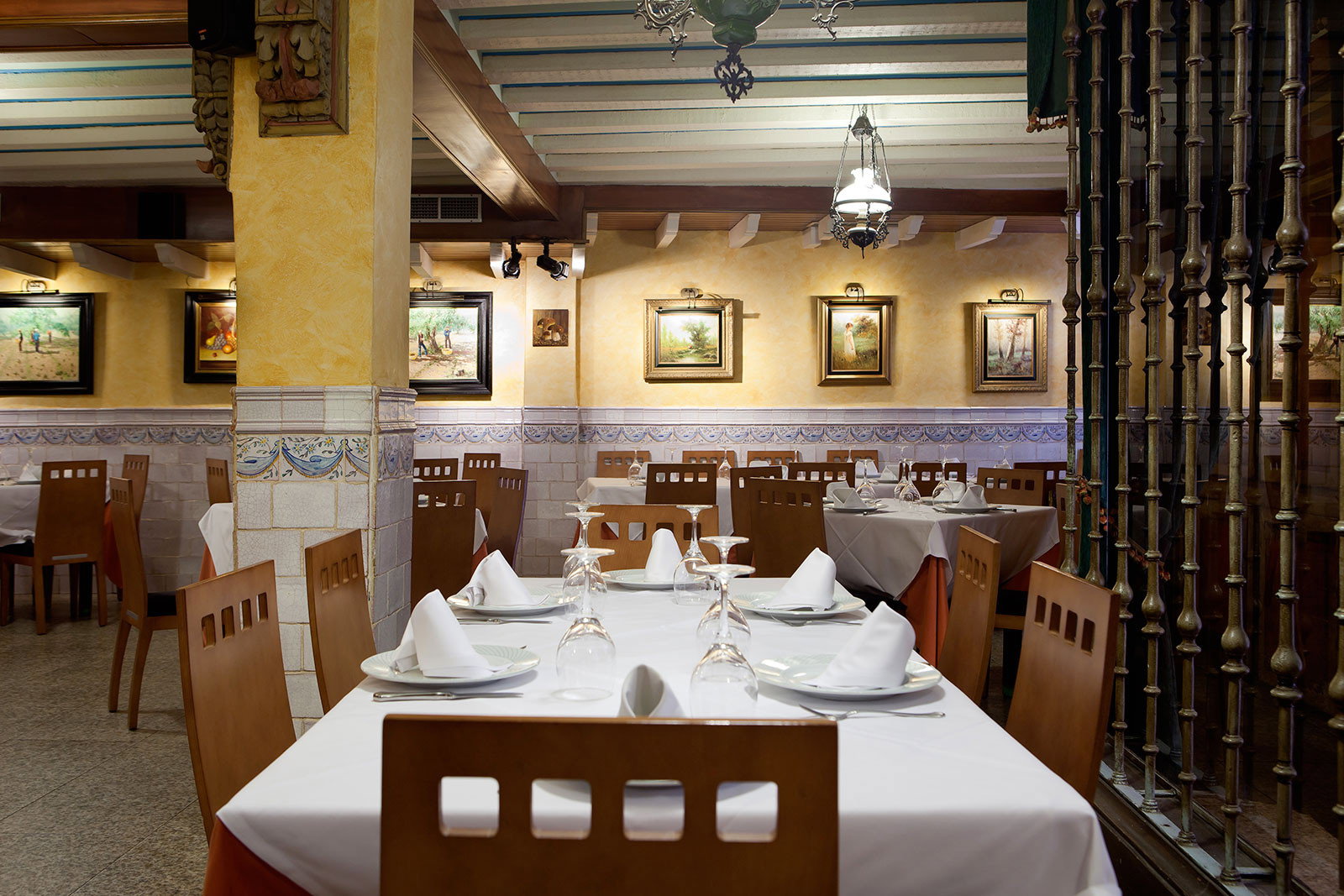
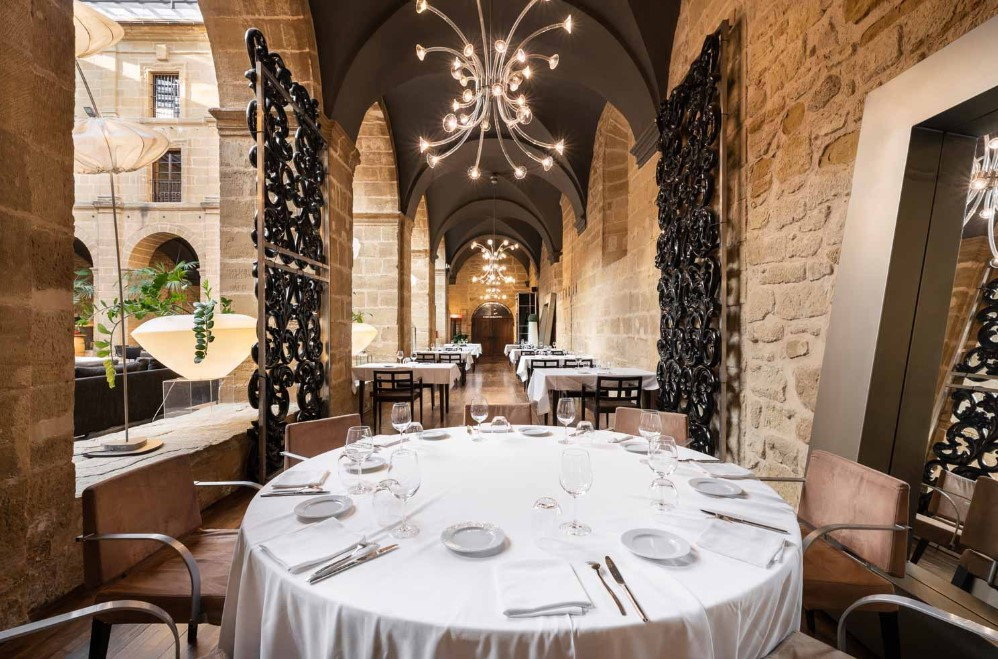
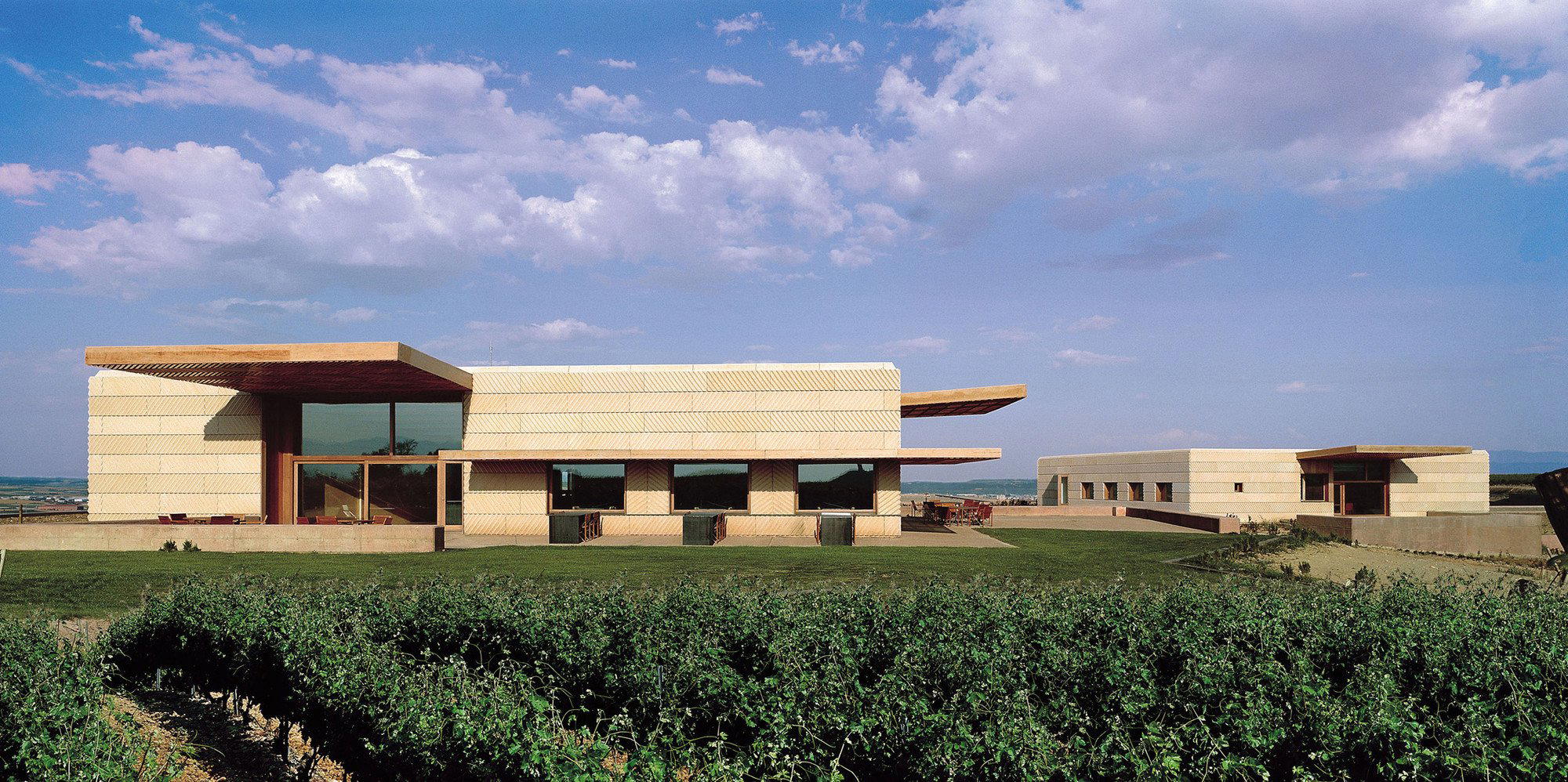
Sophisticated and harmonious with natural lighting from terraces overlooking the Ebro River, geothermal underground cellars, and elegant rock-hewn aging rooms.
Tags
Vibe
Best For
Experience
Sourcing
View
At the Vineyard
- Appellation
- DOCa Rioja
- Varietals
- Tempranillo, Graciano, Garnacha, Viura, Malvasía
- Tour Duration
- 2 hours
- Tour Languages
- Spanish, English, French
- Visits
- By appointment only
- Farming
- Sustainable
- Wine Styles
- Still Red, Still White
- Food Pairing
- Offered
- Wine Club
- Not available
Know before you go
Know Before You Go
- Getting there
- Av. Vizcaya, 5, 26200 Haro, La Rioja
Planning details
Location
Recognition and awards

Also consider
Where to go if this is not available
If Bodegas Roda does not fit the schedule, try Bodegas Muga for a broadly appealing Haro winery visit or La Rioja Alta for a more traditional Rioja reference point. López de Heredia (Viña Tondonia) is the better substitute when heritage is the main draw.
Winery context
How Bodegas Roda compares in Haro
Choose Bodegas Roda when the priority is a focused, modern Rioja tasting rather than the deeper heritage pull of López de Heredia (Viña Tondonia) or the classic-house feel of La Rioja Alta. For travelers trying to understand Rioja styles in one day, that contrast is useful: Roda gives the contemporary side of the conversation, while those two peers bring a more historic lens.
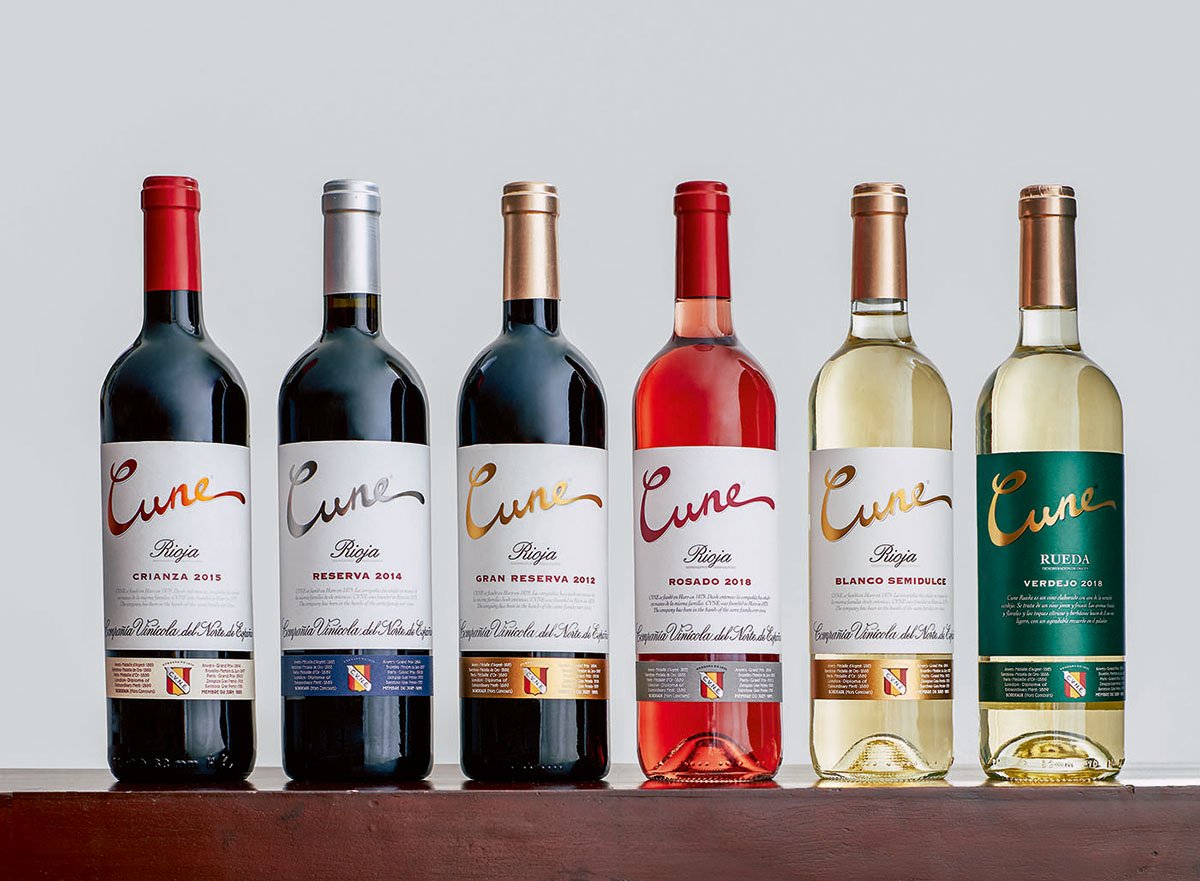
Bodegas Muga is the safer cross-shop for visitors who want a broadly appealing Haro winery experience with strong name recognition. CVNE (Cune) is another practical alternative if the schedule is tight and the group wants a major producer with a central Haro presence. Roda is the sharper pick for wine travelers who care more about tasting focus than checking off a famous label.
Ramón Bilbao makes sense for readers who want a larger-brand Rioja visit outside the tightest station-cluster comparison. If only one Haro booking is possible, choose based on mood: Roda for a controlled modern read, López de Heredia or La Rioja Alta for heritage, Muga for broad appeal, and CVNE for a classic producer with convenient city positioning.
Around this place
Discover more on Pearl
Unlock the full Bodegas Roda guide in Pearl, including awards, comparisons, FAQs, planning details, and nearby places.
Compare Bodegas Roda
| Venue | Location | Awards |
|---|---|---|
| Bodegas Roda | Haro | 2026 Falstaff Winery Guide |
| La Rioja Alta | Haro | 2026 Falstaff Winery Guide |
| López de Heredia (Viña Tondonia) | Haro | 2026 Falstaff Winery Guide2019 World's 50 Best Vineyards · #3 |
| Bodegas Muga | Haro | 2026 Falstaff Winery Guide2025 World's 50 Best Vineyards · #532024 World's 50 Best Vineyards · #232023 World's 50 Best Vineyards · #49 |
| CVNE (Cune) | Haro | No published awards |
| Ramón Bilbao | Haro | 2026 Falstaff Winery Guide |

How Bodegas Roda Haro compares with similar nearby venues.
FAQ
Frequently Asked Questions
What is about Bodegas Roda?
Bodegas Roda is as a Haro venue with Pearl 2 Star Prestige recognition for 2025. The dress code is smart casual.
What other venues can I compare with Bodegas Roda?
Useful comparisons include La Rioja Alta, López de Heredia (Viña Tondonia), Bodegas Muga, CVNE (Cune), and Ramón Bilbao. Compare them based on confirmed availability and current official information.
What should I wear to Bodegas Roda?
The dress code for Bodegas Roda is smart casual.