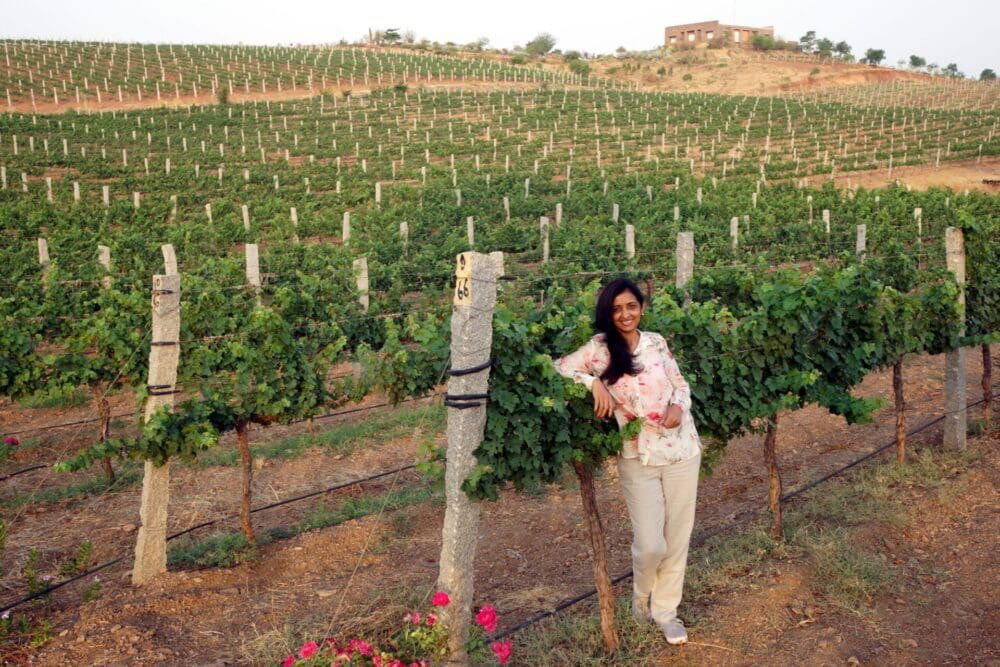

KRSMA Estates
Hampi Hills
Winery in Hampi Hills, India
 Book with Pearl
The Read
Hampi Hills Terroir
Why go
KRSMA Estates is worth planning around for travelers who want a serious Indian wine stop in the Hampi Hills area, backed by a World's 50 Best Vineyards #46 ranking in 2020. It is not the right pick for a casual, last-minute tasting: access looks difficult, and confirmed public booking details are thin, so build the itinerary around it rather than treating it as a quick add-on.
About KRSMA Estates
KRSMA Estates in Hampi Hills has a clear international recognition point: World's 50 Best Vineyards listed it at #46 in 2020. It is also recognized with 1 Star Prestige for 2025. For travelers researching Hampi Hills, those are strong reasons to keep the estate on a shortlist.
Specific public details such as visiting hours, format, pricing, transport logistics, or reservation process should be confirmed directly before building an itinerary around it.
A recognized Hampi Hills estate, with limited planning details
Approach KRSMA Estates as a Hampi Hills venue with notable recognition, and confirm timing, access, and booking requirements through the venue's official channels before committing travel time.
If you are comparing notable names more broadly, Amrut and Paul John are useful reference points. For the immediate Hampi Hills plan, compare KRSMA Estates with other local options once you have current details.
Planning details
- Location
- SH 29, Zhoolkunti, Karnataka 583279
- Website
- krsmaestates.com
- Phone
- +91 94490 55260
The take
The Take
The Vibe
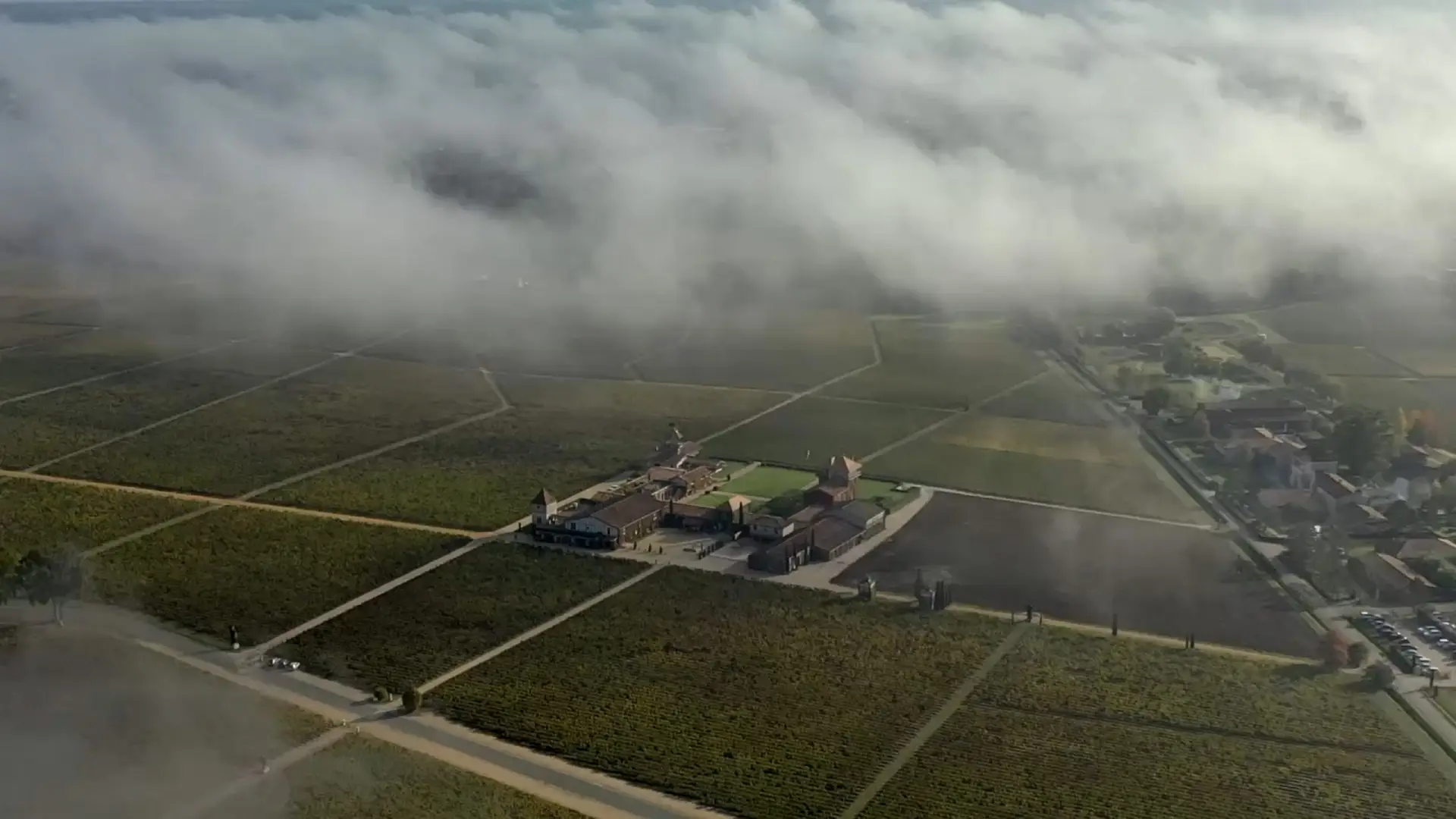
KRSMA Estates presents as a place where landscape is the central character. The writing foregrounds the Hampi Hills’ exposed, boulder-strewn terrain and the estate’s granitic soils, so visits feel rooted in geology and terroir rather than decorative flourish. The property reads as rugged and scenic: altitude and cool nights are described as active contributors to the wines, and the account treats the planted land as an experiment in extracting place-driven flavour. Overall the tone is purposeful and grounded, appealing to visitors who appreciate raw scenery and a vineyard where the physical environment is integral to the wine.
Best For
The estate is best for visitors who come to learn about terroir and the technical side of winemaking. The description emphasizes virgin viticultural soils, root-depth behaviour and mineral-driven textural definition, so KRSMA suits curious wine lovers, students of viticulture and anyone interested in how site, geology and microclimate shape a bottle. It reads less like a social destination and more like a destination for exploration and study of place, making it particularly rewarding for people who prioritize provenance and farming stories in their tasting experience.
Tasting Tips
When engaging with KRSMA’s wines or staff, focus questions on site and soil: ask which parcels or soil profiles inform particular bottlings and how granitic, well-drained ground influences flavour and texture. The write-up highlights mineral tension and deep root uptake as signature traits, so look for wines described in those terms. Avoid assuming glossy fruit-forward styles; instead probe for acidity, texture and site expression. Framing your tasting around terroir rather than varietal celebrity will align with how the estate presents itself.
Venue details
Ambiance
Luxurious, scenic vineyard setting with a historic backdrop near Hampi and the Vijayanagara Empire; the estate emphasizes craftsmanship, landscape, and a serene wine-country atmosphere.
Tags
Vibe
Best For
Experience
Sourcing
View
At the Vineyard
- Appellation
- Hampi Hills
- Varietals
- Cabernet Sauvignon, Sauvignon Blanc, Syrah, Chardonnay, Sangiovese
- Tour Duration
- 60-90 minutes
- Visits
- By appointment only
- Farming
- Sustainable
- Production
- Small producer
- Wine Styles
- Still Red, Still White
- Founded
- 2009
- Wine Club
- Available
Know before you go
Know Before You Go
- Getting there
- SH 29, Zhoolkunti, Karnataka 583279
Planning details
Location
Recognition and awards

Also consider
Where to look if KRSMA Estates is not workable
If securing KRSMA Estates is not realistic, look at Paul John for a Goa-linked spirits itinerary or Amrut for a Bengaluru-based alternative. Neither is a direct vineyard substitute, but both are stronger fallback choices when access matters more than Hampi Hills wine context.
Winery context
How KRSMA Estates compares in the Indian drinks set
KRSMA Estates is the pick for travelers who specifically want an Indian vineyard experience rather than a distillery-led visit. Against Paul John and Amrut, it has the clearest wine-tourism signal thanks to its World's 50 Best Vineyards #46 recognition in 2020, but it is also the least forgiving choice if the plan needs easy logistics.
Paul John is the better cross-shop for travelers already routing through Goa and prioritizing whisky context over vineyard atmosphere. Amrut is the better fit for a Bengaluru-based drinks itinerary. Choose KRSMA Estates when the point of the trip is wine and place; choose the others when access and spirits depth matter more.
Explore Hampi Hills
Around this place
Discover more on Pearl
Unlock the full KRSMA Estates guide in Pearl, including awards, comparisons, FAQs, planning details, and nearby places.
Compare KRSMA Estates
KRSMA Estates versus Paul John and Amrut
KRSMA Estates is the more wine-specific recommendation, while Paul John and Amrut work better as broader Indian spirits comparisons. The trade-off is planning: KRSMA Estates carries stronger vineyard-recognition value, but Paul John and Amrut are easier to fit into Goa or Bengaluru travel patterns.
For ambiance, KRSMA Estates wins if the priority is a destination vineyard setting in Hampi Hills. For value and convenience, Paul John or Amrut may be smarter depending on route, because a hard-to-secure winery visit only pays off when the vineyard itself is the point of the day.
FAQ
Frequently Asked Questions
Where is KRSMA Estates?
Do I need a reservation at KRSMA Estates?
Before visiting, confirm the current reservation method, hours, and booking policy directly. KRSMA Estates has recognized accolades, including World's 50 Best Vineyards #46 (2020) and 1 Star Prestige (2025).
What other venues should I compare with KRSMA Estates?
For broader notable-name comparisons, Paul John and Amrut are useful reference points. For the immediate Hampi Hills area, compare KRSMA Estates with local options once you have current details.