
Bertani
Valpolicella Valpantena, Grezzana
Winery in Grezzana, Italy
 Book with Pearl
The Read
Valpolicella Cellared Precision
Why go
Bertani is worth prioritizing for a serious Valpolicella-focused wine day in Grezzana, especially for celebrations or business-hosting where the producer choice matters. Treat it as a planned centerpiece rather than a casual drop-in, and compare nearby peers if the group needs easier access or a looser tasting schedule.
About Bertani
Bertani is a Grezzana venue with Pearl 2 Star Prestige recognition for 2025. The safest planning approach is to treat it as a higher-intent stop and confirm any visit-specific details directly before committing the day.
The key details are simple: Bertani is in Grezzana, carries Pearl 2 Star Prestige recognition for 2025, and has a smart casual dress code. Check specifics such as pricing, visit format, hours, availability, menu, and service structure directly rather than making assumptions when planning.
Choose it for a polished Grezzana plan, not a casual crawl
The useful way to think about Bertani is as a planned Grezzana stop rather than an improvised add-on. If you are organizing the day around the venue, leave enough flexibility to confirm practical details in advance and avoid building the itinerary around assumptions. For broader local planning, you can also use Our full Grezzana restaurants guide.
For value, the key question is not whether the visit is cheap or informal. The better question is whether the Pearl 2 Star Prestige recognition, Grezzana location, and smart casual setting match the tone of the day you want to plan.
Compare practical details before locking the day
If you are comparing Bertani with other respected names, keep the decision practical and confirm details directly with each venue. Natural comparison points include Allegrini, Giuseppe Quintarelli, Masi Agricola S.p.A. Romano Dal Forno, and Tommasi, along with other Grezzana options considered generically.
Avoid assuming that Bertani offers a specific format, schedule, price point, or service without checking with the venue. The main reasons for choosing it are its Grezzana setting, Pearl 2 Star Prestige recognition for 2025, and smart casual dress code.
Quick reference: choose Bertani if you want a planned Grezzana venue with Pearl 2 Star Prestige recognition, and verify all practical details before booking.
Planning details
- Location
- Via Asiago, 1, 37023 Grezzana VR
- Website
- bertani.net
- Phone
- +39 045 865 8444
The take
The Take
The Vibe
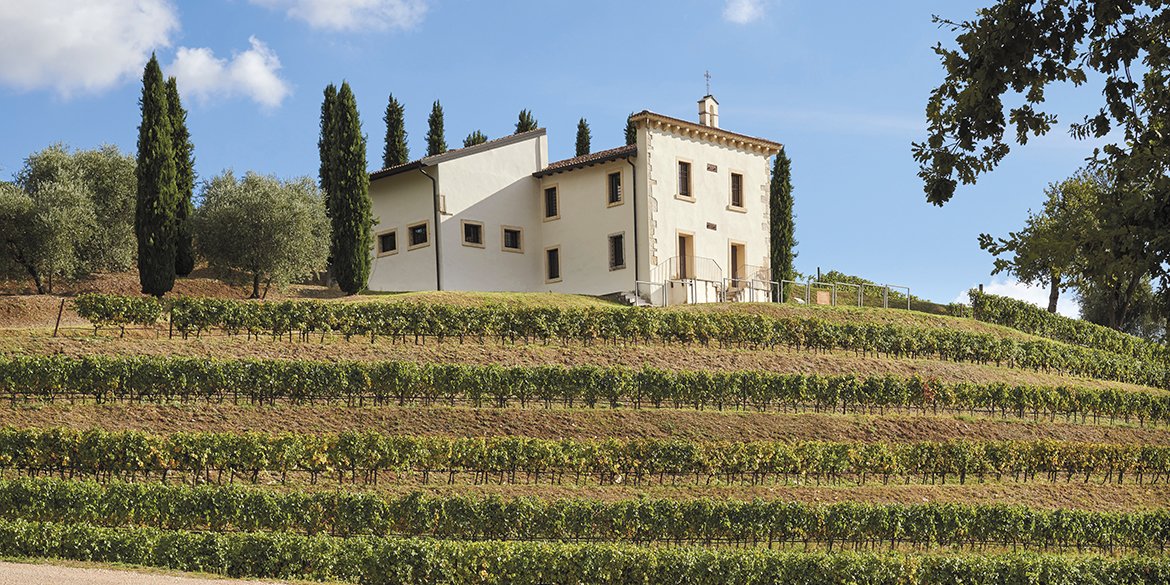
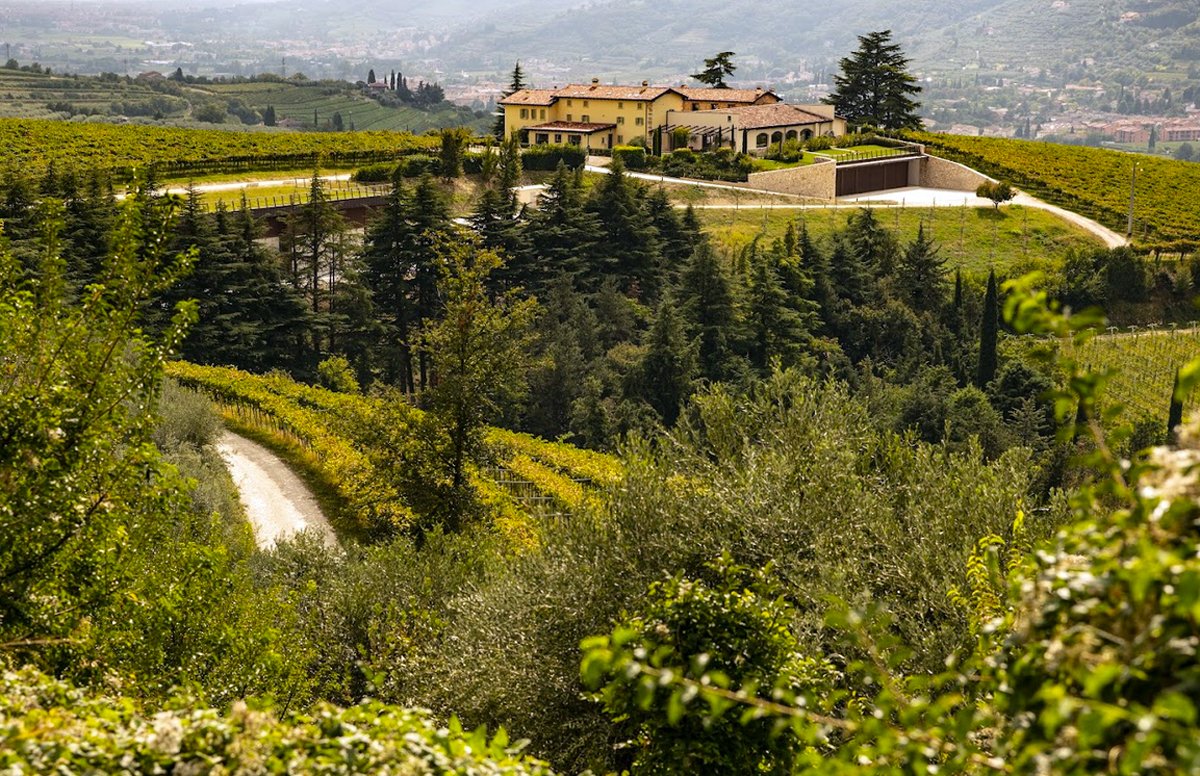
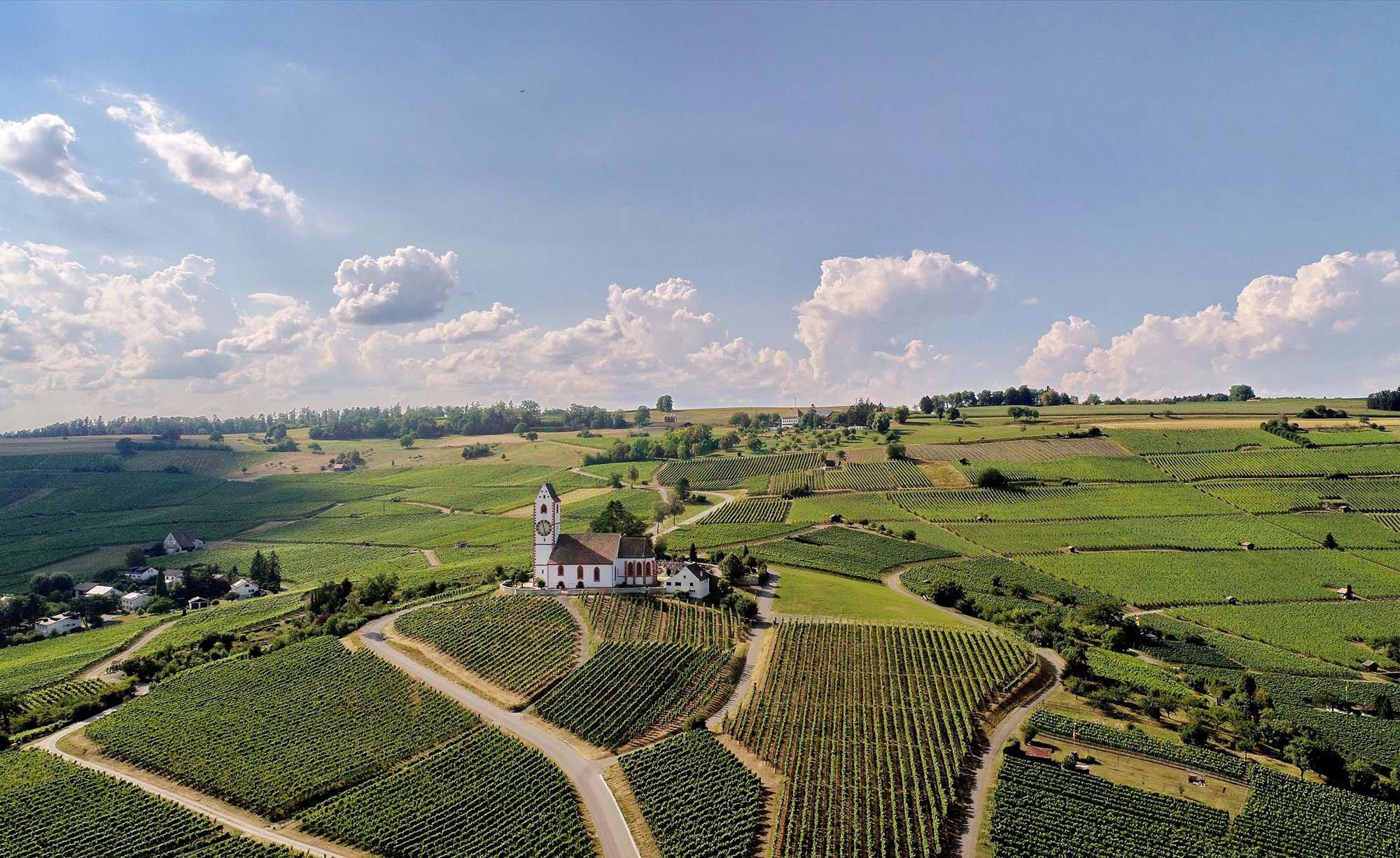
Bertani reads as a terroir-led, vineyard-rooted estate where the landscape does much of the talking. The text places the winery squarely in the Grezzana corridor — limestone and basalt-laced slopes that give wines an identifiable mineral tension and structural weight. Editorial language stresses heritage and regional authority, so the overall impression is of a refined, serious producer whose character comes from place as much as technique. Visitors and readers encounter a sense of cultivated tradition: vineyards, altitude and aspect are foregrounded, shaping wines that reflect long-standing Valpolicella practices rather than fashion-driven trends.
Best For
This estate is best for people who want to study how place shows up in Valpolicella wines and for wine-lovers marking a special occasion with weightier regional expressions. The write-up emphasizes appassimento and Amarone’s structural role, making Bertani appealing to those interested in the technical side of winemaking and vintage variation. It suits visitors who value historical provenance and terroir clarity — moments when a bottle’s pedigree and the hillside origins matter more than novelty or trendiness.
Tasting Tips
When engaging with Bertani’s wines, focus on how terroir and appassimento interact: seek Amarone or appassimento-influenced bottlings to appreciate the concentration the drying process produces on grapes like Corvina, Corvinone and Rondinella. Compare a Grezzana-sourced Amarone or Valpolicella to examples from the extended denomination to hear the difference that altitude and soil make — acidity and mineral tension are the signals of stronger sites. Ask about vintage conditions and how a given year affected acidity and ripeness; those differences drive the structural weight discussed in the text.
Venue details
Ambiance
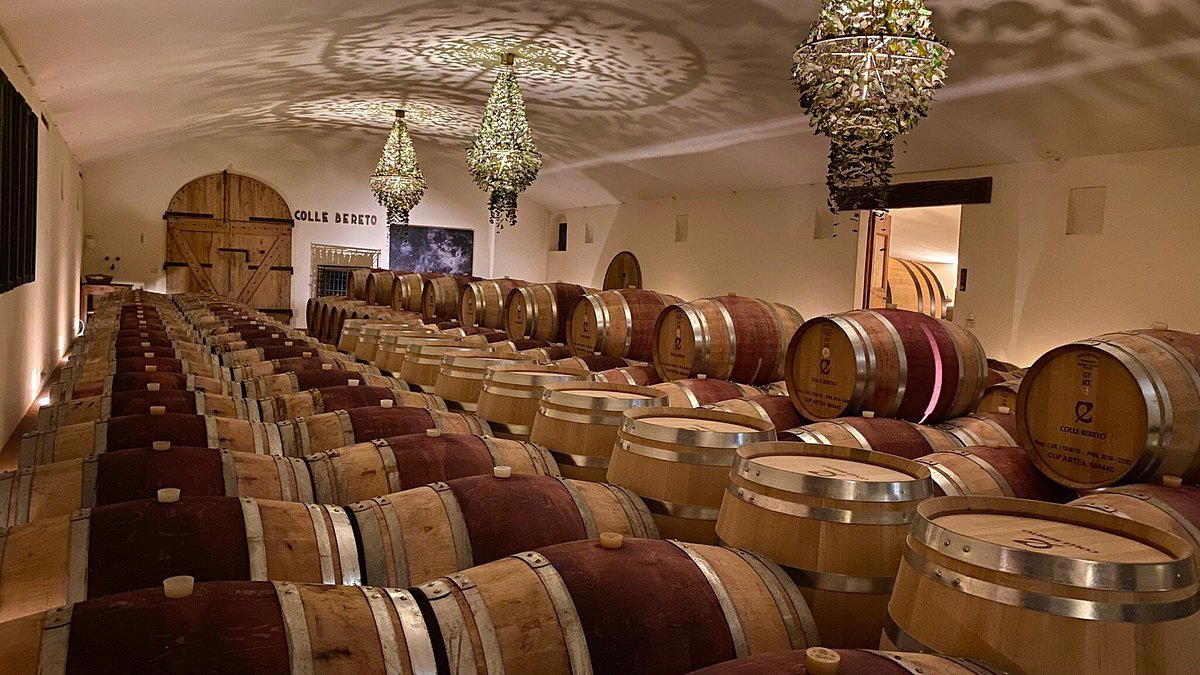
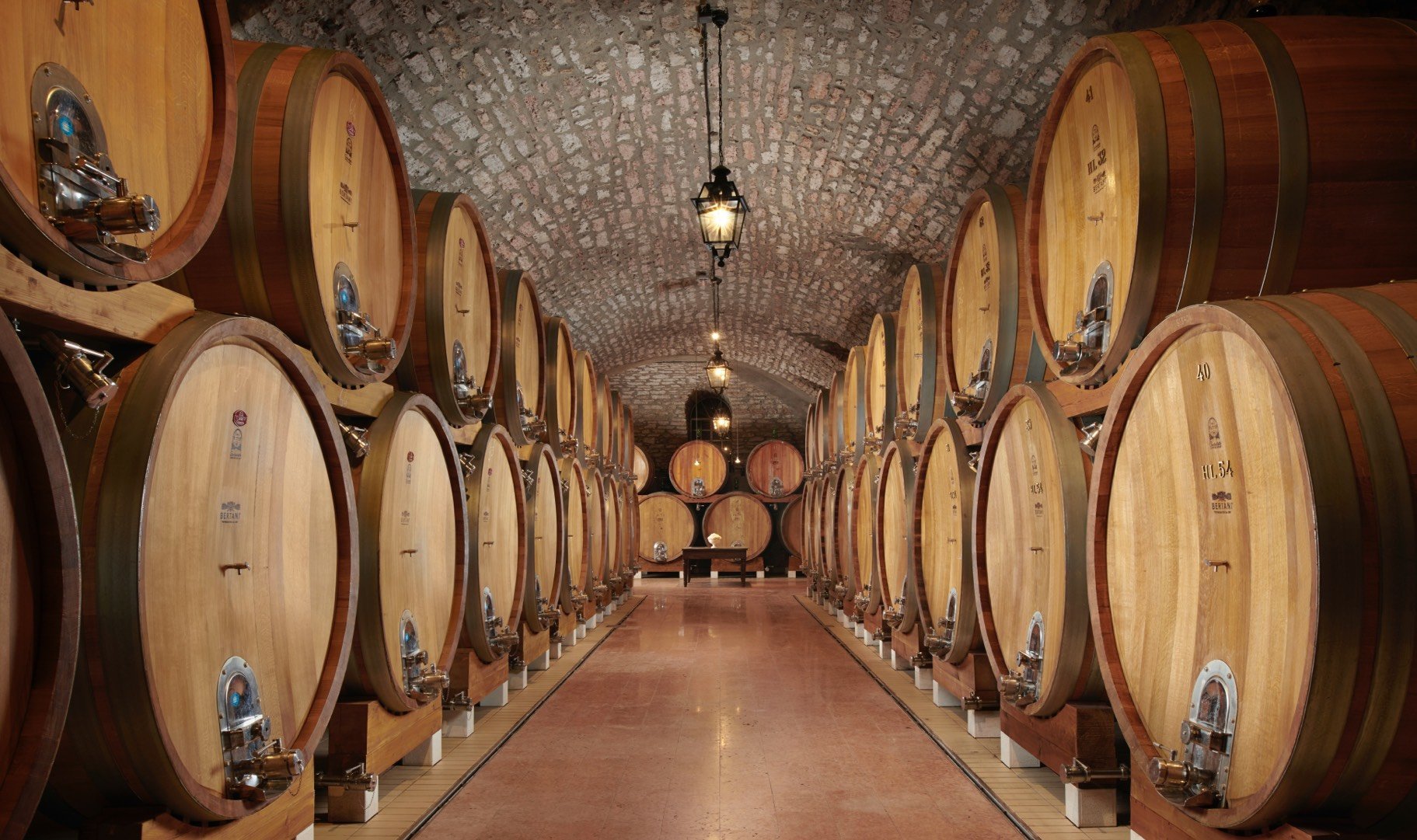
Traditional and elegant atmosphere in historic cellars with aged wooden barrels and a sense of timeless Veronese wine heritage.
Tags
Vibe
Best For
Experience
View
At the Vineyard
- Appellation
- Valpolicella Valpantena DOCG
- Varietals
- Corvina, Rondinella, Garganega, Corvinone, Molinara
- Visits
- By appointment only
- Wine Styles
- Still Red
- Wine Club
- Not available
Know before you go
Know Before You Go
- Getting there
- Via Asiago, 1, 37023 Grezzana VR
Planning details
Location
Recognition and awards

Also consider
Also Consider
- Giuseppe Quintarelli, Notable alternative
- Tommasi, Notable alternative
- Allegrini, Notable alternative
- Romano Dal Forno, Notable alternative
- Masi Agricola S.p.A., Notable alternative
Winery context
How Bertani compares in Valpolicella
Bertani is the practical pick when the brief is a polished, producer-led Valpolicella visit with enough weight for a special occasion. Giuseppe Quintarelli reads as the more collector-coded choice and is likely the tougher emotional sell for mixed groups, while Tommasi is the safer cross-shop if the priority is broader accessibility and a less high-stakes plan.
For value, Allegrini is the comparison to check before committing, especially if the group wants a recognizable Valpolicella name without making the whole day feel formal. Romano Dal Forno sits at the more intense end of the, better for drinkers who want the appointment itself to feel like the main event.
Masi Agricola S.p.A. is the sensible alternative when logistics and group comfort matter more than rarity. Choose Bertani when producer focus and occasion value matter; choose Masi or Tommasi when the group needs a smoother, lower-pressure day.
Explore Grezzana
Around this place
Discover more on Pearl
Unlock the full Bertani guide in Pearl, including awards, comparisons, FAQs, planning details, and nearby places.
Compare Bertani
| Venue | Location | Awards |
|---|---|---|
| Bertani | Grezzana | 2026 Falstaff Winery Guide |
| Giuseppe Quintarelli | Negrar | 2026 Falstaff Winery Guide |
| Tommasi | Pedemonte (San Pietro in Cariano) | No published awards |
| Allegrini | Fumane | 2026 Falstaff Winery Guide2025 Decanter Winery Prestige |
| Romano Dal Forno | Cellore d'Illasi | 2026 Falstaff Winery Guide |
| Masi Agricola S.p.A. | Sant'Ambrogio di Valpolicella | No published awards |

How Bertani Grezzana compares with similar nearby venues.
FAQ
Frequently Asked Questions
Is Bertani worth planning around?
Bertani is worth considering for its Grezzana location, Pearl 2 Star Prestige recognition for 2025, and smart casual dress code. Confirm any visit-specific details directly before making a decision.
When is the best time to visit Bertani?
What practical details should I confirm before visiting Bertani?
How long should I plan for a visit to Bertani?
What other venues should I compare with Bertani?
For comparison, consider Allegrini, Giuseppe Quintarelli, Masi Agricola S.p.A. Romano Dal Forno, and Tommasi, or look at other Grezzana options generically. Confirm each venue's location and practical details directly before planning a route.