

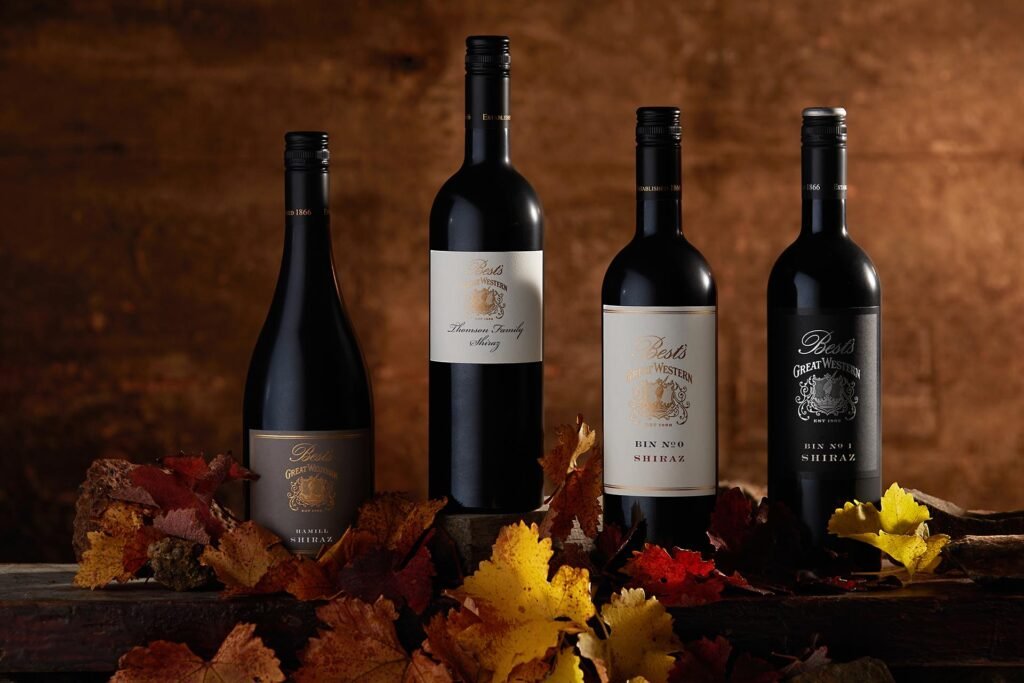
Best's Wines
Great Western
Winery in Great Western, Australia
 Book with Pearl
The Read
Old-Vine Grampians Terroir
Price
$10–20tasting
Why go
Book Best's Wines for a calm, wine-focused Great Western visit that suits anniversaries, small celebrations and serious tasting plans. It is a stronger fit for focused cellar-door time than for groups needing a full food-led afternoon, so confirm tasting format, capacity and any private option before building the day around it.
About Best's Wines
Best's Wines is a Great Western venue with a casual dress code and Pearl 3 Star Prestige recognition for 2025. To plan a visit, it's best to confirm details directly before you build a day around it.
The grounded case for considering it is simple: Best's Wines has confirmed recognition, but specific visit formats, food options, prices, opening hours, group capacity or booking requirements are not available. That makes it better to plan with a confirmation-first mindset rather than assuming a particular style of visit.
A considered visit makes sense if the occasion is the point
If Best's Wines is important to your Great Western itinerary, contact the venue directly to confirm what is available on your chosen date. Do not assume a private format, a food pairing, a specific structure or a particular group arrangement unless the venue confirms it.
Because pricing, hours and format details are not listed, treat this as a planning call rather than relying on a fixed itinerary. Ask what kind of visit is available, whether any booking is needed and whether the venue can suit your group size before making it the anchor of the day.
Use Great Western as the anchor, then widen the day if needed
For readers building a local itinerary, start with Best's Wines in Great Western, then arrange any food, transport and timing plans around whatever details the venue confirms. Other dining in Great Western should be checked separately before you commit to timings.
For a broader regional itinerary, compare Best's Wines with Seppelt Great Western, Mount Langi Ghiran, Dalwhinnie, Taltarni Vineyards and Blue Pyrenees Estate. These are useful reference points when you are deciding how far beyond Great Western to extend the day.
Bottom line: consider Best's Wines for a Great Western visit with confirmed Pearl 3 Star Prestige recognition in 2025. Before committing the whole day, confirm the practical details directly, especially if your group needs dining, specific timing or a particular visit format.
Planning details
- Location
- 111 Best's Road, Great Western VIC 3374
- Website
- bestswines.com
- Phone
- +61 3 5356 2250
The take
The Take
The Vibe
This Great Western estate reads as a quietly assured place where history and geology take center stage. The writing frames the winery around old vines rooted in volcanic red loam and a strong diurnal range, and that sense of terroir gives the site a sophisticated, contemplative air. The estate’s Pearl 3 Star Prestige recognition places it among upper-tier Australian producers, so visitors encounter a winery that feels both established and thoughtful rather than flashy. The overall impression is one of calm expertise: a rural, refined property that privileges site expression and structural wines over trend-driven theatrics.
Best For
The estate is best suited to visitors who want to come away with a deeper understanding of place-driven wines. Tasting here works well for structured wine education — the text emphasizes old vines, regional geology and the way cool nights shape flavour and acidity. The prestige of the property also makes it appropriate for special occasions or a measured solo visit when you want to focus on wines rather than spectacle. Small groups interested in terroir-driven discussion will also find the setting rewarding, especially if they value long-established plantings and site specificity.
Tasting Tips
When tasting, orient toward the region’s signatures: Shiraz is singled out and the text also notes Pinot Meunier and Pinot Noir. The description highlights a mineral grip that appears on the mid-palate and a structural tension driven by altitude and cool nights, so prioritise older-vine or single‑site Shiraz and the Pinot bottlings that speak to the site. Look for bottlings described as coming from deep red loam over clay and basalt; these are the wines most likely to show the mineral mid-palate and tensile acidity the essay emphasises.
Venue details
Ambiance
Rustic and atmospheric historic setting with charming cellar door in the original 1866 building, offering a timeless, elegant experience.
Tags
Vibe
Best For
Experience
Sourcing
View
Accessibility
At the Vineyard
- Appellation
- Great Western
- Varietals
- Shiraz, Riesling, Pinot Meunier, Cabernet Sauvignon, Pinot Noir
- Tour Duration
- 60-90 minutes
- Tour Languages
- English
- Visits
- By reservation
- Farming
- Sustainable
- Production
- Mid-size producer
- Wine Styles
- Still Red, Still White
- Food Pairing
- Offered
- Wine Club
- Available
Know before you go
Know Before You Go
- Getting there
- 111 Best's Road, Great Western VIC 3374
Planning details
Location
Also consider
If you cannot get in
Try Seppelt Great Western first if staying in Great Western matters. It keeps the itinerary simple and works well as a direct local fallback.
If the group is comfortable widening the day, Mount Langi Ghiran is the stronger cross-shop for a wine-led regional outing rather than a quick replacement stop.
Winery context
How it compares in Great Western and nearby wine country
Seppelt Great Western is the closest cross-shop for visitors who want another Great Western name on the same itinerary. Choose Best's Wines when the priority is a quieter, more focused tasting; choose Seppelt Great Western when the group wants a second local stop and a broader sense of the area.
Mount Langi Ghiran is the better comparison for travellers willing to widen the drive for a wine-first day, while Dalwhinnie suits readers building a more expansive regional itinerary. Best's Wines is the cleaner pick when Great Western itself is the anchor and the occasion needs less movement.
Taltarni Vineyards and Blue Pyrenees Estate make sense as backups if availability is tight or the group wants to compare another regional cellar-door style. For value, the smarter move is not to chase every nearby winery in one day; book one focused tasting here, then add one peer only if timing and transport are easy.
Explore Great Western
Around this place
Discover more on Pearl
Unlock the full Best's Wines guide in Pearl, including awards, comparisons, FAQs, planning details, and nearby places.
Compare Best's Wines
| Venue | Location | Awards |
|---|---|---|
| Best's Wines | Great Western | No published awards |
| Seppelt Great Western | Grampians | No published awards |
| Mount Langi Ghiran | Grampians | 2026 Falstaff Winery Guide |
| Dalwhinnie | Pyrenees | 2026 Falstaff Winery Guide |
| Taltarni Vineyards | Pyrenees | No published awards |
| Blue Pyrenees Estate | Pyrenees | No published awards |

How Best's Wines Great Western compares with similar nearby venues.
FAQ
Frequently Asked Questions
When is the best time to visit Best's Wines?
What should I confirm before visiting Best's Wines?
Best's Wines is in Great Western, has a casual dress code and Pearl 3 Star Prestige recognition for 2025. Opening hours, pricing, visit format or booking requirements are not available. Confirm those details directly before you go.
What other venues should I compare with Best's Wines?
Seppelt Great Western is a natural comparison if you want to keep the day focused on Great Western. If you are widening the route, Mount Langi Ghiran, Dalwhinnie, Taltarni Vineyards and Blue Pyrenees Estate are other names to compare against.
What is Best's Wines known for?
Best's Wines is a Great Western venue with a casual dress code and Pearl 3 Star Prestige recognition for 2025. Specific products, labels or visit experiences are not detailed.
How long should I plan for a visit to Best's Wines?
A visit length or format is not stated. Confirm the expected timing directly with Best's Wines before building the rest of your Great Western plans around it.