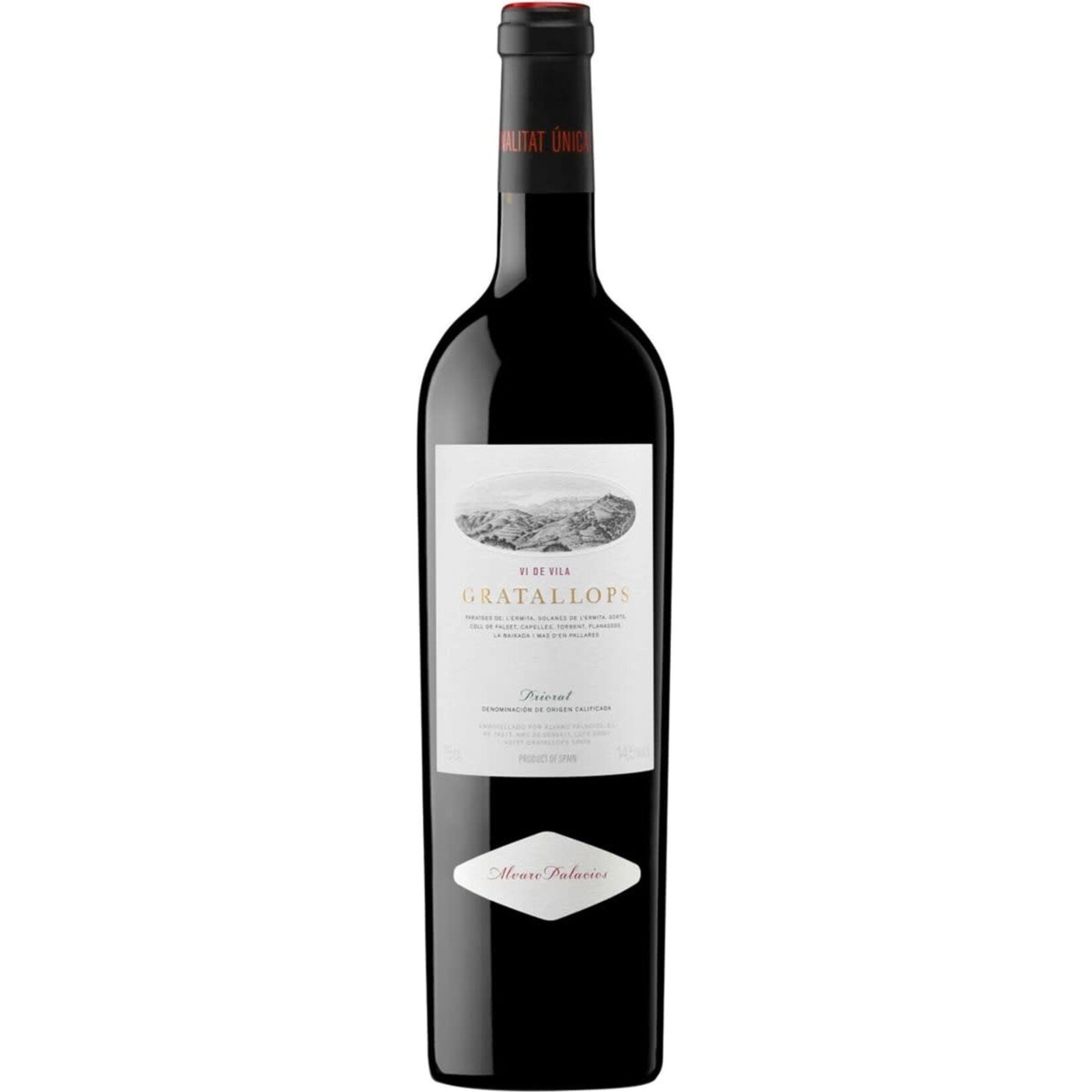

Álvaro Palacios
Gratallops
Winery in Gratallops, Spain
 Book with Pearl
The Read
Llicorella-Driven Single-Vineyard Priorat
Why go
Book Álvaro Palacios only if Priorat is the reason for the trip. It is better suited to serious wine drinkers, collectors, and special-occasion pairs than casual groups looking for an easy tasting-room stop. Cross-shop Clos Mogador in Gratallops if you want another high-priority local winery option.
About Álvaro Palacios
Álvaro Palacios is a Gratallops venue with a smart casual dress code and Pearl 2 Star Prestige recognition for 2025. Specific visit formats, prices, hours, menus, tasting options, and guest capacity should be checked directly with the venue before planning.
Use this as a cautious planning note rather than a promise of a particular experience. If Álvaro Palacios is central to your Gratallops itinerary, confirm practical details directly with the venue before arranging the rest of the day.
Planning around confirmed basics
For travelers considering Álvaro Palacios in Gratallops, the safest approach is to plan around the essentials: the venue, the city, the smart casual dress code, and its Pearl 2 Star Prestige recognition in 2025. Do not assume a specific visit format, visitor program, lunch service, or walk-in availability unless the venue confirms it directly.
If you are comparing options, Clos Mogador is another Gratallops name to consider. Scala Dei, Familia Torres, Bodegas Torres, and Gramona can also be useful reference points for broader planning, while other dining in Gratallops should be checked separately for current details.
Any upgraded, private, or group experience should be discussed with the venue before you plan around it. If you are planning a special occasion, client visit, or tightly scheduled itinerary, ask Álvaro Palacios directly about availability, timing, group suitability, and any requirements before making assumptions.
The clearest positioning is simple: Álvaro Palacios is in Gratallops, has a smart casual dress code, and holds Pearl 2 Star Prestige for 2025. Build the rest of the plan around details confirmed directly with the venue.
Planning details
- Location
- Polígono Industrial 6, Parcela, 26, 43737 Gratallops, Tarragona
- Website
- alvaropalacios.com
- Phone
- +34 977 83 91 95
The take
The Take
The Vibe
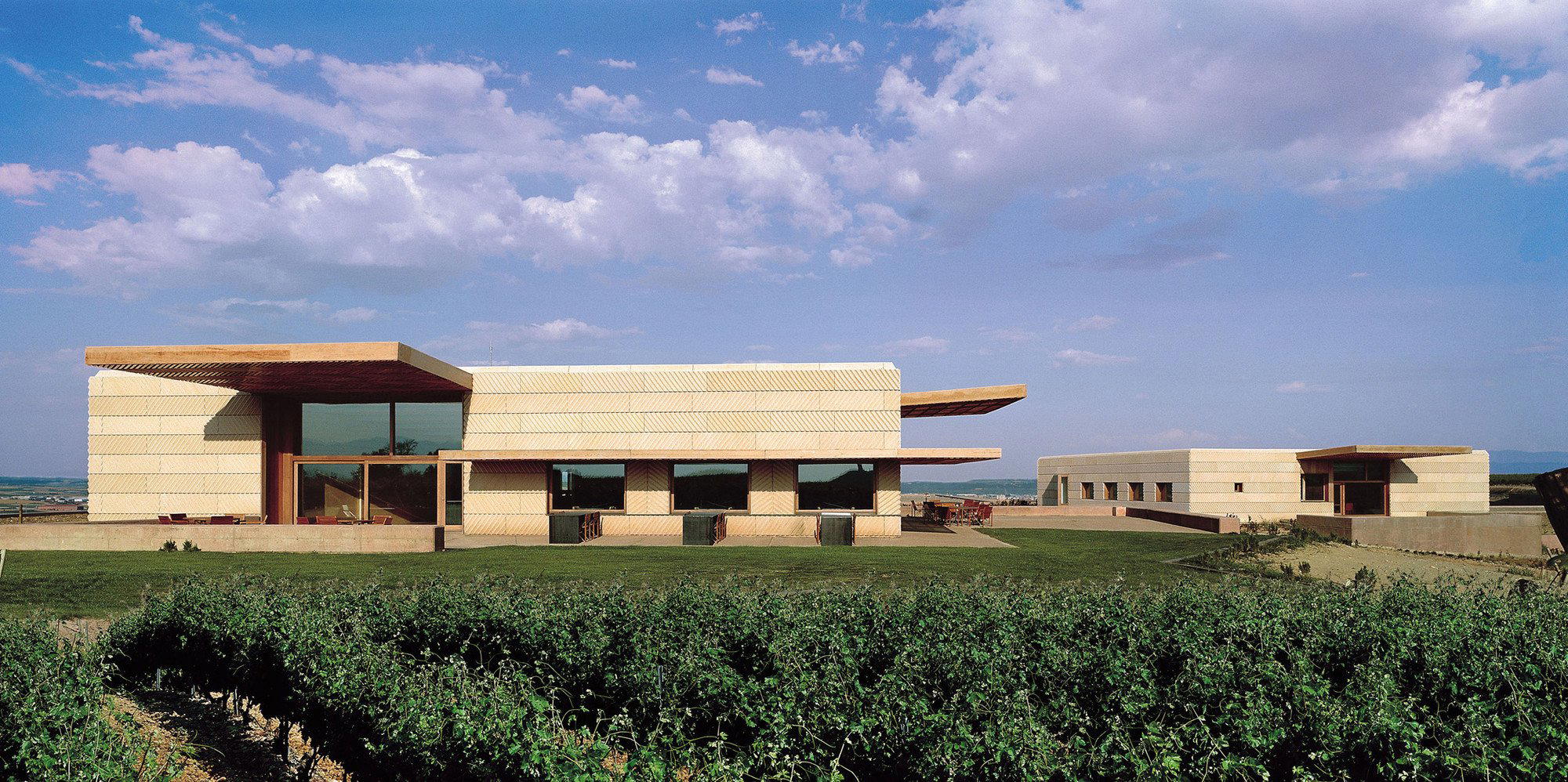
Álvaro Palacios reads like an argument for place. The copy foregrounds Priorat's llicorella — the thin, grey-black schist and slate — and positions the wines as direct translations of that terrain. This is a winery that trades on geological specificity and sustained critical respect: the estate is described as central to Priorat’s modern emergence and earns recent prestige recognition. The overall tone is refined and purposeful, pairing rustic, sun-baked viticulture with a clear sense of elite craft. Visitors encounter a thoughtful, terroir-first personality rather than a fashion-driven project.
Best For
The estate suits focused wine study and contemplative visits. The write-up frames Álvaro Palacios as a touchstone for understanding Priorat — its soils, old-vine Garnacha and Cariñena, and the ways llicorella shapes structure and tension — so it naturally fits wine-education outings and solo exploration for serious tasters. Given the estate’s place in the region’s upper tier and its critical recognition, it also works well for special occasions where the provenance and prestige of the bottle matter. The emphasis is on learning the land through the wines rather than casual drinking.
Tasting Tips
When tasting here, prioritize varietal and vineyard expressions tied to llicorella. The text highlights old-vine Garnacha and Cariñena as the primary players: ask for wines that showcase old-vine Garnacha’s high alcohol balanced by structural acidity and Cariñena’s darker fruit and tannic backbone. Pay attention to mineral tension and how wines evolve with time in bottle — many of these releases reward patience. Framing your tasting around comparative samples that show differences in site, vine age or vintage will best reveal what Priorat’s schist-and-slate soils contribute.
Venue details
Ambiance
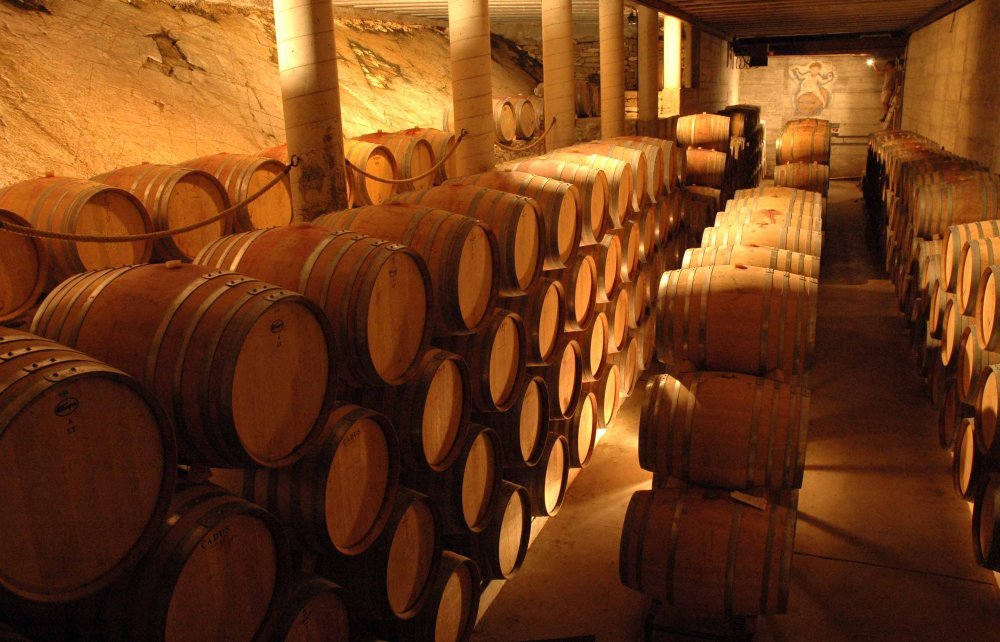
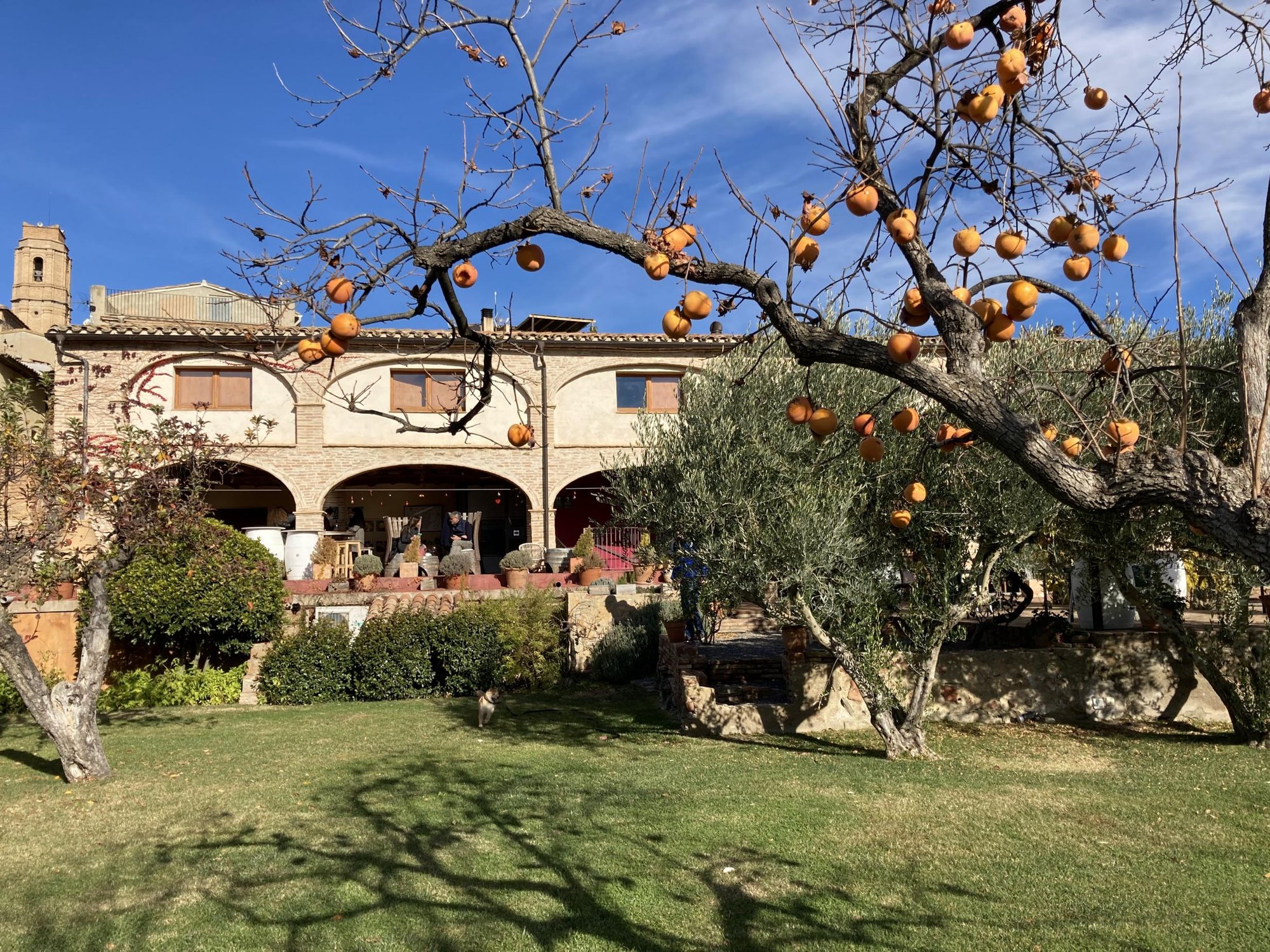
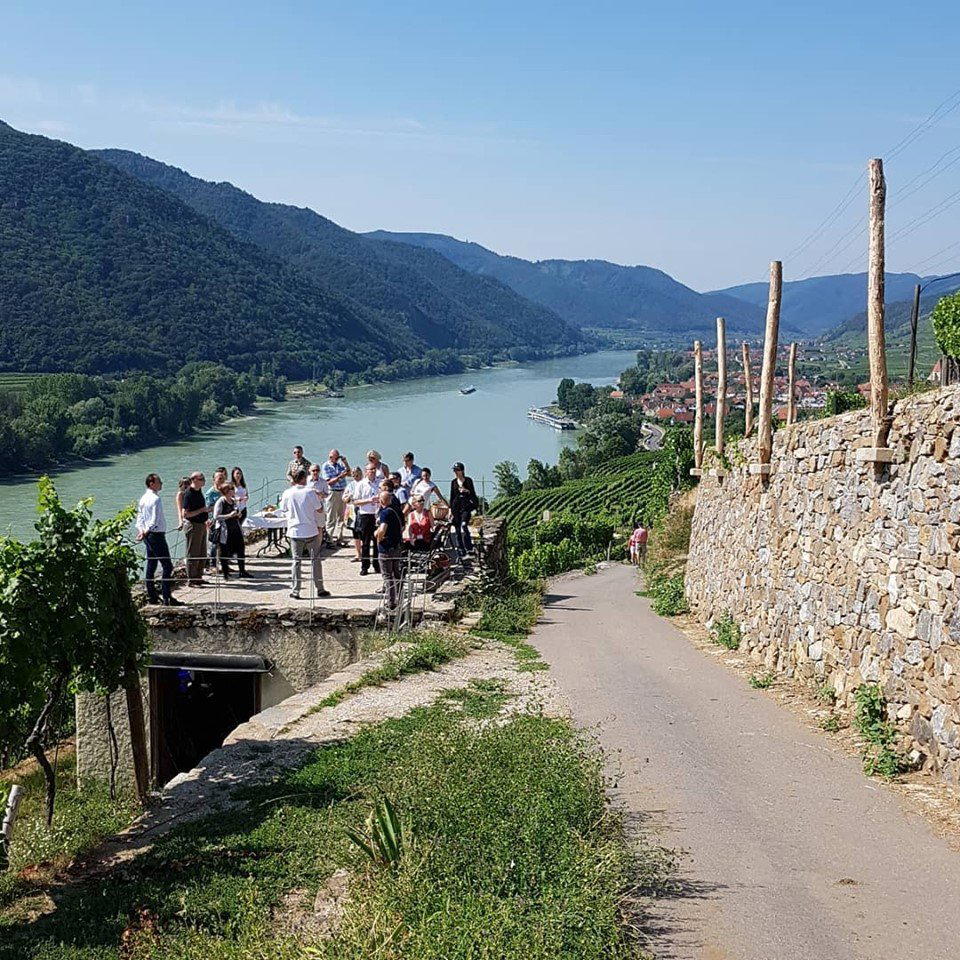
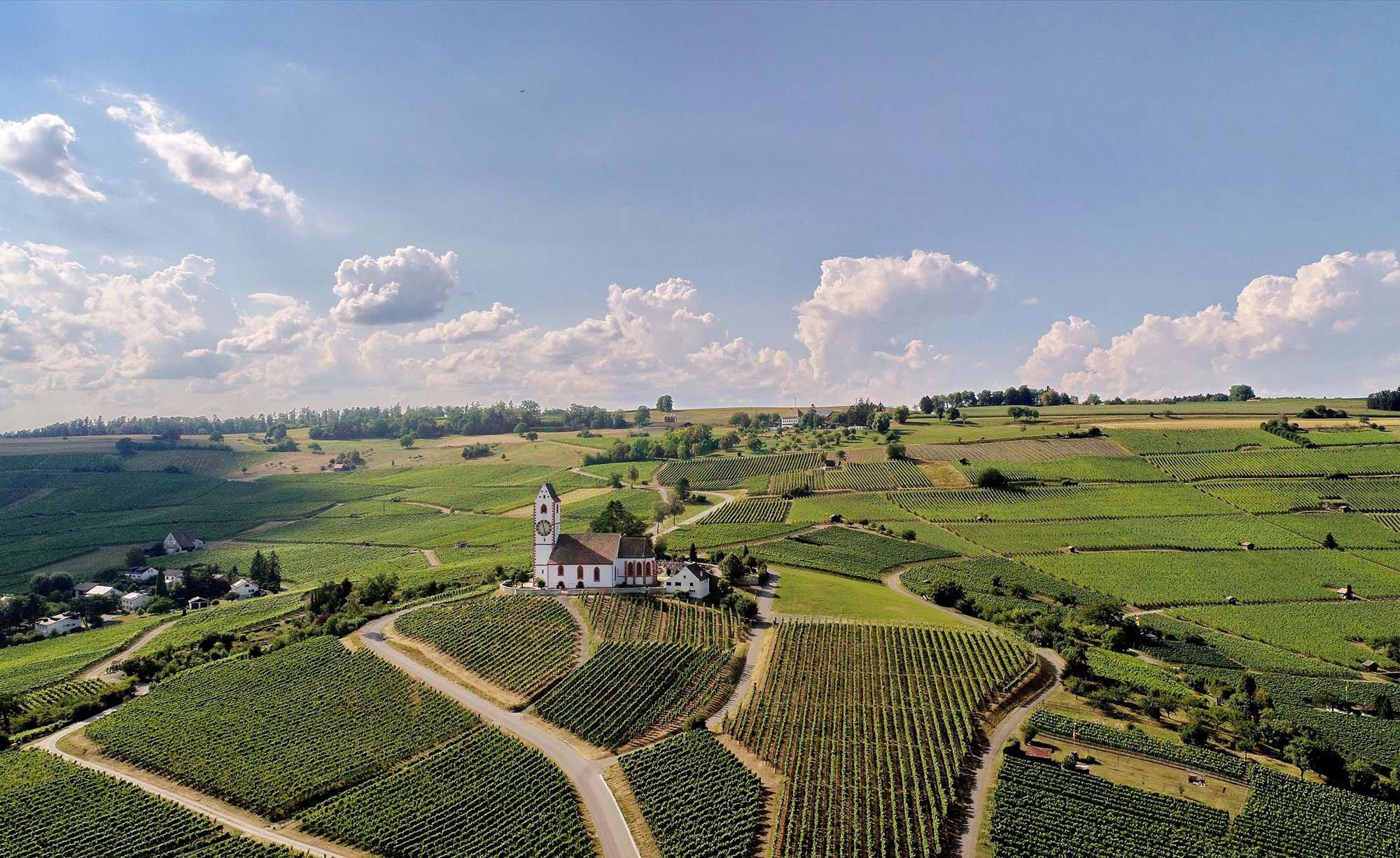
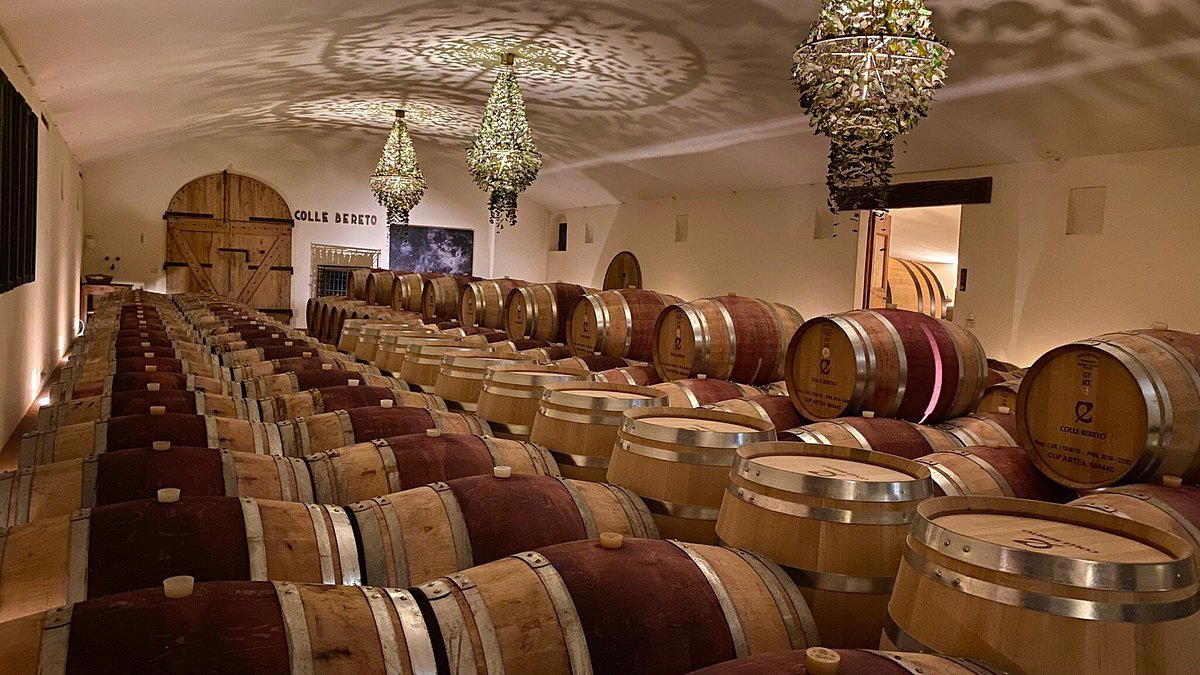
Rustic and elegant atmosphere amid steep terraced vineyards with a focus on terroir-driven precision and heritage.
Tags
Vibe
Best For
Experience
Sourcing
View
At the Vineyard
- Appellation
- Priorat
- Varietals
- Garnacha, Cariñena, Cabernet Sauvignon, Syrah, Merlot
- Tour Duration
- 60-90 minutes
- Tour Languages
- Spanish, English
- Visits
- By appointment only
- Farming
- Biodynamic
- Production
- Small producer
- Wine Styles
- Still Red
- Wine Club
- Available
Know before you go
Know Before You Go
- Getting there
- Polígono Industrial 6, Parcela, 26, 43737 Gratallops, Tarragona
Planning details
Location
Polígono Industrial 6, Parcela, 26, 43737 Gratallops, Tarragona · Directions
Recognition and awards

Also consider
Also Consider
- Clos Mogador, Notable alternative
- Scala Dei, Notable alternative
- Familia Torres, Notable alternative
- Bodegas Torres, Notable alternative
- Gramona, Notable alternative
Winery context
How it compares in and beyond Gratallops
Within Gratallops, Álvaro Palacios and Clos Mogador are the sharper comparison for serious Priorat planning. Choose Álvaro Palacios when the trip is built around prestige and a focused wine appointment; choose Clos Mogador when you want another Gratallops anchor with a similarly serious local frame.
Scala Dei is the better fit if the group wants Priorat with a stronger heritage cue and potentially broader appeal. Familia Torres and Bodegas Torres make more sense for travelers who want a larger Catalan wine reference point rather than a tightly focused Gratallops stop.
Gramona is not the same kind of decision: it is the smarter cross-shop for guests whose priority is sparkling wine rather than Priorat reds. If the occasion is a wine-serious celebration in Gratallops, keep Álvaro Palacios high on the list; if ease, breadth, or group accessibility matters more, the Torres options are safer.
Explore Gratallops
Around this place
Discover more on Pearl
Unlock the full Álvaro Palacios guide in Pearl, including awards, comparisons, FAQs, planning details, and nearby places.
Compare Álvaro Palacios
| Venue | Location | Awards |
|---|---|---|
| Álvaro Palacios | Gratallops | 2026 Falstaff Winery Guide |
| Clos Mogador | Gratallops | 2026 Falstaff Winery Guide |
| Scala Dei | Escaladei | 2026 Falstaff Winery Guide |
| Familia Torres | Pacs del Penedès | 2022 World's 50 Best Vineyards · #342021 World's 50 Best Vineyards · #262020 World's 50 Best Vineyards · #422019 World's 50 Best Vineyards · #28 |
| Bodegas Torres | Vilafranca del Penedès | No published awards |
| Gramona | Sant Sadurní d'Anoia | 2026 Falstaff Winery Guide2025 World's 50 Best Vineyards · #252024 World's 50 Best Vineyards · #45 |

How Álvaro Palacios Gratallops compares with similar nearby venues.
FAQ
Frequently Asked Questions
What should I know about Álvaro Palacios?
Álvaro Palacios is a Gratallops venue with a smart casual dress code and Pearl 2 Star Prestige recognition for 2025.
What practical details should I confirm before visiting Álvaro Palacios?
How long should I plan for a visit to Álvaro Palacios?
Are special arrangements available at Álvaro Palacios?
Ask Álvaro Palacios directly about any current options before comparing plans with Familia Torres or Bodegas Torres.
Do I need a reservation at Álvaro Palacios?
Because Álvaro Palacios holds Pearl 2 Star Prestige for 2025, it is sensible to confirm arrangements directly before visiting Gratallops.
What other venues can I compare with Álvaro Palacios?
Clos Mogador is another Gratallops name to consider. Scala Dei, Familia Torres, Bodegas Torres, and Gramona are also useful broader reference points, though they should not be treated as identical to a Gratallops visit.
Can Álvaro Palacios handle large groups?
Contact Álvaro Palacios directly before planning for a large party in Gratallops.