

Stefano Lubiana
Granton
Winery in Granton, Australia
 Book with Pearl
The Read
Cool-Climate Terroir Farming
Why go
Book Stefano Lubiana if a serious Granton winery stop is the purpose of the day, not a casual fallback. The value case rests on planning ahead and treating it as a focused visit; if logistics are tight, cross-shop Moorilla Estate, Tolpuddle Vineyard, Pooley, Lark, or Lark Distillery instead.
About Stefano Lubiana
Is Stefano Lubiana worth visiting in Granton? It may be, especially for travellers who want to include a Pearl 2 Star Prestige (2025) venue in a Granton plan. The safest way to approach it is as a planned stop rather than a place to judge from assumptions about format, pricing, hours, food, or services.
The clearest signals are its Granton location, smart casual dress code, and Pearl 2 Star Prestige (2025) recognition. Confirm the current experience directly before building an itinerary around it, and check what is actually available on the day.
Choose it as a planned Granton stop, not a loose day out
Because the information is intentionally narrow, Stefano Lubiana is best treated as a venue to research before arrival. That matters for value: without details on service format, opening pattern, prices, food, or group arrangements, the visit should be anchored by up-to-date information from the venue rather than assumptions. For broader planning, use current Granton resources and confirm any details that matter before you travel.
If you are comparing it with other recognised names, keep the comparison broad and practical. Lark, Lark Distillery, Moorilla Estate, Tolpuddle Vineyard, and Pooley may be useful reference points depending on the kind of day you are planning, but Stefano Lubiana should be assessed on current details rather than presumed similarities.
Best timing is before the itinerary gets crowded
The strongest strategy is to check details early, then shape the rest of the day around confirmed plans. If the available experience does not fit your timing, compare it with another option rather than forcing the itinerary around uncertain logistics. That approach protects the rest of the trip from being dominated by one unresolved stop, especially when travellers also want room for meals, transfers, or another venue.
For a Granton visit, the main grounded reasons to consider Stefano Lubiana are simple: it is in Granton, it carries Pearl 2 Star Prestige (2025), and the dress code is smart casual. Book or plan only after confirming the current offer directly, especially if you need specific arrangements.
Planning details
- Location
- 60 Rowbottoms Rd, Granton TAS 7030
- Website
- slw.com.au
- Phone
- +61 434 821 118
The take
The Take
The Vibe
Stefano Lubiana sits within the cool-climate sweep of the Derwent Valley and presents an assured, sophisticated presence rather than a tourist spectacle. The writing emphasizes terroir — river influence, basalt and dolerite soils, terraced slopes — and the tasting room experience centers on wines that show structural seriousness and provenance. The property reads as contemplative and refined: a place where geography does the talking and the house style favors restraint over overt fruit. Visiting feels like stepping into a focused study of place-driven Pinot, Chardonnay and sparkling base material rather than a rowdy cellar-door scene.
Best For
The winery suits visitors who prioritize learning about cool-climate viticulture and tasting wines that reflect place and technique. The copy positions Stefano Lubiana as a regional reference point and a logical anchor for a half-day excursion from Hobart, so it works well for wine-education minded travellers and anyone linking a city meal itinerary with regional producers. Its Prestige rating and emphasis on structure make it a fitting stop for those seeking serious bottles for special occasions or for sommeliers and enthusiasts comparing Tasmanian examples with northern-hemisphere counterparts.
Tasting Tips
When tasting here, lean toward varieties the Derwent Valley favors: Pinot Noir and Chardonnay, plus sparkling base wines that benefit from the region's natural acidity. The description flags wines with structure and restraint rather than jammy ripeness, so expect focused acidity and layered mineral notes. Use the property's Pearl 2 Star Prestige rating as a signal to prioritize bottlings that showcase provenance and balance. Plan a relaxed visit — the text frames the winery as part of a half-day itinerary — so you have time to taste across styles and understand how cool-climate conditions shape each wine.
Venue details
Ambiance
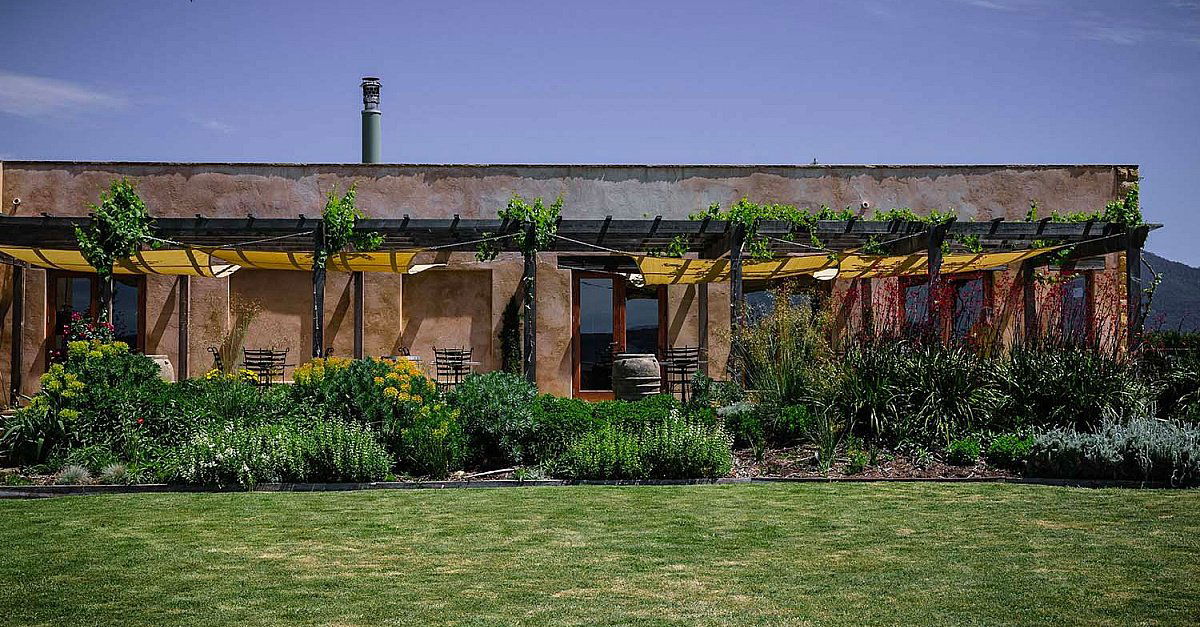
Tuscan-inspired Italian villa set amongst vines with river views, open fires, and relaxing garden patios.
Tags
Vibe
Best For
Experience
Sourcing
View
At the Vineyard
- Appellation
- Southern Tasmania
- Varietals
- Pinot Noir, Chardonnay, Riesling, Sauvignon Blanc, Pinot Gris
- Tour Duration
- 60-90 minutes
- Visits
- By reservation
- Farming
- Biodynamic
- Production
- Small producer
- Wine Styles
- Still Red, Still White, Sparkling
- Food Pairing
- Offered
- Wine Club
- Available
Know before you go
Know Before You Go
- Getting there
- 60 Rowbottoms Rd, Granton TAS 7030
Planning details
Location
Also consider
Also Consider
- Moorilla Estate, Notable alternative
- Lark, Notable alternative
- Tolpuddle Vineyard, Notable alternative
- Lark Distillery, Notable alternative
- Pooley, Notable alternative
Winery context
Against Moorilla Estate, Stefano Lubiana is the more focused choice for travellers prioritising a winery-led visit over a broader destination feel. Moorilla Estate is the safer cross-shop if the group wants a bigger, more flexible outing, while Stefano Lubiana is better when the day is built around producer depth and a tighter wine agenda.
Compared with Tolpuddle Vineyard and Pooley, this is a strong pick for wine-first travellers who are willing to plan around availability. Tolpuddle Vineyard and Pooley make sense as alternatives if the booking window or group logistics are easier there; Stefano Lubiana is the one to prioritise when Granton is already the anchor and the visit needs to feel intentional rather than incidental.
Lark and Lark Distillery are better fits for spirits-led itineraries or mixed groups where not everyone wants a winery stop. Choose Stefano Lubiana for a wine-focused day; choose the Lark options when the group wants a broader tasting format and a less wine-specific plan.
Explore Granton
Around this place
Discover more on Pearl
Unlock the full Stefano Lubiana guide in Pearl, including awards, comparisons, FAQs, planning details, and nearby places.
Compare Stefano Lubiana
| Venue | Location | Awards |
|---|---|---|
| Stefano Lubiana | Granton | No published awards |
| Moorilla Estate | Hobart | 2026 Falstaff Winery Guide |
| Lark | Pontville | No published awards |
| Tolpuddle Vineyard | Richmond | 2026 Falstaff Winery Guide |
| Lark Distillery | Hobart | No published awards |
| Pooley | Richmond | No published awards |

How Stefano Lubiana Granton compares with similar nearby venues.
FAQ
Frequently Asked Questions
Where is Stefano Lubiana?
What recognition does Stefano Lubiana have?
Stefano Lubiana holds Pearl 2 Star Prestige (2025). Pooley and Tolpuddle Vineyard can be useful comparison points for travellers considering other options.
Can Stefano Lubiana handle large groups?
Large-group arrangements are not established. Plan ahead and confirm directly with the venue before assuming group capacity, format, or availability. Moorilla Estate may be another option to compare when organising a broader day.
What is the dress code at Stefano Lubiana?
The dress code is smart casual. Stefano Lubiana is in Granton and holds Pearl 2 Star Prestige (2025); compare it with Lark Distillery by your trip purpose rather than by assumed services.
Does Stefano Lubiana serve food?
Food service details are not established. Do not count on a meal or snack offering unless you confirm it directly before visiting. If the goal is a day with multiple stops, compare current details with Moorilla Estate or other dining in Granton.
How long should I plan for a visit to Stefano Lubiana?
No visit length is established. Set aside time only after confirming the current experience with the venue, and avoid stacking too many plans around uncertain timing. Pooley may be another point of comparison when shaping a broader itinerary.
Do I need a reservation at Stefano Lubiana?
Reservation requirements are not established. The prudent approach is to confirm availability directly before visiting, especially if you are comparing Stefano Lubiana with Tolpuddle Vineyard or another planned stop.