
Weingut Willi Schaefer
Graach, Graach an der Mosel
Winery in Graach an der Mosel, Germany
 Book with Pearl
The Read
Steep-Slate Riesling Precision
Price
$50–100tasting
Why go
Weingut Willi Schaefer is worth prioritizing for serious Mosel Riesling drinkers who want a focused, low-noise producer visit in Graach an der Mosel. It is not the easiest choice for casual drop-ins or larger groups, so treat it as a specialist appointment and cross-shop nearby Mosel peers if confirmed access is difficult.
About Weingut Willi Schaefer
Weingut Willi Schaefer is a Pearl 3 Star Prestige venue in Graach an der Mosel for 2025. Beyond that confirmed recognition and its smart casual dress code, public-facing planning details should be treated carefully: do not assume specific opening hours, visitor formats, food service, prices, group capacity, or appointment procedures unless you have confirmed them directly with the venue.
If Weingut Willi Schaefer is central to your Graach an der Mosel plans, confirm the practical details before building a day around it, and keep backup options in mind if your preferred timing is not available.
Book this for a confirmed Graach an der Mosel visit, not assumptions
The key decision is certainty. Weingut Willi Schaefer has Pearl 3 Star Prestige recognition and a smart casual dress code, but a specific visitor format is not established. That means you should avoid planning around unconfirmed details such as a particular tasting style, meal service, price level, or group setup.
For a smoother itinerary, confirm the essentials directly before you go: whether visitors are being received, what timing is possible, and what the venue expects from guests. If the visit is part of a broader stay, use Graach an der Mosel planning resources for other arrangements without assuming Weingut Willi Schaefer offers any specific add-on service.
Who should prioritize it over other comparison venues
Prioritize Weingut Willi Schaefer if you want a recognized Graach an der Mosel venue with Pearl 3 Star Prestige status and you are comfortable confirming the practical details yourself. It is less suitable as a spontaneous stop if your plans depend on guaranteed hours, a defined service format, or detailed public information.
If you are comparing options, consider Weingut Dr. Loosen, Weingut Fritz Haag, Weingut Joh. Jos. Prüm, Weingut Markus Molitor, or Weingut Selbach-Oster as natural reference points. Keep the comparison practical: verify each venue's current visitor arrangements directly rather than assuming the same format, scale, or availability across them.
Planning details
- Location
- Hauptstraße 130, 54470 Graach an der Mosel
- Website
- weingut-willi-schaefer.de
- Phone
- +4965318041
The take
The Take
The Vibe
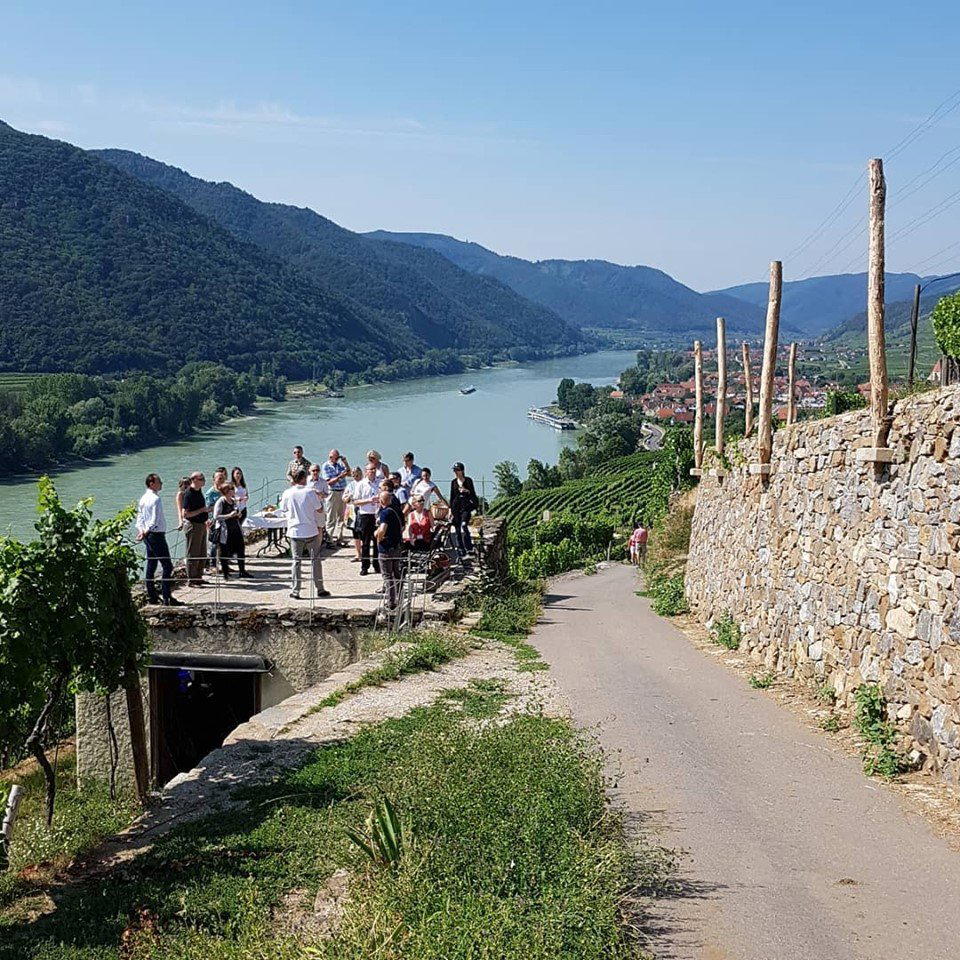
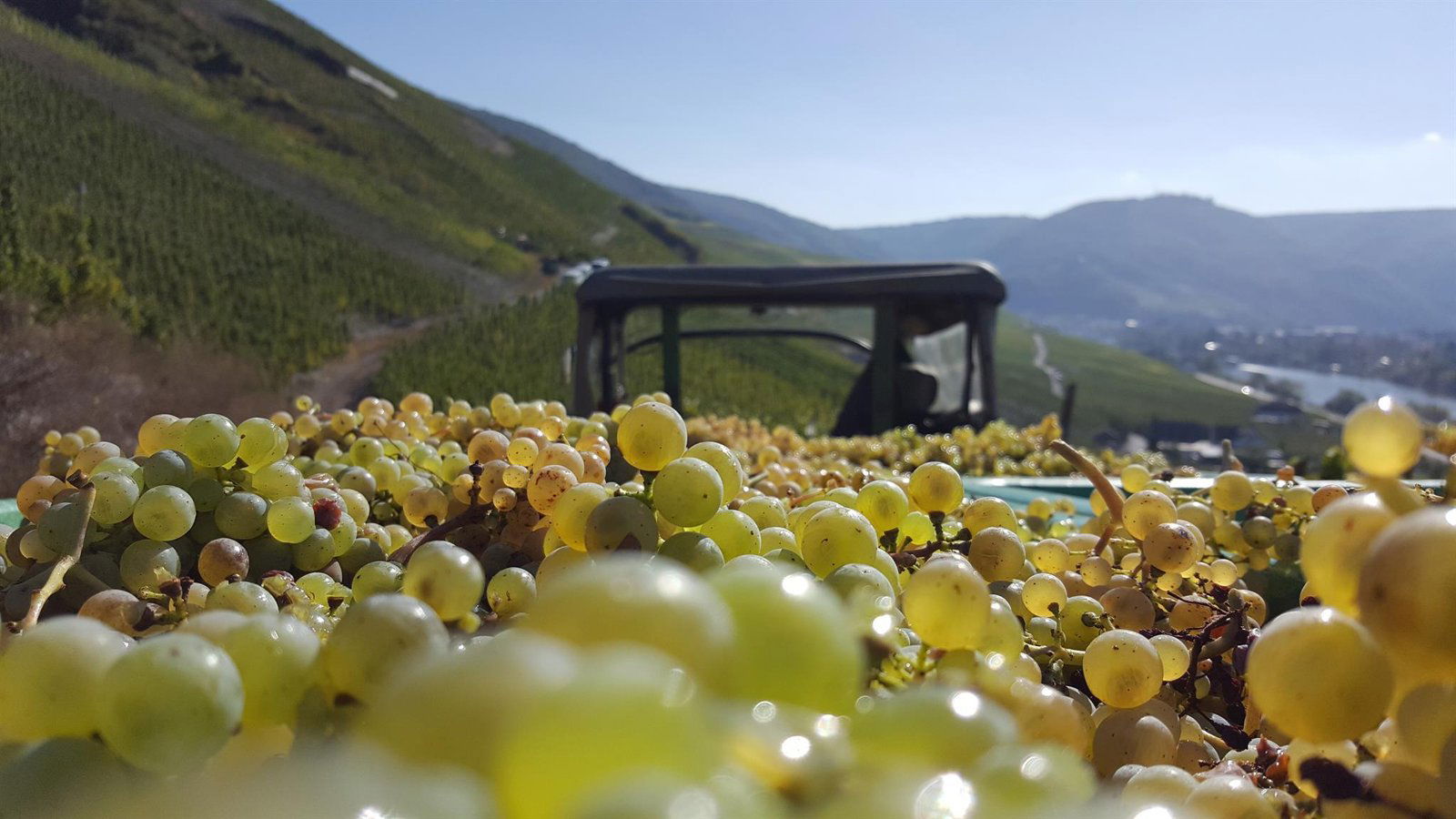
Willi Schaefer reads like a concentrated expression of the Mosel itself: steep, south-facing slopes of blue-grey Devonian slate, a compact village setting, and a family-run estate that treats site and vintage with reverence. The writing emphasizes geology and tradition more than showmanship, and the producer’s Pearl 3 Star Prestige rating signals serious, long-term craft rather than marketing flash. Visitors encounter an understated, highly focused place where Riesling is the language and the hardscrabble vineyards are the characters that define each bottle.
Best For
This estate is best for people who want to understand Mosel Riesling in context. The description foregrounds site-specific vineyards and the region’s Prdikats, so it suits focused wine-education visits and collectors or couples marking a special occasion. The small-village, family-estate setting also makes it a good pick for solo exploration: you can concentrate on detailed differences in slate-driven expressions and vintage decisions without the trappings of a larger, tourist-oriented operation.
Tasting Tips
When tasting here, prioritize the site names and the range of Prdikats the producer bottles. The description calls out Domprobst and Himmelreich and the local practice of choosing among Grosses Gewchs down to Trockenbeerenauslese, so ask to try examples across that spectrum. Focus your questions on how the estate apportions fruit and how vintage conditions influence sweetness and selection; those are the decisions the write-up highlights as central to what makes Willi Schaefer distinctive.
Venue details
Ambiance
Intimate, traditional family winery with a focus on understated elegance and reverence for terroir; low-intervention winemaking philosophy creates crystalline, ethereal wines that reflect the cool minerality of the Mosel.
Tags
Vibe
Best For
Experience
Sourcing
View
At the Vineyard
- Appellation
- Mosel
- Varietals
- Riesling
- Tour Duration
- 90-120 minutes
- Tour Languages
- German, English
- Visits
- By appointment only
- Farming
- Organic
- Wine Styles
- Still White
- Shipping
- Available
- Wine Club
- Available
Know before you go
Know Before You Go
- Getting there
- Hauptstraße 130, 54470 Graach an der Mosel
Planning details
Location
Recognition and awards

Also consider
Also Consider
- Weingut Dr. Loosen, Notable alternative
- Weingut Joh. Jos. Prüm, Notable alternative
- Weingut Markus Molitor, Notable alternative
- Weingut Selbach-Oster, Notable alternative
- Weingut Fritz Haag, Notable alternative
Winery context
How it compares with Mosel peers
Against Weingut Dr. Loosen and Weingut Markus Molitor, Weingut Willi Schaefer is the more specialist choice for a quieter, tightly focused Mosel visit. Pick it if the priority is depth over visitor infrastructure. Pick Dr. Loosen or Markus Molitor if the group needs a broader, more easily legible Mosel stop with a bigger-name feel.
Weingut Joh. Jos. Prüm is the closest comparison for serious Riesling intent: both suit travelers who are planning around producer reputation rather than casual tasting convenience. If access is the deciding factor, keep Weingut Selbach-Oster and Weingut Fritz Haag in the mix, especially for a Mosel itinerary that needs backup options without dropping into generic wine tourism.
For value, the better question is not a tasting fee; it is whether the visit improves the bottles a traveler will buy afterward. Weingut Willi Schaefer is strongest for small groups who want a calm, detail-heavy appointment. For mixed-interest groups, the safer cross-shop is Dr. Loosen or Markus Molitor; for Riesling-focused travelers, Joh. Jos. Prüm is the natural alternative.
Explore Graach an der Mosel
Around this place
Discover more on Pearl
Unlock the full Weingut Willi Schaefer guide in Pearl, including awards, comparisons, FAQs, planning details, and nearby places.
Compare Weingut Willi Schaefer
| Venue | Location | Awards |
|---|---|---|
| Weingut Willi Schaefer | Graach an der Mosel | 2026 Falstaff Winery Guide |
| Weingut Dr. Loosen | Bernkastel-Kues | 2026 Falstaff Winery Guide2025 World's 50 Best Vineyards · #162024 World's 50 Best Vineyards · #92023 World's 50 Best Vineyards · #122022 World's 50 Best Vineyards · #142021 World's 50 Best Vineyards · #462020 World's 50 Best Vineyards · #152019 World's 50 Best Vineyards · #10 |
| Weingut Joh. Jos. Prüm | Bernkastel-Wehlen | 2026 Falstaff Winery Guide |
| Weingut Markus Molitor | Bernkastel-Wehlen | 2026 Falstaff Winery Guide |
| Weingut Selbach-Oster | Zeltingen-Rachtig | 2026 Falstaff Winery Guide |
| Weingut Fritz Haag | Brauneberg | 2026 Falstaff Winery Guide |

How Weingut Willi Schaefer compares with similar nearby venues.
FAQ
Frequently Asked Questions
What is confirmed about Weingut Willi Schaefer?
Weingut Willi Schaefer is a venue in Graach an der Mosel with Pearl 3 Star Prestige recognition for 2025 and a smart casual dress code.
What other venues can I compare with Weingut Willi Schaefer?
For comparison, look at Weingut Joh. Jos. Prüm, Weingut Fritz Haag, Weingut Selbach-Oster, Weingut Dr. Loosen, and Weingut Markus Molitor. Confirm each venue's location, availability, and visitor arrangements directly before building an itinerary.
When is the best time to visit Weingut Willi Schaefer?
The best season, day, or time to visit is not established. Plan around confirmed availability from Weingut Willi Schaefer rather than assuming a particular schedule.