Domaine René Bouvier
Gevrey-Chambertin
Winery in Gevrey-Chambertin, France
 Book with Pearl
The Read
Côte de Nuits Cellar Precision
Why go
Book Domaine René Bouvier if you are planning a serious Gevrey-Chambertin wine day and want a focused Burgundy appointment rather than a casual tasting-room stop. It is better suited to repeat visitors comparing producers than first-timers chasing famous labels, and the visit should be planned as a primary appointment, not a filler between meals.
About Domaine René Bouvier
Domaine René Bouvier is a Gevrey-Chambertin venue with Pearl 2 Star Prestige (2025) recognition. For travellers deciding whether to include it in a trip plan, the strongest hooks are simple: the venue is in Gevrey-Chambertin, it carries Pearl 2 Star Prestige recognition, and the dress code is smart casual.
Plan carefully and confirm practical arrangements such as hours, pricing, format, services, and visit logistics directly before building an itinerary around it. For broader local planning, you can also use our full Gevrey-Chambertin guide.
A Gevrey-Chambertin stop for careful planners
The case for considering Domaine René Bouvier is clearest if you are comparing a focused set of Gevrey-Chambertin names rather than relying on assumptions about specific formats or services. Natural points of comparison include Domaine Fourrier, Domaine Rossignol-Trapet, Domaine Trapet Père et Fils, Domaine Joseph Roty, and Domaine Pierre Damoy.
Keep the planning disciplined: confirm availability, timing, and any visit conditions directly with the venue. The dress code is smart casual, so it is sensible to dress neatly without treating the stop as formal.
How to think about the value
To judge value, avoid assuming a specific format or pricing structure. Treat Domaine René Bouvier as a Gevrey-Chambertin venue with Pearl 2 Star Prestige (2025), then decide whether that recognition and its place among comparable names make it a priority for your trip.
If your schedule is limited, compare it against other named options such as Domaine Fourrier, Domaine Joseph Roty, Domaine Pierre Damoy, Domaine Rossignol-Trapet, and Domaine Trapet Père et Fils. If you need exact practical details, confirm them before you go rather than relying on assumptions about service, access, or availability.
Planning details
- Location
- Chem. du Saule, 21220 Brochon
- Website
- renebouvier.com
- Phone
- +33 3 80 52 21 37
The take
The Take
The Vibe
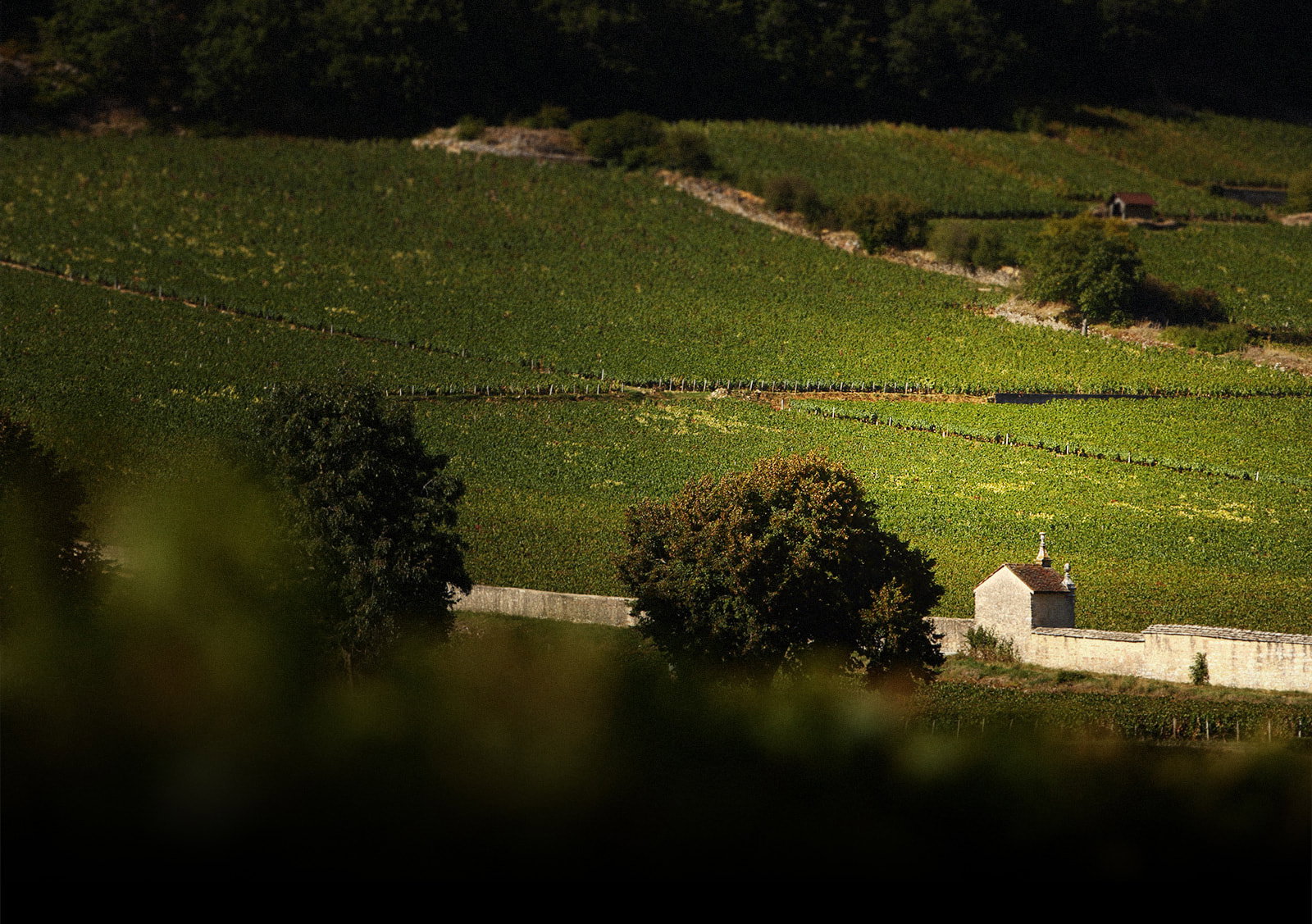
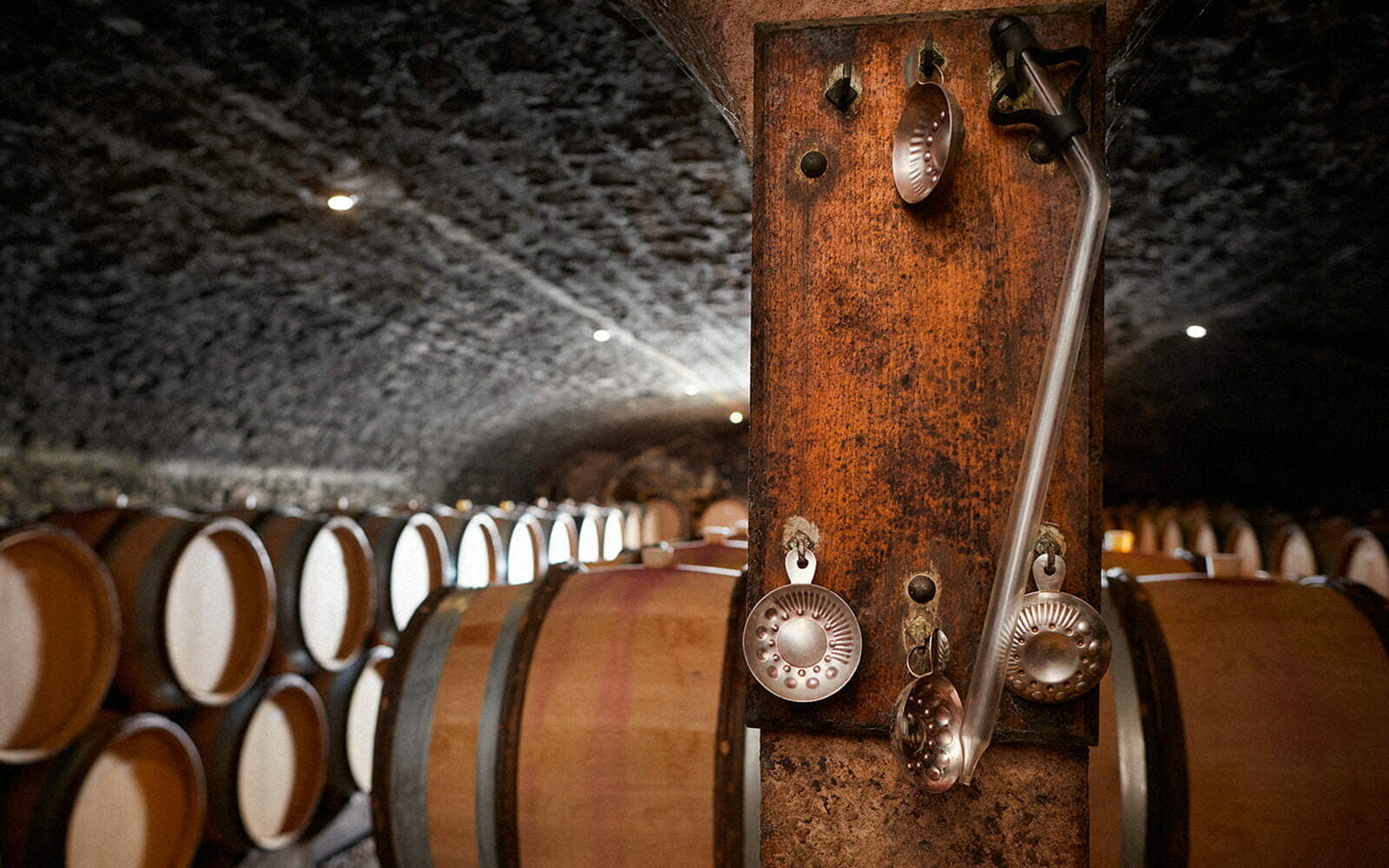
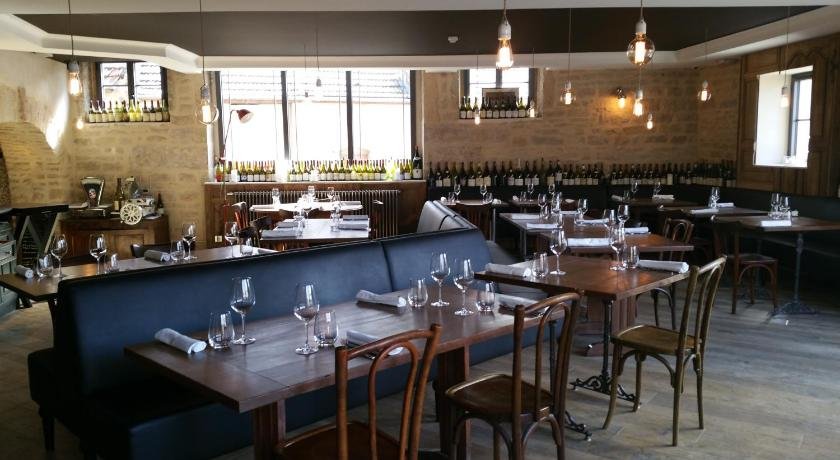
Domaine René Bouvier reads like a working Burgundian producer rather than a staged tasting room. The tone is quiet and contemplative: cellars along the Chemin du Saule retain a functional, unvarnished character and visits follow the pace of production. Tastings unfold in near-silence, with barrel samples pulled from the ricks and a focus on the wines themselves. That low-key, serious manner makes the domaine feel like a discreet, earnest stop on the côte—an intimate place for people who prefer direct encounters with cellar work over hospitality theatre.
Best For
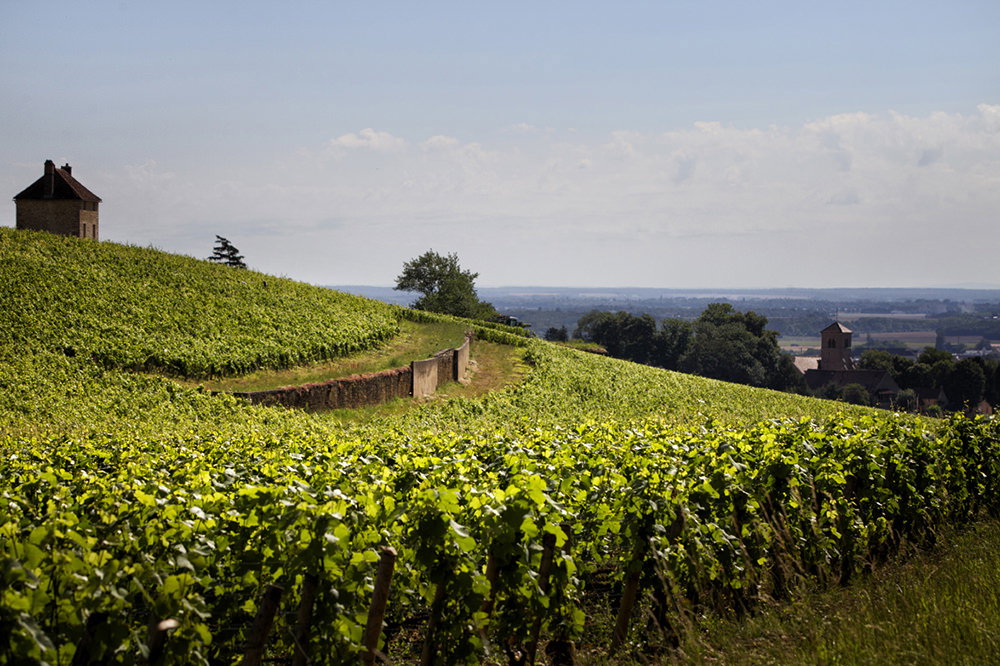
This domaine is best for visitors who come to learn and listen. It suits wine students, collectors and curious solo travelers who want close-up exposure to Burgundian cellar practice: barrel tasting, technical discussion and a focus on vineyard-driven differences. The experience is less about polished reception and more about the wine and where it comes from, so it’s ideal for deliberate tastings and small-party visits rather than loud group tours or casual drop-ins.
Tasting Tips
Plan for a paced, cellar-focused visit: prioritize time for the walk through the cellar and ask to taste barrel samples pulled with a thief. Direct questions about sourcing—altitudes, aspects and which parcels feed each cuvée—will yield useful detail because the domaine works across multiple appellations. Expect an absence of theatrical service; bring patience and curiosity, and treat the visit as an opportunity to focus on vinification and terroir rather than a conventional tasting-room experience.
Venue details
Ambiance
Classic and elegant with a focus on terroir expression in a traditional Burgundian winery setting.
Tags
Vibe
Best For
Experience
Sourcing
View
At the Vineyard
- Appellation
- Gevrey-Chambertin AOC
- Varietals
- Pinot Noir, Chardonnay, Aligoté
- Tour Duration
- 60-90 minutes
- Visits
- By appointment only
- Wine Styles
- Still Red, Still White, Still Rose
- Wine Club
- Not available
Know before you go
Know Before You Go
- Getting there
- Chem. du Saule, 21220 Brochon
Planning details
Location
Also consider
Also Consider
- Domaine Fourrier, Notable alternative
- Domaine Rossignol-Trapet, Notable alternative
- Domaine Trapet Père et Fils, Notable alternative
- Domaine Joseph Roty, Notable alternative
- Domaine Pierre Damoy, Notable alternative
Winery context
How It Compares
Domaine René Bouvier is the right target if you want a serious Gevrey-Chambertin-area visit without making the day only about the hardest-name producers. Domaine Fourrier and Domaine Trapet Père et Fils are stronger choices for travellers building a prestige-led itinerary, but they also sit in the category where access can shape the whole trip.
Domaine Rossignol-Trapet is the better cross-shop if you want another Gevrey name with a serious village identity, while Domaine Joseph Roty and Domaine Pierre Damoy make more sense for collectors who are already comfortable with tightly allocated Burgundy. For value, judge by the quality of the appointment and what it teaches you about the producer set, not by a published tasting fee.
If booking is difficult, do not treat any of these as interchangeable. Pick Domaine René Bouvier for a focused Brochon-adjacent Gevrey stop, Fourrier or Trapet Père et Fils for a higher-profile target, and Rossignol-Trapet when you want a comparable village anchor for the same day.
Explore Gevrey-Chambertin
Around this place
Discover more on Pearl
Unlock the full Domaine René Bouvier guide in Pearl, including awards, comparisons, FAQs, planning details, and nearby places.
Compare Domaine René Bouvier
| Venue | Location | Awards |
|---|---|---|
| Domaine René Bouvier | Gevrey-Chambertin | No published awards |
| Domaine Fourrier | Gevrey-Chambertin | 2026 Falstaff Winery Guide2026 Michelin Grape Main Selection - Burgundy2025 Pearl 4 Star Prestige |
| Domaine Rossignol-Trapet | Gevrey-Chambertin | 2025 Pearl 4 Star Prestige |
| Domaine Trapet Père et Fils | Gevrey-Chambertin | 2026 Michelin 1 Grape - Burgundy2026 Falstaff Winery Guide2025 Pearl 4 Star Prestige |
| Domaine Joseph Roty | Gevrey-Chambertin | 2026 Michelin 1 Grape - Burgundy2026 Falstaff Winery Guide |
| Domaine Pierre Damoy | Gevrey-Chambertin | No published awards |




How Domaine René Bouvier compares with similar nearby venues.
FAQ
Frequently Asked Questions
What other venues are near Domaine René Bouvier?
If you are building a Gevrey-Chambertin plan, comparison names include Domaine Fourrier, Domaine Rossignol-Trapet, Domaine Trapet Père et Fils, Domaine Joseph Roty, and Domaine Pierre Damoy. Domaine René Bouvier is in Gevrey-Chambertin and has Pearl 2 Star Prestige (2025) recognition.
What should I confirm before visiting Domaine René Bouvier?
Confirm current hours, pricing, format, service details, and other practical arrangements directly with Domaine René Bouvier before committing to a plan.
Where is Domaine René Bouvier?
Domaine René Bouvier is in Gevrey-Chambertin.
How long should I plan for a visit to Domaine René Bouvier?
Ask Domaine René Bouvier directly about visit length and timing before setting your schedule in Gevrey-Chambertin.
Do I need a reservation at Domaine René Bouvier?
Contact Domaine René Bouvier directly before visiting, especially if you are planning around a specific date or time.