

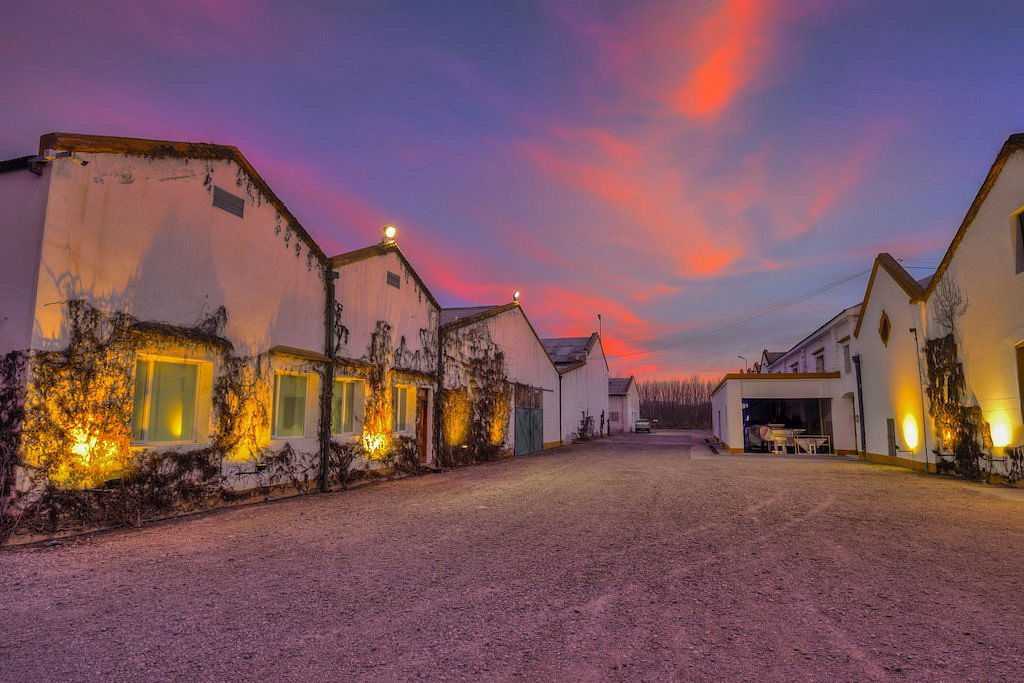
Humberto Canale
Alto Valle de Río Negro, General Roca
Winery in General Roca, Argentina
 Book with Pearl
The Read
Patagonian Terroir Precision
Price
$150–200tasting
Why go
Humberto Canale is worth prioritizing for travelers who want serious Patagonia wine context in General Roca, especially if Río Negro is central to the trip. It is a weaker fit for anyone needing confirmed food, pricing, shipping, or group logistics before planning, so treat it as a wine-focused visit that requires advance coordination.
About Humberto Canale
For a General Roca itinerary, Humberto Canale's 2 Star Prestige recognition for 2025 is a useful hook. It is a recognized local venue; do not build the visit around details such as a published format, food program, prices, or visitor-specific services.
The safest way to plan is to keep the focus narrow: Humberto Canale is a General Roca venue with weekday hours and a smart casual dress code. Use other planning in General Roca around those basics, and confirm any visit details directly before making the trip.
Book for the essentials, not a guaranteed dining-led visit
The smart expectation here is a venue visit anchored by the facts: Humberto Canale is in General Roca, holds 2 Star Prestige recognition for 2025, lists smart casual dress, and posts weekday hours. Cuisine type, chef, menu price, seat count, website, booking method, or service format are not listed, so the decision should not rest on a meal or a fixed hospitality format.
If the trip is built around comparing notable regional venues, keep comparisons limited and practical. Other venues to consider in a broader itinerary include Bodega Chacra, Bodega Del Fin del Mundo, Bodega Noemía de Patagonia, Familia Schroeder, and Patagonia Whisky Co. The point is not to assume identical formats; it is to compare venue choices and then verify current visit details directly.
Who should prioritize it
This is most compelling for travelers who want a recognized General Roca stop and are comfortable confirming the practical details themselves. It is less compelling for anyone who needs information on food, special services, private-event logistics, pricing, or group capacity before committing.
Plan around the posted schedule: Monday through Friday from 9 AM to 12 AM, with Saturday and Sunday closed. Smart casual dress is the dress code. Choose Humberto Canale if General Roca is central to the itinerary and the recognition matters; choose another option if you need a clearly published hospitality structure before you go.
Planning details
- Location
- Chacra 186, Gral. Roca, Río Negro, Argentina
- Website
- bodegahcanale.com
- Phone
- +54 298 454-9396
The take
The Take
The Vibe
Humberto Canale reads like a multigenerational Patagonian estate rather than a polished, design-forward visitor attraction. The writing emphasises agricultural continuity: an established chacra in General Roca whose identity predates the recent wave of tourism-oriented wineries. That sense of history pairs with a restrained, terroir-focused personality — the narrative privileges wind, sandy soils and dramatic diurnal range over architectural spectacle. Visitors encounter a thoughtful, grounded place where the land and climate do the talking, and the cellar’s story is inseparable from the valley’s long-running viticultural practice.
Best For
This estate is best for visitors who want to understand what cool-climate Patagonian viticulture actually looks like. The description is written for people interested in terroir and technique: those who appreciate explanations of diurnal temperature swings, arid soils and how those forces shape acidity and structure. It suits curious wine students, small groups focused on education, and travellers seeking a grounded, historically rooted winery visit rather than a design-centric tasting experience. The setting in the Río Negro Valley also makes it appealing for anyone wanting a scenic, agricultural outing.
Tasting Tips
When you visit or taste from Humberto Canale, direct conversation towards site features rather than varietal hype. Ask about the valley’s diurnal range, the sandy alluvial soils and how persistent winds influence hang time — the copy highlights those factors as central to the wines’ taut acidity and structure. Request bottlings or tasting notes that demonstrate that tautness and ask producers to contrast these wines with warmer-region counterparts; the estate’s long lineage and terroir emphasis mean its most interesting expressions are those that foreground acidity, tension and mineral drive.
Venue details
Ambiance
Warm and welcoming atmosphere with thoughtfully curated dining experiences in picturesque settings among vineyards, poplars, and fruit trees; natural lighting from expansive grounds; intimate yet grand in scale.
Tags
Vibe
Best For
Experience
Sourcing
View
At the Vineyard
- Appellation
- Alto Valle de Río Negro
- Varietals
- Malbec, Pinot Noir, Cabernet Sauvignon, Riesling, Semillon
- Tour Duration
- multi-day experiences available
- Tour Languages
- Spanish, English
- Visits
- By appointment only
- Farming
- Sustainable
- Wine Styles
- Still Red, Still White, Still Rose, Sparkling
- Food Pairing
- Offered
- Shipping
- Available
- Wine Club
- Not available
Know before you go
Know Before You Go
- Getting there
- Chacra 186, Gral. Roca, Río Negro, Argentina
Planning details
Location
Also consider
Where to look if this is hard to arrange
If booking does not line up, try Bodega Chacra for a more specialist Patagonia wine angle or Familia Schroeder for a broader winery alternative. For groups with non-wine drinkers, Patagonia Whisky Co. is the cleaner fallback.
Winery context
Among General Roca-area options, Humberto Canale is the pick for travelers who want an established Patagonia wine stop with recognition attached and are willing to work around difficult booking logistics. Bodega Chacra and Bodega Noemía de Patagonia are stronger cross-shops for travelers chasing smaller-production prestige and a more focused wine-geek itinerary, while Humberto Canale makes more sense when General Roca itself is the anchor.
If value for money is the deciding factor, compare confirmed tasting access and inclusions before choosing. Bodega Del Fin del Mundo and Familia Schroeder may be better fits for visitors who want a broader, easier-to-plan winery day. Humberto Canale is better for travelers who care less about a fully packaged experience and more about adding a serious Río Negro name to the route.
Patagonia Whisky Co. is the practical alternative when the group includes non-wine drinkers or wants a spirits-led stop instead of another cellar visit. For ambiance, choose by trip mood: winery depth points toward Humberto Canale, Chacra, or Noemía; a more mixed drinking itinerary points toward Patagonia Whisky Co.
Explore General Roca
Around this place
Discover more on Pearl
Unlock the full Humberto Canale guide in Pearl, including awards, comparisons, FAQs, planning details, and nearby places.
Compare Humberto Canale
| Venue | Location | Awards |
|---|---|---|
| Humberto Canale | General Roca | No published awards |
| Bodega Chacra | Mainqué | 2026 Falstaff Winery Guide |
| Bodega Noemía de Patagonia | Mainqué | 2026 Falstaff Winery Guide |
| Patagonia Whisky Co. | Neuquén | No published awards |
| Bodega Del Fin del Mundo | Neuquén | No published awards |
| Familia Schroeder | San Patricio del Chañar | 2026 Falstaff Winery Guide |

How Humberto Canale General Roca compares with similar nearby venues.
FAQ
Frequently Asked Questions
Does Humberto Canale serve food?
A food program or cuisine type is not listed. Treat Humberto Canale as a General Roca venue to confirm directly before planning any meal around it.
What recognition does Humberto Canale have?
Humberto Canale has 2 Star Prestige recognition for 2025.
Can Humberto Canale handle large groups?
Group capacity or private-event information is not available. The hours are Monday through Friday, 9 AM to 12 AM, with Saturday and Sunday closed, so any group visit should be checked directly with the venue in advance.
When is the best time to visit Humberto Canale?
Use the opening schedule as the planning anchor: Monday through Friday from 9 AM to 12 AM, with Saturday and Sunday closed. For any specific visit timing, confirm directly with Humberto Canale before you go.
Where is Humberto Canale located?
Humberto Canale is located in General Roca.