

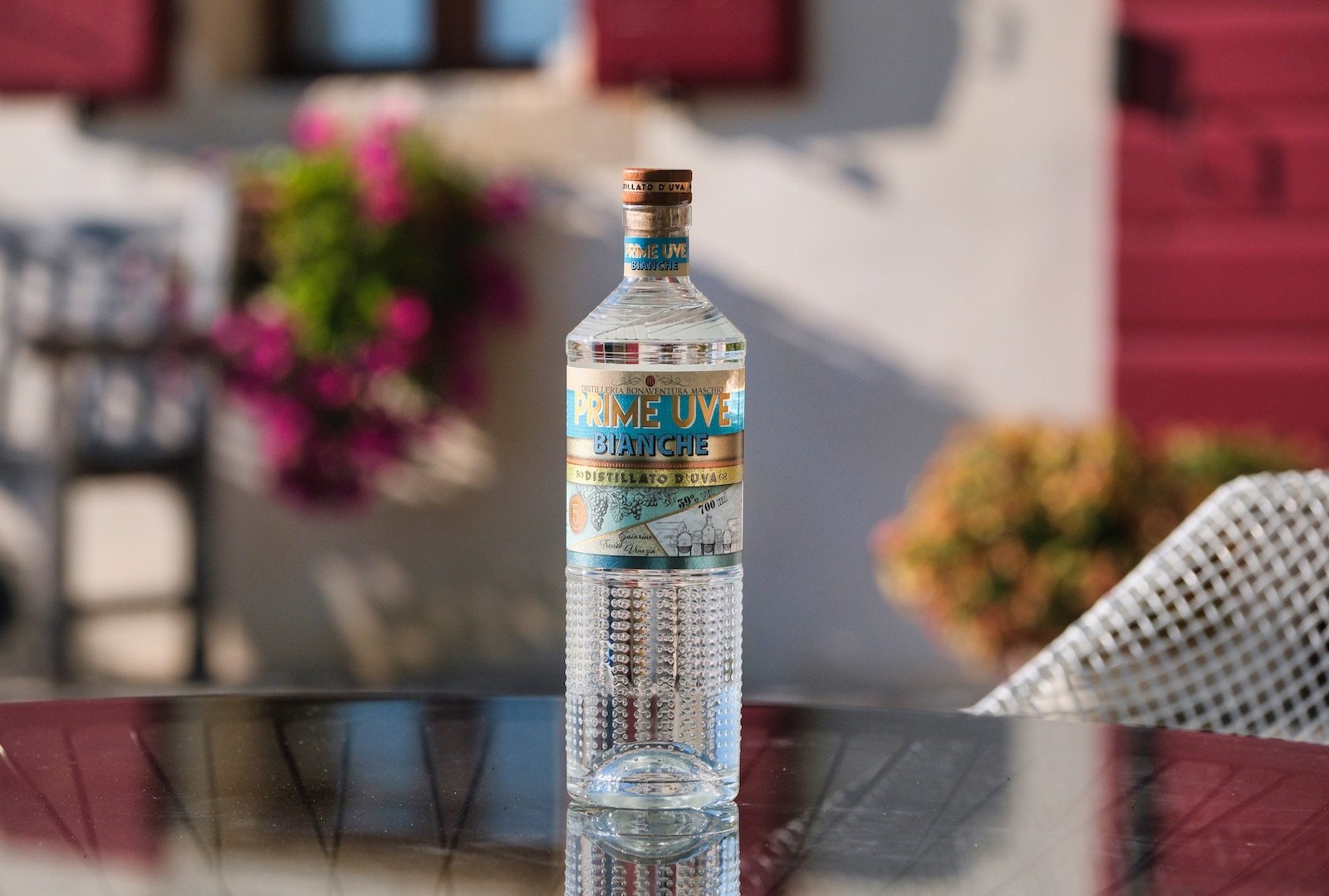
Bonaventura Maschio
Gaiarine
Winery in Gaiarine, Italy
 Book with Pearl
The Read
Treviso Plain Precision
Why go
A strong choice for a focused Veneto spirits stop, especially for visitors who have already done the obvious regional tasting route. Bonaventura Maschio is worth pursuing if access matters more than a broad hospitality setup; keep a backup because booking difficulty is high and food details are not clearly signposted.
About Bonaventura Maschio
Bonaventura Maschio is a venue in Gaiarine with a smart casual dress code and a Pearl 2 Star Prestige recognition for 2025. Beyond those points, practical visitor details are limited, so the safest way to plan is to verify current access, timing, and any visit format directly before building a day around it.
Use this page as a concise planning note rather than a substitute for the venue's latest official information. If you are comparing options, keep the decision focused on whether Bonaventura Maschio fits your Gaiarine plans and whether the recognition and dress code match the kind of stop you want.
Use this as a focused planning note, not a complete visit guide
Because details about hours, service format, food, pricing, or booking requirements are limited here, avoid assuming a particular kind of experience. Plan with flexibility, confirm the essentials in advance, and keep other unnamed Gaiarine options in mind if your schedule needs certainty.
The key details are simple: Bonaventura Maschio is in Gaiarine, the dress code is smart casual, and it holds Pearl 2 Star Prestige recognition for 2025. Those facts are enough to make it a noteworthy listing, but not enough to infer specific menus, tastings, tours, reservations, shipping, or other services.
Who should choose it when comparing venues
Choose Bonaventura Maschio if you want a Gaiarine venue with Pearl 2 Star Prestige recognition and you are comfortable checking the practical details yourself. If your group needs confirmed hours, food service, pricing, or a specific visit format before deciding, treat those as open questions rather than assumptions.
For comparison, you may also look at Bonaventura Maschio alongside Bottega, Distilleria Andrea Da Ponte, Distilleria Castagner, Distilleria Nardini, and Negroni Antica Distilleria. Use those names as reference points only, and confirm each venue's current details independently before planning around them.
Planning details
- Location
- Str. delle Pere, 1, 31018 Gaiarine TV
- Website
- primeuve.com/it
- Phone
- +39 0434 756611
The take
The Take
The Vibe
Bonaventura Maschio sits squarely in the Treviso working landscape: quiet, precise and unsentimental. The estate’s personality is defined less by theatrical scenery and more by the steady order of rows of vines and pragmatic stewardship of alluvial soils. You feel a focus on craft rather than show — an emphasis reinforced by references to grappa and distillate production and a portfolio-level award. The overall impression is one of restrained elegance and agricultural calm, where aromatic clarity and technical consistency take precedence over opulence or romantic hillside theatrics.
Best For
This is a visit for people interested in terroir-driven clarity and producer craft. The estate’s Pearl 2 Star Prestige recognition and its emphasis on precision make it well suited to focused wine-education visits, small group outings and understated special occasions where the priority is tasting a coherent portfolio rather than scenic spectacle. Travelers who prefer technical, aromatic expression and distilled specialties (like grappa) will find the setting particularly rewarding; it’s less about postcard views and more about learning and appreciating consistent winemaking across vintages.
Tasting Tips
When engaging with Bonaventura Maschio, center attention on the house’s portfolio and distilled specialties. The text highlights aromatic definition and grappa/distillate production, so seek out those bottlings to understand the region’s signature precision. Given the producer’s Pearl 2 Star Prestige rating, sample across several labels to appreciate the consistency the award underscores. Expect restrained, terroir-driven expression rather than high-octane concentration; prioritize tasting flights or comparative pours that showcase aromatic nuance and technical clarity.
Venue details
Ambiance
Heritage-focused atmosphere reflecting five generations of distilling tradition, blending artisanal craftsmanship with modern production techniques in the heart of Veneto's wine country.
Tags
Vibe
Best For
Experience
Sourcing
View
At the Vineyard
- Appellation
- Prosecco DOC
- Varietals
- Glera, Incrocio Manzoni, Raboso
- Visits
- By appointment only
- Farming
- Sustainable
- Wine Styles
- Sparkling, Still White, Still Red
- Shipping
- Available
- Wine Club
- Not available
Know before you go
Know Before You Go
- Getting there
- Str. delle Pere, 1, 31018 Gaiarine TV
Planning details
Location
Also consider
Where to Look If This Is Full
If Bonaventura Maschio is not workable, try Distilleria Castagner first for the most relevant distillery alternative. For a broader Veneto drinks stop that may suit mixed groups better, Bottega is the safer cross-shop.
Winery context
How It Compares
Bonaventura Maschio is the pick for a focused, producer-led stop in Gaiarine, especially if the goal is Italian spirits rather than a broad winery hospitality day. Bottega is the easier choice for visitors who want a more recognizable Veneto drinks name, while Distilleria Castagner is the more obvious cross-shop for a distillery-focused itinerary.
For booking difficulty, treat Bonaventura Maschio as the least forgiving option in this set. If the group needs a backup with a similar spirits angle, look first at Negroni Antica Distilleria or Distilleria Andrea Da Ponte. If the decision is more about heritage appeal than convenience, Distilleria Nardini belongs on the shortlist.
Value depends on what the reader wants from the day. Bonaventura Maschio is worth the effort for a narrow, serious stop; Bottega is safer for mixed-interest groups, Castagner is stronger for a direct distillery comparison, and Nardini is the better fit when the itinerary needs a bigger historic name.
Explore Gaiarine
Around this place
Discover more on Pearl
Unlock the full Bonaventura Maschio guide in Pearl, including awards, comparisons, FAQs, planning details, and nearby places.
Compare Bonaventura Maschio
| Venue | Location | Awards |
|---|---|---|
| Bonaventura Maschio | Gaiarine | No published awards |
| Bottega | Bibano di Godega | 2026 Falstaff Winery Guide |
| Distilleria Castagner | Vazzola | No published awards |
| Negroni Antica Distilleria | Mareno di Piave | No published awards |
| Distilleria Andrea Da Ponte | Conegliano | No published awards |
| Distilleria Nardini | Bassano del Grappa | No published awards |

How Bonaventura Maschio Gaiarine compares with similar nearby venues.
FAQ
Frequently Asked Questions
Does Bonaventura Maschio offer shipping or remote purchase options?
When is the best time to visit Bonaventura Maschio?
Visiting hours and seasonal guidance are not included here. Plan around confirmed information from the venue, and note that Bonaventura Maschio is in Gaiarine and has Pearl 2 Star Prestige recognition for 2025.
What other venues can I compare with Bonaventura Maschio?
For comparison, consider Bottega, Distilleria Andrea Da Ponte, Distilleria Castagner, Distilleria Nardini, and Negroni Antica Distilleria. Confirm each venue's location, access, and current visitor details before planning a route.
Does Bonaventura Maschio offer memberships or recurring access?
Do I need a reservation at Bonaventura Maschio?
Reservation requirements are not mentioned here. Since the venue is in Gaiarine, the prudent planning step is to check current access directly before you go.
Does Bonaventura Maschio serve food?
Food service details are not mentioned here. Do not assume a meal, pairing, or snack offering unless Bonaventura Maschio confirms it directly.
What is Bonaventura Maschio best known for?
Bonaventura Maschio is known for its Gaiarine location, smart casual dress code, and Pearl 2 Star Prestige recognition for 2025. For current offerings or recommendations, ask Bonaventura Maschio directly.