
Winery in Fügen, Austria
Brennerei Mair
250ptsAlpine Fruit Distillation
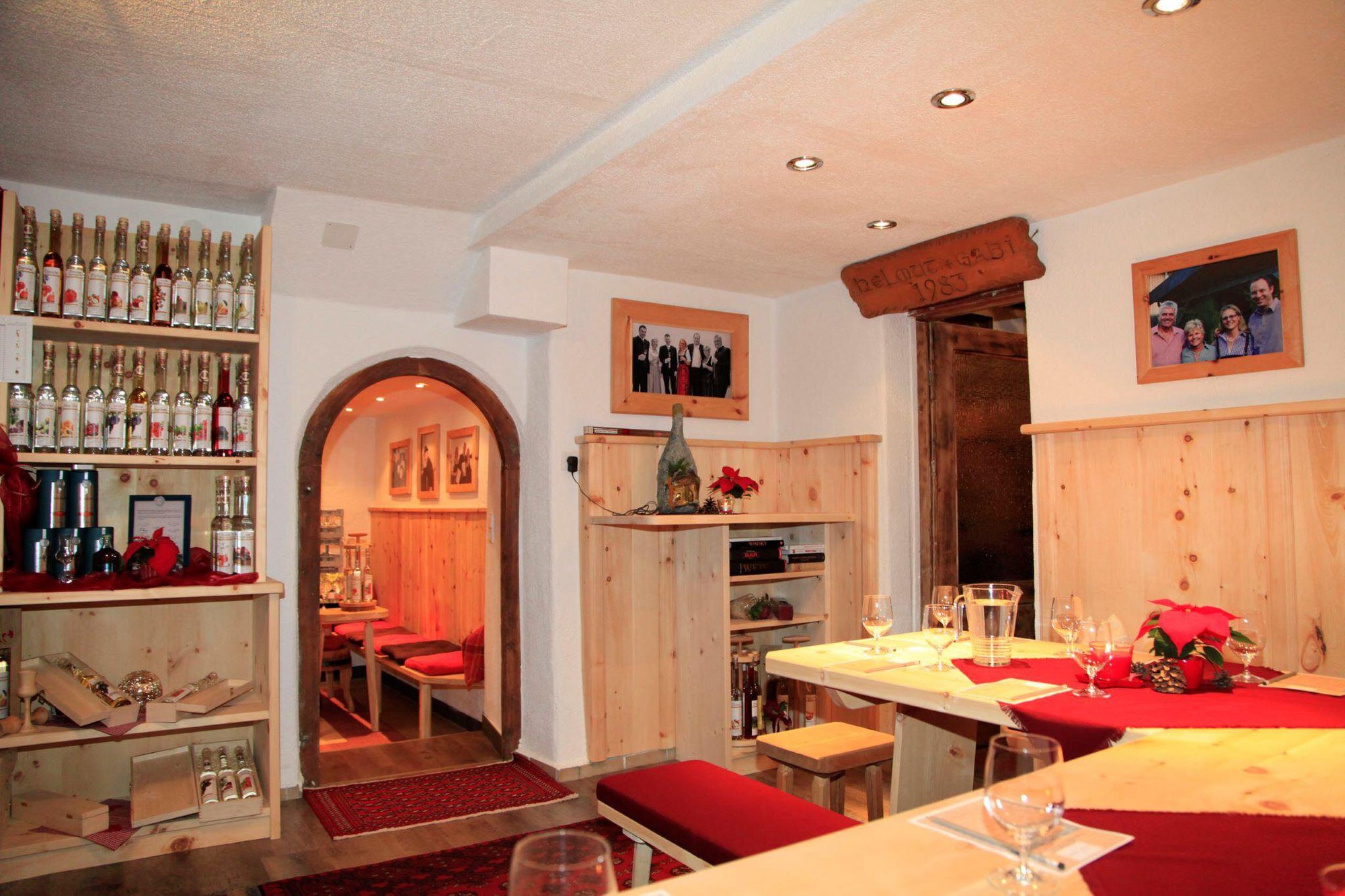
About Brennerei Mair
Brennerei Mair holds a Pearl 1 Star Prestige (2025) and operates out of Fügen in Austria's Zillertal valley, placing it among the country's recognised craft distilleries. The Zillertal's alpine character shapes everything produced here, from raw ingredient selection to the mountain-air conditions that influence maturation. For visitors moving through Tyrol's distilling tradition, it represents a credentialled stop in a region that rarely advertises itself loudly.
Alpine Distilling and the Tyrolean Tradition
The Zillertal is better known for ski runs and folk music than for craft spirits, which is precisely why its distilling culture tends to be underestimated by those arriving from Austria's more publicised wine corridors. The valley sits at an elevation where growing seasons are compressed, fruit sugars concentrate differently, and the water running off limestone and gneiss carries a mineral clarity that distillers in lower-altitude regions cannot replicate by method alone. Brennerei Mair, awarded a Pearl 1 Star Prestige in 2025, operates within this specific environmental logic, and that recognition places it alongside a small tier of Austrian producers earning serious critical attention outside the country's dominant wine conversation.
Austria's craft distilling scene has been quietly consolidating quality credentials for two decades, but recognition at the Pearl level in 2025 signals something more than local consistency. It positions Brennerei Mair within a competitive set that includes producers from across the country, from the Burgenland fruit-spirit houses to the alpine Schnapps operations that stretch across Tyrol and Vorarlberg. To understand what that means practically, it helps to look at what the Pearl tier actually measures: verifiable quality at a prestige level, assessed against producers working in comparable categories. Fügen's geography provides the raw material conditions; what gets recognised is how those conditions are expressed in the bottle.
What the Zillertal Gives a Distillery
Terroir in distilling is a more contested term than in winemaking, but the underlying principle holds wherever the source material comes directly from the land. In the Zillertal, that means high-altitude fruit — primarily from orchards that have supplied valley distilleries for generations — water from glacially fed streams, and ambient temperatures that create slower, more gradual maturation conditions for aged products. The contrast with lowland Austrian producers is material, not just atmospheric. Producers in Burgenland, such as Weingut Scheiblhofer Distillery in Andau, work with a warmer, more wine-adjacent fruit character. Tyrolean distilleries draw on a cooler, more austere raw palette, and that difference shows in finished spirits as a leaner, often more mineral-forward profile.
This matters when thinking about how Brennerei Mair fits into Austria's broader distilling map. The country has no single dominant spirit tradition the way Scotland has whisky or Cognac has brandy, but it does have a well-established culture of fruit distillation, particularly in alpine regions, where Williams pear, plum, and gentian-root spirits have deep historical roots. The 2025 Pearl recognition suggests Brennerei Mair is working at the quality end of this tradition rather than serving the volume tourist market that sustains many valley producers. For those comparing across Austrian craft producers, other notable operations include 1310 Spirit of the Country Distillery in Sierning, 1404 Manufacturing Distillery in Sankt Peter-Freienstein, A. Batch Distillery in Bergheim, and Abfindungsbrennerei Franz in Leithaprodersdorf , each anchored in different regional raw material traditions.
Reading the Recognition
A Pearl 1 Star Prestige in 2025 is not a participation award. The Pearl system operates within a structured evaluation framework, and prestige-level recognition at one star places a producer in a defined quality bracket rather than simply acknowledging existence. For Austrian distilleries, which compete across categories that range from traditional Obstler to more internationally framed aged spirits, landing in the prestige tier requires consistency across the product range, not a single standout expression.
That consistency is what distinguishes Brennerei Mair's position from that of purely regional producers whose reputations rest on local loyalty rather than external assessment. The 2025 award year is recent enough to reflect current production quality, not historical goodwill. For those planning visits to Tyrol and looking to anchor a spirits-focused itinerary with a credentialled stop, this is not a speculative recommendation , it is a producer with documented recognition at a meaningful level in the current assessment cycle.
For context on how Austrian craft producers sit relative to the country's more celebrated wine estates, it is worth noting that internationally recognised names such as Weingut Bründlmayer in Langenlois, Weingut Emmerich Knoll in Dürnstein, and Weingut Kracher in Illmitz operate in wine regions with well-established international critical infrastructure. Distilleries in alpine Tyrol have historically lacked that same external amplification, which makes award recognition proportionally more significant as a signal of quality. Weingut Wohlmuth in Kitzeck and Weingut Pittnauer in Gols illustrate how Austrian producers across categories are increasingly moving into international visibility, a pattern that Brennerei Mair's 2025 recognition fits into.
Fügen as a Base for Spirits Tourism
Fügen sits in the lower Zillertal, roughly equidistant from Innsbruck to the west and the higher valley resorts to the south and east. The town is primarily known to visitors as a year-round resort base, meaning accommodation infrastructure is substantial relative to its size, and access from major transport corridors is practical. For those building a Tyrolean itinerary that extends beyond skiing or hiking, the valley's distilling culture provides a coherent thread to follow , one that connects agricultural heritage with craft production in a way that the region's more obvious tourist draws do not.
Planning a visit specifically around Brennerei Mair requires direct contact with the producer, as specific booking methods, opening hours, and tasting formats are not publicly documented in available sources. This is typical of smaller Tyrolean distilleries, which frequently operate on appointment or seasonal schedules shaped by production cycles. The approach differs substantially from Austria's wine tourism infrastructure in Wachau or Burgenland, where formal visitor programs and defined tasting calendars are standard. In the alpine distilling tradition, the visit often comes with less structure and more direct access to the production environment, which is itself part of the experience format.
For a broader view of what Fügen and the surrounding area offer across dining and drinking, our full Fügen restaurants guide provides context on how the town sits within Tyrol's hospitality map.
Where Brennerei Mair Sits in the Category
Austrian fruit distillation has a disciplined quality ceiling when producers choose to work toward it. The tradition demands attention to raw material quality , overripe, damaged, or chemically treated fruit produces spirits that no distillation technique can fully correct , and that upstream discipline separates serious producers from volume operations. The alpine growing conditions that Brennerei Mair works with in the Zillertal create both constraints and advantages: shorter seasons, higher quality thresholds per unit of yield, and a distinctly regional character that cannot be manufactured elsewhere.
Against the broader international craft distilling market, which has seen considerable growth across Scotland, Ireland, and the United States in the past decade , producers such as Aberlour in Aberlour representing the established end of that spectrum , Austrian alpine distilleries occupy a smaller, less commercialised niche. The Pearl 1 Star Prestige positions Brennerei Mair at the quality end of that niche, where the standard of comparison is not the volume of output or the size of the distribution network, but the fidelity of the spirit to its source material and place. That is a meaningful distinction, and in 2025, it has external validation to support it.
For those with serious interest in Austrian craft production more broadly, Brennerei Mair represents the alpine end of a country that is increasingly producing spirits worth tracking across multiple regional traditions.
Frequently Asked Questions
What is the atmosphere like at Brennerei Mair?
Brennerei Mair operates in Fügen in the Zillertal, an alpine valley environment where craft distilleries typically function as working production sites with limited formal visitor infrastructure. The atmosphere at producers of this type, particularly those recognised at the Pearl 1 Star Prestige level (2025), tends toward direct access and production-floor proximity rather than polished tasting-room formats. Specific details on the visitor experience format are not publicly available and are leading confirmed by contacting the producer directly.
What is the leading spirit to try at Brennerei Mair?
The Pearl 1 Star Prestige (2025) indicates quality across the range rather than a single standout expression, but Tyrolean distilleries operating at this level typically anchor their reputation in fruit spirits drawn from regional orchards , Williams pear and plum are the most historically rooted categories in the Zillertal tradition. Without specific product data available, the most useful guidance is to ask the producer directly which expressions leading represent the current release. The award provides confidence that the range merits the visit; the specifics are leading addressed at the source.
What is Brennerei Mair leading at?
Based on the available evidence, Brennerei Mair's strength lies in translating the Zillertal's alpine raw material conditions into spirits that earned Pearl 1 Star Prestige recognition in 2025. Within Fügen and the broader Tyrolean distilling scene, that positions it at the quality end of the regional category. The specific product areas where that recognition is concentrated are not documented in publicly available records, but the award year is current enough to reflect the operation's present standards rather than historical reputation.
Related editorial
- Best Fine Dining Restaurants in ParisFrom three-Michelin-star icons to the next generation of Parisian chefs pushing boundaries, these are the restaurants that define fine dining in the world's culinary capital.
- Best Luxury Hotels in RomeFrom rooftop terraces overlooking ancient ruins to Michelin-starred hotel dining, these are the luxury hotels that make Rome unforgettable.
- Best Cocktail Bars in KyotoFrom sleek lounges to hidden speakeasies, Kyoto's cocktail scene blends Japanese precision with global influence in ways you won't find anywhere else.
Save or rate Brennerei Mair on Pearl
Keep this venue in your Pearl passport, rate it after you visit, and track it alongside every other place you collect.